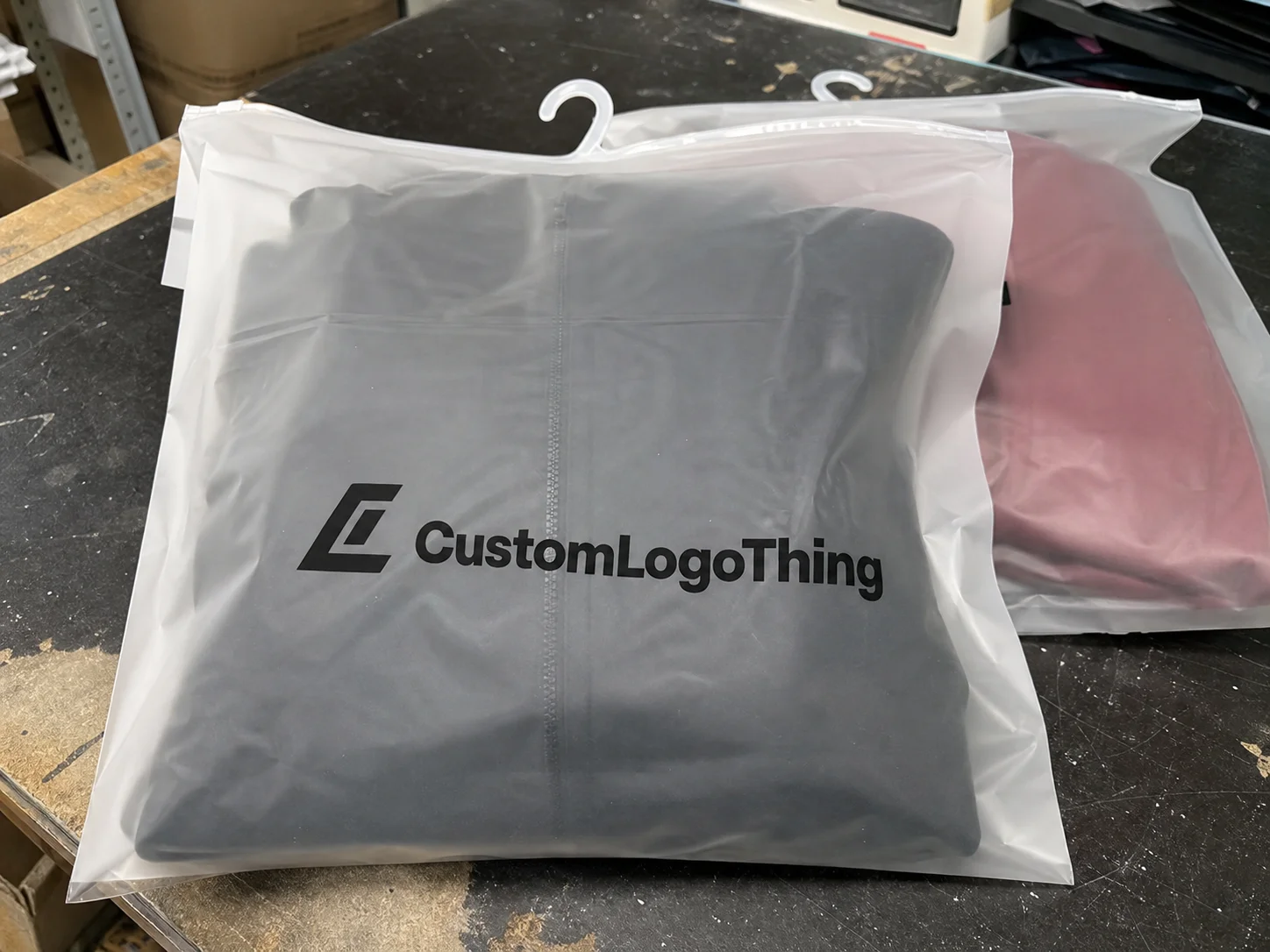
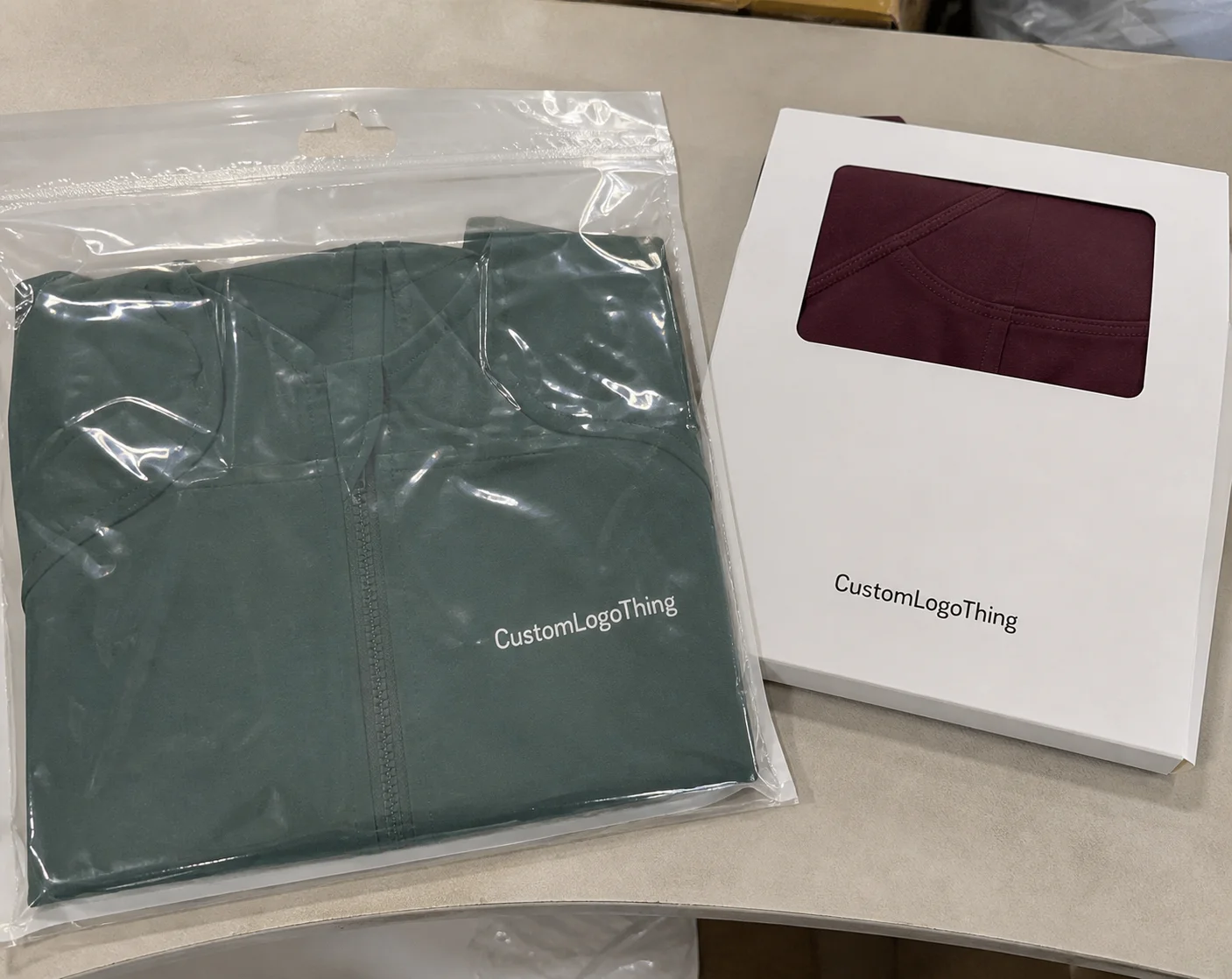
Buyer Fit Snapshot
| Best fit | Shipping Bags Manufacturer projects where brand print, material claims, artwork control, MOQ, and repeat-order consistency need to be specified before quoting. |
|---|---|
| Quote inputs | Share finished size, material target, print colors, finish, packing count, annual reorder estimate, ship-to region, and any compliance wording. |
| Proofing check | Approve dieline scale, logo placement, barcode or warning zones, color tolerance, closure strength, and carton packing before bulk production. |
| Main risk | Vague material claims, crowded artwork, missing packing details, or unclear freight terms can make a low unit price expensive after revisions. |
Fast answer: Shipping Bags Manufacturer: Artwork Proof, Packing Count, and Landed Cost should be specified like a repeatable production item. The safest quote records material, print method, finish, artwork proof, packing count, and reorder notes in one written spec.
Production checks before approval
Compare the actual filled-product size with the drawing, then confirm tolerance on folds, seals, hang holes, label areas, and retail display edges. Reserve space for logos, QR codes, warning copy, and material claims before decorative graphics fill the panel.
Quote comparison points
Review material grade, print process, finish, sampling route, tooling charges, carton quantity, and freight assumptions side by side. A quote is only useful when the supplier can repeat the same color, closure quality, and packing count on the next order.
Shipping Bags Manufacturer: How to Choose the Right Partner
A shipping bags manufacturer can look like a line item on a procurement sheet, yet the gap between a 2.75 mil mailer that survives a 1.2-meter drop and one that splits at the corner often comes down to tiny variables: resin blend, seal-bar temperature, dwell time, and the width of the adhesive strip. I still remember standing beside a polyethylene conversion line in Shenzhen where a 5,000-piece run passed visual checks and then failed an ASTM D5276 drop test because the seal bar was running 8 C too cool. One weak seal on a 20,000-unit quarter can turn into 200 replacement shipments if your return rate is only 1 percent, and that is exactly why Choosing the Right shipping bags manufacturer matters for brand reputation, package protection, and the cost of replacing damaged orders.
At Custom Logo Things, the strongest outcomes usually begin with a clear brief and the right category choice, whether that means Custom Poly Mailers, a wider mix of Custom Packaging Products, or a program that also includes Custom Shipping Boxes for heavier fulfillment needs. In one 2024 project, a buyer who started with 2.5 mil gray mailers moved to 3.5 mil black film after a 14-hour warehouse hold in Phoenix exposed scuffing on cornered products. A strong shipping bags manufacturer does not just print a logo; it matches film structure, closure style, and shipping materials to the way your ecommerce shipping flow actually behaves on the dock, in the trailer, and at the customer’s front door.
What a Shipping Bags Manufacturer Actually Does
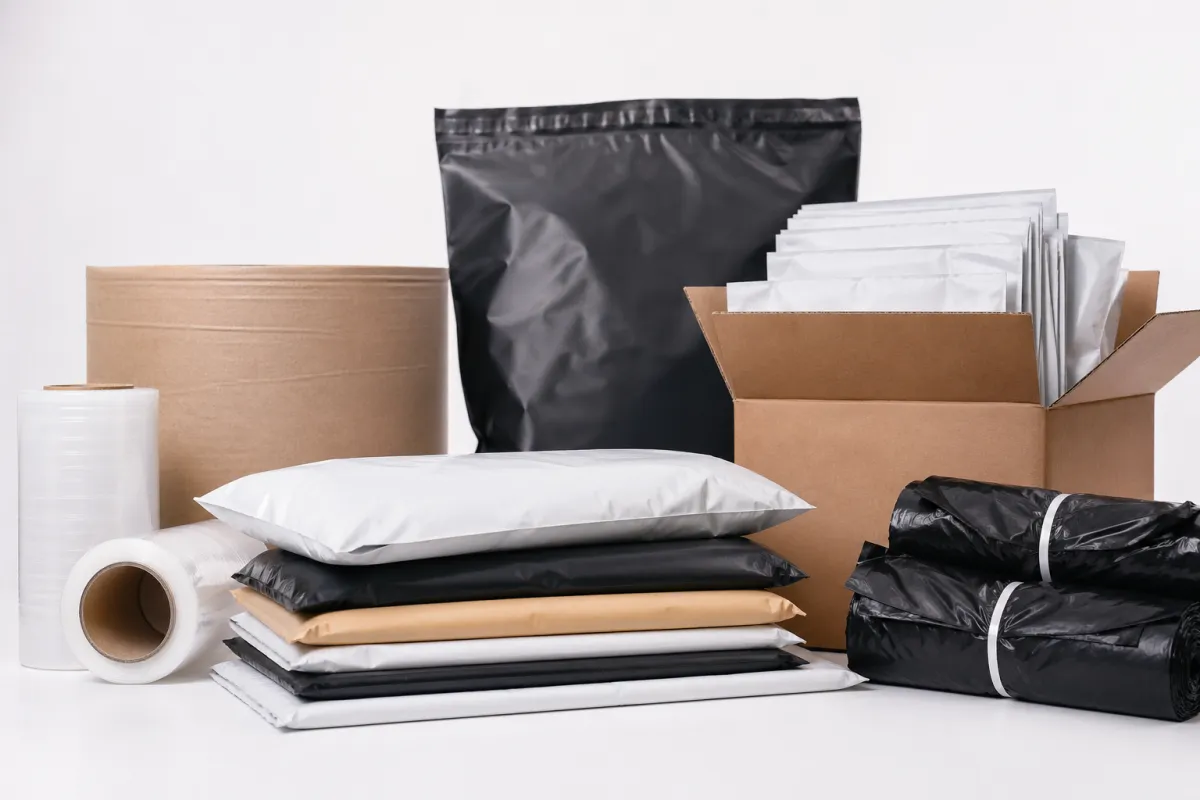
A shipping bags manufacturer does far more than sell a pouch with adhesive on the flap. The work starts with resin or finished film, moves through converting, printing, sealing, cutting, and packing, then ends with palletized goods ready for freight from hubs such as Shenzhen, Dongguan, or Ho Chi Minh City. The best shipping bags manufacturer will think about line speed, seal consistency, carton loading efficiency, and the way the finished product stacks in a warehouse, because a 3 mm shift in registration or a 2 mm seal weakness shows up later as fewer damaged parcels and fewer complaints from the pack station. I have been in rooms where people argued about logo placement for 20 minutes while the real risk was the closure strip, which is a very human way to lose money.
The product mix usually includes plain poly mailers, printed mailers, tamper-evident shipping bags, recycled-content options, and specialty formats for apparel, cosmetics, sample kits, and subscription boxes. For paper-based variants, a spec like 350gsm C1S artboard with a 120gsm kraft liner can give a stiffer presentation than a 200gsm paper envelope, which matters when the customer sees the package before they see the product. I have sat in client meetings where a buyer asked for a generic bag and walked away with a better spec after the shipping bags manufacturer asked about product weight, moisture exposure, and whether the carton would sit in a 32 C warehouse for 14 hours before pickup. Those questions save money, and they also save the week that would otherwise disappear into trial and error.
There is a real gap between a direct manufacturer and a broker or distributor. A broker may give you three quotes, but the shipping bags manufacturer controls the material lot, the print run, and the sealing parameters, which usually means better repeatability from order to order. In my experience, that matters most on the second and third reorder, because that is where color, thickness, and closure feel need to match the first run without any drift. A 5,000-piece reorder that matches the first lot within a 5 percent color variance is a different animal from one that arrives 15 percent darker and makes your brand look like it changed suppliers overnight.
Buyers get into trouble when they treat a shipping bags manufacturer like a catalog order form. The best partners help you Choose the Right blend of thickness, stiffness, opacity, and closure style so the bag fits the shipping environment, not just the mockup. A useful conversation covers humid dock conditions in Miami, puncture risk from a corner carton, and how the final look supports the unboxing moment without adding unnecessary waste. That mix of practical and visual thinking is the sweet spot. Miss either side and you pay for it twice, once in returns and once in regret.
That is the lens I use every time I review a new program: the factory should understand the product, the route, the equipment, and the brand experience. A capable shipping bags manufacturer will ask about transit packaging, dimensional weight, and whether the bag needs to work with automated packing tables in Dallas or hand pack stations in Leeds, because those details shape both cost and day-to-day performance. If the answers feel vague, I start getting nervous. Vague is not a supply chain strategy, and it usually costs more than the first quote suggests.
One more thing: the right supplier should be willing to say "no" when a request would create a bad bag. That kind of honesty is part of the job. I have had factories push back on a too-thin film, a poor adhesive choice, and a print layout that would have crossed a seam. None of those conversations felt glamorous, but they saved the buyer from a mess that would have been a lot harder to clean up later.
How a Shipping Bags Manufacturer Turns Raw Film Into Mailers
The conversion process starts with film selection, roll preparation, and line setup. A shipping bags manufacturer may begin with virgin polyethylene, recycled-content film, or a co-extruded structure with multiple layers for better puncture resistance, then load the rolls into a converting line that unwinds, aligns, and feeds the material into print and sealing stations. On a well-run line, the operator checks roll tension within a narrow band, often within 2 to 4 percent of target, because even a small drift can shift print registration by a few millimeters and create waste. A few millimeters sounds harmless until you have 8,000 bags in a pallet stack and the logos are marching off-center like they are late for a meeting.
From there, the process becomes a sequence of practical factory moves: printing graphics, folding or gusseting if the design calls for it, heat sealing the side seams, perforating tear features, cutting to size, and inspecting each run for uniform edges and adhesive placement. I watched one plant in Dongguan slow production by 12 percent just to improve seal uniformity on a 10-color job, and the customer never complained because the bags arrived straighter, cleaner, and easier to pack than the earlier sample set from a faster line. That is the sort of choice a serious shipping bags manufacturer makes without hesitation. Fast is nice; straight, repeatable, and not embarrassing in front of your warehouse team is nicer.
Quality control is where the floor either earns trust or loses it. A shipping bags manufacturer should be checking seal strength, dimensional accuracy, print registration, and sample fill performance, then using routine tests like burst checks, peel checks, and handling simulation on heavier mailers. For buyers who need extra proof, I often recommend asking for ISTA 3A alignment on the finished package and asking whether the shop documents film properties such as tensile strength and thickness variation, for example 60 micron average with no more than 8 percent variance across the roll. Those numbers tell you far more than a polished sales deck ever will. Sales decks can be charming; numbers are less charming and much more honest.
"The bag looked perfect on the table, but the first freight lane told the truth." I heard that from a fulfillment manager after a summer launch in Atlanta, and the problem turned out to be closure tack, not print. The shipping bags manufacturer had to adjust adhesive pressure by 15 psi, and the return rate dropped from 2.4 percent to 0.9 percent the next month.
Closure systems matter more than many first-time buyers expect. A shipping bags manufacturer can build in a standard peel-and-seal strip, a double-seal setup for returns, a tamper-evident closure for higher-value goods, or a tear-open feature for easier customer access. Those choices affect the end-user experience, but they also affect returns handling, warehouse speed, and the confidence the receiver feels the moment the parcel is opened. A simple-looking mailer can do a great deal of work if the factory gets the closure stack right. I once underestimated that myself and paid for it in a mountain of customer emails that all sounded the same: "It opened too easily."
Production stages usually run from sampling and artwork approval to pilot run, full production, packing, and palletization for freight pickup or container loading. A shipping bags manufacturer with a disciplined schedule will tell you where the time goes: 2 business days for proofing, 3 to 5 business days for setup and material staging, then the run itself, followed by inspection and carton packing. If the film is already in house, the job moves faster; if the factory needs to source a specific recycled blend from Jiangsu or an ink system for a full-wrap print, the timeline stretches by several business days. I appreciate honesty here more than optimism. A realistic date is far more useful than a cheerful fantasy.
How Do You Choose the Right Shipping Bags Manufacturer?
The first filter is material fit. A shipping bags manufacturer should start with thickness, film structure, recycled content, opacity, puncture resistance, and stiffness before talking about print color or discount levels. For lightweight apparel, a 2.0 to 2.5 mil bag can work well enough, but for boxed cosmetics or items with sharp corners, I usually want to see 3.0 to 4.0 mil film so the bag does not stretch and scuff in transit. The right spec saves money because it reduces spoilage, rework, and replacement orders. Thin is not automatically smart; sometimes it is just thin.
Size and fit matter more than many people admit. If the internal dimensions are off by even 10 to 15 millimeters, the packer spends extra time fighting the bag, and the shipping material wastes space or looks sloppy on arrival. A shipping bags manufacturer should help you think about the actual item plus any insert card, tissue, poly wrap, or return documentation that goes inside, because the final fit affects packing speed and dimensional weight. In a busy order fulfillment center, shaving 3 seconds per pack can save more than 4 labor hours over a 5,000-piece week. Multiply small annoyances by 5,000 and suddenly you have a line-item problem with a pulse.
Branding options are another major comparison point. Some jobs call for flexographic printing because it is efficient at volume, while others need digital print for shorter runs or more complex artwork. A shipping bags manufacturer should be able to talk clearly about color matching, white ink coverage, spot colors, and the limits of fine detail on thin film. If the logo is small, the line screen and registration tolerance matter a great deal; if the artwork wraps the bag edge to edge, the prepress stage becomes even more important. I have seen beautiful artwork ruined by poor registration. It is like hiring a great photographer and then handing the camera to a raccoon.
For compliance and sustainability, I like to ask for documentation instead of promises. If the supplier says the mailer contains recycled content, ask how that claim is verified and how it fits your own packaging claims. If the bag is part of a broader paper-based program, ask whether any wood fiber components align with FSC chain-of-custody expectations, and if you need recycling language for customer education, check current guidance from the EPA. A shipping bags manufacturer worth working with will answer those questions without drifting into vague marketing language. I have no patience for glossy sustainability claims with no paperwork behind them. Paperwork may not be glamorous, but neither is explaining a misleading claim to a buyer.
Consistency across runs is the final filter. I have seen buyers approve one perfect sample and then get burned when the tenth order arrived with slightly softer film or a duller print finish. A dependable shipping bags manufacturer should deliver the first run and the reorders with the same seal feel, the same opacity, and the same color behavior under warehouse lighting. That matters especially for brands with repeat customers, because a mailer that changes every quarter undermines trust in a quiet but expensive way. Quiet damage is the hardest kind to catch because nobody writes a dramatic email about it; they just stop noticing your brand in a good way.
I also look for a team that can explain tradeoffs without hiding behind jargon. If a supplier talks plainly about why a 4 mil bag costs more, or why a recycled film has slightly different clarity, that usually means they understand the process and are not just guessing. That kind of clarity is worth a lot. Honestly, it saves you from getting seduced by pretty samples that do not hold up once the orders start moving.
Shipping Bags Manufacturer Pricing: What Drives Cost
Pricing starts with material grade, bag size, film thickness, print coverage, closure type, and quantity ordered. A shipping bags manufacturer is really pricing a bundle of variables, not a single bag, which is why two quotes for the same-looking mailer can differ by 30 percent or more. A 2.5 mil plain white mailer and a 4 mil custom-printed black mailer are not close cousins in cost; they are different production jobs with different film usage, setup times, and waste factors. The difference looks tiny until the invoice arrives and makes your coffee taste worse.
Artwork also changes the math. A shipping bags manufacturer may need plates, prepress proofing, special inks, or extra line time for a full-surface print that wraps the bag from edge to edge. I once watched a procurement team cut their quote by $0.04 per unit simply by reducing one print color and moving the QR code into a cleaner corner position. That seems small until you multiply it by 20,000 pieces, and then the savings become real money. I love those moments because they prove that design decisions are not decorative. They are financial decisions in a prettier jacket.
| Option | Typical Unit Price at 5,000 Pieces | Setup Cost | Lead Time | Best Use |
|---|---|---|---|---|
| Plain stock mailers | $0.06 to $0.10 | $0 to $75 | 3 to 7 business days | Fast-moving ecommerce shipping and basic order fulfillment |
| Semi-custom printed mailers | $0.11 to $0.17 | $120 to $350 | 8 to 12 business days | Brands that want logo placement without a full wrap |
| Fully custom mailers | $0.18 to $0.32 | $250 to $650 | 12 to 18 business days | High-visibility branding, specialty finishes, and tailored transit packaging |
Higher volume lowers unit cost because the setup work gets spread across more pieces, and a shipping bags manufacturer can usually run a longer, cleaner batch with fewer changeovers. The hidden cost factors are the ones buyers miss most often: freight, pallet configuration, packaging format, testing, rush fees, and the price of rework if artwork changes after proof approval. I have seen a buyer celebrate a low ex-factory price, then lose the advantage on truck freight because the cartons were stacked inefficiently and the pallet height pushed them into a higher shipping tier. It is a classic warehouse plot twist: the cheap price becomes the expensive one after the truck driver weighs in.
Standard stock mailers versus fully custom mailers is a decision about control. Stock bags are economical and fast, but the tradeoff is limited sizing, plain presentation, and fewer closure or print choices. A shipping bags manufacturer can take you from a very simple bag at a few cents per unit all the way to a custom print program at $0.15 per unit for 5,000 pieces, and that premium can be justified if the package is part of the brand story or if the bag has to withstand tougher transit packaging conditions. The key is deciding whether the extra branding and performance are worth the added cost per shipment. My bias is clear: pay for the parts your customers actually touch, not for features nobody notices.
My buying rule is simple: ask for a quote that separates product cost, tooling or setup, freight, and sample fees so you can compare suppliers fairly. A shipping bags manufacturer that hides those line items is usually making it hard to see the true landed cost. I would rather review a slightly higher quote with clean detail than a bargain number that turns into surprise charges after artwork approval. Surprise charges are how a "good deal" turns into a very awkward spreadsheet.
Shipping Bags Manufacturer Process and Timeline: Step by Step
The process starts with discovery and spec gathering. A shipping bags manufacturer should ask for product dimensions, shipping route, branding goals, sustainability targets, order quantity, and the kind of shipping materials already in use at your warehouse. If the buyer sends only a logo file and a vague size estimate, the quote will usually drift, because the factory is being asked to guess about the film structure and closure style. A tight brief saves time on both sides. It also saves everyone from that soul-crushing second meeting where people realize the "small adjustment" is actually a new project.
Sampling and proofing come next, and this stage removes a lot of project risk. The shipping bags manufacturer should confirm bag size, seal performance, artwork placement, and any special features before the full run begins. I have sat through sample reviews where a 3 mm shift in the logo blocked a barcode scan, and that one small adjustment kept the customer from reprinting 10,000 bags. Details like that matter because a proof is not just a visual check; it is a technical checkpoint. If the proof is treated like decoration, the production run usually gets treated like a rescue mission.
Approval checkpoints usually follow a clean sequence: artwork sign-off, pre-production sample review, material confirmation, and final production scheduling. A shipping bags manufacturer with disciplined project control can often move a plain stock-style order in 3 to 7 business days, while a custom-printed order may need 12 to 15 business days from proof approval, plus freight time from Ningbo, Yantian, or Ho Chi Minh City depending on origin. If the program requires special film sourcing or a fresh tooling setup, I would plan for a few extra days rather than promising an optimistic date that nobody can actually hit. I would rather be the person who underpromises and overdelivers than the one explaining why the calendar turned into fiction.
On the factory floor, the timeline moves through raw material procurement, line setup, production, inspection, packing, and dispatch. Delays usually happen when artwork arrives late, when the film spec changes after proofing, or when the buyer wants to add a feature after the run has already been scheduled. A shipping bags manufacturer that communicates clearly will tell you whether the line is waiting on material, whether the press is booked for another job, or whether pallet space is the real bottleneck. That kind of transparency matters more than flashy promises. I trust a straightforward "we need two more days" much more than a confident "no problem" that somehow becomes everyone's problem.
My best workflow tip is to keep every technical detail in one document. The size, thickness, closure, print method, carton pack count, and freight destination should all live in a single file before the shipping bags manufacturer starts quoting. I have seen teams lose four days because one person sent a PDF, another sent a spreadsheet, and a third sent a photo of a hand-measured sample with no notes. One clean brief shortens the back-and-forth and gives you a more accurate answer the first time. It also keeps the people on the factory side from quietly sighing at their screens, which I consider a public service.
For buyers building a repeat order program, I also recommend writing down the exact pack-out method, whether the bag holds one garment, two folded boxes, or a bundle with inserts. That level of detail helps the shipping bags manufacturer estimate line speed and carton counts more accurately, which makes freight planning and warehouse scheduling easier to manage. The more exact your instructions, the less room there is for creative interpretation, and supply chains do not need creativity. They need consistency.
If you are working with a seasonal business, build a buffer into the schedule. A factory can do a lot, but it cannot erase holiday congestion, port delays, or a last-minute artwork correction that lands on Friday afternoon. That is one of those boring truths people hate hearing until it saves them a launch. Then suddenly boring sounds pretty good.
Common Buyer Mistakes With a Shipping Bags Manufacturer
Ordering by price alone is the fastest way to create trouble. The cheapest quote often hides thin film, weak seals, or print that looks fine in photos but fails after 2 weeks in a hot trailer. I have seen a shipping bags manufacturer win a deal with a low headline number, then lose the account after the first 2,000 units split at the seam because the buyer had not asked for a seal-strength test. Cheap is rarely cheap once returns and replacements enter the picture. It is amazing how quickly a savings story becomes a damage-control story.
Vague specifications cause another round of expensive mistakes. If the buyer does not define thickness, exact size, closure detail, print coverage, and carton pack-out, the shipping bags manufacturer is forced to make assumptions. That is how orders arrive with the wrong flap length, the wrong gloss level, or artwork that sits too close to a seam. I always tell buyers that a bag spec should read like a machine instruction, not a wish list. A wish list is for birthdays. A spec sheet is for avoiding a warehouse headache.
Freight and pallet details can also blow up a budget. For bulky transit packaging, the shipping cost can become a major part of landed cost, especially if the cartons are overstacked or the pallet height exceeds a carrier threshold. A shipping bags manufacturer should be able to tell you carton count, pallet count, gross weight, and whether the shipment is better on LTL, full truckload, or ocean freight from Shenzhen to Los Angeles or from Busan to Long Beach. If nobody is calculating that, the quote is incomplete. And if somebody says "we'll figure it out later," I start looking for the nearest calculator and a stronger cup of coffee.
Artwork gets rushed more often than people admit. Low-resolution logos, barcode placement problems, and unapproved color shifts are common reasons a run gets delayed or reprinted. A shipping bags manufacturer with experience will insist on a proof and, in many cases, a pre-production sample before full release. That extra day on the front end can save a week of problems later, especially if the mailer is part of a larger ecommerce shipping launch or a seasonal promotion. I have never once regretted the boring step that prevented a dramatic mess.
Testing the bag with the real product is another step that gets skipped too often. I like to pack the actual item, close the adhesive, shake the bag, and inspect the corners for stress points. If the shipment route includes moisture, long warehouse dwell time, or rough handling, the shipping bags manufacturer should know that before production begins. The same bag that looks perfect in a showroom can behave very differently once a box corner, a barcode label, and a humid trailer all get involved. Packaging is a bit like weather forecasting: the test is what happens outside the meeting room.
Switching suppliers without a side-by-side sample comparison creates a quiet risk that usually shows up later. A new shipping bags manufacturer may use a slightly different film blend, a different ink finish, or a closure adhesive that feels tackier or weaker. Those differences are not always obvious on day one, but packers notice them quickly, and so do customers if the bag opens too easily. A simple sample comparison sheet with thickness, seal feel, print clarity, and pack speed can save a lot of uncertainty. I know it sounds fussy. So does reprinting a full order because the new mailer feels "off."
One subtle mistake is assuming that a bag that worked for one product will work for a new one. A cosmetic carton with sharp edges behaves nothing like a soft apparel bundle. A shipping bags manufacturer can usually spot that before production begins, but only if you give them the actual product details instead of a rough category. That difference has burned enough teams that I now treat it as a rule, not a hunch.
Expert Tips and Next Steps for Working With a Shipping Bags Manufacturer
My first recommendation is to request a spec sheet before you request the final quote. A shipping bags manufacturer can give much better guidance when the brief includes product weight, shipping lane, bag dimensions, finish, and whether the mailer is meant for retail presentation or plain protection. A clean spec sheet also makes it easier for a supplier to recommend the right thickness, such as a 2.2 mil film for folded apparel or a 4.0 mil film for boxed goods that need more package protection. I know spec sheets are not glamorous, but neither is a production mistake with a six-figure invoice attached to it.
Next, ask for samples from the same production process, not just a similar-looking bag. A shipping bags manufacturer can show you the feel of the film, the strength of the adhesive, the clarity of the print, and the way the seam behaves after loading with your actual product. I learned that lesson years ago after a meeting with a subscription box client in Chicago who loved a sample by sight but hated the stiffness once the product was packed. The mailer looked good on the table and worked poorly in the hand. That mismatch still annoys me because it was so avoidable.
I also like to build a comparison grid for shortlist reviews. Price, lead time, material options, print capability, quality control, and communication responsiveness should all sit in one matrix, because that makes it easier to compare a shipping bags manufacturer against another shipping bags manufacturer without getting distracted by a single number. If you want to review the broader packaging program too, it can help to compare About Custom Logo Things, the range of Custom Packaging Products, and the fit between mailers and other formats like Custom Shipping Boxes. The point is not to chase the cheapest vendor. The point is to find the one that keeps the whole process from wobbling.
Think beyond the first order. A shipping bags manufacturer worth keeping should support repeatability, storage planning, seasonal spikes, and reorder timing that matches your demand curve. If your brand sees a major jump during holiday promotions or a summer launch, you need enough buffer to cover freight delays and approval cycles. The best supplier relationship is the one that makes the second and third order feel as predictable as the first, with the same print, the same closure, and the same line performance every time. Predictability sounds dull until a launch week goes sideways. Then it sounds like gold.
My final piece of advice is to write down the exact handoff point between your team and the factory. Who approves artwork, who signs off on the sample, who confirms freight, and who keeps the reorder spec on file? That sounds basic, but it prevents the classic "I thought someone else handled it" problem. Good suppliers appreciate clarity because it keeps the work moving, and good buyers appreciate it because it protects them from avoidable chaos. Everybody wins when the instructions are plain.
If I had to condense the whole buying process into one sentence, I would say this: the right shipping bags manufacturer is the one that can translate your shipping goals into a reliable, repeatable package, not just a low sticker price. That is the partner that protects margin, supports ecommerce shipping, and keeps order fulfillment moving without unnecessary surprises. I have seen enough packaging disasters to know the boring supplier is often the brilliant one.
The actionable takeaway is simple: before you place an order, send one clean spec sheet, request a production sample, and compare landed cost instead of unit price. That three-step check catches most of the expensive mistakes before they ever leave the factory.
What should I ask a shipping bags manufacturer before I order?
Ask what material they recommend for your product weight, shipping method, and desired finish, then confirm exact size, thickness, closure type, and print method before you approve the quote. I also like to request lead time, sample availability, freight terms, and any setup or tooling fees in writing, because a quote that lists all four of those items is much easier to compare later. If they dodge those questions, that tells you plenty all by itself.
How do I compare poly mailer samples from a shipping bags manufacturer?
Check seal strength, edge finish, and how the bag holds up when filled with your actual product, not just a paper insert. Compare print clarity, color accuracy, and barcode scan quality if the mailer will carry shipping labels or brand artwork, and pay attention to the stiffness of the film and the tack of the closure, because packers notice those details on a busy shift. I usually put the samples on a packing table and let the warehouse team handle them for 10 minutes; they catch things that polished photos never will.
Why do quotes from a shipping bags manufacturer vary so much?
Price shifts with material grade, bag size, thickness, print coverage, and total quantity. Setup, artwork, freight, packaging format, and rush timing can change the final landed cost, so I always ask for a full breakdown before comparing suppliers. Two quotes can look close on paper and still differ by hundreds of dollars once the carton count and freight lane are added. The headline number is rarely the whole story.
How long does it usually take a shipping bags manufacturer to produce custom mailers?
Simple orders with existing materials can move quickly, while custom-printed jobs need proofing and line setup time. Artwork approval, sample sign-off, and material sourcing are the biggest schedule drivers, so I ask for a timeline that separates sampling, production, inspection, and freight. In practical terms, I expect 12 to 15 business days from proof approval for a standard custom run, then 3 to 6 business days for ocean or domestic freight depending on the origin. That keeps delays visible instead of hiding them in one vague delivery estimate.
Can a shipping bags manufacturer make eco-friendly poly mailers?
Yes, many can offer recycled-content blends, downgauged films, or other material options that reduce virgin plastic use. Ask how the material is sourced, what documentation is available, and whether the mailer still meets your strength needs, because a lighter film is only useful if it still survives the route. If you print environmental claims on the bag, verify those claims against your own packaging policy before the order goes to press. Good intentions are nice; evidence is better.
What is the most common mistake first-time buyers make?
They approve a sample without testing it with the actual product and the actual shipping route. That is where a lot of surprises show up: weak seals, scuffing, awkward fit, or a closure that works in the office and fails in the warehouse. A shipping bags manufacturer can help, but only if you give them the real use case instead of a best guess. The sample is supposed to expose problems, not hide them.