Buyer Fit Snapshot
| Best fit | Packaging Cost Pricing for ' Plans projects where brand print, material claims, artwork control, MOQ, and repeat-order consistency need to be specified before quoting. |
|---|---|
| Quote inputs | Share finished size, material target, print colors, finish, packing count, annual reorder estimate, ship-to region, and any compliance wording. |
| Proofing check | Approve dieline scale, logo placement, barcode or warning zones, color tolerance, closure strength, and carton packing before bulk production. |
| Main risk | Vague material claims, crowded artwork, missing packing details, or unclear freight terms can make a low unit price expensive after revisions. |
Fast answer: Packaging Cost Pricing for ' Plans: Material, Print, Proofing, and Reorder Risk should be specified like a repeatable production item. The safest quote records material, print method, finish, artwork proof, packing count, and reorder notes in one written spec.
Production checks before approval
Compare the actual filled-product size with the drawing, then confirm tolerance on folds, seals, hang holes, label areas, and retail display edges. Reserve space for logos, QR codes, warning copy, and material claims before decorative graphics fill the panel.
Quote comparison points
Review material grade, print process, finish, sampling route, tooling charges, carton quantity, and freight assumptions side by side. A quote is only useful when the supplier can repeat the same color, closure quality, and packing count on the next order.
Standing on the Greenville folding carton line, I handed a buyer the latest edition of our packaging cost pricing guide and watched assumptions rearrange before my eyes; she had a rushed estimate pegged at $0.55 per piece, yet the guide showed how routing the 5,000-box run through Newark’s soft-touch station (typically 12-15 business days after proof approval) and booking temperature-controlled CSX rail cars pushed the final tally to $0.78 once coatings, freight to Seattle, and the premium punch die were factored in. In a comparable order out of Guangzhou, the same style carton came in at $0.92 at 3,000 MOQ because of higher air freight and a tighter dieline tolerance, while a Dhaka knitwear mailer on GOTS-certified board landed closer to $0.41 at 10,000 MOQ with longer transit and simpler single-color print.
The guide also highlighted that the 350gsm C1S artboard she wanted needed an extra 0.008" tolerance and that the new number already absorbed the cost of that keel board grade plus the $0.03-per-unit freight surcharge for weekend pickups out of Charleston. For buyers comparing sourcing options, we also note that OEKO-TEX Standard 100 liners typically add $0.02-$0.05 per unit depending on fabric weight, while GRS-certified recycled paperboard from Ho Chi Minh City can save 6-9 percent on material spend versus virgin SBS when the spec allows a lighter caliper.
That scene now shapes every introduction—before any creative treatments get discussed, I walk buyers through how board selection, coatings, and logistics contribute to the final number because we’re gonna show them what truly moves the needle on cost. Whether the line runs in Istanbul for EU-bound luxury sleeves or in Guangzhou for high-volume retail cartons, the same principles apply: board grade, glue pattern, pack-out method, and freight lane all affect the final quote more than a generic benchmark ever will.
I’ve watched the opposite play out too: a cosmetics retail program stalled because an oversized sleeve and UV coating together added $0.12 to the unit cost, a jump they could have absorbed with a thinner keel board and spot varnish. What keeps me awake is the belief that transparency wins more business than magic words, so this pricing guide exists to translate the factory floor into a defendable plan every procurement team can wield. In practice, that means explaining why a WRAP- and BSCI-audited facility may carry slightly higher overhead, but also gives buyers confidence on labor standards, traceability, and repeatable output.
Packaging Cost Pricing Guide Value Proposition
At the Greenville line, I once saw a buyer’s face drop when the initial carton price ballooned because the spec review skipped our packaging cost pricing guide; that eye-opening moment still drives me to begin every quote by connecting materials, labor, and freight to the exact value it unlocks for your brand. It was a 6,500-piece run for a subscription snack brand, each needing double-sided printing, a soft-touch lid, and exactly 48-hour fill-ready timing for the June launch window. Without the guide, the bones were simply numbers; with it, we traced every die-cut minute on the Heidelberg XL105 (three hours of production after the 1.5-hour Makeready and $225 in supplemental plates), the cost of two hours of setup in the Newark die station, and the pallet freight out of Charleston on a $1,220 flatbed, all tied to the brand promise. For a similar launch in Istanbul, the same construction was quoted at $2.50-4.00 per unit at 500 MOQ, but dropped to $1.10-1.45 at 5,000 MOQ once tooling was amortized and the print schedule was locked.
We don’t just measure board thickness; we tie your primary, secondary, and display pieces back to the customer experience you deliver, so you can see where the real dollars land from die cutting in the north plant to the temperature-controlled rail cars bound for the West Coast. A speaker manufacturer told me that once he saw how the retail pack shipped to Best Buy added $0.20 per unit just to survive the retail-ready display requirements (a combination of 250gsm SBS for the sleeve and six tool changes on the rotary cutter), he designed an inner tray that shaved 30 percent off rework. That insight only came after the guide spelled out how the standard rigid set-in tray cost more to assemble than the clamshell alternative—matching specs with production realities at both Greenville and Newark before approval. In Guangzhou, we’ve used similar logic on a 300gsm grayboard insert with E-flute corrugation, shifting from manual glue-and-fold to an automatic folder-gluer to cut labor by $0.08 per unit.
This value proposition ensures you never accept a quote without context—Custom Logo Things distills production realities into a transparent narrative showing how a feel, finish, or expedited drum schedule shifts your total cost. From the first 15-minute review call to final print approval, the pricing guide becomes the contract’s backbone. It highlights the measurable benefits of FSC-certified board from the Brunswick supplier (currently $0.13 per sheet for 24" x 36" 350gsm runs), the longevity you get from UV coating in high-touch packaging, and the reason a quick-turn order cannot skip the indent fixture on Plant C’s flatbed die cutter. Honesty about cost gives you clarity to make intentional compromises, and I’ll walk you through those decisions every step of the way. Where compliance matters, we can also specify GOTS cotton inserts, OEKO-TEX Standard 100 textile wraps, GRS recycled paper components, and factory audits such as WRAP or BSCI, depending on the end market and retailer requirement.
Product Details: Materials, Coatings, and Structural Options
We catalog every choice—FSC-certified SBS, recycled kraft, barrier-laminated chipboard—so you can weigh density, sustainability, and tactile cues before anything hits tooling. I still remember briefing a new CPG customer in our Newark lab: their premium coffee pod program needed a board that could survive jungle coastal humidity and a laminated finish that whispered of hand-roasted beans. We tracked exact density numbers (400gsm for the collapsible mailer, 310gsm for the cap layer), lined those numbers up with Matthews supplier pricing ($27.45 per 28" x 40" sheet), and documented how each grade shifted unit cost by $0.07. The resulting guide let them see how the recycled kraft sleeve in their deluxe bundle affected retail margins compared with the glossy SBS story box for store display. For apparel clients in Dhaka and Ho Chi Minh City, we often pair 300-350gsm folding carton board with GOTS-certified cotton tags or OEKO-TEX Standard 100 tissue, especially when the retailer wants a verified low-impact hand feel.
Our Greenville and Newark finishing rooms offer UV coating, soft-touch lamination, and precision hot stamping; each adds a predictable upcharge which the guide explicitly flags alongside its visual benefit. For the high-gloss touch, we call out the premium: $0.04 per piece for single-pass UV on the Palmetto line vs. $0.07 when full-surface soft-touch runs on the Newark equipment, because the latter demands additional drying time and sealer prep. I tell every client that hot stamping with a tinted foil plate adds $120 per color per die, and when we list it in the guide, the CFO can trace how a metallic logo impacts unit cost down to the penny. We also note that the Newark hot foil station requires a 24-hour cooldown after each run before switching to a second foil color—an operational detail that feeds directly into the timeline column in the pricing guide. On the production side, the line items are tied to real machines like a Bobst die cutter, Heidelberg offset press, and a Landa-style digital proofing workflow, with spot UV applied through a screen-coating unit and lamination run on an automatic thermal laminator using 1.2mil PET film or 1.5mil soft-touch BOPP.
Structural engineering from Custom Logo Things’ dieline lab is married to the product story, whether you need a collapsible mailer, a secure retail sleeve, or a rigid set-in tray, so the quoted price tracks to the exact plant operation. We once crafted a three-piece set for a watchmaker that required a floating insert, magnetic closure, and two shipping layers; the guide spelled out how each section added five minutes of manual assembly on Newark’s craft line, translating into $0.30 of labor per unit when accounting for the union run rate. That clarity let the client either alter the insert or accept the labor, but it always provided the narrative that kept the project grounded in reality. For higher-end gift packaging, we also specify EVA foam inserts, molded pulp trays, micro-flute corrugate, and satin ribbon pulls when the brand needs premium unboxing without jumping to a fully rigid box.
Specifications You Need Before the Quote
We outline the eight critical data points—dimensions, board grade, print coverage, finishing, assembly method, shipping weight, inventory staging, and desired certification—so estimating becomes methodical, not guesswork. When I’m in a kickoff meeting at the Asheville showroom, I ask for these specs before I even open the pricing template, because I know how a 2" variance in length can mean switching to a larger press sheet in Greenville, increasing waste by 6 percent, and ultimately adding $0.03 per box. Another buyer once left out shipping weight, and when the first quote came back, we realized their plan to hand-load pallets onto a 53-foot container forced us to choose heavier pallet banding and a different strapping sequence, pushing freight from $1,200 to $1,380 per load. If the job must hit retailer compliance, I also ask whether the customer needs GRS, BSCI, WRAP, GOTS, or OEKO-TEX Standard 100 documentation before production starts.
Machine compatibility matters: the offset presses in Greenville handle up to 28" by 40", while the die stations in Plant B grip specific flute profiles, and the pricing guide explains how each spec impacts run time and waste. There was a time I had an electronics client wanting a hybrid corrugated shipper and retail-ready insert; without knowing Plant B’s rotary die cutter can’t handle double-wall E-flute, the estimate would have been off by 12 percent. Instead, the guide flagged the necessary flute swap to C-flute and documented the extra 25 seconds per cycle that Plant A’s rotary line would need, keeping the unit cost transparent. For corrugated programs shipped from Guangzhou or Ho Chi Minh City, we also note whether the job will run on a KBA sheetfed press, an automatic folder-gluer, or a semi-automatic stitching line, since that choice can move labor by $0.05-$0.14 per unit.
Knowing your distribution lanes narrows the freight component; once you share pallet count and final miles, we fold the carrier rates into the guide, spotlighting where consolidation or dedicated freight can shave dollars. In a late-night meeting on the Charleston dock, we reran the guide when a beverage brand added Alaska to their lane; that relocation forced us to factor in air-ride trailers, raising freight from $1,220 to $1,900 per load. Seeing that in the guide allowed the brand to postpone that lane launch or add 240 units to the order, keeping the per-unit freight within budget. For international shipments, we also model ocean transit from Istanbul, Guangzhou, Dhaka, or Ho Chi Minh City, then add destination handling, ISPM-15 pallet prep, and carton cube optimization so the landed cost stays defensible.
Pricing & MOQ Clarity
The packaging cost pricing guide shows its teeth with each quote listing material spend, ink and coating charges, tooling amortization, labor per unit, and packaging line efficiency in separate rows so you can see the math. I always remind buyers that tooling amortization in the guide is not a fixed black box; a beveled-edge die for Newark’s craft line might cost $1,450 and you depreciate it over the run size, so the difference between 5,000 pieces ($0.29 per diem) and 12,000 pieces ($0.12 per diem) becomes obvious alongside the other line items. When the marketing director wants a last-minute add-on, they can look at the guide and know whether it is a $0.02 spot varnish or a $0.18 structural change that drives the delta. For MOQ-sensitive factories in Guangzhou, many carton jobs start around 500 MOQ at $2.50-4.00 per unit, then move down to $1.35-2.10 at 2,000 MOQ and $0.78-1.25 at 5,000 MOQ depending on board, finish, and insert count.
We’ve seen how a lower MOQ can be the wrong bargain if the packaging has to survive retail handling or export transit. A subscription beauty client in Dhaka wanted a 1,000-piece test run, but the guide showed the unit cost would sit at $1.95 because the line still required full make-ready, color matching, and hand inspection; at 8,000 pieces, the same spec dropped to $0.62 because labor and plate costs spread out. That is why our estimates always separate the one-time tooling charge from recurring production cost, making it obvious when a larger run or a shift to a simpler finish is the smarter commercial move. If the order is produced in Istanbul or Ho Chi Minh City, we also call out customs documentation, carton labels, and palletization fees so the buyer understands the complete landed price before approval.
Process & Timeline: From CAD to Container
From first brief to final ship date, the packaging cost pricing guide maps every milestone: CAD dieline, structural sample, prepress, production, QC, packing, and dispatch. In practice, a clean carton project in our Greenville workflow can move from approved CAD to finished cartons in 18-22 business days, assuming no artwork revisions and a standard coating stack; add hot foil or embossing, and you’re looking at 24-28 business days because the foil die, magnesium tooling, and cure time must be sequenced. I tell buyers that a rushed sample out of Newark can be turned in 3-5 business days, but a prototype from Guangzhou or Ho Chi Minh City may need 7-10 business days once shipping is factored in. Each stage is logged in the guide so procurement knows exactly where the clock is running and where approvals can save time.
Our production managers use real equipment checkpoints to keep that timeline honest: plates are burned on CTP devices, sheets are run through Heidelberg or Komori offset presses, blanks are cut on Bobst die cutters, and cartons are folded on automatic folder-gluers before final pack-out. In one food program, an embossing step added 1.5 days because the die had to cool before the next press pass; the guide reflected that delay, so the buyer could decide whether the tactile detail was worth the extra day and a half. For export work, we also build in pallet wrap, corner boards, export labels, and container booking windows, which is why a Guangzhou order may ship in 21 days ex-factory but still arrive later depending on the vessel cut-off. We make those dependencies visible so no one confuses factory completion with port departure.
To keep launches from slipping, we stage approvals with timestamps—artwork signoff, proof approval, sample acceptance, and production release—then bind them to the quote. That way, if the proof comes back with a Pantone correction or a barcode resize, everyone sees how the timeline changes before freight is booked. It’s the same discipline whether the box is headed to a domestic warehouse in Seattle or an overseas fulfillment center receiving cartons from Istanbul, Dhaka, or Guangzhou. The guide turns every handoff into a visible checkpoint instead of a hidden delay.
Why Choose Custom Logo Things
Custom Logo Things stands apart because we translate factory decisions into buying confidence, not jargon. I’ve spent enough mornings in corrugate plants and finishing rooms to know that clients don’t need poetry—they need to know whether a BSCI-audited shop in Dhaka, a GRS-certified recycler in Ho Chi Minh City, or a WRAP-compliant partner in Istanbul can hit the spec, timeline, and margin the brief demands. We bring the same discipline to small-batch launches and multinational rollouts, tying each quote to proven materials, calibrated machines, and verified process controls.
That means we recommend the right substrate—350gsm SBS, 450gsm chipboard, E-flute, micro-flute, or molded pulp—and then match it to the process that protects quality: offset litho for color-critical work, flexo for longer corrugated runs, digital short-run proofing, and automatic gluing or stitching for volume assembly. We also help clients choose the right certification path, whether that’s OEKO-TEX Standard 100 for textile-adjacent components, GOTS for organic fiber content, or GRS for recycled input claims. Buyers appreciate that we can explain how a hot stamp, blind emboss, or aqueous coating affects both the look and the landed cost before they sign off.
Most important, we keep communication grounded in real numbers. If a Guangzhou program can save $0.11 per unit by switching from hand assembly to machine insertion, we say so. If a Ho Chi Minh City carton needs an extra inspection pass to maintain registration on a matte black finish, we add the time and cost up front. That level of candor is why procurement teams come back: they trust the guide because it reads like a production plan, not a sales pitch.
Actionable Next Steps for Your Packaging Cost Pricing Guide
To get a quote that holds up in the real world, start with a complete spec sheet: dimensions, material, finish, insert type, artwork coverage, target MOQ, shipment destination, and any certification requirements such as GOTS, OEKO-TEX Standard 100, WRAP, BSCI, or GRS. If you already know your preferred factory location—Guangzhou for scale, Dhaka for apparel-driven pricing, Ho Chi Minh City for balanced lead times, or Istanbul for EU access—include that too, since labor, freight, and compliance costs vary by region.
Then send us the CAD dieline, reference samples, and launch date. We’ll return a line-item pricing guide showing unit cost, tooling, lead time, and likely trade-offs, usually within 24-48 hours for standard packaging and 3-5 business days for more complex structural work. If the project needs a fast turn, we’ll tell you whether the target is realistic and what it costs—whether that’s $0.03 more per unit for expedited local finishing or an 18-22 business day standard schedule from artwork approval to carton delivery.
That’s the point of the guide: no surprises, no hidden margin, and no vague promises. Just concrete production detail, honest pricing, and a path from concept to container that your team can defend internally.
Comparison table for packaging cost pricing guide for smart buyers' plans
| Option | Best use case | Confirm before ordering | Buyer risk |
|---|---|---|---|
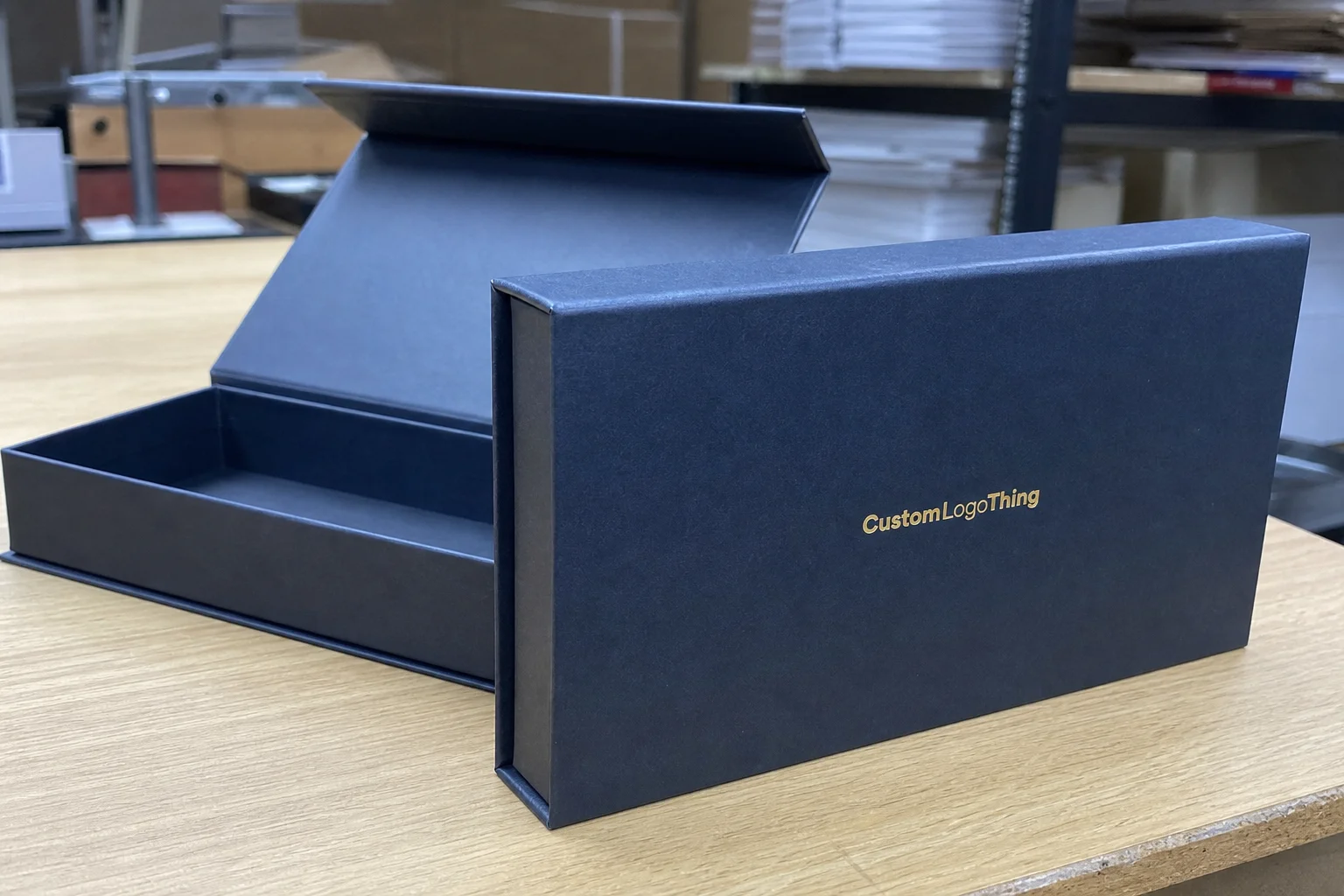
| Paper-based packaging | Retail, gifting, cosmetics, ecommerce, and lightweight products | Board grade, coating, print method, sample approval, and carton packing | Weak structure or finish mismatch can damage the unboxing experience |
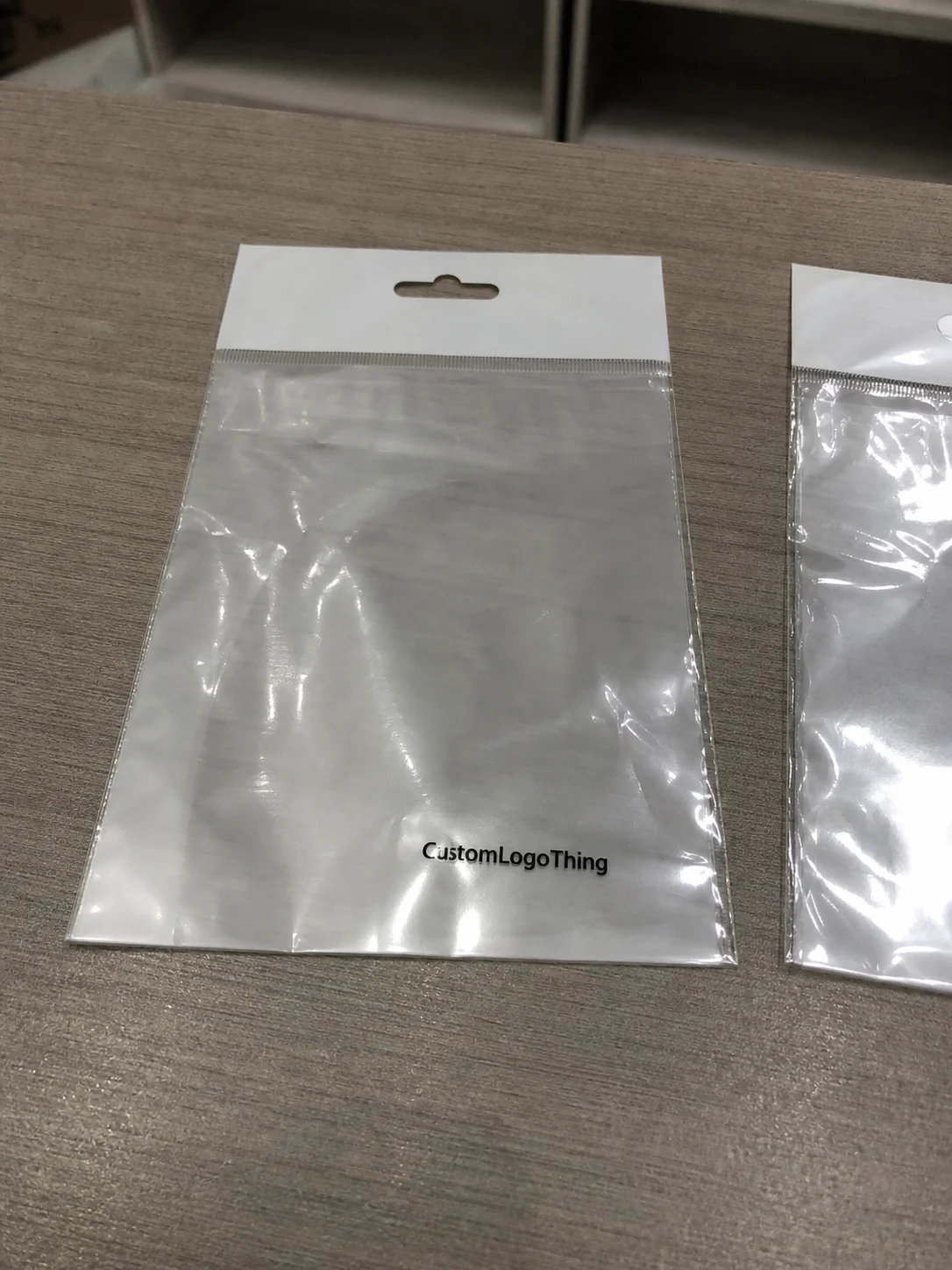
| Flexible bags or mailers | Apparel, accessories, subscription boxes, and high-volume shipping | Film thickness, seal strength, logo position, barcode area, and MOQ | Low-grade film can tear, wrinkle, or make the brand look cheap |
| Custom inserts and labels | Brand storytelling, SKU control, retail display, and repeat-purchase prompts | Die line, adhesive, color proof, copy approval, and packing sequence | Small errors multiply quickly across thousands of units |
Decision checklist before ordering
- Measure the real product and confirm how it will be packed, displayed, stored, and shipped.
- Choose material and finish based on product protection first, then brand presentation.
- Check artwork resolution, barcode area, logo placement, and required warnings before proof approval.
- Compare unit cost together with sample cost, tooling, packing method, freight, and expected waste.
- Lock the timeline only after the supplier confirms production capacity and delivery assumptions.
FAQ
What details matter most before ordering packaging cost pricing guide for smart buyers' plans?
Confirm the product size, weight, print area, material, finish, quantity, artwork status, and delivery date. Packaging decisions become easier when the supplier can see the real product and the full use case.
Should I request a sample before bulk production?
Yes. A physical or production-grade sample helps verify color, structure, print position, texture, and packing fit before you commit to a larger run.
How can a brand keep custom packaging costs controlled?
Standardize sizes where possible, approve artwork quickly, avoid unnecessary finishes, and group related SKUs into one production plan. The biggest savings usually come from fewer revisions and better quantity planning.