Buyer Fit Snapshot
| Best fit | Custom Ecommerce Mailers Bulk Pricing for projects where brand print, material claims, artwork control, MOQ, and repeat-order consistency need to be specified before quoting. |
|---|---|
| Quote inputs | Share finished size, material target, print colors, finish, packing count, annual reorder estimate, ship-to region, and any compliance wording. |
| Proofing check | Approve dieline scale, logo placement, barcode or warning zones, color tolerance, closure strength, and carton packing before bulk production. |
| Main risk | Vague material claims, crowded artwork, missing packing details, or unclear freight terms can make a low unit price expensive after revisions. |
Fast answer: Custom Ecommerce Mailers Bulk Pricing for: Film, Print, MOQ, and Carton Packing should be specified like a repeatable production item. The safest quote records material, print method, finish, artwork proof, packing count, and reorder notes in one written spec.
Production checks before approval
Compare the actual filled-product size with the drawing, then confirm tolerance on folds, seals, hang holes, label areas, and retail display edges. Reserve space for logos, QR codes, warning copy, and material claims before decorative graphics fill the panel.
Quote comparison points
Review material grade, print process, finish, sampling route, tooling charges, carton quantity, and freight assumptions side by side. A quote is only useful when the supplier can repeat the same color, closure quality, and packing count on the next order.
Custom ecommerce mailers bulk pricing is not just a line on a purchase order. It affects damage rates, pack-out speed, freight costs, and the way a customer reads your brand before they even touch the product. A plain shipper can look inexpensive in a spreadsheet and still cost more once you factor in breakage, reorders, rush freight, and the support tickets that follow a bad delivery.
That is why experienced buyers compare unit price against total landed cost. The lowest quote does not always win. A mailer that tears in transit, prints badly, or needs a second proof round can erase the savings fast. The better approach is to treat the package as part of the product experience, not as disposable filler. Bulk buying helps when it lowers unit cost, keeps stock steady, and gives every shipment the same look and feel.
A mailer has three jobs: protect the product, present the brand, and keep fulfillment moving. Miss one, and the cost shows up somewhere else.
Why bulk ecommerce mailers change unit economics
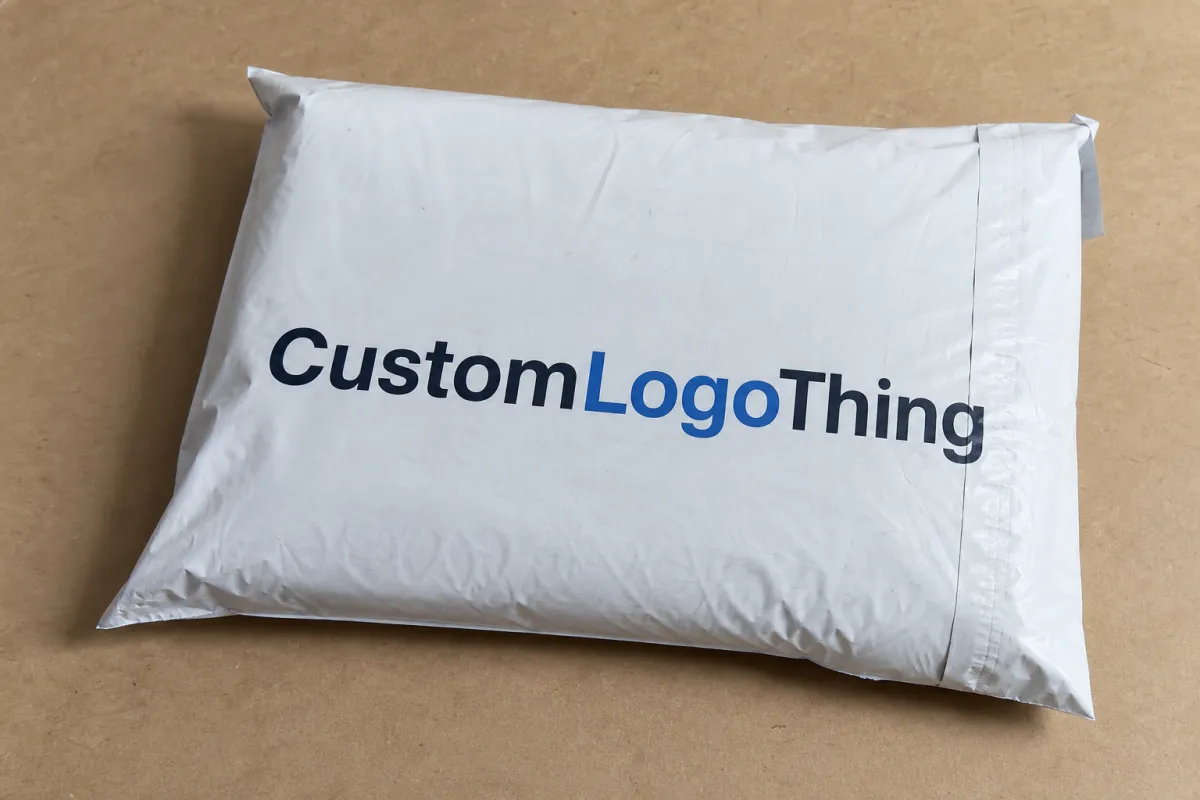
Think about the last time a shipment arrived crushed or split open. Someone had to deal with it. Maybe the customer wanted a replacement. Maybe support spent time calming the situation down. Maybe the product survived, but the packaging made the brand look careless. That is the part many teams miss. The cheapest mailer is not always the cheapest order, because one failed shipment can wipe out the savings from a lot of good ones.
Bulk purchasing changes the math. Higher quantities usually reduce unit cost because setup time, material sourcing, and machine changeovers get spread across more pieces. Larger orders also cut down on reorder frequency, which matters when launches are moving and the fulfillment team is already busy. Consistency improves too. The same branded packaging shows up the same way every time, and customers notice that more than procurement teams sometimes do.
Cash flow still matters. A lower unit price means little if the inventory commitment is too heavy for your warehouse or too risky for your demand pattern. That is why custom ecommerce mailers bulk pricing should be used as a planning tool, not as a one-number answer. The right quantity depends on forecast stability, storage room, and whether the design is stable enough to hold across several order cycles. Brands with repeat shipments usually save more by ordering deeper and avoiding scramble buys, substitutions, and stopgap packaging.
For packaging buyers, the real benchmark is the most reliable mailer at the lowest total cost. That includes freight to the warehouse, pallet space, storage fees, labor saved by better fit, and the cost of claims you never had to file. Unit cost matters. It just does not tell the whole story.
Teams running product launches, subscription programs, or seasonal campaigns often find that bulk mailers beat short-run orders even when the upfront commitment looks larger. Stability has value. A steady supply means fewer design changes, fewer emergency orders, and fewer interruptions in fulfillment. The customer gets the same package every time. The warehouse gets a little less chaos. Rare event, honestly.
There is also a hidden operational benefit: buying deeper gives your team time to fix the process instead of constantly reacting to it. If the first bulk order is dialed in, replenishment becomes repeatable. If the spec is sloppy, every reorder turns into a fresh round of corrections. That is expensive in ways a quote sheet never shows.
Product details: styles, materials, and print options
Price does not mean much until the format is clear. Buyers usually compare five common mailer styles: poly mailers, paper mailers, padded mailers, rigid mailers, and specialty mailers with tear strips or return seals. Each one solves a different problem. Poly mailers usually win on price for apparel and other light soft goods. Paper mailers fit brands that want a cleaner recyclable story. Padded and rigid mailers are better for accessories, books, cosmetics, and fragile insert sets.
If the shipment is lightweight and needs moisture resistance, a custom poly mailer often makes the most sense. If presentation matters more than barrier strength, a paper-based mailer can tell the brand story better. You can see the format options here: Custom Poly Mailers. That choice is not only about looks. It changes print quality, seal strength, dimensional stability, and how much space the mailers take up in storage.
Material selection shapes both protection and perception. In poly, film thickness is measured in mils, and that number matters when the mailer has to handle conveyor wear, rough corners, or a longer route through distribution. In paper, weight and caliper matter more, especially if the mailer needs stiffness without turning into a freight hog. Recycled content can support sustainability claims, but it should not weaken seals or make the surface scuff too easily. For brands that need verified sourcing, FSC-certified paper is a clean checkpoint; the FSC standard is widely recognized in packaging procurement.
Print choice matters just as much. Flexographic printing is common for large runs with fewer colors and repeat artwork. Digital print is useful for shorter runs, SKU-heavy programs, or jobs where designs change often. Spot-color branding keeps costs under control when the layout is simple. Full coverage art costs more, but it can make the shipment feel more polished and intentional. If your brand relies on strong visual identity, a heavier outside print and a simpler interior can be a sensible way to balance cost and impact.
There is a real gap between a basic shipper and a branded package that does more than carry a product. The branded option supports purchase confidence. It can reinforce premium positioning, shape the unboxing moment, and make the shipment feel closer to Custom Printed Boxes than a throwaway sleeve. That matters in cosmetics, apparel, supplements, and subscription programs, where the package is part of the sale before the item is touched.
Useful features often get missed in the first quote round:
- Easy-open closures that cut down on scissors and customer annoyance.
- Tear strips that improve the opening experience without adding much complexity.
- Return seals that help with reverse logistics for apparel and trial programs.
- Interior printing for messages, instructions, or promotions.
- Gussets that add capacity without forcing a larger footprint.
That last one matters more than most teams expect. A mailer that fits the product properly can reduce wasted shipping space, speed up pack-out, and keep the contents from shifting in transit. Good packaging design usually removes excess instead of piling on material. A cleaner fit can make product packaging look sharper even when the build is simple.
There is a practical tradeoff here: more features can improve the customer experience, but each one should earn its place. A tear strip is useful if the mailer is opened often on the receiving end. A return seal makes sense for apparel programs with a real reverse-logistics need. Decorative add-ons that do not solve a problem usually turn into budget noise.
Specifications that affect fit, protection, and branding
Pricing gets far more accurate once the spec sheet is complete. At a minimum, the supplier needs inner dimensions, wall thickness or film thickness, closure type, print coverage, color count, and any special finish. Leave those out and every quote turns into guesswork. Guesswork is expensive. Shocking, really.
Fit is one of the most ignored variables in packaging. An oversized mailer wastes freight and storage because you pay to move air. An undersized mailer creates a different mess: split seams, damaged corners, more repacking labor, and sometimes a higher return rate. A mailer is part of the shipping process, not just a container. A few millimeters in the wrong direction can change how the whole order behaves.
Protection specs deserve equal attention. Buyers should ask about puncture resistance, moisture resistance, seal integrity, and whether the mailer can survive the handling route it will actually see. A product that stays in one warehouse and goes a short zone has different needs from one that passes through multiple distribution centers. If the package needs to handle rougher movement, ask for performance references tied to ISTA test standards, which are commonly used to evaluate package durability and transit behavior.
Branding specs can change cost more than many procurement teams expect. A custom color match, full-bleed graphics, matte lamination, metallic effects, or interior printing can add setup time and production complexity. That does not make them bad choices. It means they should earn their place. If a premium visual story helps support retail packaging positioning or increases perceived value, the spend can make sense. If the design exists because someone wanted "more," the math may not cooperate.
Five questions help a supplier quote correctly the first time:
- What is the product weight and pack size?
- What outer dimensions does the mailer need to cover?
- What shipping method will the mailer see most often?
- How many units are needed across the next three order cycles?
- What delivery window is non-negotiable?
Those answers reduce quote revisions and make it easier for the factory to recommend the right construction. They also make supplier comparisons cleaner because you are evaluating the same spec instead of three slightly different guesses dressed up as options.
For sustainability reviews, check whether the material choice fits the actual end-of-life options in your market. The EPA recycling guidance is useful for understanding what is commonly recyclable, but local collection rules still vary. That is one reason many procurement teams balance recycled content, source reduction, and durability instead of chasing a single eco label and calling it a strategy.
Another point that gets skipped too often: ask whether the stated recycled or recyclable claims apply to the full mailer or only part of it. Mixed-material builds can be harder to recycle than a plain mono-material design. Honest labeling beats optimistic marketing every time.
Custom ecommerce mailers bulk pricing, MOQ, and quote drivers
Most buyers want the blunt version first: larger orders usually lower unit price. True enough. The savings curve is not a straight line, though. It depends on material, print method, Size, and Setup needs. A modest jump in volume can unlock a real drop in unit cost, while a much larger jump may shave off only a few cents if the spec is already simple.
Custom ecommerce mailers bulk pricing needs to be read with that in mind. The quote is not only about quantity. It is a blend of style, dimensions, material grade, color count, finishing, packaging configuration, and destination freight. Two suppliers can land near the same unit price and still offer very different value if one is including testing, a better film gauge, or tighter print control.
MOQ matters too. Minimum order quantity exists because setup work costs time and money. Presses need prep. Plates may need to be made. Tooling may need to be configured. The converting line needs enough units to run efficiently. Some products carry a higher MOQ because the setup is more involved. Others can be produced in smaller lots because the print process is simpler or the material is standard.
The real buying question is not "What is the lowest MOQ?" It is "What MOQ gives me the best balance between cash tied up in inventory and the unit cost I can actually live with?" A slightly higher minimum can be the right move if it brings the price down enough over the life of the account. Brands with steady demand usually do better by standardizing one spec and ordering deeper instead of splitting volume across a pile of short runs.
Here is a practical comparison of illustrative pricing drivers. These are example ranges only; the actual quote depends on your exact size, print coverage, and freight lane.
| Mailer Type | Typical MOQ | Illustrative Unit Cost at 5,000 Units | Best Use Case |
|---|---|---|---|
| Plain custom poly mailer with one-color logo | 3,000-5,000 | $0.11-$0.22 | Apparel, light soft goods, repeat shipments |
| Printed poly mailer with full-coverage art | 5,000-10,000 | $0.16-$0.32 | Strong package branding, higher visual impact |
| Paper mailer with branded print | 3,000-8,000 | $0.24-$0.48 | Natural look, recyclable positioning, retail packaging feel |
| Padded or rigid mailer with custom print | 2,000-5,000 | $0.30-$0.70 | Protection for accessories, electronics inserts, premium sets |
Use the table as a planning tool, not a promise. Material grade, order complexity, and freight path can move those numbers quite a bit. A stronger spec may raise the quote but lower the failure rate, which is often the better trade.
Tiered pricing gives the cleanest comparison. Ask for quotes at 1,000, 5,000, and 10,000 units, or at whatever quantities match your demand pattern. That shows you where the order becomes materially more efficient. Sometimes the best value sits in the middle tier instead of the biggest one. That happens a lot with seasonal demand or fast-moving SKUs.
If your account has broader packaging needs, it also helps to compare programs across Wholesale Programs and related Custom Packaging Products. A supplier that understands how the mailer fits into the rest of the packaging stack can usually recommend a spec that lowers total program cost instead of obsessing over one item’s unit price.
Freight can move the final number more than many teams expect. A lower ex-factory price can turn into an expensive mistake if it ships inefficiently or requires multiple partial loads. That is why landed cost should stay at the center of the discussion. Material, print, and freight belong in the same conversation.
One more wrinkle: quote comparisons only work if the units are truly equivalent. If one supplier is quoting a heavier film gauge, a stronger adhesive, or a better print process, the cheaper line item may not be the better option. Procurement gets noisy fast when specs drift. Lock the same construction before you compare numbers.
Process, timeline, and production steps from proof to delivery
A clean ordering process cuts risk and saves time. The usual path runs from quote review to artwork submission, digital proofing, sample approval, production, inspection, and shipment. It sounds simple. The slow part is often not the print run. It is proof revisions, missing files, or unclear setup instructions.
Strong suppliers ask for vector artwork, approved colors, dimensions, and any special print notes before they lock the schedule. That prevents rework later. If you already know the quantity and structure you want, put that information up front. It is the fastest way to keep the order moving.
Lead times vary by method and spec, but a practical planning range for bulk mailers is often 12-20 business days after proof approval for straightforward jobs, with more complex custom work taking longer. Add transit time on top of that. If the shipment has to cross oceans or move through a congested freight lane, another week or more can vanish quickly. Launch calendars should leave room for artwork changes, sampling, and delivery drift.
Here is a simple way to think about timing:
- Spec review: 1-3 days if the buyer submits complete measurements and artwork files.
- Proofing: 2-5 days depending on revisions and color confirmation.
- Sample approval: 3-7 days if a physical sample is required.
- Production: often 7-15 business days for standard bulk runs.
- Freight: varies widely based on mode and destination.
That timeline can tighten if everyone responds quickly. It can stretch if the job includes special finishes, complicated dielines, or multiple artwork rounds. Fast approvals matter because production slots are easier to hold when the paperwork is complete. A clear spec sheet also lowers the chance that a supplier discovers a problem after the schedule is already underway.
For seasonal programs, the safest move is to finalize artwork and specs before the order becomes urgent. That gives you time to compare materials, test the fit, and confirm the final look before inventory is committed. If the mailer is tied to a promotion or launch, a pre-production sample can save real money by catching a bad fit or unreadable logo early. Cheap test. Expensive mistake if you skip it.
Good communication shortens the path. That is not fluff. It is manufacturing reality. When the buyer sends product weight, pack dimensions, color expectations, and target delivery date in one message, the supplier can quote more accurately and schedule with fewer assumptions. The finished mailer is much more likely to match the original plan.
There is a reason experienced teams build a small buffer into the calendar. Even a clean job can slip if one file needs cleanup or one color needs adjustment. The goal is not to pad the schedule forever. It is to avoid turning a solvable production issue into an expensive expedite.
Why choose us for bulk ecommerce mailers
The right packaging partner should reduce uncertainty, not add to it. Buyers do not need noise. They need accurate quotes, practical spec guidance, and consistent output. That matters even more in bulk programs, where one small mistake can scale into a large expense across thousands of units.
For Custom Logo Things, the value is not a vague promise about quality. It is the ability to handle the details that affect real buying decisions: print consistency, lead-time reliability, sample support, and practical recommendations on material and structure. A supplier should be able to tell you when a mailer is overbuilt, when a lower-cost film is still fit for purpose, and when a stronger closure is worth the extra spend.
Packaging is rarely a standalone line item. It sits next to freight, fulfillment labor, and customer expectations. A partner that understands package branding can help you make decisions that hold up at scale, especially when the mailers need to support repeat reorders or multiple SKUs without forcing a new process every time. If the supplier can support both short runs and recurring volume, the buying experience gets much easier.
Quality control matters more than most teams realize. A good manufacturing partner should inspect print registration, seal performance, and visual consistency before shipment. If something is wrong, you want to hear about it early. Catching an error in the plant is always cheaper than finding it after the warehouse has already received the cartons.
The same logic applies to sampling. A sample is not a luxury add-on. It is the simplest way to verify size, artwork, and feel before the bulk run starts. If your product has tight tolerances or the package needs to look good on shelf as well as in transit, the sample stage is part of risk control.
Brands often compare custom mailers against broader packaging programs, including Custom Packaging Products and adjacent formats like cartons or Custom Poly Mailers. That comparison is useful because the right answer can change by shipping lane or product type. A supplier that can think across the full packaging stack usually makes better decisions than one quoting a single item in a vacuum.
Put simply: the best packaging partner lowers failure risk, protects margin, and keeps the fulfillment team moving. That is the commercial value. Not just print. Not just a box. Actual supply chain performance.
For teams managing repeat programs, another benefit is predictability. Once the right spec is locked, reorders become easier to forecast, artwork stays consistent, and the warehouse does not have to re-train around a new format every time demand changes. That kind of boring consistency is underrated. It saves money.
Next steps: request a quote with the right specs
If you want the cleanest quote, gather the core inputs before you send the request: dimensions, quantity tiers, product weight, artwork files, print colors, closure style, and target delivery date. The more complete the brief, the more reliable the pricing. That is especially true for custom ecommerce mailers bulk pricing, where small spec changes can move the unit cost more than people expect.
It also helps to request at least two volume scenarios. A 1,000-unit quote and a 5,000-unit quote can show whether the bulk discount is modest or meaningful. If the savings curve is steep, a larger order may be worth the inventory commitment. If the curve flattens out, a smaller purchase could be the smarter call. That comparison keeps procurement honest.
Before final approval, confirm whether you need a sample, what shipping method will be used, and how reorders will work. Those details can save weeks later. Buyers who know their annual volume and replenishment rhythm are usually in a better position to lock in the right MOQ and avoid emergency purchases. If your program grows, wholesale support can help keep the process steady, which is why many teams ask about Wholesale Programs early instead of waiting until after the first order lands.
Do not overcomplicate the ask. A clear spec sheet, a realistic volume target, and an honest timeline are enough to get started. From there, the job is simple: compare unit cost against protection, branding value, and operational fit. That is the real decision framework. Not the lowest number on the page. The right number for the way your business ships.
If your packaging roadmap includes more than one format, it can make sense to review Custom Packaging Products alongside mailers so the whole system works together. Strong packaging programs usually happen when the mailer, carton, and branding choices all point in the same direction. That is how a procurement line turns into a measurable brand asset. And that is how custom ecommerce mailers bulk pricing becomes a planning advantage instead of a guessing game.
The most useful move after you read this is simple: write down the product size, target run size, print complexity, and expected reorder cadence before you ask for quotes. That one step filters out bad options fast and gives you a cleaner answer on whether a deeper bulk order is actually worth it.
FAQ
What affects custom ecommerce mailers bulk pricing the most?
Material type, size, print coverage, and order volume usually drive the biggest cost differences. Freight, tooling, and finishing can also change the final unit price noticeably. A tiered quote is the fastest way to compare true unit cost at different quantities.
Is there usually an MOQ for custom ecommerce mailers?
Yes, most custom mailers have an MOQ because setup work and production runs need to be efficient. The MOQ can vary by material and print method, so one spec may qualify at a lower quantity than another. If your volume is small, ask for options with simpler print or standard dimensions.
How long does bulk production usually take?
Timing depends on proof approval, artwork readiness, material availability, and shipment distance. Simple orders move faster than highly customized mailers with multiple print colors or special finishes. Build in extra time if the mailers are tied to a launch or seasonal promotion.
Can I get samples before placing a bulk order?
Yes, samples help verify size, print quality, material feel, and closure performance before production starts. A pre-production sample is especially useful when your product dimensions are tight or the artwork is detailed. Ask whether the sample is structural, printed, or both so expectations are clear.
How do I reduce unit cost without sacrificing quality?
Standardize sizes where possible, simplify the print setup, and place larger orders when demand is predictable. Choose materials that match the shipping risk instead of overbuilding the mailer for light products. Request pricing at multiple volumes to see where the biggest savings appear.
Should I prioritize the lowest quote or the lowest landed cost?
Lowest landed cost almost always gives the better answer. A cheap quote can turn expensive if it leads to damages, higher freight, or slower packing. Compare the full picture before you lock the order.

