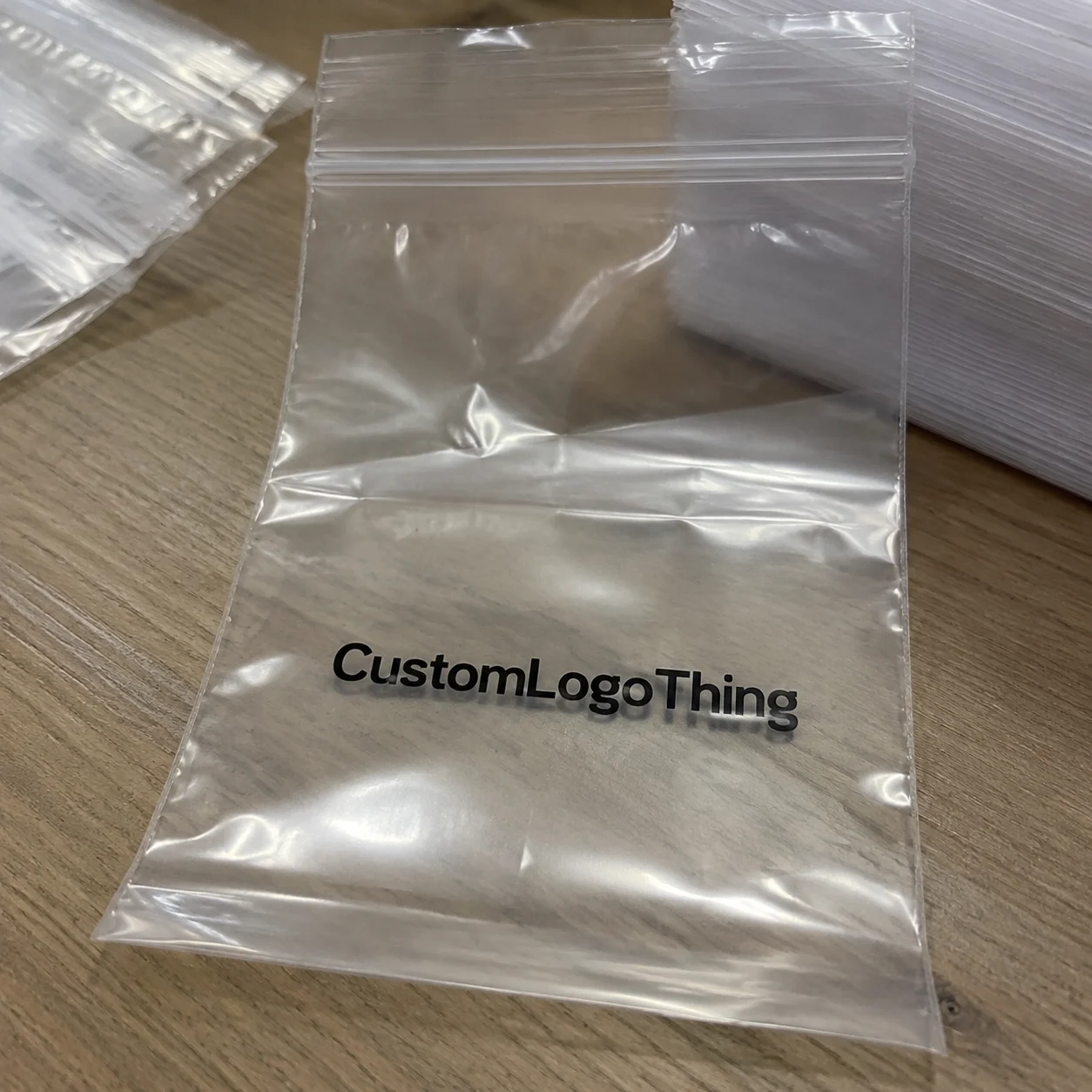
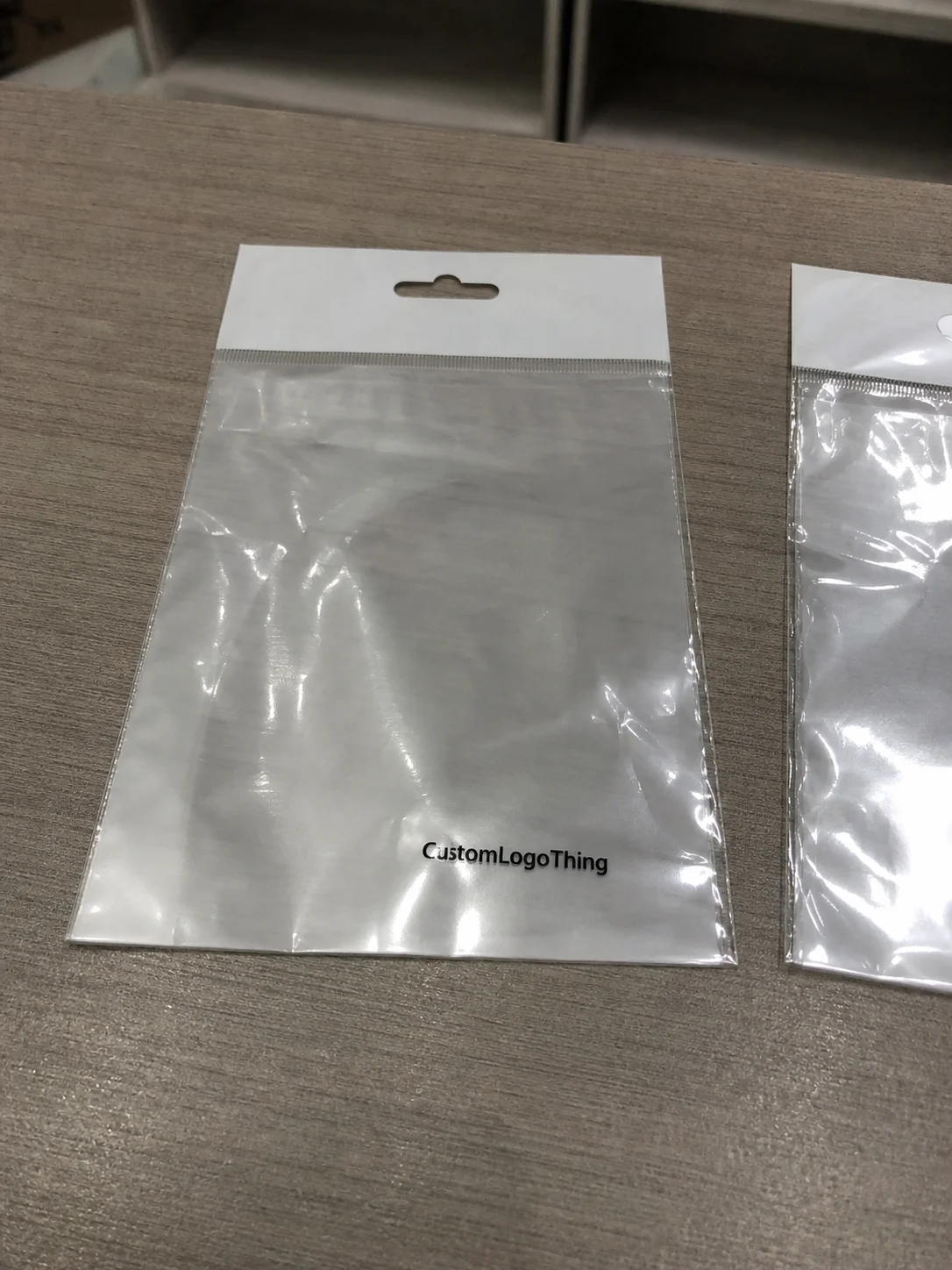
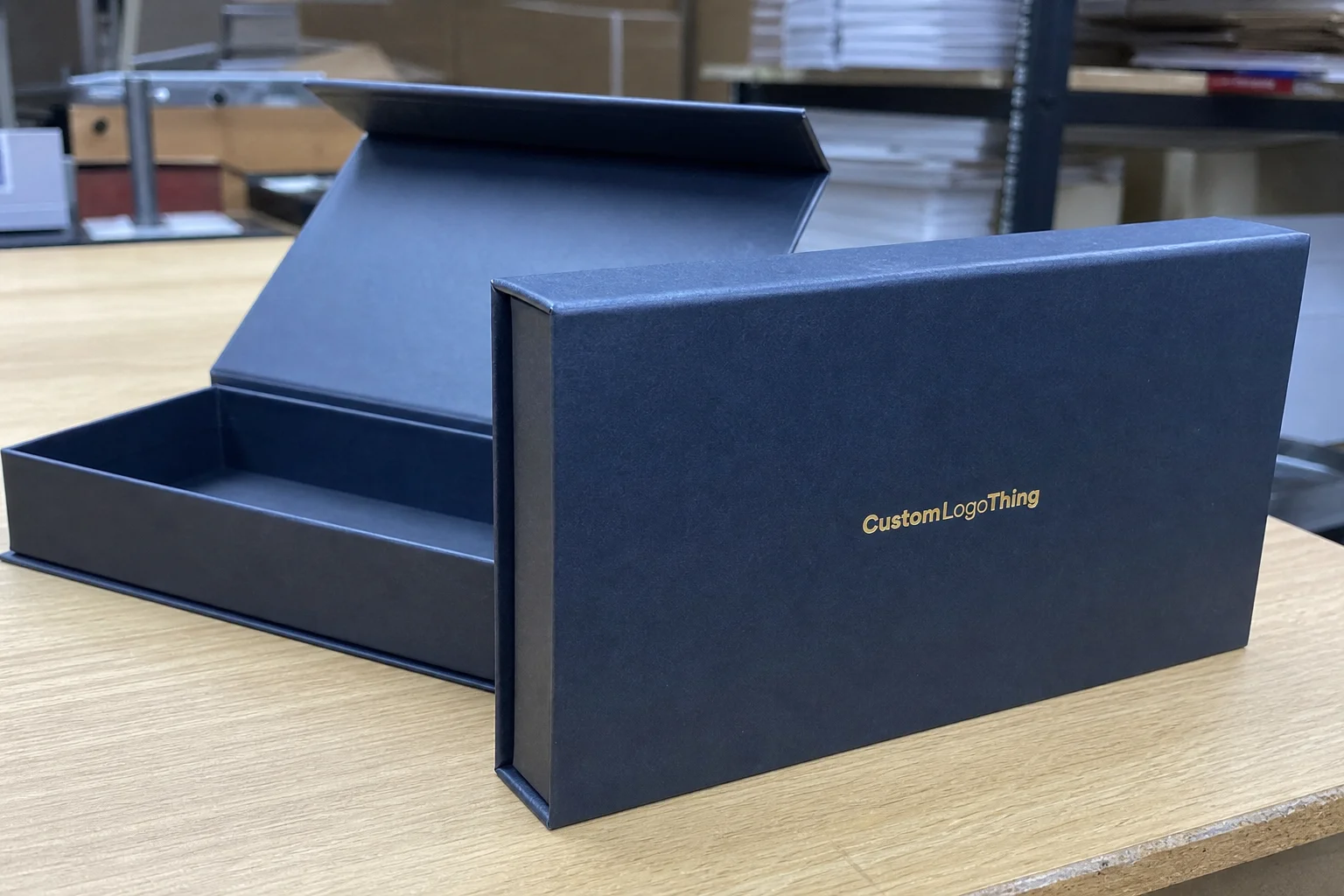
Buyer Fit Snapshot
| Best fit | Packaging Cost Wholesale projects where brand print, material claims, artwork control, MOQ, and repeat-order consistency need to be specified before quoting. |
|---|---|
| Quote inputs | Share finished size, material target, print colors, finish, packing count, annual reorder estimate, ship-to region, and any compliance wording. |
| Proofing check | Approve dieline scale, logo placement, barcode or warning zones, color tolerance, closure strength, and carton packing before bulk production. |
| Main risk | Vague material claims, crowded artwork, missing packing details, or unclear freight terms can make a low unit price expensive after revisions. |
Fast answer: Packaging Cost Wholesale: Cut Costs Without Cutting Quality should be specified like a repeatable production item. The safest quote records material, print method, finish, artwork proof, packing count, and reorder notes in one written spec.
Production checks before approval
Compare the actual filled-product size with the drawing, then confirm tolerance on folds, seals, hang holes, label areas, and retail display edges. Reserve space for logos, QR codes, warning copy, and material claims before decorative graphics fill the panel.
Quote comparison points
Review material grade, print process, finish, sampling route, tooling charges, carton quantity, and freight assumptions side by side. A quote is only useful when the supplier can repeat the same color, closure quality, and packing count on the next order.
The first time I watched two factories quote the same box, one came back at $0.18/unit and the other at $0.68/unit. Same rough concept. Same outside dimensions. Same logo placement. That gap is why packaging cost wholesale keeps smart buyers awake at night and keeps casual buyers overpaying. I’ve seen this play out in Shenzhen, Dongguan, and Ningbo more times than I can count, usually after someone says, “It’s just a box.” Sure. And a car is just metal with wheels and a steering wheel.
If you’re buying custom printed boxes, retail packaging, or any kind of branded packaging at scale, the quote is never just a quote. It’s a stack of specific decisions: board grade, print method, finish, inserts, freight, and whether the factory can absorb setup work in a 12- to 15-business-day production window after proof approval or pass that burden straight to you. Packaging cost wholesale really comes down to understanding where each dollar goes, so you can trim waste without turning your product packaging into a disappointment that shows up on a customer’s doorstep. I remember one sample run where the carton looked beautiful on screen and then arrived with a coating that made it feel like a damp cereal box, which was not exactly the luxury moment the brand was hoping for.
Packaging Cost Wholesale: The Real Price Drivers
Packaging cost wholesale is not driven by one thing. It’s driven by five or six small things that pile up fast. When I visited a converter in Shenzhen’s Bao’an district, they showed me two almost identical mailer boxes. One was a basic kraft corrugated mailer with 1-color flexo print on 1.5 mm E-flute board. The other had a heavier 2.5 mm E-flute structure, CMYK print, matte lamination, and a custom 350gsm C1S artboard insert. The simple one landed at $0.22/unit in a 5,000-piece run. The fancier one landed at $0.61/unit. Same footprint. Totally different bill.
The biggest cost drivers are straightforward once you stop looking at the quote as a single number:
- Box style: tuck-end cartons, mailer boxes, rigid boxes, and folding cartons all carry different labor and tooling demands, especially when the factory is running a KBA press in Guangdong or a Heidelberg line in Suzhou.
- Material grade: SBS, CCNB, kraft, corrugated, and greyboard each price differently, and some print better than others, particularly on 350gsm, 400gsm, or 2 mm chipboard structures.
- Print method: offset, flexo, digital, foil, embossing, and spot UV change both setup and unit cost, with plates often running $150 to $800 depending on size and color count.
- Coating and finish: aqueous, varnish, soft-touch lamination, matte, gloss, and window patching all add dollars, and soft-touch often adds $0.03 to $0.08/unit on mid-volume runs.
- Inserts and insert material: paperboard, molded pulp, EVA foam, and corrugated inserts change both cost and pack-out efficiency, with molded pulp tooling commonly starting around $300 to $1,200.
- Freight: ocean freight from Shenzhen to Los Angeles, domestic trucking in the U.S., and warehouse handling can quietly wreck a “cheap” quote.
The lowest unit price is not the lowest packaging cost wholesale. I once had a cosmetics client celebrate a quote that was $0.07/unit lower than the others. Then we added tooling, a higher breakage rate because the board was too thin at 280gsm, and extra freight because the cartons shipped less efficiently on pallets from Ningbo. The so-called savings disappeared and the real landed cost went up by 11%. Nice job, spreadsheet. Honestly, I still laugh a little when I think about that meeting because everyone in the room kept nodding like the math was going to apologize and fix itself.
There are also hidden charges that show up after everyone gets emotionally attached to the sample. Tooling and plates can cost $150 to $800 depending on the print method, while a custom steel rule die for a folding carton might be another $120 to $350. Setup fees are common on short runs. Pack-out matters too. A box that nests poorly may cost more to carton pack and ship, even if the print quote looks better. Warehousing can become a problem if you overbuy to “save” on packaging cost wholesale but end up paying storage for eight months because sales were optimistic and reality was not. I’ve seen 20-pallet overages sit in a warehouse in Pasadena until the finance team started asking for monthly storage reports.
| Packaging Type | Typical Wholesale Unit Cost | Key Cost Driver | Best Use Case |
|---|---|---|---|
| Simple tuck-end carton | $0.12-$0.28 | Board grade and print setup | Retail packaging with low weight |
| Mailer box | $0.18-$0.45 | Corrugated strength and print method | Subscription and ecommerce product packaging |
| Rigid box | $0.65-$2.50 | Labor, board wrap, and finishing | Premium branded packaging |
| Paper bag | $0.10-$0.40 | Paper weight, handle type, and print | Retail packaging and events |
The goal is not the cheapest quote on paper. It’s the lowest landed cost per usable package. That means the box arrives intact, prints clean, fits the product, and doesn’t create rework on your packing line. That’s what good packaging cost wholesale management looks like, whether your goods are shipping from Guangzhou, Xiamen, or a domestic converter in Ohio.
Packaging Product Options That Change Wholesale Pricing
Different packaging products behave differently in pricing. That sounds obvious, but I’ve watched buyers try to compare a folding carton quote against a rigid box quote as if they were the same thing. They are not. One is optimized for speed and volume. The other is optimized for shelf presence and perceived value. That difference matters a lot for packaging cost wholesale, especially when your order sits between 3,000 and 15,000 units and every cent starts to matter.
Mailer boxes are usually a solid balance of cost and durability. They work well for ecommerce and subscription brands that need decent protection without paying for luxury finishing. A typical 9 x 6 x 3 inch mailer in 1.8 mm E-flute might come in around $0.24/unit at 5,000 pieces from a Dongguan corrugator. Folding cartons usually win on unit price because they’re efficient to ship flat and fast to assemble, especially when printed on 350gsm C1S artboard with aqueous coating. Rigid boxes cost more, but they can improve package branding and retail perception dramatically, with a wrapped 2 mm greyboard setup often landing between $0.85 and $1.40/unit depending on foil and inserts. Then you have paper bags, sleeves, inserts, and shipping cartons, each with its own sweet spot. I’ve always had a soft spot for well-made mailers from a solid corrugator in Dongguan; when the glue line is clean and the board weight is right, the whole package just feels competent, which is a strange thing to say about cardboard, but there it is.
I had a client in beauty who wanted rigid boxes for every SKU. Pretty idea. Bad math. We moved the hero product to a rigid setup and switched the rest to folding cartons with a clean matte finish and a single foil hit from a factory in Foshan. Their packaging cost wholesale dropped by 23% across the line, and the shelf impact stayed strong where it actually mattered. The brand also cut lead time from 28 business days to 16 business days for the main volume SKUs because the folding cartons moved faster through printing and die-cutting.
Standard sizing saves money too. Custom dimensions sound great in a creative meeting, but they can increase waste, die complexity, and pallet inefficiency. A box that is 3 mm wider than necessary can reduce sheet utilization and increase freight because you fit fewer units per carton. That’s not theory. I’ve seen it in a production room in Shenzhen while a factory manager pointed at the board layout and said, “This size costs you more in waste than in paper.” He was right, and the difference on a 10,000-piece run was about $410 before freight.
Print choices are where buyers often overspend. A 1-color logo on kraft can look clean and sharp, especially on 300gsm natural kraft from a Zhejiang paper mill. A 2-color print adds a bit more cost. CMYK is great for photographic graphics, but it can raise setup and control costs, particularly when the factory is color matching against a Pantone 186 C or a metallic gold. Foil stamping, embossing, debossing, spot UV, and lamination all increase packaging cost wholesale. Sometimes that is absolutely worth it. Sometimes it’s just decorative debt that adds $0.05 to $0.18/unit without helping sell the product.
Supplier reality matters too. Factories like Packhelp, Uline, and Sttark may quote differently because of production line compatibility, not just raw materials. A domestic converter in Illinois may charge more labor but save on freight and communication. An overseas supplier in Shenzhen may give you a lower unit price but add time and variance. Both can be right for different budgets and timelines. Smart buyers compare the full picture, including duty, inland trucking, and the cost of one more approval round.
For brands buying through our Custom Packaging Products range, I usually recommend starting with the packaging format that matches the product first, then decorating it up only where the value is visible. That keeps packaging cost wholesale aligned with the actual customer experience instead of a wishlist. If the customer never sees the inside flap, don’t spend $0.04 on inside-print artwork just to impress your own team.
Specifications That Affect Packaging Cost Wholesale
Specs are where the quote either gets smart or goes sideways. You can’t manage packaging cost wholesale if your spec sheet says “nice box, medium strength, modern finish.” I’ve seen that exact level of detail come back with three wildly different quotes and zero useful comparison. Factories need numbers: board thickness, board grade, dieline dimensions, artwork coverage, finishing method, quantity, and delivery location. The more precise the input, the less expensive the confusion, and the faster a factory in Guangzhou or Suzhou can turn around a clean estimate.
Board type is a major driver. SBS usually prints beautifully and works well for retail packaging and cosmetics, especially on 300gsm to 350gsm sheets. CCNB is often a more budget-friendly coated option. Kraft gives a natural look and works well for eco positioning, but it may limit color vibrancy. For shipping protection, E-flute and B-flute corrugated boards are common choices, with E-flute typically around 1.5 mm and B-flute closer to 3 mm. For premium presentation, greyboard or chipboard inside a rigid structure creates that dense, high-end feel customers notice when they pick up the box.
Finish specs are another place where packaging cost wholesale rises fast. Aqueous coating is usually a practical, cost-conscious choice and can add only a few cents on a mid-volume run. Varnish offers protection with less expense than fancier finishes. Soft-touch lamination feels great, and yes, customers do notice it, but it adds cost and can be slower to produce, often stretching a job by 2 to 4 business days if the laminator queue is full. Window patching, special die cuts, and custom cutouts may improve the product packaging experience, but every extra operation is money. Even a simple thumb notch can add $0.01 to $0.03/unit when the run is small enough.
Small size changes matter more than people think. I once helped a snack brand reduce their carton width by 4 mm. That tiny adjustment improved sheet utilization enough to lower unit cost by 6% and reduce freight volume by one pallet every two shipments. Nobody in the room expected that from a “minor tweak.” That’s packaging design in the real world. Not glamour. Math. And on a 12,000-unit order printed in Dongguan, it translated into roughly $270 in direct savings before delivery charges.
Compliance and performance specs also influence packaging cost wholesale. Food-safe inks, FSC paper, recycled content, and ASTM or ISTA drop-test requirements can add cost. But if your product breaks, leaks, or gets rejected by a retailer, the cheap box becomes expensive very quickly. For brands shipping fragile items, I often point buyers to the testing guidance at ISTA. For sustainability claims, FSC is the standard that matters more than vague green language, especially when your sourcing team needs documentation for a Q4 retailer audit.
There’s a difference between packaging that looks expensive and packaging that is expensive to manufacture. A soft-touch box with foil and embossing can look premium without requiring a ridiculous material bill if the structure is simple. A complicated insert system with multiple folds, gluing points, and tight tolerances can cost more than the entire outer box. Buyers often miss that because they focus on surface appearance rather than production steps. That’s how packaging cost wholesale gets inflated without improving the customer experience, and I’ve seen that mistake add $0.12/unit without a visible lift in shelf appeal.
Simple spec sheet checklist
- Exact product dimensions in millimeters
- Desired box style and opening method
- Board type and thickness
- Print colors and artwork coverage
- Finish requirements like matte, gloss, foil, or spot UV
- Insert type, if any
- Target quantity and annual demand
- Ship-to location and delivery deadline
How Do You Lower Packaging Cost Wholesale Without Sacrificing Quality?
Lowering packaging cost wholesale without hurting the finished package starts with removing guesswork. The easiest savings usually come from standardizing dimensions, simplifying print coverage, and matching the packaging format to the product’s actual needs rather than to the mood board. A clean structure, a sensible board grade, and a finish that fits the brand can reduce cost while keeping the package sturdy and attractive.
If you want the shortest answer, it is this: use the right material, reduce unnecessary finishing, and order enough volume to spread setup costs, but not so much that you create storage headaches. That balance is what separates a smart wholesale buy from an expensive warehouse problem. I’ve seen brands save 8% by trimming one flap and changing insert material, then lose those savings because they ordered far more than forecast. So yes, the math matters, but the inventory plan matters too.
For many brands, the best cost reductions come from these moves:
- Choose standard sizes instead of custom dimensions whenever possible.
- Use one or two print colors instead of full-coverage graphics if the design allows it.
- Reserve premium finishes like foil or spot UV for hero SKUs.
- Compare molded pulp, paperboard, and EVA inserts before committing.
- Request landed cost, not unit price alone.
- Review freight method alongside quantity so storage and shipping stay in balance.
That approach keeps packaging cost wholesale under control while still preserving the look and protection your product needs. I’d rather see a brand spend wisely on a stronger board or cleaner print registration than burn money on decorative extras no customer will remember.
Packaging Cost Wholesale: MOQ, Unit Price, and Volume Breaks
MOQ is where a lot of buyers learn that wholesale pricing has rules. A 500-unit run can cost dramatically more per piece than 5,000 or 10,000 units because setup costs have to be absorbed somewhere. That is not a punishment. It’s manufacturing math. The press still needs setup time, the die still needs to be made, and the line still needs to be calibrated. Packaging cost wholesale only starts making sense once those fixed costs are spread across enough units, usually after proof approval and with stable artwork files in hand.
Here’s a practical example. Suppose a folding carton quote includes $320 in setup and tooling, plus $0.22/unit in production for a 5,000-piece order. That lands at roughly $0.284/unit before freight. If you order 10,000 pieces and production falls to $0.17/unit because the run is more efficient, your average cost drops to about $0.202/unit before freight. Saving $0.082/unit on 10,000 pieces is $820. On 20,000 pieces, that becomes $1,640. That is real money, not a marketing headline, and it can pay for a full product photo shoot in Los Angeles or a decent chunk of ad spend.
Volume breaks can be impressive, but they’re only helpful if you actually need the inventory. I’ve seen brands order 25,000 boxes because the unit cost was tempting, then sit on 19,000 of them for a year in a warehouse outside Dallas. Congratulations, you saved four cents and tied up cash that could have funded ads, samples, or new SKUs. Packaging cost wholesale should improve margin, not create a storage problem. I still think warehouse shelves are where good intentions go to collect dust, especially when the boxes were packed in June and the launch slipped to November.
Rigid boxes can have lower MOQs than people expect, sometimes 500 to 1,000 units, but the unit price stays high because the labor intensity is higher. Folding cartons usually offer better scale economics. Mailer boxes often sit in the middle. The right MOQ depends on the packaging type, decoration level, and whether the factory can run your job alongside similar work without interrupting production, which is why a plant in Dongguan may quote differently than one in Vietnam or southern California.
| Order Size | Typical Unit Cost Movement | What Happens to Packaging Cost Wholesale | Risk Level |
|---|---|---|---|
| 500 units | Highest | Setup costs dominate the price | Low inventory risk, high unit cost |
| 5,000 units | Moderate | Better spread of tooling and setup | Balanced for many brands |
| 10,000 units | Lower | Unit cost usually improves noticeably | Moderate inventory risk |
| 25,000 units | Lowest on paper | Best pricing, but storage and cash tie-up rise | High inventory risk if demand is uncertain |
One negotiation I remember well: a skincare client wanted a lower quote, and the factory offered a discount if they increased from 8,000 to 12,000 units. On paper, the packaging cost wholesale dropped by $0.05/unit. I asked the buyer if they could turn 4,000 extra boxes within six months. They couldn’t. We kept the lower quantity, changed the insert from molded pulp to folded 350gsm paperboard, and still saved more than the volume discount would have. That’s why I say negotiate the whole order, not just the line-item cost.
Ask about freight, tooling, and split shipments too. A supplier who budges on unit price but charges aggressively for trucking, cartons, or palletization is not really helping your packaging cost wholesale. If they won’t break out costs clearly, that tells you plenty. Usually more than the price itself, especially if they’re shipping from a port like Yantian or Ningbo and hiding the inland leg inside a vague “service fee.”
Process and Timeline for Wholesale Packaging Orders
The process matters because delays cost money. A clean packaging cost wholesale program starts with a good quote request and ends with a shipment that arrives when your inventory team actually needs it. The path usually looks like this: quote request, specification review, dieline confirmation, sampling, approval, production, quality control, and shipping. Every one of those steps can add cost if the details change late, and every revision after proof approval can push your delivery window out by another 2 to 5 business days.
For simple printed cartons, a realistic timeline might be 10 to 15 business days after proof approval, depending on the factory schedule and whether materials are on hand. Rigid Boxes with Custom inserts, special finishes, or structural changes can take 18 to 30 business days or longer. Freight adds another layer. Ocean shipping from Shenzhen to Los Angeles can take 16 to 24 days port to port, while air freight is faster and usually brutal on margin. Pick your poison, then choose the one that fits the launch date and cash flow.
Delays usually happen for boring reasons. Artwork revisions. Missing dimensions. A sample that looked fine on screen but failed in hand. Freight booking that got pushed because someone approved too late. I’ve sat in factory offices in Foshan where a buyer demanded a faster ship date after changing the logo scale three times. The factory manager just stared at the file folder. I understood him. Painfully. There’s a special kind of silence that only happens when everyone realizes the delay was created by three rounds of “tiny tweaks.”
Here’s a practical timeline example for a custom printed box order:
- Day 1-2: Send dimensions, artwork, quantity, and ship-to address.
- Day 3-4: Receive pricing and basic structure feedback.
- Day 5-7: Approve dieline and print proof.
- Day 8-12: Produce physical sample if required.
- Day 13-18: Production run and quality inspection.
- Day 19-25: Pack, palletize, and book freight.
That schedule can compress or expand depending on complexity. Faster turnaround usually costs more because the factory has to reshuffle production and sometimes source materials urgently. If your launch date is fixed, say so early. That can keep packaging cost wholesale from ballooning because nobody enjoys last-minute air shipments from Hong Kong or rush trucking to a West Coast warehouse.
I also recommend approving digital proofs and physical samples early. A $60 sample can save a $3,000 reprint. I’ve seen a buyer ignore a misaligned barcode because “the artwork looked close enough.” It was not close enough. The retailer rejected the first shipment, and the reprint cost wiped out their entire packaging budget gain. This is why process discipline matters as much as price, especially when the packaging has to scan correctly on a distribution center conveyor in Chicago.
Why Choose Us for Packaging Cost Wholesale Orders
I’m not going to pretend every packaging supplier thinks like a buyer. Most don’t. They think like a factory. That’s fine. I’ve lived on both sides, so I know where the gaps are. At Custom Logo Things, we help brands manage packaging cost wholesale by stripping out waste, simplifying specs, and avoiding features that look good in a proposal but add no real value to the final package, whether the job is coming from Guangdong, Zhejiang, or a domestic plant in Michigan.
My advantage comes from actual factory-side experience. I’ve walked lines where a quote was padded because the sales rep expected negotiation. I’ve also seen a board grade that was overkill by two levels. A buyer doesn’t need museum-grade board for a shipped soap bar. They need the right material, the right print method, and a clean finish that matches the product packaging purpose. That’s the difference between smart spending and vanity spending. And yes, I’ve also seen someone insist on gold foil for a low-margin item and then wonder why the margin looked like it had been through a shredder.
We also focus on transparent pricing. If a quote includes board, printing, finishing, inserts, and freight, you should be able to see each piece of it. That makes comparison shopping easier and smarter. You can compare our quotes against domestic converters, overseas factories, or larger suppliers like Uline-style fulfillment programs without guessing what’s hidden inside the number. Clear pricing helps you protect margin on packaging cost wholesale, especially when a quote needs to be explained to finance before a purchase order gets released.
Working relationships matter too. Reliable packaging factories and materials vendors can keep pricing competitive without sacrificing quality or turnaround. I’ve spent enough time in supplier meetings to know when a quote is real and when it’s just a nice-looking trap. If the factory suddenly drops the price by 15% without changing scope, I ask what changed. Usually something did. Board quality. Finish. Freight. Something. A 15% price cut from a factory in Shenzhen rarely appears out of kindness.
We support wholesale buyers through our Wholesale Programs with sample guidance, spec cleanup, and practical cost control. That includes helping brands balance aesthetics, durability, and budget for branded packaging, retail packaging, and custom printed boxes. If your packaging needs to sell, ship, and survive a warehouse, it has to do all three jobs without blowing the budget. That’s the standard, not the bonus, and it’s the reason brands come back when a 2,000-piece reprint would otherwise wipe out margin.
“The cheapest box on the quote sheet is not the cheapest box in the warehouse. I learned that after paying for reprints and damage claims on a run that looked great on paper.” — a client who now asks for landed cost before signing anything
Good suppliers tell you when not to spend. I’ve told clients to remove spot UV on low-margin SKUs and save the premium finish for the hero product. I’ve told others to upgrade the insert because the product was too fragile to ship safely without it. That kind of advice protects packaging cost wholesale from becoming a vanity project. It’s packaging design with a calculator in hand, plus the discipline to say no to extras that add $0.06 without improving the unboxing experience.
For buyers who want to see the broader industry context, the Packaging Machinery Manufacturers Institute has useful packaging industry references, and the EPA’s packaging waste guidance at epa.gov is worth reviewing if sustainability and waste reduction are part of your sourcing brief. Those references are especially helpful when a buyer in New York or Toronto needs a defensible cost and sustainability story for leadership.
Next Steps to Lower Packaging Cost Wholesale
If you want to lower packaging cost wholesale without wrecking quality, start with better input. I know that sounds almost annoyingly simple, but it works. Gather your dimensions, choose the product type, define the finish requirements, and estimate annual usage before you request quotes. A complete brief gets better numbers. A vague brief gets sales noise, and sales noise is how a quote in Dongguan turns into five follow-up emails and a week of lost time.
Request 2 to 3 spec-based quotes, not price-only quotes. Ask for a base version and a premium version so you can see exactly where the money changes. That one move has saved clients thousands because it makes trade-offs visible. If a soft-touch lamination and foil logo push a box from $0.24 to $0.39, you can decide whether the visual lift is actually worth it. Personally, I’d rather spend that extra money where customers actually touch the box than on flourishes nobody remembers five minutes later, especially if the finished goods are shipping from a factory floor in Shenzhen to a warehouse in Atlanta.
Review freight, lead time, and MOQ together. Not one at a time. A quote that looks excellent on unit price can become mediocre once you add ocean freight, inland trucking, and a warehouse bill. The landed cost tells the truth. The quote itself is only one chapter of the story. For brands managing recurring demand, packaging cost wholesale should be treated like a supply chain decision, not a design exercise, because a $0.02 difference per unit can become a $2,000 swing on a 100,000-piece annual program.
Here’s the checklist I’d use before sending out a request:
- Final dimensions and product weight
- Packaging type: folding carton, mailer box, rigid box, paper bag, or insert
- Artwork files and logo placement notes
- Finish requirements and any compliance needs
- Target MOQ and reorder expectation
- Delivery location and timing window
- Preferred budget range if you have one
If you send that information cleanly, suppliers can quote faster and with fewer surprises. That means fewer revisions, fewer “we need to confirm” emails, and fewer inflated prices caused by uncertainty. This is how serious buyers handle packaging cost wholesale. They treat it like a process, because it is, and they know that a factory in Guangzhou can only price what it can actually build.
My honest advice after more than a decade in custom printing: do not chase the prettiest unit price. Chase the best total outcome. A box that costs $0.03 more but cuts damage, fits better on the line, and ships with fewer headaches is often the better business move. I’ve watched that play out on the factory floor more times than I can count, including a run in Suzhou where a tiny board upgrade saved the client from 700 broken units and a very uncomfortable claims email.
So send the dieline. Send the artwork. Send the target quantity. Then compare landed cost, sample quality, and production risk side by side, and choose the option that protects margin without creating warehouse regret. That is how you win at packaging cost wholesale.
FAQs
What affects packaging cost wholesale the most?
The biggest drivers are material grade, box style, print complexity, finish, and order quantity. Freight and setup fees matter too because they change your landed cost. Custom sizes and premium finishes usually push pricing up fast, especially on smaller runs of 500 to 1,000 units from factories in Shenzhen, Dongguan, or Suzhou.
How can I lower packaging cost wholesale without hurting quality?
Use standard sizes where possible and remove unnecessary finishes. Choose the Right material for the product, not the fanciest one. Increase order quantity only if demand is stable, because setup costs spread out more effectively at higher volume. A shift from 300gsm to 350gsm board or from foil to a clean 1-color print can save real money without weakening the package.
What is a normal MOQ for wholesale packaging?
It depends on the packaging type, but many printed cartons start around 500 to 1,000 units. Rigid boxes and highly customized packaging may have higher minimums or higher unit costs at lower runs. Always confirm MOQ before finalizing artwork, and ask whether the quote assumes proof approval within a 2- to 3-day window.
How long does wholesale packaging production usually take?
Simple jobs can move faster, while custom rigid or printed packaging usually takes longer. Sampling, revisions, and freight planning are common timeline variables. Approving dielines and samples early helps keep the schedule on track. For many printed carton orders, production is typically 12 to 15 business days from proof approval, while rigid box projects may take 18 to 30 business days.
Should I choose the cheapest quote for packaging cost wholesale?
Not automatically, because the cheapest quote can hide weak board, poor print quality, or surprise freight charges. Compare total landed cost, sample quality, and supplier reliability. A slightly higher quote can save money if it reduces damage, reprints, or delays, especially on programs where a single reprint costs $2,000 to $5,000.