Buyer Fit Snapshot
| Best fit | Packaging Design for Ecommerce projects where brand print, material claims, artwork control, MOQ, and repeat-order consistency need to be specified before quoting. |
|---|---|
| Quote inputs | Share finished size, material target, print colors, finish, packing count, annual reorder estimate, ship-to region, and any compliance wording. |
| Proofing check | Approve dieline scale, logo placement, barcode or warning zones, color tolerance, closure strength, and carton packing before bulk production. |
| Main risk | Vague material claims, crowded artwork, missing packing details, or unclear freight terms can make a low unit price expensive after revisions. |
Fast answer: Packaging Design for Ecommerce: Material, Print, Proofing, and Reorder Risk should be specified like a repeatable production item. The safest quote records material, print method, finish, artwork proof, packing count, and reorder notes in one written spec.
Production checks before approval
Compare the actual filled-product size with the drawing, then confirm tolerance on folds, seals, hang holes, label areas, and retail display edges. Reserve space for logos, QR codes, warning copy, and material claims before decorative graphics fill the panel.
Quote comparison points
Review material grade, print process, finish, sampling route, tooling charges, carton quantity, and freight assumptions side by side. A quote is only useful when the supplier can repeat the same color, closure quality, and packing count on the next order.
Two boxes can look nearly identical in a product photo, yet one survives a 40-inch drop test, a week in a parcel hub, and a customer opening it on a kitchen counter, while the other caves in at the first crushed corner. That gap is the real job of Packaging Design for Ecommerce: it has to protect the product, support the brand, and move through fulfillment without turning into a headache for the warehouse, the 3PL, or the freight bill.
I’ve spent enough time on corrugator floors in Dongguan, inside folding-carton plants in Jiangsu, and beside fulfillment teams in Dallas with a stopwatch in my hand to know that the strongest packaging design for ecommerce starts with the product, not the artwork. Honestly, I think a lot of brands begin with a logo mockup and end up wondering why freight bills jumped $1.20 per order or why their candle inserts keep splitting at the score line. Usually, that points to a structure problem, a board-spec problem, or both. A 350gsm C1S artboard with a poorly placed crease can behave very differently from a 32 ECT corrugated mailer, even if the mockup looks polished.
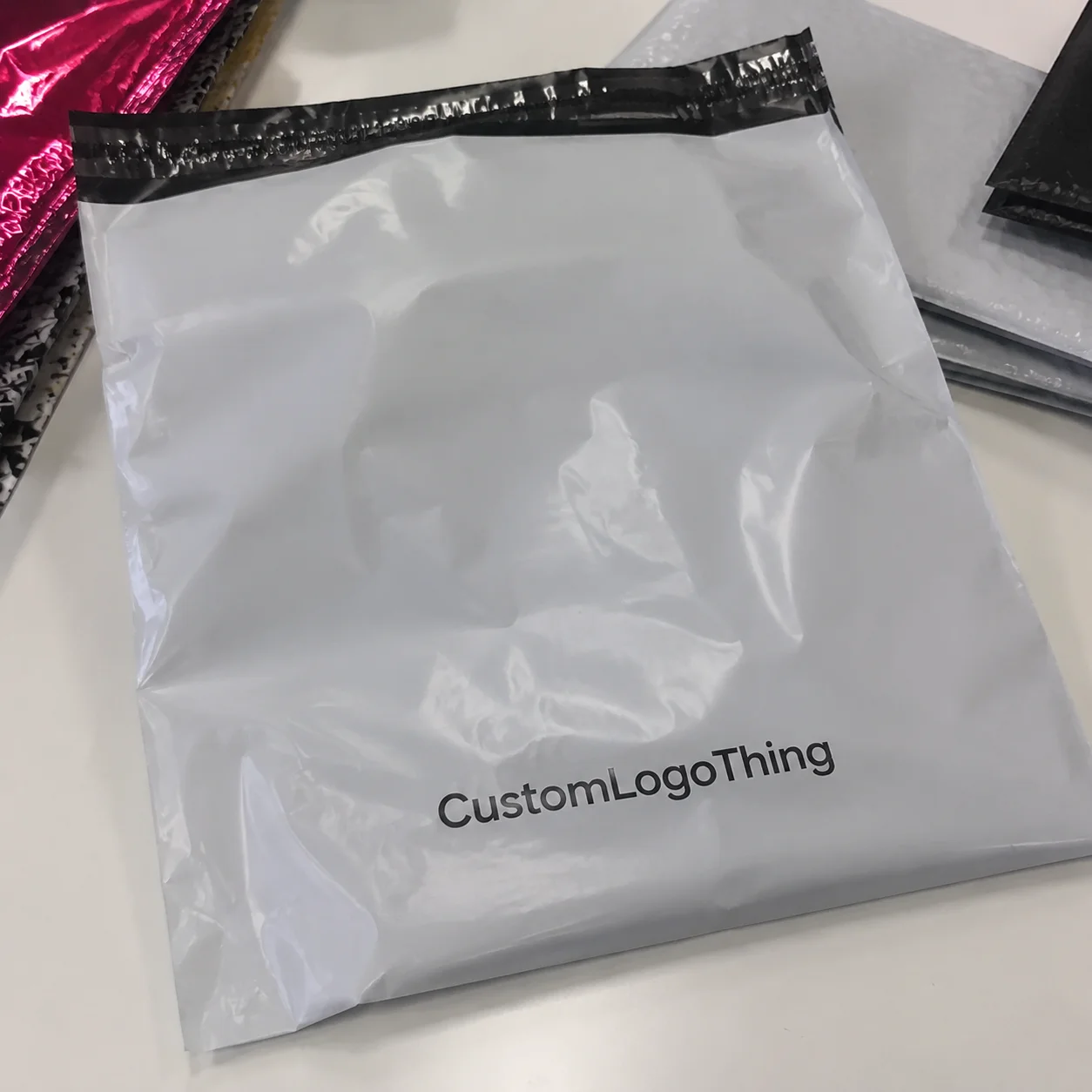
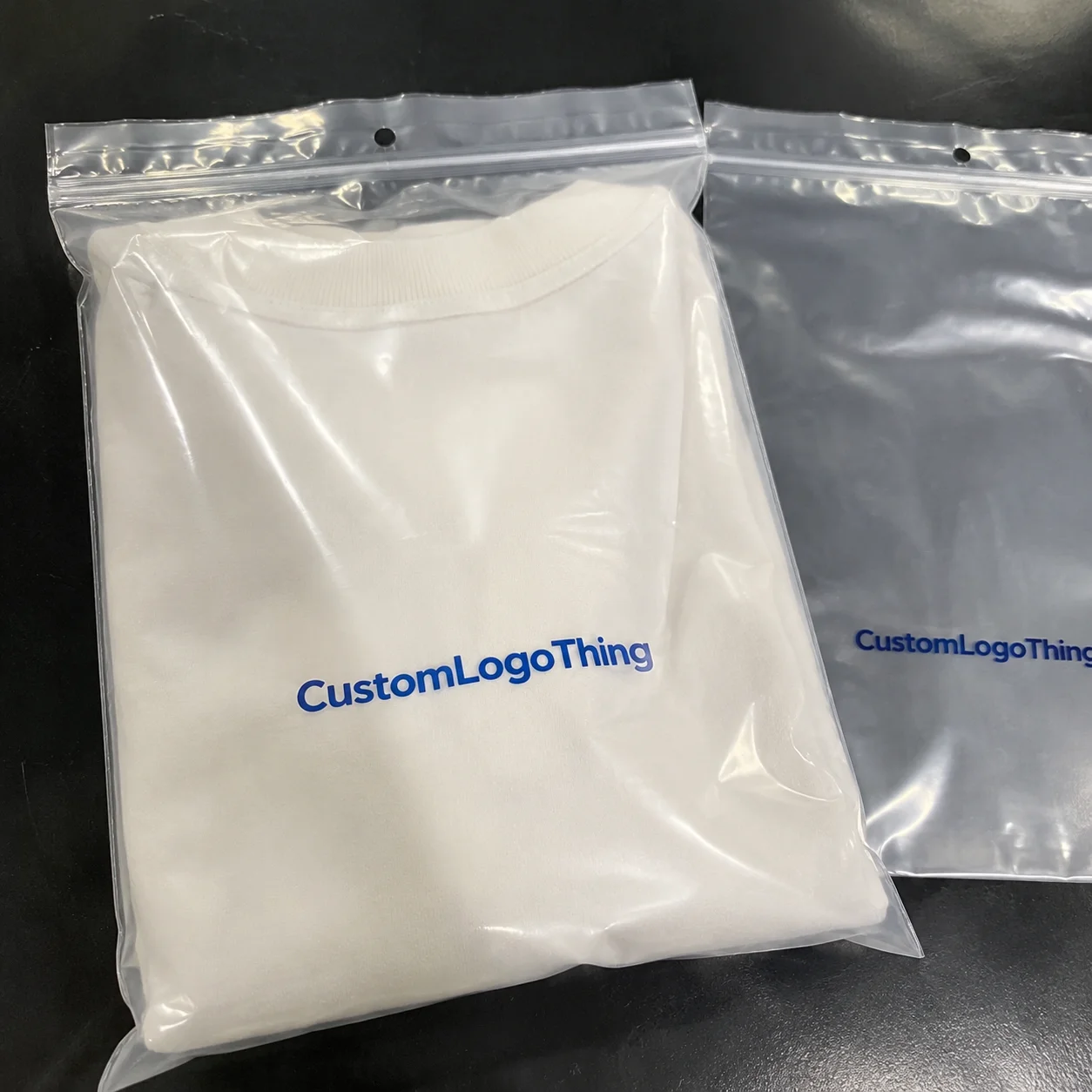
For Custom Logo Things, the sweet spot is straightforward: packaging design for ecommerce should cut damages, protect margins, and make the unboxing feel deliberate rather than chaotic. Done well, it creates stronger branded packaging, better package branding, and a more polished version of product packaging that still makes sense in a real warehouse, where a packer may need to close 120 orders per hour on a Friday afternoon. It also supports smarter shipping boxes, cleaner corrugated mailers, and more reliable custom packaging across the catalog.
What Packaging Design for Ecommerce Really Means
Packaging design for ecommerce is the planning of structure, print, material, and fulfillment behavior as one connected job. That means the carton, mailer, insert, tear strip, coating, and even the way the box opens all have to work together. I’ve seen brands treat those pieces like separate decisions, and it almost always causes trouble later, usually after the first 2,000 units are already in the building and the first carrier pickup is scheduled for 4:30 p.m.
Here’s the simplest way I explain it to clients: ecommerce packaging is no longer just a shipping container. It is often the first physical touchpoint the customer gets with your brand, which is a very different job from shelf packaging sitting on a retail peg or under store lighting in Chicago or Miami. In retail packaging, the package has to sell from a distance. In packaging design for ecommerce, the package has to arrive intact, fit the pack-out line, and still create a strong moment when the tape is cut, usually within 8 to 15 seconds of opening.
I remember a meeting with a skincare brand that had a gorgeous rigid box with a matte black exterior and gold foil logo. Beautiful piece. The trouble was the secondary shipper was oversized by nearly 35%, and every order needed 18 inches of void fill. Freight charges climbed, dunnage multiplied, and the box felt less premium than the mockup suggested. The prototype also used a 2.0 mm greyboard wrap with a soft-touch lamination that scuffed after 25 simulated parcel rotations. That’s why I keep saying packaging design for ecommerce is a system, not a single box.
Good systems usually balance four things:
- Protection during parcel handling, pallet movement, and line packing
- Brand presentation through print, texture, color, and opening sequence
- Shipping efficiency through right-sized dimensions and cube-friendly structure
- Production practicality through assembly speed, tooling, and material availability
When those four pieces line up, packaging design for ecommerce tends to pay for itself in fewer claims, lower waste, and better customer perception. I’ve watched companies cut damage rates by 20% just by changing flute selection from E-flute to B-flute and tightening insert geometry by 3 mm, even before touching the graphics.
If you’re building out custom printed boxes or broader Custom Packaging Products, keep one rule in mind: the best-looking package is the one that still works after a carrier conveyor, a van ride, and a doorstep drop from roughly 30 to 40 inches.
How Ecommerce Packaging Design Works in Production
The production path for packaging design for ecommerce usually starts with a concept sketch or a brief that lists product dimensions, target cost, shipping method, and visual goals. From there, a packaging engineer or structural designer builds a dieline in CAD, often in ArtiosCAD or a similar platform, so the blank size, scores, tabs, and closures can be checked before anyone orders a die. A standard structural sample in a Guangzhou or Shenzhen plant can usually be turned in 3 to 5 business days once the board spec is confirmed.

That CAD step matters more than people think. On one job for a bath product line in Manila, the marketing team wanted a deep lid reveal with an elegant shoulder. The structure looked lovely on screen, but after the first physical sample, the product sat 4 mm too high and the lid bowed. We adjusted the insert depth, changed the board from E-flute to B-flute corrugated, and suddenly the box closed with clean pressure instead of fighting the product. That’s packaging design for ecommerce in real life: solve the structure before you decorate the structure.
Once the dieline is set, the next step is prototype sampling. A competent factory will test the fit with real inventory, not just a foam dummy, because a ceramic jar, a pump bottle, or a folded apparel stack behaves differently under compression. In a good sample review, I want to see the actual fill sequence, the actual tape or locking mechanism, and the actual pack-out rhythm. If it takes 42 seconds to pack one order when the target was 18, that’s a production issue, not a style issue. On one Toronto fulfillment line, switching from a tuck-and-tab lid to a self-locking mailer saved 11 seconds per order, which matters when the line ships 800 units per day.
Box style changes the whole system. Mailer boxes work well for subscription kits and light-to-medium products because they often self-lock and present a neat opening experience. Corrugated shippers are usually better for heavier SKUs, especially if a product weighs over 3 pounds and needs more edge protection. Inserts become critical for fragile goods like glass bottles, candles, ceramics, or electronics accessories. In other words, packaging design for ecommerce has to match the product’s real transit behavior, whether it is going from a factory in Foshan to a customer in Phoenix or from a warehouse in Rotterdam to one in Leeds.
Printing and finishing also change the economics. Flexographic printing is common for corrugated packaging because it runs efficiently on larger quantities and can keep per-unit cost practical. Litho-lamination is often used when a higher-end image is needed, since it gives a very sharp print surface laminated onto corrugate. Digital print can be ideal for shorter runs or variable artwork. Then you get finishing choices like aqueous coating, matte lamination, gloss coating, spot varnish, foil, or embossing, each one affecting both appearance and price. A simple 1-color kraft mailer may land around $0.58 to $0.95 per unit at 5,000 pieces depending on size and board grade, while a more complex litho-lam box with inserts can climb well above $2.50 per unit. For a 10,000-piece run of a 350gsm C1S artboard sleeve with one-color black print, I’ve seen pricing settle near $0.15 to $0.22 per unit before freight and inserts. Those numbers move with quantity, but they give a real feel for how packaging design for ecommerce affects margin.
Assembly style matters too. Self-locking mailers can save labor because workers don’t need to tape every corner. Crash-lock bottoms help with quick set-up on a fulfillment line. Partitioned cartons protect multiple items in one shipper, but they add part count and can slow down kitting. I’ve watched a warehouse in Ohio gain nearly 11% throughput just by switching one shipping format from a fold-and-tape design to a flat-packed self-locking mailer with a better score pattern. That’s the kind of gain people underestimate when they think only about graphics.
For brands comparing packaging design for ecommerce options across multiple SKUs, I usually recommend starting with the fulfillment process. If the line runs at 600 orders per day in a facility outside Columbus or Atlanta, the box should be designed for the line, not the designer’s mood board. That’s how you get consistency.
Key Factors That Shape Better Packaging Decisions
The first thing I ask about in any packaging design for ecommerce project is product behavior. What does it weigh? Is it fragile? Does it leak? Does it dent? A 14-ounce glass bottle of olive oil needs a very different structure than a folded apparel set or a two-piece cosmetic kit. Even the surface finish matters, because a soft-touch sleeve can scuff easily while a plain kraft mailer will tolerate rougher handling in a regional hub in Dallas, Atlanta, or Los Angeles.
Product dimensions also drive cartonization, which is a fancy way of saying how many units fit into a shipper, tote, or master carton without waste. A few millimeters can change everything. I once worked with a candle brand whose jar was 87 mm in diameter and 96 mm tall, but their original carton had only 3 mm of lateral clearance. The box looked clean, yet the first batch came back with cracked rims because the product was too tight during vibration. After expanding the insert pocket by 2 mm and changing the board face to a 24pt SBS liner, the failure rate dropped sharply. That’s why technical detail matters in packaging design for ecommerce.
Durability in transit is another big one. Corrugated board performance is usually discussed through edge crush test, burst strength, compression strength, and flute type. E-flute gives a smoother print surface and thinner profile, while B-flute can offer better cushioning and stacking behavior. C-flute or double-wall constructions may be needed for heavier or more fragile products. If you’ve ever seen a corner crush on a parcel box after 18 minutes on a conveyor in Louisville, you know how quickly the structure loses its dignity once a carrier hub starts working it over.
Brand story matters too, but it should be grounded in the box’s actual use. Think about logo placement, typography, tissue paper, stickers, insert cards, and the order in which a customer sees the product. A high-end packaging design for ecommerce system might use one bold exterior color, one simple interior message, and one clean insert card instead of covering every surface with noise. That restraint often feels more expensive than printing everything in five colors, especially when the interior is printed on 1-color soy-based ink over a kraft liner.
I’ve had clients ask whether branded packaging should be “more premium” or “more minimal.” My honest answer is that premium is not a style; it is a fit between expectations and execution. If the box opens smoothly, the product sits well, the print is consistent, and the insert doesn’t rattle, the package already feels higher-end. If the box is fussy, the branding won’t save it. That is one of the biggest truths in packaging design for ecommerce, whether the product is shipping from Shenzhen, Surabaya, or Charlotte.
Sustainability choices also belong in the decision tree, but they work best when they are practical. Recycled corrugated board, FSC-certified paper, soy-based inks, right-sizing, and reduced void fill all make sense when they support the actual shipping model. The EPA has a solid overview of waste and sustainable materials planning at https://www.epa.gov/smm, and I’ve seen many teams use that as a starting point for smarter material choices. FSC certification can also matter when customers care about responsible sourcing, and the FSC site at https://fsc.org is a useful reference for chain-of-custody basics.
Cost is always part of the conversation, and it should be. The main cost drivers in packaging design for ecommerce include MOQ, board grade, print method, number of colors, finishing steps, die tooling, insert complexity, and order quantity. A 2-color flexo mailer at 10,000 units behaves very differently from a 6-color litho-lam box at 1,500 units. Even a small change, like moving from flood coating to spot coating, can alter pricing by several cents per unit. A rigid setup with a foam insert in Vietnam can run $1.80 to $3.20 per unit at 2,000 pieces, while a plain corrugated mailer from a plant in Kunshan may sit under $0.90 per unit at 5,000 pieces. That may sound minor until you multiply it across a 50,000-unit annual volume.
One more practical point: consistency across retail packaging and ecommerce packaging matters if the same SKU lives in both channels. A product that looks polished in-store but arrives in a generic brown shipper creates a split brand experience. On the other hand, trying to force retail-style packaging into parcel shipping can create returns, dents, and disappointed customers. The smartest packaging design for ecommerce respects both environments without pretending they are the same, and often uses one shared design language with separate structural specs for store and ship.
For reference, industry groups like the ISTA publish testing methods that many brands use to simulate parcel transit, vibration, and drop events. I’ve seen suppliers use those standards as a shared language with customers, which helps everyone stop guessing and start comparing actual 1A, 1B, and 3A testing outcomes.
Step-by-Step: Building an Ecommerce Packaging Design System
Step 1 is always an audit. Before anyone opens Illustrator, measure the SKU family, note the current damage points, check actual pack-out times, and review returns for repeated issues. In packaging design for ecommerce, raw data is often more useful than opinions. I like to see the product dimensions, product weight, outer carton dimensions, packing labor per unit, and the top three reasons customers contact support. If a SKU is shipping from a 3PL in New Jersey and another from a warehouse in Texas, compare both handling paths before you redesign anything.
Step 2 is choosing the right format. A subscription beauty brand may need a mailer box with a printed interior. A kitchen goods brand may need a corrugated shipper with dividers. Apparel might do better with a fold-flat mailer and tissue. Fragile items often need inserts. Hybrid structures can also work, such as a tuck-top mailer with a protective cradle inside. The main point is that packaging design for ecommerce should start from use case, not trend, and not from whatever style is popular on social media that month.
Step 3 is structure development and dieline creation. This is where the dimensions get real. You’re looking for enough tolerance to allow the product to load easily, but not so much space that the item slides around during transit. I’ve seen one brand increase freight cost by nearly 14% because the package was only 8 mm wider than it needed to be, which pushed it into the next dimensional bracket on several carriers. That kind of mistake is common when packaging design for ecommerce is done from a screen mockup instead of a carton logic review. A good structural sample from a factory in Guangzhou or Ho Chi Minh City usually reveals those problems fast.
Step 4 is prototyping and testing. I strongly prefer physical trials that include the actual warehouse crew, because they’ll spot problems that designers miss. You want fit tests, drop tests, vibration checks, and a realistic packing speed test. If the product shifts after a 36-inch drop, or the insert pops loose, or the worker needs both hands and a prayer to close the flap, the design isn’t ready. A proper test plan should also look at carrier data, especially if the shipment will travel through rough hubs or cross-country lanes. For fragile goods, I like to see at least 10 sample drops per orientation and a simple compression test after the parcel has been repacked.
Step 5 is graphics and finishing approval. This is where print spec, color targets, and finishing details get locked down. If you’re using coated stock or a printed liner, ask for a press proof or a controlled production sample. On one corrugated project, the brand approved a dark navy through a screen proof, but the actual board absorbed the ink differently and came out closer to slate. We solved it by shifting ink density and adjusting the underbase, but that only happened because we checked a physical sample. Packaging design for ecommerce benefits from that kind of caution, especially if the print is running on water-based flexo ink in a plant near Dongguan or Suzhou.
Step 6 is rollout and refinement. Start with a controlled run, not the full annual volume, if the design is new or the product is sensitive. Then collect feedback from operations, customer service, and returns. If the same edge keeps crushing or the same insert keeps tearing, revise the design. Packaging should not be frozen just because the first order is complete. In my experience, the strongest packaging design for ecommerce systems evolve after the first production cycle, usually after 1,000 to 5,000 shipped units reveal what the sample room could not.
If you’re building a broader packaging program, keep a master spec sheet for each SKU. Include dimensions, board grade, print area, tape or lock method, insert type, approved artwork, and the pack-out sequence in order. That document saves hours later when a new warehouse in Atlanta, a co-packer in Mexico, or a 3PL in Pennsylvania gets involved.
Process and Timeline: From First Brief to Delivery
Lead time in packaging design for ecommerce depends on complexity, but the process usually has a familiar shape. A simple digitally printed mailer may move from brief to shipment in roughly 10 to 15 business days after artwork approval, while a custom structural job with dies, specialty finishes, and inserts can stretch to 4 to 8 weeks or more, especially if samples are revised several times. For a standard custom mailer in a Shenzhen factory, it is common to see 12 to 15 business days from proof approval to finished cartons ready for freight booking. That range is normal, not a warning sign, as long as everyone is honest about the scope.
The first phase is discovery and specs. This is where you confirm product size, target quantities, budget, shipping method, and any brand requirements like FSC paper or particular ink colors. I’ve sat in supplier meetings where the team skipped this part and jumped straight to artwork, only to discover later that the product needed a different closure style. That kind of shortcut usually costs more time than it saves, especially if the supplier is already buying board in a mill batch from Taiwan or Guangdong.
Next comes structural development and sample creation. Good suppliers can often overlap structure work with artwork prep, which shortens the calendar without sacrificing accuracy. For packaging design for ecommerce, that overlap matters because you can be adjusting graphics while the physical sample is already being built. Once the sample arrives, revisions should be specific: “increase insert depth by 2 mm,” “open score by 0.5 pt,” or “reduce logo to avoid flap wrap.” Vague feedback slows everything down. If the sample is moving through a plant in Dongguan, a precise revision note can save a full 2-day remake cycle.
Print proofing is a separate checkpoint. This is where file resolution, color profiles, bleed, and panel alignment are confirmed. Then production begins, followed by curing, drying, laminating, or other finishing steps. If you need kitting, nested inserts, or polybagging, that adds another layer of scheduling. Freight booking should happen before the goods are finished, not after the pallets are stacked in the corner and everyone is suddenly in a hurry. For an ocean shipment from Ningbo to Los Angeles, I usually tell clients to plan the freight window early, because even a fast production cycle can get held up by vessel availability.
The most common delays I’ve seen in packaging design for ecommerce are late artwork changes, board grade substitutions, sample rework, and approvals that sit in someone’s inbox for four days. Seasonal launches make this worse. If you have a Q4 promotion or a product launch tied to a marketing campaign, build in extra time for the sample loop. A project that looks easy in a spreadsheet can get ugly fast if the receiving window at the warehouse is only 48 hours wide, or if the warehouse in Illinois has no space for a 20-pallet delivery.
One client in the home fragrance space planned a launch around a trade show and wanted the cartons in hand with two weeks to spare. The sample revision came back three times because the glass insert and the bottle neck clearance were too tight. We still made it, but only because the supplier ran structure development and artwork proofing at the same time and the client gave feedback within 24 hours each round. That’s a decent model for packaging design for ecommerce: speed is possible, but only when everyone stays disciplined and gives decisions in one day, not one week.
Common Packaging Design Mistakes Ecommerce Brands Make
The biggest mistake I see in packaging design for ecommerce is designing for the photo shoot instead of the warehouse. A box can look stunning on a white background and still be miserable to assemble, expensive to ship, and weak under compression. I’ve seen brands approve very pretty mailers that required three hand motions and a prayer to close, then wonder why packing labor was running 22 seconds higher than forecast. That extra 22 seconds per unit is brutal when a team ships 1,500 orders in a week.
Oversizing is another classic problem. If the box is too large, you pay for dead air in freight, add more void fill, and make the package feel less considered when it reaches the customer. It also increases the chance that the product shifts during transport. I worked with a small beverage brand that was shipping a single bottle in a carton sized like it was meant for two. After right-sizing and changing the insert geometry, their damage claims dropped, and the customer feedback stopped mentioning “wasted space.” That’s a practical win in packaging design for ecommerce, and it usually shows up in the freight invoice within the first month.
Brand inconsistency can also hurt more than people expect. If the outer carton is premium but the insert card looks like an afterthought, the whole experience feels uneven. The same goes for mismatched colors between the lid, the tissue, and the tape. Strong branded packaging usually feels coordinated without being loud. It should feel like one team made all the decisions, whether the product is shipping from a plant in Suzhou or being packed in Nashville.
Skipping the unboxing sequence is another mistake. Customers open packages in a specific order, even if they don’t realize it. If the product falls out before the message card is visible, or if the receipt and return label are jammed under the tissue, the experience feels cluttered. Good packaging design for ecommerce gives each element a job and a place. A simple insert card placed 15 mm above the product can change the whole reveal.
And please, test with real carriers. I can’t say that enough. A package that survives one hand carry in the office tells you almost nothing about how it behaves in a UPS hub or on a USPS conveyor. If the product is fragile, temperature-sensitive, or shipped across long distances, that testing becomes non-negotiable. I’ve seen a lot of otherwise smart teams lose money because they treated testing as optional. In my view, that is one of the costliest mistakes in packaging design for ecommerce.
Expert Tips to Improve Ecommerce Packaging Performance
My first recommendation is to design around warehouse efficiency before you decorate the outside. A box that packs fast, stacks well, and stays consistent across shifts is usually worth more than a fancier one that slows the line. In practical terms, packaging design for ecommerce should reduce friction for the people who touch it 200 times a day, especially in facilities where one line runs from 7:00 a.m. to 9:00 p.m.
Second, build a packaging spec sheet for each SKU family. Include exact dimensions, board grade, flute type, print coverage, insert requirements, and pack-out sequence. If your 12 oz candle and your 8 oz candle can share the same outer box with only a changed insert, do that. Modular systems are often the smartest way to control cost while keeping package branding consistent. A shared outer shipper with one insert variation can save 8% to 12% in tooling and stocking complexity.
Third, sample with the exact materials you plan to run. Paper tone, coating, ink absorption, and even humidity can change the final look. A kraft board that looked warm and natural in the sample room may print darker on the actual line. That is not a defect; it is material behavior. Packaging design for ecommerce gets much better when teams respect those physical realities, especially if production is happening during humid summer months in Guangdong or during winter shipments into Minnesota.
Fourth, track performance using data from returns, claims, and support tickets. If 18% of customer complaints mention a dented lid or a torn insert, that is a signal. If the warehouse reports that one closure style slows down packing, listen to them. Good product packaging decisions should be based on evidence, not just taste. A 3% improvement in claims on a 25,000-unit run is real money, not just a nice chart.
I also like to encourage brands to review industry guidance from organizations like ISTA and packaging associations such as packaging.org and ISTA. Those resources won’t pick your box style for you, but they do give structure to your testing and material conversations. That helps everyone speak the same language when claims, transit performance, or certification questions come up, especially when a supplier in Shenzhen and a warehouse in New Jersey need to agree on what “passed” actually means.
One final tip from the factory floor: keep the opening moment simple. A strong logo, a neat inside panel, one well-placed message card, and a product sitting securely in its insert will usually outperform a box overloaded with messages. I’ve watched customers smile at a clean interior more often than at a busy one. People remember that the product arrived safe, the unboxing felt intentional, and the package didn’t fight them. That is the quiet power of good packaging design for ecommerce.
Next Steps for Smarter Ecommerce Packaging Design
If you want to improve packaging design for ecommerce without getting overwhelmed, start small and work with the highest-volume or highest-damage SKU first. List your top sellers, measure current pack-out times, identify the products that come back damaged most often, and pull the last 90 days of return reasons. Those four steps usually reveal enough to build a useful plan, especially if one SKU accounts for 40% of your monthly orders.
Then create a simple decision matrix that compares protection, branding, shipping cost, and assembly speed. You do not need a 20-tab spreadsheet to start; a clean comparison chart with board grade, dimensions, MOQ, and per-unit cost is often enough. If you can get a quote based on actual product measurements instead of rough guesses, even better. I’ve seen suppliers quote a job 15% too high because they were working from a vague brief, and that gap disappears once the sample is properly defined. For a 5,000-piece corrugated mailer, even a $0.08 difference per unit changes the annual spend fast.
Ask your packaging supplier for a structural sample, a board recommendation, and a costed quote. If possible, request a line review with your warehouse team so everyone can test the pack-out together. That extra hour can save weeks of frustration. Packaging design for ecommerce works best when operations, branding, and procurement are all in the room, whether that room is in Los Angeles, Mumbai, or a co-packer’s office in Ohio.
Before launch, use a checklist: artwork approved, sample signed off, fit tested, pack-out timed, freight scheduled, and receiving plan confirmed. Then make notes after the first shipment lands. What was good? What bent? What slowed the line? What did customers mention in reviews? Those answers will improve the next revision much more than a guess will. A simple post-launch review after 500 shipped units can reveal more than a month of internal debate.
If you remember only one thing, make it this: start with one product line, refine the system, then roll the winning structure into the rest of the catalog. That is how packaging design for ecommerce grows into a durable brand asset instead of a recurring headache. And if you’re building that system with Custom Logo Things, our Custom Packaging Products can help you match structure, print, and presentation to the way your business actually ships, from factory spec to front door.
“The best ecommerce box is the one that disappears into the process when it should, then makes the customer stop and smile when they open it.” — something I’ve told more than one brand team after a long day on a corrugated line in Dongguan
Packaging Design for Ecommerce: decision table
| Decision area | Best fit | What to verify | Risk if skipped |
|---|---|---|---|
| Board or flute choice | Product protection, stacking strength, and shipping distance | Caliper/flute, crush resistance, and sample fit | Weak structure or oversized cartons increase damage and freight cost |
| Print and finish | Retail presentation, unboxing, and shelf recognition | Color proof, coating, scuff resistance, and logo placement | A good dieline can still look cheap if finish and color drift |
| Packing method | Hand packing, ecommerce fulfillment, or retail-ready cartons | Inner count, master carton, label position, and warehouse handling | Good packaging slows operations if pack-out is ignored |
FAQ
What is packaging design for ecommerce and why does it matter?
Packaging design for ecommerce is the planning of structure, print, protection, and fulfillment fit for shipped products. It matters because the package affects damage rates, shipping cost, assembly speed, and brand perception, often all at the same time. A well-built mailer with 32 ECT corrugate or a 350gsm C1S artboard sleeve can change claims and customer feedback within a single production run.
How do I choose the right packaging design for ecommerce products?
Start with product size, weight, fragility, and how it will be packed in the warehouse. Then match the structure to the shipping method and budget, and prototype before ordering at scale so the final packaging design for ecommerce works in real handling conditions. A sample approved in 3 to 5 business days is much cheaper than a full run of 5,000 boxes that don’t fit the SKU.
What affects the cost of packaging design for ecommerce?
Material grade, box style, print complexity, finishing, tooling, and order quantity all influence pricing. Custom inserts and specialty coatings can raise cost, while right-sizing and simple print can lower it in a meaningful way for packaging design for ecommerce. For example, a plain kraft mailer may stay near $0.58 to $0.95 per unit at 5,000 pieces, while a litho-lam rigid package can run above $2.50 per unit.
How long does ecommerce packaging design usually take?
Simple projects can move quickly, but custom structures, sample revisions, and print finishing add time. The biggest delays usually come from late artwork changes, approvals, and sample rework, especially when teams are still refining packaging design for ecommerce after the first proof. A standard custom mailer may take 12 to 15 business days from proof approval, while a more complex project can take 4 to 8 weeks.
What are the biggest mistakes in packaging design for ecommerce?
Common mistakes include oversized boxes, weak transit testing, and designing only for appearance. Another major issue is skipping fulfillment trials, which can expose assembly and damage problems before launch and make packaging design for ecommerce more expensive than it needed to be. A box that looks great in a render but takes 42 seconds to pack is usually a bad operational decision.