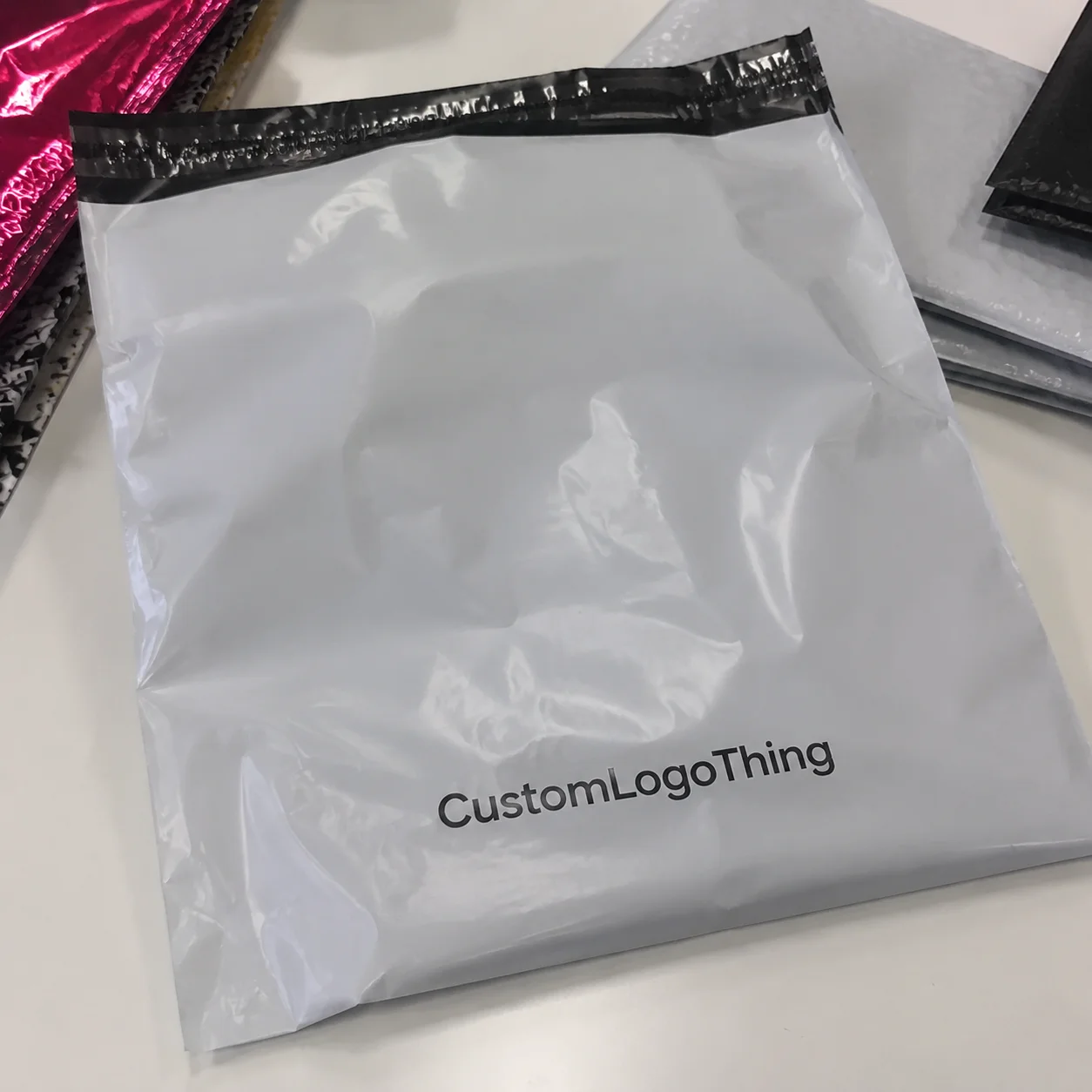
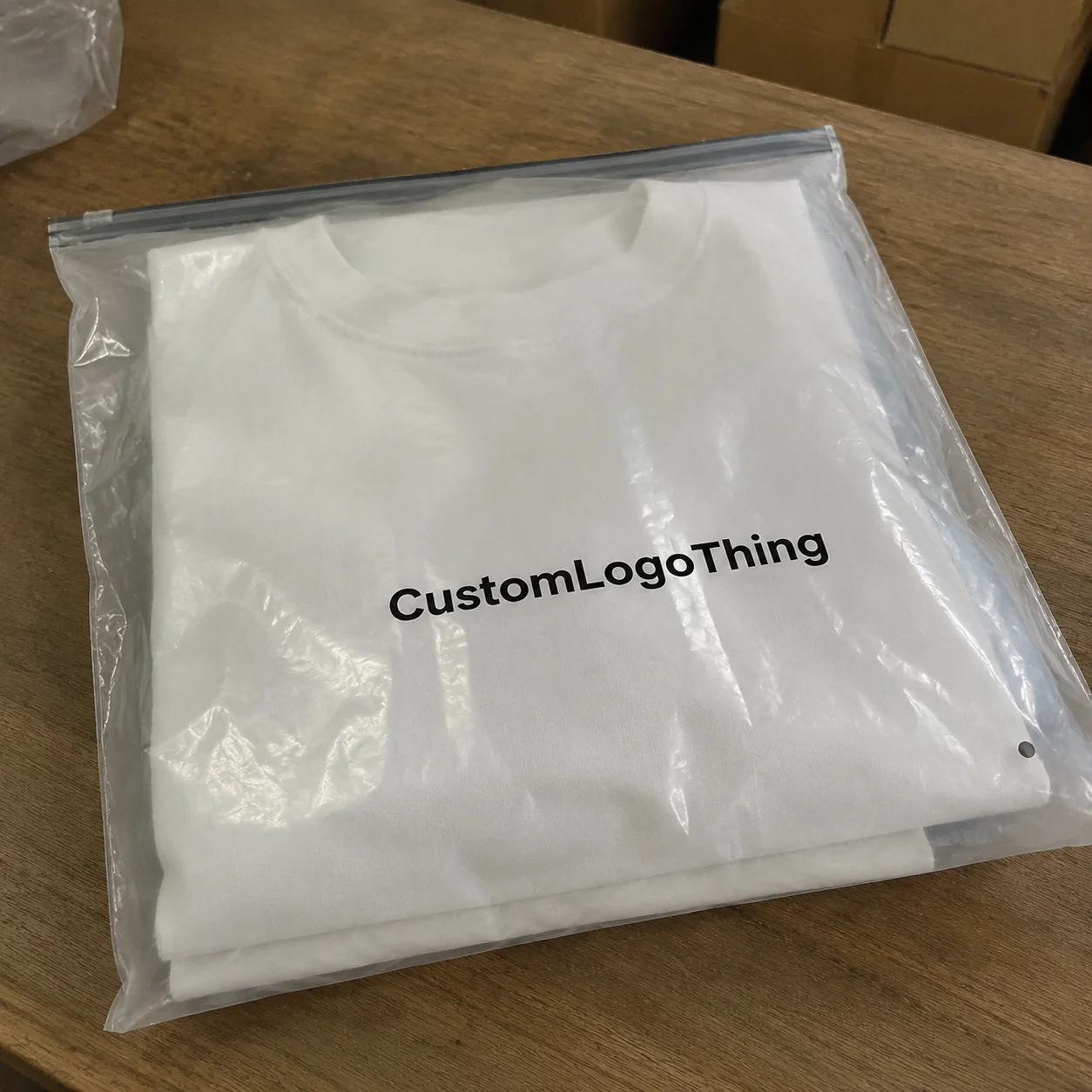
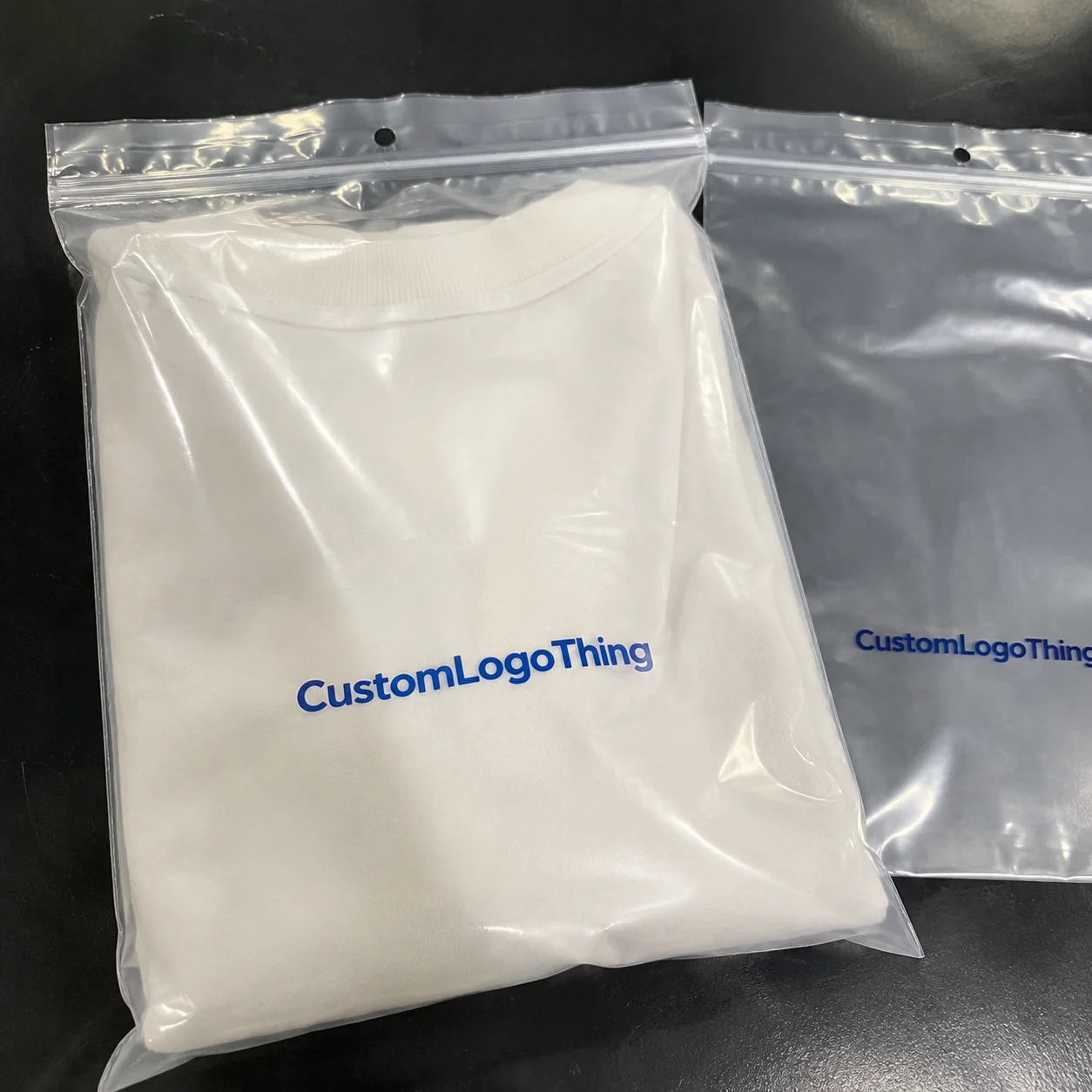
Buyer Fit Snapshot
| Best fit | Packaging Design Pricing projects where brand print, material claims, artwork control, MOQ, and repeat-order consistency need to be specified before quoting. |
|---|---|
| Quote inputs | Share finished size, material target, print colors, finish, packing count, annual reorder estimate, ship-to region, and any compliance wording. |
| Proofing check | Approve dieline scale, logo placement, barcode or warning zones, color tolerance, closure strength, and carton packing before bulk production. |
| Main risk | Vague material claims, crowded artwork, missing packing details, or unclear freight terms can make a low unit price expensive after revisions. |
Fast answer: Packaging Design Pricing: Production Review should be specified like a repeatable production item. The safest quote records material, print method, finish, artwork proof, packing count, and reorder notes in one written spec.
Production checks before approval
Compare the actual filled-product size with the drawing, then confirm tolerance on folds, seals, hang holes, label areas, and retail display edges. Reserve space for logos, QR codes, warning copy, and material claims before decorative graphics fill the panel.
Quote comparison points
Review material grade, print process, finish, sampling route, tooling charges, carton quantity, and freight assumptions side by side. A quote is only useful when the supplier can repeat the same color, closure quality, and packing count on the next order.
Why Packaging Design Pricing Guide Matters
packaging design pricing guide became an urgent memo the day a mislabeled line item paused a holiday launch for three months and added $150,000 of expedited print work. The calendar doesn’t excuse that kind of shock; branded packaging meant for December sat on pallets while the retailer issued refunds because our numbers weren’t tied to the design story. Every stakeholder in procurement and creative was suddenly squinting at a spreadsheet, trying to decode what had been assumed. I still keep that Chicago December file pinned to the shared drive as a cautionary post-it reminder, and the guideline now opens every kickoff deck. That discomfort is why the guide doubles as both cost map and accountability mirror.
Hidden design expenses stack up faster than a supply chain hiccup. The last benchmarking study I ran with a Milwaukee-based Midwest beverage client showed consumer-goods teams missing budgets by 18 percent, while B2B outfits averaged just 10 percent because they ran the packaging design pricing guide through procurement before any color proofs hit the boardroom. When art direction and purchasing finally speak openly, teams stop guessing and start quoting transparent cost corridors—sometimes even pulling packaging.org data on board premiums to reinforce the logic. That data reminds us the guide isn’t optional, it’s how we keep the conversation real.
These conversations stop sounding vague and become tactical. I watch my team argue whether a 350gsm C1S artboard with soft-touch lamination truly adds 6 cents per printed box or if a matte emboss is worth the storytelling punch, and the guide keeps the debate from drifting into wishful thinking. Our Shenzhen quality lead once showed me a batch of 25,000 retail sleeves, pointing out adhesive beads and foil areas with the kind of scrutiny only a packaging design pricing guide enforces.
I remember when our holiday caffeine brand decided to add a surprise emboss late in the specification phase. Procurement begged for a justification, and the only thing that saved us from a $22,000 rush was the guide spelling out the labor impact, including the need for two extra die operators for 72 hours and the fact that the factory foreman in the Fuzhou plant actually laughed at our panic when I told him we had less than 48 business hours. Honestly, I think the best part of that episode was watching a spreadsheet yell at us, but the lesson stuck: transparency keeps everyone honest (and slightly less dramatic).
That file stays alive partly because I still think it’s kinda hilarious that we were gonna let a misprint hijack a launch.
How the Packaging Design Pricing Guide Works
The discovery call kicks everything off. We map stakeholder needs, technical requirements, and SKU count, then outline the research and concepting steps: two weeks, or 10 business days, of study and moodboard creation, and a fixed $4,000 fee for small launches with up to four paths. After the brief gets a nod, the packaging design pricing guide locks in additional fees—a $2,500 ideation session covers storyboarding, competitive tear-downs, and sustainability scoring so no one is surprised when an extra workshop is needed. That first call always starts at 10:00 a.m. on Wednesday from our Boston office so the East Coast procurement lead and Los Angeles art director can share the same screen.
Variable costs also get their own line items. Two rounds of revisions live inside the base budget, while each extra round automatically adds $675 to reflect the labor shifting between the art director and the dieline engineer, because the guide shows procurement exactly how much that dance costs. Rush charges are spelled out too; if a client needs dielines under seven days because their Guadalajara factory is waiting, the guide adds a $1,200 sprint fee to cover night shifts and expedited approvals. Seeing these line items side-by-side resets expectations; pricing transparency is not about hiding risk, it is about giving people vocabulary to negotiate. It’s kinda funny how quiet the room gets when the sprint fee shows up.
Timelines matter just as much as money. The guide tracks a three-week ideation window, a one-week refinement period, and a four-day proofing block before handing dielines to production, plus a $450 rapid prototyping sprint fee for anything needing a two-day mockup. When that sprint reaches a supplier during our weekly negotiation at the Ontario print plant, they already know there is a dedicated fee for the foam core mock-up and a separate hourly rate for die-cut refinement. Accountability happens when everyone knows what each sprint costs.
You can almost sense the relief when the guide lands on the table during kickoff meetings, especially when the 12-person group from Atlanta, New York, and Toronto settles into the 11:30 a.m. slot. I say “almost” because there is still that one creative director from Toronto who insists on “seeing the magic for free”—not today, not ever.
Key Factors Shaping Packaging Design Pricing
Material selection remains the heaviest lever in the packaging design pricing guide. Choosing 16pt SBS with aqueous coating totals roughly $0.42 per unit for 10,000 pieces, while a 24pt rigid board with soft-touch lamination jumps to $0.78 per unit. Finishing matters too: spot UV adds $0.09, and hot foil can run $0.22 on 8,500 custom boxes. Dieline complexity is logged by counting corners, windows, and tolerances; any die with pop-up elements tacks on two more hours from the structural engineer, which shows up as a $250 add-on once the regular flat dieline clears approval.
Intangibles alter quotes as well. Brand Storytelling That leans on layered imagery, collage, or multi-lingual messaging boosts art direction hours by 20 percent. Regulatory compliance—for example, the FDA-safe inks required for flexible packaging in Ohio and Texas—tacks on $340 for certification and proof documentation. SKU count also shifts the math: moving from a single SKU to an 18-SKU range is not linear, so the guide applies a 35 percent multiplier to the base concept fee for the added coordination and approvals.
I often compare briefs to make the trade-offs obvious. A high-end fragrance launch demands discretionary finishes, a refined opening ritual, and an FSC stamp with a 3-color foil; the guide lands at $24,500 for the whole rollout. A quick-turn subscription kit focuses on economy and speed, opting for matte lamination and one-color print, which keeps the design fee near $9,200. This packaging design pricing guide keeps teams prioritizing those factors instead of assuming every line item is negotiable; it’s kinda a reality check when someone starts dreaming up gilded ribbons on day one.
I still remember the factory visit in Dongguan where the line operator asked why we were debating a $0.02 ribbon and I said, “Because two million of them need to wrap around the new launch, and the CFO wants to know if they can tip over on a Monday morning.”
Cost Benchmarks in the Packaging Design Pricing Guide
Benchmarks always start with volume in the packaging design pricing guide. Small runs of 2,000 units look like $6.30 per unit once modest structural engineering and a $550 prototype are in place. Mass production runs of 250,000 units still exceed $0.95 per unit because tooling amortizes quickly, while the carton cost drops to $0.45 for standard white 32 ECT corrugated. Our most recent benchmark covered a B2B electronics client at 50,000 units and a consumer beauty brand at 120,000 units; those actual figures now live inside the guide, so we can compare markups without hunting through old emails. (Side note: regional labor swings mean you should treat these as directional and update them by geography.)
Markup models take different shapes. Agencies tend to add 20-30 percent on third-party expenses, which covers project management and the quality checks that happen after dielines return from production. In-house teams forecast hourly rates instead—$95 for senior designers and $60 for juniors—so the guide translates those rates into hourly budgets for procurement to compare alongside agency bids. Our internal tracker shows how a $12,000 prototyping phase becomes a $2,700 agency markup, while in-house teams would allocate 28 hours of internal labor instead. That spreadsheet turns into a vendor bid comparison when we stack agency quotes against the in-house numbers and procurement can explain every delta.
A table keeps the comparison concrete:
| Feature | Premium Cosmetics Box (120k units) | Subscription Kit Sleeve (30k units) |
|---|---|---|
| Material | 24pt rigid board + soft-touch lamination + scented varnish | 20pt SBS + biodegradable film + tinted matte coat |
| Design Fee | $18,400 (includes 4 revisions and 2 approval rounds) | $7,100 (includes 3 revisions, concept exploration) |
| Prototyping | $1,650 (3 mock-ups, 2 foil options) | $620 (flat sample + dieline verification) |
| Per Unit Cost | $1.35 average, dropping to $0.95 after scale | $0.48 average with single-color print |
| Markup | 25% agency markup on print partner invoice | 20% internal markup for program management |
That kind of side-by-side view gives procurement immediate visibility and helps them ask for the right justification when numbers deviate from the norm; I was on the 3:15 p.m. Seattle call last Tuesday when the procurement lead used that exact table to explain why the premium cosmetics box suddenly needed a 25 percent markup. Seeing where the markup lands prevents surprise invoices from becoming a renegotiation headache.
I still chuckle thinking about that time a junior designer tried to pitch a luxe insert for a utility project and we had to show that the per-unit cost ballooned faster than the ego. The guide helped blunt the debate; we substituted a $0.22 insert for an embossed panel and no one died.
Step-by-Step Plan Using the Packaging Design Pricing Guide
Start with an audit of current packaging. List every SKU, note materials, lead times, and capture at least 27 data points per SKU, including vendor, MOQ, and sustainability certifications, so you can drop the findings into the guide’s cost buckets. Next, prioritize cost drivers by scoring each feature on a 1-5 scale; a die-cut window might score a 3 for impact yet a 5 for cost, while a standard CMYK wrap likely sits at 1.
Build a decision tree that links approval thresholds to budget tiers. Projects under $12,000 stay within one buyer; programs reaching $30,000 require design, procurement, and finance consensus. That framework preserves the guide’s integrity by making every pricing lever—extra revisions, specialty inks, etc.—visible before the green light. Add scenario modeling so you can compare a 15-business-day rush to the standard 30-day stretch, complete with predictable add-ons like the $1,200 sprint.
Track metrics such as Cost Per Unit, revision count, and lead time. If a project logs five revisions and a $950 change order, feed that data into the next pricing iteration and refresh the guide. I’ve watched teams drop revision counts from five to two just by showing a visual rollback of cost impact. Repeat this step before every campaign so the packaging design pricing guide keeps evolving.
Here’s another tactic: after every supplier walk-through (yes, I mean the messy, glue-scented factory floor kind), I jot down what surprised me—usually something like “The press operator doesn’t love last-minute gilded edges.” Those notes feed back into the guide so that the next scope discussion already includes the reality of tactile finishes and the people who actually charge for them.
Common Mistakes When Applying a Packaging Design Pricing Guide
Treating the packaging design pricing guide as a fixed quote is a frequent error. Scope creep—say adding a secondary insert after dieline approval—throws the assumptions off unless documented as a change order with a new fee. My Chicago client learned this the hard way after a 30,000-unit run shipped with the wrong insert and cost a $4,800 rush correction. Encourage teams to flag changes immediately and use the guide to show how many labor hours each revision consumes.
Production timelines often go ignored. Designers who expect overnight proofs end up with premium rush fees because printers book their first shifts two weeks in advance. A creative director once demanded a proof in 24 hours; the guide added a $650 rush fee for the bindery outreach and another $2,100 for the overnight courier, and that math killed the last-minute request fast.
Post-launch logistics costs are usually missing from the guide. Warehousing, returns, and kitting can add 12-15 percent to the overall program. One client assumed the packaging design pricing guide covered shipping to the retailer but overlooked the 3 percent storage fee and $0.40 per unit return handling, so we now call those line items out explicitly.
I get frustrated when teams forget that the guide isn’t a wish list; it’s a living document that reflects actual charges. After a Friday night panic call where someone wanted to throw in metallic ink without adjusting cost, I told them, “This is what the guide says, and also what our factory foreman will charge if we keep surprising him,” and the reminder seemed to calm the room.
Expert Tips for Interpreting the Packaging Design Pricing Guide
Use the guide as a negotiation tool. Vendors respond when you pull out a line item such as $0.12 per sheet for matte lamination versus the $0.08 standard. I mentioned that exact figure during a negotiation with a Mid-Atlantic converter and secured a $0.03 credit per sheet by bundling their P.O.P. work with our branded run. The visibility also lets procurement sharpen their stance; they compare bids with apples-to-apples detail.
Pair the guide with sales velocity and margin targets to evaluate packaging premiums. Premium materials might add $0.65 per unit yet lift perceived value enough to improve margin by 6 percent, and the guide makes that trade-off clear. I’m gonna keep a spreadsheet mapping packaging costs to contribution margins for each product line, using actual sell-through data from the past 90 days so decisions stay grounded in reality.
Test new materials inside a mini framework: pilot runs of 1,000 units, cost-per-unit analysis, and customer perception studies. Track the pilot cost ($0.95 per trial unit plus $320 for survey deployment) and the feedback so you can make an informed decision on scaling. That keeps experimentation from derailing the entire budget and keeps the pricing guide practical.
One more tip: bring snacks to your supplier workshops. I’m serious—when the factory team in Monterrey knows you’ve been there before (and you brought 24 glazed donuts), they open up about real issues like inconsistent lamination charges, and that honesty keeps the pricing guide accurate.
How does the packaging design pricing guide maintain cost clarity?
The packaging design pricing guide keeps cost clarity sharp by turning every negotiation into a packaging cost breakdown. When procurement sees the ink, lamination, and labor lines stacked next to one another, the story is pre-mapped and the guide provides the vocabulary needed to explain spikes. I even use it as a vendor bid comparison cheat sheet—matching agency quotes to internal hours so the team can point at the same rows and say, “This is why the premium lamination demands the extra fee.”
Targeted branding spend analysis also happens in this section. We group storytelling priorities with corresponding premiums—scented varnish, embossed logos, dual-language messaging—and then score them against expected sales lift. That ranking keeps the messaging from outrunning the budget; when brand leaders ask for luxe details, I can show them the financial line beside it and we revisit whether that story needs the upgrade.
I keep reinforcing that the pricing guide isn’t just about crunching numbers. It’s about making sure everyone speaking to a supplier says the same thing when they reference cost buckets so negotiations stay calm instead of spiraling into lost trust.
Next Steps: Apply the Packaging Design Pricing Guide
Conduct a quick project inventory. List current projects, slot each into the guide’s cost buckets, and flag where estimates diverge from actuals—our current slate includes three new rigid mailer SKUs and two promotional displays, all tied back to the packaging design pricing guide. When discrepancies show up, note the cause (rush, compliance, etc.) so the next cycle benefits from those insights.
Organize a cross-functional review with design, procurement, and finance. During the last meeting in Boston, everyone agreed on which pricing levers to pull—reducing embossing from two sides to one, deferring a sustainability certification until next run. That meeting kept stakeholders aligned with budget thresholds, and every lever references the guide so there’s an audit trail for every decision.
Document lessons after each roundup. Write down what worked, what didn’t, and how the packaging design pricing guide influenced the decision, so the guide keeps shaping future projects instead of being stuck on a shelf. Keep that narrative alive in your debrief notes so the guide doubles as a storytelling tool.
I remember sprinting through a review session where the CFO (who hates surprises) asked if we could just “eyeball” the cost. I replied, “Sure, just eyeball it into a $9,000 surprise,” and we now refer to that night as the “Eyeball Incident” in our guide, which usually quiets the room.
Conclusion: Keep the Packaging Design Pricing Guide Alive
Keeping a packaging design pricing guide useful takes discipline, but clarity follows when every decision ties back to dollars and days. Update it after every launch, revisit assumptions quarterly, and let it reflect new materials—like the sustainable liners tracked at ista.org—and regulatory shifts flagged by the EPA document from March on adhesives. That approach keeps surprises at bay and keeps the guide woven into how your team budgets, negotiates, and tells the story behind custom packaging.
Actionable takeaway: schedule a monthly pricing review with procurement, creative, and finance so the guide stays alive in everyone’s calendar instead of gathering dust.
How does a packaging design pricing guide account for materials?
The guide breaks materials into tiers—standard, premium, and sustainable—and maps spreads such as $0.42 for 16pt SBS up to $0.78 for premium coated boards. Finishing charges like foil (~$0.22 per unit) stack on top, and you track sheet cost plus finishing charges by choice so the $0.65 gap appears clearly. That clarity lets teams weigh savings against brand expectations instead of defaulting to the cheapest option.
What timeline should I expect in a packaging design pricing guide?
A typical timeline spells out phases: two weeks for research, three weeks for concept development, ten days for refinement, and four days for proofing, with rush fees kicking in when any phase compresses. Turning around dielines under one week adds a $1,200 fee, for example, and the guide also suggests five business days of buffer per revision so pricing stays steady.
Can I customize the packaging design pricing guide for different product categories?
Yes. Adjust the guide’s weightings for SKU complexity, regulatory hurdles, and lifecycle expectations. Build category-specific templates—one for retail, another for industrial containers—to capture nuances like compliance paperwork or heavy-duty coatings. Review those templates quarterly to match shifting supply costs and order volumes.
How do revisions impact estimates in the packaging design pricing guide?
Track revision counts against a preset number (usually two rounds) baked into the base fee. Each extra round adds roughly $675 because you need fresh mock-ups, stakeholder meetings, and updated dielines. Gate additional revisions through approvals so margins stay protected and the guide reflects actual labor.
Why is the packaging design pricing guide useful for procurement teams?
It gives procurement a consistent vocabulary for costs, so bids can be compared apples-to-apples and line items such as embossing, lamination, or FSC certifications become easy to evaluate. The guide highlights cost drivers, enabling smarter negotiations, and forecasts budgets while flagging when design tweaks trigger new pricing. Procurement starts steering the conversation instead of chasing surprise invoices.
For deeper detail on actual packaging products, explore our Custom Packaging Products offerings, and keep in mind that every custom packaging project benefits when procurement, design, and finance speak the same language, share the same data, and reference the packaging design pricing guide before any supplier call.
The packaging design pricing guide remains the clearest way I’ve found to explain trade-offs, especially when backed by real numbers from the Floor—like the $2,100 rush proof or the $0.40 per unit return handling fee. Keep iterating, keep measuring, and above all, keep the guide alive in your next launch brief.