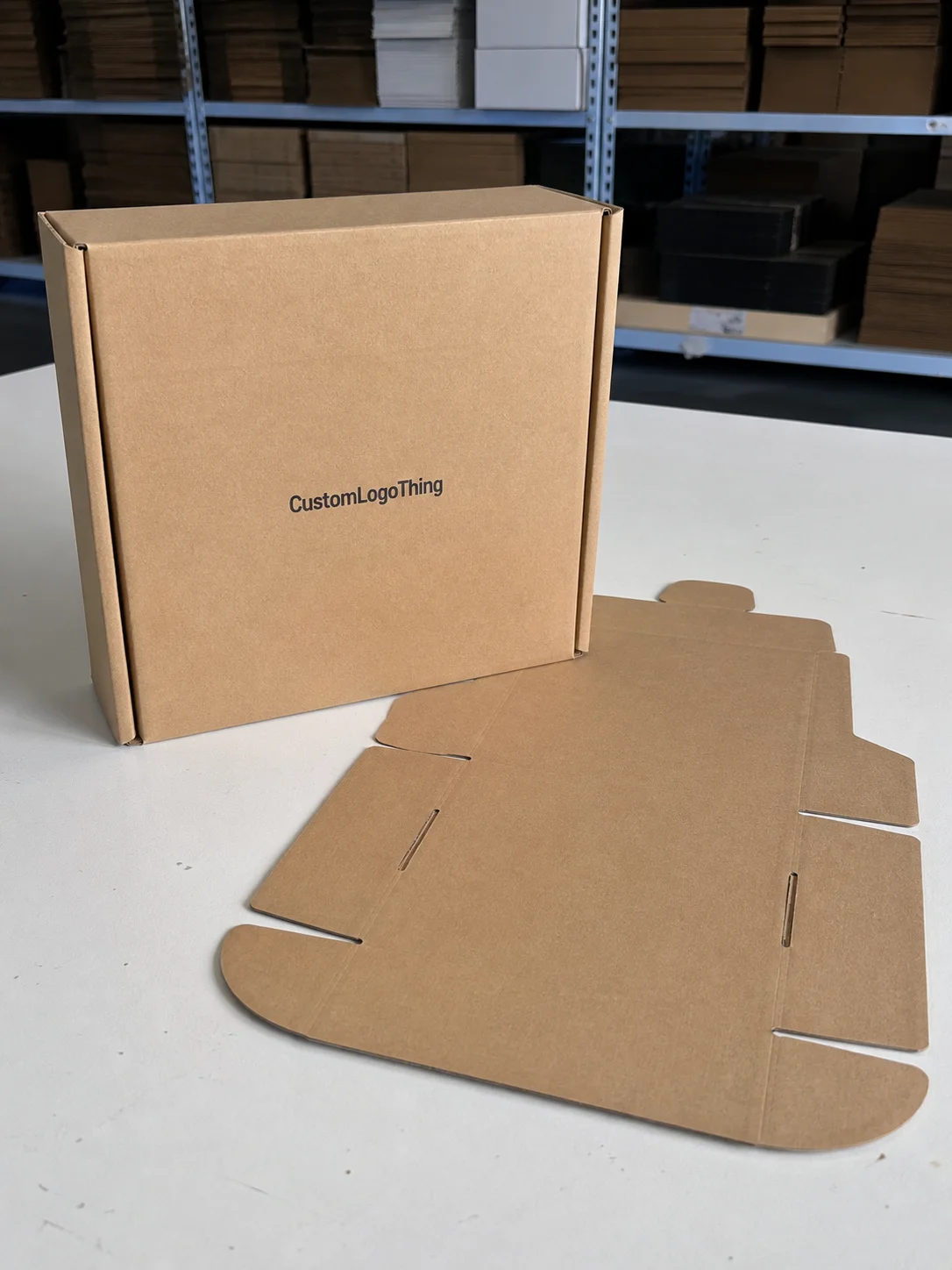
Buyer Fit Snapshot
| Best fit | Packaging Supplier projects where brand print, material claims, artwork control, MOQ, and repeat-order consistency need to be specified before quoting. |
|---|---|
| Quote inputs | Share finished size, material target, print colors, finish, packing count, annual reorder estimate, ship-to region, and any compliance wording. |
| Proofing check | Approve dieline scale, logo placement, barcode or warning zones, color tolerance, closure strength, and carton packing before bulk production. |
| Main risk | Vague material claims, crowded artwork, missing packing details, or unclear freight terms can make a low unit price expensive after revisions. |
Fast answer: Packaging Supplier: Artwork Proof, Packing Count, and Landed Cost should be specified like a repeatable production item. The safest quote records material, print method, finish, artwork proof, packing count, and reorder notes in one written spec.
Production checks before approval
Compare the actual filled-product size with the drawing, then confirm tolerance on folds, seals, hang holes, label areas, and retail display edges. Reserve space for logos, QR codes, warning copy, and material claims before decorative graphics fill the panel.
Quote comparison points
Review material grade, print process, finish, sampling route, tooling charges, carton quantity, and freight assumptions side by side. A quote is only useful when the supplier can repeat the same color, closure quality, and packing count on the next order.
Overview & Why This Packaging Supplier Supplier Guide Matters
The day a mismatched slip-sheet knocked twelve work hours off a 180,000-case run at the Welcome Factory was the same day the need for a packaging supplier supplier guide became undeniable, because no amount of sweat on the corrugator could make up for a misaligned specification sheet.
That incident proved the phrase “packaging supplier supplier guide” is far from marketing filler; it functions as the connective tissue between our Clayton rotary die-cutting cell, the Madison finishing line, and the vendor floor that ships corrugated board across state lines.
From the strategic briefings in the glassed-in project war room to the last pallet stacking against the steel bay doors, the guide keeps everyone referencing consistent numbers—truckload quantities, glue weights, and ink sets—so the purchase order reflects reality.
Think of this section as the warm handoff in our pre-shift gathering, a moment when the lead planner shares two decades of corrugating and retail packaging experience, helping teams plan runs that stay on schedule rather than react to emergency tooling changes.
Honest oversight rarely comes easy, so rely on the packaging supplier supplier guide as both a shield against surprises and a map that clarifies who owns die-line approvals, who tracks custom printed boxes, and who manages budgets for branded embellishments across every bay.
I remember when I was the one scribbling the first checklist during a rival converter's night shift; I tossed the binder across the table because we were missing the metric specifying who signs off on a finished case—this guide only works if someone actually reads it before the midnight crew shows up (seriously, the coffee in that war room is more reliable than the Wi-Fi).
Honestly, I think the real value of this packaging supplier supplier guide is that it keeps me from having to jump between spreadsheets while the finishers stare at me like I'm delivering bad news—I still owe them donuts from that time the sampler got delayed, but that’s another story in the ledger.
It’s not a silver bullet; I can’t promise every supplier will line up perfectly, but the guardrails embedded in this guide keep our teams honest, and the transparency it creates builds a level of trust that even the busiest buyers can point to in a pinch.
How Working with a Packaging Supplier Works: Process & Timeline
Begin with the crystal-clear brief I share with clients in our Boston conference room while we flip through the Custom Packaging Products lineup, because the packaging supplier supplier guide highlights that briefing is where volumes—usually 25,000 to 150,000 units for retail packaging runs—are locked along with board grade, coating preferences, and slab-side glue patterns.
At that point, project managers at Custom Logo Things collect specs for corrugated, flexo sleeves, thermoformed trays, and shipping aids, then arrange the die-line approval session held in the Clayton plant’s CAD bay, where vector art, knife-edge layouts, and fold sequences receive a two-hour inspection.
The guide keeps a rolling calendar from sampling on day 8 to die-board tweaks by day 12, concluding with a pre-production sample review at day 18, and it reminds teams that printed corrugated has to cure 48 hours before the first shift while thermoformed trays and flexo sleeves maintain their own lead times.
Checkpoints make accountability tangible, so proposal sign-off, tooling approval, sample confirmation, and final quality control appear in shared files, demonstrating how the packaging supplier supplier guide brings ISTA-certified pallet tests, ASTM burst strength reports, and FSC certification records into every evaluation.
Digital proofs, physical swatches, and pilot pallets follow this sequence, and because each supplier handshake aligns with the guide’s checkpoints, it becomes simple to flag plate changes or varnish shifts that threaten the next shipment, keeping daily dashboards and floor updates transparent.
I might be dramatic, but I treat those two hours in the Clayton CAD bay as a mini performance where every knife edge needs applause; if the packaging supplier supplier guide didn’t force us to book the session, I swear we’d be adjusting die-lines on the fly and the printers would be giving me the “here we go again” look (which, frankly, made me want to tape the timeline to the wall—literal tape job, not just data—so I could stop apologizing for schedule slips).
We’re gonna keep pushing samples until the tactile feel passes the Madison finishing line inspection, because the guide reminds us that a rushed sign-off costs more than waiting an extra day for the rollers to align properly.
Key Cost, Quality, and Compliance Factors to Track
Once you start pricing, the packaging supplier supplier guide turns into a detailed spreadsheet: virgin 200# C flute boards at $0.23 per linear foot, recycled 250gsm C1S artboard at $0.32 with soft-touch lamination, and spot UV or embossing from Madison adding $0.18 per unit on 5,000-piece runs.
Quality benchmarks such as a 44 ECT minimum for e-commerce, burst strength above 200 psi for stacked pallets, and print registration within ±0.010 inch sit beside compliance requirements like FDA-approved sealants for food-grade trays or FSC chain-of-custody documentation, helping you differentiate vendors offering $0.15 sheets from those delivering tested structure.
The guide instructs you to dissect quotes—breaking them into materials, tooling amortization (often $1,250 per rotary die set at Clayton), printing plates, coatings like matte aqueous, and transportation fees from Memphis, which can add $0.06 per unit for cross-dock service—so cost transparency is baked into every evaluation.
Experienced suppliers separate tooling amortization from base costs and show freight as a weight-linked line item, allowing your scorecard to compare them to ASTM D3951 lead-time commitments and ISTA 3A drop-testing numbers gathered on the floor.
Branded packaging or product packaging flexo sleeves often need a second press pass, and the guide records a 4-day slot for ink set-ups while linking eco-palette or recycled content review with the sustainability officer, usually referencing documentation from FSC.org or insights from the Packaging Institute.
When metallic foil appears on custom printed boxes, the packaging supplier supplier guide reminds you that a 10,000-unit minimum run may apply and that the base price typically excludes the $0.15 per piece foil stamping or embossing that Madison adds, so quotes carry the true value of a shelf-ready product.
I once watched a young planner call me in a panic because the freight line item ballooned; we pulled out the packaging supplier supplier guide, reminded them of the freight-by-weight note, and I think I heard the faintest sigh of relief from the Memphis dispatcher (yes, I actually thank them for keeping the cross-dock punctual, even if I sound like I'm thanking a traffic cop for being on duty at 3 a.m.).
The transparency the guide demands makes it easier to spot when a supplier hides premium material costs behind vague “handling” fees, and that’s the kind of clarity the bosses at Welcome Factory keep asking for before we sign off on any contract.
Step-by-Step Supplier Selection Guide
The selection process begins with defining objectives—whether reducing unit cost by $0.04, increasing burst strength, or elevating branding through tactile coatings—and then shifts into reviewing capability sheets from 10 candidates, noting bed widths from 42-inch to 60-inch across our geography.
Request capability sheets that specify equipment like a 10-color Bobst offset press or a 72-inch flexo folder-gluer, proof turnaround time (usually 2–3 days in Clayton), and sustainability efforts; the packaging supplier supplier guide advocates visiting fabs when possible, because the sheen of a flexo ribbon and the cleanliness of the glue room reveal much more than a PDF.
Scorecards should balance cost, lead time, quality, sustainability, and communication; Custom Logo Things keeps a weighted matrix where a supplier scoring 8.6 out of 11 for quality can offset a longer lead time if its communication score hits 9.2 thanks to weekly dashboards shared with operations.
The RFP should include a sample review checklist detailing 30-degree fold angles on custom printed boxes, 500-pound stack testing, and eco-friendly ink usage, plus negotiation tactics such as volume commitments for the first two quarters to secure tooling amortization discounts—a move the packaging supplier supplier guide highlights so you never concede due to ambiguity.
Also budget for color management meetings, digital proofing, and tactile verification sessions; the Madison finishing line has seen three re-runs this quarter from teams that skipped those steps, each costing up to $1,800, and the packaging supplier supplier guide underscores these investments to keep budgets intact.
When we audit capability sheets, I draw little stars beside suppliers that mention in-house color labs (a compulsion, I admit), and the packaging supplier supplier guide keeps that obsession from turning into random favoritism by forcing me to justify why a 9.2 communication score outweighs a 7.1 lead time; honesty helps, so I say out loud, “We can wait two extra days if they actually answer emails before lunch.”
I jokingly threatened to rename the packaging supplier supplier guide to the “Spec Rescue Manual” after the third delay in a row (really, that’s what I whispered to the calendar), because being the person who keeps pointing to the checklist gets old fast without a little humor.
Each selection round includes references from key suppliers, and I always ask about their last three engagements with similar customers—this direct feedback gives the guide added authority and keeps everyone grounded in real-world performance rather than just claims on paper.
Common Mistakes When Vetting Packaging Suppliers
One recurring mistake is fixating on the lowest unit price while missing the production transparency the packaging supplier supplier guide insists on through plant tours and process maps from the Welcome Factory.
Skipping plant walks invites trouble, as a brand manager once learned when a lack of walkthroughs meant their supplier’s ink setup could not hold Pantone 186C, triggering a last-minute swap and a 48-hour delay that the guide flags as avoidable.
Another error is overlooking quality test results; departing from ASTM compression data or ignoring EMI coating reports for thermoformed trays leaves you relying on hope instead of the guide’s proven practices, and that hope collapses once pallet stacks exceed 40 inches.
Assuming your supplier can absorb seasonal spikes also causes problems, so the guide recommends building buffer time for die-board revisions and material sourcing, especially during holiday corrugated runs when linerboard allocations push lead times past the projected 14 days.
One of my favorite stories is when a supplier promised they could hit 18,000 units in five days, and I believed them until I saw their pallet count and realized their “five-day lead” meant five days to answer emails; the packaging supplier supplier guide saved me there because it made me pull historical cycle times and call that bluff before we had a trending disaster on the floor (I still chuckle—but only slightly—at my own naive optimism back then).
Also, don’t underestimate communication breakdowns—misinterpreted instructions on color fidelity or adhesive blends show up fast, and the guide’s requirement for written confirmation keeps that from spiraling into a production halt.
Expert Tips from Factory Floors
Coordinate ink set-ups with printers to avoid re-runs, and follow the packaging supplier supplier guide’s advice to use digital proofs alongside physical swatches—my crew prints Pantone chips next to the art because tactile verification keeps us honest about matte aqueous on custom printed boxes.
Maintain supplier relationships through weekly touchpoints and shared dashboards, mirroring the Welcome Factory floor supervisor’s cadence with the Madison finishing line; a single point of contact keeps the guide’s emphasis on consistent communication a standard operating procedure.
For sustainability discussions, request recycled content documentation and audit the supplier’s environmental policy, linking those findings to the guide’s prompts about eco-friendly inks and certifications; this approach also lets us celebrate the use of 30% post-consumer recycled board while aligning with EPA sustainability goals.
Another floor-level tactic involves bundling similar runs so machines like the Madison robotic taper maintain speed without repeated changeovers; the packaging supplier supplier guide urges bundling because each changeover costs roughly 45 minutes and introduces risks in adhesive viscosity and cure time.
I nag my crews to photograph every ink swatch and drop it in our shared drive because the packaging supplier supplier guide says visual proof is the best argument when a client claims their metallic foil looked green; it's not magic, just the usual mix of stubbornness and well-organized files.
When a supplier consistently hits their ISTA drop test numbers, I make a point of mentioning it in the weekly recap, giving the guide some muscle in negotiations and making sure every stakeholder understands what a solid pass looks like.
Next Steps: Action Plan After Reading This Guide
Begin an audit immediately: log current suppliers, spot gaps in cost transparency or quality data, and assign owners to follow up within a week, confirming their responses match the expectations the packaging supplier supplier guide lays out.
Next, draft a mini RFP with the scorecard we covered, schedule sampling within two weeks, and plan a plant-side walkthrough; this makes the packaging supplier supplier guide an active tool rather than a PDF gathering dust on a drive.
Finally, set calendar reminders for quarterly supplier reviews so the guide becomes a living document, capturing lessons learned, tracking improvements, and keeping packaging design, product packaging, and retail packaging projects moving forward with the calm control of a seasoned factory floor manager.
Honestly, I still keep a dog-eared copy of the packaging supplier supplier guide by my desk; when a new project lands, I flip through those sections like they are the morning news, and it helps me decide where to start (usually with the supplier audit because nothing gets my heart racing like outdated scorecards).
Conclusion & Staying on Track
The packaging supplier supplier guide serves as more than a checklist; it starts conversations, accompanies contracts, and protects teams juggling branded packaging ambitions with the realities of press scheduling.
Bring it to every negotiation, client briefing, and production meeting, because the guide contains the discipline forged between the Welcome Factory, the Madison finishing line, and our external vendors, aligning everyone toward common custom packaging goals.
Re-reading this document before each major run and revisiting scorecards monthly ensures that the packaging supplier supplier guide continues to capture insights earned on the factory floors.
It is the method I trust to keep quality pressure steady while honoring budgets, and I hope it keeps your next 180k-case run firmly on track.
I tell my team this guide is my version of a guardian angel on the closet shelf—only it demands we write notes on the margins instead of whispering encouragement—and the specific action I want you to walk away with is this: schedule your next supplier audit, align it with the guide’s scorecard, and document every deviation before the first press run to keep surprises from ruling the night shift.
Frequently Asked Questions
What are the first steps in a packaging supplier supplier guide?
Begin by defining packaging goals, volumes, and must-have specs, then gather supplier capability sheets and preliminary quotes for comparison as detailed in the packaging supplier supplier guide, and yes, I keep those prompts in my own binder so I can cross-check them on the fly.
How can I use a packaging supplier supplier guide to compare prices?
Use the guide to break down quotes into materials, tooling, printing, and logistics, and score each supplier on transparency and value so the packaging supplier supplier guide stays practical and focused—my own team swears by those line items when a new vendor pivots mid-project.
Does the packaging supplier supplier guide cover sustainability checks?
Yes—the guide includes sections on recycled content, eco-friendly inks, and certifications to help you verify claims before committing to a run, and I make a point to mention the certifications aloud during reviews so suppliers know we're serious.
How long should the sourcing timeline be in a packaging supplier supplier guide?
Factor in time for sample approvals, die-line adjustments, production scheduling, and shipping; a typical timeline outlined in the packaging supplier supplier guide spans 6–8 weeks for complex projects, though I often add a week if the client requests a new embellishment.
Can a packaging supplier supplier guide help with production delays?
Absolutely—the guide stresses clear communication, contingency planning, and regular check-ins so delays can be spotted and resolved before they ripple outward, and I tell my crew it’s our best friend when the pressroom starts whispering about curveballs.