Buyer Fit Snapshot
| Best fit | custom product boxes with logo packaging for packaging buyers comparing material specs, print proof, MOQ, unit cost, freight, and repeat-order risk where brand print, material, artwork control, and repeat-order consistency matter. |
|---|---|
| Quote inputs | Share finished size, material target, print colors, finish, packing count, annual reorder estimate, and delivery region. |
| Proofing check | Approve dieline scale, logo placement, barcode or warning zones, color tolerance, and any recyclable or compostable wording before bulk production. |
| Main risk | Vague material claims, crowded artwork, or missing packing details can create delays even when the unit price looks attractive. |
Fast answer: Custom Product Boxes with Logo Packaging: Dieline, Finish, Proof, and Buyer Review should be specified like a repeatable production item. The safest quote includes material, print method, finish, artwork proof, carton packing, and reorder notes in one written spec.
What to confirm before approving the packaging proof
Check the product dimensions against the actual filled item, not only the sales mockup. Ask for tolerance on folds, seals, hang holes, label areas, and retail display edges. If the package carries a logo, QR code, warning copy, or legal claim, reserve that space before decorative graphics fill the panel.
How to compare quotes without losing quality
Compare board or film grade, print process, finish, sampling route, tooling charges, carton quantity, and freight assumptions side by side. A lower quote is only useful if the supplier can repeat the same color, closure quality, and packing count on the next order.
Custom Product Boxes With Logo: Smart Packaging That Sells
Custom product Boxes With Logo do far more than hold an item until it reaches the customer. They shape the first impression before the lid opens, before the product is touched, and sometimes before the purchase is even finished. A plain shipping carton says “delivery.” A branded carton says “this brand pays attention.” That difference can feel small from a distance, yet it changes perceived value, confidence in the product packaging, and the odds of a repeat order.
For many buyers, the box becomes the first physical proof that the brand cares about details. That matters in retail packaging, direct-to-consumer shipping, and gift-ready presentation. If you are comparing options for Custom Packaging Products, the box style, print method, and finish can shift the economics as much as the design itself. Custom product boxes with logo are really a business decision wearing a design hat.
Custom Product Boxes with Logo: Why the Box Changes the Sale
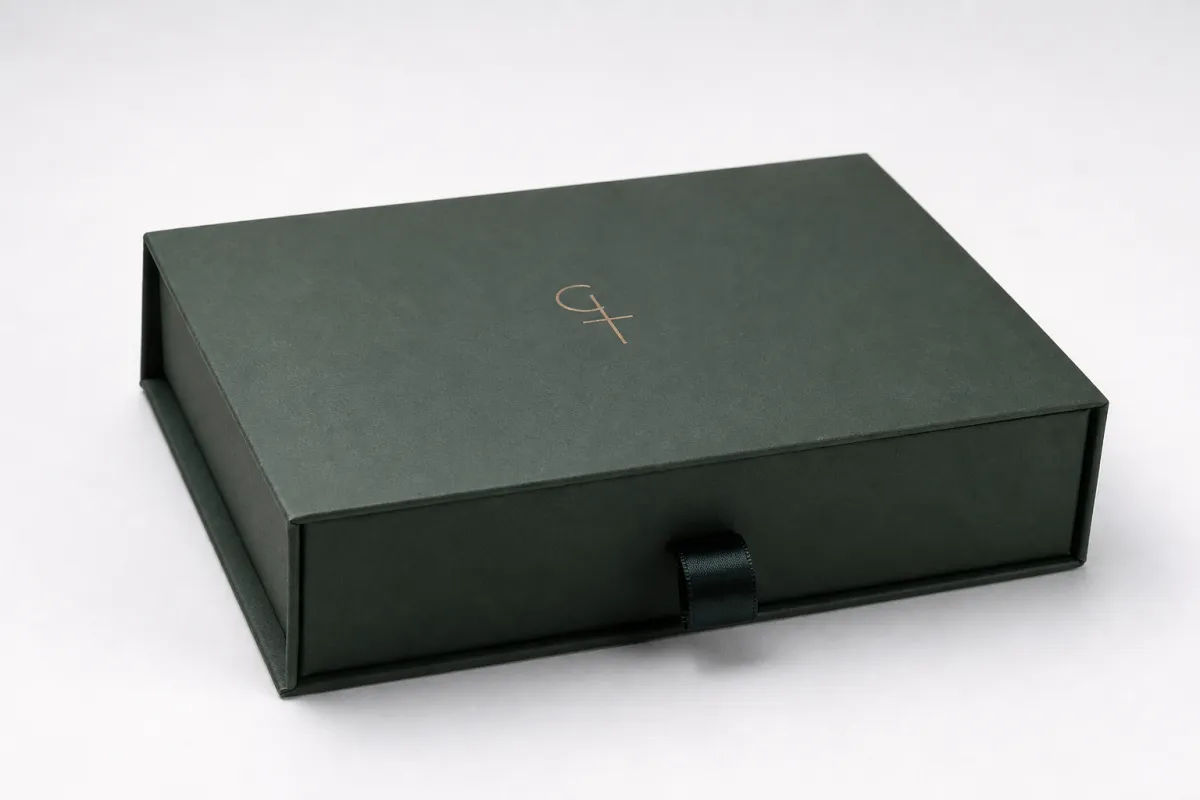
Imagine two identical products sitting side by side. One arrives in a plain corrugated mailer with a strip of tape. The other arrives in custom product boxes with logo, printed cleanly, sized correctly, and finished in a way that feels deliberate rather than accidental. The product itself has not changed. The buyer’s expectation has. That is the quiet force behind branded packaging.
Packaging protects, of course, but it also does much more. It acts as a sales signal, a trust cue, and a comparison tool. On a crowded shelf, a branded carton can catch the eye faster than a louder product claim. In the mailbox, it can make a modest purchase feel more considered. Even online, where the image does the first round of selling, the physical box completes the story. The customer has already been promised something, and the box either confirms that promise or weakens it.
People often underestimate how quickly quality judgments happen. A logo, a color block, the thickness of the board, the crispness of the fold line, and the way the flap closes all register in seconds. That is why custom product boxes with logo matter so much in categories where substitution is easy. If the item can be bought from three competitors, package branding becomes part of the product itself.
A box is not decoration. It is the first physical promise a brand makes to the buyer, and buyers notice broken promises faster than polished marketing claims.
The logo itself should not be treated as a sticker added at the end of the process. It works as a recognition system. When the same layout, type treatment, and structural style appear on reorder boxes, mailers, and retail cartons, customers start recognizing the brand before they read much copy. That recognition helps with repeat purchases, social sharing, and even internal operations, because teams can spot the right SKU faster in a warehouse.
Custom product boxes with logo should be evaluated on more than appearance. A buyer has to think about margin, conversion rate, return risk, shelf impact, and shipping behavior. The strongest branded packaging handles those jobs without feeling overloaded. The weak version looks impressive in a mockup and expensive in real life. Those are not the same thing.
From a packaging buyer’s point of view, the real question stays simple: does the box help the product sell, ship, and be remembered? If the answer is yes, custom product boxes with logo are doing work. If the answer is no, they are only adding cost.
I have sat through more than one packaging review where the team fell in love with a finish first and asked about the structure later, and that almost always causes trouble. The order matters more than people think. Start with the product, then the box, then the artwork. If you reverse that sequence, the project gets kinda messy fast.
How Custom Product Boxes with Logo Move Through the Process
The production path for custom product boxes with logo usually starts with measurements, not art. That sounds obvious, yet a surprising number of packaging projects get tangled because the structure was guessed instead of measured. A supplier needs the product length, width, height, weight, fragility level, and whether the box is meant for retail display, shipping, or both. A carton for a lightweight candle does not behave like a carton for a glass bottle or a supplement jar.
After the dimensions come the structural choices. A tuck-end folding carton, a sleeve, a mailer, and a rigid setup box all solve different problems. A simple carton is efficient for many consumer goods. A mailer box adds stronger presentation for e-commerce. A rigid box sends a premium signal and can support heavier finishing, but it also increases storage and freight costs. Custom product boxes with logo move through those choices one by one, because structure affects print layout, die lines, inserts, and final unit economics.
Next comes the artwork setup. Good packaging design teams usually prepare vector logo files, color references, copy, and any compliance text before the file reaches prepress. That is not only tidy process. It reduces slowdowns later. If the logo is low-resolution, the supplier will have to rebuild it. If the colors are only described verbally, the proofing conversation gets messy. If a barcode or regulatory note is missing, the job stalls. Custom product boxes with logo move faster when the assets are complete on day one.
The approval chain usually has four checkpoints that matter most:
- Structural fit - the product sits correctly without rattling or crushing the board.
- Logo placement - the brand mark lands where the eye naturally goes first.
- Print quality - image sharpness, color consistency, and type readability hold up under real inspection.
- Insert compatibility - trays, pads, dividers, or foam alternatives fit without forcing the box out of shape.
Sampling matters when the box has any functional role at all. A printed sample can reveal things that a screen mockup hides, like a logo that feels too small once the box is assembled, a fold that interrupts a graphic, or a matte finish that softens contrast more than expected. Custom product boxes with logo often look fine digitally and weak physically for reasons that are easy to miss until the sample stage.
Timing depends on the complexity of the job. A straightforward folding carton with standard print and no special inserts can move quickly after proof approval. A rigid box with foil stamping, embossing, or multiple insert components takes longer because each added step introduces another chance for revision. Delays usually show up in three places: artwork corrections, sample approval, and sourcing special finishes or board types.
For shipping performance, many teams use recognized test methods such as ISTA testing standards to simulate vibration, drop, and compression risks. That matters because a box that looks strong on a desk can still fail in a parcel network. For sustainable sourcing, many brands also look for FSC certification so the board source is documented and easier to verify. Neither standard solves everything by itself, but both reduce guesswork.
The process gets shorter when preparation happens early. Give the supplier exact product data. Confirm the box style before asking for quotes. Approve the structure before polishing the artwork. That order matters. If you reverse it, custom product boxes with logo can stretch into revision loops that waste both time and money.
One more practical point: if your brand is exploring different formats, compare them against other packaging options on the same spec sheet. Apples-to-apples comparisons are much more useful than broad pricing guesses.
In real projects, the difference between a smooth order and a headache usually comes down to how early the team answers one question: what has to happen to the box after it leaves the warehouse? If the answer includes stacking, parcel handling, retail display, or gifting, the structure needs to reflect that from the start.
Custom Product Boxes with Logo Cost, Pricing, and MOQ Basics
The price of custom product boxes with logo depends on more than print count. Box size affects board usage. Board type affects strength and appearance. Print coverage changes ink usage and press time. Special coatings, foil, embossing, debossing, and inserts add setup and labor. Once buyers see those variables together, the quote starts to make sense.
MOQ, or minimum order quantity, is usually the first number that surprises new buyers. A higher MOQ often lowers the per-unit price because the fixed setup costs are spread across more pieces. A lower MOQ gives flexibility, but each box can cost far more. That trade-off is normal. A small run of custom product boxes with logo may be useful for a launch test, a limited edition, or a seasonal campaign. A larger run usually suits steady reorder volume.
Here is a practical pricing frame for common box styles. These are broad ranges, not promises, because region, board grade, and finish selection can change them quickly.
| Box Type | Typical MOQ | Typical Unit Cost | Best Fit | Main Trade-Off |
|---|---|---|---|---|
| Simple folding carton | 1,000-5,000 | $0.18-$0.45 | Light retail items, cosmetics, supplements | Lower perceived premium feel |
| Tuck-end carton with insert | 2,500-10,000 | $0.28-$0.75 | Fragile or nested products, e-commerce kits | More setup and assembly |
| Mailer box | 1,000-3,000 | $0.65-$1.60 | Direct-to-consumer shipments, subscription boxes | Uses more board than a basic carton |
| Rigid setup box | 500-3,000 | $1.50-$4.50+ | Premium gifts, luxury sets, high-margin products | Higher freight, storage, and assembly cost |
The lowest-cost structure is not always the right one. A cheap carton that damages the product or weakens the brand can cost more than a sturdier box with logo because the hidden cost shows up in returns, replacements, and lost repeat orders. That is why custom product boxes with logo should be priced against total cost, not only the print invoice.
Watch the hidden charges too. Sample fees can appear if you ask for a physical prototype. Tooling may be required for special cuts or foils. Freight can become painful on rigid boxes because they ship bulkier than folding cartons. Storage costs matter if you have limited warehouse space. Design revisions after proof approval can also add to the bill, especially if the artwork needs to be reopened several times.
There is also a scale effect that people overlook. A higher-volume order can justify more ambitious branding, because a small increase in unit price may be offset by stronger shelf presence or a lower damage rate. That is why custom product boxes with logo deserve a margin test, not just a pricing test. Ask: if the box improves conversion by a small margin or reduces spoilage by a few points, does the package pay for itself?
A simple rule helps. Choose the lowest-cost structure only after confirming three things: it protects the product, it fits the brand promise, and it supports the margin target. If one of those fails, the “cheap” box is not actually cheap.
In my experience, the most useful pricing conversation is not “what is the cheapest box?” but “which box lets us avoid the next problem?” Sometimes the better answer is a slightly stronger board, sometimes it is a simpler finish, and sometimes it is a completely different structure. That kind of honesty saves money later.
Step-by-Step Guide to Ordering Custom Product Boxes with Logo
Ordering custom product boxes with logo becomes much easier when the process is broken into clear steps. Buyers often start with artwork because it feels creative, but the smarter move is to start with the product itself. Measure the item. Weigh it. Note whether it is fragile, greasy, glass, liquid, soft, or oddly shaped. A good packaging supplier needs that information before recommending a structure.
Step one is the packaging brief. Keep it tight and factual. Include product dimensions, target quantity, product weight, shipping method, retail display requirements, desired finish, and the brand assets the supplier will receive. If the box needs to survive parcel transit, say that. If the goal is shelf appeal, say that too. Custom product boxes with logo work best when the supplier knows the job is meant to solve more than one problem.
Step two is the spec comparison. Ask for quotes using the same board grade, the same print count, the same finish list, and the same insert requirements. Without that discipline, one quote may look cheaper simply because it excludes work another supplier included. That is how pricing conversations go sideways. The box itself may not have changed. The spec sheet certainly did.
Step three is structural review. Check the dieline carefully. The folds should make sense. The glue flap should not interfere with graphics. The closing mechanism should protect the product, not fight it. If the box is too loose, the item shifts. If the box is too tight, the board scuffs or bulges. Custom product boxes with logo need to sit in that narrow middle space where the fit is firm but not forced.
Step four is the printed sample or proof. This is where a buyer should slow down. Verify logo alignment. Check whether the typography remains readable at the actual size. Look at barcode placement. Inspect the color against your brand reference under normal light, not just under a bright monitor. If the box has a window, foil, or embossing, confirm that the feature improves the package instead of distracting from it.
Step five is approval and scheduling. Confirm lead time, packaging counts per carton, freight method, receiving requirements, and reorder triggers. If a buyer skips this step, the next order can become messy even if the first one went well. Good custom product boxes with logo are not only a one-off win. They need a repeatable path back into production.
One practical way to manage the process is to create a short internal checklist:
- Product measurements verified.
- Artwork files cleaned and approved.
- Box style selected for the use case.
- Sample or proof reviewed by operations and brand teams.
- Lead time, freight, and reorder plan confirmed.
That kind of discipline prevents the common handoff failure where marketing wants a premium look, operations wants a strong shipment, and finance wants the lowest price. Custom product boxes with logo sit at the intersection of all three. The best projects usually respect that reality instead of pretending packaging is only a design exercise.
Another small but useful habit is to save the final dieline and the approved print file in the same folder, named clearly. It sounds almost too basic to mention, but that one habit can spare a team from rebuilding a box from memory six months later when the reorder lands.
Common Mistakes That Hurt Custom Product Boxes with Logo Results
The most expensive mistake is designing the artwork before the structure is settled. That usually leads to rework because the graphics do not fit the final dieline, the logo lands too close to a fold, or the box dimensions force a different layout. Custom product boxes with logo should be built around the product and the structure first. Artwork belongs after that.
Another common problem is underestimating shipping stress. A box can look elegant on a table and still fail in the parcel network. Corners crush. Printed surfaces scuff. Inserts shift. Once the product reaches the customer damaged, the beautiful branding does not matter much. For shipping-sensitive product packaging, strength and presentation have to live together.
Overdesign creates its own problems. Too many finishes can make the box visually noisy and financially heavy. Foil, embossing, gloss, soft-touch, spot UV, and complex multi-panel messaging all sound appealing in isolation. Put them together, and the result can feel crowded. The logo needs room to breathe. So does the buyer’s eye. One strong focal point usually beats five competing ones.
Low-resolution artwork is another issue that should never survive proofing. A logo pulled from a web file can look fuzzy once printed at scale. Color profiles can drift too, especially if the artwork was prepared for screen use rather than print use. That is how a brand ends up with custom product boxes with logo that look slightly off. Not broken. Just off enough to bother the buyer and annoy the team.
Operational mistakes are less glamorous, but they cause real trouble. Some boxes look great and stack badly. Others store efficiently but slow down fulfillment because the opening mechanism is awkward. A beautiful carton that wastes ten seconds per pack line becomes expensive quickly. That is one reason packaging design has to include the warehouse, not just the mockup.
There is also a sustainability mistake that shows up often: adding mixed materials without a reason. If the box combines multiple non-recyclable components, the environmental story gets weaker and disposal becomes more complicated. That does not mean every premium finish is bad. It means the choice should be intentional. For many brands, recyclable board, limited coatings, and a cleaner material mix are enough to create strong branded packaging without unnecessary waste.
When custom product boxes with logo fail, the failure is usually not dramatic. It is cumulative. A box is a little too loose, a little too glossy, a little too busy, and a little too expensive. Those small issues stack up fast.
I have also seen teams assume a “premium” look automatically means better business results. That is not always true. If the box is gorgeous but takes longer to pack, costs too much to ship, or gets damaged easily, the brand pays for the look in another part of the operation. Pretty packaging has to earn its keep.
Expert Tips for Better Print Quality, Shelf Impact, and Waste Control
If the goal is to make custom product boxes with logo work harder, the first rule is simple: give the logo a clear stage. A single strong visual anchor usually beats a crowded panel. That can be a centered logo, a confident block of color, or one carefully chosen product cue. Buyers scan quickly. Clear hierarchy helps them understand what the box is before they read the fine print.
Contrast matters more than many brands expect. Light type on a pale board, especially on a matte finish, can look elegant in a file and weak in hand. Dark type on a lighter field usually prints cleaner and reads faster. If the product sits on a retail shelf, that readability is doing real work. Custom product boxes with logo should be judged by eye speed, not only by taste.
Test the box in the real environments it will face. A retail shelf is not a mailer. A warehouse stack is not a gift table. A shipping lane is not a social post. The strongest packaging strategy considers all three. A box that looks perfect in an unboxing video but fails in transit is incomplete. A box That Ships Well but looks dull on shelf leaves money behind.
Choose finishes with restraint. A single premium touch often has more impact than a long list of effects. Soft-touch coating can make the surface feel more considered. Foil can highlight the brand mark if used sparingly. Embossing can create tactility without crowding the design. The question is not whether a finish is available. The question is whether it will be noticed in the right place on custom product boxes with logo.
Waste control starts with standardization. If several SKUs can share one box size, the supply chain gets simpler. If inserts can be designed for modular use, the order becomes easier to repeat. If artwork is planned so a reorder does not require a full redesign, the team saves time every cycle. These are small operational choices, but they add up quickly.
Sustainability should stay practical. Use recyclable board where possible. Reduce mixed materials when they do not add protection. Keep the box size tight enough to avoid excess void fill. If a lighter structure protects the product adequately, there is no virtue in making the package heavier just to feel premium. For many brands, that balance creates stronger product packaging than a louder but wasteful option.
A few details tend to lift results quickly:
- Use one main message on the front panel, not three competing claims.
- Keep barcode and compliance copy in a predictable zone so operations stay efficient.
- Request a physical sample for any high-margin or fragile SKU.
- Review stackability if the product sits in a warehouse or retail back room.
- Save approved artwork files so the next run is a repeat, not a rebuild.
From a buyer’s point of view, the most reliable custom product boxes with logo are the ones that look intentional, print cleanly, and disappear into the operation without drama. That combination is rarer than it sounds.
It is also worth saying that “clean” does not have to mean boring. A restrained color field, a single sharp logo, and a well-chosen texture can feel far more premium than a crowded print layout. The trick is knowing where to stop, which is harder than it sounds and, honestly, a little underrated.
Next Steps for Custom Product Boxes with Logo That Pay Off
The cleanest next move is to audit the SKUs that matter most. Look for the products that need better presentation, stronger protection, or a more memorable first impression. Those are the places where custom product boxes with logo usually pay back fastest. A premium box around a low-margin item can be hard to justify. A sturdier box around a high-margin or fragile product often makes immediate sense.
Build a short supplier list and compare the same specification across each one. Ask for price, lead time, sample quality, finish options, and response speed. Communication speed is not fluff. It often predicts how well the project will behave once revisions begin. If a supplier is slow to answer basic questions, custom product boxes with logo may become a longer project than the schedule can tolerate.
Put an internal checklist in place for future orders. Keep the product dimensions, approved artwork, finish notes, and reorder threshold in one place. That kind of system prevents the familiar scramble that happens when a box runs low and nobody can remember which board grade, glue flap size, or logo placement was approved last time. A consistent process is part of package branding, even if it never appears on the box.
It also helps to test before scaling. A small run can reveal whether the fit is right, whether the print reads clearly, and whether the box survives the actual shipment path. For fragile products, high-margin goods, or items sold through multiple channels, that test run is cheap insurance. Custom product boxes with logo should be proven in the real world before they are ordered in volume.
If the current box is already working, refine it instead of replacing it outright. If the box is failing on shelf, in transit, or in the customer’s hand, fix the weak point first. The goal is not packaging theater. The goal is a repeatable business system that supports sales, reduces damage, and makes the brand easier to remember.
That is the real value of custom product boxes with logo. Not just prettier product packaging. Not just a nicer unboxing moment. A better operating result. When the box does that job well, it stops feeling like a cost center and starts acting like part of the sales team.
The most actionable takeaway is simple: choose the box after the product, the shipping conditions, and the margin target are all clear. That order keeps custom product boxes with logo from becoming a guess, and it gives the final package a real job to do.
What information do I need for a custom product boxes with logo quote?
Have exact product dimensions, weight, quantity, and use case ready before you ask for pricing. Include artwork files, color references, finish preferences, and any insert or protection needs. The same spec sheet should go to every vendor so the quotes reflect real differences instead of missing details.
How do I choose the right material for custom product boxes with logo?
Match the board or paper stock to the product weight, shipping distance, and the level of premium feel you want. Fragile or high-value products usually need sturdier structures, while lighter retail items can use simpler cartons. Balance print quality, recyclability, and budget rather than choosing the thickest material by default.
What is a realistic MOQ for custom product boxes with logo?
MOQ varies by box style, print method, and finishing, so there is no single number that fits every project. Simple folding cartons usually allow lower runs than rigid boxes or highly finished specialty packaging. If you need a small test order, ask whether the supplier can support a short production run first.
How long does custom product boxes with logo production usually take?
Timing depends on approval speed, sample requests, printing complexity, and current factory workload. Straightforward jobs usually move faster than packaging with custom inserts, foil, embossing, or structural changes. Build extra time for proofing and shipping so the boxes arrive before your launch or replenishment deadline.
Can custom product boxes with logo reduce damage and returns?
Yes, if the box is designed around the product size, weight, and shipping conditions instead of only the visual look. Add inserts, stronger board, or a tighter fit where needed to reduce movement during transit. Test the package before full production so weak points are fixed before they create avoidable returns.

