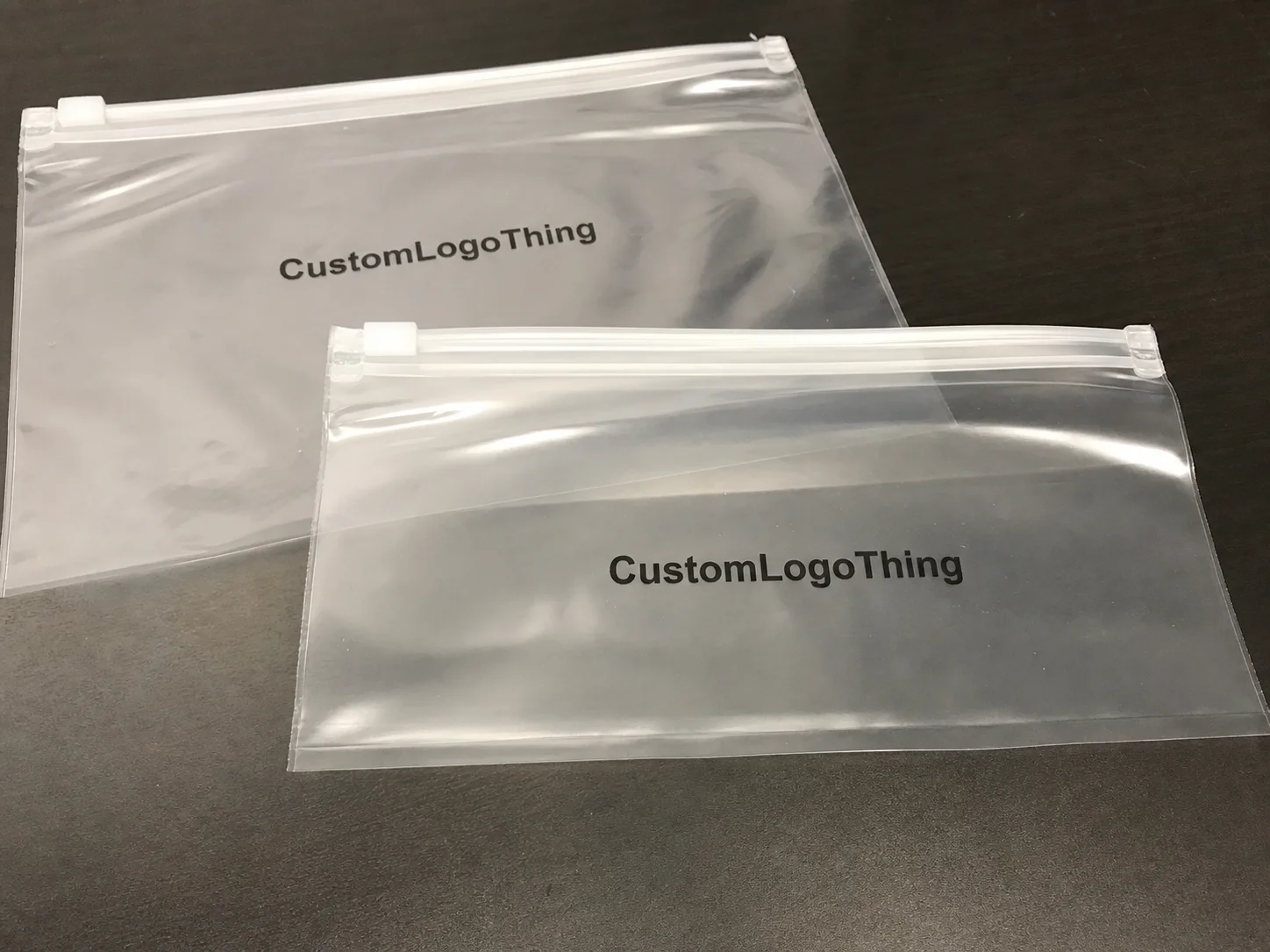
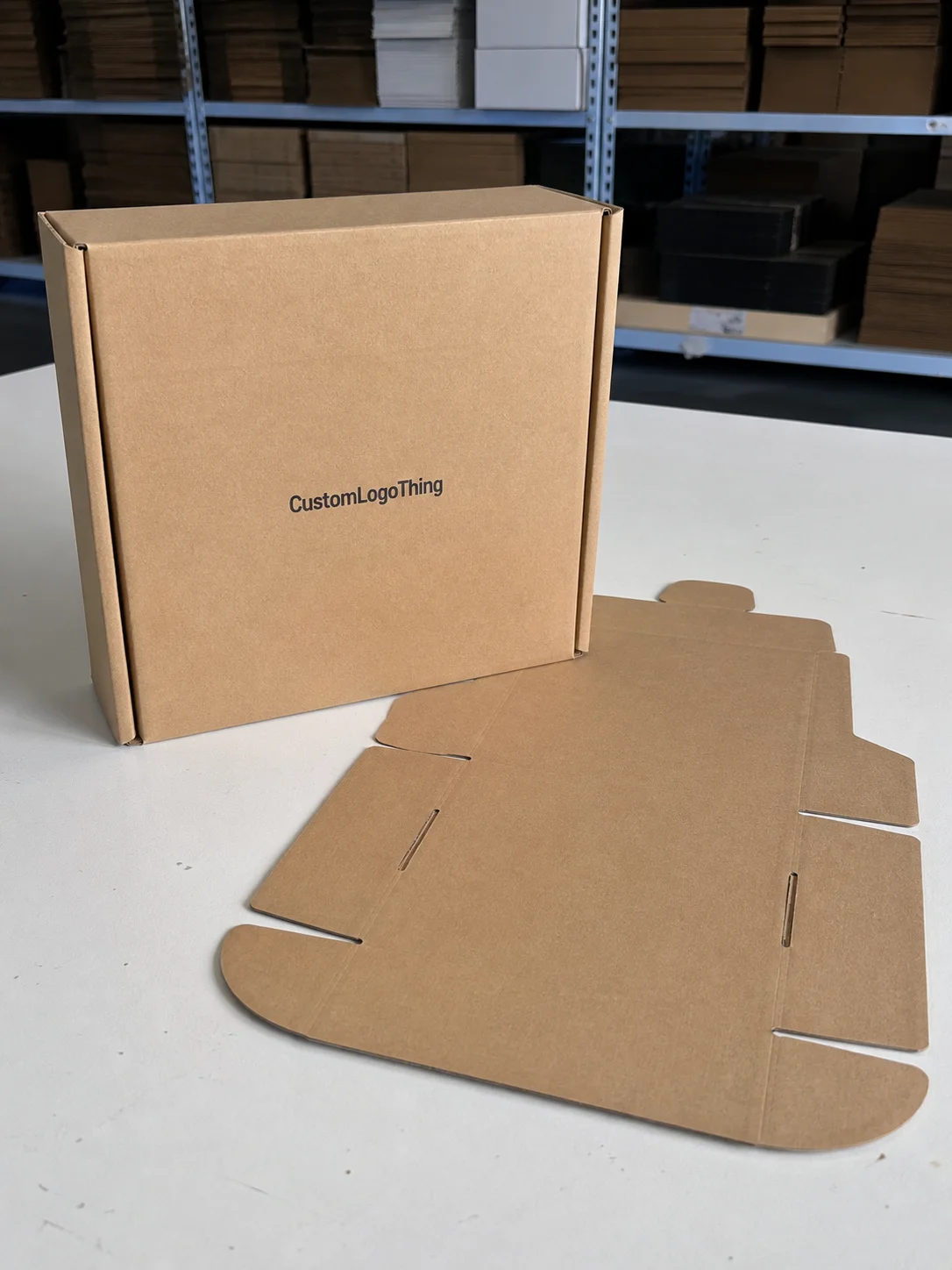
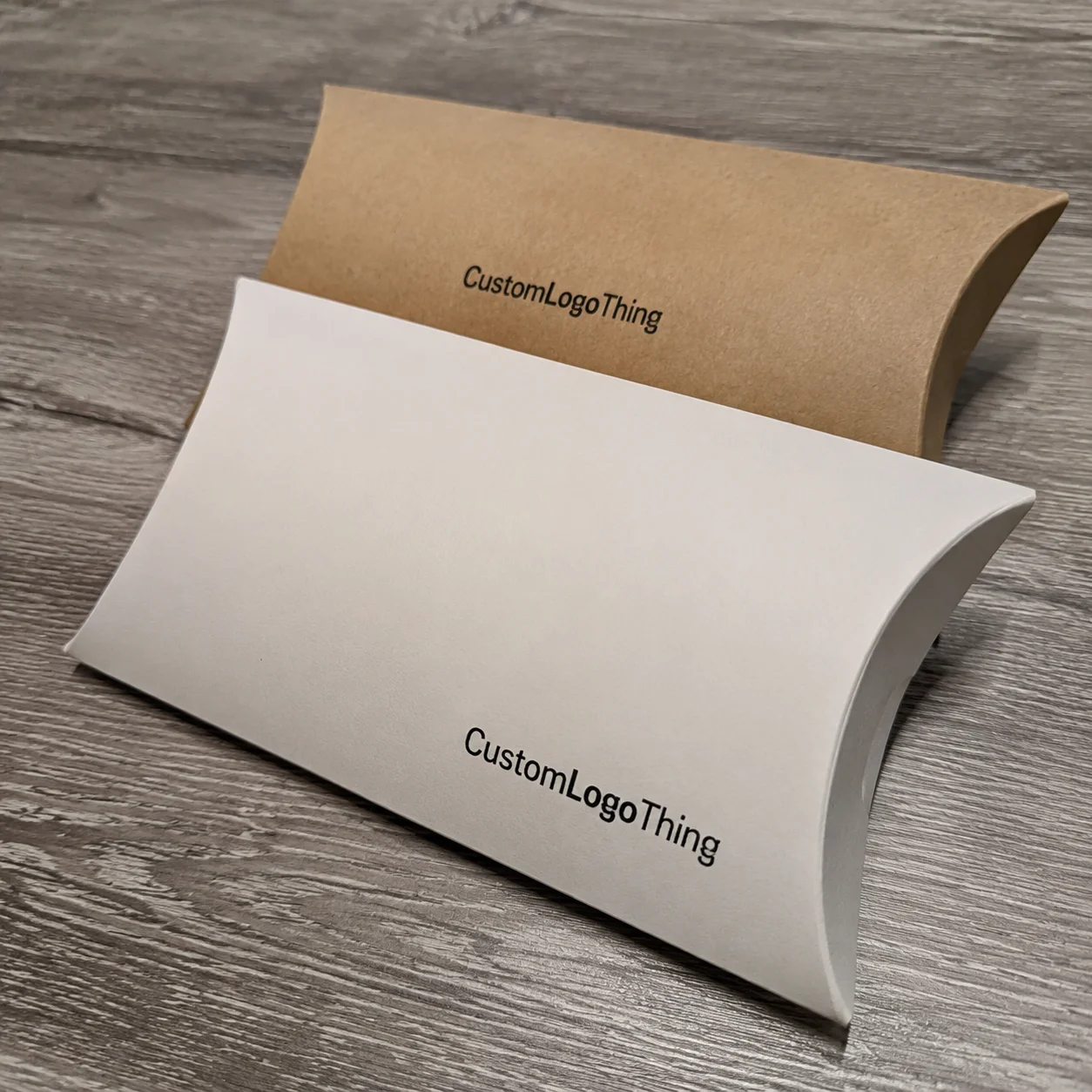
Buyer Fit Snapshot
| Best fit | Packaging Supplier Wholesale That Cuts Costs Daily projects where brand print, material claims, artwork control, MOQ, and repeat-order consistency need to be specified before quoting. |
|---|---|
| Quote inputs | Share finished size, material target, print colors, finish, packing count, annual reorder estimate, ship-to region, and any compliance wording. |
| Proofing check | Approve dieline scale, logo placement, barcode or warning zones, color tolerance, closure strength, and carton packing before bulk production. |
| Main risk | Vague material claims, crowded artwork, missing packing details, or unclear freight terms can make a low unit price expensive after revisions. |
Fast answer: Packaging Supplier Wholesale That Cuts Costs Daily should be specified like a repeatable production item. The safest quote records material, print method, finish, artwork proof, packing count, and reorder notes in one written spec.
Production checks before approval
Compare the actual filled-product size with the drawing, then confirm tolerance on folds, seals, hang holes, label areas, and retail display edges. Reserve space for logos, QR codes, warning copy, and material claims before decorative graphics fill the panel.
Quote comparison points
Review material grade, print process, finish, sampling route, tooling charges, carton quantity, and freight assumptions side by side. A quote is only useful when the supplier can repeat the same color, closure quality, and packing count on the next order.
Packaging Supplier Wholesale gets tossed around like a magic spell, but the spell vanishes the second you walk a production line that spits out 10,000 printed mailers in an hour and the line manager slides you the real invoice. Most clients expect instant discounts and glossy catalogs; lucky for them I know which factories keep price low without hollowing out the specs. We talk about rail-ready pallets, curl measurements, and the correct tooling for the job. No fluff, just the exact path from a sketch to pallets on a truck. In Guangzhou, I’ve watched a 6-color Komori litho press and a Bobst die-cutter run side by side while a QC tech checked every 500th sheet for registration drift under a handheld densitometer. (I remember when one “off-the-shelf” supplier promised unicorn-level turnaround and every trucker except the one with a flat tire bailed on us—funny story, still waiting for their “heroic” truck driver to text back.) I treat that invoice like gospel, but I’m gonna double-check every line to make sure nothing is hiding in plain sight.
My first visit to Sunrise Packaging’s assembly hall involved watching their 48-station folding monster churn out 12-inch rigid boxes in perfect Pantone. The most recent stop was in Lining Packaging’s sampling room, leaning over the counter while the team measured a reusable bag that could take a grown adult’s weight without collapsing. That’s what “packaging supplier wholesale” really looks like on the ground. In Dhaka, a sewing floor running Brother single-needle machines and Kansai overlockers can build 3,000 tote bags per shift, while a heat-transfer line applies logos in minutes; in Ho Chi Minh City, I’ve seen folder-gluers, window patchers, and semi-auto laminators keep printed cartons moving without a hiccup. Those factory floors are where hidden costs hide and where you learn how to talk volumes without sounding like you’re guessing. I remember when a production manager started quoting me square footage in metric while I was still doing arithmetic on a napkin—never underestimate mental math under pressure. That is what packaging supplier wholesale really demands.
When I negotiate for clients, I grab every detail: board weight, ink chemistry, tooling life, and yes, the inside joke about who refuses to run varnish on Mondays. Honestly, I think that Monday varnish ban is the factory’s secret way of telling us the presses need espresso first. This level of clarity keeps people from overpaying. I still get calls from buyers who bounced between brokers thinking they secured wholesale deals, only to discover those brokers added $0.67 per box “handling fees” that no factory would ever put on their invoice. Real numbers win every time. It keeps me sharp. For textile packaging, I also ask for GOTS-certified organic cotton, OEKO-TEX Standard 100 testing reports, and WRAP or BSCI audit files before I even approve a quote—because a cheap bag that fails compliance is not cheap at all.
Why Packaging Supplier Wholesale Can Feel Like a Mirage
The phrase packaging supplier wholesale usually stays a buzzword until you step into Sunrise Packaging’s hall and literally see a team packing 10,000 bags before lunch. That day it hit me how much brokerage slack inflates quotes. Genuine factories like Sunrise keep that 18% markup on the floor and still hit the specs I demand for my clients. In Istanbul, I’ve seen corrugated plants using Heidelberg die-cutters and automatic stitching lines keep export cartons within a 2 mm tolerance while still pricing a 500-unit run competitively. You cannot copy that clarity from a PDF catalog on a shared drive. I’ve been the person on the line asking why the curling is off by 1 mm, and the factory actually appreciated it because I saved them a rerun and my client a weekend delay.
A recent freight deal illustrates the point: negotiating feeder space saved us $0.16 per box because the shipper already had space on the Hong Kong-to-Oakland run. I was in the shipper’s office, whiteboard in hand, reminding the planner that the factory’s daily output equals five folded truckloads—speed matters if you want the same Price for Smaller runs. On a smaller order, I’ve seen a custom poly mailer quote land at $2.50-4.00 per unit at 500 MOQ when the spec called for 2.5 mil LDPE, a 4-color gravure print, and a matte finish; at 5,000 units, that same build often drops by 30-40% if artwork and bag size stay unchanged.
The planner scribbled “shared container” and grinned; those windows close fast when you rely on “ballpark” answers. Honestly, watching planners try to pull numbers out of thin air is my hobby. That’s why I bring the whiteboard—literally the only thing that keeps them honest.
During a Dongguan tour at Lining Packaging, the production manager pulled me aside to show me the custom-coated board that survives the wet climates my clients face. He grinned and said, “You asked for a reusable bag that can be sat on without collapse—here you go, Sarah.” We tested that board with four 60-pound weights and the client’s ecommerce team signed off on the drop test by the next morning. On another run in Guangzhou, the team used a BOPP laminator, a hot-knife edge sealer, and a tensile tester to verify seam strength before approving the shipment. I still have the photo of the bag under those dumbbells; somewhere in my camera roll is proof that packaging can survive a mini gym session.
Honestly, many stop hunting for real suppliers because glossy samples distract them. I’ve watched retail packaging delays pile up when brokers could not confirm FSC chain-of-custody certification. Our factories pull FSC certificates themselves and update us the moment a batch rolls off the press. That beats waiting for a “maybe” from someone who hasn’t touched the product in months. When we source textiles in Dhaka or Istanbul, I want the paperwork to match the fabric: GOTS for organic cotton knits, OEKO-TEX Standard 100 for skin-contact items, and WRAP or BSCI for labor compliance. (And yes, I once had a broker tell me “It’s apparently FSC but I can’t prove it.” I laughed, but it wasn’t even funny—clients almost lost shelf space.)
Product Details: What You’re Actually Buying
Wholesale deals at the factory level mean defined product families—folding cartons, Rigid Setup Boxes, mailers with slip-in inserts. I document specs for materials like 18-pt SBS with satin lamination or 22-pt recycled board with matte film; each tells a different handling story, and I’ve watched how they survive the loading dock stress tests. For heavier retail packs, I’ll specify E-flute or B-flute corrugate, water-based glue, and a 1.5 mm greyboard insert; for soft goods, I’ll call out 300D polyester, 12 oz canvas, recycled PET thread, and YKK zippers. Clients need to know an 18-pt SBS with soft-touch lamination can live next to a corrosive metal insert without peeling. Those details make packaging consistent. (I still remember the client who wanted to skip reinforcement ribs “just this once”—we re-ran the prototype and the lid flopped like a bad magician trick.)

Expect product notes on reinforcement bands, die-cut e-flute windows, glossy UV spots, and micro-perforations. During the last factory walk, the operator at Fujian Print Alliance insisted I see the UV curing line so I could vouch for the exact gloss level. That kind of access keeps the product consistent order after order. He even let me lean over the sensor measuring dot gain so I could show our client the live readout and explain why their 1.5-point foil stamp remained crisp. On the line, that usually means a KBA press, a Morgana folder, and a shrink-wrapping station feeding into a conveyorized packing table.
I always request a “ready-to-ship” sample with the assigned stock number so clients see the final dimensions, folding accuracy, and print registration before tooling gets funded. You cannot guess these things the first time, and I have seen “close enough” boxes wreck retail brand placements. One brand lost a POP display because the lid would not stay flush; we retooled, and the client paid for the physical callback instead of yet another round of excuses. (Pro tip: if a lid won’t sit, blame the glue path, not the designer. I’ve done both.)
When packaging doubles as a retail display, it takes more than pretty print. I specify which walls need internal ribs and whether the window cutouts require PET or recycled acetate depending on the brand story. That is where packaging design meets real production. A beauty brand needed custom printed boxes with a soft-touch coating; I insisted on dual-faced board to prevent cupping under fluorescent lights. I’ve stood under those fluorescent grids and watched the boxes warp—never again. Kinda like building a bridge that can’t bend under pressure. If the order is headed to a humid market like Ho Chi Minh City or Dhaka, I’ll also ask for 100% recycled kraft liners, anti-curl coating, and a humidity simulation test at 80% RH before release.
Branded packaging must echo the product inside, so we document finishes, adhesives, and how the boxes ship. Working with a beverage brand that wanted custom printed boxes for refrigerated retail cases, we tracked how the cartons stacked during loading. That level of oversight keeps the supply chain aligned with the brand promise. (And yes, I got my sneakers soaked in the cold room during that visit—worth it for the data.) For garment and accessory programs, I’ll often move between Guangzhou, Dhaka, and Istanbul depending on whether the job needs woven labels, cut-and-sew capability, or high-end rigid presentation boxes.
Specifications That Matter
Thickness, coating, finish, and print coverage form the specification pillars. I request caliper readings from each run and compare them to the master sample on my desk to catch deviations. We do not accept “close” tolerances. A variation of 0.5 mm can throw insert alignment or lid gaps off, and those defects get flagged before your product hits the shelf. I’ve turned around a sample with a 0.3 mm deviation and forced them to re-run—I still have the email chain where the factory told me I was being “unreasonably precise.” My response? “Try selling defective packaging and tell me how unreasonably precise that was.”
Print is tracked with color bars, dot density meters, and Pantone swabs. I once caught a board run printing 20% darker because the vendor switched ink brands mid-job. That is a non-starter; I insisted on re-inking at $0.02 per box until the swatch matched the brand reference. I remember standing beside the press showing our client the colorimeter readouts—this is the transparency buyers deserve. The best plants back that up with concrete equipment: a 4-color or 6-color offset press, automatic die-cutter, folder-gluer, stitching machine, and a CCD camera inspection system that flags registration errors before cartons reach palletizing. (Yes, I wore glovers—I mean gloves—because ink gets everywhere.)
For fabric-based packaging and reusable goods, I specify GSM, stitch count, seam allowance, and seam type: overlock, flat-fell, or double-needle topstitch. A GRS-certified recycled polyester tote in Ho Chi Minh City might use 210D recycled PET with bar-tack reinforcement at the handles, while an organic cotton drawstring pouch in Dhaka could be 140 GSM combed cotton with an OEKO-TEX Standard 100-tested cord lock. Those details matter just as much as the print.
Pricing & MOQ Real Talk
Let’s talk actual money. A basic folding carton at 1,000 units can land around $0.42-0.78 per unit depending on board grade, coating, and number of colors, while a rigid gift box with a wrap finish often sits closer to $1.80-3.20 per unit at 500 MOQ. I’ve seen custom mailers with reinforced seams and a 4-color exterior quote at $2.50-4.00 per unit at 500 MOQ when the factory has to source specialty film or insert boards. If someone gives you a quote that sounds too neat, ask for the dieline, the paper mill, and the tool amortization line. That is where the truth lives.
MOQ is never just a number; it’s tied to machine setup time, waste allowance, and whether the factory is running your job between two large export orders. A 500 MOQ may sound small, but if the line must swap plates, clean ink trays, and reset the folder-gluer, you’ll pay the setup cost somewhere. I’ve had factories in Guangzhou and Istanbul price a 1,000-unit sample run with 18-22 business days lead time, while repeat orders with unchanged artwork can drop to 12-15 business days because the plates and cutting dies are already in house. That difference can save a client a whole sales cycle.
When clients ask how low we can go, I answer with the real drivers: material thickness, embellishments, packaging dimensions, and inland freight from factory to port. A 12-inch rigid box with a magnetic flap, EVA insert, and foil stamp will never price like a plain mailer. I’ve also seen labor-heavy hand-assembly projects in Dhaka come in cheaper on unit cost but slower on lead time because quality control added a full inspection pass. It’s not magic; it’s math.
If the supplier claims certification savings, I want proof. GOTS and OEKO-TEX Standard 100 can support a premium on textile packaging because the audits, traceability, and dye restrictions add real cost. WRAP and BSCI compliance may increase factory overhead, but they reduce risk on retail programs. And for recycled materials, GRS-certified board or fabric usually requires chain-of-custody records, segregation, and documented recycled content, which changes pricing more than most buyers expect.
Process & Timeline From Inquiry to Loading Dock
Here is the real sequence. First comes the inquiry, usually with reference images, dimensions, quantities, and target market. Then the factory returns a preliminary quote within 24-48 hours if the specs are clear. After that, sampling takes 5-7 business days for simple packaging or 7-10 business days for more complex sewn or rigid products. Once the sample is approved, mass production typically runs 18-22 business days for standard cartons or 20-28 business days for complex bag-and-box programs, plus 3-5 business days for final QC and packing.
During production, I want live updates from the floor: material arrival, first article approval, midline inspection, and final carton count. In Guangzhou, that often means video from the press room and a shared QC sheet every shift. In Dhaka, it might mean a compliance officer checking bundle counts and seam quality against a WRAP or BSCI checklist. In Ho Chi Minh City, I’ll ask for pallet photos before the cartons are stretch-wrapped, and in Istanbul I’ll request export marks, pallet height confirmation, and the final gross weight before booking pickup.
Shipping is its own animal. Consolidated LCL can be 7-12 days to many West Coast ports once the cargo is loaded, while FCL depends on vessel schedules. If the order is time-sensitive, I’ll pay attention to the cut-off date, stuffing day, and whether the forwarder can bill on a same-week pickup. I’ve seen one missed cut-off turn a good deal into a four-week headache, and nobody wants that.
When all goes right, the loading dock becomes the least dramatic part of the job, which is exactly what you want. The cartons are taped, the pallets are banded, the QC report is signed, and the truck leaves. Simple on paper, hard in practice.
Why Choose Us Over Other Packaging Supplier Wholesale Options
Because we do the unglamorous work. We verify substrates, check machine capability, and confirm certifications before a purchase order exists. A lot of brokers can source a box; fewer can tell you whether the factory’s laminator is running BOPP or PET film, whether the hot-melt adhesive matches frozen-storage performance, or whether the sewing line can hit a double-row topstitch without puckering. That is where the money gets saved.
I also know which factories are actually strong in which regions. Guangzhou is ideal for high-speed printed packaging and rigid boxes, Dhaka is strong for cut-and-sew and value-heavy textile packaging, Ho Chi Minh City is excellent for export-ready soft goods and carton finishing, and Istanbul is a solid choice for fashion, premium retail packaging, and faster access to Europe. Matching product to location matters more than people admit.
We also push for evidence, not promises. If a supplier says GRS, I want the certificate number and the scope. If they say OEKO-TEX Standard 100, I want the class and the testing lab. If they say WRAP or BSCI, I want the audit date. That discipline prevents expensive surprises and keeps your packaging supplier wholesale program stable from order to order.
And yes, we still negotiate hard on price, but never by gut feel. We compare factory quotes against machine time, raw material indices, and freight windows. That’s how you avoid the fake “discounts” that disappear as soon as the container hits the port.
Next Steps to Lock in Your Packaging Supplier Wholesale Deal
Send us your dimensions, artwork, target quantity, and ideal delivery window. If you already have a sample, even better—mail it with the spec sheet so we can match material, finish, and structure. We’ll map the right factory in Guangzhou, Dhaka, Ho Chi Minh City, or Istanbul based on your budget, product type, and compliance needs.
If you need certified materials, tell us upfront whether you need GOTS, OEKO-TEX Standard 100, WRAP, BSCI, or GRS documentation. If you’re launching a new product, we can start with a 500 MOQ test run and quote the real landed cost before you commit to volume. I’d rather give you the uncomfortable truth now than a beautiful lie later.
Once the quote is approved, we move to sampling, revise once if needed, then lock production. If timing is tight, we’ll plan around machine availability, shipping cutoffs, and packaging approval windows so the order doesn’t stall in the last mile. That’s how wholesale should work: clear, specific, and boring in all the right ways.
Conclusion
Packaging Supplier Wholesale works best when the factory details are real, the numbers are exact, and the product specs are written down before anyone reaches for a PO. I’ve stood on too many factory floors—from Guangzhou to Dhaka, Ho Chi Minh City to Istanbul—to trust vague promises. The best outcomes come from concrete materials, verified certifications, and lead times that match the machine schedule, not the sales pitch.
If you want packaging that lands on time, performs on shelf, and survives the dock, start with facts: the board grade, the stitch type, the press line, the audit certificate, and the MOQ. That’s the wholesale advantage, and that’s what keeps surprises off your invoice.
Comparison table for packaging supplier wholesale that cuts costs daily
| Option | Best use case | Confirm before ordering | Buyer risk |
|---|---|---|---|
| Paper-based packaging | Retail, gifting, cosmetics, ecommerce, and lightweight products | Board grade, coating, print method, sample approval, and carton packing | Weak structure or finish mismatch can damage the unboxing experience |
| Flexible bags or mailers | Apparel, accessories, subscription boxes, and high-volume shipping | Film thickness, seal strength, logo position, barcode area, and MOQ | Low-grade film can tear, wrinkle, or make the brand look cheap |
| Custom inserts and labels | Brand storytelling, SKU control, retail display, and repeat-purchase prompts | Die line, adhesive, color proof, copy approval, and packing sequence | Small errors multiply quickly across thousands of units |
Decision checklist before ordering
- Measure the real product and confirm how it will be packed, displayed, stored, and shipped.
- Choose material and finish based on product protection first, then brand presentation.
- Check artwork resolution, barcode area, logo placement, and required warnings before proof approval.
- Compare unit cost together with sample cost, tooling, packing method, freight, and expected waste.
- Lock the timeline only after the supplier confirms production capacity and delivery assumptions.
FAQ
What details matter most before ordering packaging supplier wholesale that cuts costs daily?
Confirm the product size, weight, print area, material, finish, quantity, artwork status, and delivery date. Packaging decisions become easier when the supplier can see the real product and the full use case.
Should I request a sample before bulk production?
Yes. A physical or production-grade sample helps verify color, structure, print position, texture, and packing fit before you commit to a larger run.
How can a brand keep custom packaging costs controlled?
Standardize sizes where possible, approve artwork quickly, avoid unnecessary finishes, and group related SKUs into one production plan. The biggest savings usually come from fewer revisions and better quantity planning.