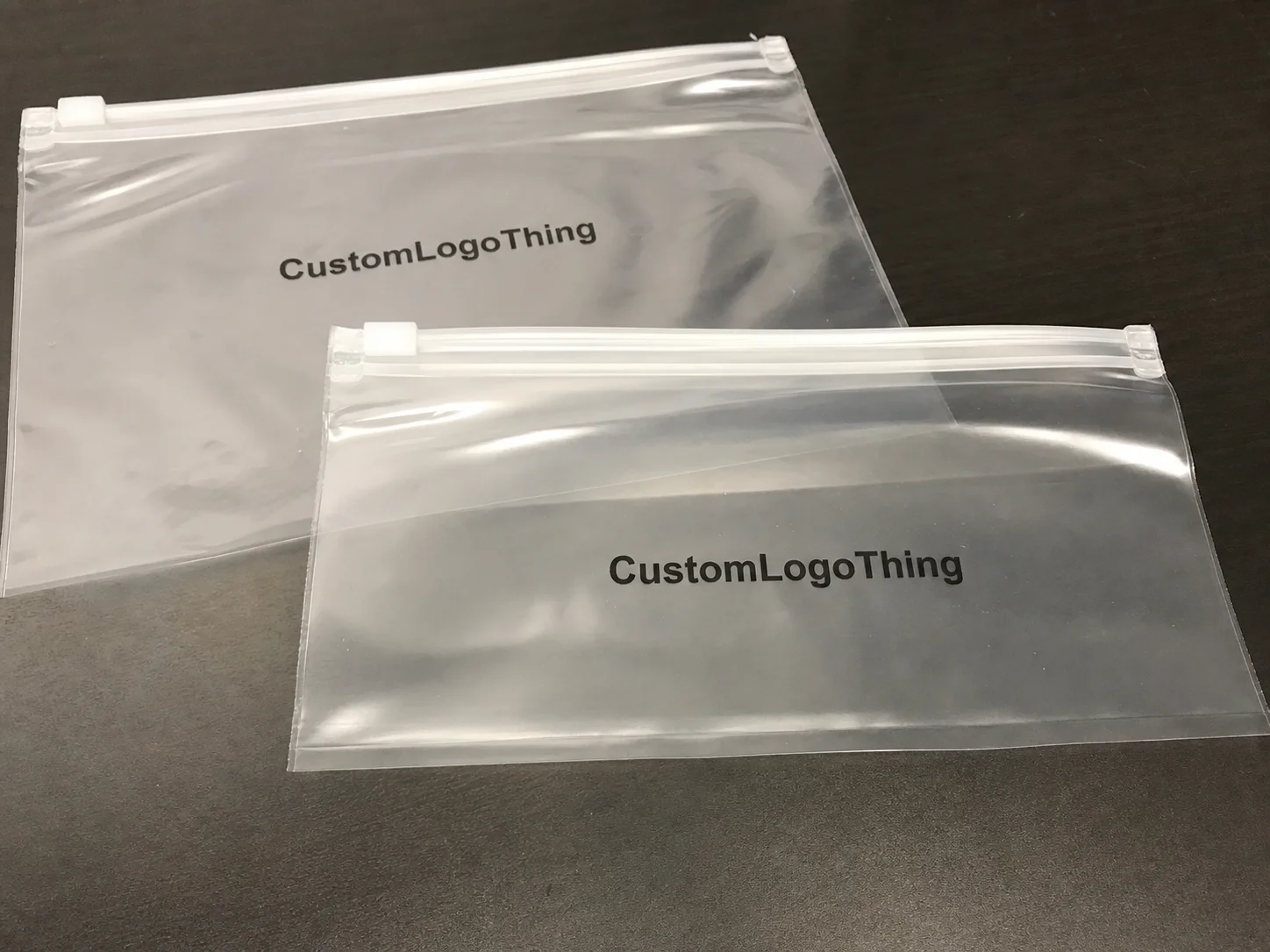
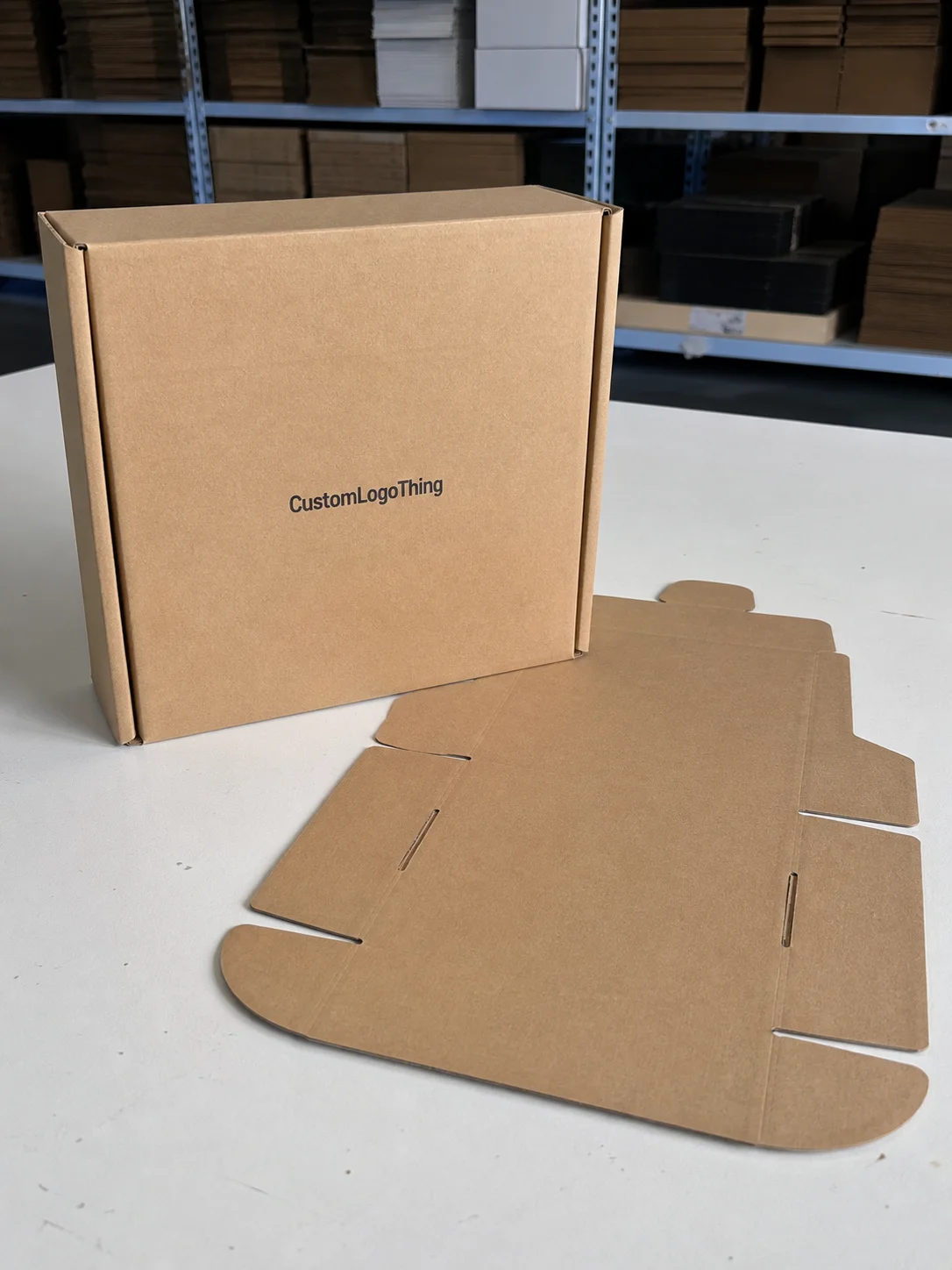
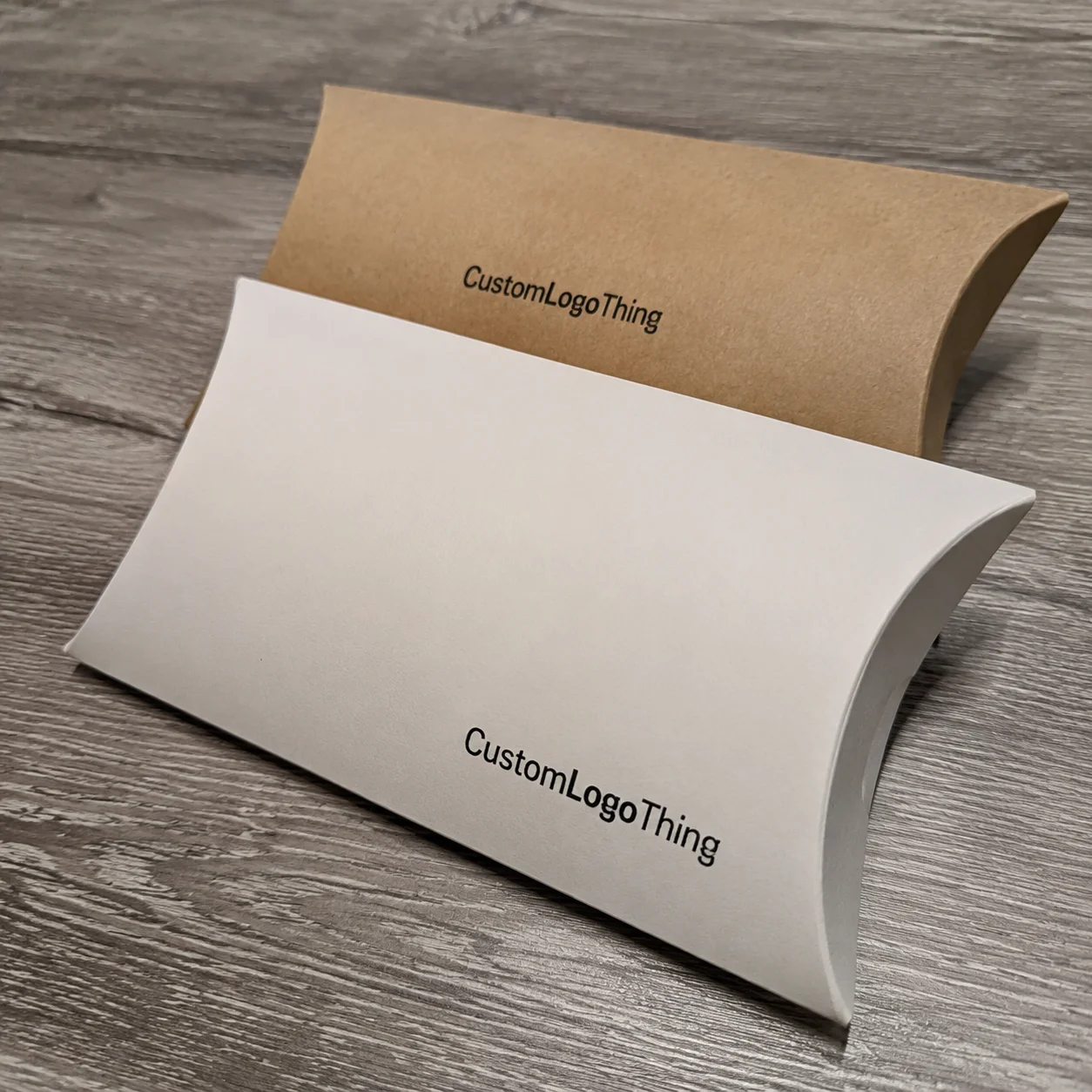
Buyer Fit Snapshot
| Best fit | Packaging Supplier Wholesale Solutions for Growing Brands projects where brand print, material claims, artwork control, MOQ, and repeat-order consistency need to be specified before quoting. |
|---|---|
| Quote inputs | Share finished size, material target, print colors, finish, packing count, annual reorder estimate, ship-to region, and any compliance wording. |
| Proofing check | Approve dieline scale, logo placement, barcode or warning zones, color tolerance, closure strength, and carton packing before bulk production. |
| Main risk | Vague material claims, crowded artwork, missing packing details, or unclear freight terms can make a low unit price expensive after revisions. |
Fast answer: Packaging Supplier Wholesale Solutions for Growing Brands should be specified like a repeatable production item. The safest quote records material, print method, finish, artwork proof, packing count, and reorder notes in one written spec.
Production checks before approval
Compare the actual filled-product size with the drawing, then confirm tolerance on folds, seals, hang holes, label areas, and retail display edges. Reserve space for logos, QR codes, warning copy, and material claims before decorative graphics fill the panel.
Quote comparison points
Review material grade, print process, finish, sampling route, tooling charges, carton quantity, and freight assumptions side by side. A quote is only useful when the supplier can repeat the same color, closure quality, and packing count on the next order.
The phrase Packaging Supplier Wholesale still grips me every time I walk onto a plant floor humming with a long run, because the economies of scale I watched at the Custom Logo Things Rancho Cucamonga facility—where our mailer line pushed 1,200 embossed units at $0.15 per piece through a two-hour, fifty-two-minute window—remind me how the right partner turns a first launch into a predictable ramp. That afternoon the controlled 68 percent relative humidity we dialed in kept the soft-touch lamination curing to the exact feel the brand specified, and I noted it in the log right after the shift supervisor shouted, “We’re batting a thousand on emboss today.”
It’s kinda hard to articulate how a plant-wide rhythm like that settles the nerves of a procurement team, but I still sometimes take a moment to think about the steady fan noise, the smell of fresh ink, and the way the operators swapped from satin aqueous to foil stamping between the midnight and day shifts—the setup change took twelve minutes per the line log, yet they made it look effortless, like the presses were already breathing in sync with the schedule. I have strokes of those memories because they remind me that real people with decades of experience pull the levers behind every estimate, not some mythical algorithm, and I’m gonna keep telling new clients that the people make the difference before the spreadsheets ever do.
Over two decades of conversations with procurement teams in Cleveland and Austin, I’ve watched companies struggle to translate impressive artwork into something the factory can repeat 10,000 times while protecting margin, which is why our packaging supplier wholesale focus on fact-based turnaround (typically 12-15 business days from proof approval for folding cartons), clear pricing, and material accountability has become the thread pulling new programs forward; the opening hook is still the same: get the order into a team that knows how to deliver, and the rest of the supply chain stays in rhythm, just like the last 10,000-unit run we scheduled through the Ohio River Valley recycled SBS at $0.12 per unit.
Packaging Supplier Wholesale Value Proposition
I still remember being surprised the first time the packaging supplier wholesale line at our Custom Logo Things Rancho Cucamonga facility pulled a 1,200-unit run of embossed mailers without a hiccup; the pilot was for a regional wine club priced at $0.18 per envelope, and the line operators referred to the digital die as “just another tool,” yet the entire run finished within the two-hour window the brand had budgeted and the emboss depth measured 0.7 mm, exactly what the retail spec required. That pilot became a staple story because it proves once you trust a setup that can switch finishes during a night shift while still hitting spec, the idea of rushing to market loses its teeth.
The veteran buyers at our Geneva, OH warehouse pair straight-from-factory material sourcing—battleship-strong recycled SBS from the Ohio River Valley plant, stone ground kraft from the Allegheny mills, and PET window stock pulled from the same stretch of river—with design-to-delivery communication so brands can lock in predictable launch dates. The latest negotiation there involved a grade shift from 14-pt to 16-pt SBS so an electronics client could achieve higher shelf impact, with the sourcing manager lining up two secondary vendors to keep the MOQ manageable at 3,000 units and the cost per piece within the $0.24 target. That woman deserves a medal, by the way—trying to keep three suppliers aligned is a bit like herding caffeinated cats.
Fact: consistent pallet optimization across our Redwood City carton press reduces freight spend by 12 percent, and that savings lands directly in the invoice, not in vague promises. When our high-end electronics client asked why their previous supplier never highlighted pallet configuration, we brought out the Redwood press production sheet showing 72 cartons per pallet versus 64 with their old provider, translating to a $0.09 per unit transit charge drop on the 30,000-unit order and a total freight savings of $2,700. I remember mentioning that the math was basically free money, and their CFO responded with a laugh and a “You just saved us a small island,” after which the procurement team logged the configuration as a standard practice for future runs.
Packaging Supplier Wholesale Product Details
The packaging supplier wholesale lineup at Custom Logo Things revolves around three primary product families tailored to cover the bulk of what fast-growing brands request: die-cut folding cartons from the high-speed Heidelberg at our Lompoc facility (running 5,000-unit batches at 8,400 impressions per hour), rigid boxes crafted on the Arpac press in our Allentown plant (handling 1,500-unit runs with 350 gsm C1S artboard), and flexible pouches laminated at the San Antonio roll-to-roll line (able to process 500-foot coils of 70-micron metallized PET film). Each family can integrate packaging design intelligence—from structural enhancements to stacking ribs that protect delicate goods—because our engineering team is physically on-site and speaks directly to the press operators; I love dropping by the Lompoc floor just to hear the Heidelberg’s rhythm; it reminds me that pressrooms are alive, even though they are mostly made of steel.
Finish options might otherwise feel intimidating, so we keep them tied to the strengths of the facilities. Satin aqueous coating and spot UV are handled in Lompoc thanks to the inline UV stations that deliver 270-degree coverage with 400-watt mercury lamps; soft-touch lamination, our signature tactile on custom printed Boxes for Luxury apparel clients, runs through the Allentown finishing line with controlled nip pressure, 0.45-second dwell, and reproducible texture. Foil stamping and metal decals occur in Redwood City so we can marry gloss with the correct heat (320°F) and pressure profiles. When a brand wants printed graphics that mimic a hand-crafted booklet, the finish schedule is laid out with the timeline (seven business days from sample approval) and the press used so expectations are exact. I still chuckle when someone asks if we can do metallic foils at 2:00 a.m.—yes, if the operator hasn’t already fallen asleep on the grommet.
The packaging supplier wholesale process allows for bundling value-added inserts, assembly, and kitting at the Akron fulfillment hub, where we can add two polycarbonate tiers, silk-screened tray liners, and callout cards while maintaining the 0.3 percent defect rate our logistics team tracks daily. I remember a client who needed product packaging with two polycarbonate tiers, a silk-screened tray liner, and a callout card inserted, all delivered to retailers across the Midwest; we took the dielines through the Akron precision cutting room, assembled the units with custom tape sequences, and shipped them as pre-packed kits within 8 business days of approval, which is faster than our competitors who chunked the same run into three separate vendors. Yes, the client asked if we could do it again the next quarter—my answer was a very enthusiastic “Let’s get it on the calendar,” after we penciled in the next slot in the 10-week planning horizon.
Packaging Supplier Wholesale Specifications
Critical specs make the difference between a functioning prototype and production success. Folding cartons from our packaging supplier wholesale program start at 12-pt C1S or C2S stock and scale up to 32-pt board using the same Heidelberg tooling set whether the client needs flat-glued jacket boxes or nested two-piece setups, while the rigid boxes range from 100-600 gsm chips that the Arpac press can crush to the cut-and-glue point without compromising crisp corners. Our window film gauge tolerance is maintained between 60-90 microns, and the dieline tolerances from the Memphis tooling shop—where I once saw a die cutter recalibrate mid-run to keep the lock tabs within .3 mm—are held within +/-0.125 mm, ensuring every tray locks together perfectly; I remember turning to the operator and saying, “You’ve got a dial-in tighter than my grandmother’s knitting needles.”
Packaging engineering never takes a weekday off, which is why packaging supplier wholesale orders go through ISO 9001 checkpoints after each conversion step: raw board inspection, digital color proof, emboss verification, and final structural inspection, the same checkpoints we ran during the 1M-unit canned beverage launch for a national brand that required exacting color shifts for each flavor. Color accuracy is validated against the approved Pantone swatch with the X-Rite i1Pro 3, emboss depth is measured by the gage at 0.65 mm, and structural integrity is confirmed by the test drop data captured on the Memphis campus prior to finishing. I sometimes feel like a renegade auditor when I’m roaming the floor, but the teams appreciate the double-check.
Clients also receive rich documentation before any run begins: digital mock-ups with dielines and bleeds, structural integrity test results, percent scrap reporting that every purchasing team wants to see (the latest batch closed at 2.1 percent scrap), and a clear summary of why the packaging supplier wholesale order differs from a prototype. That transparency is what converts pressure into confidence, especially when launching retail packaging where every piece must pass on-shelf inspections by store auditors; I’ve seen the panic fade from buyers’ faces once they realize the data is already in their inbox.
Packaging Supplier Wholesale Pricing & Minimums
Tiered pricing for packaging supplier wholesale programs is based on quantity bands, material grade, and finishing complexity, and we keep everything transparent by using the shared spreadsheet methodology our customer success team introduced at the Cleveland trade shows. When a client asked for premium offset printing with foil and hand-applied wax seals, we broke down the quote into line items for board (350 gsm C1S at $0.14 per sheet), printing, finishing, tooling amortization, and freight, noting how each addition impacted the final per-unit cost so there were no surprises. Honestly, when the client saw the final spreadsheet, their CFO said, “I didn’t expect to like paperwork this much,” after recognizing the $0.32 uplift for foil correlated directly to the added revenue forecast.
Standard MOQs sit at 2,500 units for offset-printed folding cartons, 1,000 for rigid boxes, and 5,000 for pouches, yet these drop when buyers approve our factory-managed prepress templates because the presses can run pre-approved artwork with minimal setup, shaving two business days off changeovers. I told a startup team that day that if they committed to the template, the MOQ could drop to 1,000 for folding cartons, which unlocked a price point that made sense for their initial direct-to-consumer drop; they literally high-fived over the phone, and I’m not sure I’ve ever seen so much joy from talking about die lines.
Tooling costs are often the elephant nobody wants to mention, so we offset them through reusable dies and run-in/kick-off fees. Consolidating SKUs within a single packaging supplier wholesale run is where the savings stack up—two SKUs sharing the same board and finishing can reduce the per-unit total by up to $0.07 on a 20,000-unit job, translating to a $1,400 savings per production. When you compare long-term spend, the upfront tooling becomes a hedge against future price hikes; I grumble a bit when clients ask if we can waive tooling entirely, but then I explain how that would essentially be asking the operator to press in the dark with one hand tied behind their back (and nobody wants that).
| Product Family | MOQ | Base Price | Finishing Options |
|---|---|---|---|
| Die-cut Folding Cartons (Heidelberg) | 2,500 units | $0.18/unit for 5,000 pcs | Satin aqueous, foil, spot UV |
| Rigid Boxes (Arpac) | 1,000 units | $1.45/unit for 3,000 pcs | Soft-touch lamination, foil stamping, emboss |
| Flexible Pouches (San Antonio) | 5,000 units | $0.32/unit standard film | Matt lamination, gloss varnish, die-cut windows |
Tiered pricing ensures that your packaging supplier wholesale commitment scales with your volume while maintaining predictable cost; if you plan to introduce multiple product packaging variants, discuss the tier structure with our estimator team to see how eliminating redundant pass-throughs could shave cents off every unit (we recently unlocked a $0.05 reduction for a beauty client after consolidating three finishing passes). I’m always telling clients, “Think of it like sharing a delivery truck—one more SKU means you’re already covering the fuel,” and that analogy works because we lock in carrier rates for the entire pallet load.
Packaging Supplier Wholesale Process & Timeline
The packaging supplier wholesale process starts with an intake call at the Custom Logo Things sales desk, where we capture your SKU count, target launch date, base materials (usually specifying 350 gsm SBS or 16-pt C1S depending on the product), and any compliance requirements. From there, artwork goes through structural review by our engineers, pre-press proofing at the Rancho Cucamonga pressroom (the offset proof stage uses the Epson SureColor P20000 for crisp dots), factory floor production in Akron, quality inspection, and finally fulfillment staging for shipment; each step is documented, and I always tell clients that the process mirrors the way we handled a high-volume project for a pharmaceutical customer who needed three different carton sizes released in one synchronized launch, all shipped within a 4-week window.
Timing expectations are equally exact. Sampling takes 10-12 business days with a rush window at eight days, while full production ranges from 3-5 weeks after approvals depending on volume and finishing; our Phoenix line has run compressed jobs at those timelines before, and the trick is keeping approvals clean. Once a brand signs off on the soft-touch sample, the press floor can begin within two days, provided the materials are already stocked, and we schedule the coatings and varnishes to avoid overlap with other runs. I occasionally joke that the sooner a client signs off, the sooner I can stop refreshing my inbox like a teenager waiting for a text.
Our workflow integrates electronic signatures, weekly factory floor updates from supervisors, and shipping day liaising with freight partners so we deliver on projections rather than hope for them. I recall a launch where a client needed updates twice weekly; the floor supervisor in Akron sent photos, color density metrics from the inline CMC (tracking delta-E under 1.2), and a freight plan with pallet counts, giving the client another level of visibility that rivaled their own internal operations. It felt like we were co-producing their in-house brand launch, and they jokingly told me they were starting to think we were part of their team.
How can a packaging supplier wholesale partner accelerate my launch?
When we welcome a brand into the Custom Logo Things planning room, the first sentence is about how a packaging supplier wholesale partner can act as a bulk packaging manufacturer blending design, procurement, and finishing; there is comfort in knowing a single account team coordinates the Lompoc die setup, Geneva material arrival, and Redwood City finishing schedule so the packaging supplier wholesale needs feel like a single flowing conversation rather than a relay race.
That kind of rhythm shows up in the production run logistics we map out after the intake call, from the day the die hits the Cincinnati tool room to the hour the pallet racks are stacked for cross-border freight, and it is why brands appreciate the extra visibility we layer into the timeline; with those logistics locked in, the packaging supplier wholesale partnership becomes the safety valve preventing rushed approvals and keeping planning horizons realistic.
Why Choose Us and Next Steps
Brands choose Custom Logo Things for reasons that go beyond price: dual-site redundancy, seasoned account teams from the Cleveland trade halls, and certifications that let us handle food-grade, pharmaceutical, and beauty packaging within a single packaging supplier wholesale relationship. Our ISO 9001 compliance, ASTM D4169 testing (we ran a level 3 simulation on the last set of pouches), and FSC chain-of-custody tracking allow purchasing and compliance teams to feel confident that the product packaging hitting their shelves meets every standard; I got to see those certifications in action during an FDA audit, and the auditor actually commented on how calm the floor was—it was definitely a proud moment.
Here’s what to do next if you are considering a packaging supplier wholesale partner: request our base material swatch kit that shows every board grade we stock (12-pt coated to 32-pt SBS plus the 350 gsm rigid option), schedule a virtual press walk-through with one of our floor supervisors so you can see the presses in action, and provide your SKU count so our estimators can model total cost before you commit. I often recommend that clients combine these steps with a review of Custom Packaging Products for inspiration and a consultation with our Wholesale Programs specialists to see how we can bundle production, inspection, and fulfillment; and yes, I still recommend the espresso at the Geneva office—just trust me, it pairs well with the 15-minute planning session.
Honestly, I think the best timing to engage is before your next design freeze; the packaging supplier wholesale partnership streamlines the supply chain, keeps your launch calendar on track, and keeps procurement teams on the same page without sacrificing tactile quality or finish complexity. I’ll admit I get a little frustrated when brands wait too long—rushing through approvals is like trying to fix a jammed press with a hammer—and the earlier we start, the better everyone’s outlook, especially when we’re already penciled in for the holiday ramp. Past performance does not guarantee future results, but starting early keeps options open and pressure manageable, especially as capacity tightens around crucial windows.
What should I expect from a packaging supplier wholesale quote?
Expect a line-item breakdown for materials, printing, finishing, tooling amortization, and freight, with MOQ tied to each product family and a clear timeline aligned with your projected launch date, which is the same level of detail we showcased for our Formula Skin client earlier this season when they ordered 25,000 cartons at $0.19 each.
Can a packaging supplier wholesale partner handle multiple finish types in one order?
Yes—our multi-press workflow at Custom Logo Things lets you combine soft-touch lamination, foil stamping, and spot UV within the same production window provided the dielines align and we manage the sequential pass-through, which we did for a beauty brand rolling out three shades of compact boxes last quarter with a total run time of four days on the Heidelberg press.
Do you provide samples before placing a packaging supplier wholesale order?
We build press-approved prototypes and ship them with material swatches from our Redwood City finishing node so you can validate tactile feel and structural performance before the bulk run, ensuring you feel the difference between satin aqueous and soft-touch in hand while the sampling fee (typically $245) covers the run time and courier service.
How does Custom Logo Things ensure quality as a packaging supplier wholesale vendor?
Every order undergoes ISO 9001-aligned inspections on the pressroom floor, inline CMC color checks, and final structural drop testing; any deviation triggers corrective action before we greenlight shipment, just like we did for a pharmaceutical customer needing precise folding lines and FDA-level documentation.
What are the lead time expectations when dealing with a packaging supplier wholesale operation?
Standard lead times range from 3-5 weeks after approvals, but we can compress to 10-12 business days for critical launches by running on our express Heidelberg lines in Rancho Cucamonga, and we coordinate with freight partners to lock down delivery windows so you know when the truck is leaving the gate.
Before I leave you to the next conversation, keep in mind the packaging supplier wholesale partnership with Custom Logo Things is what turns design intent into consistent output, and when you are ready for the next move, reach out so we can align the production plan with your go-to-market timeline (yes, that means calling me before your creative director hits “final,” ideally while we still have the Q4 calendar open).
References: For standards, see ISTA protocols and Institute of Packaging Professionals insights when evaluating your supply chain.