Paper Stickers Custom Orders: What They Are and When They Make Sense
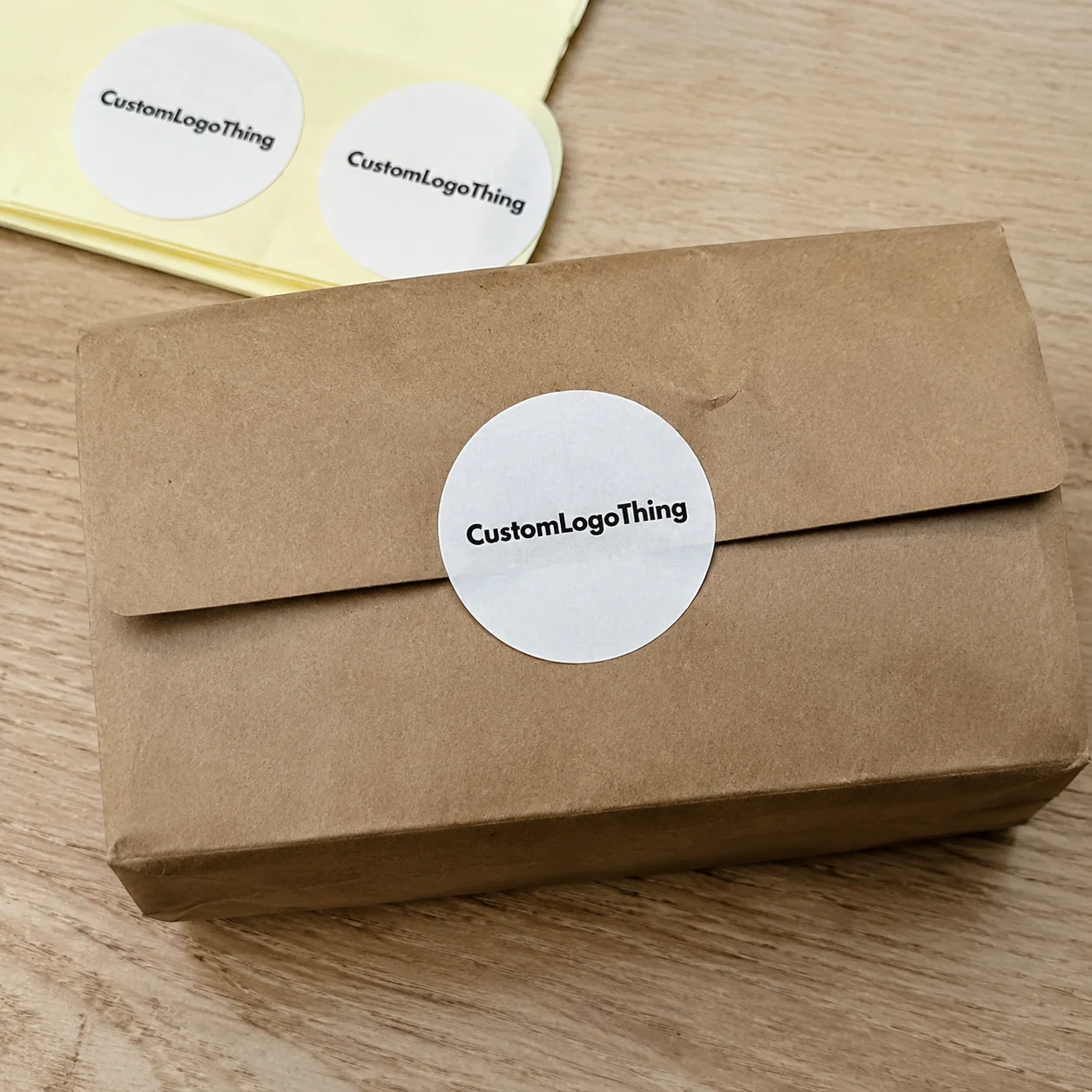
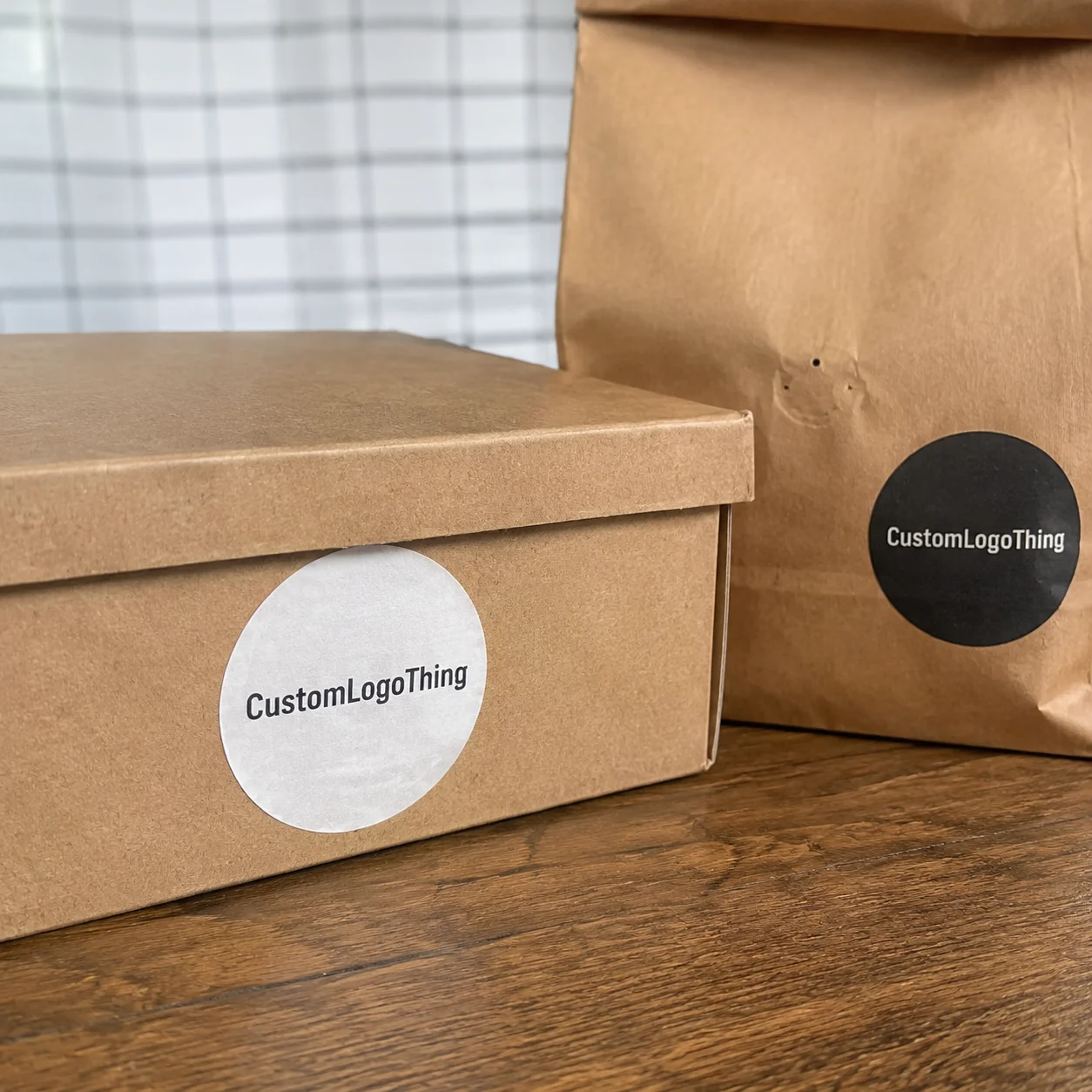
A box can be well made and still look cheap if the label peels, wrinkles, or prints muddy. That is usually why paper stickers custom orders come up in packaging decisions. They are not just decoration. They have to survive shipping, stacking, shelf time, and customer handling.
Custom Paper Stickers are printed adhesive labels made on paper-based face stock and cut to a specific size or shape. The real choice is often paper versus film. Paper is usually less expensive, easier to write on, and better for natural, matte, or handcrafted branding. Film is tougher and more moisture resistant. Paper looks better for some packaging; film lasts longer in rough conditions.
Paper labels make sense for candle jars, bakery seals, coffee bags, soap packaging, retail price labels, QR code stickers, and short-run promotions. They also work well for inner packaging and shipping inserts where the label is handled indoors and does not face water or abrasion. If the sticker will live on a shower bottle, outdoor container, or anything that collects condensation, paper is usually the wrong choice.
Buyer error usually starts with optimism. The artwork looks good on screen, so the label must work on the product, right? Not quite. The adhesive has to match the surface. The finish has to survive the environment. The shape has to fit the panel without crowding seams or curves. A label is a material decision first and a graphic decision second.
Good paper labels do more than print cleanly. They apply cleanly, stay put, and still look intentional after the package has been moved, stacked, or opened a few times.
If the packaging is dry, the run is moderate, and the look needs to feel warm rather than plastic, paper is often the practical choice. It balances cost, appearance, and application speed.
How Paper Sticker Printing Works From Artwork to Finished Roll or Sheet
The production sequence is straightforward: file review, material selection, proofing, printing, finishing, cutting, quality control, packing, and shipping. Delays usually happen before production starts. Missing bleed, vague trim lines, oversized files, and low-resolution artwork waste more time than the press ever does.
Digital printing is common for smaller runs, multiple designs, and faster lead times. Flexographic printing suits larger, repeatable orders where the design stays stable and the unit cost needs to come down. Digital gives flexibility. Flexo gives efficiency. The right call depends on quantity, artwork complexity, and whether the design will change next month.
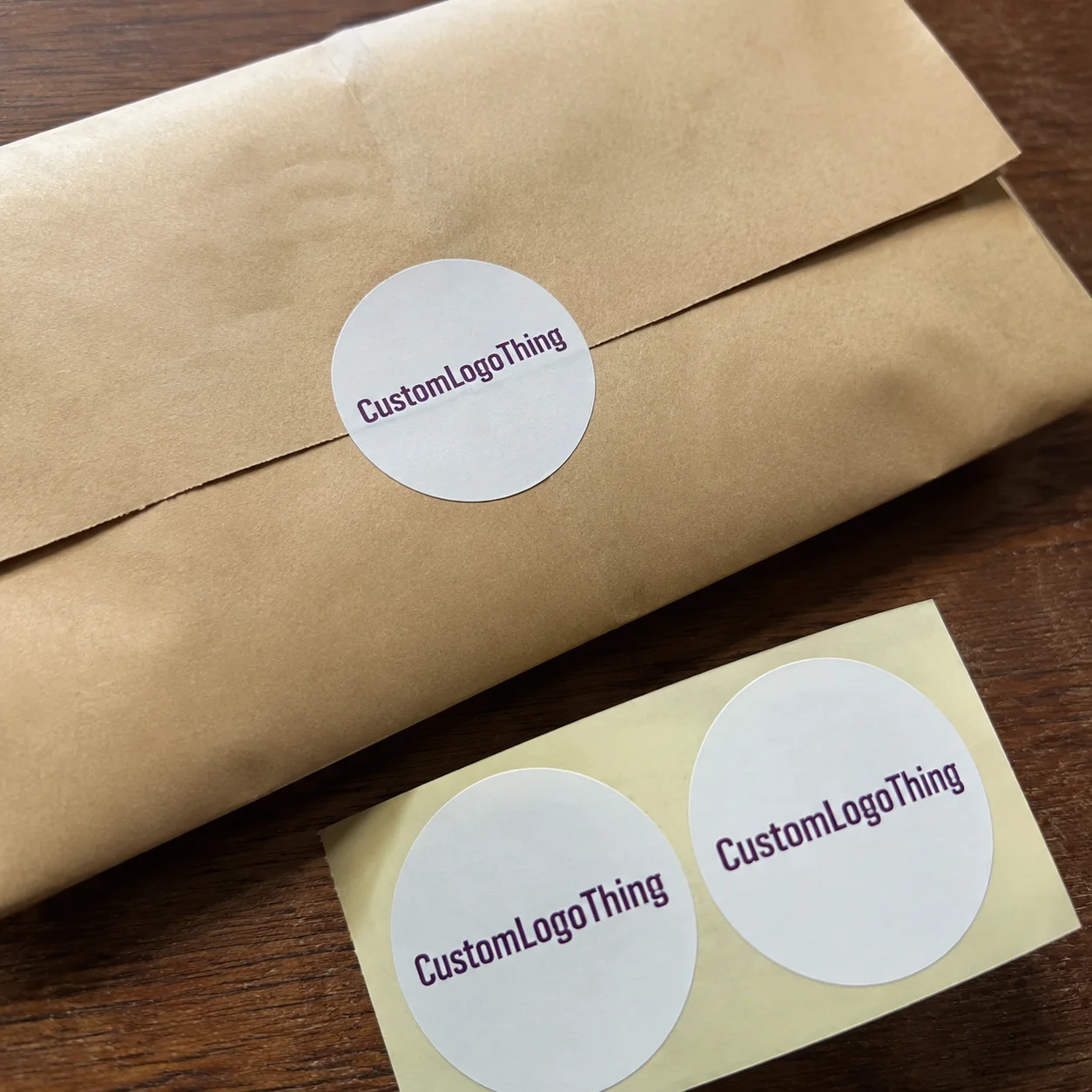
Rolls and sheets solve different problems. Rolls are easier for hand application at volume, dispenser use, and machine labeling. Sheets work well for smaller batches, office use, sample packs, and low-volume fulfillment. If the team is applying labels one by one during packing, sheets may be enough. If order volume is climbing, rolls usually save time.
Cut style matters. A die-cut label is cut to the outer shape. A kiss-cut label is cut through the sticker layer but left on the liner, which makes peeling easier and keeps the backing intact. Die-cut shapes are useful for logos, badges, icons, and custom outlines. Kiss-cuts are useful when presentation and easy application matter.
Color needs a reality check. Screen color and press color are not the same thing. CMYK is standard for most printed paper labels. Pantone matching is useful when brand color consistency matters across packaging components. If the color has to coordinate with a carton, insert, or existing print run, ask for a proof and review it under normal lighting.
Finishing options change both appearance and performance. Matte varnish gives a softer look. Gloss brightens color and usually offers better scuff resistance. Uncoated stock is more natural and writable, but it shows handling sooner. Light protective coatings can improve durability without making the label feel overly sealed.
For broader packaging coordination, the same logic applies across Custom Labels & Tags and the rest of your Custom Packaging Products. Labels should match the package, not fight it.
Materials, Adhesives, and Finishes That Actually Affect Performance
Material choice drives most real-world performance. Standard white paper is clean, affordable, and versatile. Kraft paper creates a natural look for artisan food, soap, candles, and gifting. Textured paper adds tactile interest and a more premium feel. Coated paper gives sharper graphics and better contrast. Specialty papers can stand out in retail, but they usually cost more and can be less forgiving with fine detail.
Adhesive matters just as much. Permanent adhesive is the default for most product packaging, jars, bags, and boxes. Removable adhesive is better for temporary pricing, seasonal campaigns, and short-term promos where residue would be a problem. Freezer-grade adhesive is used for cold storage applications. Food-safe indirect-contact constructions may be available, but that needs to be confirmed against the exact use case.
Surface type is where many buyers get surprised. Smooth glass is usually straightforward. Textured cardboard is less predictable. Curved plastic, coated pouches, and slightly oily surfaces can reduce bond strength. Adhesion depends on surface energy, pressure, and dwell time.
Finish changes handling as much as appearance. Matte feels softer and more premium, though it can show scuffs or fingerprints more easily. Gloss improves color saturation and often holds up better under rubbing, but it can reflect light in retail displays. Uncoated paper is easy to write on and feels natural, yet it absorbs ink differently and can mark up faster. If the sticker needs handwritten dates, notes, or pricing, say that upfront.
Moisture is the practical limit many teams ignore. Paper labels can handle light dry use and short exposure if the construction is right, but they are not a good fit for shower packaging, outdoor use, or repeated condensation. If a product lives near water, a film label or moisture-resistant construction is often safer.
A sensible buyer test looks like this:
- Request a sample with the same face stock and adhesive.
- Apply it to the exact packaging surface, not a random box.
- Check bond strength after a few minutes and again after 24 to 48 hours.
- Test it cold if the product will be refrigerated or chilled.
- Inspect edges, corners, and printed surfaces after normal handling.
If you want a neutral reference point for sourcing and transport basics, the FSC site is useful for paper sourcing context, and the ISTA standards are worth understanding before calling a package shipping-ready.
Pricing, MOQ, and Unit Cost Drivers for Custom Paper Stickers
Sticker pricing depends on size, shape, material, adhesive, finish, print method, and format. If a quote looks high, there is usually a reason: more setup, more waste, more material, or more production control.
Small runs usually carry a higher unit cost because file review, proofing, setup, and production time do not disappear just because the order is small. Larger quantities spread those fixed costs across more pieces. That is why a buyer sometimes gets a better per-piece price one tier above the original target.
Minimum order quantity depends on process and spec. Digital printing often supports lower MOQs. Specialty papers, custom dies, Pantone matching, machine-ready rolls, and unusual finishes can raise the floor. A few hundred pieces is realistic for many test launches, but narrow tolerances and custom finishing usually add cost.
Size changes the math too. A 3-inch circle uses more stock than a 1.5-inch seal. Odd shapes create more waste around the cut path. Waste is money, and it should be considered when comparing shapes.
Here is a practical way to read common options:
| Option | Best For | Cost Behavior | Notes |
|---|---|---|---|
| White matte paper | General retail packaging | Lowest to moderate | Good for clean branding and readable text |
| Kraft paper | Natural or artisanal looks | Moderate | Common for candles, soap, and coffee |
| Textured or specialty paper | Premium packaging design | Moderate to higher | Adds tactile value, but can soften fine detail |
| Custom roll format | Fast application and machine use | Moderate to higher | Needs unwind, gap, and core details |
| Rush or specialty finishing | Launches and custom retail programs | Highest | Proofing and scheduling can add time and cost |
Request pricing at several quantity breaks, such as 500, 1,000, 2,500, and 5,000 pieces. That comparison usually shows where the unit cost drops enough to justify a larger order. The cheapest quote is not always the best buy if it leaves out proofing, freight, tooling, or the exact material required.
Process and Timeline: What Happens Before Your Stickers Ship
The timeline starts with quoting, not printing. After that comes artwork review, proof creation, proof approval, production scheduling, printing, finishing, quality control, packing, and shipping. If a vendor promises a fast turnaround without seeing the files, treat that estimate as provisional.
Production timing usually starts after proof approval. Missing dielines, blurry logos, tiny type, and poorly built files can add days before anything reaches the press. Packaging work punishes bad input.
Before requesting a quote, gather the basics:
- Final size and shape
- Quantity
- Material preference
- Adhesive use case
- Finish
- Roll or sheet format
- Destination address
- In-hand deadline
Proofing deserves attention. A digital proof checks layout, spelling, dimensions, bleed, safe zones, and cut lines. A physical proof can be worth it for color-sensitive jobs or Premium Retail Packaging, especially if the label has to coordinate with boxes, cartons, or a specific product color. If the sticker has to fit a container exactly, measure it.
Lead times move based on order size, material availability, custom dies, finish complexity, proof revisions, holidays, freight distance, and rush capacity. Simple paper label runs can move quickly once approved. More complex jobs need buffer time, especially if they are tied to a launch, seasonal campaign, or packaging changeover.
Step-by-Step Guide to Ordering Paper Stickers Without Rework
Step 1: define the job by use case. A bakery seal, candle label, and QR code sticker all face different stress points. A nice-looking design does not automatically make the right label.
Step 2: choose the application surface and environment. Dry shelf, refrigerated product, handled mailer, textured box, glass jar, and coated pouch all lead to different adhesive and finish choices.
Step 3: set the size and shape from the actual package. Print a paper mockup, place it on the product, and check it at arm’s length. If the label crowds a seam, covers too much panel space, or gets lost on the surface, adjust it before production.
Step 4: prepare the artwork properly. Use vector logos, outlined fonts, high-resolution images, bleed, safe margins, and clear cut lines. Tiny text on a tiny sticker is hard to print. If the design depends on micro details, confirm that the stock and print process can handle them cleanly.
Step 5: choose roll or sheet format based on how the stickers will be used. Hand application, dispenser use, fulfillment speed, and labeling equipment point in different directions. If automation is involved, confirm core size, gap, unwind direction, and outside diameter before approving the order.
Step 6: review the proof carefully. Check spelling, barcode scanability, QR code function, color expectations, cut alignment, quantity, and shipping address. If a barcode or QR code is part of the design, test it on a phone or scanner before approval.
If the label is part of a larger packaging system, compare it with the cartons, inserts, and other Custom Packaging Products so the whole set looks deliberate instead of mismatched.
Common Buying Mistakes and Next Steps Before You Request a Quote
The most common mistakes are choosing the cheapest paper for oily products, ignoring adhesive compatibility, skipping samples, approving blurry artwork, and ordering the wrong roll direction. None of these are complicated failures, but they are expensive ones.
Over-designing causes trouble too. Too many small details, thin borders, low-contrast color pairs, and tiny reverse type can make the sticker harder to print cleanly and harder for customers to read. Good packaging design usually survives simplification. If the label only works under perfect lighting from three inches away, it is not ready.
Guessing quantity is another easy way to waste money. Under-ordering can trigger rush reorders during a launch. Over-ordering can leave you stuck with labels after a formula change, packaging update, or compliance edit. Quantity breaks matter because they show where the cost curve actually moves.
Here is the checklist worth using before requesting a quote:
- Size
- Quantity
- Shape
- Material
- Adhesive
- Finish
- Roll or sheet format
- Packaging surface
- Application method
- Ship-to location
- Deadline
If the sticker is going on a new product line, a new container, a different finish, or a cold-chain application, order samples or a pilot run first. That small spend can prevent a much bigger write-off. For paper labels, the gap between “looks fine” and “sticks well” often shows up after delivery.
Paper stickers custom work is straightforward once the buyer brings the right inputs. Collect the packaging sample, final artwork, target quantity, surface details, and deadline before asking for a quote. Compare materials and quantity tiers with a realistic eye so the label supports the product instead of creating avoidable problems.
Are custom paper stickers waterproof?
Standard paper stickers are not waterproof, even if they handle light dry use well. A varnish or protective coating can improve scuff resistance and mild moisture tolerance, but it does not turn paper into vinyl. For outdoor use, shower packaging, freezer condensation, or heavy humidity, ask about film labels or a moisture-resistant construction instead.
What is the best adhesive for paper sticker labels on packaging?
Permanent adhesive works for most retail boxes, jars, bags, and product packaging where the label should stay in place. Removable adhesive is better for temporary pricing, promo labels, or items where residue would annoy the customer. Cold, textured, oily, or curved surfaces need testing because adhesive performance changes fast in those conditions.
How much do paper stickers custom orders usually cost?
Cost depends on size, quantity, material, adhesive, finish, shape, roll format, and print method. Unit cost usually drops as quantity rises because setup and production time are spread across more pieces. Ask for several quantity breaks in one quote so you can compare the real difference instead of guessing.
How long does it take to produce custom paper stickers?
The timeline usually includes quoting, artwork review, proofing, proof approval, production, finishing, quality control, and shipping. Production timing typically starts after proof approval, not after the first inquiry. Custom materials, specialty finishes, physical proofs, large runs, and rush freight can all affect lead time.
Should I order paper stickers on rolls or sheets?
Rolls are better for applying many stickers efficiently by hand, dispenser, or labeling machine. Sheets are convenient for small batches, giveaways, office use, and low-volume packaging tasks. If automated equipment is involved, confirm roll direction, core size, gap, outside diameter, and unwind direction before ordering.