Buyer Fit Snapshot
| Best fit | Paperboard Sleeve Boxes Wholesale for Sustainable Brands projects where brand print, material claims, artwork control, MOQ, and repeat-order consistency need to be specified before quoting. |
|---|---|
| Quote inputs | Share finished size, material target, print colors, finish, packing count, annual reorder estimate, ship-to region, and any compliance wording. |
| Proofing check | Approve dieline scale, logo placement, barcode or warning zones, color tolerance, closure strength, and carton packing before bulk production. |
| Main risk | Vague material claims, crowded artwork, missing packing details, or unclear freight terms can make a low unit price expensive after revisions. |
Fast answer: Paperboard Sleeve Boxes Wholesale for Sustainable Brands should be specified like a repeatable production item. The safest quote records material, print method, finish, artwork proof, packing count, and reorder notes in one written spec.
Production checks before approval
Compare the actual filled-product size with the drawing, then confirm tolerance on folds, seals, hang holes, label areas, and retail display edges. Reserve space for logos, QR codes, warning copy, and material claims before decorative graphics fill the panel.
Quote comparison points
Review material grade, print process, finish, sampling route, tooling charges, carton quantity, and freight assumptions side by side. A quote is only useful when the supplier can repeat the same color, closure quality, and packing count on the next order.
paperboard sleeve boxes wholesale tends to get underestimated because the format looks simple at first glance. That simplicity is the point. A sleeve gives a product a finished outer layer without asking the brand to pay for a full printed carton around every unit. The inner tray, insert, or tuck box handles structure. The sleeve carries the message. Material use drops, shipping weight stays lower, and the pack often looks more intentional than a heavier box that was built simply because there was room to do it.
I have sat through enough press checks to know that packaging opinions change quickly once the sample is in hand. A plain sleeve on screen can feel forgettable. The same sleeve on a shelf, wrapped around a bottle set or a candle jar, can suddenly look like a design decision rather than a budget compromise. That is why paperboard sleeve boxes wholesale keeps showing up in food, beauty, supplements, candles, and bundled retail sets. The format does not try to do everything. It does exactly enough.
There is also a financial reason buyers keep coming back to it. A sleeve uses less board than a full carton, which means there is less material to buy, print, ship, and eventually dispose of. Over a 5,000-unit run, even a small difference in board weight or coating choice can move the total by hundreds of dollars. That may sound modest on paper. It is not modest when a product line repeats every quarter.
Paperboard Sleeve Boxes Wholesale: Why the Format Works
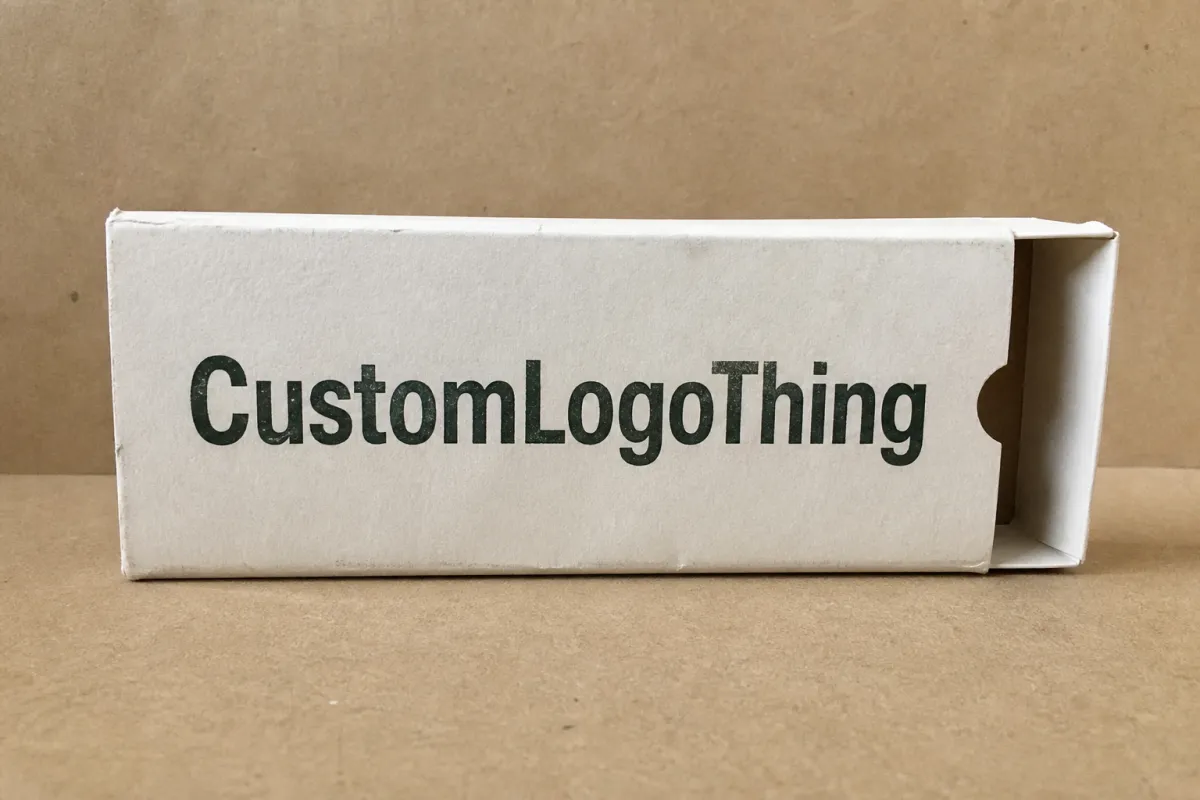
Most packaging conversations begin with a practical question: how do you make the product look complete without turning the box into an inflated cost center? paperboard sleeve boxes wholesale answers that by splitting display from protection. The outer sleeve handles branding and shelf presence. The inner pack handles the physical job of holding the product still. That separation gives teams more control over structure, appearance, and budget at the same time.
The economics are easy to understand once you compare the format with a fully printed carton. A sleeve usually offers more visual impact than a label, more presence than a wrap, and less board than a rigid presentation box. It also scales well. Once the die line is approved and the artwork is locked, the unit cost generally improves as volume rises. That is a sensible fit for repeat orders, seasonal resets, and product families that need a consistent visual system across multiple SKUs.
The Best Use Cases are products that already have some internal packaging. Folded apparel, supplement bottles, sample kits, soaps, tea assortments, candle jars, and bundled gift sets fit well because the sleeve is not expected to carry the full load by itself. It needs to fit correctly, stay aligned, and make the product look deliberate. paperboard sleeve boxes wholesale works especially well in those categories because it adds polish without overbuilding the structure.
"A sleeve that helps the product sell is doing its job. A sleeve that only looks expensive is just a cost with better typography."
Assembly matters too. A sleeve can be simpler to produce and handle than a carton with multiple locking panels or nested features. That simplicity becomes visible on a packing line. Fewer steps usually mean fewer errors, less rework, and faster throughput once quantities rise. In a factory setting, those differences are not abstract. I have seen a one-second assembly gain per unit turn into a very real labor saving by the end of a shift.
The format tends to work hardest in categories where the outer layer needs to feel clean, modern, and deliberate rather than bulky. Food brands use sleeves to sharpen retail presentation. Cosmetics and skincare brands use them for gift sets and sample kits. Supplement companies rely on them for bottle packs and bundles. Candle brands use them to add identity without adding much weight. Those are the situations where paperboard sleeve boxes wholesale earns its keep fastest.
- Food: tea, chocolate, snacks, and gift packs that need front-panel branding that reads quickly.
- Beauty: skincare kits, soaps, and cosmetic sets that benefit from a cleaner presentation layer.
- Wellness: supplements and sample packs where carton weight needs to stay low.
- Home fragrance: candle jars and gift sets that sell better with a refined outer wrap.
- Bundles: multiple items held together by an outer sleeve instead of a heavier box.
The strength of paperboard sleeve boxes wholesale is that it respects the math. Buyers are not paying for blank board that sits there doing nothing. They are paying for visible branding, controlled dimensions, and a format that can scale without forcing the product into an oversized shell. That is not a trend. It is a practical packaging choice.
Paperboard Sleeve Boxes Wholesale: Materials and Product Details
Structure decides whether a sleeve performs or frustrates everyone who has to touch it. A sleeve is only useful if it fits the product, stays in place, and survives handling without looking worn before it reaches the shelf. In paperboard sleeve boxes wholesale, the common setups are a friction-fit sleeve over a tray, a sleeve wrapped around a tuck-end carton, or a flat wrap that slides around an inner pack. Each changes the feel of the package, the speed of assembly, and the amount of protection the product actually receives.
Board selection is where a project gets better or worse very quickly. SBS, or solid bleached sulfate, gives a bright surface and strong print fidelity. C1S, coated one side, is a practical option when the exterior needs to look polished and the interior does not need heavy decoration. Kraft board gives a more natural appearance and a different sustainability signal, though color vibrancy will not match bleached stock. Recycled board is a smart option when the brand story leans toward lower virgin fiber use. For paperboard sleeve boxes wholesale, the right board depends on product weight, retail setting, and the way the pack will be handled in real life.
Caliper choice usually falls somewhere between 14pt and 24pt, depending on load and rigidity. A lightweight sleeve for a folded cosmetic insert may work at 14pt or 16pt. A heavier candle set or a bundled subscription pack may need 18pt or 20pt. Choose too light and the sleeve bends or slides. Choose too heavy and the structure starts to feel like overkill. That is why paperboard sleeve boxes wholesale is usually tailored to the exact product dimensions instead of being forced into a generic size that only almost fits.
Scoring, glue seams, locking tabs, and dieline tolerances all need attention. A sleeve that sits loose can drift during transport or look careless on shelf. A sleeve that fits too tightly slows assembly and may scuff the print as workers push it over the inner pack. In production, tolerances often need to stay within roughly 0.5 mm to 1.5 mm depending on the board and the shape of the product. That detail may seem small, but it decides whether the packaging feels engineered or improvised.
Common product fits include:
- Narrow tubes: supplements, cosmetics, and candles with tall, slim profiles.
- Folded items: garments, inserts, printed collateral, and gift cards.
- Sample kits: smaller items grouped into a single retail-ready presentation.
- Multi-packs: bundles that need a unified outer look without extra weight.
- Inner trays: products that already need structural support inside the sleeve.
For buyers comparing options, paperboard sleeve boxes wholesale works best when the sleeve, tray, and insert are treated as one system. If one part is off, the entire pack feels wrong. I have seen a beautiful printed sleeve fail in practice because the tray sat just a touch too high and pushed the artwork out of alignment. That kind of mismatch is easy to miss in a digital mockup and very obvious on a finished line. Dimensions and board choice should be settled before artwork moves too far ahead.
Custom sizing also cuts waste. It reduces excess board, keeps the product from rattling inside the pack, and gives the sleeve a more intentional look. A fit measured against the actual product looks confident. A fit guessed from a template looks like a compromise. Buyers sourcing paperboard sleeve boxes wholesale should insist on a dieline built around the real item, not a near-match that was convenient for someone else.
Print, Finish, and Sustainable Specs for Sleeve Boxes
Print quality matters more on sleeves than on many other formats because the outer surface is doing most of the selling. Color accuracy, image sharpness, and alignment show up quickly. Offset printing usually suits larger paperboard sleeve boxes wholesale runs because the setup cost spreads out well and the results stay consistent across volume. Digital printing works better for shorter runs, early-stage launches, and multi-SKU programs where frequent art changes would otherwise be expensive. Anyone claiming one method fits every order is skipping over the production math.
Finish selection should support the brand instead of burying it. Matte coating creates a softer, quieter look. Gloss raises saturation and works well for bold palettes. Soft-touch adds a tactile premium feel, though it also increases cost and can complicate recycling claims if it is used too heavily. Aqueous coating is a practical middle ground for many paperboard sleeve boxes wholesale projects because it protects the print without making the package feel overworked. Spot UV, foil, and embossing can be effective, but only when they reinforce the product story. Decorative effects used just for decoration usually look louder than they need to.
Sustainability claims should match the materials on the page and in the factory. FSC-certified board is a strong option when sourcing documentation matters, and the standard can be checked directly through the FSC. Recycled content can also be useful, especially for brands trying to reduce virgin fiber use. Water-based inks fit many paperboard sleeve boxes wholesale projects well because they support a cleaner material profile. If you need a broader reference point for packaging and recycling language, EPA recycling resources are useful for understanding how these choices are commonly framed.
The tradeoff sits between decoration and recoverability. Heavy lamination, multiple coatings, foil, and layered effects can improve shelf impact, but they can also increase cost and complicate recycling outcomes. That does not mean finishes should be avoided. It means they should be chosen with a clear purpose. The best paperboard sleeve boxes wholesale jobs usually balance protection, presentation, and end-of-life practicality without turning the package into a contradiction.
Compliance can matter too. Food packaging may require food-safe coatings or indirect contact considerations. Supplement and pharmaceutical-adjacent packaging may need careful barcode placement and legible copy. Retail programs often need ingredients, warnings, or regulatory text placed where shoppers can actually read them. Transit-heavy programs should avoid edge-heavy graphics that will scuff first. Small decisions like that separate packaging that merely looks good from packaging that still looks good after the box has been handled a dozen times.
From a buyer's point of view, paperboard sleeve boxes wholesale should be specified with both the shelf and the packing line in mind. A finish that looks sharp in a mockup but smudges during assembly is not a win. Board that photographs beautifully but collapses under the product is not a win either. Good packaging is practical before it is pretty.
Pricing, MOQ, and Unit Cost for Paperboard Sleeve Boxes Wholesale
Pricing is where the project stops being theoretical. Buyers often want one tidy number, but paperboard sleeve boxes wholesale pricing depends on several variables at once: board grade, dimensions, print coverage, finish, die complexity, and whether inserts or trays are included. A straightforward sleeve with light artwork can stay within a reasonable range. Add foil, embossing, heavy ink coverage, or a more complex shape, and the number changes fast. That is normal. Packaging is a materials business, not a guessing game.
MOQ depends on the production method and the tooling involved. Smaller digital runs can begin in the low hundreds, especially if the sleeve uses simple artwork and a standard finish. Offset printing becomes more economical at higher volumes, and many wholesale buyers find the strongest value somewhere between 3,000 and 10,000 units because setup costs are spread across more pieces. For paperboard sleeve boxes wholesale, the pattern is simple: larger runs reduce unit cost after setup is absorbed. That is why a 500-piece order can look expensive per unit while a 5,000-piece order suddenly makes a lot more sense.
Here is a practical comparison buyers can use as a starting point. These are broad market-style ranges, not fixed promises, because the final spec always changes the number.
| Option | Typical MOQ | Approx. Unit Cost at 5,000 Units | Best Fit |
|---|---|---|---|
| 16pt C1S sleeve, 4-color print, aqueous coating | 500-1,000 | $0.18-$0.28 | Light retail items, sample kits, budget-conscious launches |
| 18pt SBS sleeve, full-color print, matte coating | 1,000-2,000 | $0.22-$0.36 | Cosmetics, supplements, candles, premium shelf placement |
| 18pt kraft sleeve, spot color print, minimal finish | 1,000-2,500 | $0.20-$0.34 | Natural brands, clean-label positioning, earthy visuals |
| 20pt recycled board sleeve, custom die, soft-touch or foil accents | 2,000-5,000 | $0.30-$0.55 | Higher-end retail sets, gift packs, brand-forward launches |
Those ranges shift with print coverage, board thickness, and finish complexity. On a smaller order, the same design can easily land at $0.45-$0.90 per unit because the setup cost is spread over fewer pieces. That is not a markup trick. That is press setup, die work, and production overhead behaving exactly as they usually do. Buyers who ask only for a headline price often miss the landed cost, which is where freight, packing, tooling, and proofing become visible. If a quote leaves those items vague, ask for a clearer breakdown. paperboard sleeve boxes wholesale is too easy to misread if the scope is not specific.
There are sensible ways to reduce cost without flattening the package into something forgettable. Simplify the finish. Choose one coating instead of three decorative effects. Standardize dimensions across SKUs so the same die structure can be reused where possible. Match board weight to the product instead of choosing the heaviest stock available. If the sleeve is wrapping an inner pack that already looks refined, avoid extra decoration just to prove the budget was spent. Buyers who do well with paperboard sleeve boxes wholesale usually save money by cutting complexity, not quality.
Freight method, carton count, and whether sleeves ship flat or pre-assembled should also be part of the comparison. Those details affect the final cost faster than many buyers expect. A lower ex-factory price can turn into a worse landed result once shipping and handling are added. Packaging math is blunt that way. It does not care how hopeful the quote looked in the first round.
Process, Timeline, and Lead Time for Wholesale Orders
Good production begins with a clean brief. The usual flow for paperboard sleeve boxes wholesale is inquiry, spec review, dieline creation, artwork placement, proof, sample approval, production, packing, and shipment. The sequence looks orderly on paper. It only stays orderly if the buyer gives usable information early. Vague dimensions or late-stage finish changes can throw the schedule off fast. Packaging production does not move slowly because the factory likes delay. It moves slowly because every revision costs time, setup, or both.
Lead time depends on how much is finalized before the quote is approved. A straightforward paperboard sleeve boxes wholesale order with ready artwork and a simple finish can often move from proof approval to production in about 12-15 business days. Add custom coating, foil, embossing, or multiple SKU versions, and the window can stretch to 15-25 business days or more before shipment. Structural samples add another step. The shortest schedule is usually the one with the fewest surprises.
Delays usually come from the same places:
- Artwork arrives late or in the wrong format.
- The dieline changes after proof approval.
- Finish requests are added after the job is already scheduled.
- Size changes happen because the product sample was measured loosely.
- The buyer approves color without checking barcode placement or copy.
Sample types matter as well. A plain structural sample helps confirm fit before print. A digital proof is useful for checking layout, copy, and color relationships. A pre-production sample is worth the extra time when the artwork is complex or the finish needs to be exact. For some paperboard sleeve boxes wholesale programs, especially launch packaging, it is cheaper to spend a little more on proofing than to discover a fit problem after 10,000 units are already on press.
If the package will face real shipping abuse, transit testing should enter the conversation early. Standards such as ISTA methods help define how packaging is evaluated for distribution hazards. The goal is not to make the box invincible. The goal is to understand whether the pack can survive the trip it actually has to make. You can review the general framework at the International Safe Transit Association. For paperboard sleeve boxes wholesale, that kind of testing is especially useful when the sleeve wraps a fragile inner item or a bundle that must stay aligned.
The practical lesson is direct: finalize the spec before quote approval and the schedule gets easier. Size, board, print method, finish, and quantity all need to be settled. If those pieces are still moving, the timeline will stretch. If they are locked, paperboard sleeve boxes wholesale tends to move with far less friction. No mystery there. Just discipline.
Why Choose Us for Paperboard Sleeve Boxes Wholesale
Most buyers do not need packaging fluff. They need consistency, clear specs, and a supplier who can repeat the job without treating every reorder like a fresh puzzle. That is the real value of working with a team that understands paperboard sleeve boxes wholesale from the production side. Stable color control matters. Tight die cutting matters. Reorders that match the approved sample matter. Those are not premium extras. They are the basics.
Our wholesale support is built around practical steps: fast quote turnaround, direct feedback on artwork issues, and clear guidance on MOQ. If a spec is too expensive for the quantity, that should be said early. If a board choice is too light for the product, that should be said early too. Too many packaging problems begin with politeness replacing accuracy. paperboard sleeve boxes wholesale works better when the supplier says what will hold up and what will not before production starts.
The production approach covers multiple board options and finish combinations, so the packaging can suit the product instead of forcing the product into a generic structure. That matters on a single SKU. It matters even more when a family of SKUs shares a visual system but varies in size or weight. Predictable reorders are the goal. The sleeve should come back the same way each time, not as a new round of guesswork.
Sustainability support should stay practical. Recycled board can be recommended where it fits the product. FSC-certified stock can be used where sourcing documentation matters. Water-based inks and sensible coatings can be paired with the structure so the packaging reflects the brand's actual priorities. If you want a broader view of the product range, our Custom Packaging Products page gives a clearer look at available formats. If you are comparing run sizes and sourcing paths, our Wholesale Programs page is the better place to begin.
What matters most is fewer surprises. Clear specs. Clear pricing. Clear lead times. That is how paperboard sleeve boxes wholesale should feel from the first quote through the next reorder. Anything else turns into packaging theater, and most buyers have already seen enough of that.
- Color control: consistent output across reorders and SKU families.
- Fit accuracy: sleeves built around actual product dimensions, not guesses.
- Wholesale clarity: straightforward MOQ guidance and honest pricing.
- Material options: SBS, kraft, recycled board, and other practical substrates.
- Production discipline: fewer last-minute surprises once the job is approved.
Next Steps for Paperboard Sleeve Boxes Wholesale Orders
If you want a quote that is worth comparing, start with a complete spec sheet. Gather the product dimensions, target board type, print area, finish preference, quantity, and delivery window. That gives the supplier enough to price paperboard sleeve boxes wholesale without padding the number for unknowns. Missing information gets priced somewhere. Usually it shows up in your quote.
Ask for two or three quote scenarios instead of one. Compare a simple version, a mid-tier version, and a premium version. That makes the major cost jumps obvious. Sometimes the difference between matte coating and soft-touch is small enough to justify the upgrade. Sometimes it is not. You do not know until the options sit side by side. For paperboard sleeve boxes wholesale, that comparison is far more useful than a single number that pretends every choice costs the same.
Send artwork early, even if it is not final. A rough mockup is still useful because it lets prepress confirm layout, barcode placement, and safe zones before plates or dies are committed. If the file needs cleanup, it is better to discover that before production is scheduled. That matters even more for paperboard sleeve boxes wholesale orders with multiple SKUs, since one sloppy file can slow the entire set.
A simple decision path keeps the project moving:
- Choose the board and structure.
- Confirm dimensions with the real product.
- Approve the proof or sample.
- Lock the production slot.
- Review packing method and shipping plan.
That is the whole process, and it works better than trying to improvise later. If your goal is lower material use, cleaner branding, and a wholesale price structure that still makes sense as volume grows, paperboard sleeve boxes wholesale is the right place to start. Gather the basics, compare a few scenarios, and let the numbers do their job. If the dimensions, board, and artwork are not settled, the quote will only tell you how expensive uncertainty can be.
FAQ
What is the typical MOQ for paperboard sleeve boxes wholesale?
MOQ usually depends on the board, print method, and finish, but paperboard sleeve boxes wholesale often starts in the few-hundred-unit range rather than forcing you into massive volume. Digital print and simpler coatings can support smaller runs more comfortably, while offset printing and more complex tooling usually make higher quantities the better buy. If you have several SKUs, ask whether the quantities can be combined across sizes to reach a better pricing tier.
How much do paperboard sleeve boxes wholesale orders cost per unit?
Unit cost is driven by size, board grade, coverage, finish, and quantity, so the same sleeve can price very differently at 500 units versus 5,000 units. A basic paperboard sleeve boxes wholesale job can land in the low cents at scale, while premium coatings, foil, embossing, and heavier board push the price up fast. Ask for a quote that separates setup, tooling, production, and freight so the real landed cost is clear.
How long is the lead time for paperboard sleeve boxes wholesale production?
Lead time usually depends on sample approval, artwork readiness, and the level of customization. Simple paperboard sleeve boxes wholesale orders can move faster, while structural changes, special finishes, and multiple revisions add days or weeks. The fastest way to reduce turnaround is to finalize the dimensions and print files before you request production.
Can paperboard sleeve boxes wholesale be made with recycled or FSC board?
Yes, many projects can use recycled content or FSC-certified board when the packaging spec supports it. That makes paperboard sleeve boxes wholesale a solid option for brands that want a better sourcing story without overcomplicating the structure. You should still confirm whether the chosen coating or finish matches your recycling and sustainability goals before printing starts.
What files do you need for paperboard sleeve boxes wholesale artwork?
A dieline with the correct dimensions is the starting point, followed by print-ready artwork in the required format. For paperboard sleeve boxes wholesale, provide logo files, barcode placement, copy, finish notes, and any regulatory text so prepress does not have to guess. If you do not have a final layout yet, a rough mockup is still useful for confirming structure before production.
For brands that want less waste, cleaner shelf presentation, and a wholesale price structure that still makes sense as volume grows, paperboard sleeve boxes wholesale is a practical route. The next step is not to guess. It is to define the product dimensions, choose the board grade, and lock the finish before the quote goes out. That is the point where the numbers become useful.


