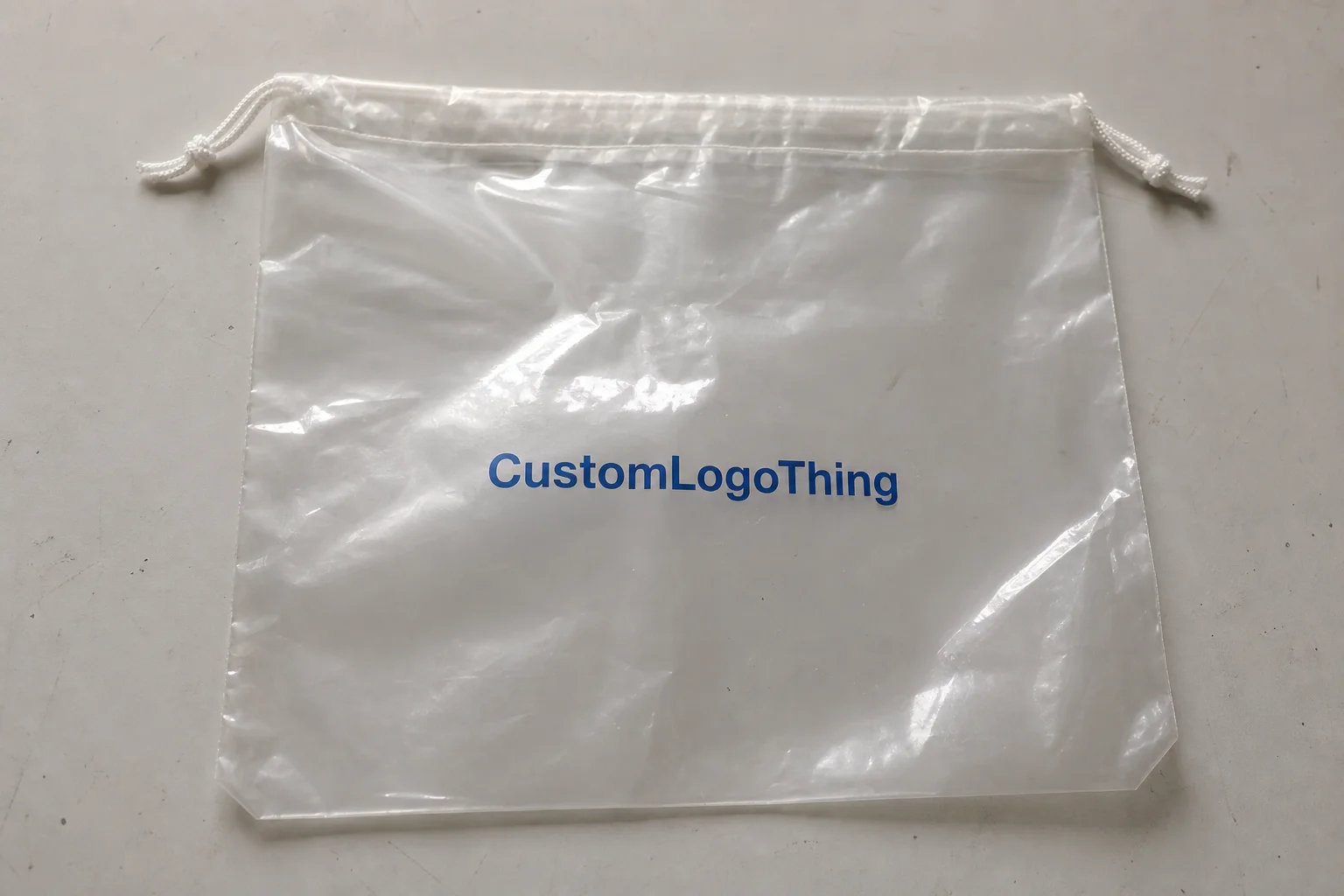
Why personalised plastic shopping bags still work for retail
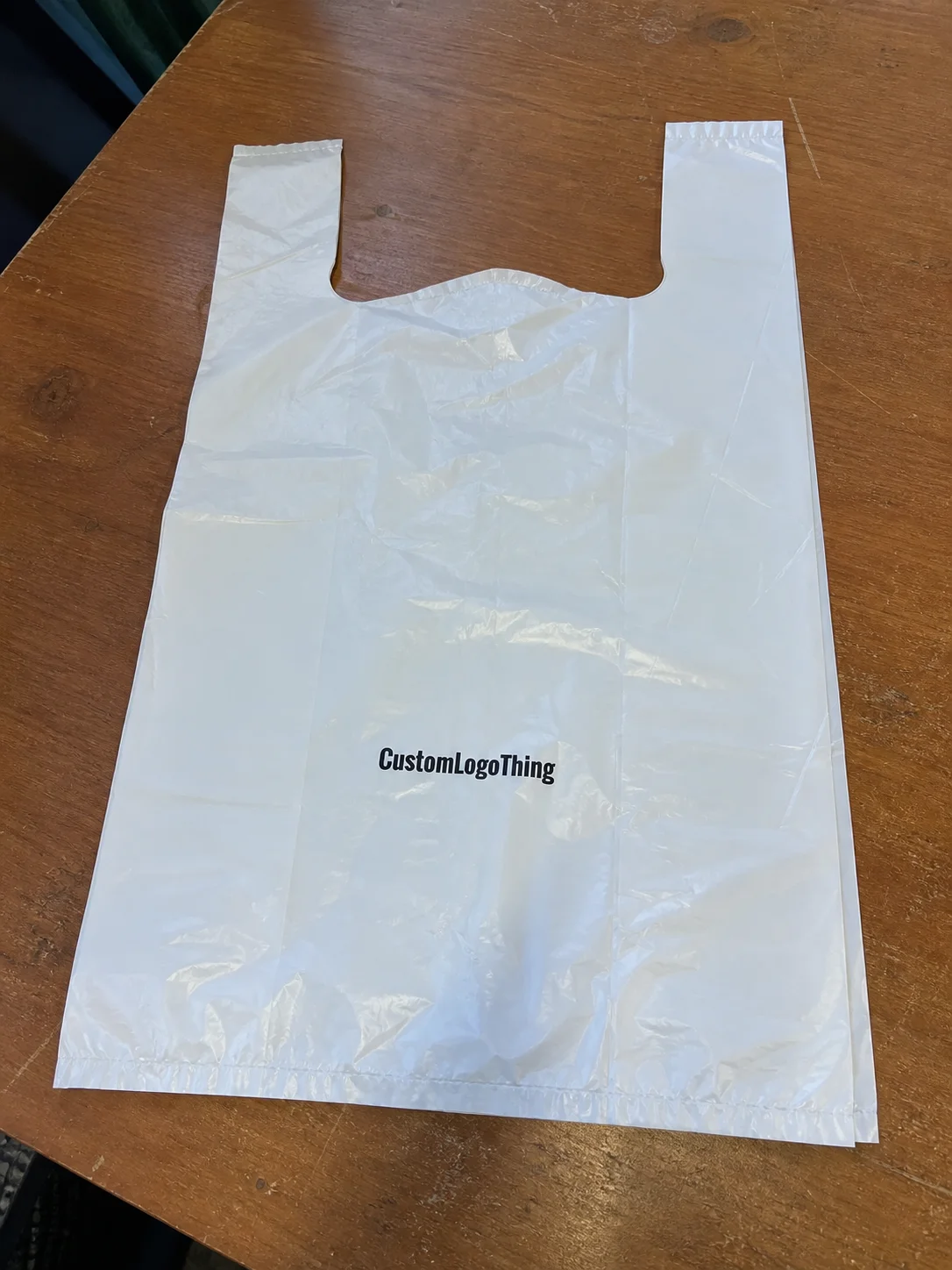
Picture a checkout counter on a busy afternoon. The sale is already won, the customer is waiting, and the only thing between a smooth handover and a badly wrapped product is the bag. That small item does more than carry stock out the door. It keeps the purchase tidy, protects the goods, and continues carrying the brand after the payment terminal has gone quiet.
That is why personalised Plastic Shopping Bags still have a place in retail, gifting, takeaway, and event packaging. They are practical first, promotional second. A bag that tears on the way to the car park is not branding; it is a complaint waiting to happen. A bag that holds shape, prints cleanly, and feels appropriate for the product earns repeat use and a better memory of the store.
The useful part is the visibility. A receipt gets folded, a flyer gets binned, but a bag gets carried through the street, the office, the bus stop, or the car park. Sometimes it gets reused for another errand. That means one item can keep working long after the sale, which is why retailers still care about the detail even if they do not say so out loud.
There is also a practical angle many buyers miss. Plastic bags can be light, water-resistant, and relatively economical at scale, especially for products that need a barrier against moisture or scuffs. The catch is that low cost can quickly turn into false economy if the film is too thin, the handles are weak, or the artwork looks amateurish. A cheap-looking bag makes a store look cheap, whether that was the intention or not.
Quick reality check: most buyers want three things at once — low unit cost, reliable strength, and a clean branded look. You can get close to all three, but only if the specification is chosen with care.
How the custom bag process and timeline works
The ordering process is simpler than the jargon suggests. Start with the brief. Then artwork. Then proofing. Then material selection, production, quality checks, and shipping. If a supplier makes this part sound mysterious, they are usually leaving room to improvise later.
Before requesting a quote, prepare the basics: logo files in vector format if you have them, preferred bag dimensions, handle style, print colours, quantity, and delivery deadline. If the only instruction is “make it look premium,” expect back-and-forth. Specificity saves time, and time is often where hidden cost starts.
There is an important gap between a digital proof and a finished bag. A proof can confirm layout, text, dimensions, and rough colour direction. It cannot fully show how the film handles under load, whether the print sits cleanly on a translucent surface, or how the bag feels when a customer picks it up. For a straightforward retail run, a proof may be enough. For a premium launch or heavier product, a sample is usually worth the extra step.
Lead times vary more than many buyers expect. A simple run using standard film and one-colour printing might be completed in roughly 10 to 15 business days after proof approval. More complex jobs — custom colours, heavier film, special finishes, multi-colour artwork, or larger volumes — often need 15 to 25 business days, sometimes longer if raw material supply is tight. Freight adds its own timetable, especially during busy shipping periods.
Most delays come from predictable causes: artwork revisions, colour matching, stock shortages, and transport delays. Rarely is the problem that the factory has forgotten how to make bags. More often, the approval came late, the artwork changed after sign-off, or a specific film colour was assumed to be off the shelf.
Approval matters more than people think
Once a proof has been signed off, changes usually cost both time and money. A spelling error, a shifted logo, or the wrong handle style becomes expensive quickly if it is caught after approval. The safest habit is to compare the proof against the specification line by line, not just glance at the artwork and hope for the best.
Cost, pricing, MOQ, and unit cost factors
Pricing for personalised Plastic Shopping Bags comes down to a small set of variables that interact more than buyers expect. The main drivers are size, film thickness, print colours, handle style, material type, and quantity. Bigger bags use more material. Thicker bags use more material. More print colours increase setup and production complexity. None of this is glamorous, but it explains most of the quote.
Unit cost usually drops as quantity rises because setup charges are spread across more bags. A 1,000-piece order will generally cost more per unit than a 5,000-piece order with the same print spec. That is why low minimum order quantities are useful for product launches, seasonal promotions, and small retailers who want to test demand before committing to a larger run. The trade-off is straightforward: lower MOQ usually means higher unit cost.
Printing complexity matters too. A one-colour logo on a clean background is usually cheaper than a wraparound design, several ink colours, or fine artwork that needs tight registration. If the design depends on gradients, tiny text, or thin lines, the job becomes more sensitive to print method and material choice. A strong concept can still fail if the artwork is too detailed for the film.
Buyers often underestimate the extras. Setup or plate fees. Samples. Freight. Rush production. Revisions after approval. Special inks. These costs can turn a quote that looks attractive on paper into a much higher landed price. Compare total landed cost, not just the headline unit rate. That is where many budgets go off course.
| Option | Typical MOQ | Unit cost trend | Best for |
|---|---|---|---|
| Stock bag with one-colour print | 500-2,000 | Lower setup, moderate unit cost | Retail basics, events, quick reorders |
| Custom-sized bag with two-colour print | 1,000-5,000 | Higher setup, better unit cost at scale | Brand-led retail, planned launches |
| Heavy-duty or premium finish bag | 2,000+ | Highest material cost, stronger perceived value | Gift retail, premium fashion, repeated use |
Practical range: on smaller runs, the per-unit difference between a basic bag and a premium spec can be sizeable. Once thicker film, special printing, and freight are added, the cheapest quote often stops being the cheapest option. That is not a flaw in the market; it is just what happens when material and transport are part of the equation.
Spec choices that affect strength, print quality and feel
Material choice sets the tone before the logo is even printed. Lightweight film suits low-cost retail items and short carry distances. Thicker film is better for heavier products and generally feels more trustworthy in the hand. Some buyers ask for recycled content, and that may be possible on certain runs, but availability depends on supplier capability, print method, and the appearance required. If sustainability claims matter, ask for documentation rather than a vague eco-friendly label.
Handle style changes the user experience more than many briefs allow. Die-cut handles are simple and cost-effective. Loop handles are usually more comfortable and can carry better. Patch handles reinforce the grip area and are useful when weight is a concern. If the contents are light, a simpler handle may be perfectly adequate. If the bag is carrying apparel, boxed products, or bundled items, reinforcement starts to make sense fast.
Thickness affects both strength and perception. Very thin bags save money, but they can tear more easily and feel disposable in the wrong way. Thicker film reduces the chance of seam failure and often gives print a more controlled surface. The sweet spot is usually somewhere between overbuilt and fragile: strong enough that customers trust it, light enough that the packaging budget still works.
Printing method should be matched to the artwork rather than chosen by habit. Simple logos and flat colours may work well with basic print methods. Fine detail, larger coverage, or exact colour matching may need a more controlled process. If the logo includes small text or delicate outlines, ask whether the material and print method can actually hold it cleanly. A beautiful file that prints poorly becomes expensive decoration.
Finish can change the mood of the bag, but it cannot rescue weak construction. Gloss gives a brighter, sharper look. Matte feels calmer and more restrained. Soft-touch can read as premium, though it is not suitable for every bag type. Frosted effects can work well for fashion or gifting. None of these finishes fix poor weight-bearing performance or sloppy seams.
Good bag design is functional design. Legibility, strength, and print placement matter as much as colour choice. If the logo disappears when the bag is full, the branding has failed its job.
Step-by-step ordering checklist for buyers
Use this checklist before asking for quotes. It removes a lot of the usual noise from the process.
- Define the use case. Retail, takeaway, events, gifting, and promotional distribution all need different bag specs.
- Choose the right size. Measure the actual products, including packaging height and any awkward shapes.
- Select the print area. Decide where the logo should sit and how many colours are really needed.
- Request comparable quotes. Keep the same specification across suppliers so you are comparing like with like.
- Review proofs carefully. Check spelling, bleed, handle placement, print placement, and expected colour output.
- Confirm lead time and shipping. Ask for production time, freight method, and a buffer for delays.
- Order a sample when needed. If the bag carries heavy items or represents a premium range, test it first.
A practical rule helps here: the bag should fit the product with a little room to spare, not by force. If it is too small, checkout becomes awkward. If it is too large, the item shifts around and presentation suffers. Neither outcome helps the customer experience.
Common mistakes that drive up reprint costs
The most common mistake is ordering the wrong size and trying to live with it. That is how you end up with crushed packaging, awkward handouts, and unhappy staff at the counter. Close behind that is choosing the thinnest film available and then discovering the handles stretch, distort, or split under normal use.
Artwork quality causes a surprising number of problems. Low-resolution files, screenshots, and compressed logos often look acceptable on a monitor but print badly on translucent film. Fine outlines can blur, small text can disappear, and colours may shift more than expected. If the design was exported from a web graphic, the result often looks exactly like a web graphic.
Another expensive habit is comparing quotes without checking what is included. Does the price include freight? Setup? Samples? Finishing? If not, the lower number may not be the lower cost. Skipping sample approval can also be expensive if the brand depends on exact colour, print placement, or a particular finish.
Compliance is easy to overlook. If the bags will be used in a regulated market or specific retail environment, check local rules on thickness, labelling, recycling claims, or bag restrictions. Public guidance from bodies such as EPA can help with broader packaging and waste context, but local requirements still decide whether a bag is suitable for sale or use. Broad claims are not a substitute for actual compliance.
Expert tips to make the bags look better and cost less
Want the bag to look better without inflating the budget? Start with a single strong logo placement. A clean front panel often performs better than cluttered artwork across every side. It is easier to print, easier to read, and usually cheaper. Buyers sometimes overdesign packaging simply because there is space to use.
Keep the colour count under control if price matters. One or two solid colours are easier to produce than a design that needs several shades and constant matching. If the brand can work with a standard film colour instead of a custom colour, that can save both money and lead time. That is not a downgrade. It is sensible purchasing.
Match the bag spec to the product weight. A light accessory does not need the same construction as a heavier apparel or grocery item. Overbuilding packaging wastes budget. Underbuilding it is worse, because then the replacement cost starts to eat the savings from the first order.
Where possible, ask for standard material or colour options. Special finishes and custom colours can add both cost and delay. If the launch date is fixed, a simpler specification often protects the schedule better than a more elaborate one.
Plan reorders before stock runs out. Rush fees are the penalty for late decisions. If the bag works and the proof has already been approved, reorder while there is still time to buy calmly. Calm buying usually gets better results than panic buying.
Next steps: get the right spec before you request quotes
Before contacting suppliers, write down the products the bag must carry, the average weight, and the setting in which the bags will be used. Retail counter, event giveaway, premium gift packaging, takeaway service: each use case changes the specification. If that context is missing, the quote will be built on assumptions.
Then gather the artwork files, colour references, target quantity, and delivery postcode. Ask for at least two quotes using the same specification. If one supplier is quoting a 38-micron bag and another is quoting a 60-micron bag, those are not competing offers. They are different products with different cost structures.
Request proofing details, timeline, and setup fees in writing. If the order is tied to a launch or seasonal campaign, build in extra time for revisions and shipping. A few spare days can absorb a late approval or an unexpected delay in freight. Without that buffer, even a small slip can affect the whole schedule.
Once the specification is locked, move decisively. Delays usually come from indecision, not manufacturing mystery. And if the product is leaving the store in personalised Plastic Shopping Bags, the bag has to do three jobs at once: hold up, print clearly, and fit the budget. That combination is what makes the packaging feel deliberate instead of improvised.
FAQ
What should I check before ordering personalised plastic shopping bags?
Check bag size, thickness, handle style, print colours, quantity, and delivery deadline. Make sure your artwork file is high resolution and that the logo placement is clear. Ask whether setup fees, samples, and freight are included in the quote.
How much do personalised plastic shopping bags usually cost?
Cost depends on size, material, thickness, print colours, and order volume. Higher quantities usually lower the unit cost because setup costs are spread across more bags. The cheapest quote is not always the best if freight, artwork changes, or weak bags increase the real cost.
What is the typical lead time for personalised plastic shopping bags?
Simple orders can be faster, while custom colours, multi-colour printing, or large volumes take longer. Artwork approval, sample requests, and stock availability can add extra days or weeks. Always confirm the production schedule before you approve the order.
Can I order a low MOQ for personalised plastic shopping bags?
Yes, many suppliers offer lower minimums for smaller test runs or local businesses. Lower MOQ orders often have a higher unit price because setup costs are divided across fewer bags. If you plan to reorder, ask about pricing tiers so the first run does not distort your budget planning.
What makes personalised plastic shopping bags look more premium?
A clean layout, strong logo contrast, proper sizing, and a bag thickness that feels sturdy. A matte or frosted finish can look more upscale than a thin glossy bag. Matching the bag spec to the product weight makes the whole package feel more considered.