For many retailers, the bag handed across the counter is the last physical item a customer touches. That is one reason custom printed Plastic Shopping Bags wholesale remains a practical purchasing decision rather than a decorative one. A well-made bag carries the purchase, keeps checkout moving, and keeps your logo in circulation after the receipt is folded away.
The buying logic is straightforward: dependable performance, clean branding, and unit economics that improve when the order is planned around actual usage. Bag style, film thickness, print coverage, and quantity all affect the final price and the customer experience. Skip those details, and the cheapest quote often turns into the most expensive mistake.
Why Wholesale Plastic Shopping Bags Still Win at Checkout
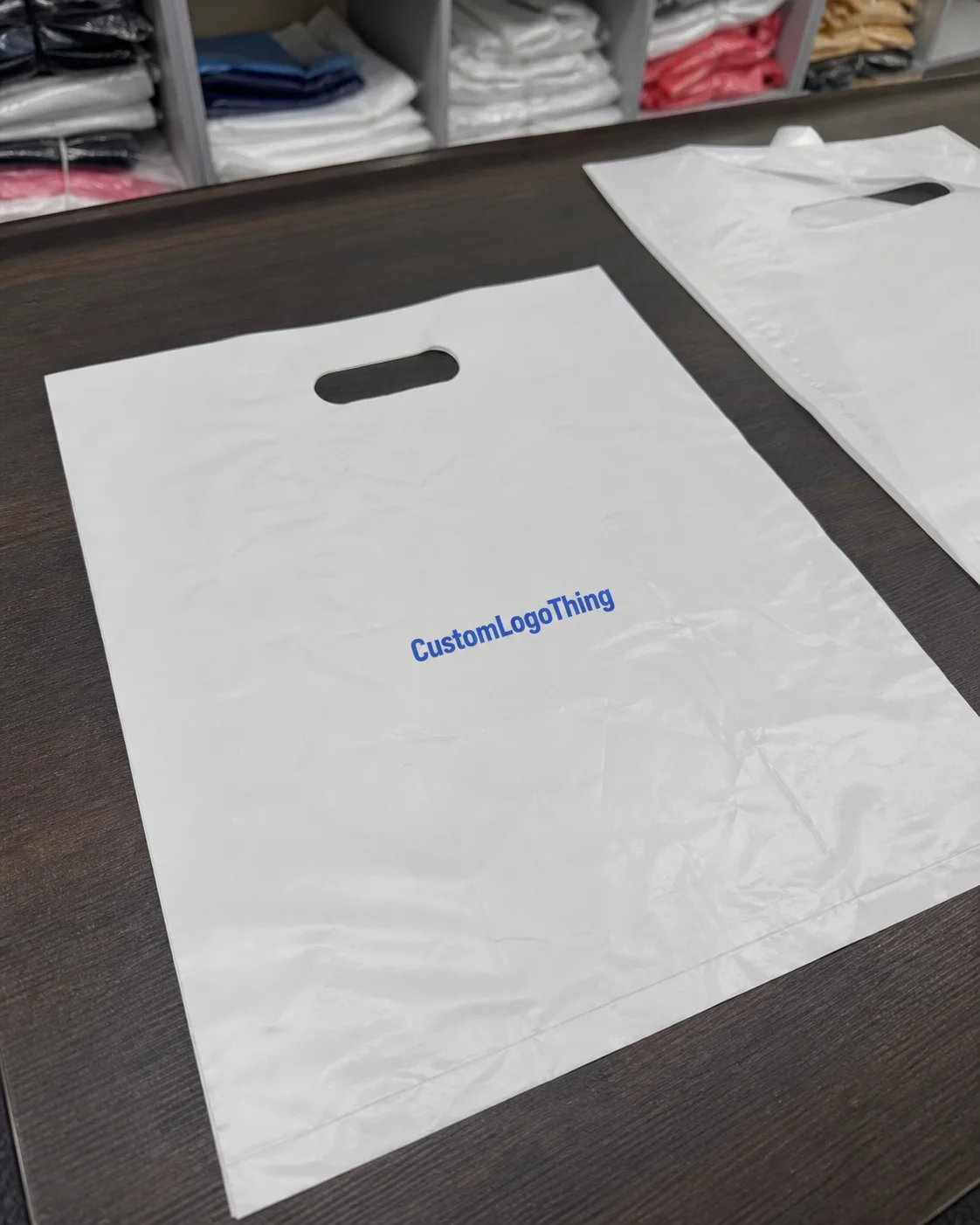
Plastic shopping bags are still selected for busy counters because they stack neatly, dispense quickly, and handle fast-moving checkout lanes well. That sounds minor until you are bagging fifty transactions an hour. A bag that opens easily and holds its shape saves time on every sale, and small time savings add up in stores where lines form at lunch, weekends, or seasonal peaks.
They also perform well in damp conditions. Paper can be a better fit for some brands, but plastic is less likely to soften, sag, or tear when a customer walks out with wet packaging, cold products, or mixed merchandise. For convenience stores, apparel shops, pharmacies, gift retailers, and general merchandise counters, that consistency is a strong advantage.
The branding value is practical, not abstract. A printed bag is a moving surface for store names, logos, promotional messages, and seasonal graphics. It travels through parking lots, office lobbies, elevators, sidewalks, and car seats after the sale is over. That repeated exposure is one reason package branding still matters in brick-and-mortar retail.
Wholesale purchasing also changes the math. Once usage is measured realistically, a buyer can select the right size, gauge, and print area instead of scrambling for emergency stock. That usually improves unit cost, reduces waste, and prevents the common problem of mismatched cartons sitting in the back room because they were ordered in a rush.
For multi-location retailers, this is one of the simplest items to standardize. The bag becomes part of the store identity, much like signage, tissue, tags, and other retail packaging used at checkout and in take-home presentation.
“The best bag is the one customers barely notice while carrying it, but still remember when they see the logo again.”
Product Details Buyers Should Review Before Ordering
Not all Printed Shopping Bags are built the same, and the differences are easy to miss if you only compare artwork mockups. The first decision is construction style, because that determines how the bag feels in hand and how efficiently it can be packed, stored, and distributed. Vest or T-shirt bags are common in high-volume checkout because they are familiar, quick to dispense, and usually the most economical. Die-cut handle bags feel cleaner and more retail-forward. Patch-handle and loop-handle styles tend to be used when presentation and carrying comfort matter more.
Material choice comes next. High-density polyethylene (HDPE) is typically chosen for lighter-weight, high-count orders because it is efficient and holds its shape well. Low-density polyethylene (LDPE) has a softer feel, more stretch, and a smoother hand, which can suit stores that want a slightly more premium presentation. Recycled-content blends can be appropriate when a buyer has a sustainability target or a store standard that calls for post-consumer or post-industrial content, but the actual performance depends on the blend and the intended use.
Print method matters just as much. For large wholesale runs, flexographic printing is common because it handles repeat production efficiently and keeps per-unit cost under control. The tradeoff is setup discipline. Multi-color work, broad solid areas, and tight registration require more preparation than a simple one-color logo with clean type.
Handle design and finish affect customer perception in a direct way. Die-cut handles create a cleaner look. Patch handles add reinforcement. Loop handles improve carrying comfort when the bag is expected to hold more weight or travel farther from the store. Gloss finishes tend to look bright and crisp, while matte surfaces feel more restrained. Neither is universally better; the right choice depends on the store image and what the bag is carrying.
- Vest/T-shirt bags for speed and cost control
- Die-cut handle bags for a cleaner retail presentation
- Patch-handle or loop-handle bags for more comfortable carrying
- HDPE or LDPE films matched to product weight and feel
- Custom sizing and bundling for store-specific stocking needs
If the bags will carry groceries, apparel, or mixed merchandise, ask about load expectations and whether the construction includes side gussets or a flatter profile. That one detail changes how the bag opens, how it sits on the counter, and how much it flexes when filled. It also affects whether the finished bag feels sturdy or flimsy in the customer’s hand.
Bag Specifications That Affect Performance and Shelf Appeal
Before ordering, buyers should confirm the full specification set, not just the artwork. Width, gusset, height, film thickness in mils, print area, color count, and the actual bag style all shape the finished result. A bag that looks right on screen can behave very differently once it is made in a real production run.
Thickness is one of the most misunderstood variables. A lighter gauge can work for apparel or small impulse items, where the bag does not need much load support. Heavier retail items, multiple purchases, or store formats that expect bags to be reused may justify a thicker build. The difference is visible in hand, and customers feel it immediately. In practice, a bag that is too thin usually fails in the first place customers notice: the checkout counter.
Print layout deserves equal attention. Logo placement should be reviewed against the gusset and handle area, because artwork that sits too close to a fold can distort after production. Large solid ink areas can also change the perceived quality of the bag. A clean, balanced design often looks more polished than a crowded graphic with too many elements competing for space.
Operational and compliance checks matter as well. Some buyers need resin identification, recycling symbols, or recycled-content labeling. Others have to track state or local bag rules, which can affect thickness, material type, or permitted use. For public guidance on waste and recycling topics, the EPA is a useful reference at epa.gov, and industry terminology is also documented by the Plastics Industry Association.
Carton pack also deserves attention. Bags may ship loose, bundled, or boxed, and each method changes storage and warehouse handling. A store with limited back-room space may prefer tighter cartons. A distributor allocating stock to multiple locations may want pallet-friendly packing that speeds receiving and replenishment. These details are not glamorous, but they affect day-to-day use more than most artwork decisions do.
| Spec Item | Why It Matters | Typical Buyer Decision |
|---|---|---|
| Film thickness | Controls strength and hand feel | Light apparel bags vs. heavier merchandise bags |
| Print colors | Influences setup and appearance | One-color for economy; multi-color for stronger branding |
| Handle style | Changes carrying comfort and presentation | Vest, die-cut, loop, or patch-handle selection |
| Carton pack | Affects storage and warehouse handling | Loose pack, bundle pack, or boxed cartons |
For buyers comparing Custom Printed Plastic shopping bags wholesale options across suppliers, the best spec sheet is the one that makes products easy to compare line by line. That is how you avoid treating two very different bags as if they were interchangeable simply because they carry the same logo.
Custom Printed Plastic Shopping Bags Wholesale: Cost, Pricing, and MOQ
Price is usually driven by five things: bag size, film gauge, bag style, print color count, and total quantity. If any of those variables change, the quote changes with them. A small die-cut bag with one-color print is very different from a large loop-handle bag with full branding on both sides and the gusset.
Minimum order quantity, or MOQ, reflects the reality of setup. A custom run may require plates, cylinders, press setup, and proofing time before the first sellable bag is made. That is why larger orders usually lower unit cost: the fixed setup costs get spread across more pieces. For a buyer planning recurring replenishment, that can make a meaningful difference in annual spend.
What should be included in a quote? Ideally, all of it: artwork review, material selection, print setup, proofing, freight terms, and any special packing instructions. If a quote leaves out those details, the comparison is incomplete. Buyers end up trying to compare what looks like a lower price, only to find the spec is thinner, the print limit is lower, or shipping was never included.
As a practical range, simple one-color runs often land in a better cost position than heavier print coverage. A buyer ordering 5,000 bags may see a very different unit cost than one ordering 25,000 or 50,000, especially if the artwork is straightforward and the film choice is standard. Exact numbers depend on the bag style and shipping destination, but the direction is consistent: higher volume usually improves economics.
There is a useful distinction buyers sometimes miss. A cheaper bag is not always the better buy if it tears, prints poorly, or arrives in packaging that is hard to store. True value is the cost per usable bag, not the lowest line item on paper. A thin bag that forces double-bagging or generates customer complaints is not saving money.
- Low-color artwork usually improves pricing
- Higher quantity tiers usually reduce unit cost
- Premium handles or thicker film raise the price
- Freight method can change the final landed cost
If you want to see how wholesale packaging programs are structured, our Wholesale Programs page is a useful starting point for planning volume, timing, and reorder cadence.
Production Steps, Lead Time, and Delivery Expectations
The normal workflow is straightforward: inquiry, spec confirmation, artwork submission, proofing, production, packing, quality check, and shipment. That sequence sounds simple, but it is where many delays begin. The fastest orders are usually the ones where the buyer submits final artwork in vector format, confirms the exact dimensions, and approves proofs without back-and-forth.
Delays most often come from missing information. An incomplete logo file, an unclear Pantone target, a last-minute size change, or delayed proof approval can push a job back several days. In custom manufacturing, the production line can only move as fast as the paperwork and approvals allow. A rushed order with unresolved details rarely finishes on time.
Lead time depends on quantity, print complexity, and material availability. A smaller, simple bag order can move faster than a multi-color run with specialty construction, while imported production and domestic production may follow different schedules entirely. Shipping time should always be checked separately from production time, because those are two different clocks.
For planning, many buyers want a realistic window rather than a promise that sounds convenient. That is the right instinct. Depending on the spec and the current schedule, production can take roughly 12 to 15 business days after proof approval for a standard run, but larger or more complex jobs may require more time. Freight can add several days more, especially if the destination is far from the shipping origin or if pallet delivery is required.
The most efficient orders have three things in common: clear artwork, confirmed dimensions, and prompt communication. Those steps save more time than any rush request because they remove the usual friction before the press starts moving. They also reduce the chance of rework, which is the slowest and most expensive way to solve a problem.
“The cleanest order is the one that answers the basic questions early: size, color count, material, quantity, and destination.”
How Our Manufacturing Approach Supports Reliable Reorders
Reorders are where a packaging supplier proves whether they are set up for real retail use or only one-time sales. Consistent print registration, repeatable film quality, and steady color matching matter because a store does not want a new shipment that looks slightly different from the last one. That kind of variation stands out on the sales floor and in the back room, even when the differences are subtle.
Our approach is built around spec verification before production. Forcing a generic bag into the wrong application is a poor trade for the buyer. A bag that works for light accessories may not be the right choice for folded apparel or multi-item retail orders. Matching the product to the use case keeps complaints down and reorder confidence up.
Quality control should include material inspection, print verification, seal-strength checks, and carton count review before shipment. Those checks are not glamorous, but they are the difference between a smooth receiving process and a box of problems. When a client depends on store replenishment, the goal is to make the receiving team’s job easy the first time and every time after that.
Prepress support is another area where a good supplier adds value. Small corrections made before production cost far less than fixing an error after thousands of bags have already been printed. If a logo needs a line cleaned up, if text needs more breathing room, or if a background tint needs adjusting, that is the time to do it. Once the run starts, changes become expensive quickly.
For broader branded supply needs, buyers often pair shopping bags with tissue, labels, mailers, or custom printed boxes to keep the store’s brand presentation consistent across touchpoints. That consistency matters more than many teams realize, because the customer notices it even when they cannot explain why the brand feels more polished.
What to Prepare Before Requesting a Quote and Placing the Order
A good quote starts with good inputs. Before requesting pricing, gather the bag style, finished dimensions, print colors, quantity, logo files, and delivery location. If you can also share the end use, that helps more than many buyers expect. Apparel, grocery, convenience, and general retail all create slightly different requirements for thickness, handle style, and bag size.
Your artwork should be in vector format whenever possible, because vector files keep the edges crisp at production scale. If you have brand standards, send approved color references too. That reduces guesswork and shortens proofing time, especially when a printed logo has to match a known identity system. A vague color note rarely ends well.
Storage conditions are easy to overlook. If bags will sit in a humid back room, be split across multiple locations, or need compact carton packs for shelving, tell the supplier before production begins. Those handling details can affect how the order is packed and delivered. A few minutes of planning here can save hours in receiving.
Here is the most practical buying path:
- Define the use case and bag style.
- Confirm size, film thickness, and print color count.
- Send final artwork and any color references.
- Review the proof carefully before approval.
- Plan reorder timing before stock runs low.
If you are comparing options for custom printed Plastic Shopping Bags Wholesale, request pricing using exact specs rather than a rough description. That is the fastest way to get quotes you can trust, compare tiers accurately, and make sure the finished bag fits the store, the product, and the budget.
Frequently Asked Questions
What affects the price of custom printed plastic shopping bags wholesale?
The biggest drivers are bag size, film thickness, bag style, print color count, and total quantity ordered. Setup costs and proofing also matter, especially when the artwork requires separate plates or multiple production passes. Comparing quotes only makes sense when the specs are identical.
What is the usual MOQ for custom printed plastic shopping bags?
MOQ depends on bag style, print method, and production setup. Simple one-color runs often allow lower minimums than high-color or specialty construction bags. Ask for tiered pricing so you can see when ordering more actually improves unit cost.
How long does production usually take for printed shopping bags?
Lead time depends on quantity, print complexity, material availability, and proof approval speed. The fastest orders are the ones with final artwork, confirmed dimensions, and prompt proof sign-off. Shipping time is separate from production time, so both should be checked before ordering.
Can I use my own logo on custom printed plastic shopping bags wholesale orders?
Yes, most custom orders are built around your logo, brand colors, and approved artwork files. Vector files are preferred because they keep print edges cleaner at production scale. A proof should always be reviewed before manufacturing starts.
Which bag style is best for retail stores and checkout counters?
Vest/T-shirt bags work well for speed and volume, while die-cut and loop-handle styles often feel more premium. The best choice depends on what is being carried, how the bags are stored, and the impression you want at checkout. Matching the style to the product mix is more important than choosing the cheapest option.


