At checkout, the bag leaves with the customer, but it keeps working for your brand long after the receipt is folded away. That is why wholesale plastic shopping Bags with Logo deserve more scrutiny than many buyers first give them. A good bag is not just a carrier; it is the last physical touchpoint, the thing people notice in a parking lot, on a train, or tucked into a retail cart. Print quality, handle comfort, and film strength matter in very practical ways.
From a packaging buyer’s point of view, the smartest purchase is rarely the prettiest sample. It is the bag that shows up consistently in cartons, prints cleanly across the run, and holds up to the weight staff actually pack every day. That is the real standard for wholesale plastic shopping Bags with Logo.
Why wholesale logo bags still make sense at the register
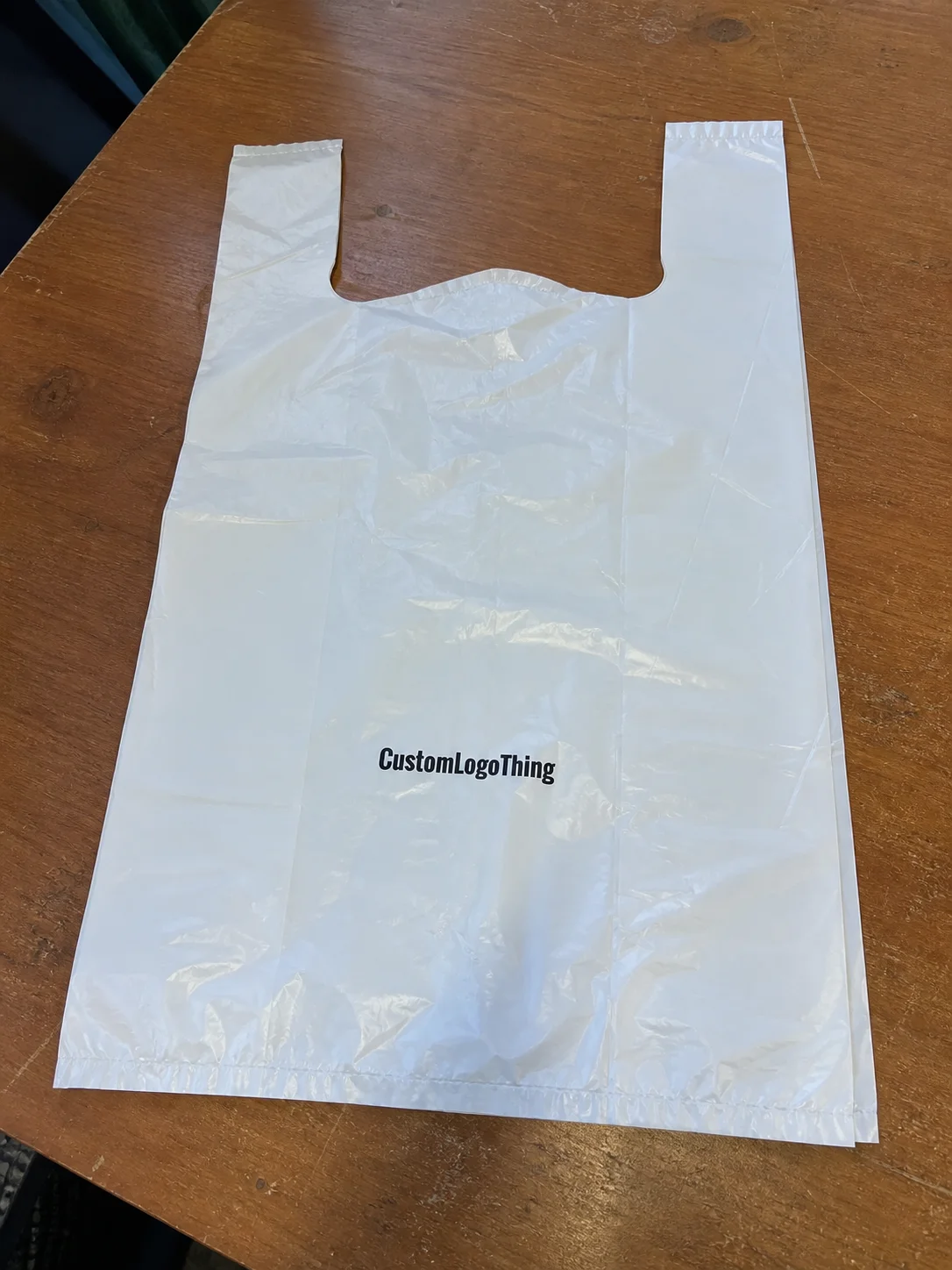
In a busy store, every second at the register matters. A bag that opens easily, takes a decent load, and carries a clear logo can help the line move without creating extra handling steps. That matters in apparel boutiques, grocery, pharmacies, gift shops, and quick-service takeout counters. In practice, the right bag reduces the need for a second wrapper or an extra sack, especially when you are packing lightweight items that do not need a box.
Brand recall is another quiet advantage. A shopper may not remember the exact SKU they bought, but they often remember the custom-printed carry bag they walked out with, especially if the print is crisp and the bag feels substantial in hand. That kind of repeated exposure is hard to buy in any other packaging format at the same per-unit cost.
Most buyers compare three things first: durability, print clarity, and unit cost. Aesthetic preferences matter, but if the bag tears at the handle or the logo disappears into a thin film, the packaging has failed its job. Wholesale purchasing is about consistency across thousands of pieces, not a single display sample that happens to look excellent under showroom lighting.
“The best retail bag is the one customers barely notice while carrying it, but they absolutely remember the brand on it.”
That is why many purchasing teams use wholesale plastic shopping Bags with Logo as a repeat order item rather than a one-off promotion. Once a size, gauge, and print setup are dialed in, the reorder process gets easier, the cartons arrive more predictable, and the checkout team gets a bag they already know how to pack.
Bag styles, film types, and print methods that affect performance
There is no single best bag. The right choice depends on what you are carrying, how the bag is handed to the customer, and how much branding space you want. The most common construction choices are simple, but the differences matter a lot in daily use.
- T-shirt bags are lightweight, easy to dispense, and familiar to staff. They are a strong fit for grocery, convenience, and takeout when speed matters.
- Die-cut handle bags feel a bit more polished and are often used for retail clothing, gifts, cosmetics, and event giveaways.
- Merchandise bags are usually straightforward flat or gusseted bags with a clean presentation for smaller items.
- Loop-handle styles offer a more substantial hand feel and are often chosen when a premium presentation is part of the selling point.
The film material is just as important as the style. HDPE tends to feel lighter and crisper, and it is often chosen for cost-sensitive programs where bag count is high and the contents are relatively light. LDPE feels softer, drapes more naturally, and usually gives a more substantial hand feel. Recycled-content options can also make sense when you want to reduce virgin resin usage, but the exact look and feel depend on the blend and the recycling stream used to make it.
Thickness, often described as film gauge or mil count, affects puncture resistance and load confidence. A thinner bag can work well for low-weight merchandise, while a thicker film may be better for heavier apparel, boxed items, or anything with sharp corners. Handle style and seal strength are part of that equation too, because a comfortable handle does not help much if the seal area is weak or the bag stretches too far under load.
Print method also shapes the final result. Flexographic printing is the standard workhorse for many wholesale orders because it is efficient on long runs and handles one- to several-color artwork well. Simple logos usually keep the price lower, while multi-color designs can raise both setup time and registration demands. Full-bleed coverage or dense ink areas can also affect drying, stacking, and overall lead time.
| Bag type | Typical use | Common material feel | Best for |
|---|---|---|---|
| T-shirt bag | Retail, grocery, takeout | Light, crisp, economical | High-volume checkout speed |
| Die-cut handle bag | Boutiques, events, gifts | Smoother, more polished | Brand presentation |
| Merchandise bag | Small items, folding goods | Varies by gauge and resin | Flexible packing options |
| Loop-handle bag | Premium retail, promotions | Substantial, comfortable | Better hand feel and carrying comfort |
Artwork, sizing, and print-area specifications to confirm first
Before you request quotes for wholesale plastic shopping Bags with Logo, confirm the core dimensions. You need the bag width, gusset depth, height, film gauge, handle type, and the usable print area. Those numbers determine whether the packaging fits the product, how much branding space is available, and whether the artwork will remain visible once the bag is filled.
Logo placement should account for seams, folds, handles, and the carry zone. A design that looks perfect in a proof can disappear into a gusset or sit too low on the bag once items are inside. That is one of the most common mistakes buyers make, especially when they are repurposing artwork from another packaging format.
Artwork files matter too. Vector files such as AI, EPS, or PDF are preferred because they keep edges sharp at scale and make the prepress process cleaner. If your logo uses exact brand colors, ask about Pantone matching or the closest practical ink match, because converted colors can shift slightly on film depending on the substrate and press setup.
There are also production limits to keep in mind. Very fine lines can fill in, small reverse-type details may not hold up well, and heavy ink coverage can create longer drying requirements. If you need barcodes, recycling marks, warnings, or compliance text, those elements should be positioned carefully so they do not collide with the main logo or fall into a seam.
From experience, the best approach is to review the size drawing before you get attached to the artwork. A 1-inch change in width or gusset can change the entire layout, and that is much easier to solve before the order is released than after production has started.
For buyers who want a structured sourcing process, our Wholesale Programs page is a useful place to start building your spec sheet and reorder plan.
Wholesale plastic shopping bags with logo: cost, MOQ, and quote factors
Pricing for wholesale Plastic Shopping Bags with logo is driven by a few predictable variables: size, material thickness, number of print colors, order quantity, and shipping method. Once those are known, the quote usually becomes much easier to compare. The biggest misconception is that one sample price tells the whole story. It does not.
Higher quantities usually bring the unit cost down because setup, plates, and proofing are spread over more bags. Short runs can still make sense for seasonal programs or limited product launches, but the per-bag cost tends to be higher because the fixed setup charges remain the same. If you need multiple artwork versions or multiple bag sizes, each variation may add its own setup cost.
MOQ realities vary by construction. A supplier may quote a bag style at a low quantity, but the film, ink, or press setup may still require a practical minimum to run efficiently. That is why it helps to ask for multiple price breaks instead of only one number. A quote at 5,000 pieces, 10,000 pieces, and 25,000 pieces often shows where the real value threshold sits.
Here is a practical way to compare the economics.
| Order level | Typical unit cost trend | What to watch |
|---|---|---|
| Short run | Highest per bag | Setup fees have less volume to absorb them |
| Mid-volume | Often the best balance | Good place to test fit, print, and usage |
| High volume | Lowest per bag | Storage space and cash flow matter more |
For a buyer, the real question is not only “What is the cheapest quote?” but “What is the best breakpoint for my usage pattern?” If your store uses 3,000 bags a month, ordering 25,000 may lower unit cost, but it can create storage pressure and tie up budget. That is why asking for pricing at two or three quantities is a smarter move than defaulting to the largest possible run.
As a rough market range, a simple printed bag on a higher-volume run may land far lower per unit than a smaller, multi-color, premium-style bag. Exact numbers depend on gauge, artwork, resin choice, and freight, so treat any estimate as a starting point, not a promise. In practical buying terms, the difference between a plain one-color bag and a heavier custom style can be substantial enough to change your entire annual packaging budget.
Freight matters more than many buyers expect. A lower factory price can disappear quickly if cartons are shipping long distance, if the order is split across multiple drops, or if the receiving window forces expedited transit. Carton count, palletizing, and destination access all influence the final landed cost.
Production steps, proofing, and timeline from approval to delivery
The order flow for wholesale plastic shopping bags with logo is usually straightforward, but it moves faster when the buyer is prepared. The process generally starts with a quote review, followed by artwork submission, digital proofing, prepress adjustments, production, quality control, packing, and shipment. Each stage is simple on its own, yet delays often happen when one step is rushed or skipped.
Proofing is where most schedule problems either get solved or created. A clean digital proof should show bag dimensions, print placement, color callouts, and any warning text or compliance marks. If your logo needs a special Pantone match or the artwork has small type, expect a little back-and-forth before approval. That is normal, and it is better to resolve it early than to discover an alignment issue after the run has started.
Lead time should be discussed in two parts: manufacturing time and freight time. A production schedule might be quoted as 12 to 15 business days after proof approval, but that does not include shipping transit, customs clearance if applicable, or delays caused by artwork revisions. Buyers sometimes compress the timeline by waiting too long to approve a proof, then asking for expedited freight to save the delivery date. That can work, but it usually adds cost.
Material availability can also influence the schedule. Stock resin and standard ink colors are generally easier to source than a custom blend or a specialty recycled-content specification. If you need a unique gauge, a nonstandard handle style, or a very specific color match, ask about availability before you lock in a launch date.
My practical advice is simple: approve final artwork quickly, confirm the ship-to address before production starts, and make sure the receiving team knows the carton count and estimated arrival window. A good supplier will help keep the process organized, but the buyer still controls the two biggest schedule variables: content approval and logistics details.
How to compare suppliers on quality, consistency, and support
Suppliers can look similar on paper, but quality control is where differences become obvious. Ask how they check film thickness consistency, seal integrity, and print registration. Those three areas tell you a lot about how the bags will perform once they are packed, stacked, and handled by store staff who are moving quickly.
Sample quality is useful, but carton consistency is what really matters in wholesale work. One beautiful sample can hide a press issue or a film variance that shows up across the run. A reliable supplier should be willing to discuss tolerances, explain how the bag is inspected, and answer technical questions without dodging the details.
Good support also means clear spec sheets and accurate pre-production paperwork. That helps prevent reorder errors, chargebacks, and mismatched expectations when the same bag is ordered again months later. If a supplier is vague about gauge, dimensions, or print area, that is a warning sign, especially for repeat retail programs where consistency matters.
I also pay attention to whether a supplier recommends the right bag for the application rather than steering every buyer into the same standard option. A bag for heavy apparel should not be specified the same way as a bag for lightweight accessories or takeout containers. The best partner helps match the package to the use case, not just the order size.
For buyers who want a technical benchmark, standards from groups like the ISTA can be useful when you are thinking about transit and handling, while the EPA offers broader guidance on materials and waste considerations. Not every retail bag program needs formal testing, but those references help anchor the discussion in real performance expectations.
One more practical check: ask for a reorder record or spec confirmation that can be saved internally. A lot of packaging mistakes happen months later, after the original buyer has moved on and no one can remember whether the prior run used a 1.5 mil film or a 1.75 mil film. Paperwork is not glamorous, but it protects the program.
Next steps to order the right bag for your retail program
If you want a smoother buying process, gather a few basics before requesting a quote: your logo file, target bag size, estimated monthly usage, preferred handle style, and any must-have print colors. That information gives the supplier a better starting point and usually gets you a more accurate proposal on the first round.
Ask for pricing at two or three quantities so you can compare unit cost against inventory needs. A lower price is only useful if the run fits your storage space and reorder cycle. If you are not sure which style is best, request a material recommendation based on product weight, checkout conditions, and the brand image you want customers to carry out of the store.
It also helps to ask for a proof that reflects the actual bag shape, not just the logo floating on a blank rectangle. The placement, seams, and print window should be shown clearly. If you have a launch deadline, confirm the delivery window before approval, not after, because freight time can change the schedule more than people expect.
For brand programs that will repeat, look for a supplier relationship that supports reorders and spec stability. That is where wholesale plastic shopping bags with logo become a practical asset instead of a recurring headache. Review the specs, confirm the budget, approve the artwork, and place the order with enough time for production and transit to do their jobs properly.
FAQs
What is the best material for wholesale plastic shopping bags with logo?
LDPE is often chosen for a softer feel and better clarity, while HDPE is lighter, crisper, and usually more economical. The best choice depends on what the bag must carry, how it should feel at checkout, and how much print coverage you need.
How do I figure out the right MOQ for printed shopping bags?
Start by matching your expected usage to the supplier’s minimum print run and carton quantity. If you are between sizes or artwork versions, ask for quote breakpoints so you can compare unit cost at different order levels.
Can I print a full-color logo on wholesale plastic shopping bags with logo?
Yes, but the number of colors and print coverage affects pricing, registration complexity, and sometimes lead time. Simple one- or two-color logos usually offer the best value for high-volume wholesale orders.
What file format should I send for the artwork?
Vector files such as AI, EPS, or PDF are usually preferred because they preserve sharp lines and clean scaling. If you only have a raster file, the supplier may still work from it, but the proof stage may take longer.
How long does production usually take after approval?
Production time depends on the bag style, print complexity, and current factory schedule. After proof approval, ask for a clear lead time that separates manufacturing, packing, and shipping so delivery dates are realistic.


