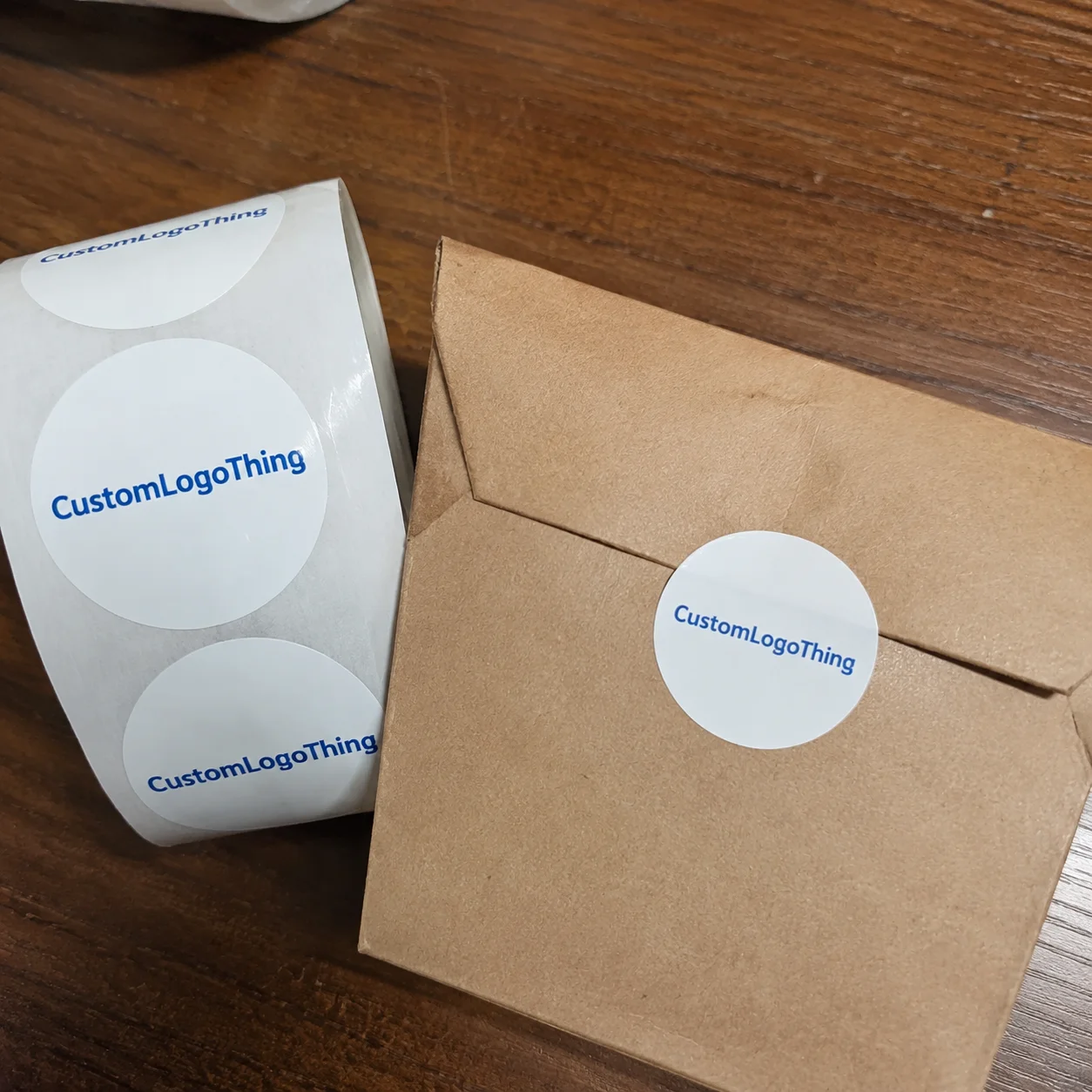
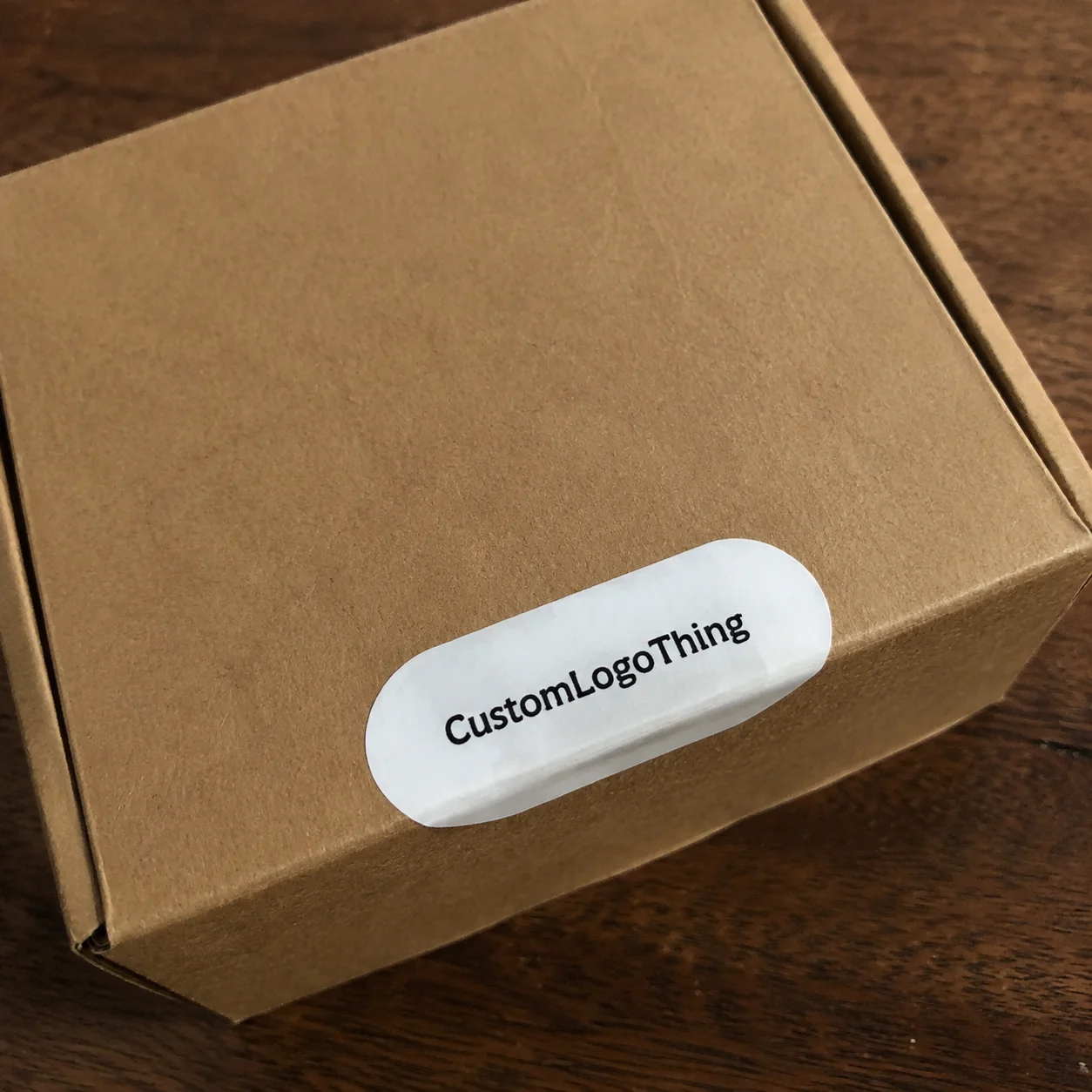
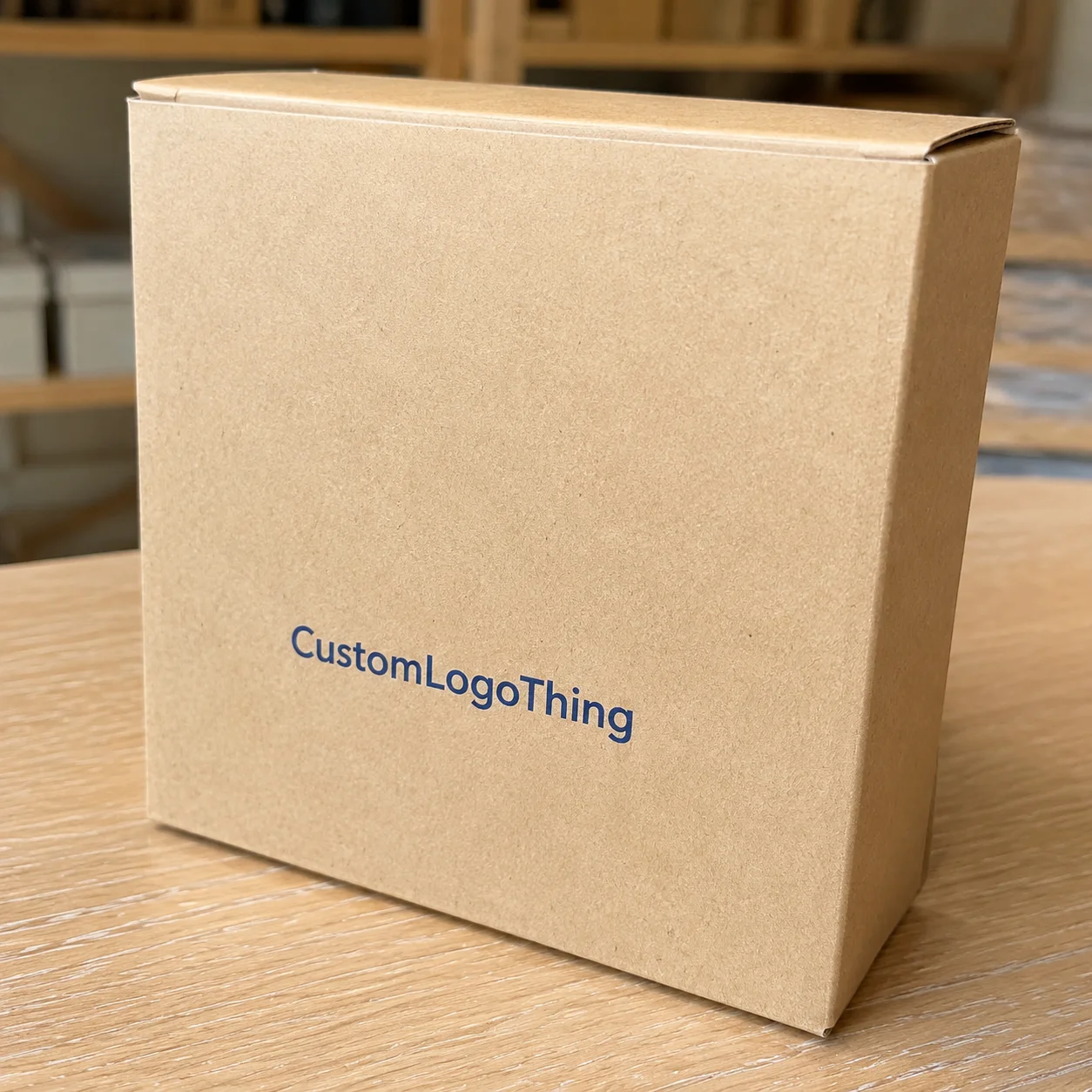
What Personalised Product Labels Really Do on the Shelf
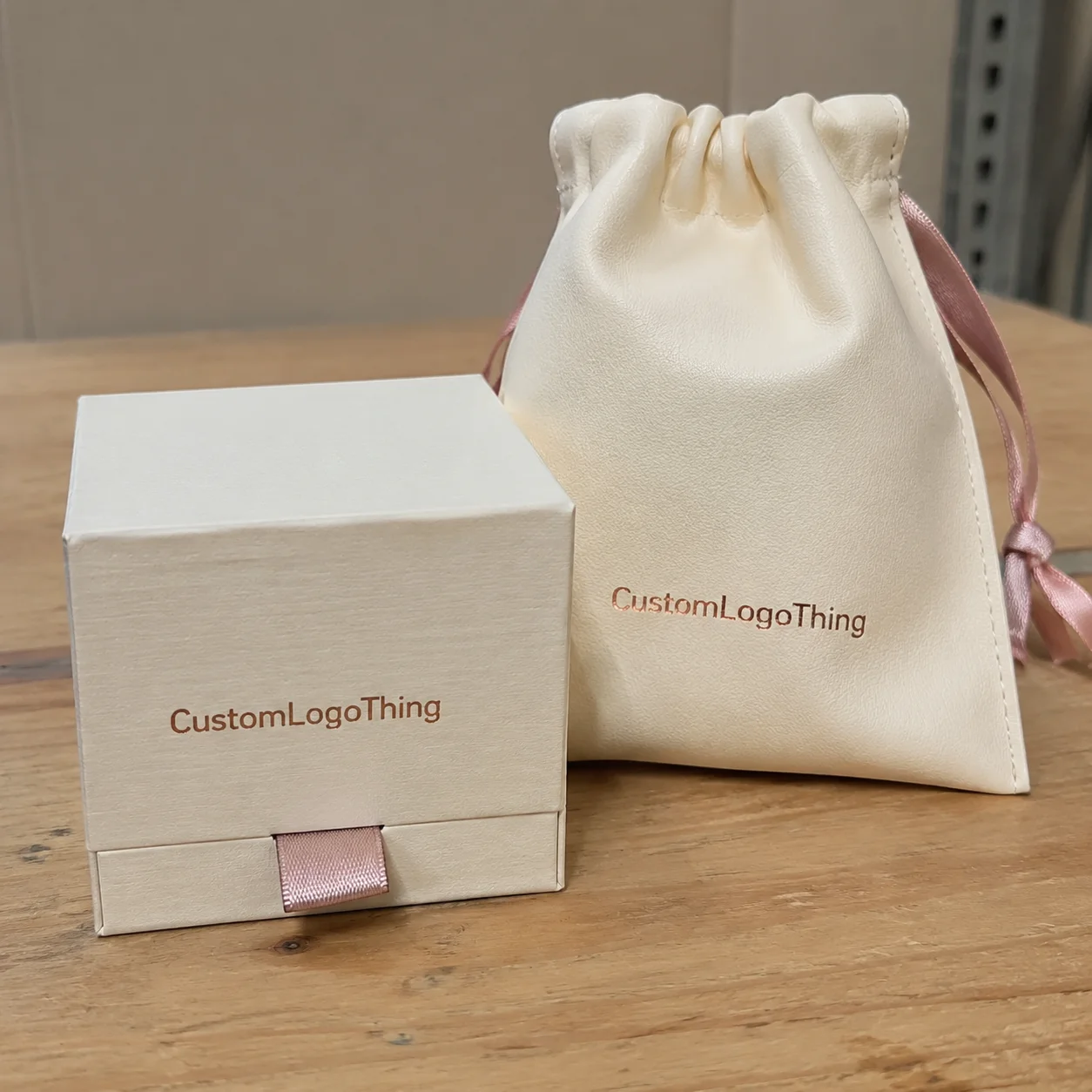
Two similar jars can feel completely different because of label hierarchy, contrast, material, and finish. Before a shopper reads ingredients or compares price, the label signals whether the product feels clear, safe, premium, practical, or confusing. That is the commercial job of personalised product labels.
A product label is not just a logo on a sticker. It is a packaging component built around a specific container, product environment, compliance requirement, and application method. A chilli sauce bottle, candle jar, supplement tub, and face serum tube may all use small printed labels, but each one needs different decisions on material, adhesive, copy space, and durability.
The useful decisions are measurable: label size, surface fit, print method, material, adhesive, finish, barcode placement, batch-code space, roll direction, Cost, Lead Time, and inspection. A sauce label may need moisture and oil resistance. A cosmetic label may need small-type legibility on a curved tube. A candle label may need heat tolerance and a tactile stock that supports gift positioning.
Weakness usually appears late. A label that looked fine on screen may wrinkle on a chilled bottle, lift from a textured pouch, scuff inside a shipper, or place legal copy too close to a curve. Good label planning reduces those risks before product is filled, boxed, or shipped.
How Custom Label Printing Works from File to Finished Roll
The usual production path is straightforward: the buyer supplies artwork, dimensions, container details, quantity, and required copy; the printer checks the file, confirms the specification, sends a proof, prints, finishes, inspects, and ships rolls, sheets, or individually cut labels.
Most buyers choose between digital printing and flexographic printing. Digital printing is often better for short runs, product tests, seasonal designs, and multiple SKUs because it avoids plate setup. Flexographic printing can become more economical for large repeat runs, especially when the same design prints again and again. The break-even point varies, but digital commonly suits hundreds or a few thousand labels, while flexo becomes more attractive as volumes move into the tens of thousands.
Format affects production and application. Roll labels are common for product packaging because they work for hand application and machine application. Sheet labels suit prototypes, small batches, and office-style application. Individually cut labels can work for promotional packs or specialty pieces where presentation matters more than application speed.
Artwork requirements protect the job. A printer will typically ask for finished dimensions, 2mm to 3mm bleed, safe zones for text, vector logos where possible, 300 dpi images, CMYK colour setup, outlined fonts, and correct barcode quiet zones. Barcodes need strong contrast and enough clear space; a poor barcode can fail during retail intake or warehouse scanning.
Proofing is a control point, not a formality. A digital proof checks layout, copy, cut line, and version names. A physical sample or press proof is worth considering when colour, opacity, texture, or container fit is critical. Clear film on amber glass, for example, may need white ink underlay to make the design readable.
Materials, Adhesives, and Finishes That Change Performance
Material choice determines whether the label survives its real environment. Paper labels are economical and attractive for dry goods, boxes, jars, and candles that will not face much moisture. BOPP film is common for moisture resistance and durability. Clear film creates a “no-label” look on glass or plastic. Textured stocks add premium feel for wine, candles, specialty foods, and gift products. Freezer-grade materials are used where ordinary labels may become brittle or lose tack.
Adhesive choice is equally important. Permanent, removable, repositionable, freezer-grade, high-tack, and wash-off adhesives behave differently depending on surface, temperature, moisture, and handling. A smooth PET bottle is different from a fibrous kraft pouch. A chilled drink can develop condensation. A bath product may sit in a steamy shower. A textured carton may need stronger tack because there is less smooth contact area.
Finishes protect the label and change the buying signal. Gloss can make colour look stronger. Matte often feels calmer and more premium. Soft-touch lamination can suit cosmetics, candles, and gifting products, though it may show fingerprints on dark ink. Varnish and laminate help protect against scuffing, oils, and moisture, which matters when labels are packed in corrugated shippers or handled repeatedly in store.
Specialty effects add cost, so they should have a clear purpose. Foil stamping can highlight a logo or flavour cue. Embossing adds touch. Spot UV creates contrast between dull and shiny areas. Metallic inks can add shimmer with less complexity than foil. White ink under clear labels improves readability on transparent containers. Tamper-evident constructions can support food, supplements, cosmetics, and high-value goods.
Practical rule: test the label on the actual container under the worst likely conditions, not only under office lighting.
A basic inspection test is simple. Apply the label to the real container, wait 24 hours, then check edge lift, wrinkles, scuffing, opacity, barcode scan, and small-type readability. If the product will be chilled, refrigerate it. If it will sit in a shower, expose it to moisture. If it ships in mixed cartons, rub two labelled samples together.
For sustainability claims or paper sourcing preferences, ask direct questions. FSC-certified materials may be available for some paper label stocks; the Forest Stewardship Council explains what its certification covers. For distribution performance, packaging tests such as ISTA procedures from ISTA can help brands think beyond the label face and into the shipping environment.
Pricing, MOQ, and Unit Cost: What Drives the Quote
Label pricing is shaped by quantity, size, material, adhesive, print method, number of versions, finishing, die shape, roll direction, packing, and shipping. Labels look simple, but quoting them depends on many production variables.
MOQ means minimum order quantity: the smallest practical run a supplier can print efficiently. A digital printer may handle 250 or 500 labels, depending on size and material. A complex flexo job may need a higher quantity because plates, setup, and machine time must be spread across enough labels.
Unit cost usually drops as volume rises because prepress, proofing, setup, and production time are spread over more pieces. That does not mean overbuying is always smart. Labels can become obsolete if ingredients, barcodes, addresses, certifications, claims, or compliance copy change.
| Order Scenario | Typical Use | Common Cost Drivers | Buyer Watch-Out |
|---|---|---|---|
| 500 digital roll labels | Launch batch, sample run, market test | Artwork setup, material choice, proofing, short-run machine time | Higher unit cost, but less risk of obsolete stock |
| 2,500 digital roll labels | Growing SKU with repeat sales | Label size, laminate, number of versions, shipping | Check tier pricing before choosing a smaller run |
| 10,000+ repeat labels | Established product line | Print method, plate costs, die shape, finishing speed | Flexo may reduce cost, but setup changes matter |
| Specialty premium labels | Cosmetics, candles, gift foods, limited editions | Foil, embossing, textured stock, spot UV, custom die | Confirm lead time and sample appearance before launch |
Common quote variables include custom dies, metallic effects, laminates, variable data, barcode versions, rush production, split shipments, and rewind direction. Rewind direction sounds minor until a label applicator rejects the roll orientation and production stops.
The cheapest label is not always the lowest-cost label. Poor adhesion creates relabelling labour. Scuffed finishes damage brand perception. Tiny compliance text can trigger retailer pushback. Machine application failures waste rolls and delay filling. A few cents saved at the label stage can become dollars lost in labour, freight, or unsellable stock.
Ask for tiered pricing at several quantities, such as 500, 1,000, 2,500, and 5,000 labels. The pattern often reveals the practical reorder threshold. For buyers starting from scratch, the Custom Labels & Tags category is a useful way to frame the label as a packaging component rather than a last-minute decoration.
Process and Timeline: From Brief to Delivered Labels
A typical label project moves through discovery, specification, artwork setup, proofing, approval, production, finishing, inspection, packing, and delivery. Simple jobs move quickly. First-time orders with uncertain materials, container fit, or compliance copy need more time.
To estimate accurately, a supplier needs label dimensions, quantity, material preference, container type, application method, artwork files, number of SKUs, finish requirements, and delivery location. If one of those details is missing, the estimate becomes a guess.
Delays usually come from incomplete artwork, missing nutrition or ingredient panels, late barcode creation, unclear label orientation, colour changes after proof approval, or waiting for physical container samples. One late decision can move the whole schedule because labels are often needed before filling, kitting, or retail photography.
Simple digitally printed roll labels may be produced in several business days after proof approval if material is available and the order is not unusually large. Jobs using custom dies, foil stamping, embossing, specialty materials, or many SKU versions can take longer. Add transit time, internal approval time, and a buffer for the first production run.
A useful launch rule is to approve label artwork only after the container, cap, fill volume, and mandatory product information are final. A small change in bottle shoulder, pouch seal area, or jar radius can reduce usable label space and push legal copy into a curve.
Step-by-Step Guide to Ordering Labels Without Rework
Ordering labels gets easier when the brief follows the way printers produce the job. A strong brief reduces back-and-forth, avoids assumptions, and gives the supplier enough information to flag risks early.
- Define the product environment. Will the label face refrigeration, moisture, oils, sunlight, abrasion, freezer storage, shipping friction, or repeated hand contact?
- Measure the container carefully. Use a flexible tape, then confirm with a printed mockup. Curves, seams, shoulders, and tapered panels change how artwork reads once applied.
- Build the content hierarchy. Place brand name, product name, variant, net weight, claims, ingredients, warnings, barcode, contact details, and batch space in a logical order.
- Choose material, adhesive, and finish by use case. Ask for guidance if the container is curved, squeezable, textured, chilled, oily, or likely to be handled heavily.
- Submit clean artwork. Provide bleed, safe areas, font outlines, CMYK files, vector logos, and clearly named SKU versions.
- Review the proof slowly. Check spelling, measurements, regulatory text, barcode position, roll direction, colour notes, and version names before approval.
Print the label at actual size on plain paper and wrap it around the container. This is not a material test, but it quickly exposes crowding, awkward seams, tiny text, and barcode placement problems.
For brands ordering through Custom Labels & Tags, sending photos of the actual packaging can shorten the conversation. A front photo, side photo, and back photo often reveal taper, texture, cap clearance, or panel limitations that a flat dieline will not show.
Common Label Mistakes That Quietly Damage a Product Launch
The most common mistake is designing the label before confirming the container. The result can be awkward seams, warped graphics, covered curves, or side panels that become unreadable once wrapped around the pack.
Ignoring the application method is another expensive error. Hand-applied labels need tolerance because humans do not place every label within half a millimetre. Machine-applied labels need the correct roll format, gap, liner, unwind direction, and stiffness for the applicator.
Material decisions based only on price or screen appearance also cause trouble. Water, oil, refrigeration, freezers, sunlight, and frequent handling all punish weak specifications. A paper label may look perfect on a design mockup and then wrinkle on a wet bottle.
Artwork errors are common: low-resolution logos, missing bleed, tiny legal copy, weak contrast, crowded layouts, untested barcodes, or too many typefaces. These issues may look manageable on a laptop but become obvious on a small printed label.
Messaging mistakes can be just as damaging. Overloading the front label with every benefit makes the product harder to understand. Vague variant names confuse shoppers and warehouse teams. Similar SKUs need unmistakable colour, product descriptors, or SKU codes.
The operational cost of small errors can be high. A typo may force relabelling. A wrong barcode can delay retail onboarding. Incorrect allergen copy can make finished inventory unsellable until corrected. A scuff-prone finish can create quality disputes before the product reaches the shelf.
Next Steps: Build a Label Brief Your Printer Can Price Fast
To price personalised product labels accurately, a supplier needs a practical brief rather than a vague request for “some stickers.” Start with product type, container material, container dimensions, desired label size, quantity, number of SKUs, finish preference, application method, and delivery deadline.
- Product details: food, candle, cosmetic, supplement, beverage, box, pouch, tube, jar, tin, or promotional pack.
- Container information: glass, PET, HDPE, aluminum, kraft paper, coated carton, flexible pouch, or textured surface.
- Performance needs: moisture resistance, freezer use, oil exposure, scuff resistance, removability, tamper evidence, or wash-off adhesive.
- Design and print needs: number of colours, clear film, white ink, matte laminate, gloss varnish, foil accent, embossing, or spot UV.
- Production details: quantity, number of versions, roll or sheet format, hand or machine application, roll direction, delivery location, and target in-hand date.
Photograph the container from the front, side, and back, then send those images with measurements. Suppliers can often spot curve, seam, shoulder, and panel issues early from photos, which is cheaper than discovering the problem after production.
Create a simple decision table for your team. Separate must-haves from nice-to-haves. Waterproof material may be essential for a shower product. Foil may be optional if budget gets tight. Rush delivery may be avoidable if artwork approval happens earlier.
Ask for material recommendations and tiered pricing rather than only the cheapest quote. The right comparison includes performance, reorder economics, and launch risk. If the label will face cold, oil, water, rough handling, or textured packaging, test a physical sample on the real container whenever possible.
FAQs
What are personalised product labels used for?
Personalised product labels identify the product, display brand visuals, communicate required information, help shoppers compare options, and make packaging look retail-ready. They can be used on bottles, jars, boxes, pouches, tubes, tins, candles, cosmetics, food products, supplements, and promotional packaging.
How much do custom product labels usually cost?
Cost depends on label size, quantity, material, adhesive, finish, print method, number of designs, and specialty effects such as foil or embossing. Larger orders usually reduce unit cost because setup and production time are spread across more labels. Ask for tiered pricing to compare short-run flexibility with lower per-label costs.
What information should I send when requesting a label quote?
Send label dimensions, quantity, product type, container photos, material preference, finish preference, number of SKUs, artwork files, application method, and target delivery date. If you are unsure about material or adhesive, describe moisture, cold storage, oils, sunlight, or heavy handling.
How long does it take to print personalised labels?
Timing depends on artwork readiness, proof approval speed, material availability, production complexity, finishing requirements, and shipping distance. Simple digital roll label orders are usually faster than jobs involving custom dies, foil, embossing, specialty materials, or many SKU versions.
Are roll labels or sheet labels better for product packaging?
Roll labels are usually better for larger quantities, repeat orders, and machine application, but they also work well for efficient hand application. Sheet labels can be useful for very small batches, prototypes, samples, or office-style application needs. The right choice depends on quantity, application method, storage, label size, and reorder frequency.