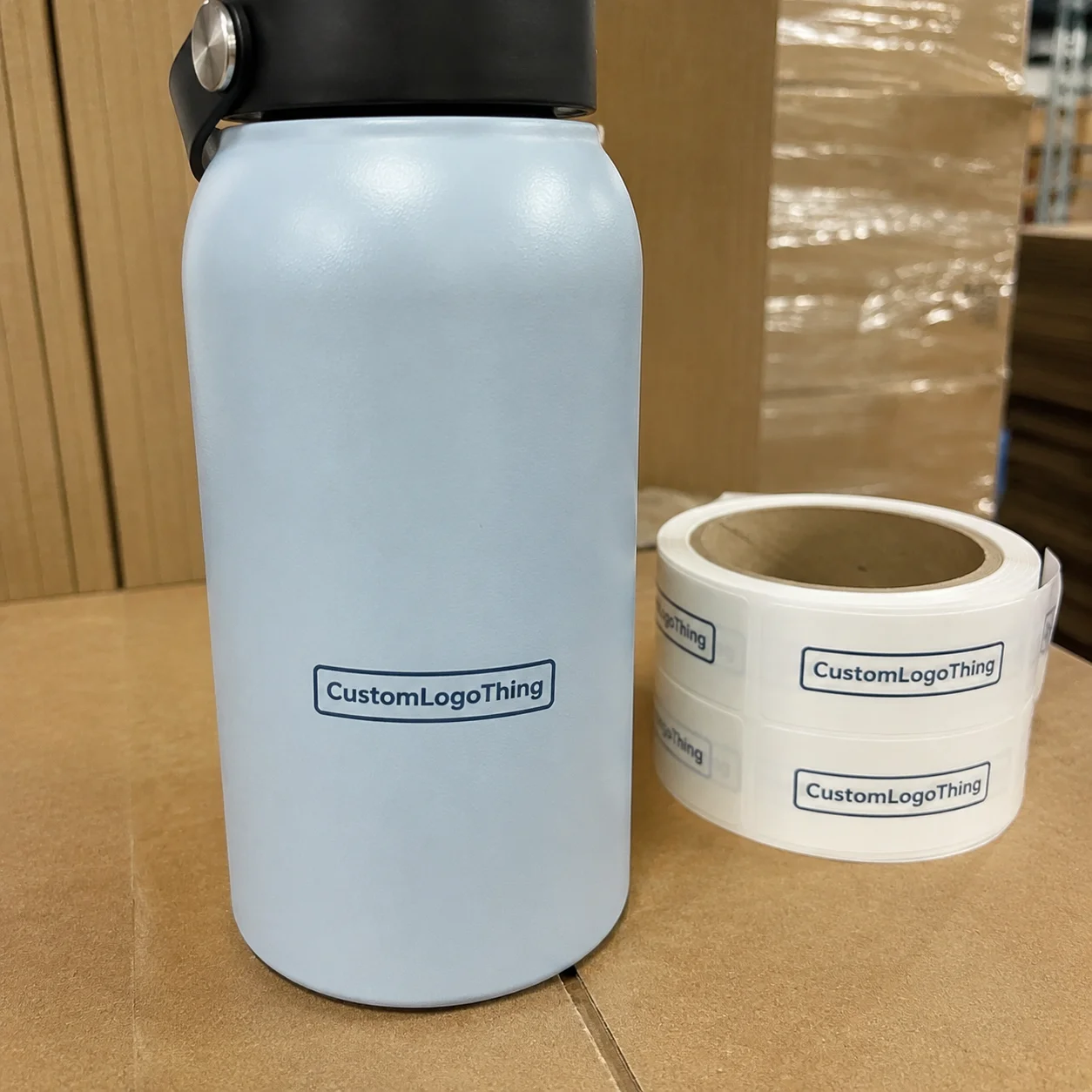
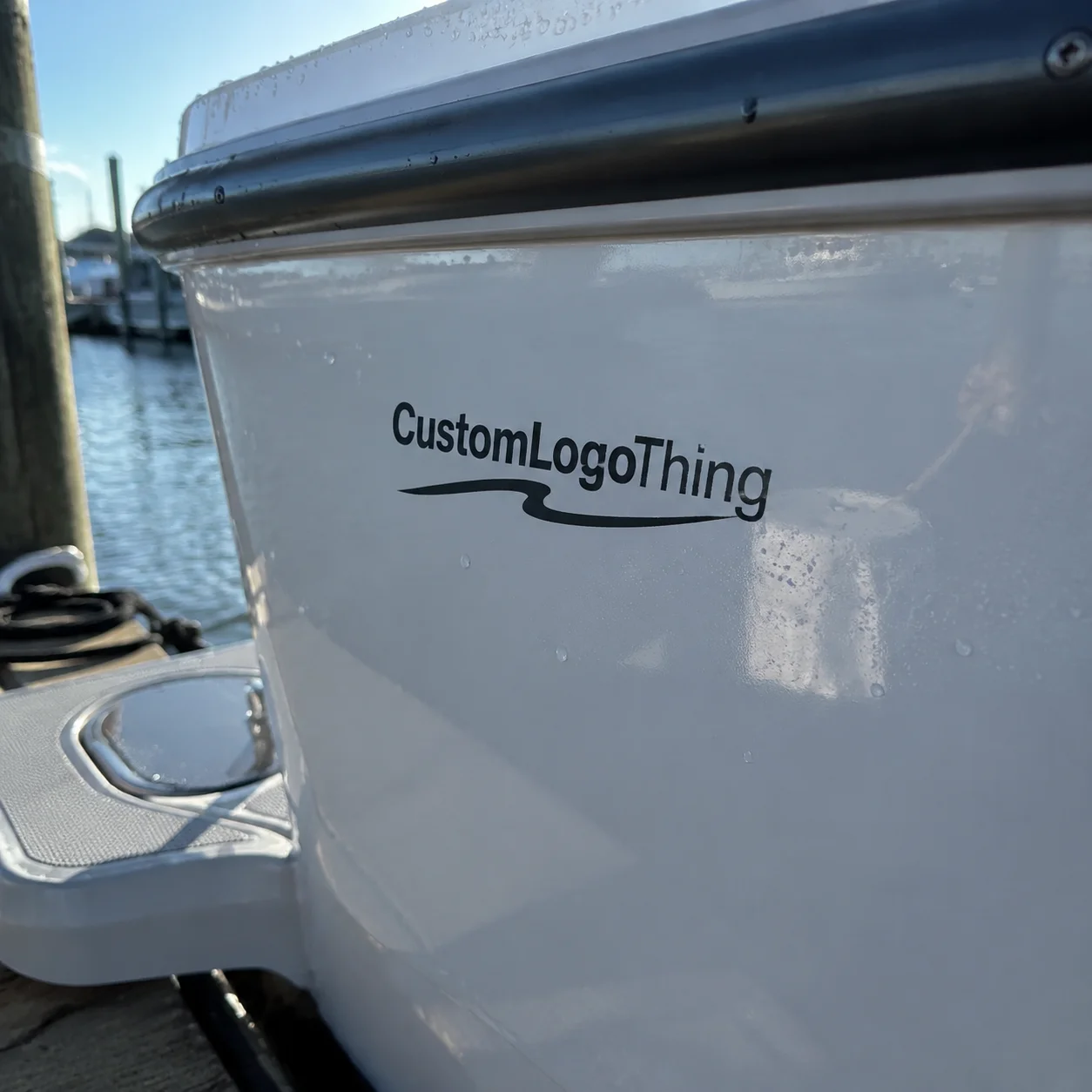
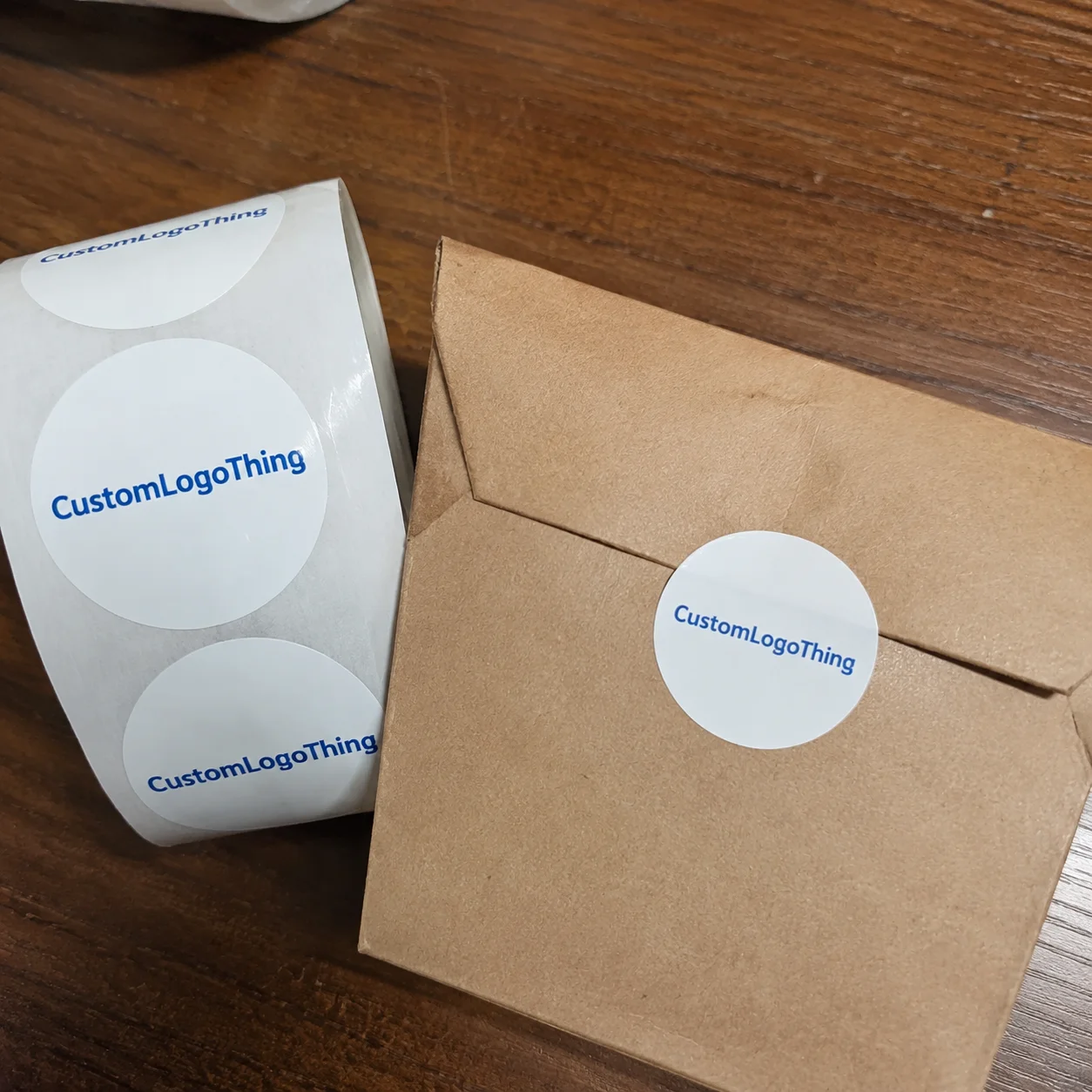
Choose the Best Custom Print Options for Product Labels
Two identical jars can sit shoulder to shoulder on a retail shelf, but the one with sharper print, cleaner white ink, and a better finish often looks more expensive before anyone reads the ingredients. Choosing the best custom print options for product labels is not just a graphics decision. It affects perceived value, filling-line performance, durability, and whether the label still looks right after shipping, refrigeration, or repeated handling.
Label decisions get expensive when they are treated as decoration alone. A beautiful design can still fail if the adhesive lifts on a cold bottle, the barcode loses scan quality, or a matte coating scuffs before the product reaches the shelf.
Quick Answer: Best Custom Print Options for Product Labels
Digital printing is usually the strongest starting point for short to mid-size product label runs. Flexographic printing becomes more attractive once volume, repeat ordering, and lower unit cost matter more than artwork flexibility. For a first production run, a seasonal flavor, a compliance-heavy supplement line, or ten scents of the same candle, digital keeps setup lean because there are no plate charges and version changes are easier to manage.
The right choice depends on material, container shape, moisture exposure, finish expectations, artwork complexity, and order quantity. A 2.5-inch matte paper label for dry pantry goods is a different job than a clear BOPP label with white ink on a refrigerated beverage bottle. One universal winner would be convenient. Real packaging does not work that way.
Most buyers compare print quality first and application performance second. That order can cause trouble. Adhesive choice, liner type, varnish, lamination, and unwind direction can determine whether the roll runs cleanly through a hand applicator, semi-automatic labeler, or high-speed filling line.
Practical rule: digital wins for speed and SKU flexibility, flexo wins for scale, screen printing wins for bold specialty effects, foil and embossing win for premium impact, and variable data printing wins for personalization or serialized packaging.
If a label faces condensation, oil, abrasion, sunlight, or cold storage, choose the material and coating before selecting decorative effects. A foil logo will not rescue a label that curls off a glass bottle after two days in refrigeration.
Top Label Printing Options Compared by Use Case
The table below compares common Product Label Printing methods from a buying and production standpoint. Pricing ranges shift quickly because label size, roll quantity, material, ink coverage, and finishing all affect the quote, but the patterns are useful for pressure-sensitive roll labels.
| Print Option | Best Fit | Typical Strength | Common Limitation | Cost Pattern |
|---|---|---|---|---|
| Digital printing | 100 to 10,000 labels, multiple SKUs | Fast setup, strong color, easy versioning | Higher unit cost at larger quantities | Low setup, moderate unit cost |
| Flexographic printing | 5,000 to 100,000+ repeat labels | Efficient roll production, durable inks | Plate costs and longer setup | Higher setup, lower unit cost at scale |
| Offset printing | Premium paper labels or fine graphics | Excellent detail and color control | Less common for many roll-label jobs | Best at larger planned runs |
| Screen printing | Bold spot color, tactile ink, opaque white | Heavy coverage and high-build effects | Not ideal for photographic detail | Specialty setup, premium unit cost |
| Thermal transfer | Barcodes, dates, batch data | Durable variable text with ribbons | Limited full-color branding use | Equipment and ribbon dependent |
| Foil stamping or cold foil | Cosmetics, wine, candles, gourmet goods | Premium metallic shelf appeal | Requires restrained artwork planning | Add-on cost plus tooling or setup |
| Embossing | Luxury paper labels and tactile branding | Raised texture and perceived value | Tooling and material limits | Premium add-on |
| Spot UV | Contrast on matte labels | Gloss detail, logo highlights | Registration must be controlled | Moderate specialty add-on |
| Variable data printing | Personalization, QR codes, serialization | Unique label-to-label information | Data file accuracy is critical | Depends on data complexity |
Digital label printing is the practical choice for product launches, test markets, seasonal flavors, and brands that need several versions without large plate charges. Five sauce flavors, three candle scents, or a wellness line with frequent compliance updates can usually stay more flexible digitally than on conventional presses.
Flexographic printing is stronger for repeatable, high-volume labels. Once plates and press setup are spread over 25,000 or 50,000 labels, the per-label price often improves. The tradeoff is stability. Changing an ingredient panel, regulatory icon, barcode, or Pantone spot color after plates are made can add cost and time.
Offset printing still has a place, especially for high-resolution graphics on certain paper label applications where fine detail, soft gradients, or rich package branding matter. It is less common for many pressure-sensitive roll labels than digital or flexo, but it can be the right tool for premium paper work.
Three buyer traps show up often. Metallic effects simulated in CMYK can look gray instead of reflective. Clear labels need planned white ink behind type, logos, and barcodes, or the container color will dull the design. Uncoated paper labels can scuff quickly unless varnish, lamination, or a more suitable face stock is selected.
Detailed Reviews: Digital, Flexo, Foil, Screen, and Specialty Finishes
Digital Label Printing
From a packaging buyer’s point of view, digital printing is the easiest place to start for many modern product labels. Setup is fast, color consistency is strong for smaller runs, and multiple versions can usually be grouped more efficiently than they can on conventional presses. A typical digital roll label project may move from approved proof to finished rolls in roughly 5 to 10 business days if material is in stock and finishing is straightforward.
The limitation is unit cost at scale. A 500-label run may be sensible digitally, while a 50,000-label run deserves a flexo comparison. Digital also requires realistic color expectations. It can produce excellent process color, but exact spot-color matching depends on press type, substrate, coating, and whether extended-gamut inks are available.
Digital is also useful for variable data: QR codes, sequential numbers, batch identifiers, regional claims, or short promotional runs. The weak link is rarely the press. It is the data file. One mismatched column or duplicated code can create a labeling problem that looks like a print problem but started in the spreadsheet.
Flexographic Label Printing
Flexographic printing uses flexible plates and fast roll-fed production, which makes it reliable for branded packaging that repeats month after month. It handles paper, white BOPP, clear films, metallic films, and many pressure-sensitive label stocks well. For stable artwork in larger quantities, flexo can be a workhorse.
Flexo makes the most sense after the design has stopped changing every few weeks. Plates, setup waste, ink matching, and press time need to be justified. If product packaging is still being adjusted after each sales cycle, flexo may feel restrictive until the brand is ready for scale.
It can also be the better route for durable spot colors, flood coats, metallic substrates, and large repeat orders where the same label runs again and again. The planning burden is higher, but the production economics can be better.
Foil, Embossing, and Premium Effects
Foil stamping and cold foil can lift cosmetics, wine, gourmet food, candles, and premium wellness labels quickly. Gold, silver, holographic, copper, and colored foils all send a strong shelf signal. Used well, foil frames a logo, product name, seal, or small design cue. Used everywhere, it can make the label noisy and harder to read.
Embossing adds raised detail, usually with tooling, and works best on materials that can hold texture. It pairs well with textured paper stocks and Premium Retail Packaging. Still, the label shape, adhesive, and container radius should be checked so the raised area does not create application issues.
Premium effects also need enough tolerance in the design. Thin foil lines, tiny embossed copy, and spot UV around small type can show registration shifts more easily than a larger logo or icon.
Screen Printing and High-Build Varnish
Screen printing is excellent for opaque whites, bold symbols, heavy spot coverage, tactile marks, and high-build varnish. It is useful when a warning icon must stand out, when a clear label needs a strong white layer, or when a logo needs physical texture under the fingertip.
It is not the first choice for photographic detail, tiny reverse type, or artwork loaded with subtle gradients. If a label has small nutrition facts, a QR code, and a 6-point ingredient line, keep those details in a print method that protects legibility.
Lamination, Varnish, Matte, Gloss, Soft-Touch, and Spot UV
Finishes are not only decoration. Gloss varnish makes color pop and gives economical protection. Matte varnish softens glare and can make a label feel more premium. Lamination adds a separate protective film layer, often a better choice for abrasion, shipping rub, moisture, and repeated handling. Soft-touch lamination gives a velvet feel, but it can show oils from fingers depending on the stock and coating.
Spot UV works nicely when contrast matters, such as a glossy logo on a matte black label. Registration matters. A small shift may be acceptable on a large graphic but obvious around thin type or a fine border.
Test before scaling. Rub printed samples with a damp cloth 20 to 30 times, check them under store lighting, apply them to the actual container, and refrigerate or squeeze the package if that matches real use. For broader packaging performance context, the International Safe Transit Association publishes useful information around distribution testing and transit stress.
Cost and Pricing Factors That Change Your Label Quote
A label quote is not just ink on material. The main cost drivers include print method, label size, face stock, adhesive, number of colors, white ink, varnish or lamination, foil or embossing, die shape, roll quantity, SKU count, proofing needs, packing requirements, core size, and unwind direction.
For simple digital labels on white BOPP or semi-gloss paper, small commercial runs might land around $0.12 to $0.45 per label depending on size and quantity. Larger flexographic repeat runs may drop lower per unit, sometimes below $0.08 for modest-sized labels at high volume, but setup and plates change the first-order math. Specialty foil, textured stock, custom dies, or lamination can push unit prices higher, especially below 2,500 labels.
The cheapest unit price is not always the best buy. A label that scuffs during cartoning, peels on an oily bottle, or jams a label applicator can cost more than the savings. Relabeling filled product is slow, messy work. It can also damage cartons, lids, tamper bands, or coded packaging if the job has already moved downstream.
Digital and flexo pricing follow different logic. Digital often has lower setup costs and better economics for short runs, especially with multiple SKUs. Flexo becomes more attractive when repeat quantities justify plates and press setup. Ten versions of 500 labels do not behave like one version of 5,000 labels, even though the total count is the same. Version count affects proofing, file handling, setup, roll organization, and quality checks.
Minimum order quantities vary. Some digitally printed custom labels can start at low quantities, especially for standard shapes and materials. Specialty materials, foil stamping, embossing, custom dies, and custom tooling may push minimums higher because waste and setup are harder to absorb.
To get an apples-to-apples quote, send exact label dimensions, finished roll quantity, number of SKUs, substrate preference, finish, roll direction, core size, application method, expected reorder volume, and any barcode or compliance requirements. If you are comparing label options alongside broader Custom Packaging Products, keep the same quantity breaks across quotes so the numbers mean something.
Process and Timeline from Artwork to Finished Rolls
A normal custom roll label process follows a clear path: artwork review, dieline confirmation, material selection, adhesive check, proofing, print setup, finishing, slitting, rewinding, quality check, packing, and shipment. Straightforward digital jobs can often finish faster, while flexo, foil, embossing, special-order materials, or new tooling can add several business days or more.
Timeline depends on proof approval speed, material availability, finish complexity, tooling needs, and print method. A plain digital white BOPP label with gloss lamination may be relatively quick. A textured paper label with foil, embossing, and a custom die requires more coordination because each operation must line up physically and visually.
Artwork checkpoints matter more than many buyers expect. Confirm bleed, safe zones, barcode quiet zones, nutrition panel legibility, ingredient line size, white ink layers, dielines, spot color callouts, and overprint settings. Small type under 5 or 6 points can become a problem depending on font, substrate, ink spread, and print method. Barcodes should be tested at final size, not only viewed on screen.
A digital PDF proof confirms layout, spelling, dieline position, and general color intent, but it cannot fully prove texture, adhesive performance, opacity, or final finish. A press proof gets closer to actual print, though it may add cost and time. A physical material sample confirms hand-feel, film clarity, liner behavior, and approximate appearance, but it may not show exact artwork unless printed as part of a proofing step.
Approve the dieline only after testing the label size on the container. This is especially true for tapered bottles, squeeze tubes, jars with shoulders, small-radius containers, paper tubes, and curved tins. A rectangle that looks clean on a PDF can wrinkle or skew once wrapped around a tapered surface.
Late changes reset momentum. Copy edits, compliance marks, barcode numbers, nutrition facts, warning icons, color targets, or QR codes can all delay production, particularly after plates, dies, or foil tooling are made. Food, cosmetic, supplement, and chemical labels should go through regulatory or internal review before art reaches the printer.
How to Choose Based on Material, Adhesive, and Real-World Use
The best custom print options for product labels start with the product environment. Dry pantry goods can often use paper or standard film. Refrigerated beverages need moisture-resistant material and adhesive. Bath products face water, oils, and repeated handling. Candles deal with heat near the container and premium shelf expectations. Frozen foods need freezer-grade adhesive and face stock that will not crack or lift.
Material choice is the foundation. BOPP film is a common choice for moisture resistance and clean graphics. White BOPP gives strong opacity, clear BOPP creates the popular no-label look, and metallic film adds shine without separate foil in some designs. Paper gives a natural, artisanal presentation, especially for food, coffee, tea, candles, and craft products. Textured stock gives premium hand-feel, though it usually needs more careful ink and finish testing.
Adhesive choice deserves the same attention as the front of the label. Permanent adhesive works for many retail goods. Removable adhesive suits temporary labels and some promotional uses. Freezer-grade adhesive handles cold storage and frozen product. Wash-off adhesive is used where container reuse or clean removal matters. Aggressive adhesive may be needed for rough, low-energy, or curved surfaces. Low-temperature application adhesive helps when labels are applied to cold containers rather than stored cold after application.
Containers behave differently. Glass is smooth but can collect condensation. PET bottles flex and may squeeze the label. HDPE can be harder for adhesives because of lower surface energy. Metal tins may have seams, curves, or coatings. Paper tubes can absorb moisture and vary in surface texture. Flexible pouches move, wrinkle, and rub during shipping. Coated cartons may need labels that bond well to varnished or laminated surfaces.
Finish selection should follow use. Gloss supports color pop for bold retail packaging. Matte gives a softer premium presentation. Lamination protects against abrasion, water, and handling better than many light varnishes. Varnish is economical and often enough for dry goods. Soft-touch can create a luxury feel for cosmetics, wellness products, and boutique goods, though fingerprinting should be checked.
If the label sees moisture, friction, oil, sunlight, refrigeration, or repeated handling, choose the material and coating before selecting decorative print effects. For sustainability claims or responsibly sourced paper discussions, ask for documentation rather than relying on broad wording; the Forest Stewardship Council is a useful reference for FSC-related paper sourcing standards.
Recommendation and Next Steps Before You Order
For first production runs, multi-SKU launches, test markets, and brands still refining artwork, digital printing is usually the safest first move. It keeps setup lean, supports quick changes, and makes it easier to print 500 labels each across multiple versions instead of forcing a brand into more inventory than it can use.
For mature products with stable artwork, larger quantities, repeat orders, and a clear need to reduce unit cost, request a flexographic quote. Flexo is often the better long-term production path once the design, barcode, ingredient panel, and order rhythm are proven. If the reorder pattern is monthly or quarterly, share that forecast during quoting because it can affect plate planning, material ordering, and price breaks.
Use premium add-ons selectively. Foil works best on high-value focal points. Embossing supports tactile brand cues. Spot UV adds contrast on matte backgrounds. White ink is essential whenever clear or metallic substrates need controlled opacity behind logos, text, nutrition facts, or barcodes.
Before ordering, run through this checklist:
- Confirm the label size on the actual filled or empty container, not only on a flat dieline.
- Choose material and adhesive based on moisture, temperature, oil, handling, and storage conditions.
- Request quantity breaks such as 500, 1,000, 2,500, 5,000, and 10,000 labels per SKU.
- Verify roll direction, core size, label spacing, and outside-wound or inside-wound requirements.
- Approve proof details, including barcode quiet zones, white ink layers, small text, and compliance marks.
- Test samples before scaling, especially for refrigerated, frozen, oily, curved, or squeezable products.
Send artwork, container photos, application method, storage conditions, target quantity, SKU count, and reorder expectations with a quote request. If labels are part of a wider branded packaging program with Custom Labels & Tags, custom printed boxes, inserts, or retail cartons, coordinate materials and finishes so the full package feels intentional.
The best label choice is the one that survives the product’s real handling conditions while giving the brand the right shelf signal at the right unit cost. Sharp print matters. So do adhesive, material, finish, roll setup, and honest testing before a full production run.
FAQs
What are the best printing options for custom product labels in small quantities?
Digital printing is usually the best small-run option because it avoids plate costs, handles multiple SKUs efficiently, and allows faster artwork changes. It is especially useful for product launches, seasonal labels, sample batches, compliance updates, and brands testing new flavors, scents, or regional packaging. For small runs with premium details, add selective finishes like matte varnish, gloss varnish, or limited foil rather than overbuilding the entire label.
Are digital or flexographic labels better for product packaging?
Digital labels are better for speed, short runs, variable artwork, and frequent design changes. Flexographic labels are better for larger repeat runs where setup and plate costs can be spread across more labels. The right choice depends on quantity, SKU count, reorder pattern, color requirements, substrate, and whether the artwork is stable enough to justify plates.
How much do custom printed product labels cost?
Cost depends on label size, material, print method, number of versions, finish, tooling, quantity, and roll specifications. Digital orders often cost less to start, while flexographic orders can offer lower unit costs at higher volumes. A useful quote request should include dimensions, artwork, quantity breaks, substrate preference, finish, roll direction, core size, and application method.
Which custom label print option is best for waterproof labels?
Film materials such as white BOPP, clear BOPP, or other synthetic label stocks are usually better for moisture exposure than standard paper. Use a compatible permanent or freezer-grade adhesive when labels face refrigeration, condensation, ice buckets, or wet handling. Add lamination or a durable varnish if the label will be rubbed, shipped, chilled, or handled repeatedly.
What should I test before ordering custom product labels in bulk?
Apply samples to the actual container and check edge lift, wrinkles, readability, barcode scan quality, and visual alignment. Expose the label to realistic conditions such as refrigeration, moisture, oil, sunlight, abrasion, or squeezing. Confirm roll direction, core size, unwind position, and label spacing if labels will run through an automatic applicator.