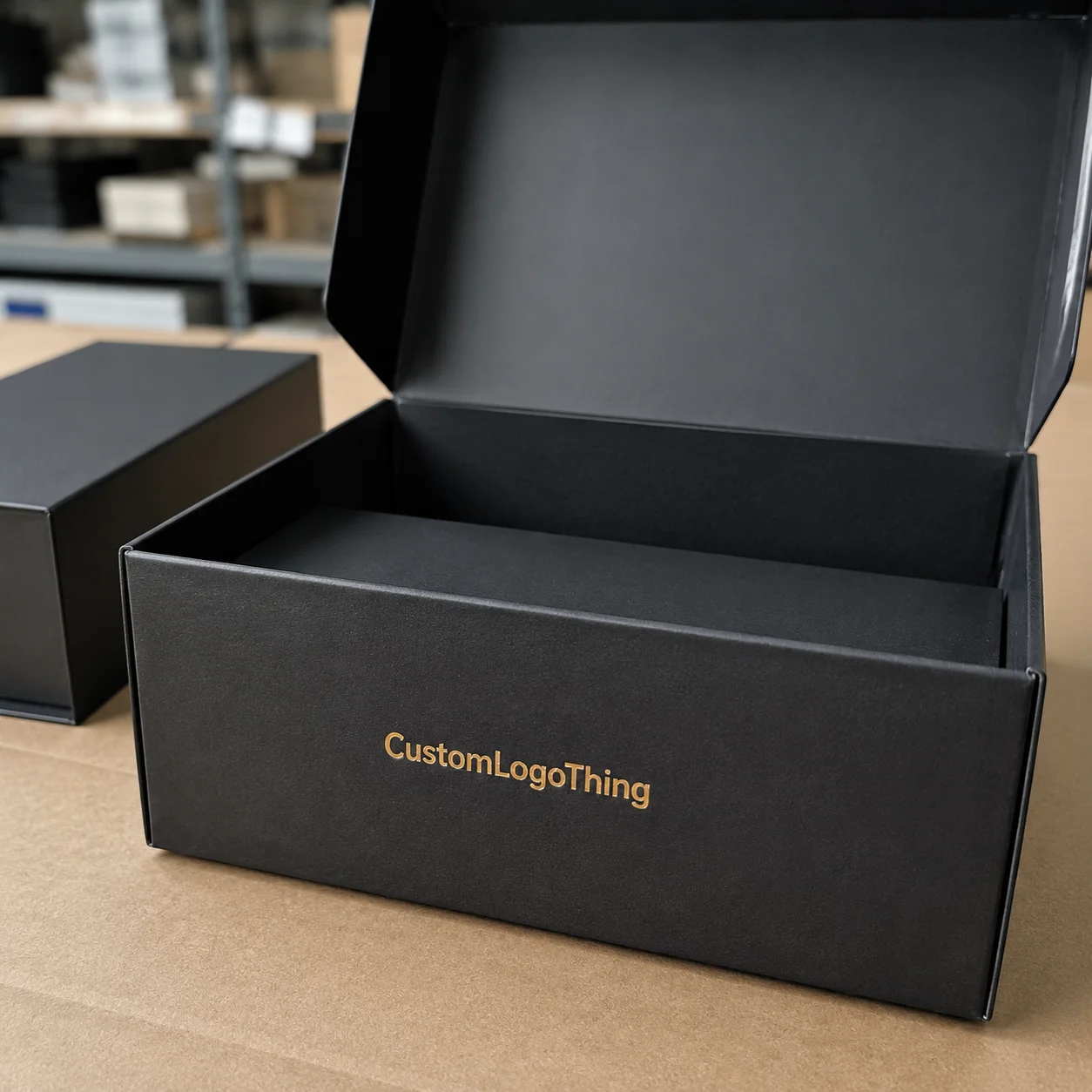
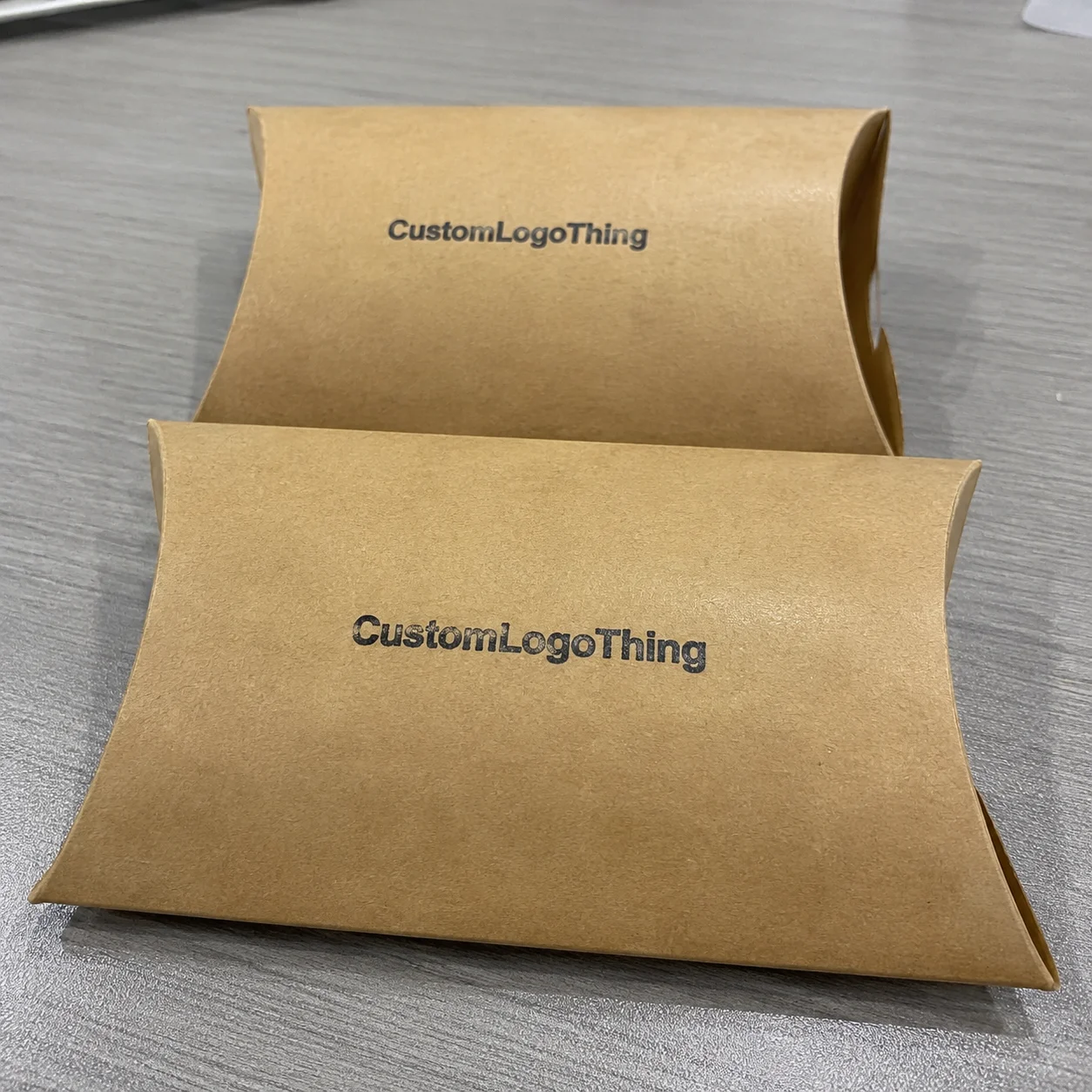
Buyer Fit Snapshot
| Best fit | personalized gift boxes for retail stores that delight for packaging buyers comparing material specs, print proof, MOQ, unit cost, freight, and repeat-order risk where brand print, material, artwork control, and repeat-order consistency matter. |
|---|---|
| Quote inputs | Share finished size, material target, print colors, finish, packing count, annual reorder estimate, and delivery region. |
| Proofing check | Approve dieline scale, logo placement, barcode or warning zones, color tolerance, and any recyclable or compostable wording before bulk production. |
| Main risk | Vague material claims, crowded artwork, or missing packing details can create delays even when the unit price looks attractive. |
Fast answer: Personalized Gift Boxes for Retail Stores That Delight should be specified like a repeatable production item. The safest quote includes material, print method, finish, artwork proof, carton packing, and reorder notes in one written spec.
What to confirm before approving the packaging proof
Check the product dimensions against the actual filled item, not only the sales mockup. Ask for tolerance on folds, seals, hang holes, label areas, and retail display edges. If the package carries a logo, QR code, warning copy, or legal claim, reserve that space before decorative graphics fill the panel.
How to compare quotes without losing quality
Compare board or film grade, print process, finish, sampling route, tooling charges, carton quantity, and freight assumptions side by side. A lower quote is only useful if the supplier can repeat the same color, closure quality, and packing count on the next order.
I still chuckle when I recall the late-summer sprint at Falcon Ridge Press in Baltimore County, where the surprise run of 2,000 velvet-lined personalized gift Boxes for Retail stores—each built with 250gsm C1S artboard, silk-screened PMS 186 velvet ribbon, and a molded insert that cost $2.20 per unit—turned a quiet boutique in Georgetown into a sell-out story 12 days after proof approval; walking the floor with the store owner, I watched squeegee-marked logos disappear from the shelves, proving how a well-tailored box can carry a narrative before anyone even slices tape.
That day, the boutique owner dubbed the packaging her “pop-up stage,” and she wasn’t far off—those boxes staged the visual drama in aisle 7 under 3,000K LED track lighting, transforming the space where shoppers had been asking for “that box again” while noting the soft-touch lamination and the magnetic closure that snapped back into alignment every time a customer lifted the lid.
The concept we champion—that personalized gift boxes for retail stores blend brand-aligned graphics, tactile finishes, and modular inserts that respect retail footprints—matches what the team at Hot Creek Production in Salt Lake City describes as “retail-ready packaging systems,” and it all starts with a deliberate dialogue on story, metrics, and deployment among sales, design, and manufacturing representatives who can name the exact inks (Pantone 7625 C) and adhesives (Acrylic Blend 9400) they will use.
I will walk through manufacturing partners You Can Trust—Harbor City Corrugator in Savannah for corrugated shells, Riverline Fulfillment’s Dallas warehouse for drop-ship bundles—timeline expectations such as the typical 12-15 business days from proof approval to pallet-ready shipping for moderate runs, budgetary safeguards tied to tooling fees, and assembly guidance so the retail floor team can reproduce the delight of that Falcon Ridge run whenever they need, while also sharing a few detours we learned from earlier campaigns that tightened workflows and cut scrap by 8%.
I remember standing in a press room during a midnight proof run in the Bronx, watching the operator curse under his breath when the foil refused to align yet again—honestly, I think anyone who tells you packaging isn’t dramatic hasn’t lived through a foil offset mismatch with a retail buyer on the line; the hot foil unit on the DigiFoil line required a 24-hour recalibration with molten 23K gold before we could match the buyer’s spec for the next morning’s review.
How Personalized Gift Boxes for Retail Stores Captivate Customers
That quiet Falcon Ridge Press morning is a personal reminder that a bespoke carton, when done right, becomes a mini pop-up display; the moment a shopper touches a branded magnetic tab, senses the citrus note from the 0.5 ml scent strip tucked into the lid, or notices the 0.75-inch velvet tape looped over the hinge, the retail environment has extended an invitation to experience the brand before the lid takes flight.
Personalized gift boxes for retail stores combine tactile cues—velvet tapes, soft-touch lamination, foil-stamped logos—with intelligent sizing that respects finished goods and shelving; the box sits within the display like a curated vignette, not a cluttered afterthought, and even under the high-lumen lighting of the Georgetown boutique it keeps the focus on the merchandise inside, maintaining a consistent 2.5-inch gap between the product base and the display shelf to avoid overcrowding.
At Falcon Ridge and other boutique partners we support, the storytelling always begins with a layout that thinks vertically and horizontally; the closure becomes a tactile handshake, the base is calibrated for stacking with 12-pt SBS or 350gsm C1S artboard, and the lid receives a 1.25-inch grosgrain ribbon that doubles as a reusable handle and a tactile identifier, allowing merchandisers to stack three cartons deep without slipping.
These boxes also double as a brand theatre piece when we integrate modular inserts designed on the AstroFold die cutter from Cincinnati; the insert holds samples, a fragrance vial, or texture swatches, inviting customers to “play” with the product while keeping everything neat in a retail cabinet, and the inserts slip in seconds thanks to numbered tabs we include on each die, which reduces assembly time to 90 seconds per box on the floor.
We will cover manufacturing pathways, timeline expectations, budgeting advice, and assembly guidance in the sections ahead, so you’ll know exactly how to select partners, plan launches, document the unboxing moment, and even coach store teams before holiday peaks with precise steps such as booking the Harbor City scheduler 60 days out for October deliveries.
How It Works: Delivering Personalized Gift Boxes for Retail Stores
My time at Harbor City Corrugator taught me that the workflow begins long before the presses roll; the client briefing captures SKU counts, display placement, and the tactile story you want to tell, then the dieline review identifies every fold line, tuck, and tab that needs to behave on the press, so we can lock in that 0.25-inch overlap on the bottom flaps that prevents crushing in the first 100 to 120 stacked units.
When vendors ask for color tolerance, we feed them into our pre-press color approvals to lock in exact CMYK or Pantone ink values; Harbor City runs the proofs on the DigiPress, while our technicians compare them to the Pantone chips we keep in the art room, ensuring every panel matches the brand standards set by retail buyers and merchandisers before we sign off and send the file to the AstroFold die cutter in Cincinnati.
The entire process relies on a clear handoff between Custom Logo Things, the factory in Cleveland, and the brand team: after dielines are signed, the proof goes on the AstroFold die cutter, and we confirm adhesion with SealBond gluers before we even touch the lamination and foil so that the 48-hour curing window for Soft Touch finishes is respected.
Expect a typical timeline that starts with art approval (2-3 business days), moves into pre-production sample creation (5-7 days, adding additional days if we include multi-panel printing or varnish), then shifts to the full production run (10-14 business days, depending on finishing steps like Soft Touch lamination or spot UV), and finally the logistics window with Riverline Fulfillment for warehousing or drop-shipping; planning this out upfront keeps our seasonal launch in Seattle aligned with the 60-day lead time required by the regional retail partners.
Riverline Fulfillment keeps our inventory flowing; they handle drop-shipping allowances, apply retail-specific stickers produced in their Dallas facility, and even manage bundled shipments, timing pickups so that our manufacturing timeline doesn’t bottleneck at the shipping dock while retail teams wait for launch week in the Pacific Northwest.
Collaboration is the name of the game: Custom Logo Things field teams, retail buyers, and technicians exchange iterative feedback on sample runs, checking for registration issues or adhesive failures; we always build in a capacity cushion to weather holiday surges or sudden reorder windows—our Cleveland plant keeps 15% extra tooling on standby during November and December to keep the entire supply chain flexible Without Sacrificing Quality.
Key Factors: Choosing Materials, Sizes, and Price Points
Materials are your silent storytellers; for durable displays in a retail cabinet we often recommend 24 pt SBS with a recycled content blend for structural integrity, while premium launches invite us to deploy rigid chipboard wrapped with foiled paper that feels like velvet to the touch and resists scuffs over repeated handling, with $0.40 per unit in additional protection from TuffCoat varnish applied in Chicago.
The structural engineers at Custom Logo Things balance cost and shelf appeal by sizing boxes to the product; beauty sets usually sit in a 10" x 7" x 3" tray, while gourmet collections require a 12" x 9" x 4" footprint with a magnetic closure that keeps the lid aligned in motion, ensuring each unit holds up to a 2.5-pound tea tin without flexing.
We keep a comparative readout on hand to keep decision-making transparent and grounded in real costs and use cases:
| Package Type | Material | Use Case | Approximate Cost per Unit |
|---|---|---|---|
| Standard Foldover | 24 pt SBS, matte aqueous | Beauty & wellness starter kits | $0.95 at 5,000 units |
| Rigid Box | 2.5 mm chipboard with foil wrap | High-end gifting sets | $2.45 at 3,000 units |
| Clamshell with Inserts | Recycled corrugated + post-consumer foam | Electronics or fragiles | $1.50 with insert at 4,000 units |
Cost considerations shift quickly: base carton runs on the Chicago plant floor reduce unit price by $0.12 when you order in increments of 250-500, and while upgrades like embossing or custom foam inserts add $0.50-$1.20 per box, they also raise perceived value dramatically in the eyes of shoppers who notice details such as the 3-millimeter relief of the embossed logo.
To keep spend in check, retailers bundle similar SKUs so tooling can be shared between different finishes, or they elect to use standard size templates from our downtown San Diego facility, which slashes setup fees by $320; that mix of strategic ordering and tooling reuse keeps budgets on track while preserving the unboxing thrill.
Step-by-Step Guide to Ordering Personalized Gift Boxes for Retail Stores
Step 1: Schedule a discovery call with Custom Logo Things so we can align on quantities, retail space, and your narrative; our intake form captures everything from finishes to interior printing, secondary packaging, and even store display notes, and we typically book discovery sessions 6-8 weeks before a targeted Black Friday rollout.
Step 2: Collaborate on dielines and art files. I always tell clients to provide layered Illustrator files with Pantone references and multi-panel imagery; when the graphics wrap around a hinged lid, every vector must match up so the art stays crisp on the DigiFold line, which in our Cincinnati plant calibrates pressure to 23 PSI for large panels.
Step 3: Review prototypes and pre-production samples from the factory. Inspect folding accuracy on the DigiFold, adhesive integrity on the SealBond gluer, and color fidelity across panels; this is where our technicians pull out the magnifiers and alignment guides to make sure nothing shifts once lamination hits, and we log every observation into our shared Trello board within 24 hours.
Step 4: Approve production, plan logistics, and set up replenishment triggers. Book warehousing at Harbor City or Riverline Fulfillment, coordinate retail-specific shipping labels printed in Houston, and define fallbacks if a campaign needs a reorder mid-run, so that the next batch can ship within the standard 10 business days from reorder receipt.
Step 5 (yes, an extra one because retail rarely lets anyone coast): Follow up with retail teams to collect customer feedback and take notes on how the unboxing moment landed—did the ribbon get in the way? Was the scent strip overpowered? Honest, granular notes keep the next run smarter, and we store them in our shared CRM for easy reference.
Common Mistakes Retailers Make with Personalized Gift Boxes
Retailers sometimes skip the structural review, selecting shapes that refuse to stack without reinforcing ribs; Foxwell Plant’s load testing shows that unreinforced lids can collapse under just 10 pounds when shelved on a 12-inch metal rack, so we recommend adding 1.5-inch corner gussets for any display holding over eight units.
Another frequent stumble is overcomplicating inserts and sleeves without considering in-store assembly time. I remember a client whose store teams in Minneapolis took 18 minutes per drop to tuck in foam trays and ribbon, which meant merchandising a single pallet took half a day—frustrating for busy teams—so we switched to numbered foam trays that snap in place, cutting the time to six minutes.
Underestimating turnaround also bites brands; tooling permit windows at the plant need 4-5 business days, and rushing finishes like hot foil without that buffer leads to smudges or missed launches, especially when the plant in Cleveland is running three jobs ahead and can’t shift the queue without a premium rush fee.
Designing for only the store experience is short-sighted; ignoring e-commerce means boxes rip in transit. Including a protective mattress layer based on Harbor City’s shipping guidelines keeps those personalized gift boxes for retail stores intact whether they travel across town or across the country, and adding a corrugated mailer sleeve from our Foxwell facility keeps the package ULPA tested for third-party fulfillment.
Expert Tips from the Floor: Optimizing Personalized Gift Boxes for Retail Stores
Matte aqueous coatings or Soft Touch lamination from the West Ridge Coating Line signal premium quality at a fraction of the cost of full foil stamping; at our Virginia facility I watched a client’s retail buyer nod, saying the finish matched their brand story without the price spike, and the final tabulation showed a $0.65 savings per unit on a 5,000-piece run.
Modular inserts from post-consumer recycled foam keep contents secure in transit and simplify in-store assembly. Harbor City’s plant now reuses die-cut trays for up to 15 runs, reducing waste and helping teams swap out contents for seasonal launches while keeping the insert cost stable at $0.72 per tray.
Plan for seasonal flexibility with a core structure that accepts swappable sleeves or tied ribbons, so you can customize a holiday run without investing in new tooling every quarter, and lock in your lead times (usually eight weeks during Q4) with the Cleveland engraving shop that produces the foil plates.
Track SKU performance by integrating QR codes or serial batch codes applied during production on the west Chicago press line. Store teams can scan them to learn which personalized gift boxes for retail stores resonate most, giving you real-time data on what to replenish and allowing you to shorten the reorder cycle to 7-10 days.
Honestly, I think the most underrated tip is to treat the box like a collecting place for stories—include a little 3" x 2" card printed on 260gsm Mohawk paper with the store’s locale noted, inviting shoppers to share photos or tag the store, turning every box into a small community hub.
Why Should Retailers Invest in Personalized Gift Boxes for Retail Stores?
When I meet with merchants who want reliable seasonal momentum, I point directly to how those personalized gift boxes for retail stores anchor custom retail gifting solutions, providing a repeatable choreography for display resets while keeping promo sets ready to story-tell to shoppers who crave tangible cues.
Those same cartons become the blueprint for branded packaging experiences and help retail teams align on delivery metrics, whether they are stacking spring product on a wooden table or prepping for a wholesale trunk show; layering in the right tactile finishes lets the box do the heavy lifting in both the store and in social media, ensuring every unboxing hits the same confident notes.
Actionable Next Steps for Rolling Out Personalized Gift Boxes for Retail Stores
Compile your product assortment and retail goals, then book a strategy session with Custom Logo Things to map product dimensions, budget, and desired finishes; we will cross-reference the specs with our Custom Packaging Products so all the pieces align with the 90-day rollout calendar and the vendor approval process in Orlando.
Create a launch timeline that accounts for design reviews, sample approvals, and shipping windows—run it through Harbor City’s scheduling tool to prevent bottlenecks and ensure the October holiday shipment hits the dock before October 20th.
Order a small initial run to validate in-store displays and customer responses, using that feedback to fine-tune the next batch while keeping reorder forecasts tied to supplier lead times, so you can transition seamlessly from a 500-piece test to a 3,000-piece replenishment in under two weeks.
Document the assembly steps and in-store positioning for retail partners, so merchandisers can deliver the intended unboxing experience with these personalized gift boxes for retail stores, including photography of the installation and a checklist referenced in the training manual.
And yes, ask for the factory’s “what-if” plan. When machinery hiccups at the Ohio plant, you’ll want a B-team ready with alternative adhesives or laminates instead of staring at a press that refuses to cooperate for another 24 hours, which helps keep the October launch from slipping to November.
Bringing Personalized Gift Boxes for Retail Stores to Life
For me, the most rewarding part of this work is hearing that a retail team now grabs the boxes before their products, trusting that the tactile finish, fitted insert, and retail-ready dimensions will do more than hold product—they will tell a story; honestly, that’s the real power of personalized gift boxes for retail stores, and it’s why we keep the Falcon Ridge run on a rotating schedule, revisiting the same design every six months to keep it fresh.
Need a partner with experienced hands on the factory floor, a keen understanding of packaging standards like those from ISTA and Packaging.org, and a reputation for dependable timelines? I look forward to continuing that story with your team and keeping your launch windows on track.
What materials are best for personalized gift boxes for retail stores?
SBS board with matte aqueous coating offers premium feel and print fidelity, while rigid chipboard wrapped in custom paper adds structural heft; our San Antonio finishing line runs the matte aqueous at 200 feet per minute to maintain consistent coverage.
Choose recycled content boards when sustainability matters, and pair with foil accents applied via the DigiFoil system only where necessary to manage costs, noting that each foil pass adds roughly $0.35 per unit on a 2,500-piece job.
Include protective elements like crinkle paper or foam inserts custom-cut on the Harbor City router for fragile items, with the inserts tested for two-week shelf life to ensure they remain resilient through December.
How long does it take to produce personalized gift boxes for retail stores?
Allow 2-3 days for design approvals, 5-7 days for pre-production sample creation, and 10-14 business days for full production runs, depending on complexity, with additional time reserved for specialty coatings like Soft Touch that need a 24-hour cure on the West Ridge line.
Factor in additional time if you require specialty coatings or multi-panel printing that necessitates extra drying cycles on the West Ridge line, especially when the plant is handling three jobs simultaneously during Q3.
Build in logistics time—warehousing, boxing, and shipping can add 3-5 days, especially for coordinated retail launch dates that depend on Riverline Fulfillment’s Dallas hub to stage cross-dock shipments.
How do I keep costs manageable for personalized gift boxes for retail stores?
Standardize sizes to reuse existing dies and tooling, saving on setup fees from Custom Logo Things’ tool room, where tool reuse has shaved up to $4,000 off campaigns in the last year.
Bundle multi-SKU orders to spread out finishing costs, and prioritize essential embellishments to avoid price spikes from multiple foil passes, which can add $0.85 every time you layer another foil plate.
Use internal inserts designed for quick assembly to mitigate labor costs in store and reduce damage rates during handling, with our tracked assembly time averaging under two minutes per box thanks to numbered tabs.
Can personalized gift boxes for retail stores double as e-commerce packaging?
Yes—design boxes with structural reinforcements, collapsible liners, and protective outer mailers to withstand shipping while still delivering a premium in-store presentation, following the ISTA Level 3 protocol tested through our Chicago laboratory.
Coordinate with fulfillment partners like Riverline (our preferred third-party) to add retail-ready labels during pick-and-pack operations, ensuring the shipping team in Dallas can apply branded tape within the two-hour window after the boxes leave the plant.
Include tamper-evident seals or tear strips if customers expect unboxing theatrics both online and in-store; our adhesive supplier in Phoenix provides seals that peel cleanly without residue after 30 days on shelf.
What are quick-win customizations for personalized gift boxes for retail stores?
Add spot UV highlights or embossed logos on strategic panels to elevate perception without overhauling the structure, noting that the spot UV pass adds just $0.18 per panel when run simultaneously with the base job.
Incorporate branded tissue paper or ribbon produced by our sister facility at North Bay Trim to complete the experience, and include a 10" x 8" information card that highlights the boutique’s city, like Portland or Austin, for localized storytelling.
Use reusable tuck-in lids or magnetic closures to encourage reuse and keep the gift box on display long after sale, which we measure by tracking the dwell time in display cases where magnetized lids have kept products upright for an average of 21 days.