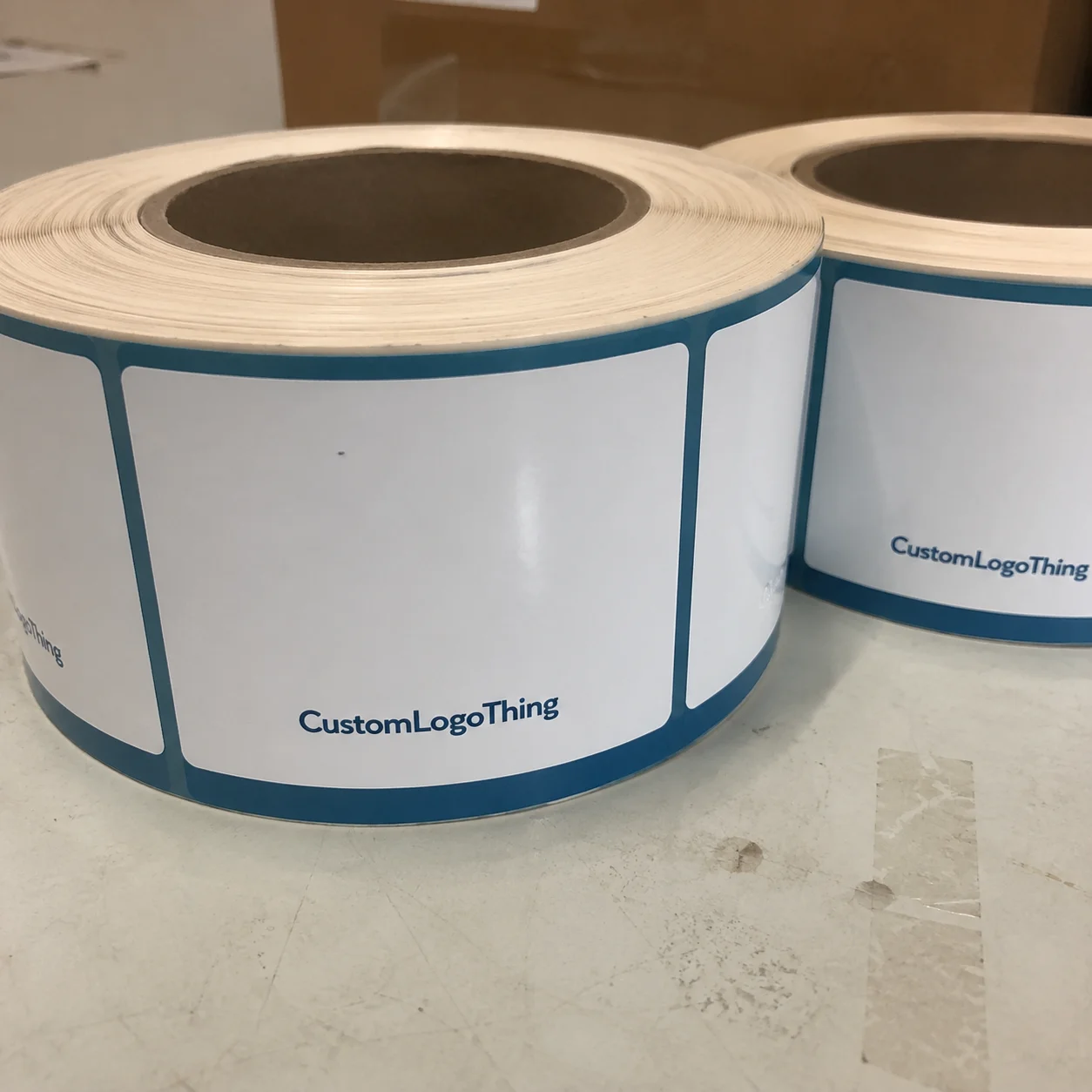
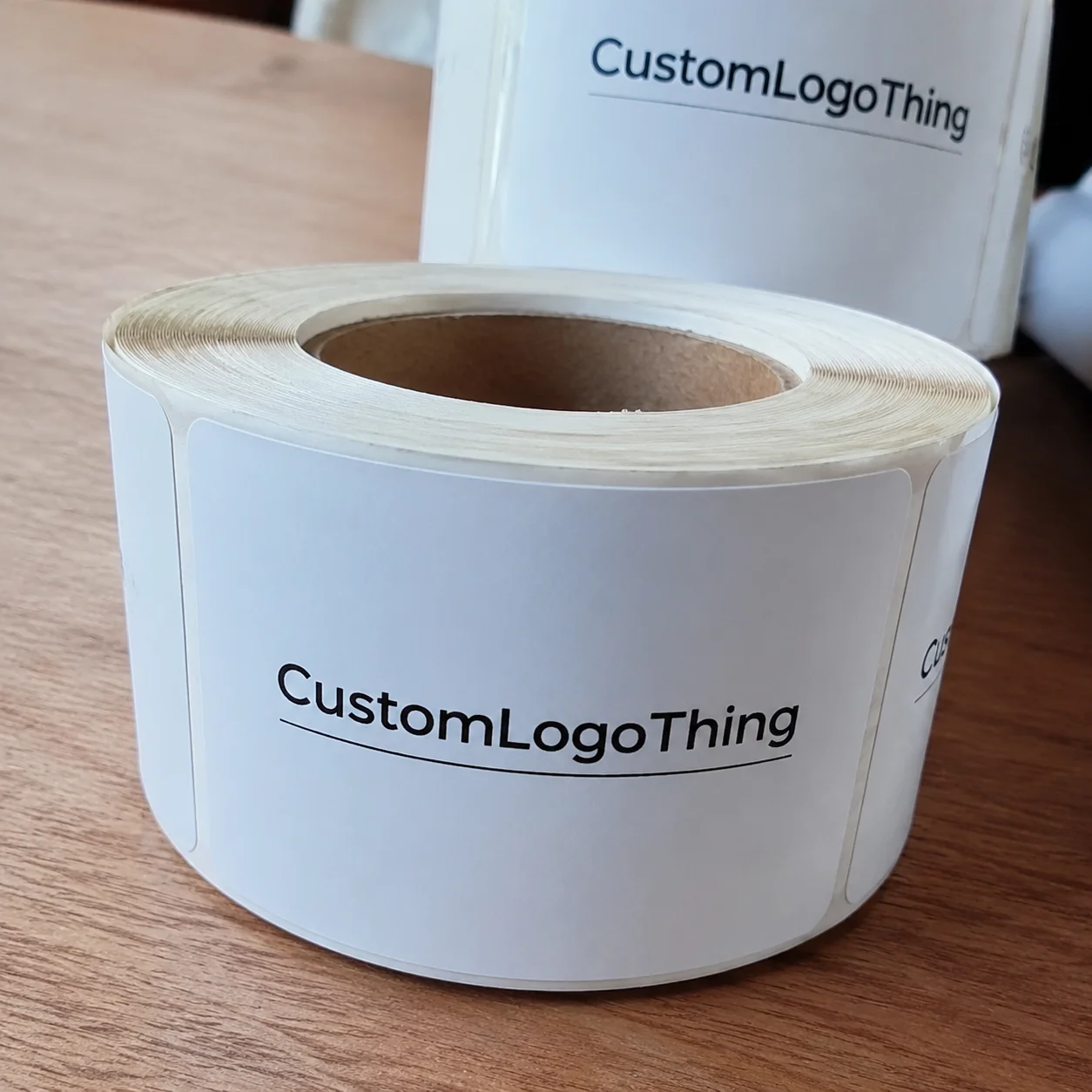
Buyer Fit Snapshot
| Best fit | Projects that need Personalized Granola Bar Wrapper Printing Options spelled out before quoting, especially when brand print, material claims, artwork control, MOQ, and repeat-order consistency all matter. |
|---|---|
| Quote inputs | Send the finished size, then add material target, print colors, finish, packing count, annual reorder estimate, ship-to region, and any compliance wording. |
| Proofing check | Approve dieline scale, logo placement, barcode or warning zones, color tolerance, closure strength, and carton packing before bulk production. |
| Main risk | What happens when material claims, crowded artwork, missing packing details, or unclear freight terms stay vague? A low unit price can turn expensive after revisions. |
Fast answer: Personalized Granola Bar Wrapper Printing Options: Film, Print, MOQ, and Carton Packing should be specified like a repeatable production item. The safest quote records material, print method, finish, artwork proof, packing count, and reorder notes in one written spec.
A written spec saves the round trip.
Production checks before approval
Compare the actual filled-product size with the drawing first. Then confirm tolerance on folds, seals, hang holes, label areas, and retail display edges.
Reserve space for logos, QR codes, warning copy, and material claims before decorative graphics fill the panel. Otherwise, the art wins and the compliance notes lose.
Quote comparison points
Review material grade, print process, finish, sampling route, tooling charges, carton quantity, and freight assumptions side by side. A quote only becomes useful when the supplier can repeat the same color, closure quality, and packing count on the next order.
I still remember the merchandising newbie asking why the team was obsessing over Personalized Granola Bar Wrapper printing. I told them, "If that sleeve does not say hello, it should at least stop scaring shoppers away with blank rows." Then I quietly regretted sounding like a drill sergeant.
During a March tour through Milwaukee's Riverwest plant, I sat in the control room while a 5,000-sleeve run spun past at $0.15 a unit. The project manager promised proofs in 48 hours and shipping within 12 to 15 business days after approval. On a parallel line in Guangzhou, the same format was running at 180 sleeves per minute on a CI flexographic press with an inline corona treater and slit rewinder.
That day taught me to treat wrappers like actors on a shelf. Personalized granola Bar Wrapper Printing is not a prop, it is the lead in a scene, and if it flubs, the rest of the show tanks. I am not kidding; these sleeves can call out provenance, freshness, or mission statements without sounding like they were vomited by a marketing bot.
After that visit, I started demanding data from every supplier review. And yes, I still get a little giddy when a sleeve does more than protect a bar.
Why personalized granola bar wrapper printing matters
During a packaging audit at a Burlington co-op, Personalized Granola Bar Wrapper printing lifted perceived price by 15% on a 5,000-piece run that landed at $0.18 per unit. The sleeve, with copper foil, 350gsm C1S artboard, and a tiny story about the farmer-owned oats, created a line around the bar before anyone even read nutrition facts.
Executive teams who swore they only needed a paper band changed their tune after watching shoppers pause, pick up bars, and actually read about the seasonal blend for 12 consecutive days. Why did that happen? Because the wrapper finally had a point of view, and the shelf noticed.
Print custom text, seasonal palettes, and brand stories directly onto 1.5-mil PET films or 350gsm artboard before assembly. Each wrapper becomes a portable narrative about freshness, sustainability, or authenticity, and it avoids that copy-pasted marketing deck tone you hear everywhere else.
In a decade covering packaging, I have handled wraps from compostable kraft with spot color embossing using 400gsm stock sourced from Atlanta mills to PET laminate with CMYK gradients shipped from Shenzhen. Each variant extended reach without eating up shelf space.
The copper foil signature nodding to the local mill that day in Burlington - 0.5 grams of foil per wrap - turned into proof for shoppers who otherwise stayed loyal to the big national brands.
I don't sell hype; I point to measurable lifts, and that afternoon taught me to lean on tangible proof. The numbers matter more than the flourish.
Honestly, I felt like that foil was the nicest apology we ever made to shoppers for the bland nutrition facts they were about to read. The wrapper finally carried the heavy lifting I always knew it could, especially once the 3-day proof review confirmed that the foil held at 0.8 mil thickness.
I still chuckle remembering the marketing VP who insisted, "We'll just slap a sticker on later," as if personalized granola Bar Wrapper Printing could be replaced with Post-it notes. I may or may not have shown them the 24-hour shelf analytics from Burlington just to add punctuation to the point.
Most teams still treat personalized granola Bar Wrapper Printing as a nice to have instead of a lever for reinforcing freshness, validating sustainability badges, or legitimizing small-batch claims. Blank sleeves do not deliver KPIs such as a 30-day sell-through lift or a 22% bump in repeat purchases tied to those badges.
Marketing, supply chain, store ops, and sustainability officers all win when wrappers become strategic storytelling real estate. Shrink, units per face, FSC certification - each KPI sings louder when the wrapper feels intentional.
In sourcing meetings from Chicago to negotiation lunches in Atlanta, I keep steering conversations toward those stories. If the wrapper is not pushing metrics like repeat purchase or sell-through, we need to recalibrate.
One sleeve can change the pitch.
How personalized granola bar wrapper printing works behind the scenes
Printing starts with a software-managed file, typically an Esko ArtPro PDF with 0.25 mm tolerance. Every decision in that initial flow determines whether the launch survives the first week.
Digital, offset, and flexographic presses all have roles depending on personalization complexity and scale. Digital runs own 200 to 2,000 unique units by skipping plate costs and shrinking lead times to 6 to 8 business days, while flexo dominates 20,000-plus runs and trades longer setup - 3 to 5 days tooling up with 5-mil plates - for color stability that puts digital to shame.
Foil-laminated barrier films and flexo inks play nice as long as they cure properly. I once swapped out UV inks with a Shenzhen supplier after the original CMYK recipe delaminated during thermoforming, and that change proved why supplier visits matter when ink needs a 72-hour set-up.
Color management keeps proofing front and center. Pantone matching systems reference the brand guide, then proofs go through 2 to 3 rounds.
For a regenerative agriculture client, the orange calling out the farmer's name had to fall within Delta E under 2 versus PMS 1585, or the line buyers rejected the entire run. Precision was not a preference there; it was the gate.
Finishing choices - matte lamination, aqueous varnish, soft-touch coatings - interact with the print setup. Matte finish hides fingerprints, but it drags a 48-hour cure window at the finishing house near Louisville.
Standard output and variable-data splits feel like different worlds. Flexo rigs spool continuous labels, while digital rigs pause for unique data.
Variable throughput drops to 40 to 60 units per minute, yet it remains the only way to test QR code NPS invitations tied to specific stores. What good is speed if the store code is wrong?
I bring those lessons into supplier reviews. One client insisted on color reports, and their vendor used inline spectrophotometers to validate CMYK and spot sweeps on every coil, which accelerated review board approvals in Minneapolis.
The trick is not mystery. It is repeatability.
Key factors when planning personalized granola bar wrapper printing
Start with the bar, not the art. Measure the filled product, the fold allowances, and the seal margin before anyone sketches a hero panel.
Then decide what the wrapper must prove. Is it freshness, organic sourcing, seasonal flavor, or a limited run with a deadline that will not budge?
Material choice sets the tone, and it also sets the budget. PET gives durability, kraft gives warmth, and compostable films demand tighter validation around barrier performance and shelf life.
Artwork density matters more than most teams expect. Crowd the panel, and the logo disappears into the claim stack.
Print method should follow quantity, variable data needs, and turnaround. A small regional launch usually rewards digital; a national run usually rewards flexo or offset.
Finish, too, changes the reading of the package. Matte says calm, gloss says energy, and soft-touch says premium before a shopper reads a single word.
Compliance copy needs its own air. Warning text, barcode zones, and nutrition details should never fight with the decorative layout.
Every quote should include packing assumptions. Carton count, case pack, and pallet pattern all affect freight and warehouse handling.
Take the time to compare samples under store lighting. A proof that looks balanced on a desk can look loud, flat, or muddy under fluorescent retail lights.
One careful review prevents three expensive revisions.
Step-by-step personalized granola bar wrapper printing timeline
Kick off with a brief discovery call. In that call, define quantity, art status, target price, and the date the product has to land.
Move next into file prep. The designer should build the dieline, check the safe zones, and lock the copy before prepress starts churning.
After that, request a digital proof or a press proof, depending on the run. Small jobs can often move on a screen proof, but larger branded launches deserve something physical.
Once the proof lands, review it like a buyer, not a fan. Check placement, spelling, color, finish, and barcode readability in one pass.
Approval should trigger production, but only after the supplier confirms materials and slots the job into the schedule. If they cannot name the press window, ask again.
Then comes finishing, packing, and freight booking. This stage looks simple until a carton count mismatch or a late pallet spec stalls the truck.
Track the order after it ships. You want the first delivery to confirm the spec, the second delivery to confirm the process, and the third delivery to confirm the relationship.
Can you trust a supplier who cannot explain the handoff? Usually not.
Cost and pricing for personalized granola bar wrapper printing
Price starts with quantity. More units usually lower the per-piece rate, but only after setup costs spread out enough to matter.
Material choice changes the math quickly. A premium barrier film can outperform a cheap substitute if it reduces spoilage, returns, or retail complaints.
Plate fees, tooling, and artwork revisions can hide in the shadows. Those line items matter most when the first quote looks suspiciously clean.
Shipping also moves the total. A low unit price can still lose if the freight assumption ignores carton size, route distance, or pallet requirements.
Proofing has a cost, yet skipping proofing is usually more expensive. One incorrect barcode or one wrong warning line can wipe out the savings from a bargain run.
Ask each supplier to break out the price by stage. That makes apples-to-apples comparison possible and keeps the conversation honest.
What seems cheap on paper can become expensive after revisions, rush fees, and rework. The better question is not "What is the lowest number?" but "What is the reliable number?"
Reliable pricing wins the second order.
Common mistakes to avoid with granola bar wrapper personalization
Do not approve artwork before the dieline is final. That shortcut causes misaligned seals, clipped copy, and awkward blank space.
Do not assume the supplier knows your packing preferences. Case packs, pallet heights, and retail-ready carton rules need to be written down.
Do not bury compliance text under decorative graphics. Warning copy and barcode zones need clean, protected real estate.
Do not choose finish only from a mood board. A finish has to survive handling, shipping, and store lighting.
Do not chase the lowest quote without checking repeatability. If the second order drifts, the first savings disappear fast.
Do not skip a physical sample when the launch matters. Screen proofs are useful, but a real wrapper reveals more than a thumbnail ever can.
Do not let too many voices edit the file at once. Every extra hand adds another chance for confusion.
How many revisions does a simple wrapper really need? Usually fewer than the team wants.
Expert tips for maximizing personalized granola bar wrapper printing impact
Lead with one message. If the wrapper tries to say everything, it ends up saying nothing.
Use contrast to guide the eye. A strong headline, a calm background, and a clear callout do more than a crowded collage ever will.
Keep the copy human. Shoppers respond to plain language, specific sourcing details, and a voice that sounds like a person instead of a brochure.
Test the wrapper in context. Put it next to competing bars, under real lights, and on the exact shelf height where it will live.
Let the back panel work harder. Ingredient details, sourcing notes, and QR codes can turn the reverse side into useful space instead of dead space.
Design for reorders, not only launches. A system that can repeat cleanly is worth more than one flashy print run.
Use data from the shelf, not just from the meeting. Sales, scan rates, and repeat purchase behavior show whether the wrapper is pulling its weight.
Why guess when the shelf will answer for you?
Actionable next steps for launching your personalized granola bar wrapper printing project
Gather the finished product dimensions, quantity, target material, print method, and delivery window. That simple packet gets the first quote moving in the right direction.
Ask for a proof timeline before you ask for a discount. Speed without review is how small mistakes become expensive ones.
Request sample photos or physical samples from at least two suppliers. Side-by-side comparison usually reveals who understands the spec and who is guessing.
Lock the compliance copy before final artwork approval. It is easier to protect the panel now than to explain a reprint later.
Confirm carton count, pallet pattern, and freight terms in writing. The shipping plan should be as clear as the print plan.
Keep a record of every approved version. The next reorder will go faster if the team can pull the exact same spec without searching through old emails.
Then place the order and watch the wrapper do its job. If it is built well, it will sell, inform, and repeat without asking for applause.