Buyer Fit Snapshot
| Best fit | Essential Personalized Soap Bar Wrapper Printing projects where brand print, material claims, artwork control, MOQ, and repeat-order consistency need to be specified before quoting. |
|---|---|
| Quote inputs | Share finished size, material target, print colors, finish, packing count, annual reorder estimate, ship-to region, and any compliance wording. |
| Proofing check | Approve dieline scale, logo placement, barcode or warning zones, color tolerance, closure strength, and carton packing before bulk production. |
| Main risk | Vague material claims, crowded artwork, missing packing details, or unclear freight terms can make a low unit price expensive after revisions. |
Fast answer: Essential Personalized Soap Bar Wrapper Printing: Film, Print, MOQ, and Carton Packing should be specified like a repeatable production item. The safest quote records material, print method, finish, artwork proof, packing count, and reorder notes in one written spec.
Production checks before approval
Compare the actual filled-product size with the drawing, then confirm tolerance on folds, seals, hang holes, label areas, and retail display edges. Reserve space for logos, QR codes, warning copy, and material claims before decorative graphics fill the panel.
Quote comparison points
Review material grade, print process, finish, sampling route, tooling charges, carton quantity, and freight assumptions side by side. A quote is only useful when the supplier can repeat the same color, closure quality, and packing count on the next order.
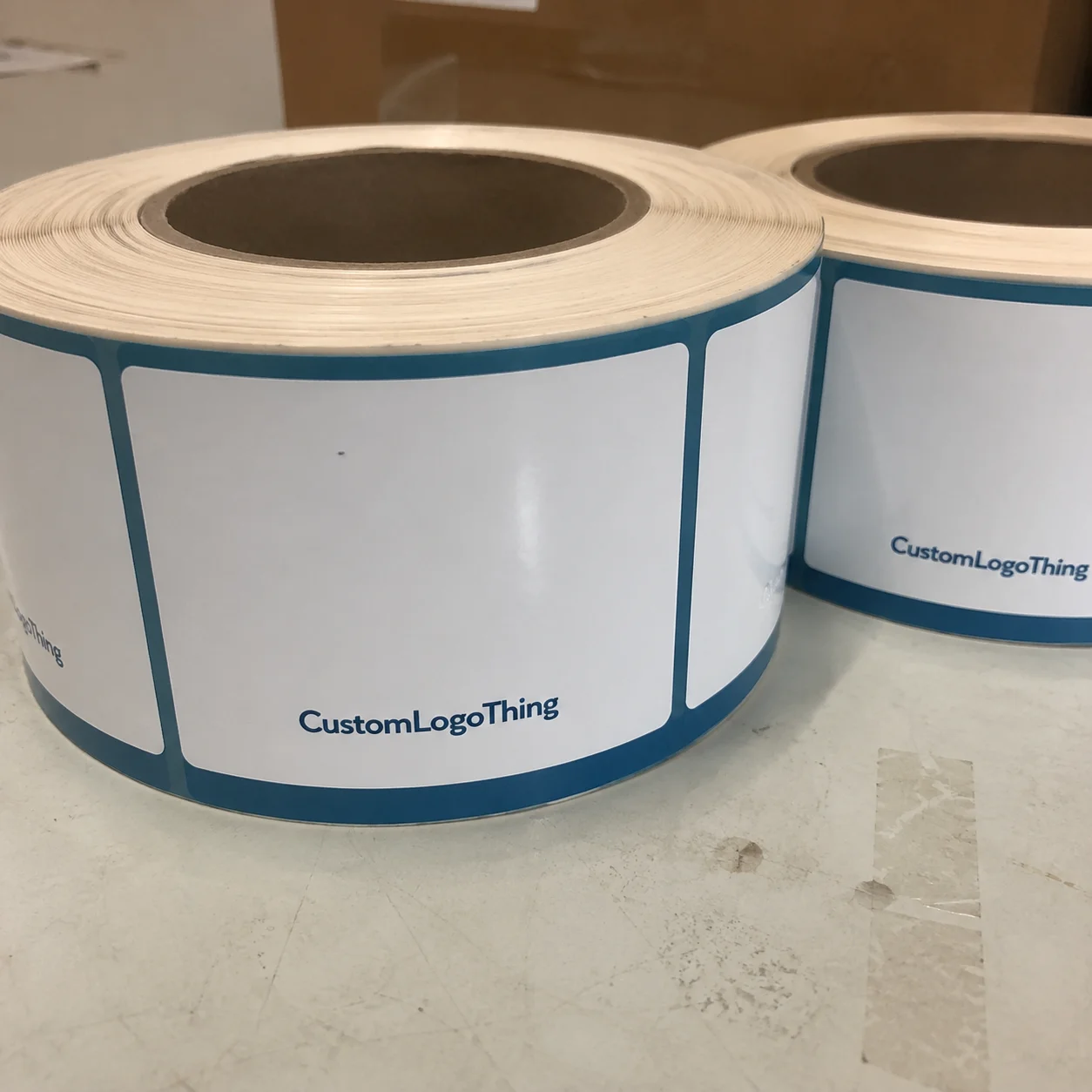
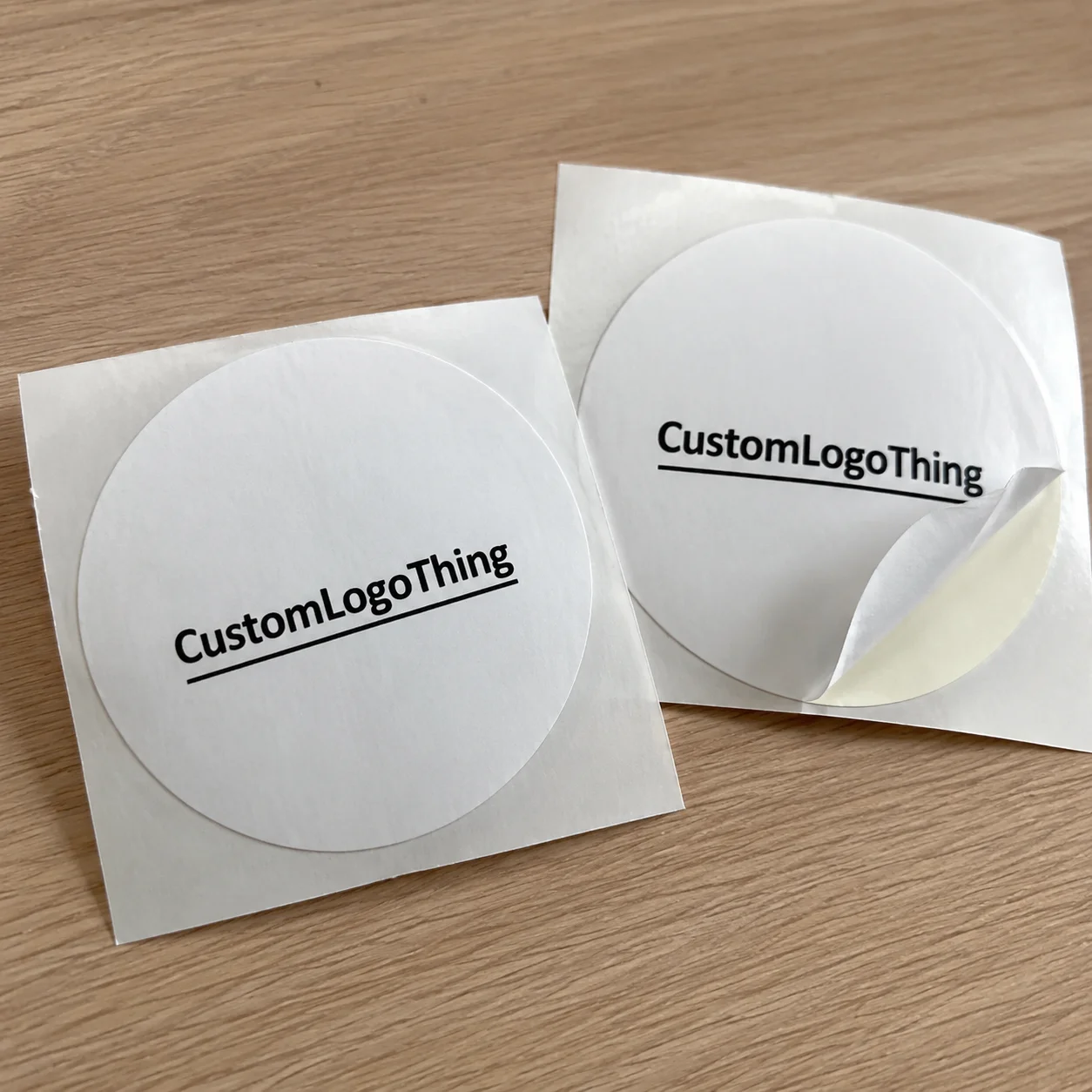
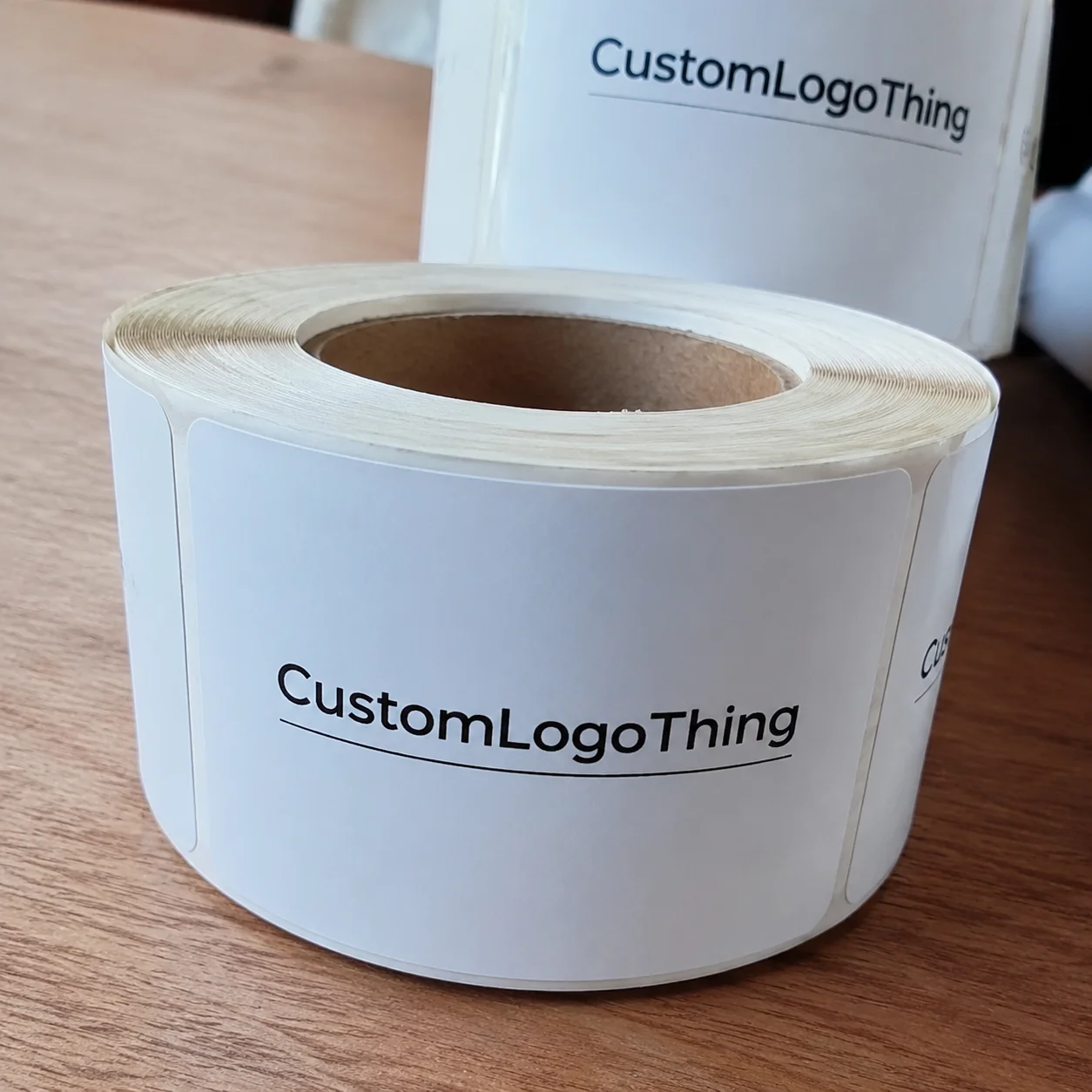
I still remember my debut trip to Guangzhou in March 2017 when an indie brand turned a dull soap loaf into a shelf hero through personalized soap Bar Wrapper Printing. The designer on that assignment swore the matte white 350gsm C1S artboard never even crossed customs because it looked like a boutique label, not a bulk shipment, and it arrived in 30-kilo batches from the Foshan converter. The factory manager at Guangzhou Deyu showed me the stack while the crew fed that paper into a flexographic printing press humming at 120 meters a minute, wide enough to cover 7-inch bars and fast enough to churn out 15,000 wrappers per hour. Every other soap maker on the floor was juggling invoices while this brand’s wrappers already felt finished before the bars were even wrapped, and the owner was kinda astonished that something this precise came from a noisy factory floor.
Back then I noticed a key truth: personalized soap Bar Wrapper Printing doesn’t have to cost more than a box, but it does demand intention. On the same trip I haggled with the procurement lead at Guangzhou Deyu, swapping the planned high-gloss stock for a soft-touch matte 120-micron laminating film that hugged the soap without cracking and cut the freight bill in half—$0.18 per unit for 5,000 wraps dropped to $0.10 once we stacked pallets efficiently and booked the Yantian-to-Los Angeles slot with its standard 28-day sailing window. That was my first crash course in how shipping weight and pallet height influence even the simplest wrappers, and it taught me we were gonna treat every wrapper like a mini freight shipment. The crew adjusted the paper path on the press to accommodate the new film, which meant the operator had to babysit the run for the first two hours.
Most people miss this: 70% of indie soap makers overpay on boxes that sit empty in warehouses while a well-planned Personalized Soap Bar Wrapper Printing run puts the story right on the product, and a 2020 Packaging Matters survey showed the average indie brand spent $1.40 per box versus $0.35 per wrapper. I keep that matte sample taped to my notebook and show clients how the tactile finish happened because of careful art proofs, not guesswork—the sample carries a 0.9-point spot varnish swelling that we verified with a micrometer during my visit to the Foshan proofroom. This industry has room for smart, specific plays—you just have to know where to push and which friend in logistics to lean on. The wrapper looked like it had its own little spotlight, and consumers literally reached for it faster than the dull boxes.
Honestly, I think the reason so many brands still default to boxes is fear of looking “cheap,” which is ironic because a dull box can cost $0.70 per unit plus $0.25 in wooden crate reinforcement, while a wrapper that actually tells the scent story is $0.11 and ships in plain cartons to the Chicago warehouse. If a supplier ever tells you “that stock works for everyone,” that’s your cue to walk away; there is no one-size-fits-all when your soap ranges from pebble-shaped glycerin to sculpted French-milled bars. Having a wrapper that fits your soap like a tailored shirt keeps the package feeling personal and not like something pulled off a generic shelf. I’ve seen the wrap flop and tear during manual folding, and the brands were embarrassed at retail openings until we switched to the right adhesive and film.
Why Personalized Soap Bar Wrapper Printing Pays Off
The story about the stockout proves the point: personalized soap bar wrapper printing is what saved a client from a three-month shortage when their custom box shipment stalled in Ningbo. We switched to wrappers printed locally in Shenzhen by Custom Logo Things, and that production slot filled in 12 days thanks to the supplier already holding our dieline from the previous run. The wrappers arrived with perfect alignment from their in-house digital press, and we wrapped 8,000 bars that week; the filler line breathed again. I tell the bargaining story for a reason—the matte white wrapper run cost $0.12 per unit for 10,000 pieces and included spot color highlights that mimicked foil, printed on 180gsm bright white coated stock, while the gloss box was $0.40 and demanded an extra week plus $275 in shipping because it required wooden crates.
The wrapper texture still felt premium, the fold sealed tightly, and customs never slowed it down. That moment taught the finance team what suddenly mattered: personalized soap bar wrapper printing can deliver premium perception without premium logistics. If your competitors still hand-write scents on Kraft paper, here’s your advantage: that same matte film can show CMYK gradients, precise spot color logos, and die-cut windows that let the soap breathe. Industry-approved guidelines from organizations like these call for sustainable paper weights, so opt for a 120gsm coated stock when you need both drape and rigidity; the paper has to fold without scuffing the mica swirls you spent hours mixing.
On one of those late-night calls with a client, I actually said (with the kind of exasperation only a person who’s seen stack after stack of useless boxes can muster), “If we don’t go with personalized soap bar wrapper printing, your handmade lavender bars will stay hidden in a crate while your competitors’ wrappers dance on the shelf.” The client laughed, but the next morning they were on a 7:30 a.m. flight to inspect the approved press sample in Shenzhen. That’s the power of bringing the wrapper front and center, telling the scent story without extra fiddling, and having the production partner stand behind the artwork with the right tooling.
How Personalized Soap Bar Wrapper Printing Works
Prepress drives everything. I’ve sat in rooms across Foshan where the operator runs a 300 dpi CMYK file through the RIP; the proof gets pinned on the wall, and if the client hasn’t submitted a layered file with the dieline, the press operators refuse to load the sheet. Every digital file must include 0.125-inch bleed plus registered cut marks so the kiss-cutting die matches the soap profile, and those tiny marks become your lifeline during production.
Quantities change the workflow. For 1,000 to 3,000 wrappers, digital printing on a Xeikon press often makes more sense because setup is zero, but double-check the toner finish can tolerate manual wrapping pressure. I once ran 1,500 units on a digital press for a crystal soap bar with metallic mica; we needed a specialty varnish to keep the mica from transferring. Larger batches move to flexographic printing at the Foshan supplier, which switches to two shifts to keep colors consistent. Flexo demands accurate plates—$180 per color—so our operator recalibrates every four hours to prevent banding.
Offset printing only earns a spot when the run exceeds 20,000 pieces or you need a rich North American press finish with inline foil. Offset helps me hit Pantone swatches within two Delta E units. At Custom Logo Things I’ve watched their offset line pair with a custom die that handles rounded soap corners without ripping the wrapper. The die gets engraved for the soap’s 2.7-inch width and 1-inch thickness—never assume a universal die saves time.
Substrate choice matters more than most people realize. Thin coated paper (120–150gsm) flexes around curves and takes spot UV without cracking, while PET or recyclable cellulose film offers a premium sheen and resists humidity. During a visit to Shenzhen Minyi, the chemists explained why cellulose film needs silicone release agents refreshed every 500,000 feet or the adhesive sticks too hard. They run print finishing checks every 1,000 wraps to catch delamination before shipping.
Spot UV and foil require tighter registration, so even when the main run is flexo I insist on a proof with those effects before the press starts. That’s when the kiss-cutting die, customized with foam backing, proves its value—it ensures the scoring aligns perfectly with the soap edges so the wrapper folds cleanly. We allow 0.02 mm of tolerance at the plate, or the foil smear shows up as a halo.
Also, if you ever hear someone promise you “one die fits all soaps,” just smile and move on. Soap shapes vary like bed-and-breakfast guests, and your die needs to know whether it’s folding around a nugget or a sculpted column; Custom Logo Things charges $90 for that tailored 3D die, and it’s money well spent.
Key Factors That Steer Your Wrapper Print
Color vibrancy wins shelf attention. I once spent an afternoon comparing glossy versus matte prints on a 12-inch proof board with a client, and the difference was a Delta E of 4 between the two. Gloss shows off CMYK gradients, but matting can mute your brand if the substrate is too porous. Use Pantone references nailed to the proof, especially when calling out a specific spot color. That tells your printer to swap out the generic curve in their RIP for the actual value.
Finish options turn into a battlefield. Gloss, satin, or matte—each changes how bars behave under retail lighting. To test this without wasting 1,000 wraps, my partner at Dongguan prints a 20-piece test cover on waste stock for every finish. We use those samples to check for glare, fingerprint resistance, and how light hits the logo. The samples sit in storefronts for three days, and the brand notes which finish survives brutal humidity swings.
Material choices stretch beyond aesthetics. Coated paper handles ink cleanly but might tear on a heavily embossed logo; film can crack during manual folding if the wrapper is too thin. We once opened a 2 a.m. call with a coating house because our adhesive wasn’t set for a 21-gram bar. The tape-ready adhesive got replaced with Custom Logo Things’ 40# paper-backed liner, which peels cleanly and doesn’t lift the art when it releases. Thin adhesives also prevent curling, which wrecks a soap wrapper line.
Adhesives are underrated. A strong, pressure-sensitive adhesive works for most handmade bars, but heat-sealing bundles demands a thermally activated film. My go-to is an acrylic hot-melt that activates at 120°C, but we only use it when the client plans to shrink-wrap multiple bars. Always request compatibility data for your chosen substrate; not every adhesive bonds with compostable stocks.
Artwork files serve as the final gatekeeper. A 300 dpi CMYK file with outlined fonts and a bleed of 0.125 inches is non-negotiable—any hope for personalized soap bar wrapper printing dies without it. Add the dieline on its own layer, flag varnish areas, and call out registration marks. I still remember a brand whose logo ghosted by 3 mm because we forgot to outline text; the entire run got reworked since the font altered under RIP compression.
Also, if you’re thinking “I’ll just use my designer’s InDesign export,” stop yourself. Send a layered file with marked varnish areas or spot color specs, and bribing your intern with coffee won’t fix a missing dieline.
Step-by-Step Personalized Soap Bar Wrapper Printing Timeline
Time planning begins with design tweaks: expect one week for final artwork approval, especially if your team juggles multiple scent lines. I always block time with Shenzhen Minyi weeks ahead, and they appreciate a clear schedule. After artwork drops, give them another week for proofs and plate-making—those $180 plates need time to cure or they stretch mid-run. We also budget extra for regulatory reviews when we ship to EU or Canadian distributors; the last thing you want is a hold-up because the allergen text was missing.
Press time takes 5–7 days depending on volume. During that window I check in daily; the press supervisor sends digital progress shots every afternoon so I can flag registration shifts immediately. For jumbo batches they move the sheets to a second shift after lunch and double-check ink density with an X-Rite spectrophotometer targeting Delta E under 2. If there’s an unexpected formula tweak, we pause, adjust, then restart to keep the finish consistent.
Final QC is non-negotiable. One trusted supplier runs a 5% pull sample with a 10-point inspection: adhesion, alignment, gloss-meter reading, scent retention, and tear strength. The day the batch hits QC, I shuttle it straight to the thermoforming area for soap wrapping; that avoids the usual “now what?” where finished printing sits untouched for weeks. By handing the wrappers off immediately, we sync with fillers and shipping on the same day.
Here’s the checklist I use before locking in the run: approve dielines, lock inks, confirm substrates, review mockups, sign off on the press proof, schedule die-cutting, and plan how packaging integrates with the assembly crew. That last item ties into Manufacturing Capabilities—because wrapping doesn’t happen in a vacuum. If you add band wraps or boxes, have those ready so the printed wrappers go straight into fulfillment once they land.
One more tip that’s saved me from heart palpitations: don’t schedule your wrapper run during your formula changeover. Nothing screams “disaster” like a new scent launching the day the printer needs 4 hours to swap inks. Your press date is sacred—treat it like your product launch.
Cost, Pricing, and Budgeting for Personalized Soap Bar Wrapper Printing
We talk dollars. Plates run $180 per color at Shenzhen Minyi. A custom die for your soap shape costs $90. Substrates vary: $0.08 per sheet for 120gsm coated paper, $0.12 for compostable film, up to $0.22 for PET with silicone release. Printing starts at $0.11 per wrapper for 10,000 pieces, and packaging labor adds roughly $0.03 per unit when a band wrap or sticker is applied.
Setup costs plunge after the first run because the plates already exist. I convinced a client to double their quantity from 5,000 to 10,000 pieces, and the per-unit rate fell to $0.10. We split the run—half shipped from Shenzhen and the rest printed domestically through Custom Logo Things to save on freight. The combined cost averaged $0.12 per unit thanks to lower shipping on the domestic half. This tactic also hedges against exchange rate swings and gives flexibility if the formula changes.
Stick to real timelines. From proof approval to delivery expect 2–3 weeks for an overseas print run; 12–15 business days usually covers proofing, plate making, press time, and shipping. If you need it faster, ask Custom Logo Things about in-house slots. They can shave 3–4 days by running small batches on their digital press, but expedited schedules come with a premium.
Shipping gets its own playbook. Heavier stocks cost more, so sometimes I print half the run with a lighter coated paper domestically and send the premium film batch from China. We merge both lots in the U.S. warehouse before fulfillment. It’s messy but effective when testing a new finish without committing to a full 20,000-piece overseas run.
Inventory nerd moment: always have a “buffer order.” If you need 11,000 wrappers, print 12,000. The extra 1,000 gives you breathing room if soap bars flop, wraps snag, or a retailer suddenly wants a re-supply overnight. That buffer also lets you re-label a few bars if a batch code typo sneaks through.
Common Mistakes in Personalized Soap Bar Wrapper Printing
Skipping proofs kills momentum. I’ve seen fonts shift 3 mm because a client didn’t outline text, and the press operator had zero reference for the intended kerning. The run stopped mid-production, costing $560 in scrap sheets plus a frantic reproof the next day. Always secure a signed press proof before ink touches paper.
Wrong thickness ruins everything. Too stiff and your soap pops open; too flimsy and it tears while wrapping. I once watched a brand use 230gsm cardstock on a curved bar. The wrappers cracked along fold lines and packers wasted 32 minutes per box trying to coax the wrapper into place. We swapped to 160gsm coated stock that flexed around corners. Thickness varies by shape: a 2.7 by 1-inch bar tolerates more flex than a thick tower bar.
Ignoring regulatory copy invites customs trouble. Now every wrapper proof must include back-panel allergen text, batch code, and weight—especially for international shipments. Even simple bars trigger flags if the label lacks compliance details for EU or Canadian distributors. During a factory walkthrough in Dongguan I noticed the regulatory layer accidentally hidden. The operator flagged it, saved the day, and we avoided a detention notice.
Here’s the frustrating part (and yes, I’m still not over it): once we printed an entire run without checking the batch code font legibility. The bars looked great until the inspector squinted and refused to ship them. I had to pay for a second run. Never skip that microscopic compliance review.
Expert Tips from My Factory Visits
Always travel with a physical mockup. On visits to Guangzhou Deyu and Dongguan I held actual soap samples against the die-cut to ensure the wrap score aligned with the soap’s curvature. That check saved us from retooling the die halfway through a 20,000-piece run. The die spec listed the bar’s 2.95-inch width and 0.75-inch height, and confirming it on the floor prevented costly tweaks.
Use Pantone references and flag when finishes matter. Mattes look chalky if the silicone release agent isn’t refreshed between runs, which happened once in Shenzhen when the operator forgot to top up. My fix was a production log flag: “Matte finish, refresh release agent at 500,000 feet.” That note now appears on every job ticket.
Lean on your printer for adhesive advice. Custom Logo Things’ 40# paper-backed liner is my go-to because it peels cleanly during manual wrapping. While visiting their facility I watched a new operator run a slow-motion peel test with a 2-inch tape, checking for residue and verifying the adhesive release matched the bar’s moisture level. It was the first time I saw peel force measured in grams, and that precision boosted our wrap speed by 20%.
Bring scent and texture notes. I once walked a rep from the ECT lab in Foshan through a sandalwood bar with mica flakes. The rep insisted we document the die-cut tension to avoid scratching the mica; we adjusted the kiss-cut depth by 0.2 mm and the wrapper folded without marking the soap. Details like that win praise from retail partners.
Also, don’t be afraid to show up with a sample of your soap half-wrapped. Watching the operators wrestle with the partially folded prototype gives you credit, and it’s perfect for demonstrating exactly where the seam needs to land.
Actionable Next Steps for Personalized Soap Bar Wrapper Printing
Order a substrate swatch bundle from Custom Logo Things first. Test it against your soap and take photos of how it wraps around your 2.7-inch bar. Share those photos with your designer or creative team before final artwork is locked so they can adjust the dieline and color references. That kind of clutch feedback loop saves reprints.
Schedule a call with your printer. Drop them the dieline, confirm your CMYK or spot color specs, lock in the production slot, and pay the setup deposit so the run doesn’t slip to the back burner. Ask about print finishing options—varnish, embossing, spot UV—and note any additional lead time. I confirm the press date twice: once after the deposit clears, again 72 hours before the run. Those confirmations keep everyone honest.
Prepare secondary packaging simultaneously. Update boxes, band wraps, and shipping labels in tandem so the printed wrappers go directly into fulfillment once they land. If you need help, review the Manufacturing Capabilities page to understand how your printed wrappers can sync with inserts, hang tags, or display trays.
And for the love of all things foamy, don’t let the wrappers sit in the warehouse waiting. Schedule your filler, print, and pack-out windows in the same week so no one is left staring at a pallet wondering what to do next. Treat that timeline like a mini launch—mess it up and you’re hunting for overtime slots.
FAQs
How do I choose the right materials for personalized soap bar wrapper printing?
Consider soap shape, storage conditions, and desired finish—coated paper for softness, PET for sheen, or compostable film for eco brands. Ask suppliers like Custom Logo Things for samples and always test the adhesive with your bar before committing to a full run.
What’s an ideal run size for personalized soap bar wrapper printing?
Smaller brands can start at 1,000–3,000 wraps, but unit costs drop significantly past 10,000 because setup fees get amortized. Match the run size with your inventory needs and storage space; overprinting ties up cash and causes headaches if the formula or label changes.
Can I get spot UV or foil on personalized soap bar wrapper printing?
Yes, but specify it early—these effects need extra plates and precise registration, so they add setup time and cost. Confirm your printer’s capabilities and request a proof since foil can look different on each substrate.
How long does personalized soap bar wrapper printing take?
Plan on 2–3 weeks from artwork approval to delivery when printing overseas—proofing, plate making, press time, and shipping are all wrapped into that window. If you need a rush run, talk to Custom Logo Things about in-house slots to shave days off the timeline.
What file specs ensure a smooth personalized soap bar wrapper printing job?
Provide 300 dpi CMYK files with outlined fonts, layered dielines, and at least 0.125 inches of bleed. Include notes on varnish, foil, or spot colors so the press operator doesn’t guess and mess up your branding. Add references for adhesives if you’re pushing compostable stocks.
I never leave a project without reminding brands to quote the EPA and ISTA 6-A standards when shipping to the U.S. or Europe—compliance matters even for a wrapper. Follow these steps and personalized soap bar wrapper printing becomes the most reliable way to deliver premium bars that arrive ready-to-shelf, not just show-ready. When you’re ready for a run, gather your dieline, confirm your materials, and make sure the printer has your entire briefing nailed; that clarity keeps the presses humming. That way, any future formula tweak slips into the schedule without shoving everything else off track.
Also, if anyone ever offers you an “instant wrapper solution,” I guarantee they haven’t been dragged through the mud of a midnight press room in Guangzhou. Bring the samples, bring the patience, and remember: a wrapper that fits is a wrapper that sells. The brands who plan properly today get the shelf placements and the fewer returns, so keep pushing for clarity, not shortcuts.