Personalized Labels for Sewing Projects: Shop Smarter
Handmade work can be excellent and still feel unfinished. A neat label changes that fast. Personalized labels for sewing projects give a quilt, tote, garment, or pouch a clear identity, and they do it without taking over the design. The best versions are quiet, legible, and sturdy. The bad ones look like an afterthought stitched onto a good idea.
That small rectangle does more than carry a name. It can hold brand recognition, care notes, size information, and a short maker message. It also affects how buyers judge the item before they touch it. If the label is clean and well placed, the piece reads as finished. If it is scratchy, oversized, or visually noisy, the whole product drops a notch.
For a practical product reference, the page for Custom Labels & Tags is a useful starting point for comparing material, fold style, and attachment options. The right choice depends on the project, but the decision process is consistent: match the label to the fabric, the seam, and the way the item will actually be used.
What These Labels Actually Do
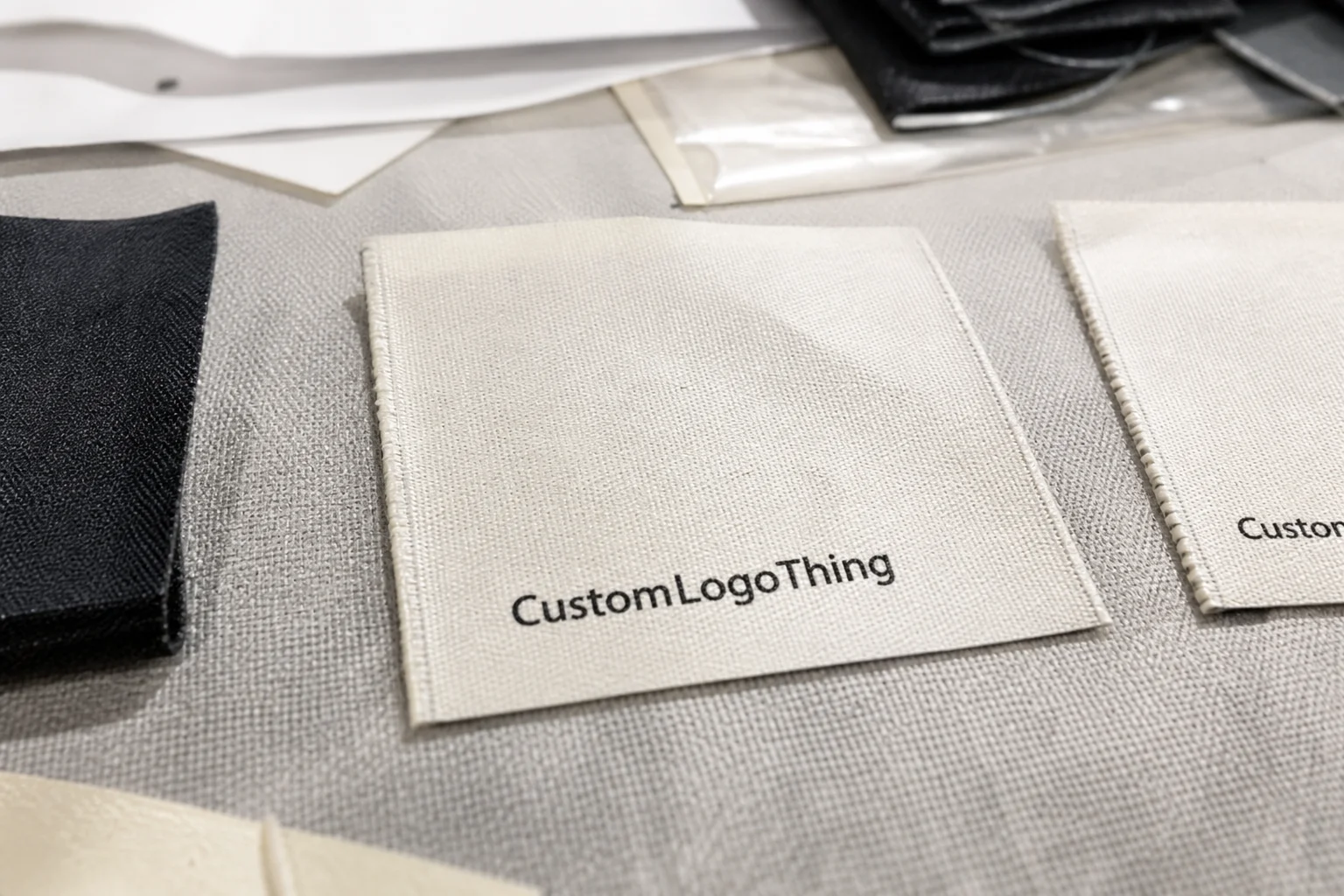
Personalized labels for sewing projects are part branding, part utility, and part quality signal. They help identify the maker, but they also do a lot of invisible work. A label can make a small batch of handmade goods feel cohesive. It can also reduce confusion when products move from a studio table to a retail shelf, a gift box, or a customer’s laundry pile.
Placement changes the message. A label tucked into a garment neckline feels different from one stitched into a side seam. A quilt label on the back is documentation as much as decoration. A bag tag on the outside is branding, full stop. The material and finish need to follow that role. If the label touches skin, softness matters. If it sits in view, contrast and edge quality matter more.
The common mistake is treating the label as a separate add-on. It is not. The label should behave like part of the finished object. Too glossy on a linen pouch. Too coarse inside a baby garment. Too large for a slim seam. Those are all easy mistakes to avoid once the label is treated as a design decision instead of a box to tick.
There is also a pricing effect that makers sometimes miss. A good sew-in label can raise the perceived value of a small product line without touching the construction cost of the item itself. That matters for anyone selling at craft fairs, online, or through small retail accounts. Buyers notice the branding before they remember the stitch count.
How the Production Process Works From Proof to Delivery
The process starts with specs, not artwork. Size, fold type, color count, edge treatment, and attachment method all need to be decided early. Each choice changes how the label behaves in production and how it sits on the finished fabric. A woven label has different limits from a printed satin label. Heat-transfer labels have different installation requirements from stitched labels. If those details are vague, the proof stage gets messy fast.
Proofing is where the expensive mistakes are caught. Check spelling. Check line breaks. Check logo scale. Check whether the fold direction matches the way the label will be sewn in. If the label is meant for a seam, the artwork should reflect that. If it is meant to sit flat, the proof should show the final orientation clearly. A rushed approval is usually where a reprint starts.
Sampling is worth doing when the item will be sold, worn, or washed. A digital proof can show color and layout. It cannot tell you whether the label feels stiff against cotton jersey, or whether a folded edge creates bulk inside a slim hem. A physical sample does. It also shows how the label reads in daylight, which is where most customers will actually see it. Screen mockups are useful. Fabric tests are better.
Turnaround depends on the whole chain, not just the factory run. Simple labels may move quickly. Complex woven labels with multiple colors, special folds, or extra finishing steps take longer. A realistic standard window for a custom run is often 12 to 15 business days after proof approval, with shipping added on top. Rush orders are possible, but they usually cost more and leave less room for correction. If timing matters, ask for a schedule that breaks out artwork review, proof approval, production, and transit separately.
For packaging or transit-sensitive orders, testing frameworks like ISTA are useful when labels ship as part of boxed kits or bundled product sets. And if a supplier makes recycled or certified paper claims for hang tags or inserts, Forest Stewardship Council documentation is a sensible place to verify them. Sewing labels themselves are a different category, but the same rule applies: claims should be traceable, not decorative.
Cost, Pricing, and MOQ: What Changes the Unit Price
Pricing for personalized labels for sewing projects depends on more than quantity. Material is the first driver. So is whether the label is woven, printed, satin, cotton twill, or heat-transfer. After that come fold style, color count, edge finish, backing type, and shipping lane. MOQ matters because setup costs have to be spread across the batch. A 100-piece run will almost always cost more per label than a 1,000-piece run, even when the design is identical.
The quote itself needs scrutiny. Does it include proofing? Does it include minor corrections? Is shipping bundled or separate? Will a typo discovered after approval count as a new order? Those details can move the actual cost more than the headline price suggests. Comparing quotes without matching the spec sheet is pointless. The numbers look comparable until they are not.
| Label Type | Typical MOQ | Indicative Unit Price | Best Use | Notes |
|---|---|---|---|---|
| Woven damask label | 100-500 pcs | $0.18-$0.45 | Apparel, bags, premium handmade goods | Good durability and crisp branding |
| Printed satin label | 100-300 pcs | $0.12-$0.30 | Soft garments, lightweight items, detailed copy | Softer hand feel, better for fine text |
| Cotton twill label | 250-500 pcs | $0.16-$0.38 | Quilts, heritage styles, natural-fiber brands | Natural look, less contrast than woven |
| Heat-transfer label | 100-250 pcs | $0.20-$0.55 | Stretch garments, low-bulk applications | Comfortable on skin, needs correct application heat |
Those ranges are realistic for small to mid-size runs, but artwork complexity can push them around. A dense logo with multiple thread colors costs more than a simple mark at the same size. Rush production also adds a premium. Cheap quotes can become expensive if the label arrives unreadable, frays early, or forces a remake. That is not a bargain. That is a delay with paperwork.
If cost control matters, keep the system simple. Use fewer colors. Stay with standard folds. Avoid unnecessary special finishes. A repeatable format also makes future reorders easier, because the supplier can work from an existing spec instead of rebuilding the job. For makers who plan to reorder Custom Labels & Tags, that consistency saves time and usually avoids new setup fees.
How to Choose the Right Material, Fold, and Finish
Start with the item, not the label. A label inside a child’s shirt has different needs from one sewn onto a structured tote. A quilt label has different expectations from a retail pouch tag. Personalized labels for sewing projects work best when they suit the fabric and the function of the piece. If the label fights the product, the product loses.
Material choice affects hand feel, durability, and visual sharpness. Woven damask labels are the go-to for a polished, durable look. They handle brand marks well and hold up through repeated washing. Printed satin gives more freedom for small text and softer graphics. Cotton twill feels more natural and suits handmade or heritage-style items. Heat-transfer labels are a good option for stretch garments or any project where bulk is a problem, but the application has to be controlled carefully. Too much heat or uneven pressure can shorten the life of the print.
Fold style matters because it changes both the sewing process and the finished look. A center fold works well when the label sits in a seam. End folds are useful for a flag-style presentation. Book folds create more usable surface area, which helps when you need a name on one side and a size or care note on the other. Straight-cut labels are flexible and easy to place, but the stitching has to be cleaner because the edges are exposed. There is no universal best option. There is only the fold that fits the seam allowance without creating a hard ridge or an awkward visual break.
Finish is where a lot of cheap-looking labels give themselves away. A matte finish tends to read more restrained and modern. A glossy surface can work for gift items or playful pieces, but it can also feel out of place on natural fabrics. The finish should match the product mood. Linen tote, shiny label: bad fit. Structured pouch, crisp woven label: better. If the label is louder than the piece it is attached to, it is probably wrong.
Step-by-Step Ordering Checklist for Small Batches
Small runs are where process saves real money. The goal is not perfect artwork on the first try. The goal is to avoid the kind of errors that force a reorder. A straightforward checklist keeps the order moving without overcomplicating the design.
- Measure the available space on the garment, bag, quilt, or accessory before choosing a label size.
- Write the final copy first. Include only the brand name, care note, size, website, or maker message that truly fits.
- Pick the format: woven, printed, satin, cotton twill, or heat-transfer.
- Choose fold style and attachment method based on the seam allowance and final placement.
- Request a proof and inspect spelling, alignment, line breaks, crop margins, and color balance.
- Test a sample on the final fabric whenever possible.
- Check readability in daylight and indoors.
- Save the exact spec so the next reorder is a repeat, not a fresh design exercise.
That last step gets skipped more often than it should. A saved spec sheet with dimensions, colors, fold type, attachment method, and intended fabric makes later quotes easier to compare. It also keeps multiple product lines visually consistent. If you make bags, garments, and quilts, the label system does not need to be reinvented three times.
For small batches, ordering a few extras is smart. Test pieces happen. Mis-stitches happen. Repairs happen. A buffer of 10 to 15 percent is usually enough for a small production run. Reordering a tiny top-up later often costs more per piece than the original order, so the “exact number” approach usually backfires.
One more production check: if the label will be sewn onto stretch fabric, test it after the item has been worn and washed. A label that looks fine on a flat sample can distort on knit fabric or curl under steam. That kind of problem is easy to miss in the studio and obvious on a customer’s garment. Better to catch it before the batch ships.
Common Mistakes That Make Custom Labels Look Amateur
The fastest way to make a label look cheap is to cram too much into it. Makers often want a logo, brand name, website, care instructions, and a slogan in one tiny space. The result is clutter. Text gets small. The logo shrinks. Nothing reads clearly once it is sewn in. A label is not a brochure. It has very limited real estate, and that reality wins every time.
Low contrast is another subtle problem. Beige on off-white. Gray on pale blue. Thin script on a shiny background. On screen, it can look tasteful. On fabric, it often disappears. If the label needs to be read at arm’s length or under poor indoor lighting, use stronger contrast and a heavier type treatment than the mockup might suggest.
Placement errors are just as damaging. A seam that scratches the neck. A label stitched too close to a hem, then curling after the first wash. A fold that makes the label twist sideways. None of those problems are difficult to prevent. They just require a prototype check and a bit of attention to where the stitch line lands.
There is a broader branding mistake too: making the label feel like it belongs to a different product. A soft, heirloom-style quilt should not carry a loud, shiny label that looks like it was designed for athletic gear. A minimalist bag should not have a decorative label packed with extra copy. Good personalized labels for sewing projects support the product. They do not argue with it.
One useful check is to compare the label against the finished piece in three situations: on the sewing table, under indoor lighting, and after a wash cycle. That combination exposes most of the failures that matter. If the label passes those tests, it is probably ready. If it only looks good in the mockup, it is not.
Expert Tips and Next Steps for a Clean Launch
Build one master label spec and adapt it across product lines. It sounds basic because it is. It also prevents a lot of ordering mistakes. The same core spec can move from apparel to pouches to quilts if the size, material, and fold are adjusted with some discipline. That saves time in proofing and makes reorders faster to approve.
Keep a simple record of what you ordered and how it performed. Dimensions, thread or print colors, fold type, attachment method, intended fabric, and wash performance are enough. Add notes after the first few uses. Over time, that record becomes more useful than any sales page because it shows what actually held up and what did not.
For a first run, a test batch is usually the safest move. Compare softness, clarity, and durability before you commit to a larger order. That costs more up front, but it lowers the chance of locking in a design that looks strong on paper and awkward on fabric. The same logic applies to sourcing claims. If a supplier says a label or insert is certified, verify the paperwork before printing the claim. A label is part of the product promise, not just decoration.
The most reliable labels are not the loudest ones. They are the ones that read clearly, hold up to wear, and fit the item without fuss. Good personalized labels for sewing projects make the maker look organized, even when the actual studio is full of thread scraps and unfinished hems. That is the kind of polish buyers remember.
Before you reorder, compare the current label against your saved spec and the final product. If the fabric, fold, or finish no longer fits the line, change it now. A clean launch is about fit and consistency, not about making the label bigger or flashier.
When the next batch is ready, use the spec you already trust and place the order for Custom Labels & Tags only after the proof matches the way the item will actually be sewn and used.
FAQ
What size should personalized labels for sewing projects be?
Start with the available seam allowance or placement area, not with the design. The label has to fit the fabric cleanly and still be readable once it is stitched in. If the space is tight, test the size on scrap fabric before approving the full order.
Are woven or printed labels better for sewing projects?
Woven labels usually feel more durable and more premium, especially for apparel and resale items. Printed labels are a better fit when you need fine text, a softer look, or more flexibility in layout. The better choice depends on wash life, artwork detail, and skin contact.
How long do custom labels for sewing projects usually take?
A standard custom run often takes 12 to 15 business days after proof approval, then shipping time on top. Complex folds, specialty materials, and rush service can change that. Ask for the full schedule so you know where delays can happen.
What should be printed on sewing project labels?
Start with the maker or brand name. Add care, size, or website details only if there is room and the text still reads clearly. Keep the copy short. Dense text turns into noise once the label is stitched into the product.
How many personalized labels should I order for a small sewing batch?
Order enough for the finished units plus extras for tests, mistakes, and later repairs. Check the MOQ before finalizing the quantity, because it affects unit pricing. A small buffer usually costs less than a second small run.