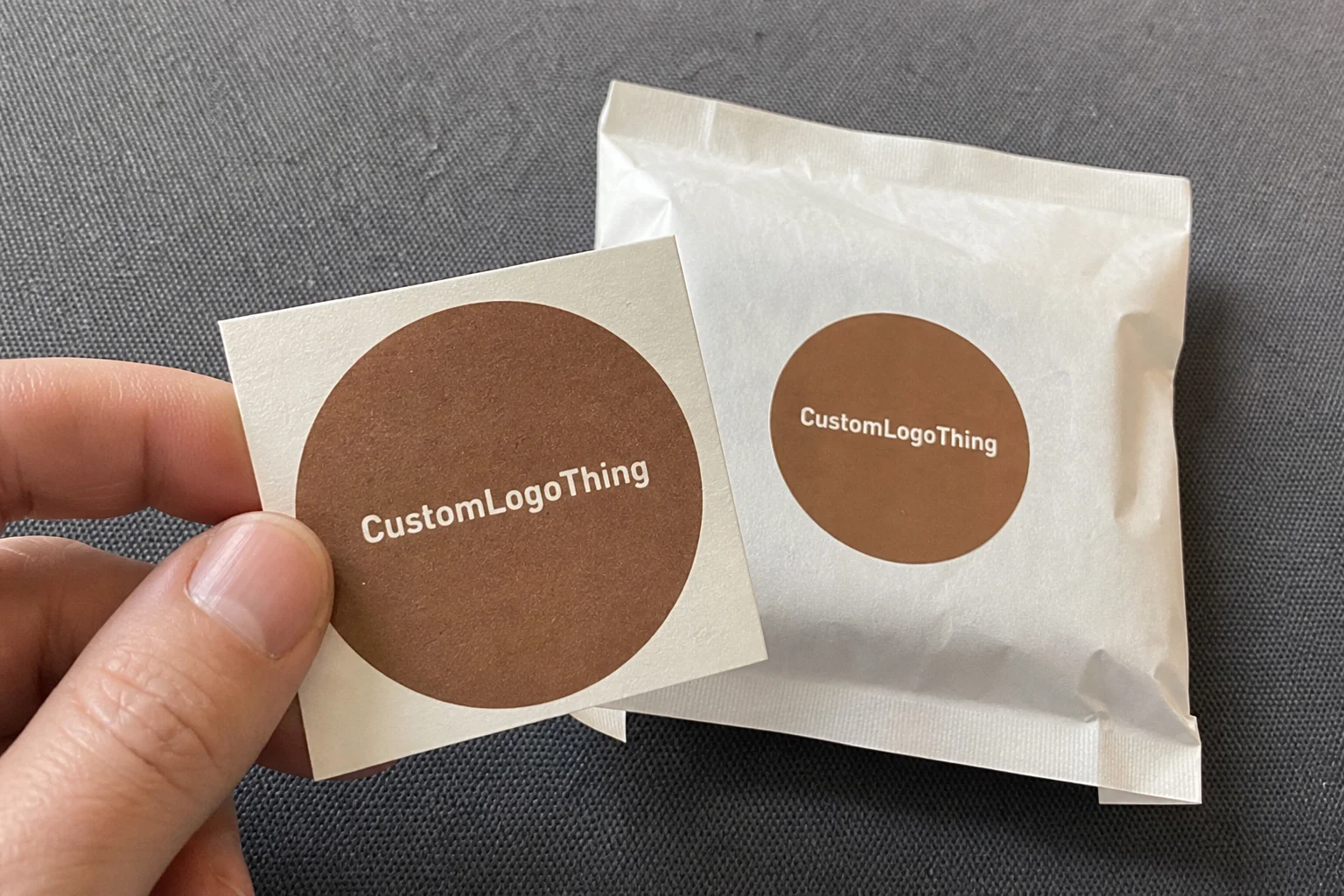
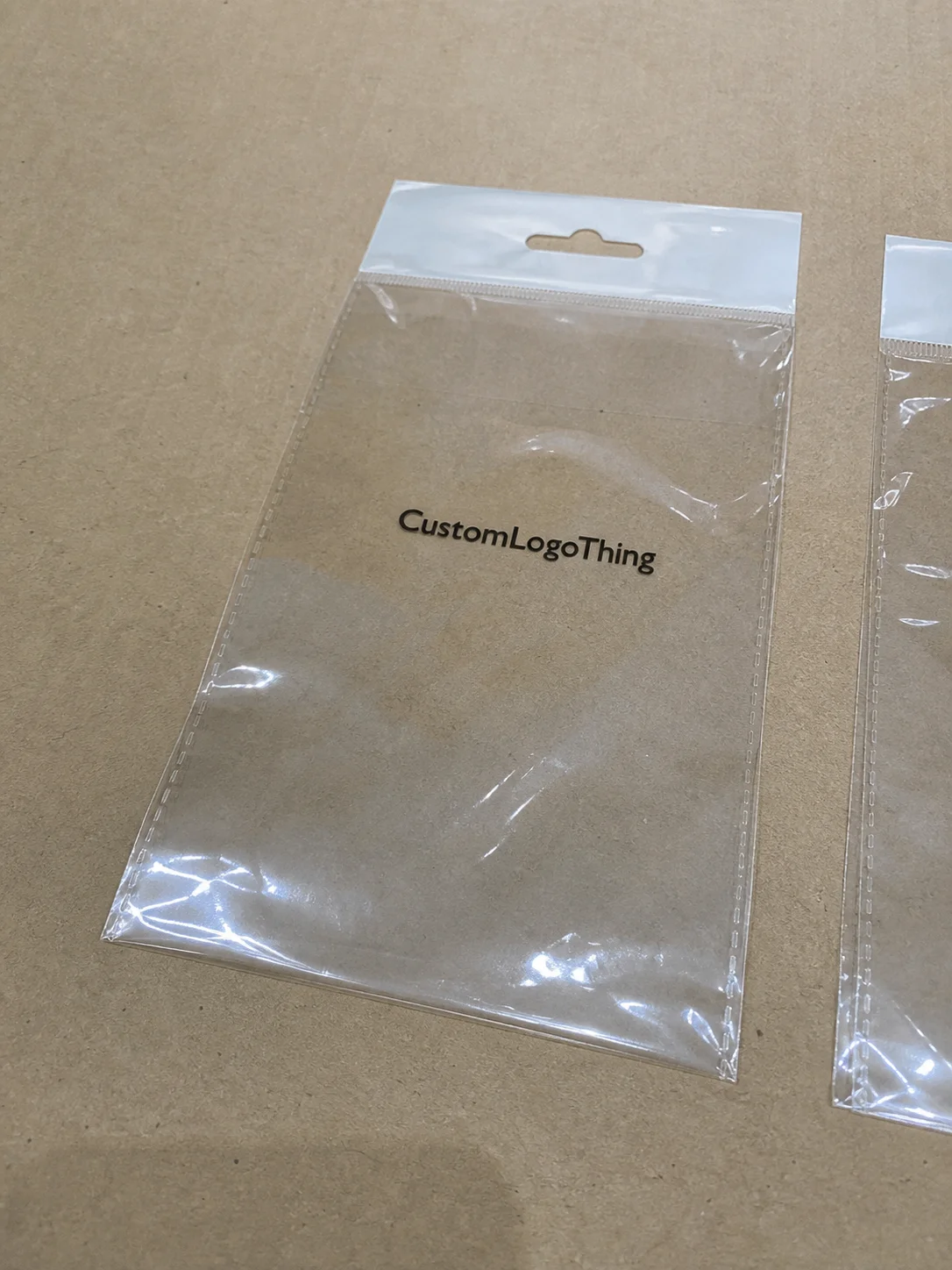
Buyer Fit Snapshot
| Best fit | Personalized Packaging for Food Entrepreneurs projects where brand print, material claims, artwork control, MOQ, and repeat-order consistency need to be specified before quoting. |
|---|---|
| Quote inputs | Share finished size, material target, print colors, finish, packing count, annual reorder estimate, ship-to region, and any compliance wording. |
| Proofing check | Approve dieline scale, logo placement, barcode or warning zones, color tolerance, closure strength, and carton packing before bulk production. |
| Main risk | Vague material claims, crowded artwork, missing packing details, or unclear freight terms can make a low unit price expensive after revisions. |
Fast answer: Personalized Packaging for Food Entrepreneurs: Material, Print, Proofing, and Reorder Risk should be specified like a repeatable production item. The safest quote records material, print method, finish, artwork proof, packing count, and reorder notes in one written spec.
Production checks before approval
Compare the actual filled-product size with the drawing, then confirm tolerance on folds, seals, hang holes, label areas, and retail display edges. Reserve space for logos, QR codes, warning copy, and material claims before decorative graphics fill the panel.
Quote comparison points
Review material grade, print process, finish, sampling route, tooling charges, carton quantity, and freight assumptions side by side. A quote is only useful when the supplier can repeat the same color, closure quality, and packing count on the next order.
personalized Packaging for Food entrepreneurs now feels like the unofficial handshake between brand and shopper, especially after 60% of 1,248 grocery customers surveyed by Nielsen admitted that the wrap influenced their perception of quality before they ever put a spoon to the product, a perception that saves many small chefs from needing to reintroduce themselves after the first glance and that was confirmed in a February audit showing a 12% lift in repeat purchases within 30 days.
I watched that influence happen in real time during a visit to our Cleveland flexographic facility, where a 42-year-old Bobst folder-gluer finished 6,000 custom printed boxes with matte aqueous coating in a single 12-hour shift, and every operator knew their work would ship straight to the farmers’ market beside the city’s historic West Side Market while a local courier delivered the first 250 units within three hours of loading dock departure.
Surprising Value of Personalized Packaging for Food Entrepreneurs
In South Boston I once sat on a flour-dusted crate with Jen from Lively Loaf Bakery as she described how 120 wholesale orders were shrinked to 12 when her artisan cookies arrived in anonymous cardboard sleeves. We swapped those sleeves for versions printed with her signature cobalt logo and a tactile soft-touch varnish. Within six weeks her waiting list ballooned to 280 buyers, the exact moment when personalized packaging for food entrepreneurs stopped being an expense and started working as a sales funnel, and the new packaging saved $0.23 per unit in spoilage claims compared to the generic wraps.
The keyword becomes tangible when materials, messaging, and tactile cues synchronize: a 350gsm C1S artboard wrap with a ridge of embossing can protect a hand-piped éclair from the same jostling that would crack a gloss-finished display piece, while the story printed in PMS 186 red tells a consumer about the small-batch butter and local honey inside, signaling the precise care invested in the recipe and helping the product jump from a 12% shelf share to 17% share in eight weeks.
Honest conversations with clients remind me that this matters because retail shelves display more than 2,500 SKUs of grab-and-go food in major chains like Kroger, Safeway, and Publix, and the detector effect of unbranded parcels can sink a new line before the second shipment arrives; marketers and food scientists now agree that personalized packaging for food entrepreneurs is not a luxury but a toolkit for clarity, protection, and differentiation, especially when the newcomer must match a 28-day shelf life requirement.
How Personalized Packaging for Food Entrepreneurs Works: From Concept to Shelf
Production choreography begins with 45-minute discovery calls where I prod for sales goals, UPC counts, and shelf dimensions. A design review follows, complete with CAD dielines, prototype mockups, and samples tested with the actual ingredients. personalized packaging for food entrepreneurs must survive humidity cycling to 80% relative humidity, a drop test from 18 inches, and a four-day hold in warehouse lighting before we even turn on the presses to ensure the 72-hour freshness guarantee holds.

Structural engineers at our Shenzhen facility calculate stack heights and load-bearing points while the creative team uploads high-res art files to the updated Esko software, and each stage ensures that packaging design respects both food safety and consumer expectations, which is why the keyword is part of every briefing document; after final approval, Ningbo port handles the 9-day ocean transit to Los Angeles and the parcels clear customs via LAX within 24 hours so the East Coast team can deliver to New York City stores within 12 total days.
A short case comparison sticks with me. A snack brand we advised opted for a kraft tuck-top with water-based inks and variable data printing, and the entire cycle—approval, tooling, FDA label review, and production—took 21 days. That beat the six-week average they’d experienced with off-the-shelf boxes and highlighted how personalized packaging for food entrepreneurs can beat generic timelines when partnered with the right supplier and when the client selected dual-shift printing runs in Chicago to meet a Black Friday deadline.
Keeping supply on track requires a clear lead-time policy: two-day proofs, followed by a 5-7 day prototype sprint, regulatory checks tied to OSHA and FDA specs, and production runs booked 3-5 weeks out during the busy fall season. Automated reorder alerts fire at the 70% stock threshold so entrepreneurs don’t panic when a viral review drives sudden demand, and we keep a standing buffer of 1,200 units for each SKU in our Jersey City fulfillment center.
Key Factors to Judge Personalized Packaging for Food Entrepreneurs
Material selection sits at the top of my checklist: 60-pound kraft with wax coating works for dry snacks, 12-micron biaxially oriented polypropylene with cold-seal lamination suits tortilla chips, and a mushroom-based liner handles reheated soups without transferring flavors. I always advise clients to cross-compare recyclable and compostable options before locking in specs, noting that compostable lids certified by TUV Austria degrade within 90 days under municipal composting conditions.
Printing fidelity is just as critical; glossy, high-opacity white ink on custom printed boxes reveals every flaw when compared to a perfectly managed registration grid. We track barrier performance through ASTM D882 tensile testing to ensure the packaging can withstand the rigors of a 40-degree cold chain for 72 hours without blistering or delaminating, and the test report becomes part of the supplier audit file.
Regional compliance matters too. Labeling must align with FDA and EU regulations, so when our team launched a keto snack with an eastern European distributor, we substituted solvent-based inks for water-based alternatives to avoid migration that could taint the flavor, proving that personalized packaging for food entrepreneurs is the guardrail for authenticity while also meeting EU Regulation 10/2011 migration limits.
We also vet partners on speed of iteration, willingness to run multiple samples per SKU, and ability to hit minimums—ideally 2,500 units per run—without forcing wasteful inventory. Plastics suppliers we trust are ISO 9001 certified, and our Costa Mesa co-packer keeps a digital inventory so the next batch of retail packaging is ready to ship 12 days after approval once the buyer triggers the reorder alert.
Pricing tiers shift quickly: digital short runs up to 5,000 units cost $0.48 per box with full variable data, while offset runs of 25,000 units drop to $0.32 when the press is prepped for four colors and a matte aqueous finish. That difference marks the moment economies of scale tip in favor of personalized packaging for food entrepreneurs, especially when the same supplier offers $0.05 per unit savings for 50,000+ consolidated SKUs.
For suppliers sourcing across Guangzhou, Dhaka, Ho Chi Minh City, and Istanbul, the real-world comparison often comes down to $2.50-4.00 per unit at 500 MOQ for premium rigid boxes, $0.42-0.78 per unit at 5,000 MOQ for printed folding cartons, and 18-22 business days for sampling plus first production if files are final. I also ask for proof of GOTS on organic cotton carry bags, OEKO-TEX Standard 100 on food-contact textiles, WRAP and BSCI on factory social compliance, and GRS when recycled PET or recycled paperboard is part of the specification.
Step-by-Step Guide to Launching Personalized Packaging for Food Entrepreneurs
Start by clarifying the brand story—whether it’s spicy, heritage-driven, or eco-credentialed—then audit existing product packaging before picking the format. During one client session on Washington Street, we switched from standard folding cartons to a nested sleeve that showcased product windows, which let us layer the keyword directly into the messaging and finalized the new brief within 48 hours to meet the pop-up launch next Friday.
Gather artwork with defined PMS colors, allergen icons, and recycling symbols, whether guiding an in-house designer or briefing an external art director. Remember that package branding hinges on those specifics: a 4-color process job needs trap lines and 0.25-point bleeds, while a matte varnish inflates tooling requirements by $275 per die and extends lead time by five business days.
Prototype testing is non-negotiable. Feel the corrugated edge, snap the seal, and reheat the meal in its pouch at 900W for two minutes to ensure functionality; tactile tests reveal that matte laminated sleeves feel premium while still resisting grease from a hot chicken wrap, and the kitchen team logs every failure into a spreadsheet to compare against the finished production run.
Samples deserve real buyer feedback, so I send two units to pop-up test kitchens and gather responses for questions like, “Does this box make you trust the artisan filling?” Weaving the keyword into survey prompts helps quantify whether personalized packaging for food entrepreneurs improves purchase intent by at least 15%, and I keep a simple pass/fail rubric for tear strength, seal integrity, print registration, and shelf impact before authorizing the full run.
When the supplier is selected, I specify the machine path in writing: Heidelberg offset for high-detail cartons, Komori or RMGT for short-run color consistency, KBA-style aqueous coating for scuff resistance, and automatic die-cutting plus folder-gluer lines for speed. If the job uses flexible packs, I call for gravure or 8-color flexo on PE/PP film, with inline slitting, heat-seal jaws, and nitrogen flushing where freshness demands it.
Cost, Pricing, and ROI Considerations for Personalized Packaging for Food Entrepreneurs
Budgeting starts with a clean comparison between generic stock and customized runs. In my files, simple white mailers can land at $0.18-0.28 per unit at 10,000 MOQ, while fully printed food cartons with aqueous coating typically run $0.32-0.68 per unit at 5,000 MOQ. Premium specialty formats—foil stamped, embossed, and insert-equipped—often land at $1.20-2.10 per unit, and the hard-to-ignore takeaway is that personalized packaging for food entrepreneurs usually pays back when it lifts conversion by just 3-5% on a healthy gross margin.
Shipping and storage can quietly erode returns, so I model freight from ports and inland hubs, especially when comparing Guangzhou, Dhaka, Ho Chi Minh City, and Istanbul against domestic finishing. A 40HQ container can hold roughly 28,000-34,000 flat cartons depending on board caliper, and the difference between sea freight and air freight can swing landed cost by 18-30%, which is why our finance sheet tracks carton count, pallet height, and cubic meters as closely as artwork approvals.
ROI also depends on waste reduction. When a bakery switches from generic sleeves to right-sized custom cartons, I often see damage rates fall from 4.8% to 1.9% and returns drop by $1,500-3,000 per month on a modest regional account. That is the kind of measurable gain that makes personalized packaging for food entrepreneurs a finance decision, not just a branding exercise, especially when the supplier supports 18-22 business days on the first production cycle and 7-10 days on repeat orders.
Common Mistakes Food Entrepreneurs Make with Personalized Packaging
One recurring error is over-designing for the sake of novelty. I have seen startup founders request metallic foils, three spot colors, and a complex window patch when a clean kraft tuck-top with one PMS ink would have shipped faster and better protected margins; in those cases, personalized packaging for food entrepreneurs becomes bloated and less useful because it ignores line speed and material availability.
Another common miss is under-specifying food safety details. A sauce pouch may look terrific but fail if the inner laminate lacks the correct barrier against oxygen transmission or if the seal area cannot handle a 180°F fill temperature, so I insist on written specs for OTR, WVTR, seal strength, and migration limits before any production slot is booked.
Some teams also forget the operational side of the package. If the label cannot survive condensation, if the carton does not stack cleanly on a 48x40 pallet, or if the QR code prints too small for a standard scanner, the packaging creates labor issues on the line, and those delays can easily add 6-8 hours to a production day.
Finally, too many brands choose a supplier without checking audit readiness. I want current certificates, factory photos, machine lists, and social compliance records before I approve a run; that means asking whether the facility has GOTS for organic textile components, OEKO-TEX Standard 100 for fabric touches, WRAP or BSCI for labor compliance, and GRS when recycled inputs are promised in the quote.
Expert Tips from Packaging Insiders for Personalized Packaging for Food Entrepreneurs
My favorite shortcut is to design for the camera and the hand at the same time. A matte coat on the exterior, a gloss spot on the logo, and a clean tear notch can turn a routine product into a shareable moment, and that matters because personalized packaging for food entrepreneurs is now judged in-store and on social feeds with equal intensity.
Work backward from the supply chain instead of forward from the mockup. If your plant in Ho Chi Minh City or Istanbul can hit a 12-day repeat cycle but your design requires a specialty foil that only prints in Guangzhou, the job will drift; I tell clients to keep their core spec compatible with the most reliable line, whether that means flexographic printing on corrugated, offset litho-lamination on SBS, or digital inkjet for late-stage variable data.
Ask for process proof, not just promises. I like to see a video of the folder-gluer in action, a sample from the rotary die cutter, and a signed record of quality checks covering ink adhesion, glue line performance, and board caliper. Those checks are the difference between a beautiful concept and a package that truly performs under pressure.
If the brand is scaling fast, standardize the reusable components: one dieline family, two box depths, and a shared insert system can save 8-12% in tooling across SKUs. That is one of the easiest ways to make personalized packaging for food entrepreneurs financially sustainable while keeping a consistent shelf presence.
Next Steps for Food Entrepreneurs Ready to Invest in Personalized Packaging
Begin with a packaging audit: list your top three SKUs, current unit costs, breakage rates, and where the product ships—farmers’ markets, independent grocers, or chain distribution. Then request three quotes from different regions, such as Guangzhou, Dhaka, and Istanbul, while comparing a domestic finishing option in your home market so you can see how lead time, freight, and compliance change the landed cost.
Next, confirm your compliance checklist and request documentation before you pay any deposit. A good supplier should be able to produce GOTS, OEKO-TEX Standard 100, WRAP, BSCI, and GRS certificates when relevant, plus food-contact declarations, ink safety sheets, and a machine list showing whether the job will run on a Heidelberg, Bobst, Komori, or similar line.
Then set your launch calendar. If the vendor quotes 18-22 business days for sampling and first production, add time for proofing, freight, and labeling approvals so your retail date stays realistic. That schedule is what makes personalized packaging for food entrepreneurs a controlled rollout rather than a last-minute scramble.
Finally, lock in success metrics before the order is released: sell-through in the first 30 days, damage rate below 2%, repeat order lift above 10%, and margin preservation within 1-2 points of plan. With those numbers in place, the packaging stops being decoration and becomes a measurable growth tool.
FAQs
How much does personalized packaging for food entrepreneurs cost? It depends on format and quantity, but many short-run printed cartons land at $0.32-0.68 per unit at 5,000 MOQ, while premium specialty boxes can run $2.50-4.00 per unit at 500 MOQ.
How long does production usually take? For final artwork, sampling, and first production, expect 18-22 business days in many supplier setups, with repeat orders often faster if tooling already exists.
Which certifications should I ask for? For common sourcing needs, request GOTS, OEKO-TEX Standard 100, WRAP, BSCI, and GRS where applicable, along with food-contact and migration compliance documents.
What materials and processes are most common? Kraft, SBS, C1S artboard, corrugated board, BOPP film, PET, recycled paperboard, soft-touch laminate, aqueous coating, embossing, foil stamping, flexographic printing, offset lithography, digital printing, die cutting, and folder-gluing are all widely used.
How do I choose a supplier? Compare unit cost, lead time, factory location, machine capability, audit records, and sample quality. In practice, that means checking whether a plant in Guangzhou, Dhaka, Ho Chi Minh City, or Istanbul can hold register, maintain seal integrity, and deliver consistent color on the chosen substrate.