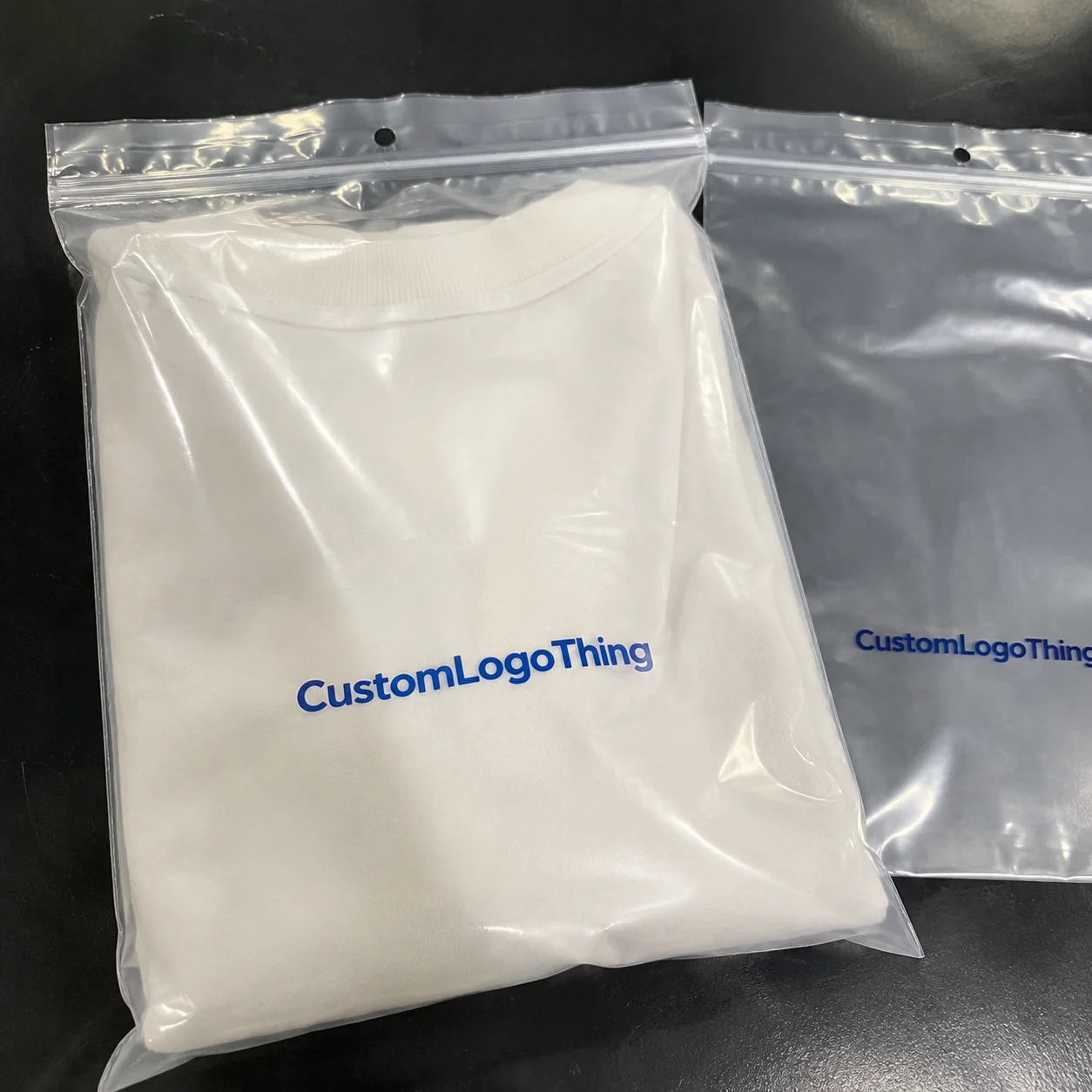
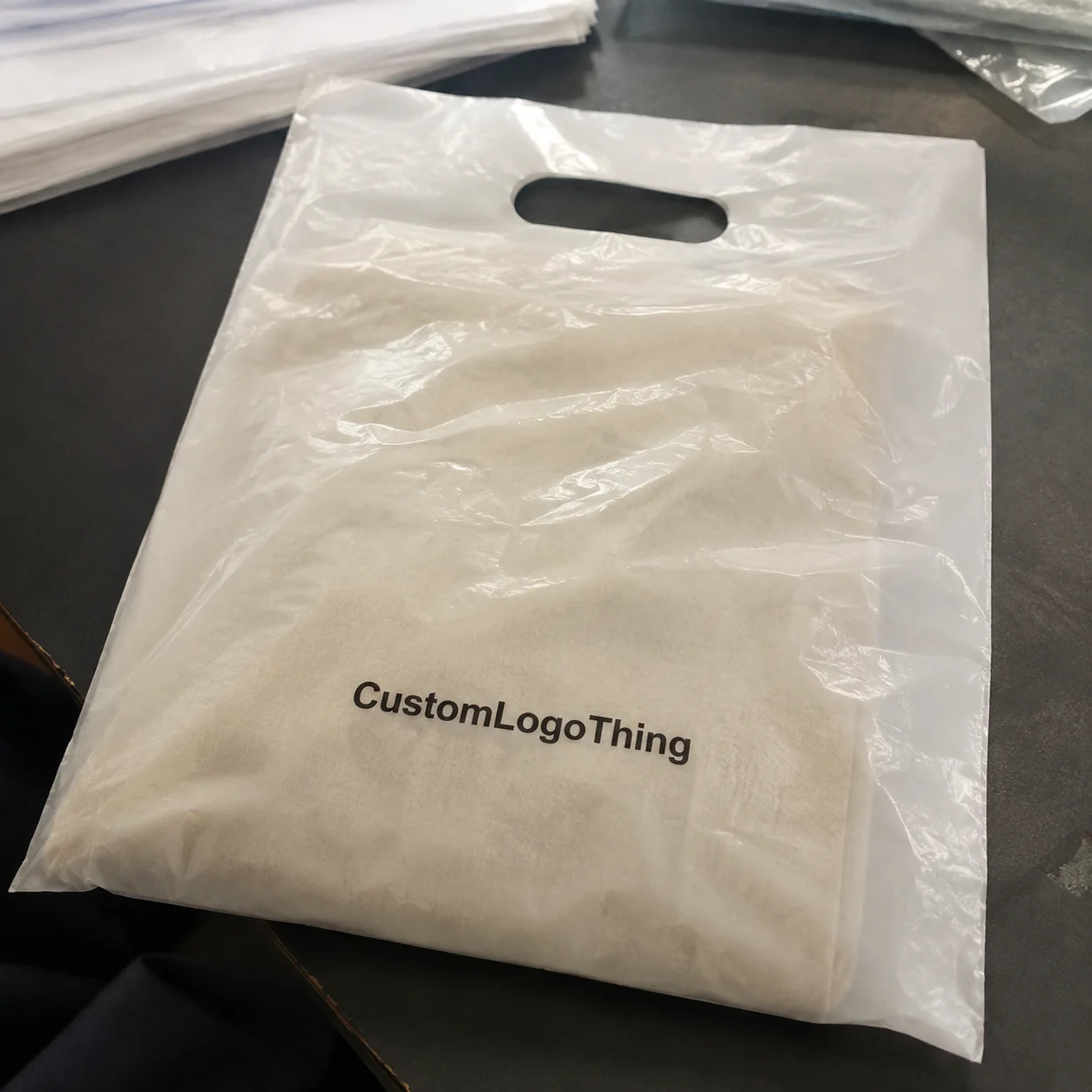
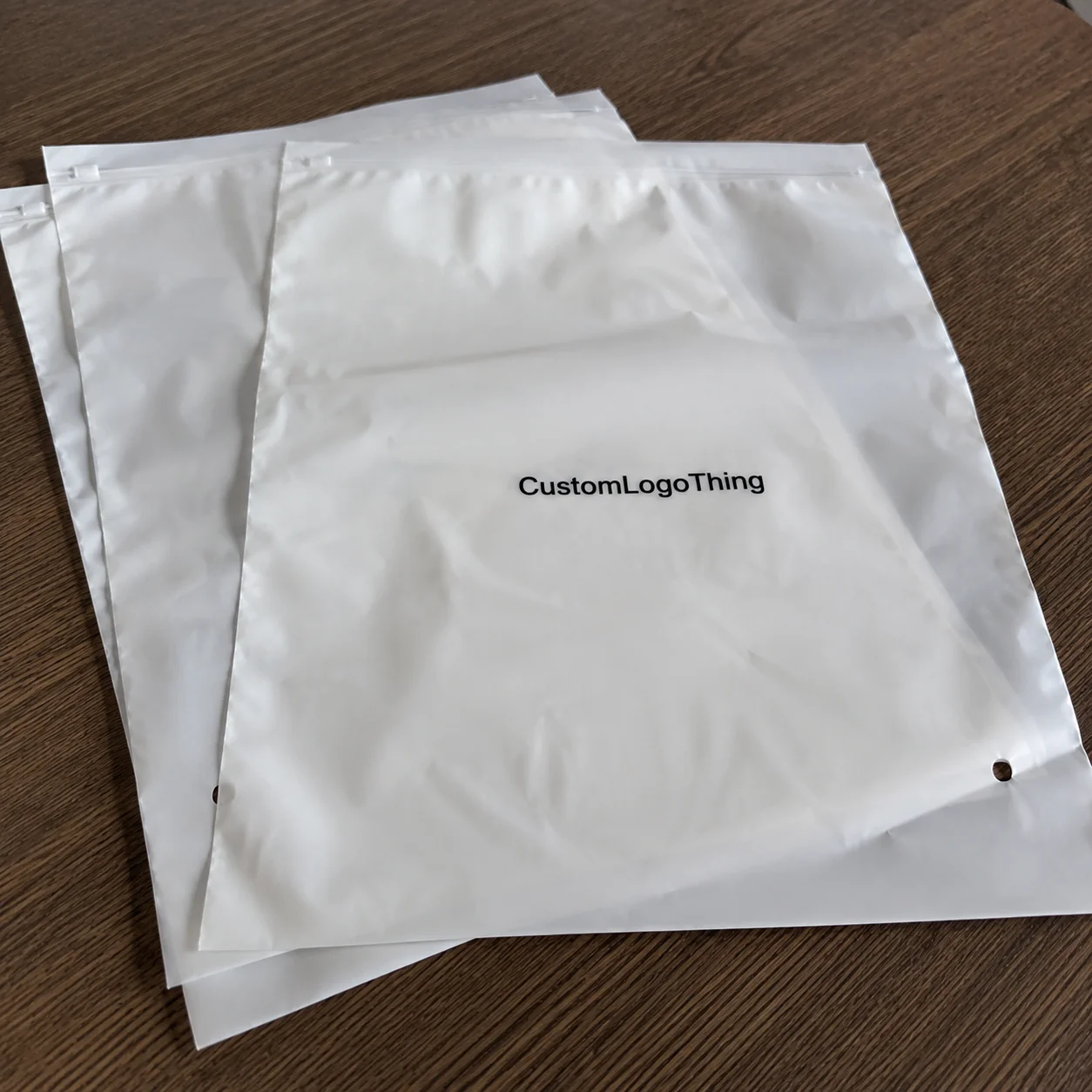
Buyer Fit Snapshot
| Best fit | Personalized Packaging for Candle Company projects where brand print, material claims, artwork control, MOQ, and repeat-order consistency need to be specified before quoting. |
|---|---|
| Quote inputs | Share finished size, material target, print colors, finish, packing count, annual reorder estimate, ship-to region, and any compliance wording. |
| Proofing check | Approve dieline scale, logo placement, barcode or warning zones, color tolerance, closure strength, and carton packing before bulk production. |
| Main risk | Vague material claims, crowded artwork, missing packing details, or unclear freight terms can make a low unit price expensive after revisions. |
Fast answer: Personalized Packaging for Candle Company: Material, Print, Proofing, and Reorder Risk should be specified like a repeatable production item. The safest quote records material, print method, finish, artwork proof, packing count, and reorder notes in one written spec.
Production checks before approval
Compare the actual filled-product size with the drawing, then confirm tolerance on folds, seals, hang holes, label areas, and retail display edges. Reserve space for logos, QR codes, warning copy, and material claims before decorative graphics fill the panel.
Quote comparison points
Review material grade, print process, finish, sampling route, tooling charges, carton quantity, and freight assumptions side by side. A quote is only useful when the supplier can repeat the same color, closure quality, and packing count on the next order.
Personalized Packaging for Candle Company: Why It Matters
I’ve watched buyers decide what a candle is worth before they ever light it. Harsh? Maybe. Accurate? Absolutely. In a busy shop in Brooklyn or on a crowded ecommerce page in Dallas, Personalized Packaging for Candle company brands often does the selling before fragrance notes get the chance. A 10 oz jar with a handwritten-style label, a textured sleeve, and a fitted insert can make a $24 candle feel like a $42 gift. I remember one buyer in Chicago telling me, with zero shame, that she picked the candle “because the box looked expensive.” That was the whole pitch. The box. Not the scent. The box.
That shift isn’t accidental. Packaging creates a signal. The box, wrap, insert, tissue, and label tell shoppers whether the brand feels rustic, spa-like, premium, or mass-market. Candle buyers are especially tuned to that signal because candles live two lives: they’re used, and they’re displayed. People may be shopping for scent, but they’re also shopping for mood, décor, and a version of themselves they want reflected back. Honestly, I think candle packaging is one of the few places where a 2 mm paper texture change can quietly move the price ceiling by $8 to $12. And then everyone pretends the decision was purely rational. Sure.
In practical terms, Personalized Packaging for Candle company products means packaging built around one brand and one candle line. That can include Custom Printed Boxes, sleeves, labels, tissue paper, molded inserts, paperboard trays, and even inside-print messages on the flap. It’s packaging with a job to do, not a generic carton that could hold soap, ornaments, or hardware. If the package could belong to six different products, it probably isn’t doing enough brand work. A carton made from 350gsm C1S artboard with a die-cut insert tells a different story than a plain mailer with one sticker, especially when it lands on a retail shelf in Los Angeles or an unboxing table in Atlanta.
Here’s the comparison I use with clients. Generic product packaging says, “Here’s the candle.” Personalized Packaging for Candle company brands says, “Here’s the experience, the scent story, the gift, and the reason to come back.” One is functional. The other sells a feeling. That difference explains why some candle brands see repeat orders at twice the rate of others, even when the wax blend is nearly identical. It’s maddening, really, how often presentation outruns chemistry. A $0.24 carton can influence a $38 retail decision more than a 0.5% fragrance adjustment ever will.
I remember a factory floor visit outside Ningbo, in Zhejiang Province, where three candle brands were being packed on the same line. One used plain kraft mailers with a single sticker. Another used a rigid-style carton with a soft-touch laminate and foil logo. The third had a simple foldable carton but strong artwork and a fitted insert. The sales rep told me the middle option sold out fastest in boutiques, while the third got the best ecommerce review scores because the candles arrived intact. Same candle size. Very different packaging outcomes. That day stuck with me because it proved what I already suspected: pretty packaging gets attention, but smart packaging gets repeat business.
Personalized packaging for candle company brands also changes shelf appeal. In retail, a candle often has about three seconds to earn a second glance. In gifting, it has less. Packaging that looks finished and intentional raises perceived fragrance value because consumers assume the brand invested time and money in the product itself. That assumption is powerful. It also helps a box support a higher price point without changing the wax formula at all. And if you’ve ever tried to explain a price increase with “the wick is better,” you know how hard it is to sell invisible improvements. A cleanly printed box with a custom insert often does more to justify a $6 price increase than a paragraph of product copy ever could.
How Personalized Packaging for Candle Company Brands Works
The workflow for personalized packaging for candle company orders follows a tighter path than many brand owners expect. It starts with sizing and product protection, then moves into dielines, material selection, print setup, finishing, sampling, and final assembly. Skip one step and the cost shows up later as breakage, color mismatch, or a launch that misses its date. I’ve seen teams skip sampling because “the render looked good.” The render looked good, yes. The box arrived looking like a distant cousin of the render. Not ideal. In most cases, the first proof cycle takes 24 to 72 hours, while full sampling adds another 5 to 10 business days depending on finish complexity and factory capacity in Dongguan or Shenzhen.
For jars, tins, votives, luxury candles, and subscription sets, the structure changes. An 8 oz glass jar in a single wall carton needs a different fit than a 3-wick candle in a rigid board sleeve. A seasonal trio set may need an inner tray with three cavities, while a refill system may call for a reusable outer box and lighter internal packs. Good packaging design starts with the candle, not the artwork. That sentence should be framed somewhere in every supplier’s office, preferably above the coffee machine. A 12 oz apothecary jar can weigh 430 to 520 grams filled; that extra mass is why a 280gsm sleeve that works for tins may fail for thicker glass.
I’ve sat through enough supplier negotiations to know this: the print spec looks exciting, but the structural spec decides whether the project survives shipping. A candle can be beautiful and still fail if the insert lets the jar rattle 4 mm in transit. That tiny gap matters. On a vibration table, 4 mm can turn into chipped glass by the time the box reaches a porch. Consumers do not forgive cracked glass just because the foil stamp was pretty. They just don’t. If your packaging supplier is quoting from a printing hub in Guangzhou but ignoring transit testing, the odds of a replacement shipment go up fast.
Typical process and timeline
Personalized packaging for candle company projects usually move through five stages. First comes a brief with dimensions, weight, sales channel, and target price. Second is structural development, including the dieline and insert style. Third is artwork and proofing, often with a 3D mockup or digital proof. Fourth is physical sampling, where box strength and color reality get tested. Fifth is production and delivery. It sounds straightforward until the third round of approvals starts eating your calendar like a raccoon in a pantry. For standard printed cartons, many factories in Shenzhen or Ningbo can move from approved proof to finished goods in 12 to 15 business days; rigid boxes and specialty finishes often take 18 to 25 business days.
Timelines depend on complexity, but a standard run often takes 12 to 18 business days from proof approval once everything is finalized. Sampling can add 5 to 10 business days, especially if you need custom inserts or special finishes like foil stamping or embossing. For a first-time personalized packaging for candle company order, I always recommend building in an extra week. It costs less than rushed freight or a carton reprint after launch. And yes, rushed freight is exactly as painful as it sounds. Air shipping from East China to the U.S. West Coast can add hundreds of dollars to a small order, which is why a 3-week cushion is cheaper than panic.
Design decisions affect function more than many candle founders realize. Dark inks on light board may look elegant, but they can scuff in transit if the coating is too thin. Heavy soy wax candles create more mass, so the insert must carry more load. Heat sensitivity matters too. A black exterior shipped through hot warehouses can absorb more heat, which isn’t ideal for wax softness or label adhesion. I once saw a shipment come in with labels curling like old lettuce because someone thought “deep black” was a classy summer choice. It was not. A 350gsm C1S artboard carton with aqueous coating will handle scuffing better than an uncoated 300gsm board in humid storage conditions, whether the boxes are moving through Miami or Melbourne.
Customization options are broad. Brands usually can choose the box structure, board grade, insert material, coating, foil stamping, embossing, debossing, spot UV, inside printing, tear strip style, and closure method. In many personalized packaging for candle company projects, the smartest move is to customize three or four elements well rather than touching every surface. More isn’t always better. Sometimes it’s just more expensive. Sometimes it’s just more opportunity for the proofing gods to smite you. A $0.15 per unit print upgrade can be a smart buy at 5,000 pieces, but not if it creates a $600 tooling change for a line that only sells 800 boxes a quarter.
“A candle box should do three jobs: protect the jar, tell the story, and justify the price. If it only does one, we usually redesign it.”
For readers comparing suppliers, a useful benchmark is to ask whether the packaging vendor can handle custom printed boxes, insert engineering, and final assembly under one roof. That reduces handoffs. It also reduces the blame game when a box looks great but ships badly. If you want to see the kinds of formats brands can choose from, our Custom Packaging Products page is a practical starting point. In many cases, factories in Shenzhen, Dongguan, and Xiamen can bundle printing and assembly, which usually shortens the schedule by 2 to 4 days compared with split vendors.
Key Factors in Personalized Packaging for Candle Company Success
Brand positioning comes first. A minimalist candle line may use uncoated white board, one ink color, and a small logo lockup. A rustic brand might choose kraft stock, black soy-based ink, and a paper belly band. A luxury brand usually needs heavier board, tighter tolerances, and a finish that feels deliberate in the hand. Personalized packaging for candle company success depends on matching the box to the promise. If the candle says “quiet luxury” and the box says “discount aisle,” customers notice the split second that matters. A 5 oz candle in a matte white sleeve signals something very different from the same candle in a rigid drawer box with a satin ribbon pull.
I worked with one client that sold cedar-and-smoke candles to male grooming retailers in Austin and Denver. Their first idea was a glossy white box with silver foil. It looked expensive, but it felt wrong. We shifted to a charcoal board with matte varnish and blind embossing. Sales improved because the packaging matched the scent profile and the channel. That is packaging design at its most practical. Also, it saved us from a very awkward aisle moment where the box looked more like a wedding favor than a grooming product. Nobody wanted that. A 350gsm black C1S carton with 1-color print was the better fit, not the flashiest one.
Structural protection matters just as much. Glass jars, especially wide-mouth or heavy multi-wick formats, need inserts that reduce movement. Corrugated mailers may be enough for ecommerce, but luxury retail packaging often benefits from a rigid setup box or a thick paperboard carton with a fitted insert. If the candle ships with lid, dust cover, or wick trimmer, the cavity design must account for all of it. Otherwise you get a box that looks nice and fails in real life. And “looks nice, fails in real life” is a phrase I’ve heard too many times from brands trying to explain refunds. A 9 oz jar with a metal lid may need a cavity depth of 94 to 98 mm, not the 90 mm the first sketch assumed.
Cost and pricing drivers
Personalized packaging for candle company pricing usually starts with quantity. A 1,000-unit run can cost materially more per unit than a 10,000-unit run because tooling, setup, and print make-ready are spread across fewer boxes. Material choice matters too. A 350gsm C1S artboard carton is usually cheaper than a rigid 1200gsm setup box with wrap. Add a custom insert and the cost climbs again. It’s the classic packaging tax: every nice thing comes with a line item. On larger runs, some factories in South China quote the difference between 5,000 and 10,000 units at as little as $0.04 to $0.09 per box, which adds up fast when you’re ordering for a holiday launch.
Here’s a practical pricing snapshot I’ve seen across supplier quotes, though your actual numbers will vary by region, artwork coverage, and shipping method.
| Packaging option | Typical spec | Approx. unit cost at 5,000 pcs | Best for |
|---|---|---|---|
| Printed folding carton | 350gsm C1S, matte lamination, no insert | $0.18–$0.32 | Entry-level ecommerce and retail packaging |
| Printed carton with paperboard insert | 350gsm board, custom insert, spot gloss | $0.28–$0.55 | Glass jars and gift sets |
| Rigid box | 1200gsm rigid board, wrapped paper, foil logo | $0.85–$1.75 | Premium candles and gifting |
| Corrugated mailer | E-flute, printed exterior, protective fit | $0.40–$0.90 | Subscription and direct-to-consumer shipping |
The lowest-cost choice is not always the best choice. A cheap carton that allows breakage costs more after one refund, one replacement shipment, and one negative review. A premium box can also be wasteful if you’re shipping a $14 candle through a discount channel where margins are thin. Smart personalized packaging for candle company decisions sit in the middle: enough structure to protect, enough finish to persuade, and no unnecessary extras. If your unit economics only allow $0.22 for packaging on a $16 candle, then a rigid setup box in Milan or New York will simply break the math.
Sustainability has become a real buying factor, not a decorative claim. Recycled paperboard, FSC-certified substrates, soy-based inks, and reduced material use are all worth considering. The Environmental Protection Agency’s packaging guidance is a useful reminder that source reduction matters as much as recycling claims; see the EPA’s materials on waste prevention at epa.gov. For brands that need a certification trail, FSC can help validate responsible forest sourcing at fsc.org. A 350gsm FSC board with water-based coating often gives candle brands a cleaner sustainability story than a “green” claim printed on a box that uses three unnecessary inserts.
Many candle brands overcomplicate sustainability. They ask for exotic finishes and then worry about landfill impact. The better move is often a right-sized box, fewer components, and print choices that still look polished. Sustainability in personalized packaging for candle company projects is as much about using less material as it is about claiming greener materials. I’m not against beautiful packaging. I am against beautiful packaging that behaves like a dumpster in a tuxedo. A 1-piece carton with a tuck-end closure from a supplier in Suzhou can often replace a three-piece setup and save both board and freight volume.
Step-by-Step Guide to Personalized Packaging for Candle Company Orders
Before you request quotes, measure the candle itself. Not the label. Not the lid. The actual product. You need height, diameter, weight, and any accessories that ship inside the package. A 9 oz candle in a straight-sided jar may fit a carton that fails for a tapered jar with a thicker base. That difference is enough to change the dieline. It also explains why the phrase “it should fit” makes packaging people twitch. A 76 mm diameter jar and a 79 mm jar are not the same thing when you only have 1.5 mm of clearance on each side.
Step one is a dimension audit. Step two is the brand story. Those two tasks sound simple, but they shape the entire personalized packaging for candle company project. If your brand is calm and spa-like, the box should communicate quiet, not hype. If your brand sells seasonal gift candles, the packaging can be warmer, more decorative, and a little bolder. That choice affects typography, color, texture, and insert style. I’d argue it affects customer trust too, because people can smell inconsistency before they can explain it. A lavender candle in a neon orange carton in Portland is a mismatch people feel immediately.
Step three is selecting format, material, and finish. Folding cartons are efficient. Corrugated mailers offer better transit protection. Rigid boxes feel elevated. A printed sleeve over a kraft inner box can work when budget is tight but presentation still matters. I’ve seen brands spend money on metallic foil and then use a weak board. That’s backwards. Structure first. Finish second. If you remember nothing else, remember that the pretty part cannot rescue the flimsy part. A 350gsm C1S artboard carton with a matte aqueous coat will usually outperform a thin gloss stock when customers are opening and resealing the box at home.
Proofing and sampling
Step four is proof review and sample testing. Do not approve artwork from a screen alone. Screens lie. Ink, coating, and paper stock behave differently on press, and the difference between a cool gray and a warm gray can change the whole shelf presence. In one client meeting, a “soft beige” proof came back with a peach cast that clashed with the candle wax color. It took two rounds to correct, and the fix was simple: adjust the ink density and swap the stock. Simple fix, expensive lesson. My favorite kind of packaging drama (said no one ever). On press, a 5% shift in ink coverage can make a box look either premium or strangely faded.
Physical samples matter even more. I recommend testing at least two to three box prototypes with real candles, not dummy weights. Check how the lid closes. Shake it. Drop it from 30 inches if you’re preparing for ecommerce distribution, and compare the result to ISTA test logic if your volume justifies formal testing. ISTA standards don’t replace common sense, but they do give structure to shipping risk. And common sense, as we all know, is not always invited to the meeting. A sample test in Chicago or Seattle can save you from a 500-unit replacement run later.
Step five is production planning. Don’t wait until candles are already in inventory to think about boxes. Packaging should arrive before or alongside the product launch, especially if you sell wholesale. One of the worst mistakes I’ve seen is a founder landing a retail buyer for 3,000 units and realizing the personalized packaging for candle company run will arrive after the ship date. That hurts credibility fast. Buyers remember that kind of miss. They also remember who made them reschedule a launch window on a Friday afternoon, which is somehow always when the urgent email arrives. For holiday launches, I recommend locking artwork 6 to 8 weeks before in-store delivery if your factory is in East China and your freight moves by sea.
A good packaging brief should include the following:
- Exact candle dimensions and finished weight
- Jar or tin material, including glass thickness if relevant
- Target quantity and reorder forecast
- Brand colors, logo files, and photography references
- Shipping method: ecommerce parcel, wholesale pallet, or retail shelf display
- Target unit cost and acceptable lead time
The more precise the brief, the fewer surprises later. That’s true for any product packaging project, but it matters especially for candles because glass, wax, scent, and presentation all interact. A box that works for a lightweight tin may fail completely for a 14 oz apothecary jar. It’s a little like tailoring a suit for one person and hoping it fits the next three. A sample approved in Guangzhou may still need a final color tweak if your retail shelves are under warm LED lights in Paris or Toronto.
Common Mistakes with Personalized Packaging for Candle Company Brands
The first mistake is beautiful packaging that doesn’t protect the candle. I’ve seen brands approve a gorgeous matte carton only to discover the glass jar cracked because the insert had too much play. That’s an expensive lesson. In ecommerce, the box must survive drops, compression, and vibration. In retail, it has to survive handling by shoppers who may pick up three boxes and set them down hard. If the carton is gorgeous but the jar sounds like a maraca inside, you already know the ending. A 2 mm tighter insert or a 1 mm thicker board can be the difference between 0.6% breakage and a 4% return rate.
The second mistake is overdesign. Too many finishes, too many substrates, too many print effects. A candle box with foil, spot UV, embossing, soft-touch lamination, and an inner print panel can look impressive on paper, but production gets slower and costs jump. Worse, the final result can look busy. Personalized packaging for candle company brands usually performs better when the design has one clear focal point. I honestly think restraint is underrated. People say they want “luxury,” but what they often mean is “less visual noise.” A single foil mark on a 350gsm carton in a city like San Diego can outperform a five-effect box that tries too hard.
The third mistake is ignoring shipping tests. Candle brands that sell direct-to-consumer face drop risk, vibration risk, and heat exposure from trucks or porches. If you’re not testing, you’re guessing. That’s not acceptable for fragile glass jars. Even a good-looking box can crack under pressure if the board grade is wrong or the insert is too shallow. Packaging failures are rarely mysterious. They’re usually just ignored early warnings wearing different hats. I’ve seen a 12-unit test set survive two drops in the factory, then fail after 48 hours in a Texas delivery van where interior temperatures pushed past 110°F.
The fourth mistake is inconsistent branding. I’ve walked through a supplier’s inspection line and found boxes where the outer carton said one thing, the insert said another, and the care card used a third font family. Consumers notice that. It weakens trust. Strong package branding feels coordinated across the outer box, label, tissue, and any inside insert. The brand should sound like one voice. If the box is whispering, the card is yelling, and the insert is doing interpretive dance, you’ve got a problem. In the best cases, the same Pantone reference and font family travel from box to label to scent card without improvisation.
The fifth mistake is underestimating lead times. Seasonal launches are especially vulnerable. A holiday candle line can be dead on arrival if the packaging lands in mid-November. For personalized packaging for candle company orders, the realistic path includes artwork approvals, material sourcing, production, QC, and freight. That means planning months ahead, not days. I know that sounds obvious, but I’ve seen too many brands learn it the hard way. The worst was a brand that wanted Christmas packaging ready in late November. I nearly choked on my coffee. Not because it was impossible, but because the optimism was breathtaking. Sea freight from Shenzhen to the U.S. East Coast alone can take 25 to 35 days, and that’s before customs and inland delivery.
Another issue is choosing the wrong packaging type for the channel. Retail packaging that works on a shelf may be too expensive for subscription shipments. A mailer that protects well might look underwhelming in a boutique. The fix is not one universal box. The fix is matching the box to the sales path. Different channel, different rules. Packaging does not care about wishful thinking. A $1.20 rigid box might be perfect in a West Hollywood gift shop and impossible in a $16 DTC bundle.
Expert Tips to Improve Personalized Packaging for Candle Company Brands
Design for the unboxing moment. That doesn’t mean piling on extras. It means sequencing the reveal. Open the mailer. See the message. Lift the insert. Catch the scent card. Then reach the candle. That flow turns personalized packaging for candle company products into a small performance, and people remember performances more than plain cartons. I still remember a citrus brand that tucked a tiny “light this after a long day” note inside the flap. Simple. Human. Surprisingly effective. A single 70 x 100 mm note card printed on 250gsm uncoated stock can carry more warmth than a full page of marketing copy.
One of the smartest moves I’ve seen is using a single premium feature strategically. A foil logo on the lid panel can carry more brand weight than foil scattered across the whole box. Embossing can elevate a simple kraft carton without making it look expensive in the wrong way. If your budget is tight, choose one strong detail and let the rest of the box stay restrained. That’s how you get polish without turning the package into a craft fair with ambition. For many candle brands, a $0.06 foil hit and a $0.02 embossing pass outperform a $0.18 multi-effect layout that looks busy from three feet away.
Test real prototypes. I can’t stress this enough. Two or three mockups with actual candles will tell you more than a dozen renderings. Check for scuffing, corner crush, scent leakage from stacked stock, and whether the insert supports the base or the body of the jar. I once watched a 12-candle gift set fail because the insert supported the lids, not the glass. Pretty design. Bad engineering. Very photogenic failure, though. Which is not the goal. If the insert is paperboard, ask for 1.5 mm to 2 mm board where the jar weight is high, especially for 3-wick candles sold through premium retail in New York or Vancouver.
Think in systems, not single boxes. The same personalized packaging for candle company brand may need an ecommerce mailer, a retail display carton, and a gifting sleeve. The artwork can stay consistent while the structure changes for channel needs. That’s how larger brands keep recognition high without forcing one expensive format into every sales situation. If you’re comparing build options, our About Custom Logo Things page explains how our team approaches custom packaging projects with both presentation and practicality in mind. A folding carton for wholesale and a corrugated mailer for DTC can share the same logo system while serving very different shipping realities.
Use packaging to support repeat purchase. Care cards, refill prompts, scent family inserts, and loyalty notes are small additions that can drive future orders. A postcard that says “Pair this candle with our 8 oz refill” can do more than a generic thank-you card. Personalized packaging for candle company brands should do more than protect the first sale. It should help create the next one. That’s the part that separates a nice box from a business tool. In some shops, a refill card printed for $0.03 per unit can lift repeat orders enough to cover the whole print upgrade within one quarter.
One client ran a tester insert with a QR code linking to a fragrance quiz. It added maybe $0.03 per unit in print cost, but it raised post-purchase engagement meaningfully. That’s the sort of detail I like: measurable, modest, and tied to customer behavior rather than decoration for decoration’s sake. Plus, customers actually used it, which is a pleasant surprise in a category where a lot of “interaction” is just people posting the box next to a plant. The quiz drove traffic to a landing page in Nashville and helped the brand identify which scent families to restock first.
Next Steps for Personalized Packaging for Candle Company Owners
If you’re planning personalized packaging for candle company products, start with a clean checklist. Measure your candle dimensions, record the weight, gather your logo files, set a budget range, and decide whether you need ecommerce, retail, or gift packaging. Those five items shape everything else. Skip them, and you’ll spend time revisiting decisions that could have been settled in one email. I’ve watched brands burn two weeks debating finishes before anyone checked the jar diameter. Painful. Avoidable. So very avoidable. A 16 oz candle line needs different board and insert assumptions than a 4 oz sampler set, and that should be clear before the first quote comes back.
Next, ask for material samples and a structural mockup. Paperboard feels different from rigid board. Matte lamination behaves differently from soft-touch. Kraft stock can make a brand feel earthy and honest, but it may not suit a luxury line. Comparing physical samples side by side is the fastest way to make a good decision, especially if you’re balancing price against presentation. A supplier can email you a quote in 10 minutes, but a sample courier from Guangdong tells the truth in your hands.
I also recommend comparing at least two specs, not just two suppliers. For example, test a 350gsm printed carton with a paperboard insert against a corrugated mailer with inside print. In many cases, the cost difference may be only $0.10 to $0.20 per unit, but the perceived value can change a lot. That’s a useful trade-off to see on paper before you place an order. It’s one of those small spreadsheet choices that can quietly affect your whole margin story. At 5,000 pieces, a $0.12 difference equals $600, which is not small when your candle margin is $7.25.
A strong packaging brief should answer five questions:
- Who is the target customer?
- What scent family or mood does the candle represent?
- Where will it be sold: online, retail, wholesale, or gifting?
- How will it ship?
- What does success look like: lower breakage, higher shelf appeal, better margin, or stronger repeat purchase?
That last question matters a lot. Personalized packaging for candle company owners often think they need the fanciest box in the room. Sometimes they do. Often they need the box that protects better, prints cleaner, and arrives on time. Good packaging is not the loudest packaging. It’s the one that helps the product win. And if it does all that while making your customer feel slightly delighted, well, that’s the sweet spot. A well-made box from a factory in Shenzhen or Ningbo can do that without breaking the launch schedule.
If you want a starting point for custom structures, finishes, or branded inserts, take a look at our Custom Packaging Products and then compare them against your actual candle economics. A box can only be called smart if it fits the margin, the distribution method, and the story you want customers to remember. For many brands, that means choosing a 350gsm C1S carton with a custom insert at roughly $0.28 to $0.55 per unit instead of jumping straight to a rigid box that pushes the whole SKU into the red.
My final take? Personalized packaging for candle company brands should balance protection, pricing, and brand story in one package. Get those three aligned, and the candle feels more valuable before it’s even lit. Miss one, and the whole experience feels less convincing than it should. I’ve seen both versions on the shelf, and trust me, customers can tell the difference in about two seconds. The winning version usually isn’t the fanciest one; it’s the one that arrives intact, looks intentional, and makes a $22 candle feel like it belongs in a gift set in Minneapolis, Seattle, or Miami.
What should you include in personalized packaging for candle company orders?
It can include custom printed boxes, sleeves, inserts, labels, tissue, and protective packaging tailored to the candle size and brand style. Many candle companies also add premium finishes like foil, embossing, or soft-touch coatings for a more giftable feel. A typical setup might use a 350gsm C1S artboard carton with a fitted insert for a 7 oz or 10 oz jar, especially for brands shipping from factories in Guangdong or Zhejiang.
What does personalized packaging for candle company products usually include?
It can include custom printed boxes, sleeves, inserts, labels, tissue, and protective packaging tailored to the candle size and brand style. Many candle companies also add premium finishes like foil, embossing, or soft-touch coatings for a more giftable feel. A typical setup might use a 350gsm C1S artboard carton with a fitted insert for a 7 oz or 10 oz jar, especially for brands shipping from factories in Guangdong or Zhejiang.
How much does personalized packaging for candle company orders cost?
Pricing usually depends on quantity, material thickness, print method, finishes, and whether custom inserts are needed. Simpler packaging is cheaper per unit, while small runs and luxury details tend to raise the unit price. For example, a printed folding carton at 5,000 pieces may land around $0.18 to $0.32 per unit, while a printed carton with a custom insert often runs $0.28 to $0.55 per unit.
How long does personalized packaging for candle company production take?
Timelines often include concept development, sampling, approvals, and manufacturing, so planning ahead is essential. Complex designs or custom structural packaging usually take longer than standard printed boxes. A common schedule is 5 to 10 business days for sampling, then 12 to 15 business days from proof approval for production on a standard carton, with rigid boxes taking longer depending on the factory in Shenzhen, Dongguan, or Ningbo.
What packaging works best for fragile candle jars?
Rigid or corrugated boxes with fitted inserts are usually best because they reduce movement and help prevent breakage. For heavier jars, testing drop resistance and choosing strong board strength matters just as much as design. A jar that weighs 450 grams or more often performs better in a custom insert made from paperboard or molded pulp rather than a loose fold-in divider.
How can I make personalized packaging for candle company products more sustainable?
Use recycled paperboard, right-sized boxes, and eco-conscious inks or finishes where possible. Reducing excess material and designing packaging that protects well with less packaging can improve sustainability without weakening presentation. A 350gsm FSC-certified carton, soy-based inks, and one-piece construction from a supplier in East China can often cut waste while keeping the box retail-ready.