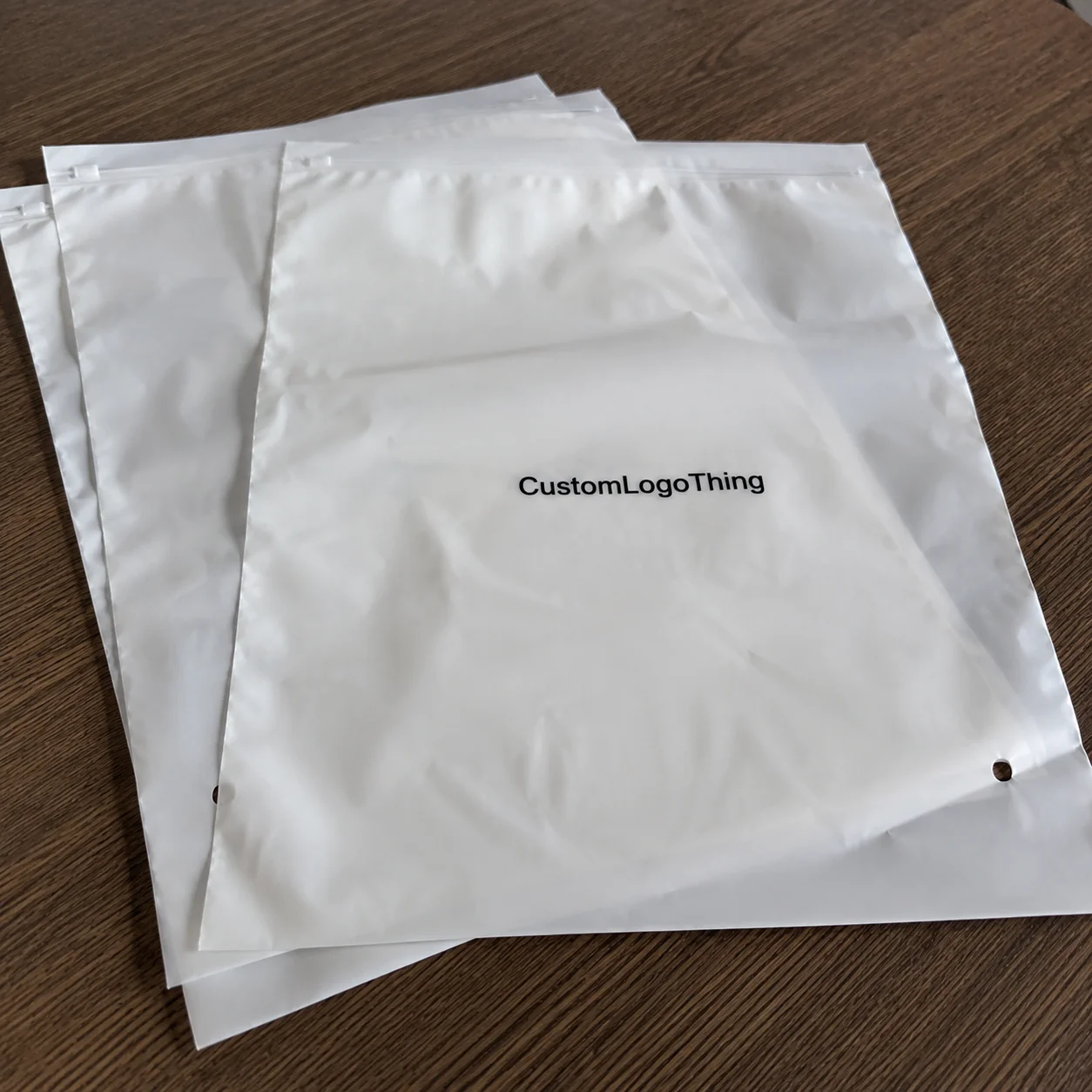
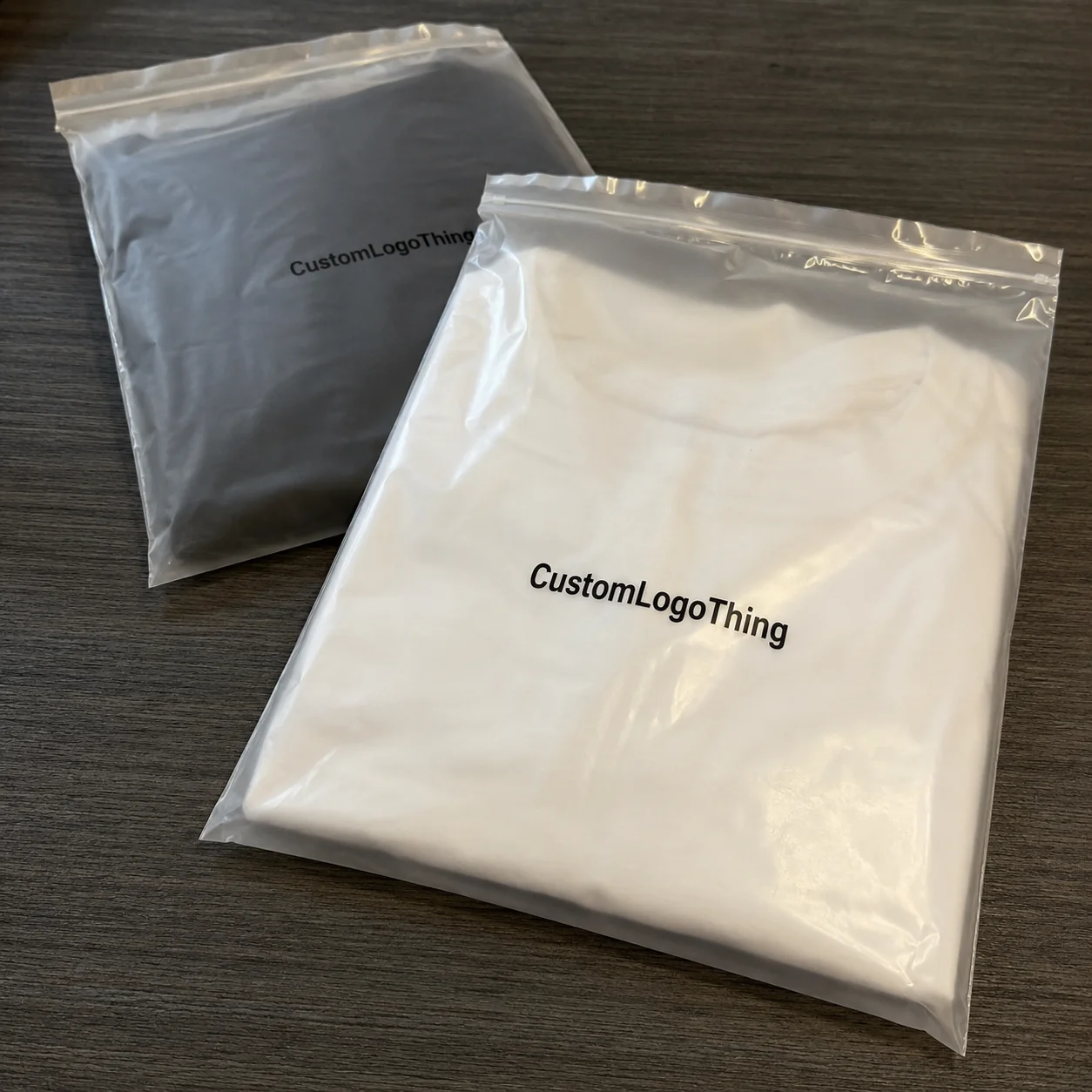
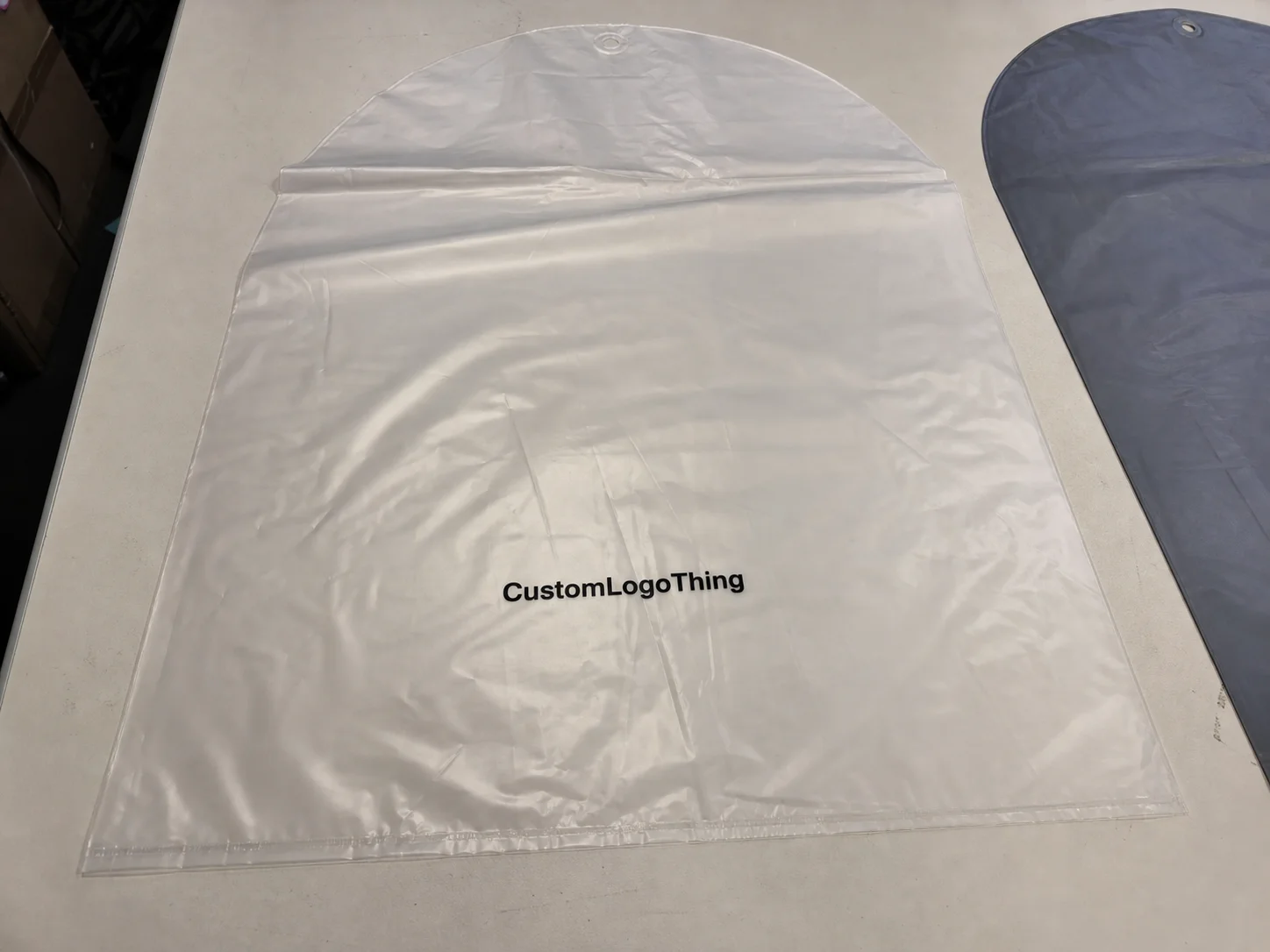
Buyer Fit Snapshot
| Best fit | Personalized Packaging for Cosmetics Brand projects where brand print, material claims, artwork control, MOQ, and repeat-order consistency need to be specified before quoting. |
|---|---|
| Quote inputs | Share finished size, material target, print colors, finish, packing count, annual reorder estimate, ship-to region, and any compliance wording. |
| Proofing check | Approve dieline scale, logo placement, barcode or warning zones, color tolerance, closure strength, and carton packing before bulk production. |
| Main risk | Vague material claims, crowded artwork, missing packing details, or unclear freight terms can make a low unit price expensive after revisions. |
Fast answer: Personalized Packaging for Cosmetics Brand: Material, Print, Proofing, and Reorder Risk should be specified like a repeatable production item. The safest quote records material, print method, finish, artwork proof, packing count, and reorder notes in one written spec.
Production checks before approval
Compare the actual filled-product size with the drawing, then confirm tolerance on folds, seals, hang holes, label areas, and retail display edges. Reserve space for logos, QR codes, warning copy, and material claims before decorative graphics fill the panel.
Quote comparison points
Review material grade, print process, finish, sampling route, tooling charges, carton quantity, and freight assumptions side by side. A quote is only useful when the supplier can repeat the same color, closure quality, and packing count on the next order.
Personalized Packaging for Cosmetics Brand: What It Means and Why It Matters
I still remember standing on the floor of a folding-carton plant in Dongguan, watching a line of serum cartons come off the gluer, when one tiny detail changed the whole conversation: the hot-stamped rose-gold logo was shifted by barely 1.5 mm, and the buyer immediately said the line felt “less premium,” even though the formula inside had not changed at all. That is the real power of personalized Packaging for Cosmetics brand work; it shapes perception before a customer ever twists a cap, pumps a bottle, or opens a jar. Honestly, that was one of those moments that made me side-eye the phrase “minor adjustment” forever. In cosmetics packaging, minor is rarely minor, especially when a 0.5 mm score shift can alter the way a 50 ml carton folds on a high-speed line in Guangdong.
In practical terms, personalized packaging means the structure, print, finish, insert, and unboxing flow are built around a specific cosmetics line, not borrowed from a generic template. For personalized packaging for cosmetics brand projects, that might mean a 350gsm C1S carton for a vitamin C serum, a rigid set-up box with a satin ribbon for a gift kit, or a corrugated mailer with paperboard dividers for fragile glass droppers. A standard 5,000-piece folding carton order in 350gsm C1S artboard might quote around $0.15 to $0.22 per unit from a Shenzhen or Dongguan supplier, while the same structure with soft-touch lamination and foil can move closer to $0.32. It is packaging design with intent, not decoration for decoration’s sake. I like to think of it as the difference between wearing a tailored blazer and borrowing one that “sort of fits.”
Cosmetics packaging carries a heavier job than many categories because it must communicate luxury, cleanliness, safety, and performance in a very small visual footprint. A lipstick carton only has a few square inches to earn trust. A foundation box often has to carry shade naming, ingredient details, barcode data, and a strong brand identity without looking cluttered. That is why personalized packaging for cosmetics brand strategy is different from generic retail packaging; every line, coating, and inset angle has a job to do. On a 25 mm-wide tube carton, for example, the barcode quiet zone alone can consume 3 to 4 mm on either side, which leaves surprisingly little room for ornament. And if one of those jobs gets ignored, the box will absolutely snitch on you.
There is also a clear difference between stock packaging, custom printed packaging, and truly personalized packaging for cosmetics brand needs. Stock packaging is usually a standard size and structure with limited print or label options. Custom Printed Boxes add your artwork and logo, but the structure may still be generic. Truly personalized work goes further: the carton dimensions match the exact jar height, the insert protects a glass bottle neck, the finish supports the price point, and the outer shipper aligns with the e-commerce unboxing experience. A brand shipping from Los Angeles to Dallas may need a double-wall corrugated mailer with 32 ECT strength, while a boutique retailer in Paris might favor a rigid carton with a 157gsm art paper wrap. Honestly, I think that last step is where most brands either win or lose the shelf battle.
I’ve seen this firsthand in supplier meetings where a brand wanted one carton for six SKUs, hoping to simplify inventory. On paper it sounded efficient. On the sample table, though, the smallest compact rattled inside the same insert that held the larger serum bottle, and that tiny movement told the whole story. Good personalized packaging for cosmetics brand planning keeps the line cohesive across cartons, trays, mailers, sleeves, and secondary packaging, so the product range feels like one family in a boutique, on a DTC doorstep, and in influencer unboxings. It also saves people from having to explain, for the third time, why “universal insert” was a bad phrase to begin with. A 2 mm difference in cavity depth can be the difference between a clean reveal and a cracked cap.
How Personalized Packaging for Cosmetics Brand Projects Work
The production flow usually starts with a brief, and if the brief is thin, the project gets messy fast. A solid personalized packaging for cosmetics brand brief should include product dimensions, fill weight, closure type, target channel, budget range, and the finish level the brand is aiming for. From there, the packaging team selects a dieline, confirms material options, and begins structural planning before any ink hits paper. I remember one launch where the “brief” was basically a mood board and a sentence that said “make it feel expensive.” Helpful? Not especially. A better brief would have listed a 30 ml frosted glass bottle, 20,000-unit quantity, and a target landed cost under $0.40 per carton.
After the structure is set, the project moves into sampling and proofing. In a factory I visited in Shenzhen, the prepress team kept a wall of sample cartons labeled by board grade, from 300gsm CCNB to 400gsm SBS and rigid grayboard wraps, because the wrong substrate can change everything from fold memory to print clarity. For personalized packaging for cosmetics brand jobs, that choice often determines whether the carton feels like a mass-market unit or a polished premium piece. I’ve seen perfectly good artwork look oddly flat on the wrong board, which is a cruel joke, frankly, because the design team usually gets blamed first. A matte black design printed on 300gsm CCNB will not behave like the same art on 350gsm C1S with an aqueous coat.
Common materials include SBS paperboard for premium folding cartons, corrugated board for shipping and subscription mailers, rigid set-up board for gift sets, and molded or paperboard inserts for fragile cosmetic components. A glass ampoule set may need a die-cut paperboard tray with exact cavities, while a lip gloss duo could use a simple locking insert. The material must fit the formula, the distribution channel, and the brand promise. A 12-piece eyeshadow palette sold through Sephora Hong Kong may need a sturdier book-style rigid pack than the same palette sold through a local Shopify store. That sounds obvious, but I’ve watched more than one brand fall in love with a gorgeous structure that had no interest whatsoever in surviving transit.
Printing and finishing are where a lot of the personality shows up. Offset printing is still the workhorse for most custom printed boxes, especially when color consistency matters across 10,000 units or more. Foil stamping, embossing, debossing, spot UV, soft-touch lamination, and aqueous coating are all common in personalized packaging for cosmetics brand production, but each has a price and a timing impact. A soft-touch lamination on a matte black carton can look elegant, yet it can also show scuffing if the distribution chain is rough. A cold-foil silver accent on a 4-color carton may add about $0.04 to $0.08 per unit on a 5,000-piece run, while embossing can add another $0.03 to $0.06. That’s the catch: beauty finishes can be beautiful right up until a warehouse pallet has other plans.
Lead time depends on how stable the artwork and structure are. A straightforward folding carton with one print side and a standard insert might move from proof approval to delivery in 12 to 15 business days. If the job includes rigid construction, foil, spot UV, and three SKU versions, you may be looking at 25 to 35 business days, depending on the factory schedule and the number of sample rounds. That is why personalized packaging for cosmetics brand timelines should always be discussed early, not after marketing has already booked launch photos. I have seen too many teams discover the calendar only after the studio is rented. That is the packaging equivalent of realizing you left the oven on after you’ve left the house. For overseas production in Guangdong or Zhejiang, add 4 to 7 business days for ocean or air freight coordination if the launch is locked to a retail date.
Collaboration matters more than people outside the factory usually realize. Packaging engineers check fold sequence, gluer tolerances, and insert fit; design teams care about brand identity, typography, and shelf impact; production crews worry about registration, die-cut accuracy, and whether the glue will hold in humid storage. When all three groups are involved early, personalized packaging for cosmetics brand projects tend to move with fewer surprises and fewer expensive reprints. On a carton run in Dongguan, for instance, a 1.2 mm change to the tuck flap can solve a glue-cracking issue before the first 3,000 units are printed. Honestly, half the battle is getting everyone to talk before someone sends a “final_final_v7” file at 11:48 p.m.
One of the best supplier negotiations I ever sat in involved a beauty startup that wanted a metallic carton on a Tight Budget. The printer suggested using one foil panel plus a rich black base instead of full-coverage metallic ink, and the unit cost stayed around $0.28 for 8,000 pieces instead of jumping past $0.41. That kind of discussion is normal in personalized packaging for cosmetics brand work; good packaging is often about smart tradeoffs, not just bigger spend. In my opinion, the smartest brands know how to spend where customers actually notice and save where they definitely don’t. A $0.06 upgrade to the logo panel can matter more than a $0.18 flood varnish.
Key Design and Production Factors to Get Right
Fit comes first, and I cannot stress that enough. A beautifully printed carton means very little if a 30 ml dropper bottle slides 6 mm inside the insert or a compact arrives with a cracked hinge because the pocket was drawn too shallow. In personalized packaging for cosmetics brand projects, exact dimensions for jars, bottles, tubes, droppers, compacts, palettes, and pumps should be confirmed before any artwork is finalized. I’ve been on calls where someone said, “Close enough,” and I nearly fell out of my chair. Packaging is not a pottery class. A lip cream tube with a 19.8 mm diameter does not behave like a 20.6 mm tube, especially once a paperboard insert is cut on a 0.3 mm blade tolerance.
Brand storytelling is the next layer. Cosmetics buyers read color, typography, finish, and opening sequence almost like a language. A warm nude palette with uncoated board can feel earthy and clean, while a black carton with a rose-gold foil logo and embossing can signal prestige and giftability. That is why personalized packaging for cosmetics brand work needs to support brand consistency across product packaging, retail packaging, and the unboxing experience, not just sit pretty on a mockup screen. A strong box should sound like the brand before the customer even reads the name. Even the open-and-close motion matters; a magnetic rigid box with a 1.5 second lid pause says something different from a tuck-end carton that snaps shut.
Sustainability has become a real decision factor, but it still has to be practical. FSC-certified paperboard, soy-based inks, aqueous coatings, and reduced-plastic structures are common choices, and I’ve seen buyers ask for molded pulp inserts instead of foam to support their eco claims. The challenge is keeping the presentation premium enough for beauty shelves. A recyclable carton can still look luxurious if the structure is crisp and the print management is disciplined. A 350gsm FSC-certified C1S board with water-based coating can be a smart starting point for a skincare line sold in Berlin, Toronto, or Singapore. That balance is one of the trickiest parts of personalized packaging for cosmetics brand development. If I’m being blunt, “eco” and “elegant” are not enemies, but they do need a proper introduction.
Compliance details matter more than many new brands expect. Ingredient declarations, batch codes, warning statements, multilingual copy, and barcode placement all need space, and the layout has to stay legible after folds, panels, and decorative treatment are added. If the carton is for export, different markets may require different legal lines or symbol usage. I’ve seen a brand lose two weeks because the barcode was placed across a fold line in the first artwork version, which is exactly the kind of avoidable error personalized packaging for cosmetics brand teams should catch early. For a US launch, the FDA labeling structure may differ from a UK or UAE release, and those differences can affect panel count. That kind of mistake is maddening because it is so preventable; it’s the packaging version of tripping over your own shoelaces.
Cost is tied to a few predictable variables: paper grade, box style, ink coverage, finishing complexity, quantity, tooling, sample rounds, and freight. A simple 5,000-piece folding carton run in standard SBS paperboard may land around $0.18 to $0.32 per unit depending on print and shipping origin, while a rigid gift box with magnetic closure, insert, and foil work can sit closer to $1.80 to $4.50 per unit. A 10,000-piece order shipped from Huizhou or Ningbo usually drops unit cost faster than a 2,000-piece order, simply because setup is spread across more cartons. The cheapest option is rarely the best long-term value, especially if the packaging dents in transit or makes the product look less credible. In personalized packaging for cosmetics brand planning, the right spend is the one that protects margin and perception at the same time. That’s the part nobody puts on the hero slide, but everyone notices when returns start creeping up.
| Packaging Option | Typical Unit Cost | Best For | Notes |
|---|---|---|---|
| Standard folding carton | $0.18 - $0.45 | Serums, creams, lip products | Good print surface, efficient for mid-to-high volumes |
| Rigid set-up box | $1.80 - $4.50 | Gift sets, luxury launches | Higher perceived value, longer lead time |
| Corrugated mailer | $0.65 - $1.40 | DTC shipping, subscription boxes | Better transit protection, can be printed inside and out |
| Custom insert package | $0.10 - $0.60 | Fragile bottles, multi-piece kits | Material choice affects protection and recyclability |
For technical guidance on shipping performance, the ISTA testing standards are useful reference points when your packaging must survive vibration, drop, and compression. For material sustainability and recycling context, the EPA recycling resources can help brands make more grounded claims. I mention both because personalized packaging for cosmetics brand decisions should be made with real performance and recovery pathways in mind, not just a mood board. A box that passes a 24-inch drop test and a 55-pound compression test tells you more than a beautiful render ever will.
Step-by-Step Process for Creating Personalized Packaging for Cosmetics Brand
Step 1: Define the product line and market position. Before the packaging team sketches a single dieline, the brand should decide whether the line is mass premium, prestige, boutique luxury, or direct-to-consumer convenience. A $26 serum in a department store needs a different packaging language than a $14 cleanser sold through social commerce. That positioning anchors the rest of the personalized packaging for cosmetics brand work. If the brand voice is still wobbling around like a shopping cart with one bad wheel, the box will wobble too. A launch planned for Milan will also signal differently than one built for Austin or Seoul, and that regional cue should show up in the finish, the copy density, and even the carton size.
Step 2: Gather dimensions and functional specs. This is where the factory gets serious. Measure the bottle height, cap diameter, neck finish, fill weight, and any secondary accessories like spatulas or pumps. For a palette, you need the closed size, hinge type, and magnet alignment. If the product has glass, assume the insert design matters more than the outer carton, because movement inside the pack is what usually causes breakage. Good personalized packaging for cosmetics brand outcomes begin with accurate numbers, not guesses from a product photo. I cannot tell you how often “approximate” turns into expensive. A 16 cm bottle that was described as “about 15 cm” can derail an entire insert layout in one revision cycle.
Step 3: Build the dieline and artwork layout. The dieline is the physical map, and the artwork has to respect it. Bleed areas, fold lines, glue zones, barcode placement, legal text, and color breaks all have to be laid out before the press sees the file. In one client meeting I remember, a brand wanted a full-bleed floral pattern wrapping over a side seam on a lipstick carton. The idea looked beautiful, but the pattern lost continuity at the glue flap, and we had to adjust the illustration scale to make the print flow correctly. That is normal in personalized packaging for cosmetics brand production; the best art still has to obey physics. On a 70 x 70 x 120 mm carton, even a 2 mm panel shift can throw off the whole composition.
Step 4: Review digital proofs and physical samples. Digital proofs catch layout errors. Physical samples catch reality. Under store lighting, a cool white carton may look slightly blue; on camera, a glossy black finish can bounce reflections that hide the logo; in hand, a soft-touch coat may mark up faster than expected. I always advise brands to inspect samples under a 4000K neutral light and, if possible, near the actual sales environment. That habit saves a lot of regret in personalized packaging for cosmetics brand launches. And yes, it also saves a lot of awkward “why does this look gray now?” conversations. A sample approved in a Shanghai showroom can look very different once it lands on a Miami retail shelf at 3200K.
Step 5: Approve production and set quality checkpoints. Once the sample is approved, the factory should lock the QC plan, confirm carton count per master case, confirm pallet pattern, and agree on the delivery schedule. For bigger runs, a pre-production sample and a first-article inspection are worth the extra hour because they catch ink variation, die-cut drift, and glue issues before the full quantity is finished. In my experience, the projects that win are the ones where personalized packaging for cosmetics brand decisions are documented, not just discussed in a long email thread. A spreadsheet may not be glamorous, but neither is paying for avoidable rework. On a 20,000-unit run, catching a 1 mm glue drift early can save thousands of dollars in scrap.
To keep the process organized, I like a simple internal checklist:
- Product dimensions and fill weight
- SKU count and barcode data
- Target quantity and launch date
- Material preference, such as SBS, rigid board, or corrugated
- Finish preference, such as foil, embossing, or matte lamination
- Sustainability requirements, including FSC or recyclable content
- Delivery terms and freight destination
That may look basic, but a clean checklist prevents a lot of backtracking. It also helps when you request a quote from Custom Packaging Products because suppliers can price the same personalized packaging for cosmetics brand concept far more accurately when the inputs are complete. A supplier in Shenzhen can quote a 5,000-piece carton in 24 hours if the dimensions, finish, and ship-to city are already locked.
Common Mistakes That Cost Beauty Brands Time and Money
Mistake 1: Designing for the screen instead of the line. A carton can look perfect in a render and still fail when folded, glued, or packed. Heavy ink coverage on a very thin board may crack at the score lines, and a tall slender box can wobble in pallet stacking. I’ve seen this happen with a tinted moisturizer line where the design team approved a beautiful matte black finish, only to discover the board choice caused edge whitening on every fold. Personalized packaging for cosmetics brand work has to survive the factory, not just the presentation deck. The render is a promise; the sample is the truth. A 350gsm board might behave very differently from a 300gsm board, even if the artwork is identical.
Mistake 2: Overloading the finish stack. Foil, embossing, spot UV, soft-touch, and complex coating combinations can look attractive, but they add cost, setup time, and risk. One or two strong features are often better than five competing ones. A brand trying to save money may actually spend more by revising the die lines twice because the finishing plan was too ambitious for the budget and lead time. That is one of the most common traps in personalized packaging for cosmetics brand projects. I have a personal grudge here, because I’ve watched a “simple upgrade” mutate into three extra approval rounds and a very long group email chain. My blood pressure still remembers it. A foil stamp in one location may add $0.02 per unit; a full finishing stack can add four times that and still not improve the buyer’s first impression.
Mistake 3: Treating inserts as an afterthought. The insert is not just filler. It is structural protection. If a serum bottle can move in transit, it can chip. If a compact is held too tightly, the lid can stress crack. If a palette insert is too soft, the pans shift. I’ve seen a tray design save a launch and I’ve seen a bad tray ruin 600 units in one cross-border shipment. In cosmetics, the insert often decides whether the first customer experience feels polished or damaged. People don’t usually write glowing reviews about “the little cardboard thing,” but they absolutely complain when it fails. A well-cut paperboard insert in a 120 x 80 x 40 mm carton can be the cheapest insurance you ever buy.
Mistake 4: Approving artwork too early. Legal copy, barcode size, ingredient placement, and icon requirements often get rushed because marketing wants to lock visuals. Then, two weeks later, the regulatory team finds a missing statement or a barcode that is too small for the scanner spec. That leads to rework, new plates, and missed timing. For personalized packaging for cosmetics brand jobs, the approval sequence should include legal, operations, and packaging engineering, not just brand and design. Otherwise, someone gets to play detective after the fact, which is a miserable job and one I would not wish on my least favorite die line. A barcode printed at 80% of the required size can sink a warehouse receiving process faster than any creative debate.
Mistake 5: Buying at the wrong point in the launch cycle. Order too early, and you may be storing cartons for months, which raises warehousing cost and creates version-control risk if the formula changes. Order too late, and sample corrections disappear from the schedule. The cleanest projects usually start when dimensions are locked, artwork is 90% ready, and the launch calendar has enough room for one sample round. That timing discipline matters in personalized packaging for cosmetics brand development more than people like to admit. I’ve seen launches delayed because someone “just needed one more day” for copy approval, which somehow turned into three weeks. Amazing how that works. A carton stored in a humid warehouse in Kuala Lumpur for 60 days may also need different board selection than one shipped immediately from a plant in Ningbo.
Expert Tips to Make Personalized Packaging for Cosmetics Brand Stand Out
One of the smartest things a beauty brand can do is build a packaging hierarchy. Your hero SKU, travel size, and gift set do not all need the same level of decoration. Keep the best treatment on the flagship item, then simplify the supporting pieces so the line feels polished without becoming expensive to produce. That is one of the most practical ways to handle personalized packaging for cosmetics brand ranges with multiple price points. Honestly, a lot of brands could save themselves money if they stopped trying to make the mini cleanser behave like the holiday gift box. A 15 ml trial size can often use a plain matte carton with one foil accent and still feel considered.
Pick one signature detail and own it. Maybe it is a deep green brand color, a textured paper wrap, a blind emboss on the logo, or a foil border that appears across every carton in the line. One memorable element often does more for package branding than stacking five decorative tricks together. I’ve seen a small skincare brand in a showroom get more attention from a single tactile deboss than from a complex full-foil pattern, because the finish felt intentional and consistent. That kind of restraint is refreshing. So rare, too. A 0.4 mm deboss on a 350gsm board can say more than a loud, overworked print file.
Test packaging where it will actually live. On a retail shelf, the carton may sit under warm track lights at 3000K. Online, the same carton may be filmed under ring lights and macro lenses. During shipping, it may get compressed against another box for 1,200 miles. Personalized packaging for cosmetics brand decisions should survive all three environments. If possible, ask for a press-side color check, a camera test, and a transit test before placing a full order. I know that sounds like a lot, but fixing a problem after 20,000 units are printed is a much louder kind of “a lot.” A carton that looks rich in a Brooklyn studio but washes out under warehouse LEDs is not finished work.
I also recommend a small pilot run whenever the launch budget allows it. A 500-piece or 1,000-piece trial can expose fit issues, print shifts, and coating problems before the full production run is committed. It is cheaper to fix a 1,000-piece lesson than a 20,000-piece headache. That is especially true for branded packaging with specialty boards, deep embossing, or tricky closure systems. In my opinion, pilots are where you buy peace of mind. They are not exciting, but neither is a blown launch. A pilot run from a factory in Foshan or Wenzhou can reveal whether the soft-touch coat scuffs after 20 rub tests or whether the insert needs another 1 mm of depth.
Match the packaging format to the channel. Luxury rigid boxes work beautifully for boutique retail and gifting. E-commerce needs stronger mailers and better internal protection. Shelf-ready cartons may be the right choice for wider retail placement, especially when the retailer wants quick stocking and neat facing. The best personalized packaging for cosmetics brand projects are never just about how the box looks in a studio; they are about how it performs where the customer actually buys. A gorgeous box that arrives dented is just an expensive disappointment. A mailer that survives a Chicago winter and a Phoenix summer earns its keep twice.
What is personalized packaging for cosmetics brand?
Personalized packaging for cosmetics brand projects means building the carton, box, insert, finish, and unboxing sequence around a specific beauty product line instead of using a stock format. It usually includes custom dimensions, branded printing, product protection, and finishing choices that support the price point and channel. In practice, personalized packaging for cosmetics brand work connects visual identity with shipping performance, compliance, and customer experience. That is why the answer is not just “a pretty box.” It is a fit-for-purpose package that does several jobs at once.
For a serum, that might mean a folding carton with a paperboard insert. For a gift set, it may be a rigid box with a magnetic closure. For e-commerce, it could be a corrugated mailer with printed interiors and dividers. The point is that personalized packaging for cosmetics brand packaging is built to match the product, the market, and the brand story, not the other way around. A 30 ml bottle, a luxury palette, and a subscription set all need different structures because their risks are different.
“The box did not sell the serum by itself, but it absolutely changed whether buyers trusted the formula enough to try it.” That is how one skincare founder put it to me after we switched her line from a flimsy stock carton to a properly engineered custom printed box with a paperboard insert and soft-touch finish. The order was 12,000 units, produced in Dongguan, and the approval cycle took 14 business days from proof sign-off to carton shipment.
Next Steps for Launching Your Packaging Project
If you are preparing a launch, start with three decisions: product dimensions, budget range, and packaging format. Once those are clear, gather your brand assets, ingredient copy, barcode data, and target ship date. That simple sequence keeps personalized packaging for cosmetics brand work moving in a straight line instead of bouncing between creative, operations, and procurement. I wish more teams did this from the start; it would save so many late-night “quick updates” that are never quick. A launch planned for Q3 in New York needs a different sourcing calendar than one aimed at a spring fair in Milan or a holiday drop in Dubai.
Your internal checklist should include:
- Final product measurements and component drawings
- Artwork files with correct bleed and safe zones
- Ingredient and warning copy approved by the right team
- Barcode specifications and SKU list
- Sustainability preferences such as FSC or recyclable board
- Target quantity, freight destination, and launch date
It also helps to compare at least two packaging structures and keep one backup finish in reserve. If a foil treatment stretches the schedule, a clean embossed matte option may keep the launch on track. If a rigid box comes in over budget, a well-made folding carton with one premium detail might deliver the same brand lift at a lower unit cost. Flexibility is a practical advantage in personalized packaging for cosmetics brand planning. I’d even call it survival instinct. A backup plan can save 7 to 10 business days if the first sample needs rework.
Use samples early enough to catch fit and color problems before production is locked. A digital proof tells you the file is right; a physical sample tells you whether the carton opens correctly, stacks neatly, and looks like the brand you imagined. If you want examples of how other beauty and consumer brands have handled this process, our Case Studies page is a useful place to start. Seeing how a 20 ml facial oil line was packed in Shanghai or how a luxury balm set was finished in Suzhou can make the decision process much easier.
For brands that want to compare structures, finishes, and carton styles, reviewing Custom Packaging Products can make the quotation process much easier. The clearer your structure and finish choice, the better the pricing accuracy, and the smoother the whole personalized packaging for cosmetics brand rollout will be. A quote based on a 350gsm C1S folding carton, 5,000 pieces, Shenzhen origin, and 12 to 15 business days from proof approval is far more useful than a guess built on “premium vibe.”
My honest advice after two decades on factory floors is simple: do not treat structure, design, and timeline as separate conversations. The strongest personalized packaging for cosmetics brand results come when those three parts are planned together, with enough room for samples, legal review, and one or two practical adjustments before the press starts running. That approach is less glamorous than a big reveal, but it works. And in packaging, “works” is a beautiful word. It also tends to be cheaper than reprinting 8,000 cartons in a rush.
FAQ
How much does personalized packaging for a cosmetics brand usually cost?
Cost depends on material, box style, print complexity, finishes, quantity, and insert requirements. A simple folding carton can be far more affordable than a rigid box with foil and embossing, and a higher order quantity usually brings the unit price down. For a realistic quote on personalized packaging for cosmetics brand work, you should share dimensions, quantity, and finish preferences up front. For example, 5,000 pieces of a 350gsm C1S serum carton might land around $0.15 to $0.22 per unit, while a rigid gift box in Dongguan can sit well above $2.00 per unit depending on structure.
How long does personalized cosmetics packaging take from design to delivery?
Timelines vary based on artwork readiness, sample approval rounds, and the factory schedule. A simple carton may move faster than a multi-piece set with inserts, foil, and multiple SKU versions. The fastest path for personalized packaging for cosmetics brand projects is to confirm dimensions, copy, and finishes before requesting samples. In many factories in Guangdong, production typically takes 12 to 15 business days from proof approval for straightforward folding cartons, while more complex rigid packs can take 25 to 35 business days.
What packaging materials work best for cosmetic products?
Paperboard is a common choice for retail cartons because it prints well and supports premium finishing. Rigid board works well for luxury sets, while corrugated mailers are better for shipping protection. Inserts made from molded pulp, paperboard, or foam alternatives help secure fragile items, which is especially important in personalized packaging for cosmetics brand launches with glass or delicate components. A 350gsm C1S artboard is a solid choice for a serum or cream carton, while a 2 mm grayboard structure is often better for luxury gift sets.
Can personalized packaging help a new cosmetics brand look more premium?
Yes, custom structure, color, and finishing details can make a new line feel established and polished. Even a simple carton with strong typography and one premium finish can elevate perceived value. In many personalized packaging for cosmetics brand projects, consistency across the full line matters more than using the most expensive decoration. A 1-color emboss on a neat 350gsm carton can look more credible than a crowded box with six competing effects.
What should I prepare before requesting a packaging quote?
Have product dimensions, quantity, target market, branding files, and required copy ready. Include any sustainability goals, shipping needs, and finish preferences so the pricing is accurate. Share your ideal launch date as well, because a clear schedule helps suppliers quote personalized packaging for cosmetics brand work with fewer surprises. If you can also provide the ship-to city, such as Los Angeles, London, or Sydney, suppliers can estimate freight and timeline more precisely.