Buyer Fit Snapshot
| Best fit | rigid boxes design premium packaging for packaging buyers comparing material specs, print proof, MOQ, unit cost, freight, and repeat-order risk where brand print, material, artwork control, and repeat-order consistency matter. |
|---|---|
| Quote inputs | Share finished size, material target, print colors, finish, packing count, annual reorder estimate, and delivery region. |
| Proofing check | Approve dieline scale, logo placement, barcode or warning zones, color tolerance, and any recyclable or compostable wording before bulk production. |
| Main risk | Vague material claims, crowded artwork, or missing packing details can create delays even when the unit price looks attractive. |
Fast answer: Rigid Boxes Design Premium Packaging: Dieline, Finish, Proof, and Buyer Review should be specified like a repeatable production item. The safest quote includes material, print method, finish, artwork proof, carton packing, and reorder notes in one written spec.
What to confirm before approving the packaging proof
Check the product dimensions against the actual filled item, not only the sales mockup. Ask for tolerance on folds, seals, hang holes, label areas, and retail display edges. If the package carries a logo, QR code, warning copy, or legal claim, reserve that space before decorative graphics fill the panel.
How to compare quotes without losing quality
Compare board or film grade, print process, finish, sampling route, tooling charges, carton quantity, and freight assumptions side by side. A lower quote is only useful if the supplier can repeat the same color, closure quality, and packing count on the next order.
The first time I saw a 1 mm board change ruin a luxury box closure, I stopped pretending rigid packaging was “just a box.” It was a watch box for a client in Shenzhen, and the lid looked perfect on screen. On the line, though, that tiny board shift made the lid sit proud by about 1.5 mm, which is enough to make a premium box feel cheap the second a customer touches it. That is why rigid Boxes Design Tips matter so much. The details are not decoration. They are the product experience.
At Custom Logo Things, I’ve spent years watching brands spend $8,000 on beautiful artwork and then lose the whole job because the insert was loose, the magnet alignment was off by 2 mm, or the wrap paper couldn’t survive corner folding without cracking. Rigid Boxes Design Tips are really about avoiding those expensive little disasters. And yes, I’ve had those awkward supplier calls where a laminator charges an extra $120 because someone “just wanted to test another soft-touch film.” Charming. That kind of nonsense makes me want to stare at a blank wall for ten minutes.
Rigid Boxes Design Tips: Why Small Details Matter
Rigid boxes are chipboard-based premium packages that hold their shape without collapsing like a folding carton. Think of them as the difference between a paperback and a hardback. Same content, very different feel. The structure usually uses grayboard or chipboard wrapped in printed or specialty paper, then paired with inserts, trays, ribbons, or magnets depending on the product. In Dongguan, Guangzhou, and Shenzhen, factories commonly build these boxes with 1.5 mm, 2 mm, or 2.5 mm board depending on the target price and handfeel. That construction gives the box heft. It also gives it status. Customers notice that before they even read the logo.
Here’s the part a lot of brands miss: rigid boxes design tips are not only about making packaging look fancy. They affect protection, shipping durability, shelf presence, and whether customers keep the box instead of tossing it. A good rigid box can improve perceived value by $15, $25, or even more on luxury items, because people instinctively judge quality by weight, finish, and closure feel. I’ve seen small cosmetic brands double their repeat purchase rate after upgrading their packaging, because the unboxing felt intentional instead of random. That’s not magic. That’s packaging doing its job. For example, a 300-piece launch run for a fragrance brand in Los Angeles came in at $4.90 per unit with a 2.5 mm board, while the same brand’s older folding carton was only $0.38 per unit and looked like it belonged in a warehouse aisle.
On a factory floor in Dongguan, I watched a supplier show me two nearly identical boxes. One used 2 mm board. The other used 2.5 mm board. Same artwork. Same dimensions. Different handfeel. The 2.5 mm version closed with a firmer snap, and the client immediately said, “That one feels expensive.” That sentence sold the box. Not the print file. Not the mockup photo. The feel. The sample had 350gsm C1S artboard wrap on both versions, but the thicker board changed the edge profile enough to make the lid closure feel tighter and more deliberate.
And yes, board vendors will absolutely charge you for every tweak. If you’re sourcing through a DuPont-style specialty board supplier or a local laminator that runs separate lines for matte, gloss, and soft-touch, every small revision can shift your quote. I’ve had a supplier in Shenzhen add $0.04/unit just because the wrap paper needed a different grain direction to reduce corner cracking. Tiny change. Real money. Real headache. On a 5,000-piece order, that “tiny” change is an extra $200 before you’ve even touched printing.
So the first set of rigid boxes design tips is simple: design for structure first, artwork second, and finishes last. That order saves time, keeps costs sane, and prevents the classic “beautiful sample, impossible production” problem. It also makes quoting easier when the factory in Dongguan or Huizhou asks for the board spec, insert type, and closure style before they even open the artwork file.
How Rigid Box Design Works From Structure to Finish
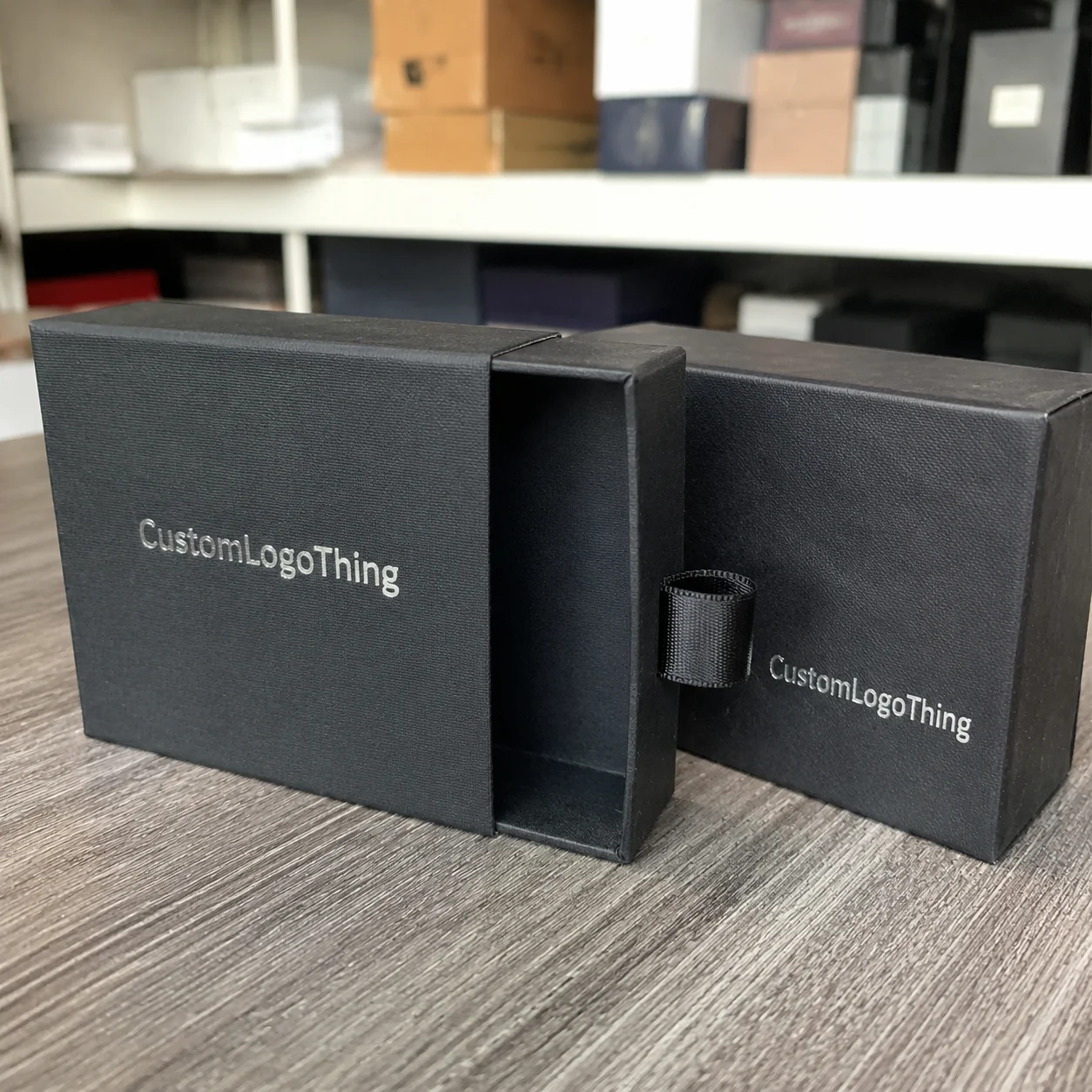
Every rigid box has a few core parts: the board, the wrap, the closure, and the insert. The board is usually chipboard in the 1.5 mm to 3 mm range. The wrap can be art paper, specialty textured paper, kraft stock, leatherette, or fabric-laminated material. Closures can be a lid-and-base, magnetic flap, drawer style, shoulder box, book style, or telescoping rigid box. Then you get the extras: ribbon pulls, foam inserts, EVA inserts, molded pulp, or thermoformed trays. A basic Custom Rigid Box in Guangzhou might use 2 mm chipboard, 157gsm coated art paper wrap, and a paperboard insert, while a premium jewelry box in Shenzhen may use 2.5 mm grayboard with a velvet-lined EVA tray. That’s the anatomy. Simple on paper. Annoying in production.
Good rigid boxes design tips start with the dieline. The dieline is the production map. It tells the factory where the folds, wraps, and allowances sit. If you finalize the artwork first and ask the supplier to “make it fit later,” you’re setting money on fire. I’ve seen a beauty brand spend three rounds of revisions because they placed a border line too close to a corner wrap. Once the board thickness was applied, the design drifted 3 mm and suddenly the logo looked off-center. Nobody wants to explain that to a marketing director who already approved the render, especially when the factory in Dongguan is waiting for proof approval before scheduling the gluer line.
Finishes are where budget balloons. Soft-touch lamination feels great, but it can add roughly $0.18 to $0.35 per unit depending on quantity and size. Foil stamping can add $0.06 to $0.22 per unit. Embossing or debossing adds tooling costs, often $80 to $180 for the die alone. Spot UV can make a logo pop, but if the artwork is busy, it can make the box look like it was trying too hard. Premium packaging should look calm, not desperate. A 5,000-piece run out of Shenzhen with matte lamination and gold foil often lands in the $1.60 to $2.40 per unit range, while the same structure with only printed wrap may stay closer to $0.85 to $1.20.
Inserts matter just as much. For electronics, I usually recommend EVA or molded pulp based on product weight and drop risk. For beauty and gift sets, paperboard inserts or velvet-lined trays may be enough. If the product moves inside the box by more than 1.5 mm, you will hear about it. Usually from a customer. Sometimes from a freight handler. Never in a nice email. A serum bottle with a 28 mm neck, for example, needs a cavity depth that holds it with at least 0.8 mm to 1.2 mm of clearance on each side so it doesn’t scrape the lid during closure.
Factory assembly is the reality check. Most rigid boxes are built by wrapping printed paper around chipboard panels with glue, then pressing and folding the edges to create clean corners. Magnet pockets are inserted before closure. Ribbon pulls are attached during the assembly stage, not later. If the design ignores that workflow, the supplier will “adjust” it, which is code for “your idea is now $300 more expensive.” In a factory near Guangzhou, I watched a team pause a line because the closure flap was 4 mm too short for the magnet pocket. That one change would have forced a remake of 2,000 units. That’s why rigid boxes design tips need to include manufacturing logic, not just visual taste.
“If the box looks great but the corners split on the wrap line, the design failed.” A packaging buyer told me that while we were inspecting a sample near Guangzhou, and honestly, he was right.
For more product structure options, I often point clients toward Custom Packaging Products when they want to compare different box styles before locking a premium format.
For reference on packaging performance and sustainability expectations, I also recommend reviewing industry guidance from the Paperboard Packaging Council and environmental packaging resources from the U.S. Environmental Protection Agency. If you need transit testing, the ISTA standards are worth your time. Nobody gets excited about drop tests until a box arrives crushed. In a typical ISTA-style test, a 24-inch drop and corner compression check can expose a weak wrap seam before the cartons leave a factory in Shenzhen or Ningbo.
Rigid Boxes Design Tips for Branding, Unboxing, and Function
Branding starts the moment the box is seen, not when the product is removed. One of the best rigid boxes design tips I can give you is this: your box should look like your brand sounds. If the product is minimalist skincare, don’t drown it in metallic foil and five fonts. If it’s a luxury gift set, don’t make it feel like an office supply carton with a logo sticker. Customers notice when the packaging and brand personality are fighting each other. And they absolutely judge you for it, even if they pretend they don’t. A clean white rigid box with 1-color black print can look more premium than a full-color, five-effect lid if the brand is selling calm, clinical skincare from Seoul or Singapore.
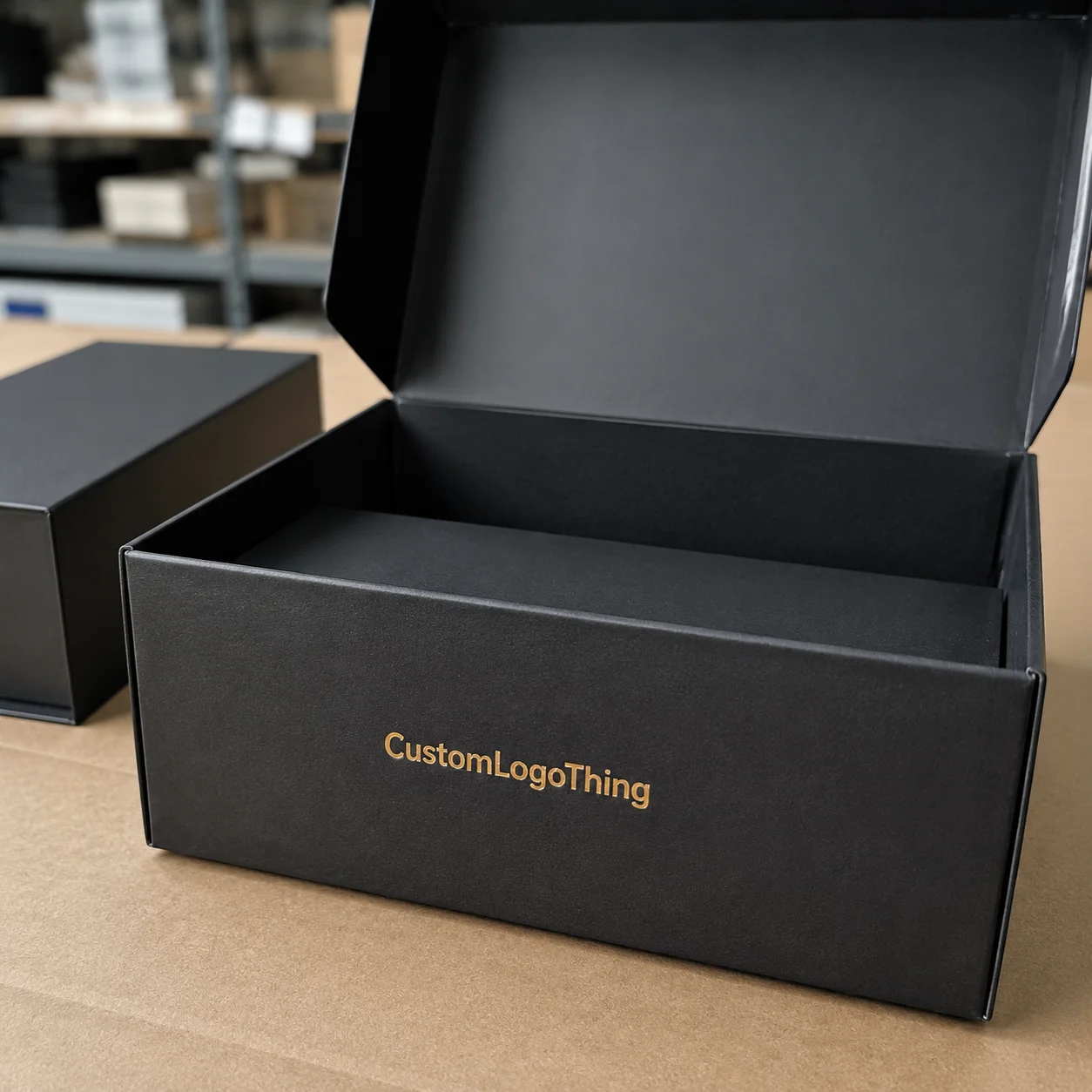
Color matters, but restraint matters more. A matte black rigid box with a single gold foil logo can feel far more premium than a rainbow of effects. I once worked with a client selling premium candles who wanted four special finishes on one lid. Foil, embossing, spot UV, and a textured wrap. The sample cost ballooned by $260 just to test the decoration stack, and the result looked busy. We cut it back to one foil logo, one blind emboss, and a clean interior print. Sales went up because the packaging looked confident instead of loud. The final box used 2 mm grayboard, 157gsm black art paper, and a 1-color interior note printed at 300dpi. Nothing fancy. Just controlled.
Unboxing flow is a design decision. What do customers see first? How does the lid open? Does the product sit in a tray or rise slightly above the cavity? Do they get a note card, tissue, or pull ribbon before the product reveal? Those are not decorative questions. They shape emotion. A good reveal sequence can make a $30 item feel like $80. That matters for eCommerce, subscription kits, influencer PR boxes, and retail gifting. If your customer is opening a box in Austin, Toronto, or Berlin, the first 3 seconds decide whether the packaging feels intentional or just expensive.
Function is where beautiful packaging either earns its keep or fails. A rigid box needs to fit the product without pressure points. It should stack well in a warehouse. It should open easily without tearing the wrap. It should survive courier handling. If your box is impossible to open without fingernails, that is not “luxury.” That is irritation in a pretty coat. For DTC shipping, I usually want outer cartons packed at 20 to 24 units per shipper and a master carton spec that keeps corner compression below visible damage levels after a 48-hour warehouse hold.
Channel matters too. Retail Display Boxes need shelf presence and front-facing legibility. eCommerce boxes need stronger transit tolerance and a lower chance of corner crush. Subscription kits often need repeatable opening mechanics so the experience feels familiar month after month. PR boxes need visual drama but also practical pack-out speed. A designer who ignores channel is designing for a fantasy customer in a perfect room with no shipping label on it. A box for a luxury watch retailer in New York can prioritize display, while a subscription beauty box going out of Ho Chi Minh City needs faster assembly and better insertion speed.
One of my favorite rigid boxes design tips is to build around a single focal point. Choose the logo, the texture, or the structural reveal. Not all three at once. Your customer does not need a packaging fireworks show. They need clarity. Premium packaging often wins by removing noise, not adding it. If the lid opens with a strong magnetic snap and the logo sits centered within a 65 mm safe area, that’s usually enough.
- Logo-first: best for brand recall and clean luxury positioning.
- Texture-first: best for tactile brands like fragrance, wellness, and premium gifting.
- Reveal-first: best for influencer kits, launch boxes, and high-emotion unboxing.
Here’s the practical part: if your packaging will be photographed, keep contrasts high and type sizes readable at 1:1 mobile scale. If it will live in retail, confirm that the side panel copy is not useless filler. If it will ship Direct to Consumer, test the box after a 48-hour warehouse cycle and a basic ISTA-style drop scenario. Real life is rude. Design for it. A 90 mm-tall side panel with 7 pt type might look elegant in InDesign and unreadable under store lights in Chicago.
Cost and Pricing Factors That Shape Rigid Box Design
Let’s talk money, because pretty packaging without budget discipline is just a mood board with invoices attached. The biggest cost drivers in rigid boxes design tips are size, board thickness, paper type, print complexity, finishing, insert type, and order quantity. A 120 x 120 x 40 mm rigid box with plain printed wrap will cost very differently from a 220 x 180 x 90 mm Magnetic Gift Box with soft-touch lamination, foil, embossing, and a custom EVA insert. That’s not a small difference. That’s a different project. In Dongguan, the same structure might be quoted at $1.10 per unit for 5,000 pieces with basic print, then jump to $2.95 per unit once you add soft-touch, gold foil, and a molded tray.
Standard sizes reduce waste and make tooling easier. If you can design around a common structure, you save on setup and often on board consumption. Custom sizes increase the chance of offcut waste, especially if the supplier is nesting multiple jobs on a sheet. I’ve seen a brand save $0.12 per box simply by changing the width by 5 mm so the die fit a more efficient sheet layout. That seems tiny until you order 10,000 pieces. Then it’s $1,200. Which suddenly matters a lot. A factory in Guangzhou can often fit a 210 mm-wide panel more efficiently than a 215 mm panel, and that 5 mm difference may save one extra lane per sheet.
Special finishes raise the bar and the bill. Here’s a simple pricing logic table I use when clients want to understand why one box quote is $1.40 and another is $3.20. These are not universal rates, but they’re realistic enough to keep the conversation honest.
| Rigid Box Option | Typical Features | Indicative Unit Cost at 5,000 pcs | Cost Pressure |
|---|---|---|---|
| Basic custom rigid box | 1.5 mm board, printed wrap, no special finish | $0.85–$1.35 | Lower |
| Mid-tier premium box | 2 mm board, matte lamination, foil logo | $1.30–$2.10 | Moderate |
| Luxury presentation box | 2.5 mm board, soft-touch, embossing, magnet closure | $2.20–$3.80 | Higher |
| High-spec gift box | Specialty wrap, custom insert, multiple finishes, ribbon | $3.00–$5.50 | Highest |
MOQ affects everything. A low-volume run of 300 boxes may cost $4 to $8 each, because setup work, board cutting, and manual labor do not shrink just because your order is small. At 5,000 pieces, the same structure might come down to under $2. The trick is to understand which features justify the price. Magnets are worth it for premium jewelry or electronics. A decorative ribbon may not be worth it for a box that ships flat inside another mailer. Use the right expense in the right place. If you are in Paris launching a $220 fragrance set, a $2.40 rigid box is easy to justify. If you are packing a $19 candle, it’s a much harder sell.
Supplier negotiation is its own sport. I once had a laminator in Guangdong quote me $0.09 per unit for soft-touch film, then quietly add a $65 “adjustment charge” because the film thickness required a different press setting. Another factory wanted $140 for a custom foam insert sample, then admitted the final insert tooling would be $280 if the cavity depth changed by more than 4 mm. That is why rigid boxes design tips always include hidden-cost awareness. Ask about proof charges, sample revisions, insert tooling, and any “special handling” fee. They exist. Of course they exist. I now ask suppliers to itemize the sample fee, the die-cut charge, and the proof turnaround time before I even send final artwork.
For brands selling premium products, the box cost should sit in a ratio that makes sense against the item value. If you are packaging a $22 product, a $3.50 box may be too aggressive unless the packaging drives strong gift appeal or repeat gifting. If you are packaging a $180 item, a $2.50 box is often a smart investment. Context matters. There is no magic number that fits every brand. A skincare set manufactured in Shenzhen and sold at $48 can usually support a $1.80 to $2.20 box, especially if the box supports retail display and Instagram-friendly unboxing.
Step-by-Step Rigid Box Design Process and Timeline
The cleanest rigid boxes design tips I can give you about process is this: lock the product dimensions before you touch artwork. I know, thrilling advice. But it saves weeks. If the product is changing by even 2 mm, the insert, board wrap, and closure fit can all shift. I have watched teams lose an entire sample round because the fragrance bottle neck was 3 mm taller than the original brief. The factory was right. The brief was wrong. The bill still went to the client. A final bottle spec of 78 mm tall versus 81 mm tall can force a new insert cavity and a new proof.
A proper workflow looks like this: concept brief, structure recommendation, dieline creation, artwork placement, mockup, sample production, sample review, revision, then bulk production. For a straightforward rigid box, the dieline and brief stage may take 2 to 4 business days. Sampling often takes 7 to 12 business days, depending on materials and the supplier’s workload. Bulk production can take 12 to 20 business days after sample approval for mid-size runs, though specialty finishes can stretch that longer. Shipping is a separate story, and yes, air freight can make everyone sad. In practice, a Shenzhen factory often turns around a standard proof in 3 business days and full sample in 8 to 10 business days if the wrap paper is already in stock.
- Prepare the brief: product size, target audience, budget, finish preferences, and quantity.
- Request dieline and structure: confirm board thickness, closure type, and insert style.
- Place artwork: only after the dieline is locked.
- Review the mockup: check proportions, logo placement, and opening direction.
- Approve the sample: verify fit, color, tactile feel, and corner strength.
- Start production: confirm prepress files, carton count, and packing method.
- Inspect before shipment: sample the lot if the order is large or the finish is complex.
Timeline delays usually happen in three places: artwork revision, sample correction, and finish changes. If your marketing team keeps “small tweaks” coming after sample approval, your schedule is toast. I’ve seen a launch move from a planned 18-day turnaround to 31 days because someone wanted the logo 2 mm larger and the foil shifted from silver to champagne. Small? Sure. Cheap? Not even slightly. A simple 1-color box in Dongguan might stay on schedule, while a magnet Box with Custom insert and foil in Shenzhen often needs at least 15 business days after proof approval.
Sample review should be structured, not emotional. Check the fit with the actual product, not a similar one. Look at the print under natural light and warm indoor lighting. Feel the laminate for drag, tack, or peel. Close the lid ten times. Open the box with one hand, then with gloves if your end users may wear them. Measure the insert tolerance. Test whether corners crush when the box is squeezed. These are mundane steps. They prevent expensive embarrassment. A sample that closes properly at 22°C in a studio can behave differently when it sits in a 35°C warehouse in Los Angeles for two days.
One client in a skincare meeting told me their box felt “fine” until I placed the serum bottle in and the cap scraped the lid. That was a 1.2 mm clearance issue, and it would have become a customer complaint after 500 shipments. We fixed the insert cavity and saved the launch. No drama. Just disciplined packaging work. The correction took one new EVA cut sample and 4 business days, which was still cheaper than a bad review.
If you want the strongest version of rigid boxes design tips, treat the production timeline like a chain: every delay in the first two links multiplies later. Late dimension changes reset tooling. Late finish changes can require a new proof. Late artwork changes can force a full reprint. Nothing in rigid packaging is “just a quick edit.” That phrase belongs in a fantasy novel. A factory in Huizhou can adjust a dieline in one afternoon, but once the board is cut and the wrap is printed, you are paying for your indecision.
Common Mistakes in Rigid Boxes Design Tips
The most expensive mistake is designing artwork before confirming the dieline and board thickness. If you design to a flat canvas and then discover the corners eat 4 mm on each side, your layout can shift visibly. I’ve had clients cry over a logo that looked perfectly centered in Photoshop but sat awkwardly once the box was wrapped. Computers are polite liars sometimes. A logo that is 15 mm from the edge on a screen may end up 11 mm from the edge after wrapping and corner folding in a Guangzhou factory.
Another common problem is overdecorating the box. Too many textures, too much foil, too many fonts, too many messages. The result feels less premium, not more. Strong rigid boxes design tips usually push you toward reduction. Luxury packaging often whispers. It does not shout. A box with one hero logo, one texture, and one clean reveal usually outperforms a box trying to prove how expensive it is. I’d rather see a 2-color rigid box with sharp margins than a five-finish lid that looks like it fought with the art director and lost.
Ignoring product tolerances is a rookie move, and I say that with affection. If your item varies by 1.5 mm from unit to unit, your insert needs breathing room. If the product has a protruding cap, cable, or neck ring, the box must account for it. Loose fit looks sloppy. Tight fit damages product edges. Both are avoidable with better measurement discipline. In a 1,000-unit run, a 1 mm tolerance miss can turn into hundreds of annoying returns if the product shifts in transit.
Finish choices can look great in a render and fail in real handling. Soft-touch can fingerprint easily. High-gloss can scratch. Heavy embossing can crack at the fold line if the board and wrap combination is wrong. Spot UV can show registration issues on dark backgrounds if the factory’s alignment is off by even 0.5 mm. That is why a sample in hand matters more than a beautiful render in a PDF. I’ve held boxes in Shenzhen that looked stunning under studio lights and then showed every thumb mark after a single pass through the packing line.
Shipping cartons and drop testing are also ignored far too often. A rigid box may survive the shelf but fail inside a master carton if the pack-out is sloppy. I usually ask for outer carton specs, inner packing count, and a basic transit test aligned with ISTA principles, especially for eCommerce shipments. If the outer shipper fails, the luxury box inside becomes expensive confetti. A 12-box master carton packed too tight can crush corners before it even leaves Ningbo port.
- Do not design without final product dimensions.
- Do not approve print before checking board thickness.
- Do not add finishes just because they sound premium.
- Do not ignore insert tolerances.
- Do not skip shipping tests for direct-to-consumer orders.
One memorable factory visit taught me this the hard way. We had a client who wanted a magnetic closure box for a set of wireless earbuds. The magnet was strong, the wrap was beautiful, and the box looked expensive. But the internal tray was 2 mm too shallow, so the earbuds case sat high and pressed against the lid. On the line, the operators could feel it instantly. The fix cost $190 in tooling adjustments and saved thousands in bad reviews. That’s the kind of mistake rigid boxes design tips are supposed to prevent. The factory in Dongguan revised the tray, reran the sample in 6 business days, and the launch stayed on schedule.
Expert Rigid Boxes Design Tips You Can Use Right Away
If you want the fastest improvement, build around one focal point. One. Not four. A strong logo, a tactile wrap, or a structural reveal is enough. This keeps the box elegant and keeps production manageable. When I sit with clients, I often ask them to describe the box in one sentence. If they can’t do it, the design is probably overloaded. That little test saves both money and sanity. A luxury tea brand from Singapore once cut two finishes, one extra pattern, and a side-panel slogan after that exercise, and the quote dropped by $0.42 per unit at 3,000 pieces.
Use tactile details strategically. Matte wrap with spot gloss on the logo can create contrast without making the box scream for attention. Foil on just the mark or edge can feel premium without piling on complexity. A blind emboss on a monochrome box can be more luxurious than three printed colors fighting for space. One of my favorite rigid boxes design tips is to use texture where the hand touches and print where the eye lands. A 350gsm C1S artboard wrap with matte lamination and a blind emboss often looks cleaner than a full metallic build that costs $0.30 more per unit and adds one more chance for misregistration.
Test one prototype with real product, real hands, and real shipping. Not a fake weight. Not a placeholder bottle. The actual item. If you sell cosmetics, use the final bottle. If you sell tech, use the real charger, cable, and accessory stack. If you’re sending influencer kits, pack the real assembly order. Small differences in weight or shape can change the way the lid closes or the insert compresses. A box that works with a 120g sample can fail with the 148g final product, and that difference matters in a hinged lid or drawer style box.
Ask for material alternatives. A better paper, a different board density, or a simpler insert can bring your quote down without gutting the presentation. I’ve had suppliers suggest switching from imported specialty wrap to a local textured paper that looked almost identical and cut the cost by $0.21 per unit. That saved the client nearly $1,050 on a 5,000-piece order. Nobody missed the fancy paper once the box was in hand. In some cases, a Shenzhen supplier can swap to 157gsm art paper over 2 mm board and keep the same visual impact at a lower total cost.
Keep the internal experience aligned with the external promise. If the outside says luxury, the inside should not feel like a random utility box. Use tissue, a printed message card, a fitted insert, or a reveal layer if it supports the story. If the box is for a DTC brand, include pack-out efficiency in the design so warehouse staff can fill 40 units per hour instead of 22. That is a real margin issue, not a minor ops detail. On a 10,000-unit run, that speed difference can save a warehouse team 45 to 60 labor hours.
“Our packaging looked premium only after we stopped trying to impress everyone and started designing for one customer, one product, and one unboxing path.” That came from a client during a sample sign-off meeting, and I still repeat it.
My last factory-floor rule is this: if the design is hard to explain, it is probably too complicated. Simplicity is easier to print, easier to assemble, easier to quote, and easier to remember. That does not mean plain. It means controlled. Controlled is what premium brands actually buy, even if they use different words. In my experience, the cleanest rigid box concepts also get approved fastest by factories in Shenzhen, Guangzhou, and Dongguan because there are fewer places for the sample to go wrong.
Next Steps: Turn Your Rigid Box Concept Into a Production Plan
If you’re ready to move from idea to quote request, start with the basics: final product dimensions, target quantity, style of rigid box, and the finishes you actually need. Then decide what the box must do. Protect a product? Create a gift moment? Support retail display? Ship by courier? Different jobs need different structures. That is the heart of practical rigid boxes design tips. A 250g candle shipped from Guangdong needs a different build than a jewelry box displayed in a boutique in Paris.
Prepare the documents before you contact suppliers. You will want a clean product spec, rough branding references, target budget, and any sample notes from previous packaging. If you have a dieline, send it. If not, ask the supplier to create one and confirm whether that service is included or billed separately. Some suppliers include basic dieline support. Others charge $35 to $90. Guess which group says “it depends.” Yes, both. I usually ask for a written quote within 24 hours and a proof timeline of 2 to 4 business days before I send final artwork.
Compare at least two suppliers on structure, sample quality, communication speed, and quote transparency. One factory may look cheaper by $0.15 per unit and then add $110 in hidden proof fees. Another may quote slightly higher but include better material guidance and cleaner sampling. I’d take the second one nine times out of ten. A cheap quote with bad communication usually becomes a very expensive headache. If one supplier in Shenzhen responds in 2 hours and another takes 3 days to explain a foam insert, the second quote better be a lot more compelling.
Before you approve anything, run through this checklist:
- Product dimensions finalized to the millimeter
- Board thickness confirmed
- Insert type selected
- Finish list reduced to the essentials
- Dieline reviewed and signed off
- Sample checked under natural light
- Shipping carton and pack-out reviewed
- Budget aligned with MOQ
That checklist sounds basic because it is. Basic is good. Basic prevents rework, and rework burns time and cash. I’ve watched enough packaging projects to know that the strongest outcome comes from balancing beauty, durability, and manufacturability, not chasing one at the expense of the others. The best rigid boxes design tips are the ones that survive contact with a factory, a warehouse, and a customer’s hands. That’s the whole point. If your box can make it through a 12-15 business day production cycle, a Shenzhen port shipment, and a customer’s first impression, you’ve done the job right.
FAQ
What are the most important rigid boxes design tips for beginners?
Start with the product size and structure before designing artwork. Keep branding clean and focus on one premium finish instead of too many effects. Ask for a sample early so you can test fit, closure, and overall feel. A 2 mm board sample with a printed wrap and no special finish is often the easiest first test in a Guangzhou or Dongguan factory.
How do rigid boxes design tips help reduce packaging cost?
Using standard sizes and simpler structures lowers tooling and setup expenses. Limiting specialty finishes like foil, embossing, and magnets can cut unit cost fast. Ordering higher quantities usually reduces the per-box price significantly. For example, a 500-piece order might land at $3.80 per unit, while a 5,000-piece run of the same box could drop to $1.65 per unit.
What should I check in a rigid box sample before production?
Check product fit, corner strength, and closure alignment. Review print quality, paper texture, and finish consistency under natural light. Make sure the insert holds the product securely during movement and shipping. If your item is 85 mm tall, confirm the cavity allows at least 1 mm of clearance so the lid does not scrape during closure.
How long does the rigid box design and production process usually take?
Design and dieline setup are usually the fastest stages if your specs are ready. Sampling can take the longest because revisions often happen after physical review. Production timing depends on quantity, finish complexity, and factory workload. In many Shenzhen and Dongguan factories, the full cycle is typically 12-15 business days from proof approval for standard builds, and 18-22 business days for premium finishes.
Which rigid boxes design tips matter most for premium branding?
Use restrained layouts, high-quality materials, and a strong unboxing sequence. Choose finishes that match your brand personality instead of chasing trends. Make sure the box feels premium in hand, not just in photos. A 2.5 mm board with matte lamination and a single foil logo usually says more than a crowded lid covered in three print effects.
If you want packaging That Actually Sells, not just packaging that photographs well, keep these rigid boxes design tips close. Start with structure, respect the factory process, keep the budget honest, and make every finish earn its place. That is how premium packaging stops being an expense and starts doing real work for your brand. And if your supplier in Shenzhen tries to sneak in a $75 “miscellaneous handling fee,” ask them exactly what it covers before you sign anything. They usually back down fast.