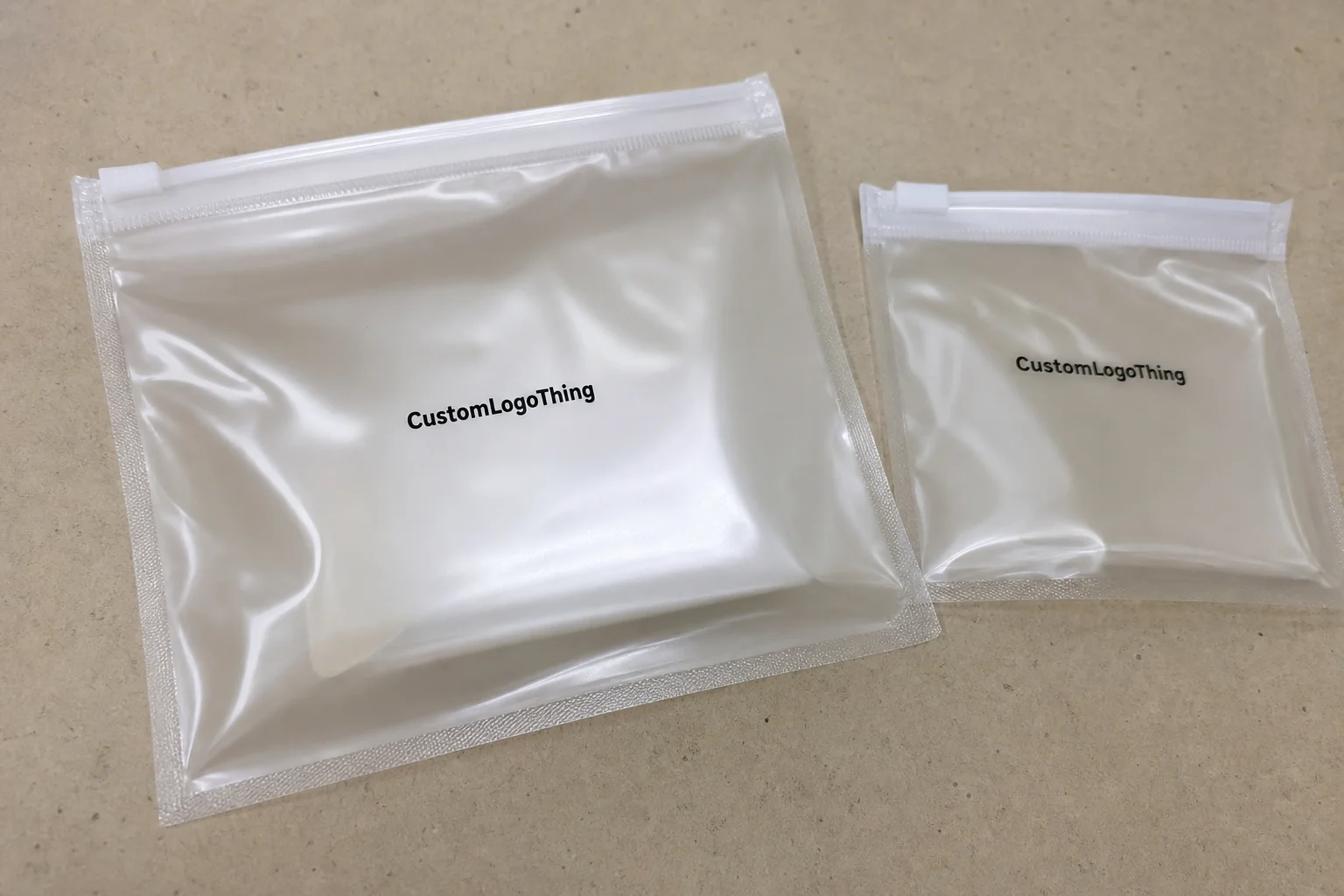
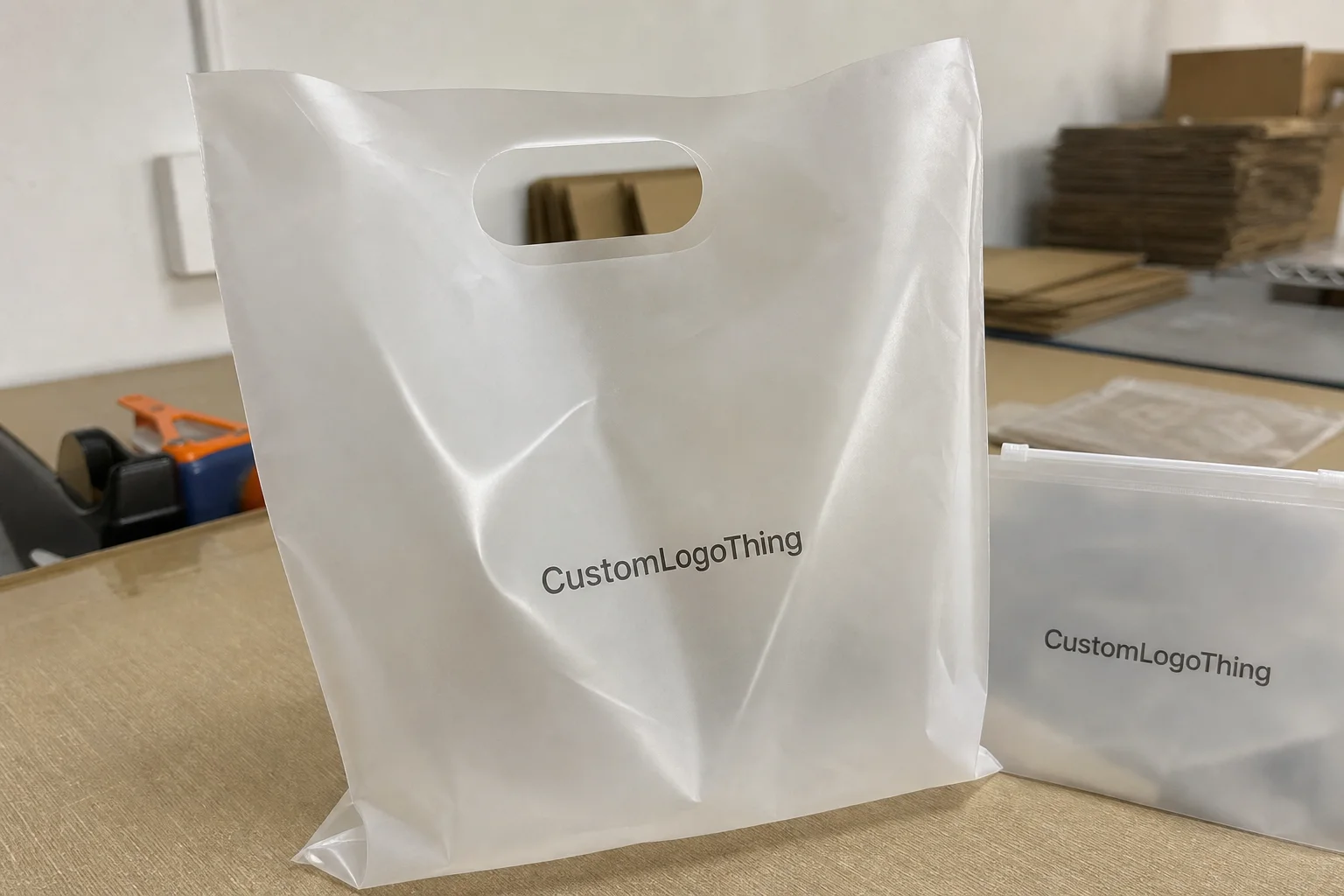
If you are requesting a tea shop zipper poly bags factory quote, do not treat it like a quick price check. It is a specification exercise. The details you send decide whether the bags protect aroma, look good on shelf, and fit the budget without surprise add-ons later.
Tea is demanding packaging. Moisture, oxygen, light, and odor transfer all work against it. A weak seal or thin film can ruin freshness long before the tea itself is actually stale. Retail buyers notice that fast. If the pouch looks scuffed, bloated, or cheap, many shoppers never get to the “let me smell it” stage.
“For tea, packaging is part of the product. If the pouch fails visually or functionally, the perceived value drops before the first brew.”
Why tea packaging fails faster than the tea itself
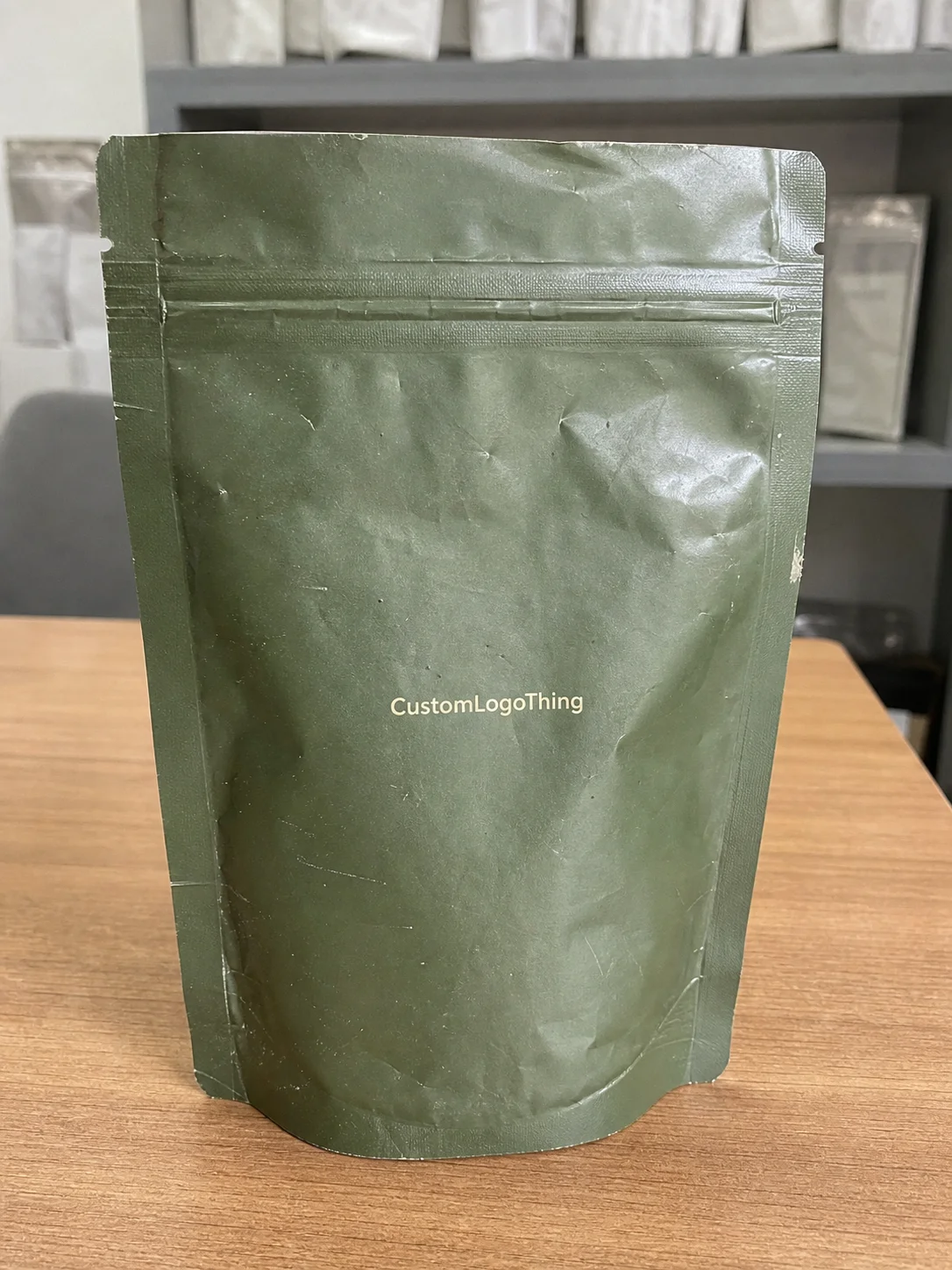
Tea packaging usually fails in a few predictable ways. The seal loses strength. The barrier is too light for the storage conditions. Or the surface finish and print wear out sooner than the product inside. That last one catches people off guard. The tea may still be fine, but the bag already looks tired. On a crowded shelf, tired loses.
Tea shop zipper poly bags are popular because they solve several problems at once. They reseal after opening. They resist humidity better than plain paper formats. They print well. They also give a cleaner premium look than an unsealed pouch or a basic bag with a sticker slapped on it and called “branding,” which, frankly, is a stretch.
For loose leaf tea, herbal blends, and sampler packs, that combination makes sense. A zipper bag is easy for shoppers to handle and easier for stores to stock. The closure also helps keep aroma from bleeding out during repeat opening and closing.
The uncomfortable part: a small defect can matter more than tea grade at retail. If two teas are similar in price and flavor claims, shoppers often choose based on packaging clarity, closure confidence, and how tidy the bag looks under store lighting. A sloppy zipper or foggy film can make a good tea look ordinary.
That is why a tea shop zipper poly bags factory quote should be built around use conditions, not just bag size. Is the tea stored in a humid warehouse? Does it sit under warm lights? Is the brand trying to sell a giftable premium line or a value-driven everyday SKU? The quote changes with those answers.
From a buyer’s point of view, this is sourcing, not browsing. Sourcing starts with the right spec sheet.
For readers comparing broader packaging formats, Custom Packaging Products can help frame how zipper pouches sit alongside boxes, labels, and secondary pack options.
Tea shop zipper poly bag formats and material options
The easiest way to overpay is to ask for the wrong structure. The cheapest quote is rarely the smartest quote. Tea reacts to moisture, oxygen, light, and aroma loss. A factory should help match format to use case, not just print a logo on a generic pouch and call it customized. That word gets thrown around far too casually.
Common bag styles buyers actually use
- Flat zipper pouches — good for sample packs, smaller tea portions, and lightweight retail bags.
- Stand-up zipper bags — better shelf presence, especially for premium tea and gift sets.
- Clear-front bags — useful when leaf shape, color, or blend texture is part of the selling point.
- Matte finish bags — popular for a softer premium look and less glare under store lights.
- Metalized or barrier-enhanced bags — preferred when aroma retention and moisture resistance matter more than low-cost simplicity.
Material choice should follow the product, not the trend. PE is common for flexible sealing and cost control. PET/PE laminations are widely used because they balance printability, stiffness, and heat-seal performance. CPP appears in certain laminate structures where clarity or seal behavior matters. For stronger barrier performance, buyers usually move toward multi-layer structures with better oxygen and moisture resistance.
If you are packaging high-fragrance loose leaf tea, a basic single-layer bag may be too light. If the SKU turns over quickly and stays in controlled retail storage, the requirements can be less demanding. That is why a tea shop zipper poly bags factory quote should always tie back to shelf life, warehouse conditions, and distribution method.
Add-ons that change performance and pricing
Small features affect both usability and cost. Hang holes help with display hooks. Tear notches make opening cleaner. Writable panels are useful for lot tracking or handwritten blend notes. Barcode zones matter for chain retail. One-way valves are rare in tea packaging, but they can appear in niche applications where gas release or aroma management is part of the design.
One practical buyer note: if your shop sells several blends in nearly identical packaging, writable panels or strong SKU coding reduce picking mistakes in back-of-house handling. That is not decorative. It saves time and prevents mix-ups that turn into customer complaints later.
If your operation includes e-commerce fulfillment alongside retail, it can also help to compare pouch requirements with other pack formats such as Custom Poly Mailers.
Specification checklist for a factory quote
A factory cannot quote accurately on “custom tea bags” alone. The more complete the input, the less likely you are to get a revised price later. In practice, the following items shape the quote most:
- Dimensions — width, height, and bottom gusset if used.
- Fill weight — 30g, 50g, 100g, 250g, or whatever the SKU requires.
- Film thickness — usually expressed in microns or mils.
- Material structure — PE, PET/PE, CPP, or barrier laminate.
- Zipper type — standard press-to-close, double zipper, or tamper-evident style if needed.
- Print coverage — one-color logo, spot colors, or full-color artwork.
- Finish — gloss, matte, soft-touch, or clear window.
Dimensions deserve more respect than they usually get. A few millimeters can affect film usage, shipping carton fit, and how well the bag stands on shelf. If the pouch is too narrow, filling becomes messy. Too tall, and the product looks underfilled. Too wide, and you pay for wasted material. Those are small mistakes with real cost consequences. Packaging has a way of punishing lazy math.
Branding details matter too. A useful quote should say whether the design uses spot colors or full process printing, where the window sits, whether the front panel is opaque or partially clear, and whether barcode or nutrition space is required. If you need a compliant food label layout, the factory should know before artwork is finalized, not after plates or cylinders are already in motion. That kind of late discovery is how timelines get ugly.
For food-contact packaging, buyers should confirm material suitability and request samples before mass production. Many teams also ask about odor control, seal strength, and migration concerns. The standards framework depends on the destination market, but credible suppliers should be comfortable discussing food-contact requirements and test references. For general transit and package testing guidance, the ISTA site is a useful reference.
Packaging buyers often underestimate barcode placement and carton planning. If the bars scan poorly or cartons are packed inefficiently, labor costs creep up later in receiving and fulfillment. That is why the request should include not only bag specs, but also outer carton count, inner pack count, and pallet expectations if available.
Cost, pricing, MOQ, and quote variables
This is where most buyers get misled. They ask for “the cheapest quote” and then compare unit prices without checking whether the bags are actually the same. That comparison usually falls apart in two minutes.
For tea shop zipper poly bags, the biggest price drivers are size, thickness, material structure, print colors, order quantity, and finishing. Clear bags with a simple logo often cost less than matte laminated pouches with full coverage printing and a custom zipper. Barrier structures add cost because the film system is more complex. More colors add setup and production complexity. Larger dimensions use more material. It all shows up in the final number.
| Option | Typical buyer use | Relative cost impact | Notes |
|---|---|---|---|
| Simple PE zipper pouch | Samples, low-risk blends, budget retail | Lower | Good for cost control, limited barrier performance |
| PET/PE printed stand-up pouch | Main retail line, branded tea | Medium | Better shelf presence and print quality |
| Barrier laminate pouch | Premium tea, fragrance-sensitive blends | Higher | Stronger moisture and aroma protection |
| Matte or soft-touch finish with window | Gift sets, premium shelf merchandising | Higher | Appearance upgrade, usually adds finishing cost |
MOQ logic is simple, even if buyers dislike it. Lower quantities usually mean a higher unit cost. Larger runs improve material efficiency and machine setup economics. That does not mean every brand needs to buy huge volumes. It means the quote should reflect production reality. If you need a small trial run, say so early. The factory may suggest a simpler structure or fewer print effects to keep the numbers workable.
There are also hidden cost items. Plate fees or cylinder fees can apply depending on print method. Sample charges may be separate. Freight can swing landed cost more than expected, especially if the shipment moves by air instead of sea. Rush production almost always carries a premium. If a quote looks unusually low, ask whether it excludes tooling, freight, or rework.
A smart comparison starts with a matched spec sheet. Compare the same size, same thickness, same material structure, same zipper, same print coverage, same carton count. If one supplier quotes a 100-micron barrier pouch and another quotes a 60-micron basic bag, the comparison is pointless. It is not a better deal. It is a different product.
For rough planning, simple printed tea zipper pouches can land in a much lower bracket than multi-layer premium structures, but actual pricing varies sharply by volume. On small runs, a modest setup fee can outweigh the film cost itself. On larger runs, material efficiency becomes the main driver. That is why a detailed tea shop zipper poly bags factory quote matters more than a catalog price pulled out of context.
Practical buying rule: ask every supplier to quote the same specification sheet, then note what is included. If one price includes sampling and another does not, you have not found a bargain. You have found missing data.
The packaging industry’s sustainability and materials guidance is also useful when you are choosing structures with reduced material usage or improved recyclability pathways. The EPA recycling resource is a useful general reference, even though tea pouch decisions are usually driven first by product protection.
Process and lead time from artwork to shipment
Most factory orders follow the same path: inquiry, specification confirmation, quote, artwork setup, sample approval, production, quality check, packing, and shipment. The names may differ. The sequence usually does not.
Typical lead time depends on complexity. Straightforward orders with existing tooling and simple print can move faster. Orders that need new artwork, new cylinders, or sample revisions take longer. A practical planning window is often 12 to 20 business days from proof approval to production completion for many custom pouch jobs, though larger or more complex runs may extend beyond that. Shipping time is separate and can dominate the overall schedule if the goods travel internationally.
Buyers can speed things up in three ways. First, send a clean dieline or size requirement early. Second, confirm barcode data and legal copy before artwork goes into production. Third, approve the proof quickly and avoid multiple revision loops unless there is a real issue. Every extra round costs time.
Good factories communicate milestones clearly. They should tell you when artwork is signed off, when sample production begins, when the bulk run starts, and when inspection is completed. If a deadline is at risk, they should say so before the problem lands on your desk. Silence is not a production plan.
There is also a quality step buyers should not skip: sample approval. A printed digital mockup is not the same as a finished pouch. Zipper feel, seal performance, opacity, and surface finish need to be checked physically when possible. If the tea line matters or the order is large, request a pre-production sample or a similar reference sample before committing.
For export-oriented buyers, packaging and transit standards matter as well. If the pouches will travel long distances, ask how the cartons are protected from compression and humidity. Transit testing often comes up in connection with ISTA methods, especially if your supply chain is sensitive to damage claims.
What makes a tea bag factory worth choosing
Most factories can print a logo. Far fewer can help a tea brand make the packaging decision correctly. That is the difference buyers should watch for.
Start with production capability. Does the supplier actually run the pouch type you need, or are they passing work through someone else? Ask for samples of similar materials, not just product photos. Look for consistency in zipper alignment, seal quality, print registration, and gusset formation. One sample tells you little. Several samples from related jobs tell you a lot more.
Direct manufacturing usually offers tighter cost control and clearer accountability than a vague intermediary structure. That does not mean trading companies are useless. It means you should know who is responsible for what. If the quote comes from a broker, ask who owns the material spec, who handles quality inspection, and who resolves defects. If the quote comes directly from a factory, ask how they document tolerances and sample approval.
Tea is a special packaging category because aroma retention and shelf presentation pull in the same direction. The bag has to look attractive, but it also has to protect delicate product characteristics. That is why packaging expertise matters more here than in many dry-goods categories. You are not just buying a pouch. You are buying shelf-life support.
Service signals matter. A reliable supplier gives you a clear quote, documents material details, sends practical MOQ guidance, and explains why one construction may be better than another. A weak supplier sends a low number and hopes you do not ask questions. I would trust the first one every time.
Buyers looking to standardize broader branding materials often benefit from a packaging partner that can also handle related items, which is why a supplier with broader capability across Custom Packaging Products can be useful once the tea line grows.
Next steps to request an accurate factory quote
If you want a useful quote, prepare the request properly. Start with the product type: loose leaf tea, herbal tea, powdered mix, or gift-set format. Then add bag size, fill weight, print file, target quantity, finish, and any special feature such as a window, hang hole, or writable panel. The more precise the input, the less likely the supplier is to improvise.
Ask for a sample or mockup before placing the full order. That matters even more if the tea shop is launching a seasonal line or testing a new SKU. A visual proof can catch layout problems, but a physical sample reveals real handling issues. Zippers, seals, and finishes are easier to judge in hand than on screen.
When comparing two or three suppliers, keep the comparison disciplined. Use the same specification sheet. Ask what is included in the price. Confirm whether freight, sampling, and tooling are part of the number or separate. Then review the timing. A cheap quote that misses your selling window is not a good quote.
Once you have a matched comparison, choose the supplier that gives you the cleanest combination of price, clarity, and control. Then lock the production date, approve the sample, and keep communication moving until shipment. That is how buyers avoid surprises.
If you are ready to request a tea shop zipper poly bags factory quote, send the specs, ask for a matched comparison, and confirm the sample path before production starts. For direct help, you can Contact Us and share your bag size, artwork, and target quantity.
What details do I need for a tea shop zipper poly bags factory quote?
Provide bag size, fill weight, material preference, print requirements, zipper type, finish, and expected order quantity. Also say whether the tea is loose leaf, herbal, powdered, or a gift-set item so the factory can recommend the right construction.
What is the usual MOQ for custom tea zipper poly bags?
MOQ depends on size, printing method, and material structure, but Custom Printed Bags usually require a higher minimum than stock bags. Larger runs lower unit cost, while smaller test orders may be possible with simpler printing or fewer customization options.
How long does production usually take after I approve the quote?
Lead time usually includes artwork confirmation, sample approval if needed, production, inspection, and shipping. The total timeline depends on order size, print complexity, and whether the factory needs new tooling for your pouch.
Which material works best for preserving tea freshness?
Barrier-enhanced laminations are often preferred when aroma retention and moisture protection are priorities. The best choice depends on tea type, storage duration, and whether you need clear viewing, matte branding, or stronger barrier performance.
How do I compare two quotes for tea shop zipper poly bags?
Compare identical specifications: size, thickness, material structure, print coverage, zipper type, finish, and carton packing. Check whether the quote includes sampling, freight, tooling, and any setup charges before judging unit price.