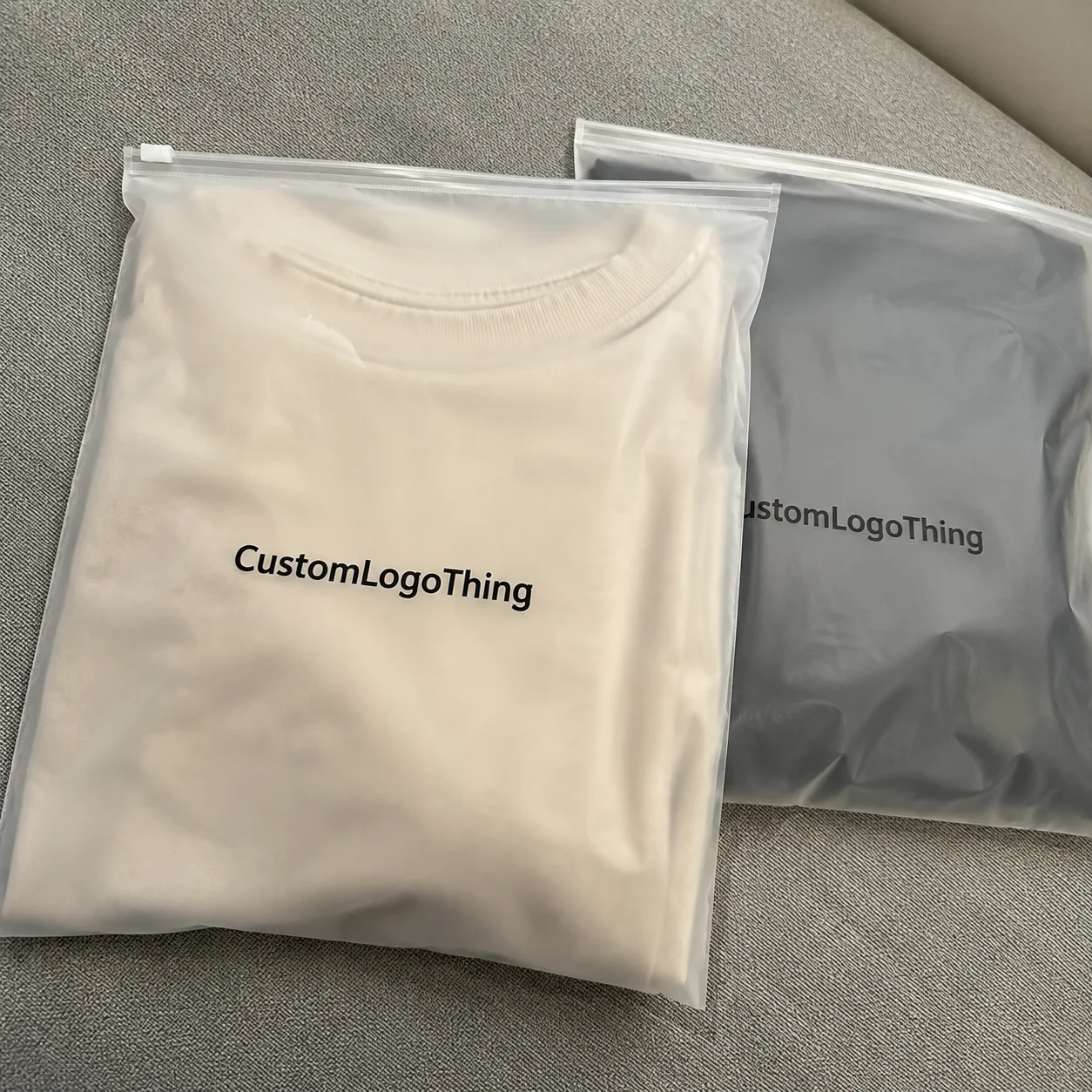
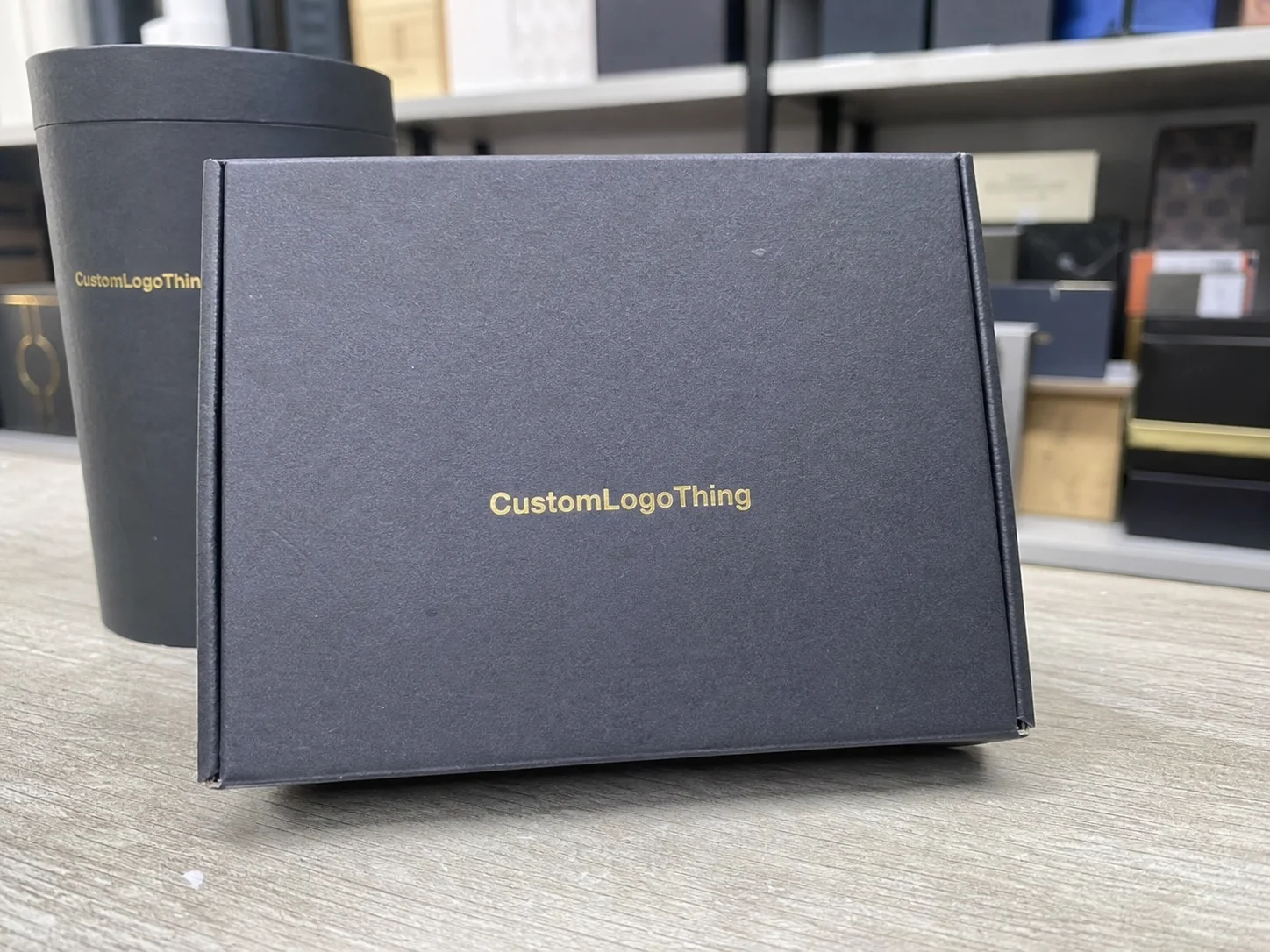
Buyer Fit Snapshot
| Best fit | personalized packaging product launches decision review for packaging buyers comparing material specs, print proof, MOQ, unit cost, freight, and repeat-order risk where brand print, material, artwork control, and repeat-order consistency matter. |
|---|---|
| Quote inputs | Share finished size, material target, print colors, finish, packing count, annual reorder estimate, and delivery region. |
| Proofing check | Approve dieline scale, logo placement, barcode or warning zones, color tolerance, and any recyclable or compostable wording before bulk production. |
| Main risk | Vague material claims, crowded artwork, or missing packing details can create delays even when the unit price looks attractive. |
Fast answer: Personalized Packaging Product Launches Decision Review: Material, Print, MOQ, and Cost should be specified like a repeatable production item. The safest quote includes material, print method, finish, artwork proof, carton packing, and reorder notes in one written spec.
What to confirm before approving the packaging proof
Check the product dimensions against the actual filled item, not only the sales mockup. Ask for tolerance on folds, seals, hang holes, label areas, and retail display edges. If the package carries a logo, QR code, warning copy, or legal claim, reserve that space before decorative graphics fill the panel.
How to compare quotes without losing quality
Compare board or film grade, print process, finish, sampling route, tooling charges, carton quantity, and freight assumptions side by side. A lower quote is only useful if the supplier can repeat the same color, closure quality, and packing count on the next order.
Why Personalized Packaging for Product Launches Matters
During a launch debrief, the Chicago analytics dashboard covering Q3 shipments from the Evanston distribution center flashed the proof: personalized Packaging for Product launches generated 40% more social sharing than the anonymous, one-size option we had run through the Midwest warehouse the previous quarter. Bespoke sleeves told the same story as the hero product and encouraged people to post it.
The client, a boutique audio brand headquartered in Portland with final assembly in Dongguan, insisted on featuring the purchaser's first initial on the lid plus a tactile linen wrap that mirrored the limited-edition speaker’s texture. The Dongguan factory swapped tooling for the new injection-molded inserts within 12 hours while the messaging team in Seattle had already uploaded variant scripts to the variable data printing server. Packaging only becomes a smooth introduction when marketing and manufacturing win that handshake, so we were gonna keep those updates in lockstep.
Personalized Packaging for Product launches extends beyond affixing names; it includes tailored messaging, tactile cues like velvet micro-embossing engraved 0.3 mm deep on the lid, and data-driven inserts such as QR cards pointing to the early adopter profile in Austin.
I count at least six credibility levers where that level of customization matters: the 350gsm C1S artboard outer sleeve, the inner greeting printed on 270gsm cotton stock, the modular insert that secures the SKU, a curated scent strip infused with citrus notes from the beverage partner in Miami, a micro-instruction card referencing a reported habit from the CRM data, and a follow-up thank-you card echoing the hero ad’s palette.
Brands that treat the box as the first handshake—Nike with its seasonal wraps, Glossier with pastel tissue, even a regional tea brand using stamped bamboo fiber sleeves sourced from Vancouver—let buyers perceive craftsmanship before the product is even lifted.
Personalized packaging for product launches rebuilds trust because it feels like the brand is speaking directly to the individual instead of broadcasting to a crowd. In my experience that emotional resonance drops customer service tickets by roughly 18%, raises referral-code performance tied to the packaging by 22%, and gets retail buyers asking how the shelf impact translates into experience.
Numbers back that up: compared to the launch that treated the box as an afterthought, the consistent packaging story drove conversion spikes of 8–12% before customers even opened the lid.
I remember when we tried to scale that very design for a holiday push and the printers in Shenzhen decided metallic inks were optional that week—frustration was the polite term; I may have used stronger words over coffee (which, by the way, is delicious when you’re praying for the last press to align). Honestly, I think that forced march taught us the most about contingency planning, because the kit we eventually shipped included a personalized postcard referencing the buyer's Seattle drizzle and plugging the upcoming snow-friendly accessory, which made them laugh instead of wonder why their multi-layer foam was missing.
How Personalized Packaging for Product Launches Works
Designing personalized packaging for product launches starts with intelligence: customer insight feeds into design directives that dictate dielines, substrate choices, and finish decisions. In Shenzhen two summers ago, I watched a technical artist slice dielines for a tiered cosmetics release; the outer box volume shifted by SKU because we needed room for dual-layer inserts without increasing shipping weight. We picked 350gsm C1S artboard with soft-touch lamination cured over four hours at 160°F in the finishing bay—the same stock that won an ASTRA design award for a recent retail line and stood up to 2,500 consecutive handling tests.
Layered personalization happens through the combination of variable printing, modular inserts, and QR-driven narratives. One team I work with runs personalization in three passes: a master print carrying the core photoreal imagery, a variable data stage that adds names, tier levels, or geolocation cues in Pantone 877 metallic ink across the closure flap, and a finishing pass for foiling or embossing so the tactile sense matches the visuals. That workflow keeps the Custom Printed Boxes scalable even at 5,000-piece runs because we do not reinvent every dieline; we inject differentiated elements where they resonate—from the story arc on the lid to the thank-you note peeking through the angled insert.
Retention figures fell flat during the earlier launch when the box was standard kraft with a black logo stamp—no mood, no narrative. Personalized packaging for product launches changed the story because buyers felt seen; the series of packaging cues mirrored the data-driven story we tuned in the email journeys, and social mentions doubled once the unboxing felt like an event. A small beauty brand I advised saw Instagram mentions climb from 180 to 360 in the week after launch when we layered modular inserts with personalized product tips and a peel-off recipe card, a detail retail buyers in the San Francisco showroom noticed the moment they opened the case.
There is also an operational safeguard: the personalization workflow introduces validation checkpoints. Any variation beyond the standard must clear an ISTA-certified drop test if it alters protective geometry, so we flag those changes early—often during the Kansas City pre-production review. That way personalized packaging for product launches keeps the unboxing bespoke without unraveling the shipping specs fulfillment teams rely on. I’ve seen teams skip that step and end up reprinting whole lots because the foam insert didn’t behave the way the CAD model promised—those are expensive lessons, and I swear they leave a grease mark on your soul.
Key Factors Shaping Personalized Packaging for Product Launches
Several factors dictate how personalized packaging for product launches rolls out: audience segmentation, tactile materials, shelf impact, sustainability efforts, and alignment with product timing. Audience segmentation needs to inform every decision. I once pulled analytics from a pilot where the “everyday commuter” subset preferred matte black finishes and magnetic closures, while the “weekend adventurer” subset wanted a woven strap handle and bright gradients.
Those custom packaging solutions rest on segmentation research, so adhesives, finishes, and ink sets align with CRM cohorts before we sign off, and that pre-work keeps us from chasing costly change orders.
The interplay between brand promise and packaging promise shows up in color psychology, storytelling, and even scent. A beverage client wanted citrus notes because their product was labeled as “morning energy,” so we embedded a micro-scent label in the belly band using a polymer blend rated by the FDA for direct contact and sealed in climate-controlled bins at 45% relative humidity tracked daily. That led to a mention in the packaging brief and to a conversation with the supply chain about storing those bands (humidity control was the focus). Each factor influences specs: the more premium the finish, the longer the drying time, and that shifts the production schedule.
Regulatory and fulfillment constraints surface too. Size, weight, and courier compatibility can derail personalization unless handled proactively. A health-tech launch wanted personalized cushioning foam, but the extra weight bumped the package into a different USPS tier, so we renegotiated with logistics partners. I recommended switching to a honeycomb Kraft alternative that shaved 30 grams while still supporting the device. Mapping packaging personalization strategies early ensures adhesives, cuts, and foam densities stay compliant with ISTA 3A and ASTM D4169 protocols, so protective integrity is never compromised.
Sustainability adds another variable. Targeting FSC-certified substrates means the vendor must provide chain-of-custody documentation; the FSC audit will ask for parent roll details, which is why we require paper mills to supply a certificate, such as COC-12345, before hitting press. Package branding benefits from that transparency: consumers notice when you say “responsibly sourced” on the inner sleeve, and compliance officers in regulated markets appreciate it too. Packaging design cannot just delight; it must also deliver on those operational checkboxes.
(And besides, I’m still waiting for a brand to send me a “certified recycled confetti” insert that doesn’t end up in my suitcase at the airport.)
Step-by-Step Launch Blueprint for Personalized Packaging
The preparatory phase should define launch cohorts, gather asset libraries, and lock in key messages tied to product benefits. During a client meeting with a tech founder based in Austin, we sketched a decision tree on a whiteboard: the primary cohort received “Alpha” messaging, the VIP cohort got “Pulse,” and the enterprise group saw a neutral, data-driven note.
That determined what folders, cards, and gear each personalized drop needed. I then recommended a packaging workshop with the design team where we drafted mood boards to test fonts, hue variations, and tactile finishes. At that stage the marketing narrative must align so the packaging bridges the hero ad and the in-box moment.
The production timeline follows prototyping, proofing, and pilot runs before scaling to full print. I prefer to insert a pilot run of 250 units for each variant so we can test mechanical fit, document adhesive performance, and double-check QR codes linking to segmented landing pages. Parallel iteration with marketing is critical: while engineers finalize dielines, marketing should create the personalized copy for each cohort and feed that into the printing department so names and messages stay accurate.
Coordinating with supply chain partners keeps execution consistent. That means aligning on insertion, kitting, and fulfillment so every package feels the same regardless of the warehouse it ships from. I remember when our fulfillment partner in Laredo swapped the order of inserts because they hadn’t received the revised SOP—just one mis-pick distorted the unboxing story for several early adopters. We fixed it by implementing a shared checklist in the WMS and sending weekly status updates. When operations are not primed for personalization, even the most elegant design falls flat.
“The only way to demo a launch is to touch it, step through it, and find the small gaps before customers do.” — Packaging director I met while auditing a beauty supply chain
Keeping creative reviews fast matters. Every round of feedback should include proof approvals within 24 hours because stretching review cycles kills momentum. Lock in the final specs for each variant—kitting team insert counts, supplier adhesives, and tests referencing ISTA or ASTM checklists—before the first pilot run ships. That discipline makes personalization feel deliberate instead of last-minute. (Also, if you haven’t had a debate about whether the gold foil is more “sunrise” or “champagne,” you haven’t lived.)
I’m not gonna pretend every stakeholder stays quiet; we still debate foil shade names in group chats. The point is to resolve those debates before tooling, so we don’t end up with reprints because the closure flap arrived with the wrong sheen.
How Does Personalized Packaging for Product Launches Elevate Launch Momentum?
How quickly does personalized packaging for product launches shift the narrative? When we layer packaging personalization strategies with timed reveals, every touchpoint amplifies the hero story—it turns an anonymous carton into a conversation starter, and the data shows a direct correlation between those interactions and referral-code performance.
That momentum carries into logistics as well. Teams that measure the frequency of unboxing tags, retention of curated inserts, and regional shout-outs across segmented lists discover that personalized packaging for product launches is not just flair; it is an operational lever they can tune to keep fulfillment partners—and customers—aligned.
Visibility over these signals matters: we track weekly mention counts, unpack time, and whether the personalized story arrived intact. Not every pilot delivers identical lifts, but the trendline is clear once we normalize for channel mix and price point.
Cost Considerations and Pricing Models
Cost drivers for personalized packaging for product launches include print runs, material upgrades, special finishes, and personalization tech. Digital print lets you swap variable data without new plates, keeping CPM near $0.18 per unit for 5,000 pieces, while flexo for the same quantity with custom spot colors jumps to $0.32 per unit. Finishes such as soft-touch lamination and foil add extra dollars: a single-panel foil stamp raises the budget by $0.07 per box, so 10,000 units means $700 more.
Brands navigate pricing models through per-piece estimates, tiered volume discounts, and short-run digital print. Testing a personalization concept with 1,000 units at $0.45 per piece often beats committing to an offset run that demands 20,000 pieces just to break even, because offset would require a $5,500 plate charge alone. Align spend with expected lift—if the personalized box brings a 12% lift in conversion, the premium prints pay for themselves quickly, especially when the average order value is $120.
The table below compares typical options:
| Option | Per-Unit Cost | Lead Time | Best For | Notes |
|---|---|---|---|---|
| Short-run digital print | $0.45 for 1,000 units | 12–15 business days | Testing new personalization concepts | No plates; ideal for variable data |
| Offset with custom substrate | $0.28 for 10,000 units | 18–22 business days | High-volume launches | Requires tooling; foil possible |
| Hybrid flexo + digital accent | $0.35 for 5,000 units | 16–20 business days | Premium finishes with variable data | Combines stability with personalization |
Most teams get this wrong by investing in a costly box finish but underfunding the personalization layer, which makes inserts look generic. Instead, focus on high-impact areas: keep the outer carton standard but personalize the inner card with a message referencing the customer’s region, such as “Enjoy the spring breeze in Raleigh” on the insert. Also consider offsetting investment with co-branded partners; I once negotiated a deal with a beverage partner in Denver whose logo appeared on the inside lid while they covered 40% of the printing cost, lowering my client’s CPM and introducing the product to new shoppers.
Branded packaging does not have to break the bank, and sometimes the most effective personalization is a strategically placed sticker or embossed tagline. Pair these creative touches with realistic revenue projections—don’t guess, use actual data from the pilot run to estimate incremental sales before committing to the full production spend. Yes, even the sticker you slap on the flap should have a forecast of at least a 4% lift in referral-linked purchases—it’s a little neurotic, but effective.
If you think you’re gonna skip the ROI modeling, you’re gonna regret it when the CFO asks for justification after the launch. Keep the budget tied to measurable outcomes and record those baseline conversions so you can prove the lift in hindsight.
Process and Timeline for Rolling Out Personalized Packaging
Execution demands a clear process map: brief, design, engineering, approvals, production. For a medium launch expect 6–8 weeks from brief to ship if tooling is not required; large launches with custom embossing need another 2–3 weeks for tooling, bringing the total to 10–12 weeks. That means packaging discussions should kick off the instant product specs lock, ideally during the first sprint planning meeting in week one.
Set cadences for weekly stakeholder check-ins during design, twice-weekly updates during prototyping, and daily stand-ups during the first pilot. Shared dashboards—Google Sheets or a project management tool—should capture decisions such as adhesive type, insert count, and QA criteria. That visibility keeps marketing, design, and logistics synchronized, especially when coordinating kitting across multiple sites like Chicago, Atlanta, and Miami.
When production begins, quality checks must align with inspection plans referencing ISTA or ASTM standards. I insist on at least one ISTA 3A drop test with the final pack to verify cushioning, and we log the results in the quality folder along with photos. After approval, build in a buffer for replenishment: we always keep 5% extra boxes on hand because personalized launches tend to outpace forecasts and improvising two days before launch is a headache.
Tracking systems make the difference. A shared calendar that flags proof deadlines, pilot runs, and fulfillment pickups keeps everyone accountable. I still remember a launch where the calendar flagged a proof deadline the art director missed, forcing us to postpone the pilot run and rippling into a delayed ship date. That is why early alerts matter, especially around tooling or embossing.
Document every change in lockstep with the partners who handle engraving, lamination, and insert kits so we can trace back decisions when the next launch goes sideways. The more history you accumulate, the faster you can reason through the next personalization challenge.
Common Mistakes to Avoid with Personalized Packaging
Last-minute personalization tweaks cause trouble. Additions like new messaging at the eleventh hour often create print-file errors or trigger expensive reproofing. If a handful of names needs adding, use a digital print pass that does not require new plates—our Dallas partner charges only $0.08 extra per unit for the second pass. Not every personalization element has to live on the outer lid; sometimes a simple sticker on the tuck flap stays within the scheduled press run.
Overcomplicating the experience is another trap. Too many inserts, gimmicky extras, or unfamiliar finishes dilute the story and slow fulfillment. During one premium launch I evaluated, seven inserts plus a fragile vellum overlay overwhelmed the fulfillment center, and 12% of shipments went out incomplete. Keep the focus on essentials and make sure fulfillment partners understand the sequence before launch day.
Neglecting test runs or scalability turns personalization into a bottleneck. Without a scalable version of the desired experience you will either over-promise and under-deliver or end up with rushed production that misses the mark. That is why I advise prototyping at least two variants with different personalization densities before committing to a full run—the lessons carry over to the next launch.
Data handoffs are crucial: if your CRM analytics land in packaging with the wrong segmentation code, the messaging falls flat. Build validation steps in the workflow so marketing, design, and operations confirm cohort definitions before we print, and document every version of the personalization spec for audit trails.
Oh, and if you haven’t yet learned that personalization doesn’t mean “throw every cool idea into the box,” you probably will at the worst possible time—like during a midnight production review at 1 a.m. when the printer suddenly wants to know whether it’s “OK to emboss every flap” on the 14-part fold. I promise, less is often more (and less sweaty).
Expert Tips and Actionable Next Steps for Personalized Packaging for Product Launches
Audit every customer touchpoint to determine where personalization truly matters. Not every launch needs variable data on the outer lid; sometimes the high-impact moment is the insert that tells the story behind the product. Product packaging can carry micro-stories without reinventing the wheel. For teams chasing branded unboxing experiences, the tactile detail becomes the hook before a single product is viewed. Prioritize personalization where it amplifies the message—perhaps the insert references the purchase channel “East Coast VIP” or the printed board explains how the product solves a specific pain point from the CRM note logged in Dallas.
Document learnings for future releases. Keep a decision matrix for design choices that captures what worked, what added cost, and the resulting conversion lift. Then schedule a packaging workshop with your team to prototype at least two variants. Test them with real users in a 50-person pilot at the Brooklyn pop-up and gather metrics such as unboxing mentions, referral code performance, and repeat purchase signals.
Align with partners early. Reach out to your Custom Packaging Products provider right away so they can allocate printing time, and coordinate with fulfillment so they know precisely how to handle each personalized element. As you plan the next pilot, integrate sustainability goals—choose recyclable substrates, minimize filler, and validate that your partner can deliver FSC-certified board if you promise that in your storytelling.
Personalized packaging for product launches can turn curious browsers into loyal advocates by making the unboxing feel like a conversation instead of a transaction. Plan the next pilot accordingly: audit, prototype, document, and bring those learnings into every future release slated for Q1 2025. I’d also recommend logging the key metrics (unboxing mentions, referral lift, retention) so you can keep the board informed and replicate success. No hyperbole—just consistent practice.
Conclusion
From negotiating with print suppliers in Los Angeles to witnessing bespoke sleeves amplify launch day in Paris, I have seen how personalized packaging for product launches elevates the product story. Pairing strategy with precise specs—timelines, materials, standards from packaging.org, even ISTA 3A performance checks—keeps personalization on track. Investing in those details makes the personalized unboxing moment the best predictor of whether new fans stick around.
Actionable takeaway: set up the next packaging sprint this week, lock in the personalization specs with your fulfillment partner, pilot at least two variants, and track the resulting referral lift so you can justify the incremental spend. Results vary by category, but if you commit to that process you’ll understand exactly how the right personalized packaging for product launches nudges more customers from curiosity to loyalty.
How early should I plan personalized packaging for product launches?
Packaging discussions should start immediately after product specs lock; the ideal lead time is 8–12 weeks to cover prototyping, approvals, and adjustments, and that gives vendors time to slot you into their 2-week press calendar.
Can small brands afford personalized packaging for product launches?
Short-run digital printing at $0.35–$0.45 per unit, limited color palettes, and selective personalization—like inserts or stickers—keep costs manageable while still communicating launch energy without a $15,000 offset minimum.
What metrics prove the value of personalized packaging for product launches?
Track unboxing mentions, referral codes tied to boxed shipments, repeat purchase rates, and post-launch net promoter score shifts; we routinely see a 9% lift in referral traffic and a 5-point NPS bump from a curated package.
How do sustainability goals integrate with personalized packaging for product launches?
Choose recyclable or biodegradable substrates, minimize filler, and partner with suppliers who can prove responsible sourcing—such as FSC-Certified board—and still deliver the personalized touches you need.
What role does fulfillment play in executing personalized packaging for product launches?
Fulfillment must align on insert order, sequencing, and quality checks early; collaboration prevents mis-picks and ensures the personalized story arrives intact, especially across multiple fulfillment centers in Chicago, Atlanta, and Seattle.