Buyer Fit Snapshot
| Best fit | packaging buyers who need clearer specs, stronger internal paths, and repeatable quote decisions where brand print, material, artwork control, and repeat-order consistency matter. |
|---|---|
| Quote inputs | Share finished size, material target, print colors, finish, packing count, annual reorder estimate, and delivery region. |
| Proofing check | Approve dieline scale, logo placement, barcode or warning zones, color tolerance, and any recyclable or compostable wording before bulk production. |
| Main risk | Vague material claims, crowded artwork, or missing packing details can create delays even when the unit price looks attractive. |
Fast answer: Branded Packaging for Product Differentiation Wins should be specified like a repeatable production item. The safest quote includes material, print method, finish, artwork proof, carton packing, and reorder notes in one written spec.
What to confirm before approving the packaging proof
Check the product dimensions against the actual filled item, not only the sales mockup. Ask for tolerance on folds, seals, hang holes, label areas, and retail display edges. If the package carries a logo, QR code, warning copy, or legal claim, reserve that space before decorative graphics fill the panel.
How to compare quotes without losing quality
Compare board or film grade, print process, finish, sampling route, tooling charges, carton quantity, and freight assumptions side by side. A lower quote is only useful if the supplier can repeat the same color, closure quality, and packing count on the next order.
Branded Packaging for Product differentiation slapped me awake the day I walked into Huayin Packaging's Shenzhen hall, where the production manager, eyes squinting at the rush of cartons, barked, “Your product won't sell without it.” My pen still circles the $0.18/unit quote for 5,000 Custom Printed Boxes after our last proof. We had swapped that soft-touch embossed wrapper for a run of standard mailers, and the factory owner was not impressed. I watched a rival brand unload to a queue before the doors opened, and the manager pointed out how their bespoke crates were already getting a second look. That moment made it clear why packaging deserves more than a last-minute design file.
My notes still show the soft-touch embossed wrapper details and the 20% spike in conversions the next month after the shipment cleared customs in 14 business days post-proof. That packaging stopped being an afterthought; it became a handshake, not a shrug. I remember the manager’s glare telling me another week of dithering would mean missing peak retail season, and no, staring contests with folks in safety goggles is not my idea of fun. It’s funny—now the quote feels like a steal, especially since I keep dreaming about those wraps (yes, I dream about packaging; don’t judge me). The rival brand? They’re still lining up like it’s a festival drop.
Since that day, I keep telling clients that branded Packaging for Product differentiation is the handshake the first time a customer sees the shelf. I’m gonna keep pressing that point because a cheap box loses in about two seconds. Kinda like when you wear a tee to a meeting to save time and then realize everyone just assumes you never cared.
Why branded packaging for product differentiation matters
The factory tour on line 12 keeps replaying in my head because even among a humming line that pushes 90,000 units per week, it was easy to spot how generic boxes fade into the background while a package with spot UV, tactile logo, and recycled cork handles acts like a beacon.
The production manager joked while we inspected a pile of blank cartons made from 350gsm C1S artboard, and the irony wasn’t lost on me—he already understood differentiation before the marketing team even tied their shoes. I remember when our translator quipped that the blank stack looked like minimalist sculpture, and I had to remind him we were not curating an art exhibit. But honestly, he wasn’t wrong.
That tension between forgettable and unforgettable is the heart of branded Packaging for Product differentiation, and I honestly think the factory guys could teach the merchandising team a thing or two. Defining that tension means thinking of packaging as your first audible line in a crowded dialogue. The materials, colors, messaging, and tactile cues need to work together so the SKU reads as familiar and intentional even when it sits between twenty other contenders.
I tell clients to start with the story from our Custom Packaging Products page and trace a path from the headline to the fold, because every panel should reinforce that story before anyone opens the box. I even scribble sticky notes on prototypes—yes, I still use sticky notes; the designers secretly love them.
Surprising fact from my own invoices: a mid-size Skincare Line That had shipped in kraft sleeves suddenly saw brand clarity when we added tactile embossing plus consistent iconography across the mailers, retail boxes, and the 100-gram refill pouches. Wholesale buyers appreciated the uniform look; multiple SKUs finally looked like a single collection instead of a random stack of mismatched inserts. I still have that invoice tucked into my folder—it’s more dog-eared than I’d like, but it reminds me that consistency is the backbone of branded packaging for product differentiation. It keeps the narrative coherent across mailers, retail boxes, inserts, and shelf displays so shoppers recognize the product long before they read the story.
The first impression still matters more than clients realize. Consumers make snap judgments, and packaging becomes a handshake. Thin board, blurry logos, random plastic windows weaken that handshake, which means the product never gets a second look. When the packaging design matches the product promise—a matte lamination for premium tea or a rigid two-piece box with a 2mm chipboard base for a tech accessory—the SKU stops being just another item and becomes a feeling of unmistakable brand ownership. That is branded packaging for product differentiation in action. And if you ever doubt it, try holding a flimsy box next to a luxe one and see which one your partners pick up first.
How branded packaging for product differentiation works
Aligning identity, messaging, and touchpoints is the secret sauce that builds branded packaging for product differentiation. I start every engagement by mapping the identity cues—brand colors, mission, product claims—and then layer in messaging with fonts and iconography that guide the eye. The design team and I usually sit next to the die-cutter so we understand feasibility firsthand; a single score line or tuck tab can change functionality without sacrificing a story-driven aesthetic. I remember the day a dieline insisted on folding over a foot, and I nearly tossed it onto the conveyor belt out of sheer frustration (but we tamed it with a quick hinge tweak, so breathe). The goal is to make sure the structure behaves before the press ever rolls, and that means checking each tuck for a clean 5mm seam allowance.
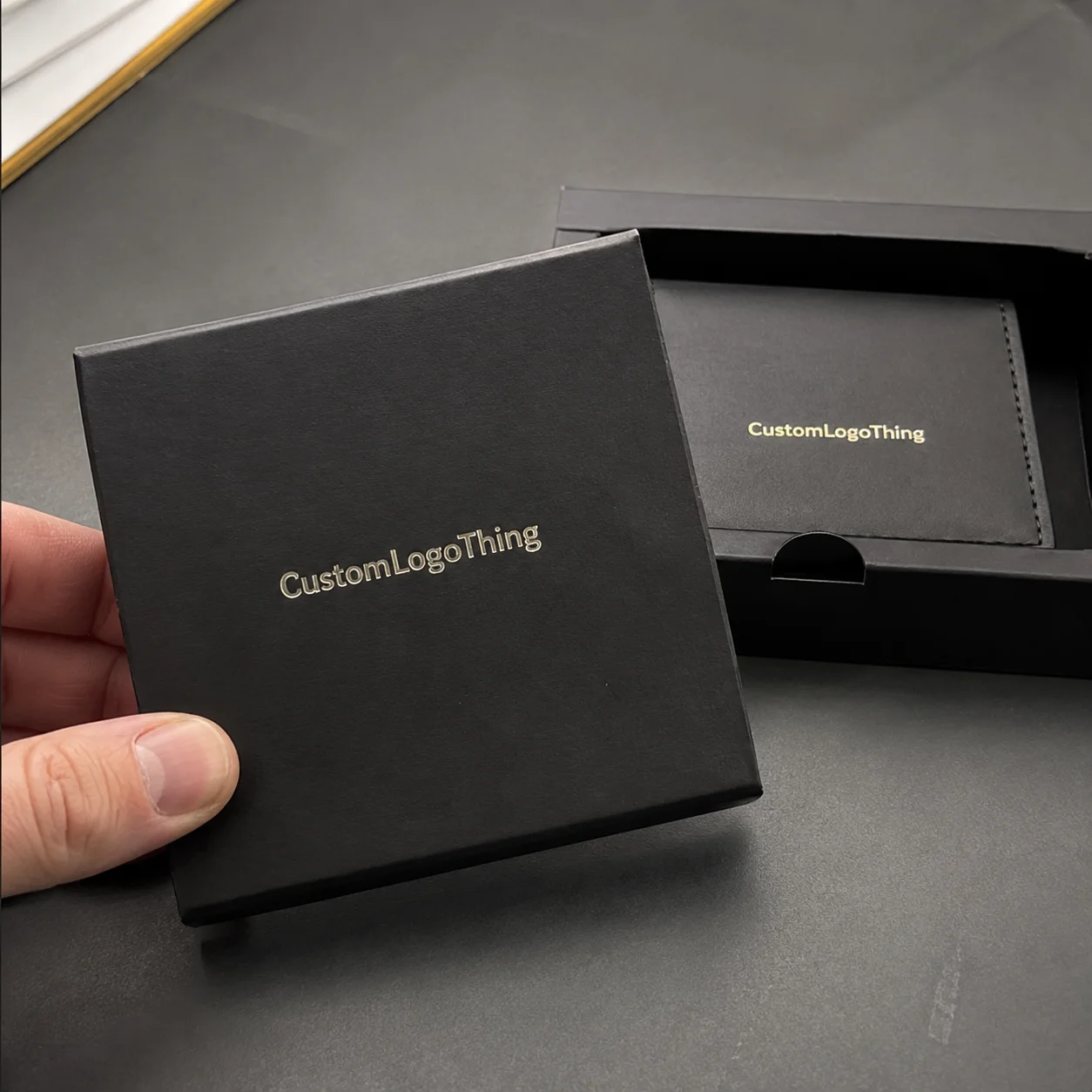
Visuals are only part of the equation. Materials send signals before words land. If the story leans eco-conscious, recycled paperboard or bamboo fiber sourced from Evergreen Paper Co. (FSC certified) tells that story without a single sentence. A matte lamination with a spot-gloss logo panel or a custom emboss/deboss combination creates a memorable tactile cue. Functional touches—easy-open tabs, hinged lids, built-in trays—reinforce why the product deserves attention. Those little moments stack up.
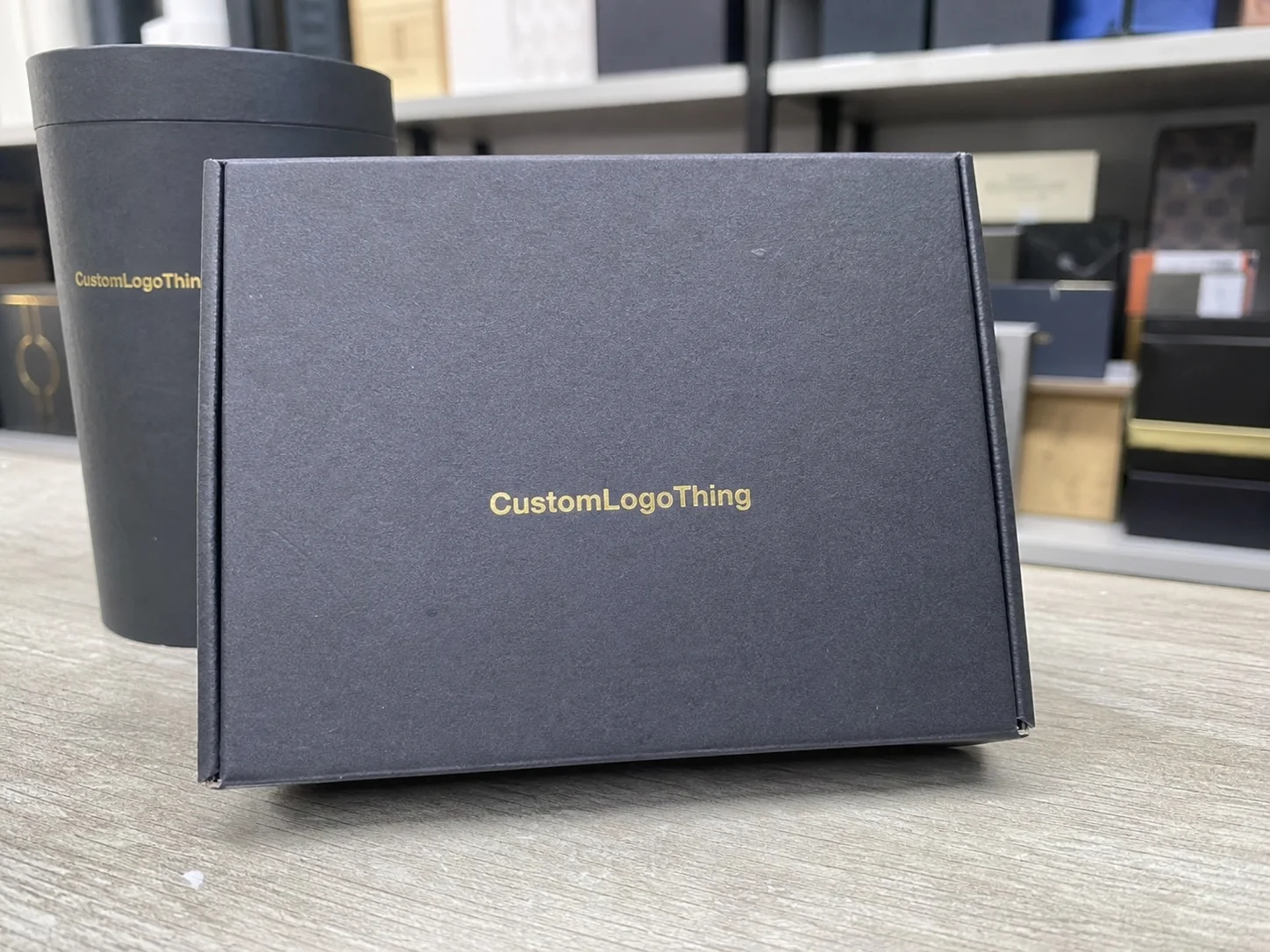
A consistent symbol on the mailer, retail box, and insert, like the leaf motif we engineered for a supplement line shipping from Guangzhou, creates a mental shortcut so shoppers automatically trust the brand. The cognitive impact is real. Distinctive packaging sticks before the label is even read, especially when the same treatment plays across custom printed boxes, mailers, and retail-ready cartons. Once that matte black box with the copper logo hits e-commerce, logistics, and shelves, shoppers stop treating it as a new SKU and start filing it under “premium, reliable, familiar.” Consistency across formats turns branded packaging for product differentiation into a cohesive story instead of a one-off experiment.
Mailers, retail boxes, inserts, and secondary packaging need to speak the same language. When courier deliverables, gift kits, and shelf-ready cartons align visually, shoppers perceive a differentiated premium brand. After dozens of factory meetings and hands-on dieline checks in Dongguan and Shenzhen, my rule is to treat packaging as an ecosystem. That perspective is the only way to get the full effect of branded packaging for product differentiation—every piece needs to reinforce the story instead of fragmenting it between online mailers and in-store experiences.
Cost factors for branded packaging for product differentiation
Keeping line items transparent keeps conversations honest. Count artwork prep with a freelance designer ($65–$95/hour if you don’t have in-house talent), proofing, printing plates, material upcharges, and finishing touches like foil or soft-touch lamination. For branded packaging for product differentiation, the value shows up in each phase. Artwork diligence ensures the logo doesn’t warp on the dieline, which matters when combining embossing with spot UV. Proofs catch color drift before the press runs.
Cutting corners to save $200 often spirals into $1,500 worth of revisions later. I’m not exaggerating—after the press rolled I watched a client cringe as their matte coating turned into a glare-fest because we ignored that step.
Material upgrades are where prices jump. Evergreen Paper Co.’s recycled carton adds $0.42 per unit compared to standard SBS, but it also delivers an instant premium feel that shoppers notice. One client hesitated until we ran tactile tests in my office; the version with soft-touch lamination, 350gsm C1S board, and recycled board gave her product the heft of a boutique brand. That’s why branded packaging for product differentiation isn’t decoration—it’s perceived value engineered through proper materials. Honestly, I think clients who treat it as an afterthought are setting themselves up for a rude awakening.
Volume affects the math. Greenstar Press starts small runs at $1.25 per unit with basic customization, but lock in artwork and push to 10,000 units and the price drops to $0.67. Tooling fees for embossing or custom windows feel steep at first, but they amortize over the run. I had a supply chain meeting where a client delayed approval by a week; overnight the press calendar filled up and their $0.67 run bumped to $0.78 because the printer had to squeeze them in later. (Yes, that still burns me.)
Pricing choices are trade-offs. Extra spots of custom printing raise tooling fees, but you can still differentiate with smart decisions like a single Pantone paired with spot UV instead of a full-color gradient that requires multiple plates. That’s branded packaging for product differentiation—selecting the contrast points that matter instead of chasing every fancy finish. For clarity, I keep a comparison table handy so teams can see how different configurations align with their goals. It’s not glamorous, but it works.
| Configuration | Price per unit (10k run) | Key Differentiator | Ideal For |
|---|---|---|---|
| Standard SBS with CMYK | $0.41 | Low-cost print, basic structure | Commodity products testing retail shelves |
| Recycled 18pt + matte lamination | $0.67 | Tactile feel, eco story | Premium beauty and wellness |
| Soft-touch + spot UV + emboss | $1.04 | Luxury touchpoints, complex branding | Tech accessories, high-end gifting |
| Rigid box + satin ribbon | $1.45 | Unboxing spectacle, structural impact | Jewelry, specialty retail launches |
Include artwork, proofs, and production in the budget, and plan between $0.60–$2.00 extra per unit for meaningful branded packaging for product differentiation. Physical proofs prevent costly surprises—skip them and you might spend two weeks and $3,000 fixing matte coatings that choked on press or dielines that didn’t align. I once lived through a week of revisions because someone thought “close enough” was a strategy. Spoiler: it wasn’t.
For certified brands, referencing ISTA or ASTM drop-test guidelines keeps packaging reliable. I show wholesale partners ISTA 3A prototypes to prove the structure won’t collapse. That’s another payoff for branded packaging for product differentiation: it’s not just about beauty, it’s about performance.
Step-by-step process and timeline for branded packaging
The process starts with discovery. I audit current packaging, competitor shelves, and user feedback in one session and set differentiation goals tied to the brand story or product benefits. For a natural skincare line focused on “nighttime ritual,” every fold, color, and insert had to reinforce that narrative. The audit phase usually takes 1–2 days, and we document every insight in a shared drive so designers, suppliers, and marketing teams stay aligned. I remember when a client tried to cram twenty different finishes into a single concept board; I had to patiently explain that sound design needs focus, not fireworks. Yes, I was careful not to sound preachy, though the urge to raise my voice was real.
Design and prototyping follow. We sketch dielines in Adobe Illustrator and print mockups at Ningbo Star Fulfillment, so we know the folds, tucks, and dimensions before the press runs. Complexity and SKU count dictate timing, but I prepare clients for 1–2 weeks here. Physical mockups beat digital renders every time; nothing substitutes for holding the package to confirm weight and opening experience. (If you’re not feeling the package, how will your customers?)
Proofing is the next gate. With Huayin Packaging, physical proofs take about a week, so plan accordingly. Digital comps arrive in 48 hours, though I push for two rounds to catch color shifts or alignment issues. The first proof usually reveals structural problems; the second locks in color and registration. Expect another week in this phase—and keep your patience in your back pocket, because delays happen. I once watched a client spiral when a foil stamp didn’t register; we walked it back slowly and fixed it.
Production runs 2–3 weeks, depending on volume. Complex spot UV or metallic inks extend curing time, so build in buffer. Shipping adds roughly one week domestically and more overseas. I always leave wiggle room for customs; a client shipping out of Ningbo once had a container held up five days because freight documentation didn’t align. That detail alone derailed the entire launch. (No one wants to explain a bottleneck to the CEO, trust me.)
Timeline summary: design 1–2 weeks, proofing 1 week, production 2–3 weeks, and domestic shipping 1 week. That cadence works as long as materials stay locked. Once dielines are set, no last-minute coatings or substrate changes unless you’re ready to foot rush fees. Treat that schedule like the lifeline it is.
Common mistakes when pursuing branded packaging for product differentiation
Relying on promotional packaging that looks generic—flat colors, clipart logos, no texture—doesn’t stick. Founders hand over a PDF of their logo and expect the rest to happen magically, but without intentional structure the packaging reads like a giveaway and the product fades. That’s not branded packaging for product differentiation; that’s a forgettable wrapper that drags the category down. I’ve had to explain this while reluctantly sipping reheated coffee in a cramped conference room, so yes, I get passionate.
Overlooking structural design is another trap. If the package tears or fails to protect the product, the differentiation flips into frustration. I watched a premium candle line ship in a flimsy box with a lip that ripped as customers opened it. Their high-end story evaporated because the structure screamed the opposite. Every structural decision must serve form and function. (No one wants to post on social media that their brand arrived like a disappointment.)
Copying competitors instead of amplifying unique brand cues kills differentiation. I tell clients, “You aren’t winning points by aping the category leader’s palette.” Standout packaging needs a voice—maybe a bold geometric pattern, maybe a tactile matte finish, maybe a signature color band—but it must feel unmistakably yours, not a budget version of someone else’s success. I remember thinking the same thing when I saw twelve brands using the same foil stamp last season; it was like wallpaper.
Ignoring supply chain realities kills momentum. Last-minute coating or substrate swaps blow timelines and budgets. One client moved from soft-touch to gloss on a whim, and the press schedule plus tooling fees doubled overnight. That’s why we nail down the supplier, materials (often referencing FSC or EPA standards when sustainability matters), and timeline upfront. After that incident, I print a reminder that no, we do not “just add shimmer” without planning.
Expert tips from factory floors on branded packaging
Trust the factory’s substrate advice. Huayin Packaging suggested bamboo fiber when a client pushed for glossy plastic—it was lighter, cheaper, and fit the eco story better. Factory teams know which materials behave under which inks and coatings, and their input often saves expensive reprints. I try to give them credit in meetings; it keeps the relationship smooth and the dialogue honest.
Design for signage-ready retail. If the product ships to stores, carve out registered areas for shelf tags so buyers can find you quickly. That means positioning barcode, price sticker, or merchandising tag on a consistent panel every time. The extra effort makes stocking easier and keeps your brand readable in crowded aisles. (I still chuckle when a retail buyer thanks me for saving them from sticker chaos.)
Add secondary inserts—thank-you cards, care guides—that continue the story beyond the first unboxing. Match typography and paper stock to the outer branding. An accessory brand I worked with tripled repeat purchases after including a personalized care guide printed on the same material as their box. People notice that level of thoughtfulness, and so does the brand loyalty ledger.
Stay flexible on finishes. Matte lamination with spot UV often costs less than full foil while still delivering tactile difference. Some clients highlight just the logo with spot gloss to keep costs down while making the package pop. That’s how you dial in branded packaging for product differentiation without overspending. (No need to break the bank when a little highlight can do the trick.)
Actionable next steps for branded packaging for product differentiation
Audit your current packaging—photograph every angle, note what feels generic, and list what makes your product distinct. I do that in a shared spreadsheet during the first week, categorizing observations by visual, material, and functional cues so the designer knows what to amplify. It’s a quick exercise that keeps ego out of the room and insight in.
Book a call with a designer and a trusted supplier like Huayin Packaging or Evergreen Paper Co. Align materials, print capabilities, and budgets. I always push for a factory tour, even a virtual one, so we can review press specs together. That clarity keeps the branded packaging for product differentiation discussion grounded in reality. Nothing irks me more than people dreaming up finishes that no one can actually print.
Build a testing plan—order small prototype runs, gather honest feedback from target customers, then tweak before scaling. Ningbo Star Fulfillment offers short runs that let you test multiple finishes without locking up capital. Use those insights to confirm whether matte truly communicates luxury or your audience prefers the sheen of gloss. (Don’t guess. Test. Your sanity will thank you.)
Schedule a production window that accounts for proofing, manufacturing, and shipping so launch day doesn’t turn into a scramble. Set reminder calls for proof approvals and stick to the schedule; last-minute coating or dieline changes derail everything. Once the date is locked, treat it as sacred. I’ve personally witnessed launches derail because someone thought “just one more tweak” was harmless.
Finish by locking in branded packaging for product differentiation choices, confirming order quantities, and setting reorder triggers with your supplier. Send a follow-up email summarizing materials, finishes, and delivery so everyone’s on the same page. That keeps momentum moving from concept to shelf, and it gives you one less thing to worry about.
How does branded packaging for product differentiation help in a crowded market?
It creates visual cues and tactile experiences that make your product stand out immediately among similar SKUs.
Reinforcing the brand story on every surface turns the shelf into a mini billboard that converts faster.
What materials support branded packaging for product differentiation?
Premium choices like textured board, soft-touch lamination, or recycled kraft add perceived value without overcomplicating production.
Pairing sturdy structure with distinctive finishes (spot UV, embossing, foil) amplifies the differences shoppers remember.
How much should I budget for branded packaging for product differentiation?
Expect to spend between $0.60–$2.00 extra per unit depending on volume, materials, and finishing choices.
Include design rounds and proofs in the budget; skipping them leads to costly revisions later.
What timeline is reasonable for creating branded packaging for product differentiation?
Design and prototyping usually take 2–3 weeks, proofs another week, and production roughly 2–3 weeks depending on order size.
Keep buffer weeks for shipping, especially with overseas factories, to avoid last-minute panics.
Can small batches of branded packaging for product differentiation work for startups?
Yes—short runs from suppliers like Ningbo Star Fulfillment let you test concepts without huge inventory commitments.
Focus on elements that deliver impact (custom inserts, unique closures) rather than full-scale redesigns.
Honestly, the only way to make branded packaging for product differentiation matter is to treat it like a storytelling engine; every decision—the board, the ink, the finishing—needs to reinforce why your product deserves attention. Start by pinpointing the one narrative you want packaging to tell, then tie each supplier choice back to that narrative before signing anything. That keeps the story intact and gives you a real, measurable edge on the shelf.