Personalized Reusable Grocery Bags do more than carry a shopper’s weekly purchase home. They stay in kitchens, cars, mudrooms, and office drawers, which turns one purchase into a recurring brand presence instead of a single-use impression. That long life is the real value: a useful bag becomes part of the routine, and routine is where visibility compounds.
The bag itself has to justify being kept. If the handles dig in, the seams give way, or the print starts to look tired after a few folds, the bag disappears from circulation fast. A good program starts with the practical side first: can the bag carry a normal grocery load comfortably, does it pack away without fuss, and does it still look credible after repeated use?
That is why buyers who work with retail packaging, grocery promotions, and private-label programs tend to think about these bags as utility products with a branding layer. The logo matters, but only after the structure, material, and finish are doing their jobs. Strong branding on a weak bag still feels weak.
Why these bags earn attention at checkout
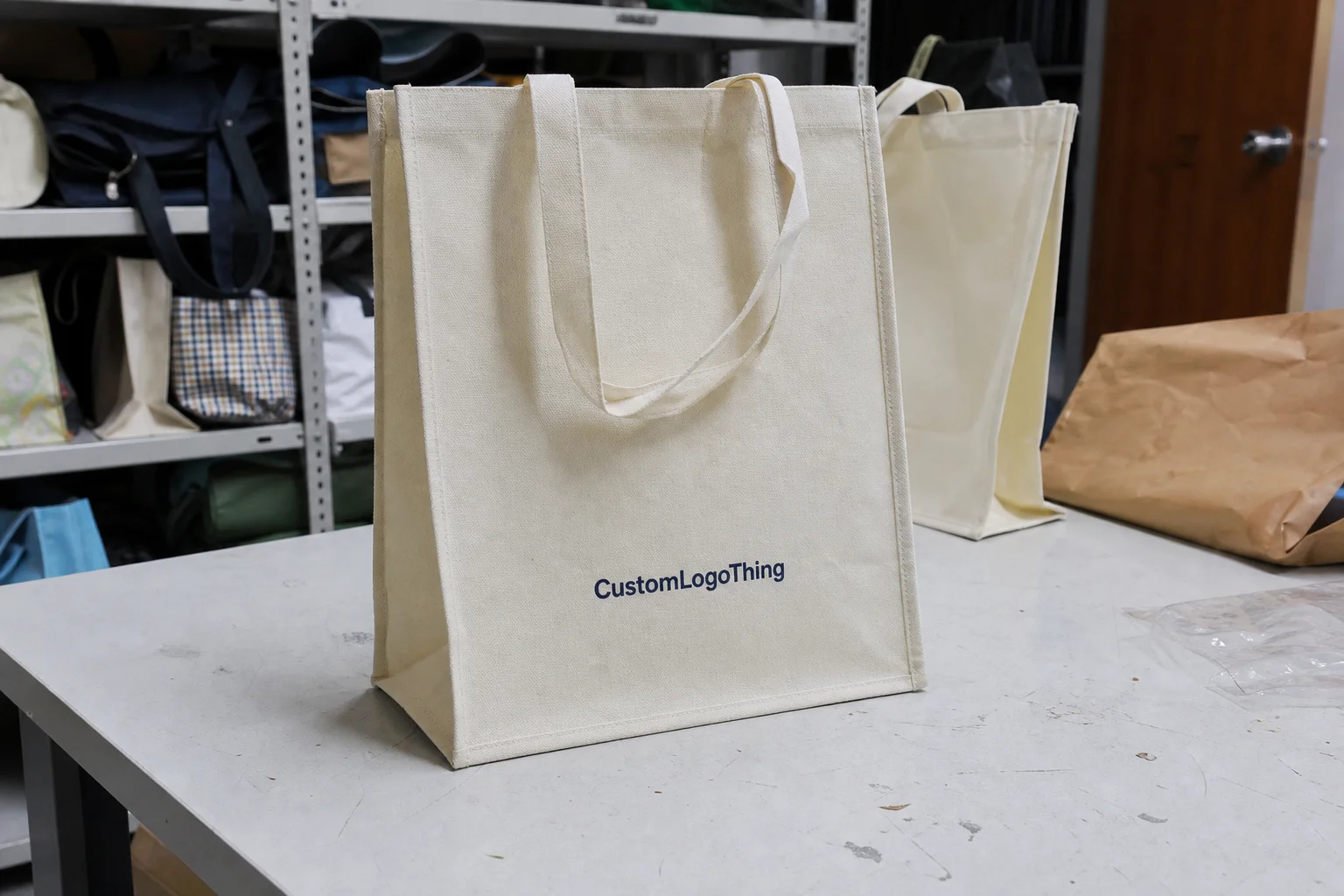
Checkout is a short moment, but the right bag can outlast almost everything else at the counter. A receipt is discarded. A flyer may be glanced at once. A well-built tote gets loaded, carried, stored, and used again. That repeated exposure is why personalized Reusable Grocery Bags continue to be a practical choice for grocery chains, regional retailers, meal programs, and event-driven promotions.
The main reason they work is simple: utility creates retention. A shopper will keep a bag that is sized well, feels sturdy, and fits everyday errands. The more often it is reused, the more often the brand is seen by other shoppers, family members, drivers, and store staff. The bag may start as a promo item, but if it performs, it becomes part of the household system.
There is also a clear buyer lesson here. A bag that looks attractive in a mockup but is inconvenient in use usually underperforms. Oversized art can crowd the surface, while flimsy construction can make the bag feel disposable. Both issues shorten the life of the item and reduce the return on the print spend.
“A grocery bag earns value by being reused without being thought about.”
That is why experienced buyers usually favor clear graphics, enough open space around the mark, and a shape that works with the way people actually shop. A tote that can stand up in a cart, hold a carton flat, and carry with a comfortable grip will get chosen more often. Once that habit forms, the branding keeps working long after the first checkout.
How personalized reusable grocery bags are made and decorated
The production path is straightforward on paper, but each stage affects the final result. Material is selected first, then cut, then assembled with sewing, ultrasonic bonding, or heat sealing depending on the substrate and the target price. Handles are added, reinforcements go in where they are needed, and then decoration is applied. A bag can look simple from the outside and still fail if the build is rushed at any one of those steps.
Decoration methods vary by material. Screen print remains the most common choice for bold logos and clean spot color on flat bag surfaces. Heat transfer is useful when the design needs more detail or tighter color control. Woven labels, patches, and laminated print layers can create a more finished look, especially on higher-end retail bags. Each method has a limit, and the useful answer depends on the substrate rather than on preference alone.
For grocery programs, a restrained design often performs better than a crowded one. Bags move quickly through checkout, parking lots, and kitchen counters, so high contrast and readable scale matter more than a long message. Tiny type, thin strokes, and low-contrast combinations tend to disappear on textured or flexible surfaces. If the bag must communicate more than a logo, it helps to keep the copy short and the hierarchy obvious.
Quality control should focus on practical failure points. Handle attachment, seam alignment, bottom gussets, imprint registration, and color consistency all deserve inspection. A well-printed bag with a weak load point creates avoidable complaints, and a slightly less flashy bag with solid construction usually produces a better user experience. For bulk programs, buyers often request pre-production samples, production photos, or a physical proof before release. That is time well spent.
Specification discipline matters as much as decoration. If a supplier says a bag uses recycled content, reinforced stitching, or a washable finish, the buyer should expect supporting documentation or a sample that matches the claim. For shipping and transit checks, standards from organizations such as ISTA can help frame packaging expectations. For fiber sourcing claims, FSC remains a familiar reference point. If a program needs waste-reduction language, EPA recycling guidance keeps the messaging grounded.
Material, size, and feature choices that change performance
The material choice sets the tone for everything else. Nonwoven polypropylene is often the lowest-cost option and works well for lighter promotions or broad distribution. Woven polypropylene brings more structure and a firmer hand. Recycled PET usually feels more premium, with better perceived durability and a cleaner retail presentation. Cotton-style alternatives can look attractive, but they are not always the best fit if the buyer needs tighter cost control, quick drying, or compact packing.
Size affects actual behavior more than most people expect. A bag meant for a standard weekly grocery trip needs different dimensions than one intended for bulk purchases, curbside pickup, pharmacy orders, or a loyalty giveaway. If the tote is too narrow, cartons and produce fit awkwardly. If it is too tall and unstable, the load shifts around. The better starting point is the basket of real items the customer will carry, not a generic template.
Small design decisions matter on repeat-use items. Gussets increase usable volume and make packing easier. Reinforced handles reduce strain on the hand and extend the life of the attachment point. A box bottom helps the bag stand upright in a cart or on a counter, which matters more than buyers often realize during packing and unloading. Lamination can make the surface easier to wipe clean, while closures are more useful for non-grocery applications like pharmacy or meal delivery.
There is always a tradeoff between durability and price. A heavier build usually costs more, but it can hold a better imprint, carry more weight, and stay in use longer. A very light bag may be acceptable for a one-time giveaway, yet it can feel temporary after only a few trips. If the goal is repeat use in a grocery setting, the product should be built like a tool, not like packaging.
That is why matching the build to the job matters. A shopper using the bag every week has a different tolerance for handle width, seam strength, and load capacity than someone receiving it at an event. A spec that looks fine in a spreadsheet can feel wrong in the hand. The practical test is whether the bag would be chosen again on a busy day without hesitation.
| Bag Type | Typical Use | Common Order Range | Approx. Unit Price | Best Fit |
|---|---|---|---|---|
| Nonwoven polypropylene | Giveaways, checkout promos | 1,000 to 10,000 | $0.18 to $0.45 | Lowest entry cost, light to moderate loads |
| Woven polypropylene | Retail programs, repeat grocery use | 1,000 to 5,000 | $0.42 to $0.95 | More structure, better durability, stronger feel |
| Recycled PET | Premium promotions, resale, loyalty gifts | 500 to 5,000 | $0.70 to $1.50 | Cleaner presentation and stronger perceived value |
| Insulated build | Cold-chain grocery, meal kits | 500 to 3,000 | $1.20 to $3.50 | Temperature retention and heavier-duty use |
Those ranges are directional. Final pricing shifts with size, material weight, print coverage, the number of decoration locations, handle style, and packaging requirements. Two bags that look similar in a catalog can land in very different price bands once production realities are added.
Cost and pricing: what changes your unit price
Unit price is shaped by a small set of variables, and they tend to interact. Material is the first lever. Size is the second. Then come print colors, artwork placement, reinforcement, handle construction, and order quantity. A one-color logo on one panel is much simpler than a design that wraps around both sides and carries multiple tones, so the quote should reflect that difference.
There are also costs that do not always show up in the first line of a quote. Setup fees may apply. Sampling may be charged separately. Freight can matter more than buyers expect because bags are bulky and carton count rises quickly. Retail-ready polybagging, barcode labels, master carton marks, or special folding instructions can all shift the final total.
The lowest quote is not automatically the best buy. In practice, cheaper bags often save money by using narrower handles, thinner material, smaller imprint areas, or simpler stitching. Those changes may not be visible in a small digital proof, but they show up in use. A buyer focused on reuse should judge total value, not just the initial unit rate.
Order size changes the economics in a real way. Small runs usually carry more setup overhead per unit, while higher quantities reduce that burden. Many suppliers will also price a test run differently from a reorder, which makes a pilot useful if the program is new. A smaller first run can confirm fit, print quality, and user response before committing to a larger purchase.
The most practical pricing question is not “What is the cheapest bag?” It is “What is the cost per useful use?” A bag that costs $0.35 and ends up in the trash after a couple of trips is expensive in practice. A bag that costs $0.70 and stays in circulation for months can be the better buy, especially if the program is meant to support repeat store visits or household carry.
Process and timeline: from artwork to delivery
The production flow usually follows a predictable order: brief, quote, spec confirmation, artwork review, proof approval, production, inspection, and freight. The part that slows most projects is not the factory floor; it is the approval cycle. Missing dimensions, low-resolution files, unclear color targets, or multiple decision-makers can turn a simple order into a slow one.
For straightforward runs, production often takes about 12 to 15 business days after proof approval, assuming the material is available and the order does not have unusual finishing requirements. More complex jobs take longer. Multiple imprint locations, custom handle builds, insulated structures, special packaging, or strict color matching all add time. Transit time then sits on top of that, and bulky cartons can stretch shipping costs as well as schedules.
A realistic calendar includes buffers. If a bag has to support a store reset, a seasonal display, or a launch tied to another campaign, the proof should be approved early enough to allow one revision cycle and one freight delay without putting the whole rollout at risk. That buffer is not wasteful; it is what keeps the project from slipping into a reactive scramble.
Inspection should match the complexity of the order. A standard one-color tote can be checked quickly for stitch quality, handle symmetry, and print placement. A more complex insulated bag deserves a closer pass, especially around zipper areas, lining, and seams where stress is highest. If the quantity is large enough, a buyer may want first-article approval before full release and a carton audit before shipment leaves the warehouse.
Step-by-step buying checklist for a clean launch
Start with the use case. A grocery pickup program, a checkout giveaway, a loyalty reward, and a resale item all call for different specs. The target load, expected frequency of use, and price ceiling should be clear before artwork is discussed. That one decision shapes the rest of the order more than most buyers expect.
Then prepare the artwork in a form that is easy to reproduce. Vector files are the cleanest option. Keep lines bold enough to survive printing on flexible material, and avoid overloading the design with small copy that will be hard to read at a distance. Grocery bags are seen in motion, often under imperfect light, so clarity beats detail.
Before approving production, ask for a sample or a clear specification sheet. Photos help, but they do not tell you how the handles feel in hand, how flat the bottom sits on a counter, or how the material behaves once folded. A sample often reveals small issues that a mockup hides, especially around stitching, print texture, and stiffness.
A simple buyer checklist helps keep the project on track:
- Confirm bag dimensions against the actual grocery load.
- Check handle length, reinforcement, and carry comfort.
- Review print placement, color references, and approved files.
- Define the first order quantity and the reorder threshold.
- Assign one person to sign off on the proof.
- Document freight method, carton count, and delivery window.
That may sound basic, but the basic steps are where most avoidable mistakes happen. A bag that arrives after the campaign starts is already less useful. A bag that arrives with the wrong handle length or unreadable logo is worse. Clean execution depends on a short list of clear decisions made early enough to matter.
A launch is usually strongest when the bag is treated as part of the offer rather than as an afterthought. The spec should support the merchandising plan, not compete with it. That means the bag has to show up on time, carry what customers actually buy, and look intentional next to everything else at the counter.
Common mistakes, expert tips, and next steps
The most common mistake is trying to say too much on the bag. Buyers often crowd the surface with slogans, URLs, taglines, and secondary graphics. On a flexible grocery bag, that usually makes the print less legible, not more persuasive. A strong logo, sufficient open space, and a clear color contrast usually perform better because the bag is seen quickly and repeatedly.
Another frequent issue is choosing a shape that looks fine in a drawing but behaves poorly in use. If the bag cannot fit common grocery items without bulging awkwardly, it will be left at home more often. A reusable bag succeeds when it matches how people actually shop: a carton on the bottom, produce on top, a few heavier items balanced at the center, and enough structure that the load does not collapse in the car.
Material claims deserve caution. “Eco-friendly” is too vague to be useful on its own, and recycled content should mean something measurable. If the sourcing story matters, ask for documentation rather than assuming the claim is complete. Honest language builds more trust than a broad sustainability label with no support behind it.
There is also a pricing mistake buyers make when they compare only the quoted unit price. A cheaper tote that wears out early, prints poorly, or gets discarded quickly can cost more over time than a slightly better-built bag. The most useful comparison is cost per practical use, not cost per piece.
The best approach is usually narrow and disciplined. Define the job. Compare a small number of spec options. Ask for tiered pricing. Approve a physical sample if the budget allows it. Then, if the first run performs well, reorder with the same spec so the program stays consistent. Consistency matters because shoppers notice when a bag suddenly feels different from the last one they received.
For buyers who want long-term value, personalized reusable grocery bags work best when the utility is strong enough that the branding becomes part of the object rather than the whole reason for it. A bag that carries well, stores easily, and holds up under regular use will keep delivering visibility long after the first checkout.
FAQ
How durable are personalized reusable grocery bags in daily use?
Durability depends on the material, seam construction, and the weight the bag is designed to carry. Woven polypropylene and reinforced PET options usually last longer than lightweight promotional bags. The most useful test is ordinary use over time: groceries, trunk storage, and repeated folding.
What material works best for personalized reusable grocery bags?
Nonwoven polypropylene is common for lower-cost distribution. Woven polypropylene offers more structure, while recycled PET often gives a more premium appearance. The right choice depends on budget, expected load, and how long the bag should stay in circulation.
How much do personalized reusable grocery bags usually cost?
Pricing changes with quantity, material thickness, print coverage, and finishing details. Setup, sample charges, and freight can change the total project cost significantly. Tiered quotes are useful because they show the difference between a small pilot and a larger reorder.
What is the typical production time for personalized reusable grocery bags?
Simple orders can move in about 12 to 15 business days after proof approval, while more detailed builds take longer. Artwork approval is often the biggest delay. Add time for revisions, sampling, and shipping so the delivery window is realistic.
What artwork works best on personalized reusable grocery bags?
Bold logos, clean shapes, and strong contrast tend to print and read best. Tiny text and crowded layouts usually perform poorly because the bag is seen from a distance and in motion. Vector files usually give the cleanest proof and the most reliable print result.