Buyer Fit Snapshot
| Best fit | Personalized Soap Bar Wrapper Printing projects where brand print, material claims, artwork control, MOQ, and repeat-order consistency need to be specified before quoting. |
|---|---|
| Quote inputs | Share finished size, material target, print colors, finish, packing count, annual reorder estimate, ship-to region, and any compliance wording. |
| Proofing check | Approve dieline scale, logo placement, barcode or warning zones, color tolerance, closure strength, and carton packing before bulk production. |
| Main risk | Vague material claims, crowded artwork, missing packing details, or unclear freight terms can make a low unit price expensive after revisions. |
Fast answer: Personalized Soap Bar Wrapper Printing: Material Claims, Seal Quality, and Freight Cost should be specified like a repeatable production item. The safest quote records material, print method, finish, artwork proof, packing count, and reorder notes in one written spec.
Production checks before approval
Compare the actual filled-product size with the drawing, then confirm tolerance on folds, seals, hang holes, label areas, and retail display edges. Reserve space for logos, QR codes, warning copy, and material claims before decorative graphics fill the panel.
Quote comparison points
Review material grade, print process, finish, sampling route, tooling charges, carton quantity, and freight assumptions side by side. A quote is only useful when the supplier can repeat the same color, closure quality, and packing count on the next order.
Personalized soap Bar Wrapper Printing is one of those packaging jobs that looks simple from a distance, yet the second you stand on a busy retail floor, you realize the wrapper often sells the soap before the scent does. I’ve watched customers in a boutique shop near Chicago pick up a 4.5 oz lavender bar simply because the Personalized Soap Bar Wrapper Printing had a clean matte finish, a strong logo block, and a tuck that sat flat instead of curling at the corners. I remember thinking, a little grumpily, that the soap itself was excellent, but the wrapper was doing the heavy lifting, which is exactly how it should be. That first touch matters, and so does the way the bar holds up through shipping, storage, and hand packing.
What most brands call personalized soap Bar Wrapper Printing can mean several different structures: a full paper wrap, a belly band, a folded label, a shrink-style outer, or even a tucked carton-style sleeve for premium bars. I’ve seen small soap makers start with a basic label, then move into personalized soap bar wrapper printing once their product reached farmers markets, hotel amenity programs, or boutique retail shelves where presentation and consistency matter just as much as fragrance. The shift usually happens when the soap is no longer just sitting on a craft table; it is competing beside polished skincare and private label bath lines that already know how to catch an eye. Honestly, that moment is a little thrilling and a little terrifying, because suddenly the packaging has to earn its keep.
At Custom Logo Things, the right wrapper has to balance branding, moisture resistance, label space, and the real physical size of the soap, because a 3 oz oval bar and a 5 oz rectangular bar do not behave the same in a wrapper, even if the artwork looks identical on screen. That is why personalized soap Bar Wrapper Printing deserves a closer look before anyone orders 10,000 pieces and discovers the fold lines fight the bar shape, the barcode is too close to a seam, or the stock absorbs fragrance oils too quickly. A clean file on a monitor can still become a stubborn wrapper on the folding table if the dimensions were guessed instead of measured. And trust me, guessed dimensions are where packaging dreams go to sulk in a corner.
What Personalized Soap Bar Wrapper Printing Really Means
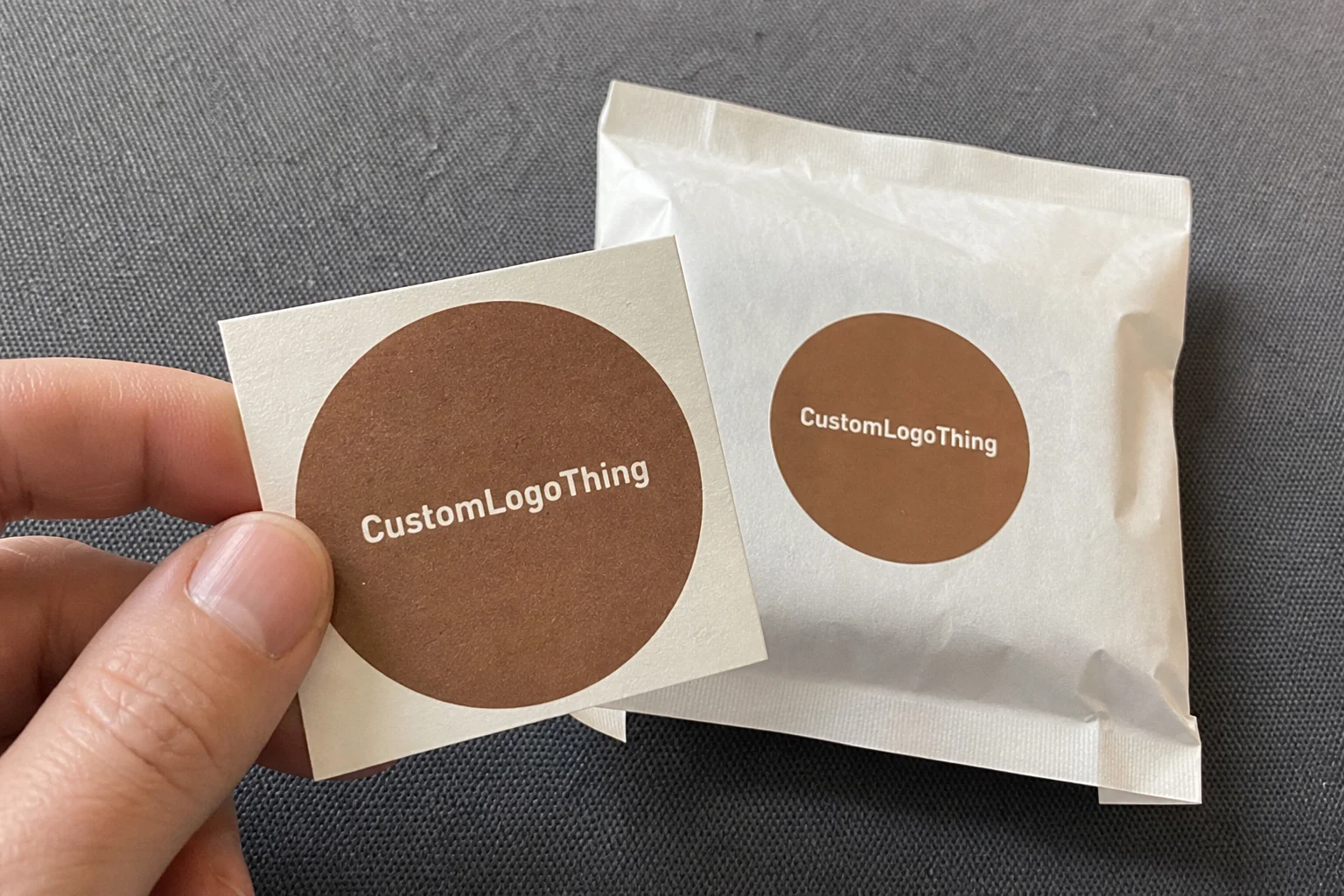
On a crowded shelf, the package has a split second to do its job, and in my experience the wrapper’s first job is not to explain every ingredient, but to get the product picked up. That is the real purpose of personalized soap bar wrapper printing: creating custom-printed outer wraps, labels, sleeves, or folded paper systems that are sized for a specific soap bar and tuned to a specific brand identity. A wrapper for a cedar and charcoal bar in a rustic refill shop will not look, print, or perform the same way as a silky white wrapper for a spa amenity line. Each one asks the pressroom for something different, and each one asks the folding line to behave in its own way.
People often use “label” and “wrapper” as if they mean the same thing, but the difference shows up immediately on the line. A label usually covers a face or a small portion of the bar, while a true wrapper system may fully encase the soap, hug it with a belly band, or fold around it like a miniature carton. In personalized soap bar wrapper printing, that distinction matters because each format changes shelf appeal, assembly labor, and how much protective coverage the soap gets during transit. A belly band can keep a handmade bar looking airy and minimal, while a full wrap gives the brand more room to speak and more material to protect the bar from abrasion in a shipping carton. I’ve got a soft spot for a well-made belly band, honestly, because it can make a soap bar look elegant without trying too hard.
I still remember a client meeting with a handmade soap brand in Pennsylvania that wanted to move from loose shrink film to a paper wrap because the brand story centered on natural ingredients and FSC sourcing. Once we laid the sample bars out on a bench and measured the actual dimensions, not the theoretical ones from the mold drawing, it became obvious the wrapper needed a 2.5 mm tolerance on fold positions and a slightly wider panel for the ingredient text. That is classic personalized soap bar wrapper printing: the artwork is only half the job, and the physical fit is the other half. The bar shape, the grain of the paper, and the way the seam lands can make the difference between a crisp finished pack and one that looks hurried. I’ve seen a gorgeous design get humbled by a fold line faster than a coffee stain on a white shirt.
Here are the most common formats I see in soap packaging plants:
- Full-wrap paper for complete coverage and strong branding on all sides.
- Belly bands for a minimalist look with lower material usage.
- Folded sleeves for premium bars that need more structure.
- Carton-style wraps for retail soaps with a luxury or giftable feel.
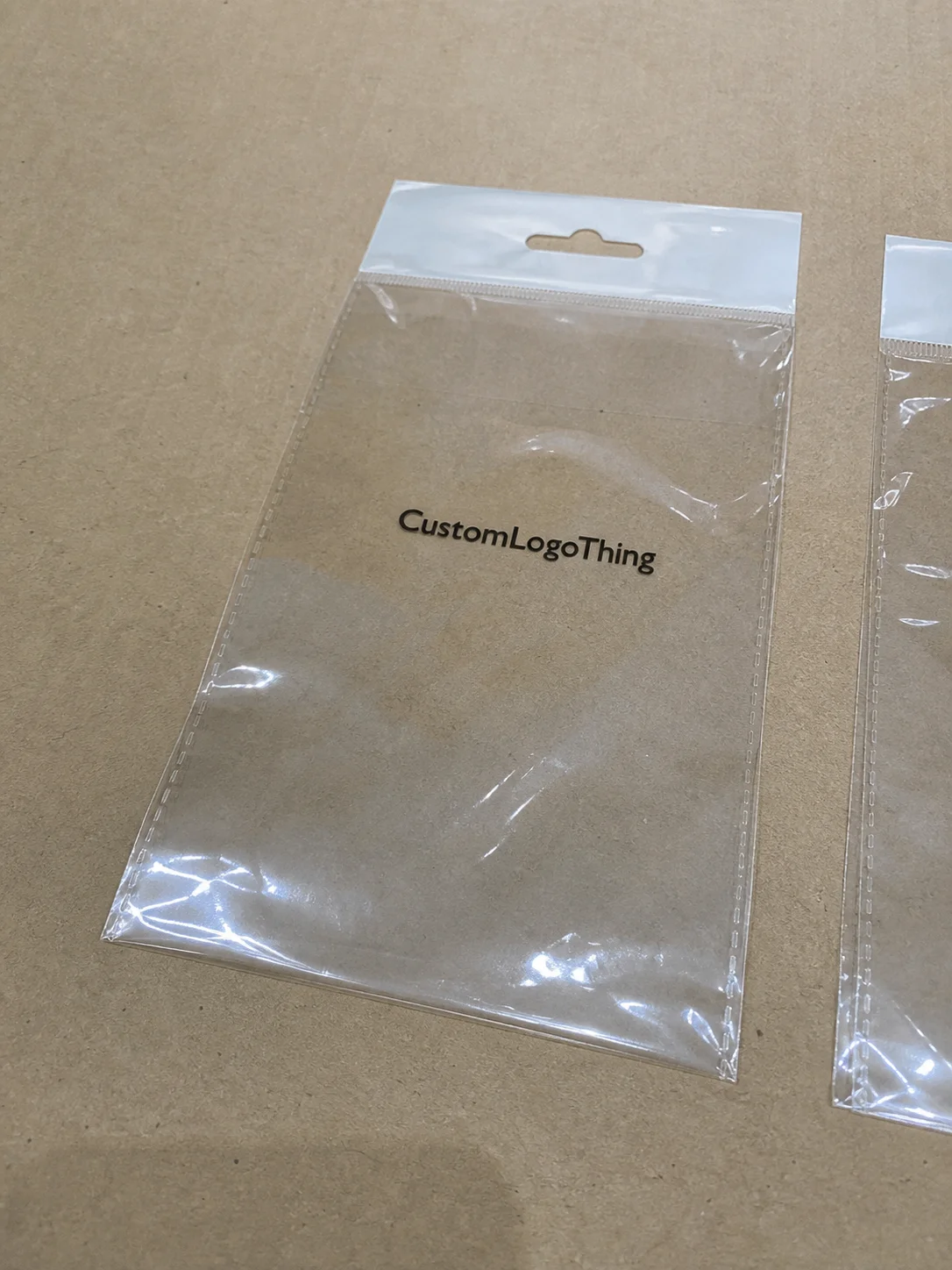
- Shrink-style alternatives where moisture sealing matters more than paper tactility.
Where is personalized soap bar wrapper printing used most often? Artisan soap makers, hotel amenity suppliers, private label skincare brands, farmers market businesses, boutique retail labels, and subscription gift boxes all use it in different ways. Some want a hand-crafted look with kraft paper and one spot color. Others want soft-touch white stock with foil stamping and a precise CMYK build. Both are valid, but the structure should follow the market, not the other way around. A soap sold in a lavender-heavy spa collection should feel calm and refined, while a peppermint bar for a general store display might need sharper contrast and bolder wording to cut through the noise.
There is also a compliance side that gets overlooked too often. If a soap bar is sold at retail, the wrapper may need room for ingredients, weight, company address, batch code, barcode, and any required claim language, and those details must fit without making the design look crowded. That is why personalized soap bar wrapper printing is really a packaging system, not just a graphic exercise. The wrapper has to protect, promote, and inform, all in one narrow strip of paper or board. A design that treats those elements as an afterthought usually ends up looking crowded on press and even busier once the bar is folded and sealed. And yes, I have watched a team try to squeeze six marketing claims onto a wrapper the size of a postage stamp. It was not pretty.
How the Printing and Wrapping Process Works
The production flow for personalized soap bar wrapper printing usually starts with the dieline, which is the flat template that shows where the folds, seams, cuts, and glue areas live. In a good packaging plant, I’ve seen prepress teams build dielines in 0.5 mm increments because a tiny shift can throw off a wrapper on a rectangular bar. From there, artwork is placed onto the template, proofed digitally, and then prepared for the right print method, whether that is digital printing, offset printing, or flexographic printing.

The paper or board choice matters immediately. I’ve worked with kraft paper for earthy, handmade bars; gloss art paper for bright retail pops; matte coated stock for a soft premium feel; FSC-certified paper for environmentally conscious brands; and specialty textured stocks when a client wanted the wrapper to feel like a spa towel or a linen card. Those material choices are not cosmetic. They affect ink laydown, folding behavior, tear strength, and how well personalized soap bar wrapper printing survives handling after the product leaves the packer’s table. A wrapper that feels rich in the hand but cracks along a fold is not doing its real job, no matter how good the logo looks in a mockup.
For short runs, digital printing is often the most practical route because setup is lighter and artwork changes are easier to manage. For larger quantities, offset printing is usually more efficient on cost and color consistency, especially when the design uses multiple process colors, fine gradients, or strong brand solids. Flexographic printing also plays a major role in packaging plants, particularly where roll-fed materials or higher-speed conversion lines are involved. A good supplier should be able to explain which method fits your run size, target color quality, and budget for personalized soap bar wrapper printing. The right press choice affects everything from turnaround time to how closely the second reorder matches the first one. I’ve seen people insist on the fanciest printing method for a simple soap band, then complain about the bill like the numbers came from outer space.
Here is the basic factory sequence I’ve watched countless times, from small contract packers to larger soap folding lines in the Midwest:
- Dieline creation and artwork placement.
- Proof review, including text checks and color expectations.
- Substrate selection and press setup.
- Printing in CMYK, spot color, or a hybrid build.
- Drying, curing, or varnish setting depending on the ink system.
- Print finishing such as varnish, embossing, foil, or soft-touch coating.
- Die-cutting, creasing, folding, and converting into the final wrapper format.
- Application by hand, semi-automatic banding, or integrated cartoning.
The wrapping method depends heavily on output volume. Small batches are usually wrapped manually, often by a two-person table setup where one person folds and another checks seam placement. Mid-volume operations may use semi-automatic banding systems. Larger plants may run integrated cartoning lines that can process bars at impressive speed, but only if the wrapper dimensions are correct and the board grain direction supports the folds. That is one reason personalized soap bar wrapper printing needs production thinking from the start, not after the design is finished. A wrapper that works on a designer’s desk can still stall a machine if the fold memory resists the material.
One of the most practical lessons I learned on a California co-packer floor was that a beautiful wrapper can still fail if the fold memory is wrong. The paper may look perfect on press, yet if the grain runs against the fold direction, the wrapper fights the machine and the corners pop open by the third pallet. That is the kind of detail that separates pretty artwork from functional personalized soap bar wrapper printing. Small choices in paper direction, crease depth, and seam placement show up fast once a line starts moving. Packaging has a funny way of turning tiny decisions into very expensive opinions.
For readers who want to see how broad packaging manufacturing can get across multiple formats, our Manufacturing Capabilities page is a useful place to compare processes, materials, and finishing options side by side.
Key Factors That Affect Wrapper Quality and Performance
Material choice is the first quality decision, and honestly, it is where many projects either get set up well or get boxed into problems later. A wrapper for a mint eucalyptus soap bar stored in a humid bathroom display needs different performance than a wrapper for a dry, shelf-stable oatmeal bar in a climate-controlled boutique. In personalized soap bar wrapper printing, I look at barrier needs, grease resistance, tear strength, tactile feel, and the overall brand story the stock is trying to tell. A paper that looks right in daylight may still fail once it sits next to heat, fragrance, and repeated handling.
Some brands want rustic and handmade, so kraft paper with visible fiber works beautifully. Others want clinical and clean, so a bright white coated stock makes more sense. Luxury bars often benefit from soft-touch laminate, a heavier cover paper, or a specialty texture that makes the customer slow down and touch the package. I’ve seen a 350gsm C1S artboard with soft-touch lamination outperform a thinner glossy wrap simply because the tactile experience made the product feel more expensive in hand, even before the scent was opened. The finish changed the entire reading of the product on the shelf.
Ink and finishing choices are not decoration; they are part of performance. Soy-based inks and water-based coatings are common in eco-positioned projects, while varnish can help with scuff resistance on shipping-heavy orders. Embossing adds depth, foil stamping can elevate a small logo block, and spot color is still the best tool when a brand needs a very specific PMS match for consistency across reorders. In personalized soap bar wrapper printing, I’ve seen CMYK builds work beautifully for photographic or gradient-heavy designs, while spot color delivers the tight brand identity some soap makers need. The right finish can also make a small bar look finished instead of improvised.
Soap chemistry can be sneaky. Bars with high fragrance loads, natural oils, or a strong glycerin base may interact with packaging if the stock is too absorbent or if the wrap sits in warm storage for too long. A peppermint bar packed too tightly against a low-grade paper can sometimes ghost through the wrapper or leave an oily mark at the fold. That does not happen on every formula, but it happens often enough that any serious personalized soap bar wrapper printing project should include a real sample test before final approval. The sample should be wrapped, stacked, shipped if possible, and checked again after sitting for a few days.
Regulatory and branding content also affects the wrapper layout. The logo has to breathe. The ingredient panel needs legibility. The barcode must scan cleanly and avoid folding over a seam. Net weight, scent name, lot code, and any claim language must all sit where the consumer can find them without turning the bar into a dense wall of text. On small wrappers, a 6.5 pt font may be too tight to read on textured stock, even if it looks fine on the PDF proof, so personalized soap bar wrapper printing needs practical text hierarchy from day one. Long ingredient lists and small panels rarely mix well unless the layout is planned with discipline.
Pricing is driven by several levers, and I always tell clients to ask about them one by one rather than treating the quote as a mystery box. Quantity matters, because 5,000 pieces often have a very different unit cost than 25,000. Print method matters, because digital printing usually carries a higher per-piece cost on larger runs, while offset printing may bring the unit down once setup is spread across volume. Finishing matters too, because foil, embossing, die-cut tooling, and specialty coatings all add cost. A plain kraft wrap might land far below a foil-stamped sleeve, even if both are personalized soap bar wrapper printing jobs.
One supplier negotiation I remember clearly involved a boutique hotel group that wanted premium soap wraps with a metallic logo and custom folding style. The first quote came in looking acceptable until we added die tooling, a matte AQ coating, and manual insertion labor. The true landed cost was nearly 18% higher than the headline price. That is why I always push for full-cost visibility in personalized soap bar wrapper printing: unit price means very little if the add-ons are hidden. Freight, setup, proofing, and assembly often have a habit of showing up later than people expect.
For environmental references and material stewardship, the FSC standards are worth reviewing, and packaging buyers concerned with waste reduction can also look at EPA recycling guidance to understand how paper-based structures behave after disposal. Those resources do not replace a packaging engineer, but they do help teams make smarter substrate choices in personalized soap bar wrapper printing. A little research up front can prevent awkward sustainability claims later.
Step-by-Step: From Design File to Finished Soap Wrapper
Step 1: Gather the real specifications. Before artwork starts, collect the soap dimensions, weight, shape, surface texture, fragrance type, target market, and whether the product will be wrapped by hand or on a machine. If a bar is 3.8 x 2.4 x 1.0 inches, that exact size should guide the wrapper, not an estimate. I’ve seen teams save a week of rework simply by verifying the bar with calipers before starting personalized soap bar wrapper printing. The more exact the input, the less time spent correcting a wrap that was built for the wrong reality.
Step 2: Build the dieline and layout. The dieline should include bleed, safe zones, fold lines, seam areas, and any glue tab or tuck feature. This is where packaging graphics become engineering. Leave enough margin so the text does not get clipped, and keep critical branding away from folds. A soap wrapper is small, so even a 1/8 inch shift can make a logo look crooked. That kind of issue is common in personalized soap bar wrapper printing if the layout is rushed. The file may look elegant on the screen and still fail once the folds start taking shape.
Step 3: Select the substrate and finish. Match the stock to the soap and the market. If the brand wants earthy and handmade, go with kraft or uncoated paper. If the goal is premium retail, choose a smoother coated stock with a controlled finish. If the package must resist scuffing, ask about varnish or laminate. A good supplier should be able to explain how each option behaves in personalized soap bar wrapper printing when the bar is stacked, shipped, and hand-packed. The stock should serve the bar, not force the bar to adapt to a poor material choice.
Step 4: Review digital proofs and request samples when possible. Digital proofs are useful for text, layout, and basic color expectations, but they do not always show how a fold will behave on a live soap bar. A physical sample or press proof is much better for checking color density, seam placement, barcode readability, and paper feel. I’ve had a proof look perfect on screen and then reveal a seam problem once folded around a slightly rounded bar, which is exactly why personalized soap bar wrapper printing deserves real-world testing. If the paper is heavy, the coating is slick, or the bar has sharp corners, the sample tells the truth fast.
Step 5: Print, convert, and assemble. Once the approved file is released, the plant prints the stock, applies finishing, cuts and creases the shape, and then tests it on actual bars. If the job is manual, operators may set up a fold board or wrapping jig. If it is machine-applied, the team checks tension, alignment, and seal integrity. After that, the wrapped bars should be sampled again for fit and handling before the order is cleared. That final test is the last guardrail in personalized soap bar wrapper printing. A bar that slips loose or catches on a corner is a packaging issue, not a small annoyance.
“The file can look perfect and still fail on the bench. The soap bar is the final truth test, not the PDF.”
That quote comes from a senior converter I worked beside in New Jersey, and it has stayed with me because it captures the real nature of packaging production. You can fix a design file in minutes; you cannot fix 10,000 wrong wrappers without paying for it later. Good personalized soap bar wrapper printing respects that reality from the beginning. It treats the mockup as a starting point, not the finish line.
Timeline, Ordering Lead Time, and Production Planning
The timeline for personalized soap bar wrapper printing usually moves through design prep, proof approval, material sourcing, printing, drying or curing, finishing, converting, assembly, and shipping. For simple digital work, a project can move faster because setup is lighter and there is less tooling involved. For more complex work with custom die-cuts, foil stamping, embossing, or specialty coatings, the schedule expands because each extra process adds a handoff and a quality check. A clean plan shortens the back-and-forth and keeps the work moving through the plant with fewer surprises.
In factory terms, paper availability and press scheduling can matter as much as the artwork itself. I’ve had jobs sit for two extra days because a preferred paper grade was delayed at the mill, and I’ve also seen a press window open sooner than expected because another order moved back. That is why it helps to build some buffer into personalized soap bar wrapper printing, especially if the product launch is tied to a trade show, holiday season, or new retail placement. The packaging should arrive before the launch pressure does.
If you are a first-time buyer, ask three questions early: what is the minimum order quantity, how long do samples take, and whether rush production is realistic without sacrificing quality. Some printers can handle shorter runs very well, but the setup cost may be higher per unit. Others are built for scale and will shine on larger orders. A smart buyer compares the actual schedule, not just the price line, because personalized soap bar wrapper printing is often where brand launches get delayed by a week or two if the packaging team waits too long. It is much easier to plan around press time than to force a deadline onto a crowded production calendar.
Here is a practical planning approach I recommend based on what I’ve seen work on real production floors:
- Lock the bar size before artwork begins.
- Approve a proof only after checking ingredient text and barcode placement.
- Keep at least one extra production buffer if the launch date is fixed.
- Build time for reproofing if the first sample shows a fold or color issue.
- Confirm shipping method and delivery window before press time is booked.
One thing buyers sometimes forget is that the finishing department can become the bottleneck even after printing is complete. I’ve stood in plants where the print press had already finished a job, but the folding and gluing line was full for the next 36 hours. That means personalized soap bar wrapper printing is not just a print purchase; it is a full production schedule with several moving parts that all have to line up. The smartest timelines leave room for conversion, not just press time.
For teams evaluating broader packaging programs across multiple products, our Manufacturing Capabilities overview can help compare where digital printing, offset printing, and print finishing fit within a larger sourcing plan.
Common Mistakes Brands Make With Soap Bar Wrapper Printing
The most common mistake I see is designing before confirming the bar dimensions. A wrapper that is too loose looks sloppy, while one that is too tight can split at the seam or buckle at the corners. Even a half-inch error can throw off the visual balance on a small soap bar. In personalized soap bar wrapper printing, size is not a minor detail; it is the foundation. Once the wrapper starts carrying that much pressure from the wrong measurements, the rest of the design has little chance to recover.
Another classic problem is picking a material because it looks beautiful in the sample room but fails in humid storage or shipping. A delicate uncoated stock may feel premium in hand, yet it can scuff, curl, or absorb oils if the formula is rich in fragrance or natural emollients. That is especially true for bars stored near heat, because the wrapper can pick up handling marks quickly. I’ve watched a gorgeous wrapper lose its shelf appeal after one warm truckload, and that is a tough lesson in personalized soap bar wrapper printing. The pack looked polished on the table and tired by the time it reached the retailer.
Text can become unreadable faster than people expect. Tiny fonts, thin lines, and low contrast do not survive well on textured kraft or dark stock. A deep forest green logo might look sharp in an art file, but on the actual paper, especially with ink spread or press gain, it can lose edge clarity. If the design has to carry ingredients, claims, and branding in a narrow panel, the hierarchy must be simplified. That is why strong personalized soap bar wrapper printing usually favors a few clear focal points instead of trying to say everything at once. The eye needs a place to land, then a path to follow.
Costs are also underestimated all the time. Brands may budget only for print and forget setup, artwork adaptation, finishing, shipping, assembly labor, or storage. A quote that looks competitive at the unit level can rise once a foil pass, embossing tool, or custom die is added. I’ve sat across from buyers who expected a decorative sleeve to cost the same as a plain paper band, and that misunderstanding usually starts with not asking the right cost questions in personalized soap bar wrapper printing. A quote should explain what is included, not hide the real work in the fine print.
Skipping physical testing is another expensive mistake. Digital proofs will not show scuffing from a conveyor, oil migration from a soap formula, or how a seam behaves when a bar is packed into a shipping carton at 1,200 units a shift. When the first live test happens too late, rework can delay the launch. Honestly, I think every serious personalized soap bar wrapper printing project should include at least one actual bar-in-wrapper check before the full run is released. A ten-minute sample session can save a ten-thousand-piece headache. And if the first sample looks wrong, do not pretend it will magically improve in the warehouse; it will not.
The Packaging School and industry associations often emphasize that good packaging is engineered, not guessed, and that fits soap packaging perfectly. For broader packaging references and educational resources, the Packaging School / packaging.org site is worth reviewing for buyers who want to sharpen their terminology and process knowledge before approving artwork. A better vocabulary usually leads to better decisions in the pressroom and the packing room.
Expert Tips for Better Shelf Appeal and Smarter Buying
Match the wrapper style to the audience, and do it with intention. Rustic kraft works well for handmade bath goods, refill shops, and earthy wellness lines. Matte white or soft-touch stock fits clean skincare, spa programs, and boutique retail. Specialty textured paper, foil accents, and tighter print finishing choices suit luxury bars or gift sets. The best personalized soap bar wrapper printing projects feel like they belong to the brand from the first glance. They do not have to shout to be noticed; they just need to look right for the setting they live in. I’m partial to packaging that knows when to whisper.
Design for both beauty and readability. I always recommend a strong hierarchy with the logo first, scent name second, and supporting information arranged so the eye can move without strain. A beautiful wrapper that hides the fragrance name or buries the ingredient text is not doing its job. In personalized soap bar wrapper printing, legibility on a 1.5-inch panel is a real design challenge, not an afterthought. Clean spacing and restrained type choices often outperform ornate layouts that collapse under the weight of too much information.
Ask about paper grain direction, ink coverage, and folding behavior before approving the final file. Those three details sound technical, but they affect whether the wrapper lays flat, creases cleanly, or fights the soap at the corners. I’ve watched one entire production run improve simply because the grain was rotated to match the fold direction. That kind of practical fix is exactly why personalized soap bar wrapper printing benefits from someone who understands both presswork and hand assembly. A small adjustment in the file can save a lot of friction on the line.
When comparing quotes, do not stop at the unit price. Look at total landed cost, sample support, reorder flexibility, and how consistent the supplier can be from one batch to the next. A low quote that requires expensive reproofing every time may cost more in the long run than a slightly higher quote from a stable partner. For brands with frequent seasonal updates, reprint flexibility matters just as much as initial pricing in personalized soap bar wrapper printing. The easiest supplier to work with is often the one that keeps the next order from becoming a fresh project.
I also advise clients to keep a master packaging spec sheet. Include bar dimensions, wrapper dimensions, substrate name, coating type, artwork version, barcode placement, approved color references, and finishing notes. That single document makes reorders easier, reduces errors between production partners, and protects the brand if a design needs to be replicated six months later. On a busy shop floor, a good spec sheet can save hours of back-and-forth, which is why it should be part of every personalized soap bar wrapper printing program. It turns tribal knowledge into something the next operator can actually use.
For companies that care about environmental positioning, it helps to ask whether the paper is FSC-certified, whether the inks are water-based or soy-based, and how the final wrapper fits into recycling or compost messaging. Be careful not to overclaim, though, because not every coated or laminated wrapper belongs in the same waste stream. That is one place where honesty builds trust in personalized soap bar wrapper printing; the claim should match the material, not the marketing wish list. Customers notice the difference between a grounded material story and a label that stretches the truth.
One more practical tip: keep your artwork versioning clean. I once saw a soap line reprint with a scent name typo because three internal PDFs were circulating and nobody knew which one had the final barcode. The fix was simple, but the cost of the mistake was not. A disciplined file naming system is boring, sure, but in personalized soap bar wrapper printing, boring usually means profitable. Clean version control keeps the pressroom from guessing and the brand from paying twice for the same sheet.
How does personalized soap bar wrapper printing improve shelf appeal?
Personalized soap bar wrapper printing improves shelf appeal by tailoring the wrapper to the soap size, brand palette, finish, and retail setting. A crisp dieline, clear hierarchy, and the right substrate help a bar stand out quickly in a crowded display. In practice, that can mean a kraft belly band for artisan lines, a soft-touch sleeve for premium bars, or a folded wrap with foil for a giftable collection. The goal is not decoration for its own sake; it is to make the bar easier to notice, easier to trust, and easier to pick up.
Personalized Soap Bar Wrapper Printing: decision table
| Decision area | Best fit | What to verify | Risk if skipped |
|---|---|---|---|
| Product fit | Protection, display, and unboxing consistency | Measurement, tolerance, material, and sample approval | A nice design fails because the product fit was guessed |
| Brand presentation | Logo visibility, finish, and customer perception | Print method, color target, texture, and proof review | Packaging protects the item but does not sell the brand |
| Operations | Packing speed, storage, shipping, and reorder control | Carton count, warehouse label, and repeat spec | The package is attractive but hard to pack or reorder |
FAQ
What is personalized soap bar wrapper printing used for?
It is used to create custom packaging that fits a specific soap bar size, brand style, and retail requirement. It helps improve shelf appeal, communicate ingredients, and protect the soap during handling and storage. In many personalized soap bar wrapper printing programs, the wrapper also carries barcode space, weight statements, and brand messaging in one compact format. For smaller brands, it can be the piece that makes a handmade bar look ready for wholesale.
Which materials work best for personalized soap bar wrapper printing?
Common choices include kraft paper, coated paper, specialty textured stock, and FSC-certified paper. The best material depends on moisture exposure, branding style, and whether the bar is handmade, luxury, or mass retail. A strong personalized soap bar wrapper printing setup usually starts with the soap formula and storage conditions, not the print catalog. That order matters because the wrapper has to survive the product’s real environment, not just its photo shoot.
How much does personalized soap bar wrapper printing usually cost?
Cost depends on quantity, print method, number of colors, paper stock, and finishing options like embossing or foil. Short runs usually cost more per piece, while larger orders reduce unit cost through better press efficiency. For accurate personalized soap bar wrapper printing quotes, ask for setup, finishing, and shipping to be broken out separately. Once those are visible, the numbers make a lot more sense.
How long does it take to produce Custom Soap Wrappers?
Turnaround depends on proof approval, material availability, print method, and finishing complexity. Simple digital jobs can move quickly, while specialty finishes, custom die-cuts, or larger offset runs usually take longer. In personalized soap bar wrapper printing, timing is often shaped by press scheduling and finishing capacity as much as by the artwork itself. A project can look simple on paper and still wait for the right slot on the converting line.
What are the most common mistakes with soap wrapper design?
The biggest mistakes are incorrect sizing, unreadable text, poor material choice, and skipping real-world product testing. Brands also often overlook packaging costs, storage conditions, and how the wrapper will behave on the actual soap bar. Good personalized soap bar wrapper printing avoids those traps by testing fit, readability, and handling before full production. Once those basics are right, the design has a much better chance of holding up in the field.
If you are planning a launch, a refresh, or a private label line, personalized soap bar wrapper printing should be treated as a working packaging system, not a last-minute graphic add-on. I’ve seen the right paper, the right fold, and the right print finish turn a modest soap bar into something shoppers picked up without hesitation, and I’ve also seen the wrong wrapper make an otherwise excellent product look unfinished. That is why the smartest brands study the bar dimensions, the storage conditions, the shelf environment, and the print method before they place the order. Do that well, and personalized soap bar wrapper printing becomes more than packaging; it becomes one of the most reliable sales tools on the shelf.