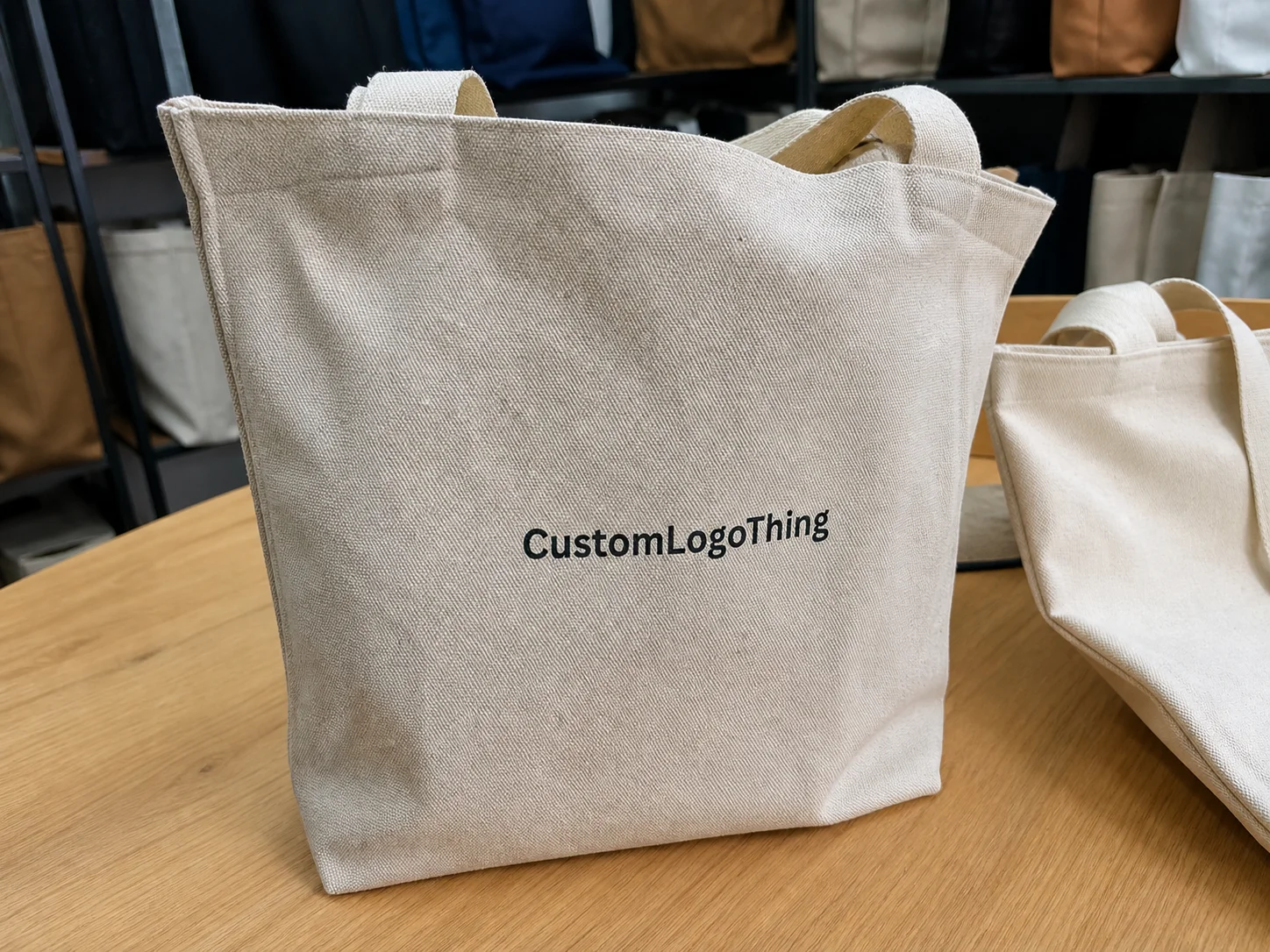
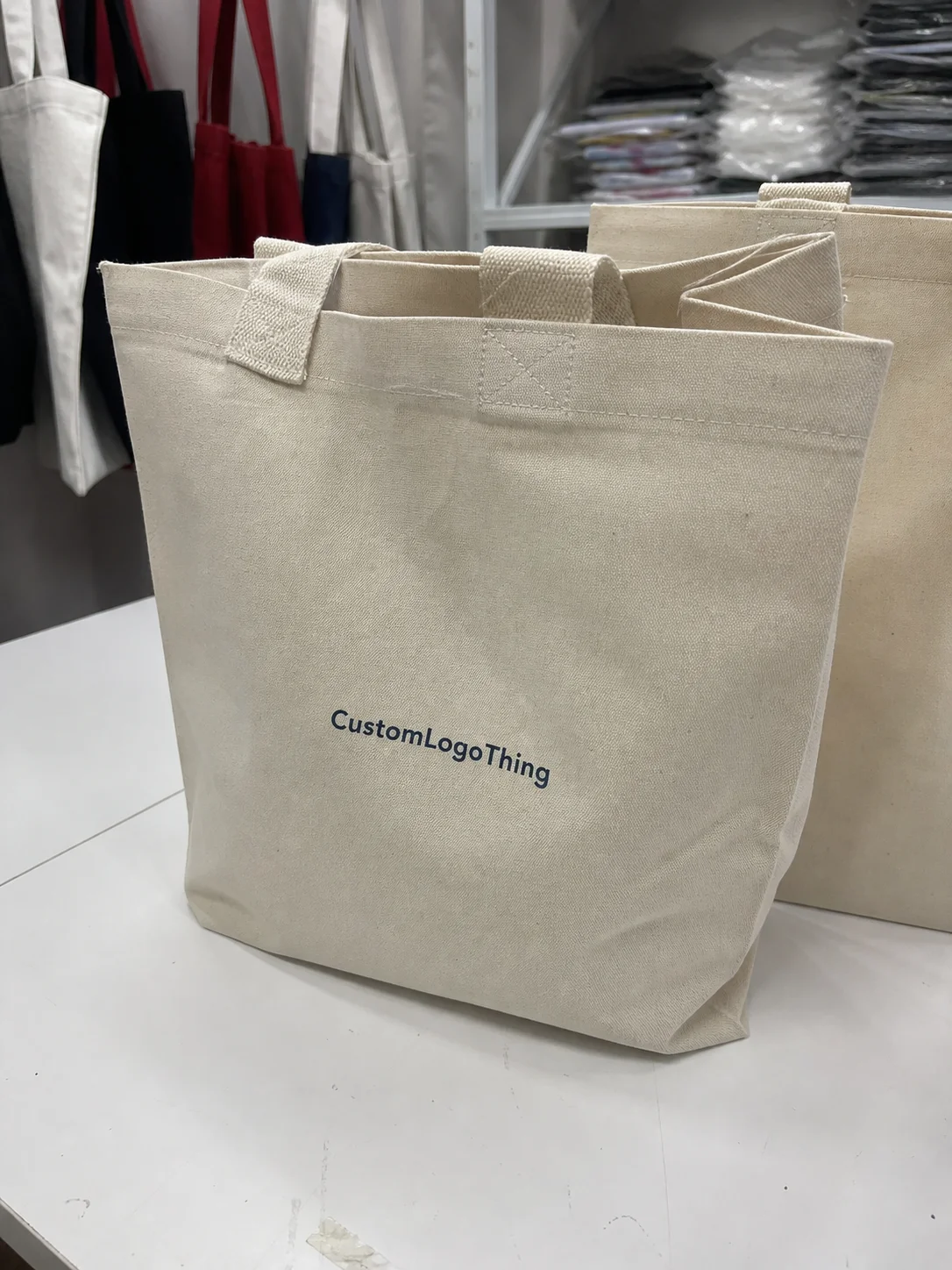
Personalized sports duffle bags solve a practical problem that shows up everywhere athletes and staff move equipment: gear needs to be easy to identify, durable enough for repeated packing, and branded well enough to look organized rather than improvised. The strongest versions do more than carry a logo. They separate one player’s items from another’s, protect wet or muddy gear, and give a team a more consistent look without turning the bag into a billboard.
From a buyer’s standpoint, the decision is never just about decoration. It is about whether the bag body, fabric weight, zipper quality, strap build, and personalization method all match how the bag will actually be used. A weak print on a flimsy shell can look fine in a proof and fail within a season. A better-built bag with the right decoration usually lasts longer, photographs better, and creates fewer complaints after delivery.
That balance matters because duffels are handled hard. They get dropped on locker room floors, crammed into trunks, dragged through parking lots, and packed far beyond what the product sheet suggests. A bag that survives that routine earns its place. A bag that does not becomes a replacement problem.
What Personalized Sports Duffle Bags Solve in Real Use
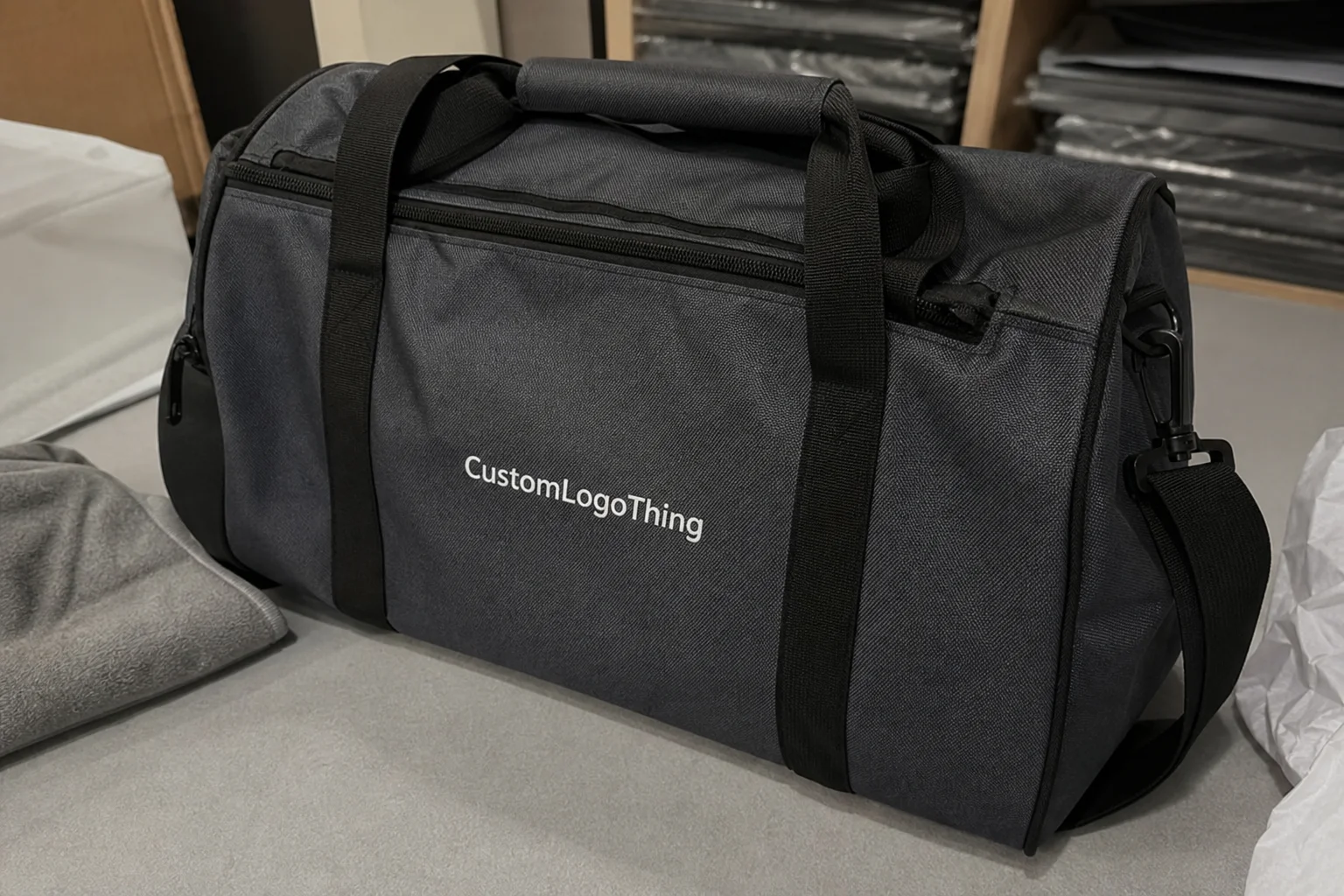
In day-to-day use, these bags show up wherever people carry uniforms, shoes, tape, towels, bottles, and a small collection of items that never stay neatly arranged for long. Youth teams want names and numbers visible at a glance. Coaches need something that can move between gym, bus, and sideline without falling apart. Fitness studios often want branded duffels that look polished at check-in but still fit towels, grips, and a change of clothes.
The real value of personalization is not novelty. It is control. A name on the bag cuts down confusion. A number helps staff sort gear faster. A department label or team color helps groups move through an event without a stack of identical-looking bags becoming a mess.
Programs often add functional details too: ventilated shoe pockets, wet compartments, padded straps, interior organization, or ID windows. Those choices matter because a bag that is easy to use tends to get used every day. A bag that is awkward gets left in the trunk until the season ends.
Buyers sometimes treat duffel decoration like a giveaway project, but that comparison breaks down quickly. These are not disposable event pieces. For teams, clubs, and staff kits, durability should outrank flash. A cleaner design on stronger material usually beats oversized branding on weak fabric. That is why fabric choice, seam construction, and zipper quality deserve as much attention as the logo artwork.
There is also a visual side that gets overlooked. On camera, on a sideline, or stacked in a storage room, simple branding reads faster than a crowded layout. One strong logo location, one clear personalized element, and enough contrast to read from a few feet away usually works better than covering every panel.
“If the bag can survive the car trunk, the locker room floor, and a few weeks of hard packing, the branding work is usually worth the spend.”
How the Customization Process Works
The workflow is fairly consistent across suppliers, even if the details vary. It starts with an inquiry, then moves into artwork review, proofing, and pricing. After the buyer approves the proof and confirms the final specification, production begins. Finished goods are inspected, packed, and shipped. Straightforward orders can move quickly. Orders with names, multiple colorways, or layered artwork usually take longer.
Most suppliers ask for the same core inputs up front: quantity, bag size, decoration area, logo files, color targets, delivery address, and the needed arrival date. If names or numbers are being added, the supplier also needs a clean list in spreadsheet or text format. The cleaner the input, the fewer proof revisions you will need later.
Decoration method is part of the ordering decision, not an afterthought. Different methods fit different goals:
- Screen printing works well for simple logos, especially when quantity is high and the imprint area is flat and stable.
- Embroidery gives a more premium look and holds up well on thicker fabrics, though stitch density can raise cost and add weight.
- Heat transfer supports detailed art and names, especially when you need multiple personalization variations.
- Woven labels and stitched patches add texture and a more finished branded appearance.
Proofing is where a lot of orders are saved. Check spelling, logo scale, placement, thread color, and whether the imprint is centered on the actual bag panel, not just on the mockup. If the order includes names, confirm accents, initials, and jersey numbers. A proof that looks close enough can become an expensive rework if the artwork is approved too quickly.
Ask whether the shown size is the actual imprint size or only a visual estimate. On a duffel, a logo that looks correct on a screen may read too small once stitched or printed onto curved fabric. That is especially true on bags with seams, handles, or pockets close to the decoration area.
Materials, Construction, and Design Choices That Matter
Fabric choice is the first real durability decision. Polyester is common because it is cost-effective and easy to decorate. Coated polyester or PVC-backed fabric adds more water resistance, which helps when bags are set on damp gym floors or tossed into wet car trunks. Nylon usually feels stronger and more abrasion-resistant, though pricing can climb. Recycled blends are increasingly common for brands that want a lower-impact material story, but recycled content still needs to meet the performance requirement.
For everyday sports use, abrasion resistance, water resistance, and hand feel should be judged together. A fabric can look technical and still wear poorly if the weave is loose or the coating is too thin. You want enough body to hold shape, but not so much stiffness that the bag feels awkward in the hand.
Construction details matter just as much as fabric. Stitch density around strap anchors, zipper gauge, base reinforcement, and seam finishing all affect how long the bag lasts. A reinforced bottom panel and bartacked handles are far less likely to fail under load. Interior pockets help with organization, but they should not eat up the main compartment unless the user truly needs that layout. For travel teams, a separate shoe pocket or wet pocket can be more useful than extra decorative panels.
Size should match the use case. Youth sports often work well with a smaller duffel in the 18 to 22 inch range. Adult fitness and travel crews may need something closer to 24 to 28 inches, especially if shoes, towels, and outerwear all go in one bag. A bag that is too large becomes bulky and harder to store; one that is too small forces overpacking, which puts stress on zippers and seams.
Decoration method should match the fabric. Screen printing performs best on flat, stable areas. Embroidery works well on thicker bodies and panels with enough structure to support the stitches. Heat transfer can handle more detail, but adhesion and wash durability depend on the material and application method. The same logo can behave very differently depending on what it is applied to.
For buyers who want a cleaner sustainability story, ask whether the materials are backed by a credible chain-of-custody claim, especially if recycled fiber or forest-derived components are involved. Third-party standards are more useful than vague green language. A supplier that can speak clearly about material origin and testing is usually easier to work with on repeat orders. For broader packaging sustainability context, FSC and the ISTA testing framework are both worth knowing, depending on the product and shipping profile.
There are also small construction details that separate a decent bag from one that gets replaced too soon. Zipper pulls should feel substantial enough for repeated use, the lining should not be so thin that it tears at the first snag, and the shoulder strap hardware should be sized for actual load, not just appearance. If a bag is supposed to carry wet footwear or heavy training gear, those details matter more than another printed panel.
Cost, Pricing, MOQ, and What Drives Unit Cost
Pricing usually breaks into a few layers: base bag cost, decoration cost, setup charges, packaging, and freight. The bag itself may only be part of the total. If the branding is complex, or if every bag has a different name, labor and setup burden can rise quickly. That is why two orders with the same bag style can have very different unit prices.
Minimum order quantity is one of the biggest levers. Lower quantities often carry a higher per-unit price because screen setup, digitizing, color matching, and production prep are spread across fewer bags. Larger volumes usually reduce the unit cost, but only if the decoration stays efficient. A design with one simple logo location will almost always price better than one with multiple placements and individual names.
| Decoration Option | Best Fit | Typical Cost Impact | Notes |
|---|---|---|---|
| Screen printing | Simple team logos, repeat orders, larger quantities | Lowest to moderate | Efficient for flat art and strong color blocks; best when imprint area is stable. |
| Embroidery | Premium team bags, staff kits, heavier fabrics | Moderate to higher | Looks more elevated, but stitch count and density can push price up. |
| Heat transfer | Names, numbers, detailed graphics, mixed personalization | Moderate | Good for detail, though material compatibility matters. |
| Woven label or patch | Brand-focused programs, cleaner premium finish | Moderate to higher | Often paired with embroidery or print for a layered look. |
For budgeting, a practical range for personalized sports duffle bags can vary widely, but simple runs often land in the low single digits to the teens per unit at scale, while more complex constructions or premium decoration can move well beyond that. The actual number depends on material weight, order size, and how many personalization variables are involved. If you need names on every piece, do not compare the quote to a plain duffel and expect the pricing to line up.
Packaging can also affect cost more than buyers expect. Individual polybags, insert cards, size stickers, and carton packing instructions all add labor. If the bags are going straight to a team event or warehouse shelf, simple packaging may be enough. If they need retail-style presentation, plan for extra finishing time and cost.
Most pricing mistakes come from trying to save money in the wrong place. Reducing the budget by a few cents on the body and then paying for repeated failures is not a real saving. A better approach is to decide whether your priority is durability, decoration coverage, or quantity, then spend accordingly.
Process, Lead Time, and Production Steps to Expect
A typical project moves through quote approval, artwork preparation, proof approval, material sourcing, decoration, quality inspection, packing, and shipment. The fastest orders are the ones where the buyer already has vector artwork, a clear personalization list, and flexible color expectations. If all of that is ready on day one, the supplier can usually move with very little back-and-forth.
Lead time depends on whether the product is stocked or built to order. For straightforward orders, many suppliers can complete production in roughly 12 to 15 business days after proof approval, with shipping added on top. More complex jobs can take longer, especially if trim colors need to be sourced, stitch files need digitizing, or the order includes multiple custom names and numbers.
Delays usually come from a few predictable places:
- Artwork revisions after the proof is sent.
- Out-of-stock zipper pulls, lining colors, or trim materials.
- Long name lists or inconsistent spelling in personalization data.
- Slow approval responses from multiple stakeholders.
Seasonal planning matters. Team launches, camp openings, school starts, and promotional events all compress timelines. If the bags need to arrive by a fixed date, build in a buffer for proof changes, transit time, and one possible production delay. Buyers often underestimate how quickly a two-day delay becomes a missed handout window.
If you want to stay on schedule, ask the supplier which step is likely to be the bottleneck. Sometimes the answer is decoration capacity. Sometimes it is shipping. Sometimes it is simply waiting on a final logo file. The right question early saves a lot of scrambling later.
Quality control should also be part of the timeline. A useful production check usually covers stitching around load points, logo placement, thread or print consistency, zipper operation, and a quick review of spelling on personalized units. If the order is large, ask how sampling or spot-checking will be handled before carton sealing. That one question can prevent a lot of avoidable disputes.
Common Ordering Mistakes That Create Rework
The most avoidable mistake is sending artwork that is too small or too compressed. A low-resolution logo might look acceptable on a monitor but turn jagged or fuzzy in production. Vector files are still the cleanest starting point for most logo work, especially if the art may need to be resized for print, embroidery, or patch production.
Another common issue is choosing a decoration method that does not suit the fabric. A lightweight, slippery fabric may not hold heavy embroidery well. A highly textured surface can distort fine printed lines. If the decoration style and bag body do not match, the final result can look cheap even when the artwork itself is good.
Buyers also underestimate how much bag size and pocket layout affect satisfaction. If the duffel is supposed to carry cleats, shin guards, towels, and a water bottle, a single open compartment may not be enough. If straps are too thin or the anchor points are lightly stitched, the bag can fail under normal use. Those problems show up fast, especially with athletes who pack aggressively.
Color expectation is another trouble spot. A screen-printed navy, a dyed fabric navy, and a thread navy will not always match perfectly. If brand color is critical, align on Pantone references or request physical sample approval where possible. Relying on memory or screen color alone is a good way to end up disappointed.
Ordering on price alone is risky. Cheap bags sometimes save money by cutting corners in seams, zippers, lining, or handle construction. Those savings usually disappear the first time the bag is overloaded. For branded programs, the real cost is not just the purchase price. It is the replacement rate, the rework risk, and how the bag reflects on the team or brand.
There is one more mistake that shows up in grouped orders: assuming all end users pack the same way. A coach, a youth player, and a travel staff member may need very different interior layouts. If that is ignored, a bag can be technically good and still feel wrong in use. That kind of mismatch is expensive because it cannot be fixed with better artwork.
Expert Tips for Better Team and Brand Results
Keep the design simple enough to read from a distance. A clean logo, a clear number, and one strong brand color usually outperform a crowded layout. On camera, especially in group photos and sideline shots, simpler branding reads better and looks more deliberate.
Match the bag to the audience. Youth teams often need lighter, easier-carrying Bags with Clear name identification. Coaching staff may want more structure, more pockets, and a more professional finish. Travel squads tend to value volume, reinforced handles, and a shoe compartment. Fitness studios usually want the branding to feel polished rather than loud. The same bag style will not serve all of those groups equally well.
A practical spec checklist helps a lot:
- Intended use and carry weight.
- Required bag size and compartment count.
- Preferred decoration method and logo placement.
- Brand colors, Pantone targets, or acceptable color range.
- Delivery date and shipping destination.
For orders with multiple personalization variables, request a pre-production sample or at least a detailed digital mockup with actual imprint dimensions. That is especially useful when every bag has a different name, number, or department label. A sample costs time, but it can prevent a far more expensive mistake across a full production run.
Confirm the final specs in one place before approval. If the size is in one email, the logo placement is in another, and the color note is buried in a spreadsheet, mistakes slip through. One clean approval trail keeps everyone aligned.
If the bags are headed toward retail or distribution, consider how they will be handled in transit. ISTA testing methods are relevant when packaging or shipping abuse is a concern, especially if the bags are being boxed, palletized, or distributed through multiple touchpoints.
A final practical note: if the order is for a team with frequent replacements, ask whether the decoration files and material specs will be archived for repeat production. Reorders are faster and more consistent when the exact panel size, stitch count, and color standard are already documented. That reduces drift over time, which is a quiet problem in branded programs.
Next Steps for a Smarter First Order
Before requesting quotes, gather the artwork, quantity, preferred decoration style, target delivery date, and any personalization list. That one step makes supplier conversations more efficient and gives you more comparable pricing. If you are still deciding between two constructions, ask for both. Comparing actual options usually produces a better result than chasing the lowest line item.
My practical advice is to compare at least two or three versions: one value-oriented, one mid-range, and one more durable or premium. The gap between them is often more useful than a single price quote because it shows you where the money is going. You can then decide whether to spend on heavier fabric, stronger zippers, better decoration, or more presentation-ready packaging.
Confirm proof details, packaging preferences, and the shipping destination before production starts. That includes whether bags need to be carton-packed by size, polybagged individually, or labeled for easy sorting. These choices do not sound dramatic, but they affect receiving speed and post-delivery organization.
The cleanest orders are the ones where the buyer treats the bag as a working product, not just a logo surface. If you do that, personalized sports duffle bags become easier to specify, easier to price, and much more likely to arrive on time with the right mix of durability and presentation.
What should I know before ordering personalized sports duffle bags for a team?
Confirm the bag size, expected carry weight, and whether players need one main compartment or extra pockets. Have the logo file, name list, and color references ready before requesting a quote so proofing moves faster.
Which decoration method works best for personalized sports duffle bags?
Screen printing is efficient for simple logos and strong repeat runs. Embroidery or patches usually feel more premium and hold up well when the bag fabric can support them.
How does MOQ affect the cost of personalized sports duffle bags?
Lower quantities usually raise unit cost because setup and decoration work are spread across fewer bags. Higher volumes typically reduce unit price, but only if the design stays simple enough to produce efficiently.
How long does production usually take for personalized sports duffle bags?
Lead time depends on artwork approval, decoration method, and material availability. Orders with ready files and straightforward branding move faster than projects needing multiple revisions or custom color matching.
What is the best way to avoid mistakes on a personalized sports duffle bags order?
Check spelling, placement, and logo scale on the proof before approving production. Make sure the bag construction, zipper quality, and strap strength match how the bags will actually be used.