Personalized Tote Bags for Women: Why the Small Details Matter
Most tote orders do not fail on the mockup. They fail in the hand. A bag can look polished on screen and still feel flimsy, swing awkwardly off the shoulder, or start fraying after a few uses. That is the gap between Personalized Tote Bags for women that get reused and bags that end up stuffed in a closet.
The real use case matters more than the render. A boutique gift bag. A bridal party set. An employee welcome kit. A retail add-on. The bag is not just carrying items for one event; it is being judged every time someone picks it up. If the fabric is too thin, the handles dig in. If the print is too small, it reads like an afterthought. If the seams are weak, the bag becomes a short-lived prop.
Four specs decide whether a tote feels premium: fabric weight, handle length, seam strength, and print placement. Buyers often spend too much on decoration and too little on structure. That is the trap. A sharp logo on a weak bag still looks weak.
For most programs, the goal is straightforward: choose a bag that looks clean, holds up under normal use, and stays inside budget. That works, but only if the tote is treated like a product spec, not just a blank surface for printing.
How Custom Tote Production Actually Works
Custom tote production is not complicated, but the sequence matters. Start with the bag style: cotton canvas, recycled cotton, nonwoven polypropylene, laminated tote, or something heavier for premium retail use. Then choose the decoration method, review the proof, approve artwork, move into production, inspect the run, and pack for shipment. Simple on paper. Less simple when the buyer sends a low-resolution logo and expects perfect color matching on the first pass.
The decoration method should match the artwork. Not the other way around. Screen print is the workhorse for bold logos, simple line art, and low-color designs. It gives strong coverage and usually holds up well on canvas and nonwoven surfaces. Heat transfer works better for detailed graphics, gradients, and small runs, but it needs the right film and fabric pairing. Embroidery gives a premium feel and strong durability, though it is best for simple artwork and thicker tote bodies that can support stitch density.
Suppliers usually need a few basics up front: artwork file, bag dimensions, print size, number of colors, quantity, target date, and ship-to location. Skip those details and quotes get vague fast. Provide them clearly and the pricing becomes useful instead of a number built to survive a sales call.
One thing buyers underestimate: the clock starts after proof approval, not after the first email. If artwork goes through two revisions and legal wants a sign-off, production is not waiting politely in the background. The lead time begins once the art is locked. That distinction matters more than most teams want to admit.
For packaging and transit, it helps to think beyond decoration. If the totes will ship with inserts or be used in a retail setting, ask how the bags are folded, packed, and boxed. Better suppliers usually have a standard pack count and a basic QC check for print alignment, stitch integrity, and obvious fabric flaws. For shipping resilience, packaging teams often reference transit testing guidance from ISTA. If paper components are involved, sourcing standards such as FSC matter more than a recycled icon slapped on a spec sheet.
Cost, Pricing, and MOQ Basics
Pricing for personalized tote bags for women comes down to a few variables, and none of them are mysterious. Blank bag material, size, print location, number of ink colors, decoration method, quantity, packaging, freight, and rush handling all affect the final unit cost. Leave any of those out and the quote may look attractive for exactly one minute.
The rule is boring but true: higher quantities lower unit cost. Setup time gets spread across more bags, so the price drops. Small orders can still make sense, but the math is less friendly because screens, plates, embroidery programming, and transfer prep do not care that the order is only 100 pieces.
MOQ is where buyers get emotional and suppliers get practical. A low MOQ is convenient, but the unit price is usually worse. A larger MOQ can save money, but only if the artwork is stable and the bag will actually be used beyond one event. If the design is still changing or the size is untested, a big run is just expensive optimism.
| Option | Typical Use | Price Logic | Best For |
|---|---|---|---|
| Nonwoven polypropylene | Giveaways, events, simple retail bags | Lowest blank cost, low print complexity | Large volume, tight budgets |
| Basic cotton canvas | Gift bags, boutique packaging, employee kits | Moderate blank cost, solid print value | Reusable bags with a cleaner look |
| Heavier canvas | Premium retail, bridal, branded merchandise | Higher blank cost, stronger structure | Longer life and better hand-feel |
| Embroidered tote | Premium gifting, limited runs | Setup is pricier, unit cost rises with stitch time | Simple logos and elevated presentation |
Useful bulk ranges exist, even if the exact number depends on the spec. Basic nonwoven totes can land in the low per-unit range at volume. Cotton canvas usually sits higher. Embroidery pushes price up faster than print because the machine time and setup are more involved. For many programs, a rough working range is $0.18-$0.60 per unit for simple bulk styles, then higher for heavier canvas, embroidery, or smaller runs. That is not a quote. It is a reality check.
Confirm the hidden costs before approval: art cleanup, PMS matching, rush fees, split shipments, sample charges, and special packaging. If a supplier cannot explain where each dollar is going, expect surprises later. That is not a market quirk. That is sloppy quoting.
Choose Tote Specs That Match the Real Use Case
Start with size, because people love picking the prettiest silhouette and ignoring what it needs to carry. A small event tote works for thank-you gifts or cosmetics. A medium tote is more versatile for daily use. A larger shopper style makes sense for groceries, books, and travel. The right answer depends on what the bag will actually hold, not what looks nice in a render.
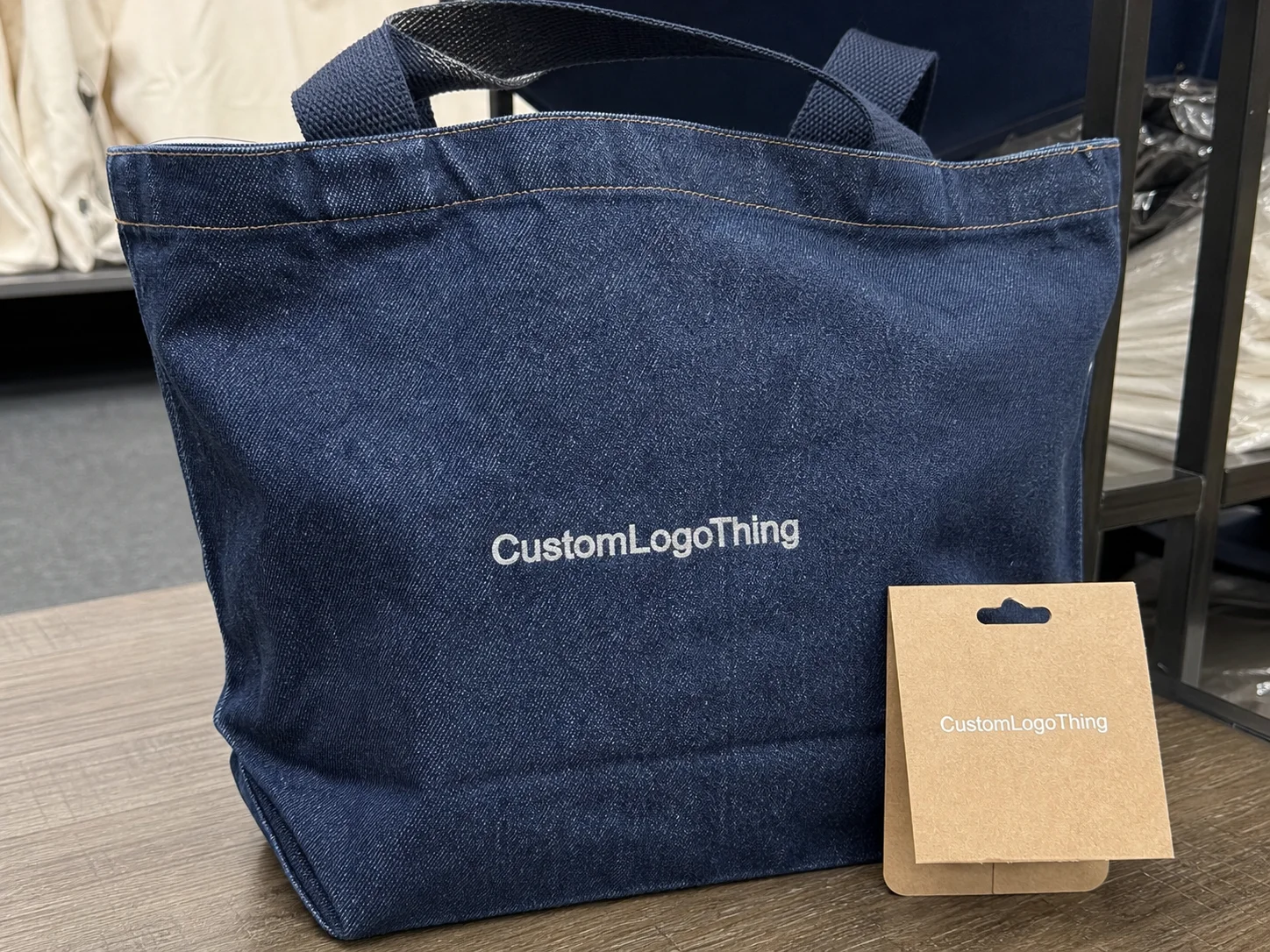
Fabric choice changes appearance, structure, and durability. Cotton canvas feels natural and prints well. A common midweight canvas spec is around 6 oz to 10 oz for lighter promotional use, while heavier premium bags often move into 12 oz and above. Recycled cotton works when sustainability messaging matters, though the surface can be a little less uniform. Nonwoven polypropylene is lightweight and economical, which makes it practical for giveaways. Laminated options bring structure and wipe-clean convenience, but they can look too shiny if the brand wants a softer result.
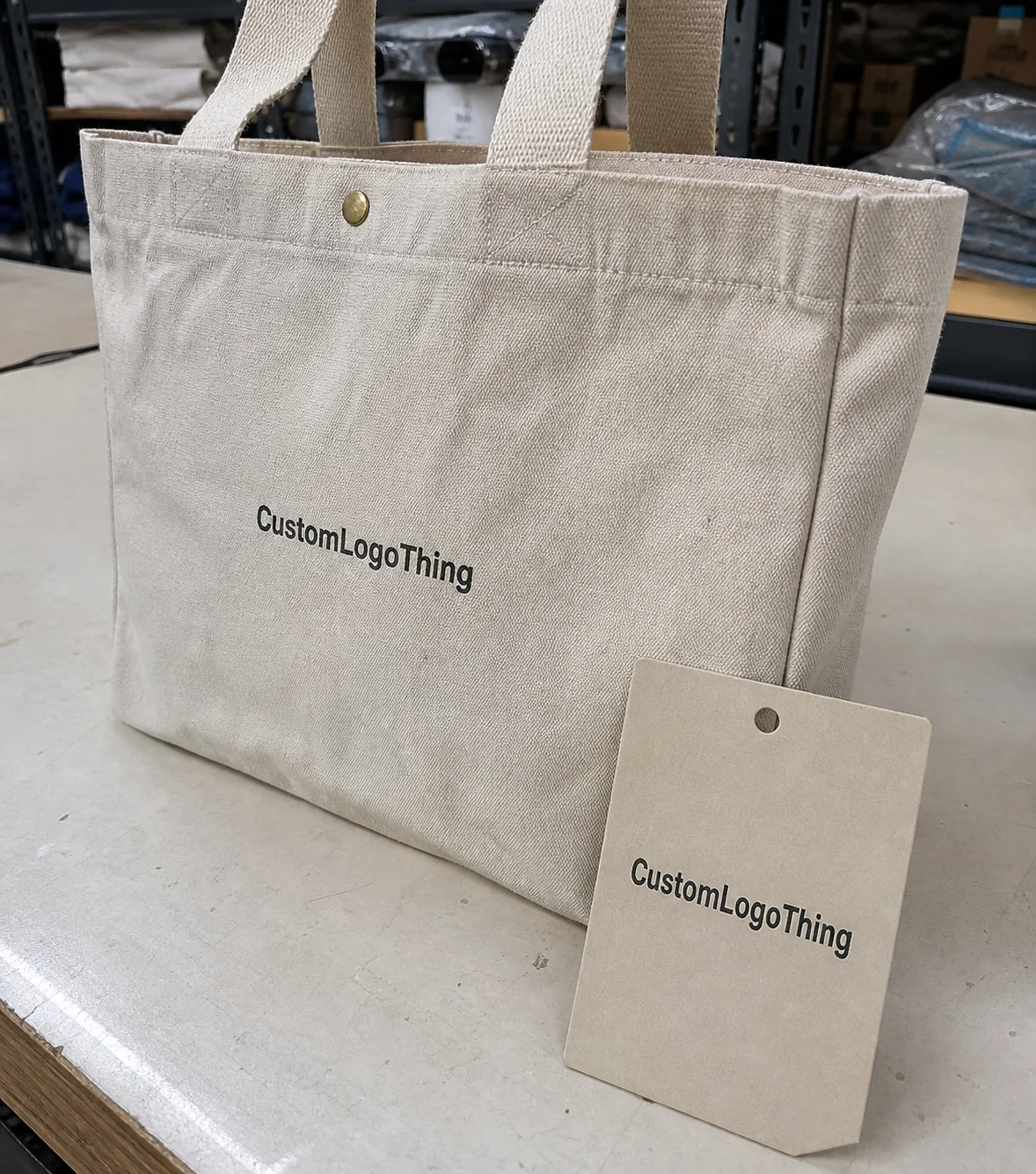
Construction details matter more than most buyers think. A deeper gusset improves capacity. A longer handle drop makes shoulder carry easier. Reinforced stitching at the stress points helps the bag survive real use. If the tote needs to stand on its own, ask for a structured base or a heavier body material. If it will be used as a gift bag, a simpler build may be enough.
Good spec matching is less glamorous than most marketing copy makes it sound. It also works better.
Use this as a practical shortcut:
- Retail customer: medium canvas, clean print, durable handles, strong seam finish.
- Conference attendee: roomy tote, moderate weight, readable branding, no unnecessary extras.
- Gift recipient: premium feel, softer hand, embroidery or limited-color print, neat packaging.
- Gym and errands use: larger size, reinforced handles, durable body, closure if needed.
There is no award for choosing the heaviest bag possible. If the user only needs a light carry bag, over-specifying it burns budget without improving the outcome. That is a common mistake with personalized tote bags for women: buyers assume “better” means heavier. Often, better means better matched.
For sustainability claims, ask for specifics. If a bag is marketed as recycled, confirm the recycled content percentage and whether it is traceable. If paper inserts or packaging are part of the job, FSC certification matters. For broader packaging and waste reduction context, the EPA’s packaging guidance is a useful reference: EPA packaging guidance. Claims without documentation are just decoration.
Process and Lead Time: From Mockup to Delivery
The production timeline usually follows the same chain: brief, artwork prep, digital proof, approval, production, QC, and shipping. Nothing exotic there. The trouble is that every step can stall if the buyer does not have final artwork or keeps changing the bag spec midstream.
Fast orders have a few traits in common. Final vector art is ready. The decoration method is already chosen. The quantity is realistic. The ship-to address is clear. And someone on the buyer side can approve the proof without a week of internal wandering. Those jobs move faster because fewer decisions need rescue.
What slows a run down? Artwork revisions, color matching, sample approvals, and split destinations. Shipping to multiple locations adds coordination time, extra labels, and more chances for error. A last-minute design change can also reset the schedule, especially if the new layout needs a fresh screen or embroidery file.
A practical planning rule: build in a buffer around the event date. If the tote has to arrive for a bridal shower, store opening, or company event that cannot move, do not schedule the order so tightly that freight delay becomes a crisis. Leave room for the boring stuff. That is the stuff that breaks timelines.
“The tote should feel intentional the second someone picks it up. If the handles are awkward or the print is tiny, the branding disappears fast.”
For personalized tote bags for women, the safe timeline is usually more generous than buyers expect. A straightforward run can move in roughly 10 to 20 business days after proof approval, but embroidery, custom packaging, or freight complexity can push it longer. If timing matters, ask for the schedule in writing and make sure it starts from approval, not from the inquiry date.
Common Mistakes That Make Totes Look Cheap
Cheap-looking totes usually come from a few avoidable decisions. The first is overcrowding the design. Tiny text, too many colors, and logos stretched across every inch of fabric make the bag harder to read and less premium. Simpler artwork ages better. It also survives more production variation.
The second mistake is ignoring contrast. A dark logo on dark canvas disappears. A pale logo on natural fabric can wash out if the ink coverage is weak. The mockup may look fine on a white screen background, but the finished bag lives in the real world, where lighting is messy and fabric texture changes the impression.
The third is picking the wrong hand-feel. A bag that is too thin wrinkles and slumps. A handle that is too short carries badly. A seam that is not reinforced telegraphs weakness immediately, even before the first full load. People notice that instinctively. They may not know why the bag feels cheap, but they know it does.
The fourth mistake is ordering without a sample or proof. That is where print size problems, placement issues, and color surprises show up. If the event or retail rollout matters, insist on at least a digital proof, and request a physical sample if the design or material is critical.
Another common issue: trying to make one tote work for every audience. A bag meant for a wedding favor, a trade show, and a retail purchase is probably doing none of those jobs well. Match the spec to the use case and the result usually improves on its own.
Most buyer regret comes from one assumption: that a tote is simple, so any tote will do. Not true. The better personalized tote bags for women are the ones where size, print, and structure all point in the same direction.
Expert Tips and Next Steps Before You Order
Ask for quotes using exact specs. Not “a cute canvas tote.” Use size, fabric weight, color, decoration method, quantity, ship-to ZIP code, and deadline. That is how you get a quote you can compare. Otherwise every vendor is pricing a different imaginary bag, which wastes time and creates false savings.
If the artwork matters, request a photo proof or sample before full production. A proof will not catch everything, but it will catch obvious mistakes in size, placement, and readability. For premium programs, a physical sample is better because it shows how the fabric behaves and whether the handles feel right under load.
It also helps to compare one premium option and one budget option side by side. That makes the tradeoff visible: heavier fabric, better structure, stronger stitching, cleaner print, or a more polished decoration method. People make better decisions when the difference is concrete instead of theoretical.
If you are planning a retail drop, bridal set, or employee gift run, shortlist two tote styles, confirm the artwork, and place a test order before scaling. That is the safest way to reduce risk without overcomplicating the project. For anything time-sensitive, ask for a written production schedule and separate production time from shipping time. Those are not the same thing, no matter how often people pretend they are.
The best personalized tote bags for women are not the loudest ones. They are the ones that hold up, carry well, and make the branding feel deliberate. If the specs are right, the bag keeps working long after the event is over. If the specs are wrong, the logo just rides along on a bad decision.
FAQ
What size should personalized tote bags for women be for daily use?
A medium tote usually covers the basics: wallet, bottle, tablet, sunglasses, and a light sweater without turning into a black hole. Look for a gusset and handle drop that make the bag comfortable on the shoulder, not just photogenic in a mockup. If the tote is for events or giveaways, size it for the actual contents, not the fantasy of what people might carry.
Which print method lasts longest on personalized tote bags for women?
Screen print is the most durable choice for simple logos and bold graphics because the ink bonds well to the fabric. Embroidery can last a long time and feels premium, but it works best for simpler artwork and thicker tote materials. Heat transfer is useful for detailed art and small runs, but it should be matched to the fabric and expected wear level.
How much do personalized tote bags for women usually cost in bulk?
Budget-friendly nonwoven or basic cotton totes can land in a low per-unit range when ordered in volume. Heavier canvas, more print colors, embroidery, and low quantities push the price up fast. The real quote depends on setup fees, decoration method, and whether you need rush production or special packaging.
What is a normal MOQ for personalized tote bags for women?
MOQ depends on the Material and Print method, but many suppliers price best once the order gets into bulk territory. Lower MOQs are possible, yet the unit cost usually climbs because setup time gets spread across fewer bags. If you only need a small run, ask for one option at low MOQ and one at better volume pricing so you can compare honestly.
How far in advance should I order personalized tote bags for women for an event?
Build in enough time for proofing, production, and shipping; last-minute orders are where small mistakes become expensive mistakes. If the artwork is not final, add extra buffer for revisions and approvals before production starts. For time-sensitive events, confirm the supplier's lead time in writing and ask what happens if freight slips.