Custom denim tote bags tend to look more expensive than they are because denim brings texture, depth, and enough structure to make a basic tote feel deliberate instead of disposable.
That is useful for merch drops, boutique packaging, staff kits, and event giveaways. You are not just buying a carrier. You are buying repeated impressions, and a tote that gets reused keeps working after the first handoff.
Why Custom Denim Tote Bags Feel More Premium Than They Cost
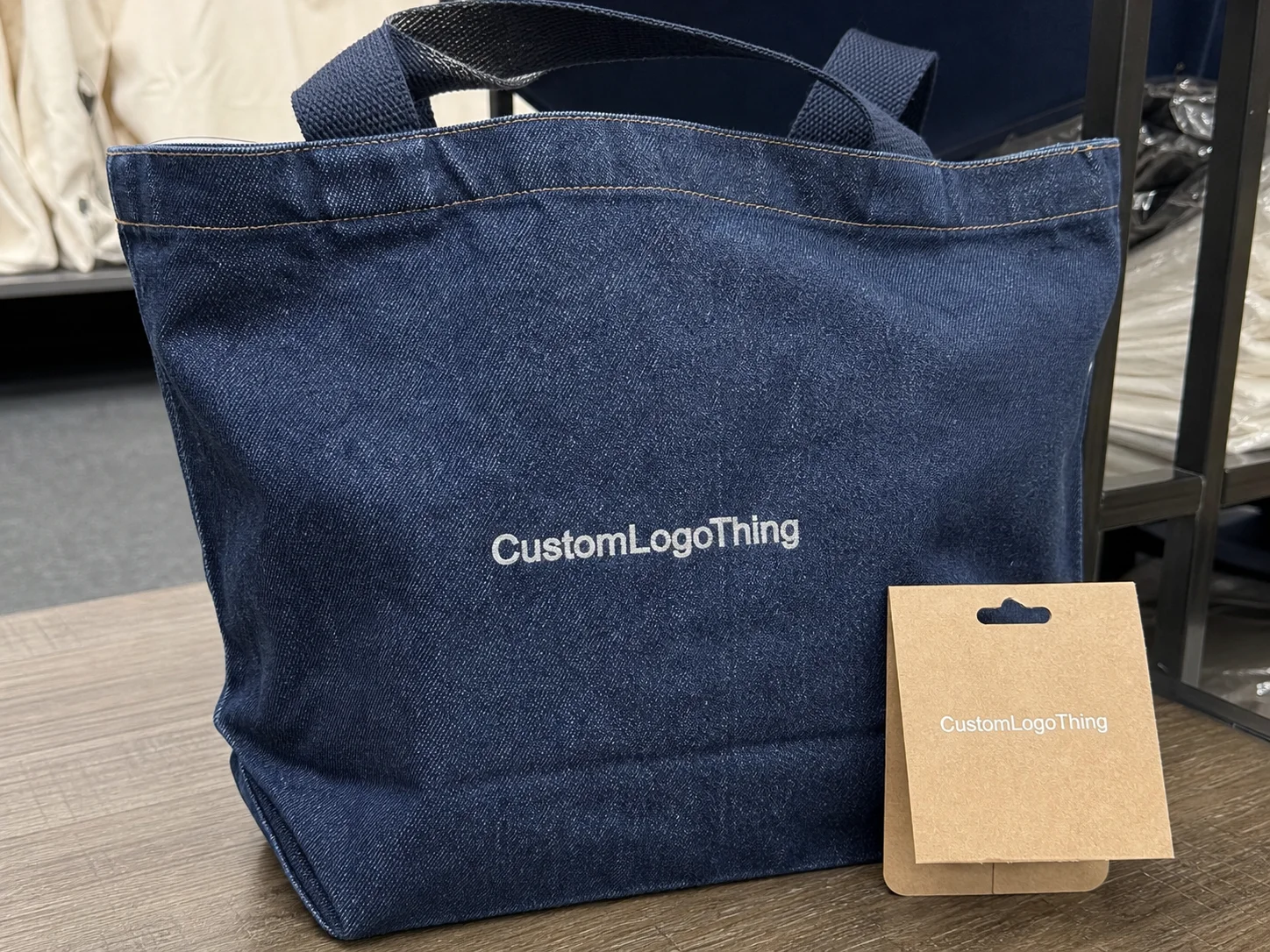
Denim does much of the visual work before the logo is added. A medium-wash fabric with clean stitching can look more retail-ready than a plain cotton tote, even with a simple mark.
The material also helps in practical ways. The weave gives the bag body, the color depth hides small handling marks, and the casual structure makes it feel usable rather than precious. Buyers usually want that balance: considered, but not overdesigned.
There is a reason denim keeps showing up in packaging programs. Event giveaways need something people keep. Staff kits need room for notebooks, chargers, and everyday carry items. Retail packaging often needs a reusable bag that supports the brand story without looking cheap.
The common mistake is assuming denim always means heavy, stiff, and costly. It does not. Denim can be light and soft or dense and structured. The first decision should be the tone of the bag, not just the fabric name, because that affects cost and how the final bag feels in hand.
A simple tote with good fabric usually beats a busy tote with too many upgrades. Buyers notice quality before they read the spec sheet.
How Denim Tote Manufacturing Actually Works
The production sequence is straightforward: fabric sourcing, cutting, stitching, decoration, finishing, inspection, and packing. Each step has a cost and a failure point, so vague specs make the whole order harder to control.
Denim totes usually fall into two construction types. A single-layer tote is lighter, faster to sew, and cheaper to produce. A lined tote feels more finished, hides inside stitching, and adds structure, but it also adds labor and material. The same is true for shape. A flat tote is simpler, while a gusseted tote carries more and stands better.
Handles matter more than people expect. Basic stitched handles are fine for giveaways and light retail use. Reinforced handles, boxed stitching, and bar tacks matter if the tote will carry real weight. Saving a few cents on weak handles is false economy if the seam fails later.
Decoration has to match the fabric. Screen print works well for simple logos and bold marks. Embroidery adds texture and a more premium finish, though it costs more and takes longer. Woven labels and sewn patches work when the branding should feel subtle. Heat transfer can handle more detail, but it is not always the best match for denim texture.
Sampling matters because denim behaves differently once it is cut and sewn. Shrinkage, stitch density, print placement, and color consistency can shift from a flat fabric swatch to the finished tote. The sample is what catches that before bulk production starts.
For packaging and transit standards, a supplier should be able to explain how finished bags are packed and protected for shipment. If an order is moving through a rough distribution chain or traveling long distance, ask whether they reference ISTA shipping test methods. For sustainability context, the EPA sustainable materials management guidance is a useful baseline, especially if the tote is part of a broader packaging program.
What Drives Cost and MOQ on a Denim Tote Order
The main pricing levers are fabric weight, bag size, handle length, lining, pockets, closures, decoration method, and packaging. A quote that looks cheap at first can climb quickly once the spec gets real.
MOQ exists because setup takes time. Cutting fabric, preparing sewing lines, setting up decoration, and checking quality all have fixed labor. That setup cost gets spread across the order, so very small runs are expensive per unit.
The cleanest way to read pricing is to separate one-time charges from recurring unit cost. Sampling, digitizing, print setup, and pattern work happen once. The tote price itself is the per-bag number. Buyers who mix those two together usually misread the quote.
| Build Option | Typical Use | Relative Cost | Practical Note |
|---|---|---|---|
| Single-layer, flat tote, screen print | Giveaways, events | Lowest | Best if you need a clean brand mark and a tight budget. |
| Gusseted tote, woven label, light lining | Retail packaging, staff kits | Mid | Balances structure and cost without overbuilding the bag. |
| Heavy denim, embroidery, zipper, custom hangtag | Boutique packaging, premium merch | Highest | Looks polished, but the extras add labor fast. |
The cheapest way to save money is often to simplify the spec, not cut quantity. If the tote body is basic, you can usually afford one stronger branded detail, like an embroidered logo or a woven label. Once you add pockets, zippers, lining, custom labels, and individual polybags, the quote rises quietly.
Dark washes, custom dye effects, and heavy embroidery can also push cost up. So can branded tissue, insert cards, or individual retail wrapping. Those details look small on a spreadsheet, but they add touchpoints in production, and labor is what you pay for.
Turnaround Time, Lead Time, and Production Steps
The schedule is usually the same: inquiry, spec confirmation, proofing, sample approval, bulk production, inspection, and shipping. If one stage stalls, the date moves.
Lead time does not really start until the spec is locked. Before that, you are still deciding fabric weight, sizing, decoration, and packaging. A quote based on a moving target is just a number, not a schedule.
Most delays come from avoidable things: artwork sent as a screenshot, dimensions guessed instead of measured, sample feedback that arrives late, or a last-minute change to handle length or print method after approval.
If the delivery date is fixed, build in a buffer. International transit can stretch, especially in busy seasons. Custom finishing adds handling time. Quality inspection takes longer when the order has multiple decoration placements or mixed sizes.
Use simple rules if the date matters:
- Lock size, fabric, and artwork before requesting final pricing.
- Approve the sample fast and with one clear response.
- Keep the decoration method simple if you want speed.
- Avoid adding custom packaging at the end unless it is already in the schedule.
That is how you keep the order from turning into a timeline problem. A clean spec is faster than a long follow-up chain.
Spec Choices That Change the Final Bag
Denim weight is the first spec to settle. Lighter denim gives you a softer tote that folds easily and ships with less bulk. Midweight denim is usually the safest choice because it balances cost, structure, and everyday carry performance. Heavy denim holds shape better and feels more premium, but it can be overkill for a simple giveaway.
Dimensions are not just math. Width, height, gusset depth, strap drop, and pocket placement all change how the bag works in real life. A tote that looks fine on paper can feel awkward if the handles are too short or the body is too narrow. The bag has to function first.
Closures and linings change the experience more than the quote might suggest. Open-top bags are cheaper and faster to produce. Zippers, snaps, and full linings add utility and a more finished interior, but they also add operations. If the bag is going into Premium Retail Packaging, those extras may be worth it. For event handouts, probably not.
Branding placement is another choice with real consequences. Front-center printing is obvious and efficient. A woven label can feel more refined. An inside tag is subtle and works well for package branding that should not shout. Embroidery sits in the middle, with a tactile look that usually reads as more premium than a flat print.
Color And Finish
Raw denim, indigo, black, and stonewashed finishes each behave differently in production. Raw and dark indigo fabrics can feel richer, but they may show color transfer or variation more clearly. Stonewashed denim feels casual and worn-in, which is right for some brands and wrong for others. Black denim is visually clean, though it can show lint and stitch contrast more sharply.
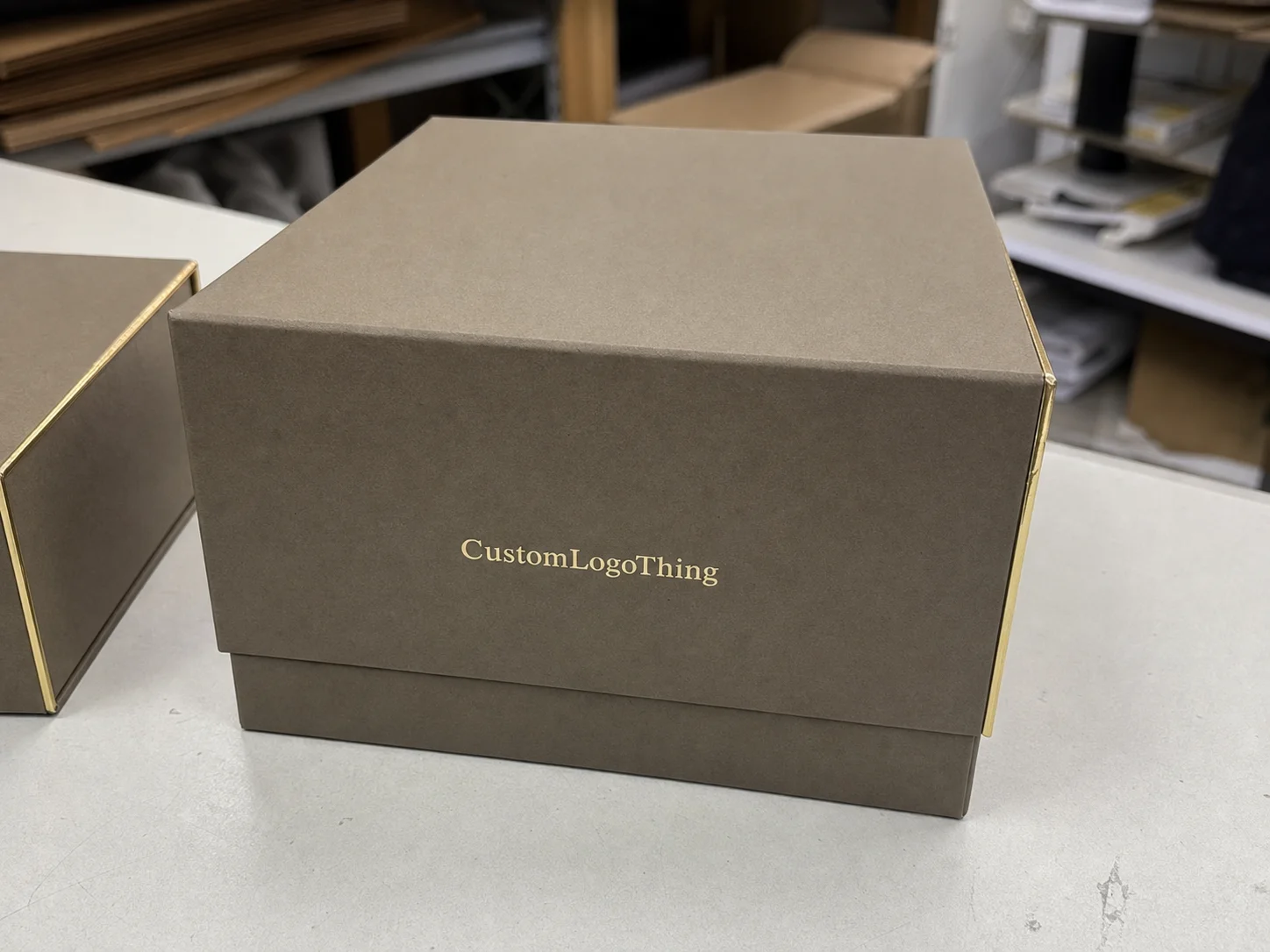
If you are pairing the tote with Custom Printed Boxes or other branded packaging, think about visual consistency across the set. Denim with a matte label often works better with restrained packaging design than with glossy graphics.
Darker denim also needs closer shade control. For larger orders, ask whether the supplier is matching rolls from the same dye lot and checking variation before cutting. It is a simple check that prevents a run of bags from looking slightly off batch to batch.
Common Mistakes That Inflate Quotes or Cause Delays
The most expensive mistake is vague artwork. A screenshot from a website is not print-ready art, and it is not enough to confirm placement. Send clean files, exact dimensions, and a clear note about where the logo should sit.
Another common error is comparing a complex custom bag to a plain stock bag and expecting the same price and timing. If the order includes embroidery, lining, special wash treatment, or custom labels, the factory has more steps. More steps mean more cost.
Approval timing matters more than people admit. Slow sample feedback is a delay machine because production cannot move while the sample is still under review. If the date matters, assign one decision-maker and get a single response back to the supplier.
Spec drift is another budget killer. Changing the fabric weight after quoting, adding a pocket after sampling, or switching print methods late in the process forces a revision. Sometimes it is small. Sometimes it resets the schedule.
Packaging details can also sneak up on you. Insert cards, hangtags, tissue, individual polybags, or custom carton labels are easy to ignore during quoting. Then the order is nearly approved and the numbers jump. If the tote needs retail packaging, say so early.
Custom denim tote bags are not difficult, but they are unforgiving of indecision. The order goes smoothly when the buyer is specific. It goes sideways when the spec keeps moving.
What to Do Before You Request Samples
Put the basics on one spec sheet: size, fabric weight, color, decoration method, quantity, target price, and delivery date. That is enough to anchor a quote that means something. If those details are missing, every answer will be provisional.
Artwork should be ready in the right format, with placement notes attached. If the logo needs to sit 2 inches below the top edge or centered over a gusset seam, say that clearly. Small placement errors are the kind that slip through until the physical sample exposes them.
Decide what matters most before you ask for pricing: faster turnaround, lower unit cost, richer branding, or a heavier bag. You usually get two of those, not all four. A buyer who knows the priority can make the right compromise quickly.
Ask what kind of sample is being offered. A physical sample, a photo sample, and a pre-production proof are not the same thing. A photo sample can help with visual confirmation, but it does not tell you how the denim feels or how the stitching lands.
Check the sample like a production manager. Measure the handles. Confirm seam allowance. Look at stitch density around the stress points. Check whether the logo sits where it should and whether the wash or dye reads the way you expected. If anything feels off, fix it before bulk production starts.
For buyers building out a larger merchandising or packaging program, review the rest of the lineup through Custom Packaging Products so the tote, box, label, and insert card all feel like one system instead of separate purchases.
Good denim totes come from clean specs, sensible decoration, and realistic timing. If those three things are handled well, the order usually lands where it should.
What denim weight is best for custom denim tote bags?
Midweight denim is usually the safest choice because it balances structure, cost, and everyday carry performance. Lighter denim works for promotional totes, while heavier denim feels more premium and holds shape better. If the bag needs to stand upright or carry more weight, prioritize sturdier fabric and reinforced seams over a trendy wash.
How long do custom denim tote bags usually take to make?
Timing depends on sample approval, order size, decoration method, and whether the design is simple or heavily customized. A clean spec and fast proof approval usually shorten the schedule more than any production shortcut. If the date matters, ask for the lead time after specs are locked, not before.
Are custom denim tote bags more expensive than canvas?
They can be, but not always. The price depends more on construction, decoration, and finishing than on the fabric name alone. A simple denim tote can be competitive with canvas if you keep the shape basic and the branding straightforward. Embroidery, lining, zippers, and custom labels are usually what push the price up.
Can I print full-color artwork on custom denim tote bags?
Yes, but the decoration method has to match the artwork and the fabric surface. Simple logos often work best with screen print or embroidery, while more detailed art may need heat transfer or another print method. Always check how the art looks on textured denim before approving the final sample.
What should I approve before placing an order for custom denim tote bags?
Confirm the final size, fabric weight, decoration placement, quantity, and packaging before production starts. Review the sample or pre-production proof carefully for color, stitch quality, and logo position. If anything is unclear, fix it before bulk production. Changing it later costs time and money.