Cheap Personalized Tote Bags only make sense when the spec fits the job. A bag that looks acceptable on day one but fails after a few uses is not good value. The right purchase balances appearance, carrying strength, print quality, and landed cost.
The buyer question is simple: what will the tote carry, how often will it be reused, and how visible does the branding need to be? A giveaway bag, a retail shopping bag, and a trade show handout do not need the same construction. Cost control comes from matching those requirements instead of adding features that do not change performance.
The variables that matter most are material, print method, quantity, proofing, and lead time. Those are the levers that move price and determine whether the order arrives on spec. Everything else is secondary.
Cheap Personalized Tote Bags That Still Look Retail-Ready
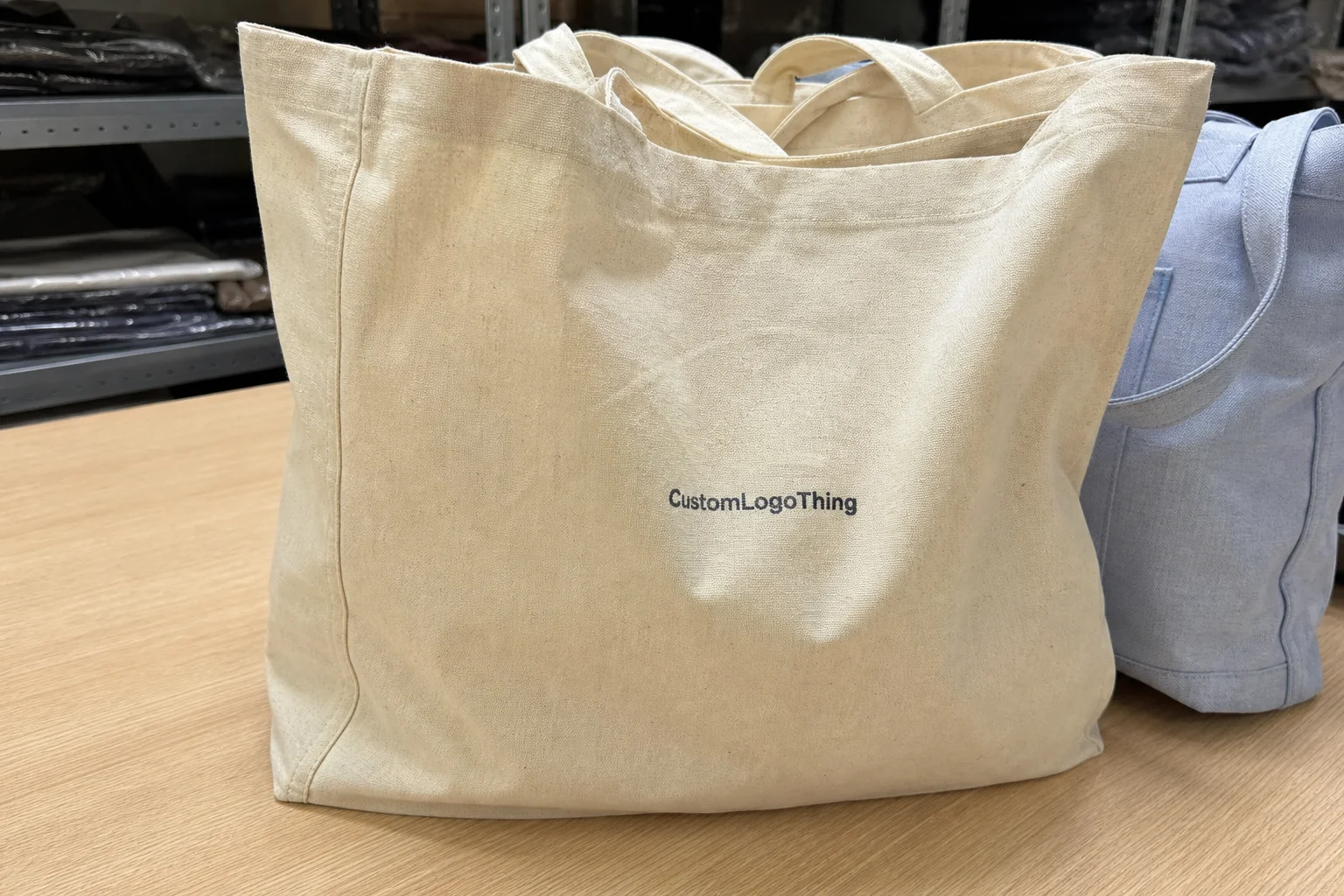
A low-cost tote can still look intentional if the shape is clean, the logo is readable, and the bag holds its form in use. Buyers usually notice handle length, stiffness, and whether the print sits squarely on the panel. Those details affect how the bag is perceived even if they are not discussed explicitly.
The first mistake is overbuilding. If the tote is carrying brochures, a folded shirt, or a small promo kit, it does not need premium reinforcement or a heavy finish. The second mistake is underbuilding. A bag that sags, wrinkles, or pulls at the handles undermines the brand. The practical target is a standard construction that feels stable without pushing the price up unnecessarily.
Dimensions matter as much as material. A bag that is too deep for the contents can look empty. A bag that is too narrow can crease at the seams and stress the handles. Matching the size to the item inside is often a better value decision than chasing a slightly lower quote on the wrong format.
For retail use, restrained branding usually works best. One clear logo placement, a legible typeface, and a color that holds against the base material will age better than a crowded layout. The tote should support the product and make the purchase feel complete, not compete with the packaging.
If the bag will be reused, pay enough for structure that reuse feels natural. If it is a one-event carrier, keep the build honest and avoid add-ons that do not change performance. A tote is cheap in a useful way only when the savings come from the right spec choices.
Request a sample or a detailed spec sheet before approving the run. A quote shows price, but not always feel, handle behavior, or print clarity under normal use.
Material Choices That Lower Cost Without Sacrificing Use
Material sets the floor for both price and performance. For budget bulk orders, the common options are nonwoven polypropylene, polyethylene, and laminated plastic styles. Each has a different balance of cost, hand feel, print quality, and durability. The right choice depends on whether the tote is meant to be disposable, reusable, or shelf-presentable.
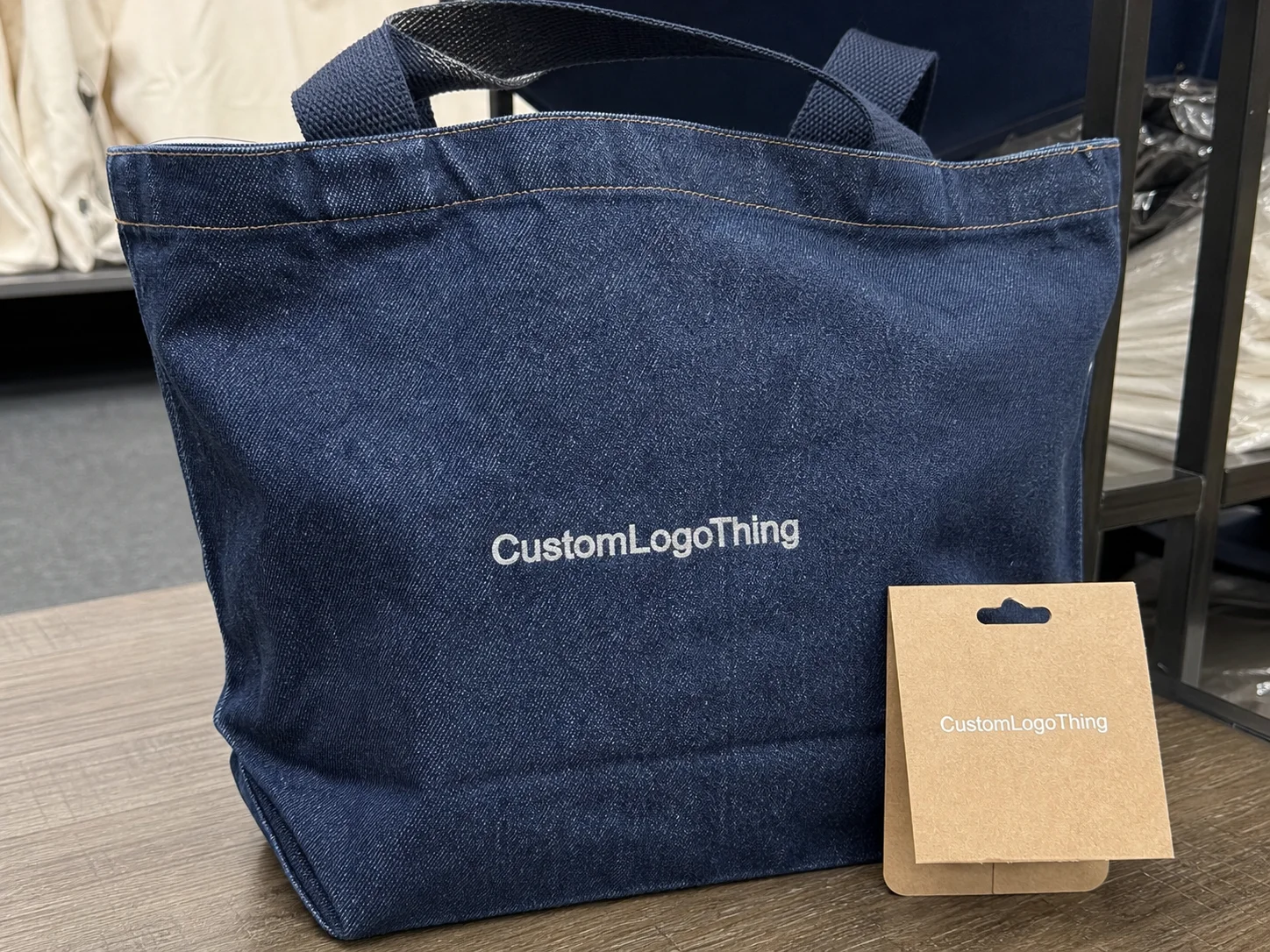
Nonwoven polypropylene is often the best value for reusable promo totes. It keeps cost under control while still offering enough structure for everyday carrying. Lighter versions work for giveaways and soft goods. Heavier versions are better for retail use or repeated carrying.
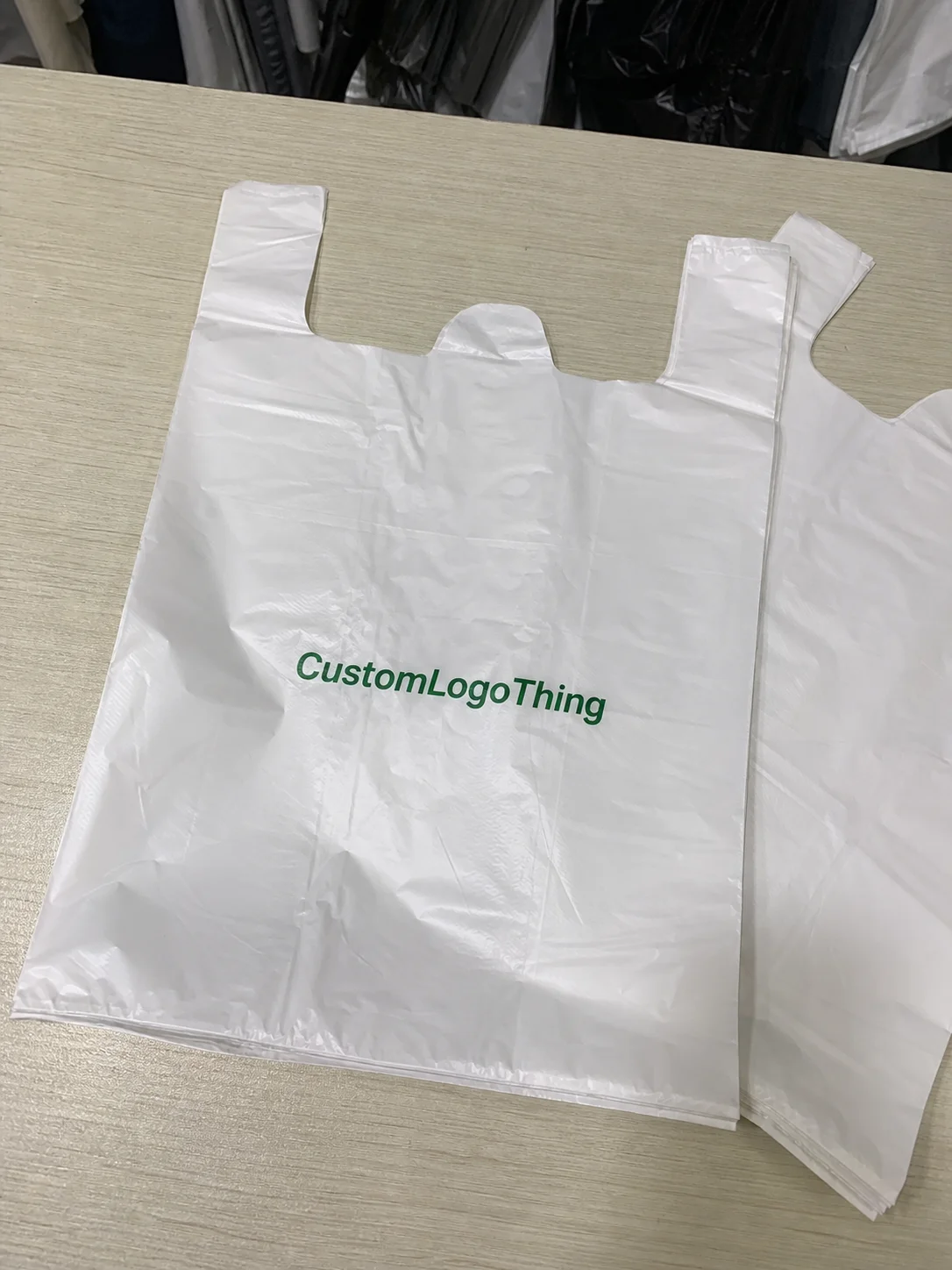
Polyethylene is usually the lower-cost route for simple carrier bags and light loads. It fits inserts, light apparel, and pack-outs that do not need a premium hand feel. The tradeoff is visual: it usually looks less substantial than a structured reusable tote.
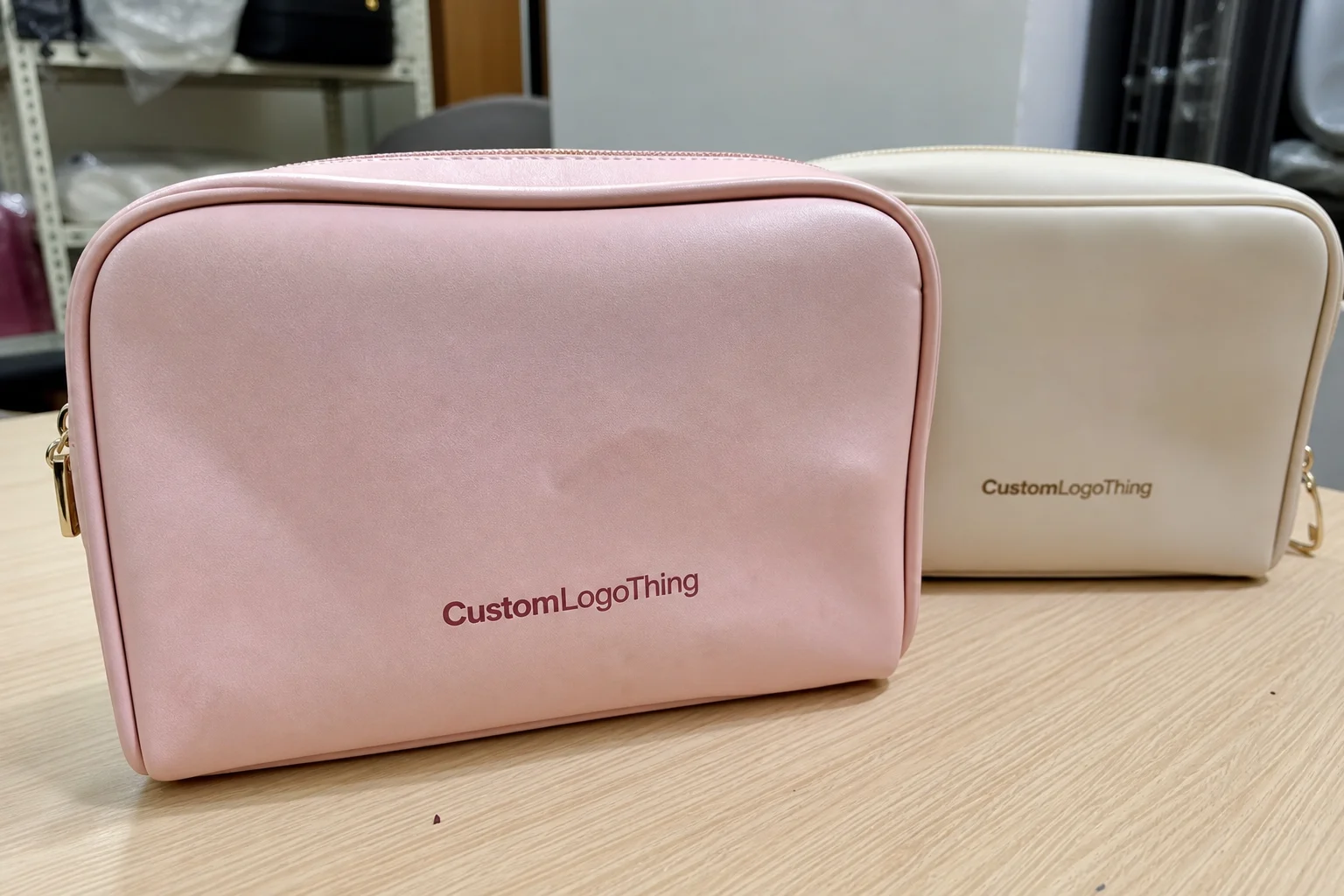
Laminated plastic styles sit higher on the ladder. They can present better visually, resist moisture, and feel more polished, but they add cost and may produce a shinier finish than some brands want. Use lamination only when the visual lift matters enough to justify it.
Gauge and thickness matter as much as the material itself. A lighter bag may be fine for brochures or a folded tee. A boxed item or bottle needs more structure and stronger seams. Handle reinforcement follows the same logic: useful on repeat-use bags, unnecessary overhead on lighter promo runs.
Gusset depth affects capacity and cost. A deeper gusset adds room, but it uses more material and changes how the bag stacks and folds. If the tote does not need the extra volume, a tighter gusset is often the cleaner spec.
| Material Style | Typical Use | Cost Position | What to Watch |
|---|---|---|---|
| Lightweight nonwoven polypropylene | Events, retail handouts, light apparel | Low to moderate | Check handle strength, seam quality, and print coverage |
| Polyethylene | Simple carrier bags, light merchandise | Lowest in many standard builds | Confirm thickness, seal integrity, and overall feel |
| Laminated plastic | Retail presentation, moisture resistance | Moderate to higher | Expect a higher print and finish cost |
| Heavier reusable tote styles | Retail programs, repeated carrying, heavier loads | Higher | Better performance, less room for price compression |
If sustainability claims matter, confirm the material before the order moves forward. Not every “eco” label is useful. Buyers Should Know whether they need recycled content, paper-compatible packaging, or simply a material that fits internal standards. References from the Institute of Packaging Professionals can help frame that discussion around function first.
Print Options, Artwork Prep, and Spec Decisions
Printing is where budgets expand quietly. More colors, larger coverage, and more complex art all add setup or labor. A one-color logo is still the cheapest and cleanest choice in most tote programs because it is faster to run and easier to keep consistent across a bulk order.
Artwork quality matters. Vector files scale cleanly and are less likely to produce jagged edges or blurry text. Thin lines, tiny type, and subtle gradients often create production problems. If the file needs simplification, that is usually part of getting the job to print well rather than a supplier issue.
Print area affects price too. A small centered logo is usually less expensive than full-panel coverage. Larger imprints use more ink, require tighter registration, and leave less room for error. If the design needs a bigger field, treat it as a real cost decision.
Placement matters because standard positions are easier to repeat. Front-only work is usually less expensive than two-sided printing. A centered placement is also easier than a custom offset or edge-to-edge layout. For most promotional or retail totes, one clean panel is enough.
The main cost and quality drivers are straightforward:
- Color count: one color is usually the most efficient, while each added color increases setup and registration risk.
- Print area: larger coverage means more ink, more handling, and more chance of inconsistency.
- File quality: clean vector artwork reduces proofing loops and avoids rough output.
- Placement: standard positions are easier to run than custom layouts.
- Revision count: even small changes after proof approval can push the schedule.
For brands with packaging rules, the tote should match those standards as closely as the material allows. Logo size, spacing, and legibility matter because the bag will be seen in use, not just in proof form. If the imprint does not survive handling and transit, the design has not done its job. For distribution-minded buyers, standards references such as ISTA are useful for thinking about how the item will move and arrive.
Pricing, MOQ, and Unit Cost Variables to Check
Quantity drives pricing more than anything else. The more units in the run, the more fixed setup cost gets spread out. That is why a lower MOQ often has a much higher per-bag price even when the tote itself looks similar on paper. Setup, proofing, and production prep do not disappear just because the order is small.
Next come material thickness, bag size, print count, and packaging requests. A standard-size tote with one-color print will almost always cost less than a custom size with multiple colors and special packing requirements. Buyers often compare quotes that are not actually equivalent, which makes the price look better or worse than it really is.
Request tiered pricing every time. A single number does not show whether a larger order improves value or just creates inventory you do not need. Sometimes the jump from 500 to 1,000 units lowers the unit cost enough to justify the extra stock. Sometimes it does not. Without the pricing ladder, you are guessing.
Watch for costs that can move the final number more than expected:
- Special handles: dyed, reinforced, or longer handles add expense.
- Rush timing: compressed schedules usually carry a premium.
- Packaging extras: polybagging, carton labeling, and pallet requirements add labor.
- Finish upgrades: lamination, gloss effects, and specialty coatings raise the bill.
- Freight: shipping can change landed cost enough to alter the real comparison.
Ask for line-item pricing so tooling, production, and freight are visible. A single opaque number makes it difficult to compare offers or spot where the money is going. A tote is only cheap if the landed cost stays under control, not just the factory quote.
One reliable way to save is to trade complexity for consistency. Standard dimensions, limited colors, and a known material grade usually price better than one-off requests. Buyers often try to solve a budget issue with design additions. That rarely works. The cleaner move is to simplify the spec and spend on the parts customers can actually feel.
Process, Lead Time, and Production Steps From Proof to Ship
Most delays start before production. The order is slow because the spec was incomplete, the art was not final, or the delivery details were vague. The standard workflow is straightforward: artwork review, digital proof, approval, scheduling, production, quality check, packing, and shipment. Cleaner inputs usually mean faster movement.
Lead time depends on more than factory capacity. It also depends on how quickly the buyer resolves questions, how many revisions are needed, and whether shipping details were confirmed early. If the proof is clean and approved immediately, production can move. If the file needs cleanup or the dimensions are still unsettled, the timeline stretches.
Rush jobs are possible in some cases, but they work best with narrow specs. Standard size. One print color. No special finishing. No unusual packaging instructions. The more variables the job carries, the less room there is to absorb schedule pressure.
The process should look like this:
- Send bag size, quantity, material preference, and artwork together.
- Review the proof for spelling, placement, color count, and final dimensions.
- Approve only after the spec matches the intended use.
- Confirm ship method, destination, and any receiving restrictions.
- Allow time for production, inspection, packing, and transit.
Receiving details are easy to ignore and expensive to forget. Carton labels, pallet height, appointment windows, and dock rules can all affect whether the shipment is accepted cleanly. A bag order can arrive on time and still create a warehouse problem if those details were not shared at the start.
For programs involving paper components or responsible sourcing claims, the FSC system is a useful reference. Not every tote order needs certification, but the buyer should be clear about what claim is actually being made.
What Repeat Bulk Orders Need From a Supplier
Repeat work shows weak suppliers quickly. If the first run was fine but the second comes back with a different feel, shifted print, or different carton count, the low unit price stops mattering. Consistency is the real value in recurring orders.
The supplier should keep the record straight: same bag size, same material grade, same print standard, and a proof history that can be referenced without a long search. That makes future orders faster and lowers the risk of drift. It also makes budgeting easier, which matters on retail and promotional programs that repeat across seasons.
Small inconsistencies become expensive in bulk. A slightly thinner bag may not fail immediately, but it can change customer perception. A logo shifted an inch looks careless. A carton count that does not match the purchase order creates receiving friction. These are not dramatic failures, but they waste time and credibility.
Repeatable bulk work should include:
- Same bag size: keeps fit and presentation consistent.
- Same material grade: preserves durability and cost expectations.
- Same print standard: helps avoid color drift and placement issues.
- Documented proof history: shortens reorder time.
- Clear packaging requirements: supports faster fulfillment and receiving.
That is the part buyers should care about. A tote is not useful if each reorder becomes a new puzzle. The value is in getting a bag that can be bought again with the same outcome, not just a low price on the first shipment.
Actionable Next Steps for a Faster, Cleaner Quote
If you want a tight quote, send the essential details in one message: bag size, quantity, intended use, material preference, print colors, and delivery timing. That gives the supplier enough information to price the actual job instead of a vague concept.
Artwork should be supplied in vector format whenever possible. Add brand color references if they matter, note the preferred print side, and say whether the logo needs to be centered or matched to an existing layout. If the art contains fine lines or small type, call that out early so the proof can be checked properly.
Before approving the order, check the tiered price list, the proof schedule, and the estimated lead time including transit. If the project needs special labeling, sample approval, or warehouse-specific carton rules, mention that immediately. Those details usually do not change the whole budget, but they can change whether the job lands cleanly.
For most buyers, the decision should stay practical. Choose the tote that fits the load, keep the print clean, and avoid features that do not change performance. That is how cheap Personalized Tote Bags stay affordable without feeling disposable.
FAQ
How cheap can personalized tote bags get in bulk?
Price depends on quantity, material, print colors, and construction. The lowest unit cost usually appears in higher-volume runs with standard dimensions and one-color artwork. Ask for tiered pricing so you can see the breakpoints instead of judging from a single quote.
Which material usually keeps the unit cost lowest?
Lightweight nonwoven polypropylene or polyethylene styles are often the lowest-cost options for simple builds. Thicker gauges, reinforced handles, and specialty finishes raise durability and price at the same time. The right choice depends on what the bag will carry and how long it needs to last.
What MOQ should I expect?
MOQ varies by material, print method, and bag construction, so there is no universal number. Lower quantities usually carry a higher per-bag price because setup costs are spread across fewer units. If the order is small, ask whether a short-run option exists before changing the whole design.
How long does production usually take?
Timing usually starts after artwork approval, not after the first inquiry, so ready files matter. Simple jobs move faster when the spec is fixed early and the proof is approved without revision loops. Include freight in the estimate, because transit time affects when the order actually reaches you.
What should I send to get an accurate quote fast?
Send bag size, quantity, material preference, print colors, artwork files, and delivery deadline together. Include handle style, gusset depth, and packaging requirements so the quote reflects the full job. If you are not sure on specs, ask for two or three build options so you can compare cost and performance side by side.