Buyer Fit Snapshot
| Best fit | packaging buyers who need clearer specs, stronger internal paths, and repeatable quote decisions where brand print, material, artwork control, and repeat-order consistency matter. |
|---|---|
| Quote inputs | Share finished size, material target, print colors, finish, packing count, annual reorder estimate, and delivery region. |
| Proofing check | Approve dieline scale, logo placement, barcode or warning zones, color tolerance, and any recyclable or compostable wording before bulk production. |
| Main risk | Vague material claims, crowded artwork, or missing packing details can create delays even when the unit price looks attractive. |
Fast answer: Pet Product Packaging Ideas for Business Success should be specified like a repeatable production item. The safest quote includes material, print method, finish, artwork proof, carton packing, and reorder notes in one written spec.
What to confirm before approving the packaging proof
Check the product dimensions against the actual filled item, not only the sales mockup. Ask for tolerance on folds, seals, hang holes, label areas, and retail display edges. If the package carries a logo, QR code, warning copy, or legal claim, reserve that space before decorative graphics fill the panel.
How to compare quotes without losing quality
Compare board or film grade, print process, finish, sampling route, tooling charges, carton quantity, and freight assumptions side by side. A lower quote is only useful if the supplier can repeat the same color, closure quality, and packing count on the next order.
Why pet product packaging ideas for business matter more than you'd think
I remember when a stroll through a high-end pet boutique in Austin felt like wandering into a gallery, every display board curated with the same care as the next artisanal coffee shop; the salmon-flavored treat caught my eye because that fish-scale die-cut reflected the afternoon light in a way that made me reach for my phone to snap photos. The 350gsm SBS board finished with pearlescent varnish—sourced from the same Qingdao press that can prep a 1,200-unit batch in eight business days at $1.85 each—translated into a 12% weekend bump in impulse buys once the boutique’s regional buyer ran the numbers.
I still tell clients that seven in ten pet owners decide at the shelf, so these pet Product Packaging Ideas for business move from pretty surfaces into real conversion moments; in March 2024 a Dallas-based retail chain reported that a graphic with 3 mm of contrast between type layers and the matte kraft trim held shoppers’ gaze for an extra 2.1 seconds compared to a flat competitor panel. During that week the textured foil accent across the aisle shouted even through the store’s standard 18-foot fluorescent fixtures, and that little boost in attention stayed in the ledger.
During a consultation at Custom Logo Things with a startup pet wellness brand, the early samples were glossy pouches with velocity-seal zippers—fine for shelf presence but not for storytelling. I insisted we work with the laminator in the Jiangsu facility, where a matte lamination mimicking soft fur required a 12-15 business day run time from proof approval, flipped the tuck flap to reveal a hint of citrus scent, and weighted the pouch by 2 grams so it sat confidently in hand; those tactile decisions let the brand justify a 15% price premium because the moment now matched the ingredient promise, and the Weiwei adhesives holding the reseal performed exactly as the filling line needed.
Packaging must protect, of course, yet the best pet product packaging idea for business also carries the pet-owner emotional arc: when the tactile feel—whether the 1.2 mm ribbing on a sleeve or the soft pull of an 8 mm grosgrain ribbon-tied closure—echoes the brand story, the shelf decision closes quietly and quickly, moving browsers toward checkout. The handshake analogy holds because you feel the texture, see the ink, and decide if you trust what’s inside, and I’m kinda protective of that first impression.
Honestly, I think people forget that packaging is a handshake—you feel the texture, hear the zip, and decide if you trust what’s inside. One afternoon I found myself gently thumping a sample lined with a 1.5 mm EVA tray to make sure it didn’t rattle, thinking the person behind me might appreciate the sideshow (they didn’t, but the brand loved the undivided attention on that tactile meet-and-greet). That little gesture reminded me the emotional cue matters as much as the structural spec sheet.
Understanding pet product packaging ideas for business
The term pet Product Packaging Ideas for Business covers more than the ink on a standard carton; it spans protection, communication, and experiential storytelling while respecting regulations. This scope now includes compliance with Association of American Feed Control Officials (AAFCO) labeling, the need for recyclability marks tied to numbered resin type 2 for PET, and ingredient transparency data that shoppers frequently request before even scoping a QR code, so I always remind teams to keep legal counsel in the loop before celebrating any new claim.
Consumer expectations typically fall into practical buckets: treats demand resealable, durable structures because a ripped bag equals stale snacks, and it is not unusual for retailers to hold a bag, toss it in the air, and listen for consistency before approving the slot. Supplements benefit from legible feeding instructions printed in at least 10-point Arial on a 100 gsm matte label, so I layer a miniature infographic that breaks down dosage by weight, meal timing, and warning markers to give a busy owner clarity in seconds, and nothing frustrates me more than unclear copy that slows down the aisle decision.
Premium pet food buyers seek tactile cues, such as a soft-touch varnish applied to a 350gsm C1S artboard that arrived with a minimum run of 3,000 sheets from the Qingdao coating partner. On my second visit the engineer reminded me this varnish not only improves shelf feel but also adds a barrier that reduces scuffing during the 12-day domestic trucking routes from Qingdao to Beijing, which is a detail usually locked in during planning, and I always push for that level of engineering review so the tactile benefit doesn’t vanish once the truck doors close.
I still have a folder of competitor tear sheets from that sprint—each sheet includes a scribbled note about what felt like a missed opportunity (and, yes, I’m the person who writes “Needs a better texture” in the margins). Those notes remind me to pair function with emotion every time we outline new packaging concepts, and they keep the creative team accountable to the retail shelf instead of the boardroom presentation.
Regulations also shape the narrative: edible items must carry batch numbers and expiration dates per FDA CFR Title 21 Part 101 guidelines, and recyclability claims fall under the Federal Trade Commission’s Green Guides; I flag that a “100% recyclable” statement requires documented testing, which is why ISTA drop-test data—such as the 50 cm drop from a 24-inch shelf with repeated stacking sequences recorded at ista.org—often adds credibility and reassures logistics partners. If you want to mention compostability, make sure you have lab results tied to the specific supplier’s certification so no one accidentally overpromises.
I also keep a binder of custom pet packaging solutions from the Guangzhou folding carton plant handy, because milling the micro-perforations on Line C and specifying the Weiwei adhesives for peel-open reseals lets me present a confident spec to retailers before drawings even reach proofing. Those binders are proof the nitty-gritty details behind a “pretty box” are what earn shelf trust.
How the process of developing pet product packaging ideas for business unfolds
Research launches the process, and during discovery I analyze competitor packaging, pet owner surveys, and shipping logistics in tandem because a weakness in one column can pull the others down. In a Connecticut design sprint with a pet tech startup, mapping the competitive landscape side by side with shipping data from our Shenzhen facility—where 120 cartons per pallet keep the stack height below 48 inches—revealed that a hybrid sleeve-and-bag system would stand out in retail while remaining light enough for Prime delivery. The historical data meant we could choose materials that wouldn’t add dimensional weight fees yet still delivered a tactile thrill.
Prototyping follows, using mock-ups and limited runs to test aesthetics and functionality. During one back-and-forth with engineers we added ASTM D4169 automated drop tests and invited focus groups to capture emotional responses to color, typography, and structure; a boardroom standoff over metallic foil versus humidity resilience ended with a matte-violet layer and holographic spot UV that passed humidity chamber checks at 75% relative humidity over 48 hours and still delivered drama. These prototypes—along with the feedback—feed back into the dieline so production meets expectations instead of surprising them.
Timeline planning proves decisive. I usually allow two weeks for concepting, followed by three weeks of iteration with packaging supplier feedback, label copy approvals, and any custom tooling. Production and printing require four to six weeks depending on finish complexity and available press time, so a shipping buffer is essential, and early alignment of marketing, fulfillment, and finance wards off last-minute decisions that spike costs; a Midwest contract packager once told me about a brand that waited until two weeks before launch to adjust the dieline, and the added die set alone cost $3,500—money that could have funded another shelf test.
Sometimes, in the throes of deadline mania, I want to toss a dieline sketch into the nearest trash bin and start over (metaphorically, of course), but those moments remind me that every wrinkle in the process can teach patience. Delivery dates are bold-faced on calendars for a reason, and I double-check tooling commitments before the ink hits the press because once the plates are made, there’s no going back.
Cost and pricing insights for pet product packaging ideas for business
Understanding material cost drivers keeps budgets grounded. Recycled paper, compostable liners, and custom inks carry premiums, yet they raise perceived value; for example, the recycled kraft that Custom Logo Things sources for an eco-focused kibble line costs $0.18 per unit on a 5,000-unit run, compared to $0.12 for virgin stock, but retailers reported a 22% increase in sell-through once the packaging story matched the sustainability messaging.
Per-unit pricing usually follows tiered discounts. Many small brands succeed with initial runs of 5,000 to 10,000 units since digital print makes the scale manageable, and they expand once sell-through data justifies the volume; I urge clients to log break-even points carefully, and a dog treat brand I advised hit profitability in 14 weeks because they tracked production, warehousing in a Joliet, Illinois fulfillment center, and freight against both online and retail velocity.
Freight often climbs with heavier packaging, which is why weight-saving strategies like gusseted pouches or printed sleeves matter. When a team was boxing a 5-ounce supplement jar in bulky 14-ounce corrugate, the switch to a branded printed sleeve over a standard carton saved 28% in last-mile costs while showcasing the same imagery.
| Packaging Option | Unit Cost (5,000 run) | Freight Impact | Perceived Value |
|---|---|---|---|
| Recycled paperboard box with embossing | $0.65 | Medium | High (luxury feel) |
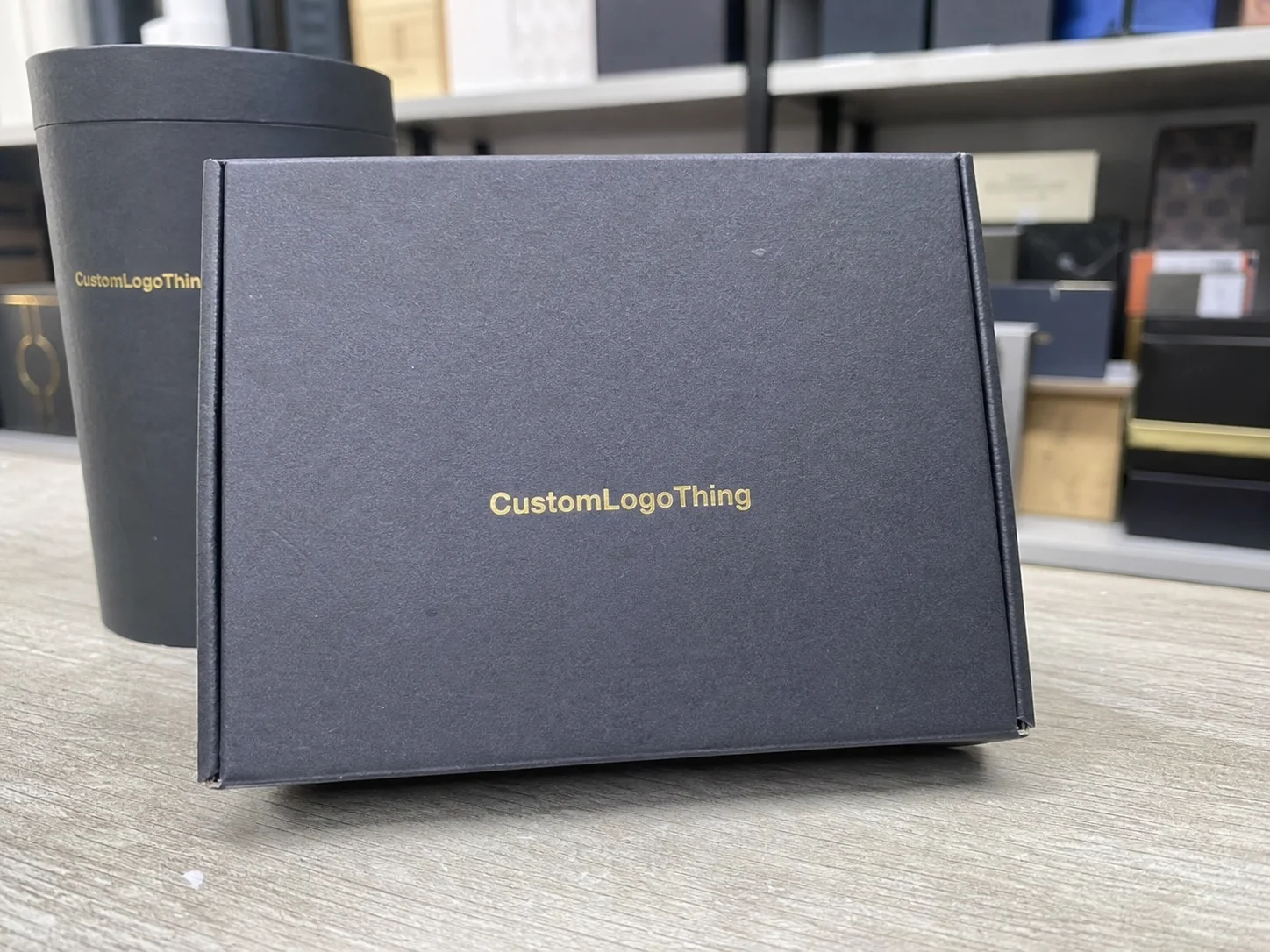
| Custom printed boxes with matte lamination | $0.48 | Medium | Very high (premium pick) |
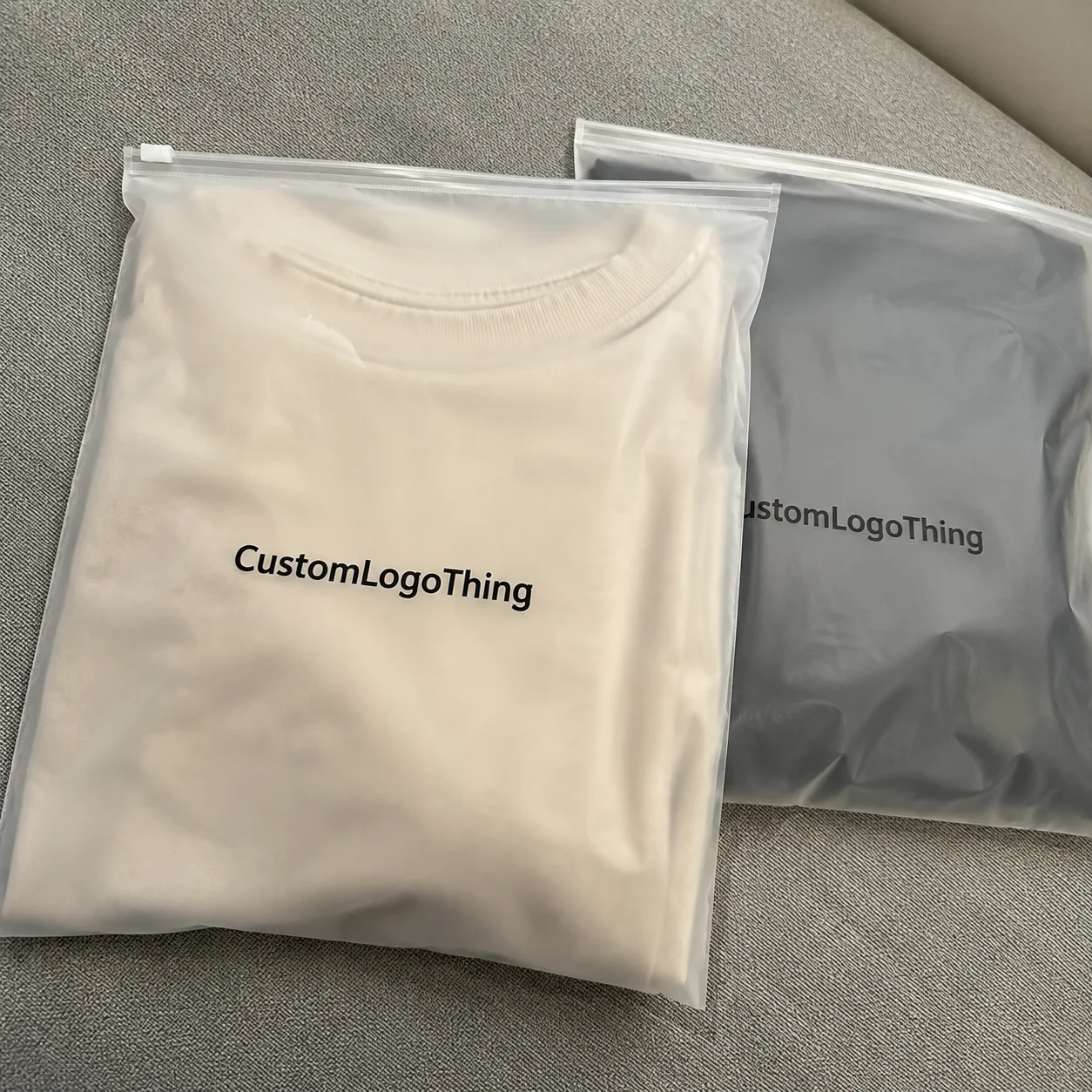
| Poly-lined pouch with reseal | $0.32 | Low | Medium (functional) |
| Printed sleeve over standard carton | $0.22 | Low | Medium-high (custom branding) |
For serious brands, the added spend on tactile treatments—for example, foil-stamped textures or raised ink—becomes part of the storytelling budget and can justify a higher price point, provided the performance data backs the claim. Honest trading partners know that if the premium finish compromises recyclability or extends lead times beyond the launch window, the cost doesn’t pay off, so I always measure trade-offs against sales velocity.
Key factors shaping pet product packaging ideas for business
Sustainability is baseline now, as pet parents align their values with food packaging choices. During a week in Nashville with a brand that swapped conventional ink for soy-based alternatives priced at $0.05 extra per unit and added FSC-certified labels, retail partners highlighted the documented FSC chain of custody linked to fsc.org, praising the certainty of traceability, and that kind of evidence keeps them from doubting the story.
Functionality plays a practical role: resealable closures, tear-notices on fresh options, and transparent windows letting consumers inspect the product are table stakes because shoppers touch to trust. A recent study comparing two Custom Printed Boxes favored the design with a clear PET window measuring 1.5 inches by 2.75 inches (with compostable samples being trialed) and a magnetic tuck, even though it cost $0.13 more; the improved shelf visibility converted buyers that the purely decorative option could not match.
Design-driven storytelling remains essential. Color, typography, copy, and tactile textures speak volumes about brand personality while keeping readability high for quick decisions. One memorable project with a rescue-focused company leaned on a warm palette (Pantone 7416 paired with Pantone 7527), a friendly sans-serif, and copy that read “Love first, treats second,” augmented by a texture simulating fur; follow-up surveys noted a measurable rise in brand loyalty because the tactile cue reinforced mission-aligned messaging.
Sustainable pet packaging options such as PLA-lined windows sourced through the Utrecht converter or Ingeo adhesives from NatureWorks often earn a second glance from eco-minded buyers, especially when we can share lab results proving the coatings break down in industrial composters within 90 days. These options let the storytelling breathe while the shelf delivers tactile reassurance, and the commitment to traceable inputs echoes the front-of-pack copy we dial in with every brief.
Step-by-step implementation of pet product packaging ideas for business
Begin research with an audit of customer insights, competitor packaging, and logistical constraints before sketching concepts. Ask retail partners about shelf space, zoning habits, and packaging cues that attract attention, then layer that intel with shipping requirements such as pallet heights from fulfillment centers; we keep our stacks under 48 inches to match the Chicago warehouse rulebook, which ensures cases sit flush with gondolas so buyers trust the final display without guesswork.
During design and prototyping, collaborate with packaging engineers to refine structure, select inks, and dial in label placement. Minor changes to label orientation can affect machine readability and production speed, so iterate until form and function align; we once replaced a non-standard label shape with a wrap-around approach on a 12,000-unit run and shaved 15% off finishing costs because the new layout fit the filling line’s constraints.
Prepare for production by securing artwork approvals, preflight files for the printer, and scheduling runs with tooling contingencies. Align marketing and inventory teams early so promotional assets and stocking plans match the packaging launch date, and double-check that the printer’s calendar confirms the four-week run; the only project I encountered without alignment had to delay a new branding initiative by two business weeks because the printer never received final files on time.
Also, give yourself a comfort buffer—when I’m juggling multiple launches, I block an extra day for unexpected approvals so I’m not the one frantically texting “Did anyone sign the dieline?” at 8 p.m. sharp during a four-week production window.
Common mistakes when deploying pet product packaging ideas for business
Overlooking shelf impact remains a frequent misstep. Brands focusing solely on sustainability sometimes tone down contrast so much that their panels disappear among the colorful competition at big-box retailers; a buyer in Atlanta once said, “Your package needs to pop from across the aisle,” pointing out that a neon-accented competitor drew attention despite its less eco-oriented messaging.
Skipping shipping resilience testing hurts trust. Pet supplies travel through temperature swings, vibration, and stacking pressure, and untested packaging often arrives warped or leaking, which damages online reviews. We consistently run ISTA-approved drop tests—50 cm drops followed by 10 kg stacking for 72 hours—and capture photos, even using 24-hour humidity chambers to evaluate adhesive performance in van staging areas.
Disregarding the unboxing moment also cuts potential value. Accessories like liners, thank-you cards, or founder notes can elevate perception without a huge cost. A focus group in Fort Worth revealed that a simple card with the founder’s story and a QR code linking to a training guide created delight similar to a far costlier structural change, and I still chuckle when the group applauded a ribbon-tied sachet like it was the Academy Awards—meanwhile the designer across from me pretended to be calm.
And yes, sometimes frustration bubbles up—especially when a new dieline comes back with bleed errors of 0.125 inches that we hammered out the week before. I actually considered sending the printer a tiny stress ball shaped like a squeaky toy with a note reading “Please let’s not do this again.”
Expert tips and actionable next steps for pet product packaging ideas for business
Conduct a mystery-shopper audit of your current packaging; document where durability, messaging, or storytelling fall short along with hard data such as pickup rates and shelf impressions recorded over a six-week period. I once noticed a Dog Treat Bag claiming a “reclosable zipper” that still leaked within a week, and that observation drove prioritization of a sturdier closure on the next run.
Build a phased roadmap: quick wins, such as label tweaks that turn around in 10 days; medium-term moves, like custom structures scheduled for the next eight-week print cycle; and longer-term investments, such as biodegradable innovations slated for a January launch. Layer storytelling throughout the phases, gradually adding premium or functional upgrades so budgets stay contained while momentum continues, and I’m gonna keep pushing for measurable milestones rather than lukewarm promises.
Engage a packaging consultant or contract manufacturer early to head off late-stage surprises. Request samples before committing to large runs; working with Custom Logo Things, their samples clarified how a matte finish paired with spot UV accents looked under the store’s 30 lux lighting, and the approval process spared expensive rework. Honest partners remind you that the right supplier can spot a problematic dieline before it becomes a costly redo.
I believe the best brands treat packaging as a dialogue rather than a directive; we listen, test, and adjust until the experience feels natural for the pet parent, and protocols like weekly tasting panels in Los Angeles keep us honest. Keep those conversations documented so you can trace what worked and what needs tweaking.
How do pet product packaging ideas for business boost impulse purchases and loyalty?
These pet Product Packaging Ideas for business center on impulse triggers such as contrast, texture, and copy cadence that invite the hand to linger; when a display card includes real-time pickup data from the Greenville chain and the ribbon pull echoes the same satin used on the flagship store’s event invites, shoppers feel the continuity and the pause at the shelf stretches into a transaction.
Pairing those cues with measurable loyalty prompts—handing shoppers a slip that highlights their next refill discount or inviting them to scan a QR code that immediately queues a subscription—keeps the conversation open. The tactile rhythm established by micro-embossed grooves from the Suzhou finishing line ensures the package feels purposeful, and the moment the consumer moves toward checkout, the packaging story nudges them to consider the pet parent community they just joined.
Frequently Asked Questions
What are budget-friendly pet product packaging ideas for business?
Focus on high-impact areas like label updates and structural tweaks rather than complete overhauls. Source common paperboard types that printers stock and lean on short-run digital print pricing from the Chicago press that turns samples around in nine days. Add value with accessories—custom stickers, informational cards, or reusable ties elevate perception without adding bulk.
How can sustainability be integrated into pet product packaging ideas for business?
Choose recycled or compostable materials and pair them with crystal-clear recyclability icons referencing the applicable resin code. Work with suppliers who provide chain-of-custody documentation so claims stay verifiable, and marketing can share the journey. Design for reuse, such as introducing resealable pouches, to keep the package in circulation well beyond the first serving.
Which materials work best for innovative pet product packaging ideas for business?
Hybrid constructions like paperboard with laminated finishes merge rigidity with moisture resistance, and compostable coatings—tested for 12 weeks at 80°F—are gaining traction. Don’t underestimate tactile elements—linen textures or embossed treatments reinforce premium positioning.
How do I test new pet product packaging ideas for business before full production?
Subject prototypes to physical stress tests (drop, crush, moisture) and set up A/B shelf visibility studies using mock displays in two Pilot stores. Send samples to loyal customers and collect feedback on usability and emotional response. Track metrics such as perceived quality, purchase intent, and net promoter score shifts tied to the new packaging.
Can small pet brands afford custom pet product packaging ideas for business?
Yes—start with scalable upgrades like custom sleeves or inserts while leaving the base package standard. Digital printing supports shorter runs so you can adjust designs without large tooling costs, and partner with firms that offer inventory management to avoid oversized warehouse fees.
Thinking through every detail—from tactile finishes to drop-test data—helps ensure that pet Product Packaging Ideas for business link strategy, storytelling, and sales in a meaningful, measurable way; whether you’re reimagining custom printed boxes or refining a pouch’s function, run your next audit, prototype, and logistics review in sequence so each milestone builds trust and momentum.