Pet Treat Hang Tags Material Guide for Smarter Orders
A Pet Treat Hang Tags material guide has to start with a plain reality: the stock gets judged before the copy does. Buyers feel the tag, notice the edge quality, and clock the finish within a few seconds of handling. If the surface curls, smudges, or feels thin in the hand, the package loses credibility before anyone even checks the ingredient panel. That is not a design problem. It is a material choice problem.
From a packaging buyer's point of view, the tag is a small billboard with a messy job description. It hangs on a pouch, jar, or bag, gets shifted during stocking, and may face grease, humidity, refrigeration, or the scrape of a corrugated shipper moving through transit. A pet treat Hang Tags Material guide only earns its keep when it weighs those conditions instead of admiring a perfect sample under clean lighting.
“If the tag looks premium but fails in the real package, the brand pays for the mistake twice.”
That is why material choice belongs in the branding conversation, not just the purchasing sheet. In a crowded pet aisle, the tag often acts as a quiet trust signal. It can point toward ingredient care, cleaner manufacturing, and a more thoughtful product tier. The pet treat hang tags material guide below focuses on what survives storage, handling, and shelf life, because that is the part that matters once the order leaves the proof stage.
Pet Treat Hang Tags Material Guide: why the stock matters
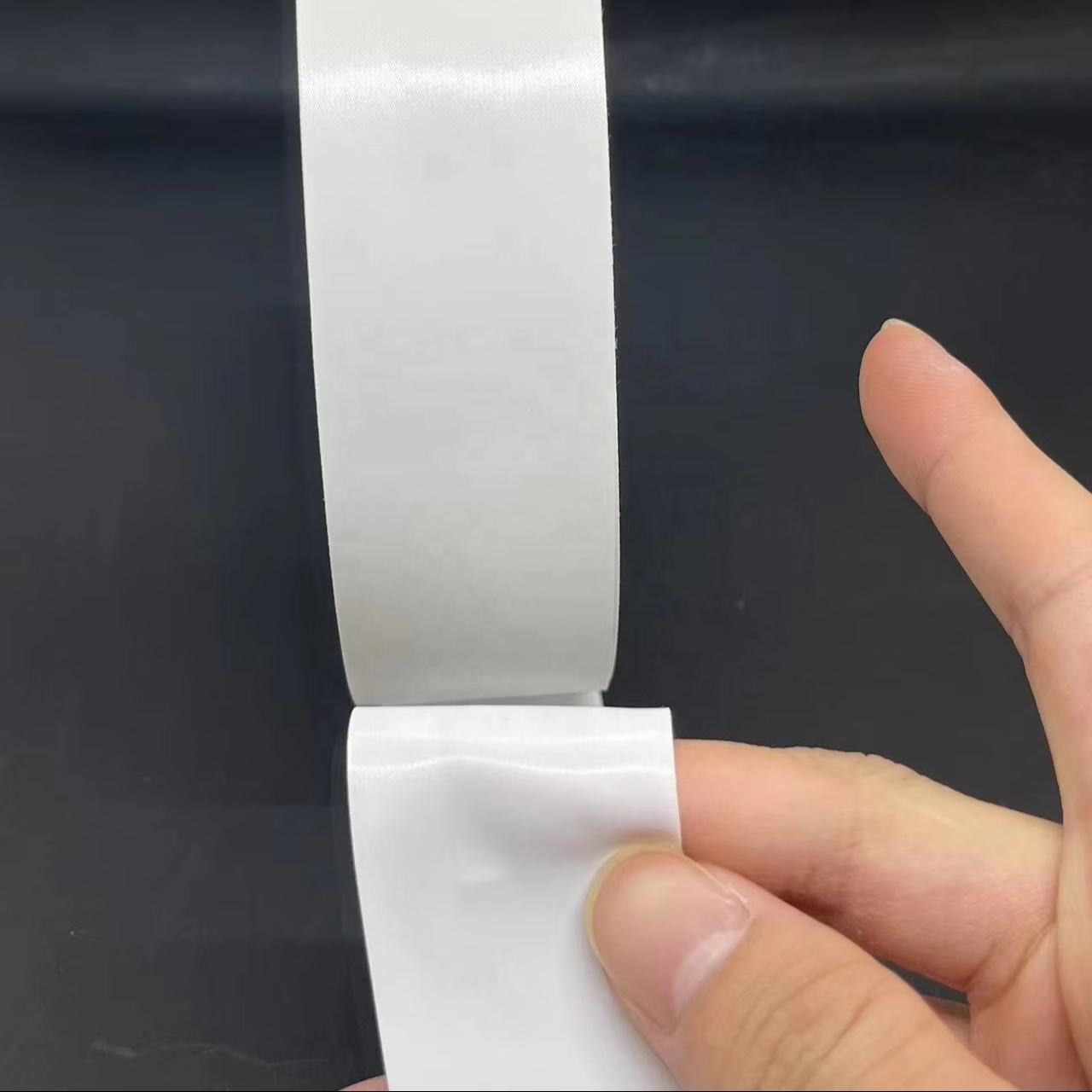
The stock has to do three jobs at once. It carries the design, survives handling, and reinforces the price point. That is why a pet treat hang tags material guide starts with substrate selection instead of finish add-ons. Plain paper can look elegant, yet the same sheet can warp, soften, or show edge wear quickly if the pouch is oily or the storage room runs humid. A synthetic stock can feel excessive for a small seasonal line, though that same toughness may be exactly right for a frozen treat or a busy retail shelf. The right answer depends on the package, the environment, and the promise the brand is making.
The first reaction often comes from touch rather than sight. A customer picks up a package, rubs the tag between their fingers, and decides whether the product feels careful or bargain-bin. That judgment happens before a single claim is read. A pet treat hang tags material guide needs to account for that tactile moment because it shapes the whole impression. The tag is carrying trust as much as it is carrying information.
Grease remains a classic failure mode. Moisture does too. A tag can look polished in a proof and still fail if the coating is wrong, if the paper basis weight is too light, or if the hole punch starts tearing after a few days on a display hook. A practical pet treat hang tags material guide should ask a blunt question: what happens after the carton is opened, the packs are stacked, and the product is handled a few times? Weak materials rarely reveal themselves in the mockup. They show up in the store.
The shelf story matters as well. Many brands want a natural look, which keeps kraft paper and recycled materials in the conversation. That can work beautifully for dry treats and calm retail environments. The tag still needs to survive the real setting. When the product sits in a refrigerator case, a freezer, or a fast-moving shop where staff handle stock quickly, the pet treat hang tags material guide shifts from “what looks organic” to “what stays legible.”
A practical rule helps here: if the product feels premium, the tag should not read like an afterthought. The stock should support the promise instead of fighting it. That is the whole point of a pet treat hang tags material guide, and it is the part that saves brands from reprinting the same lesson twice.
For teams building a broader packaging system, it can help to compare the hang tag with other printed pieces such as Custom Labels & Tags. A consistent stock family makes the line feel deliberate, and that kind of visual continuity often does more than a lone fancy finish ever will.
Pet Treat Hang Tags Material Guide: how materials perform
A pet treat hang tags material guide becomes far more useful once the decision is split into substrate, coating, and lamination. Those three choices shape rub resistance, moisture resistance, and how clean the colors stay over time. Coated paperboard gives crisp print and a tidy hand feel. Matte or gloss lamination adds protection across the surface. Aqueous coating helps with handling, though it is not the same thing as a full film wrap. Each layer changes the final behavior, and each one changes how the tag ages after packing.
Paperboard in the 14pt to 18pt range works well for many retail pet treat tags because it offers enough stiffness without turning the piece into a thick little brick. Kraft paper, especially FSC certified kraft, brings a warm, natural appearance and suits brands that want a quieter, less polished tone. Synthetic stocks such as polypropylene or PET handle water and abrasion better, which makes them a better fit for cold-chain storage or heavy handling. A pet treat hang tags material guide should treat these options as different tools, not interchangeable versions of the same thing.
The mechanics matter just as much as the stock. The hole punch has to be clean and wide enough for the fastener. A 3 mm to 5 mm hole is common, though the exact size depends on string choice and tag weight. Scoring matters too, especially if the tag folds around a pouch neck or needs to sit flat on a jar cap. A weak score cracks thick board. A sloppy score leaves the fold ragged and uneven. That kind of detail belongs in a real pet treat hang tags material guide because the printed artwork cannot rescue a bad fold.
Fastener choice changes the feel immediately. Cotton twine reads as artisanal. Elastic loops are convenient on the assembly line. Plastic fasteners are quick and inexpensive, though they can look out of place on a premium line. Mini zip ties are functional, but they tend to feel industrial unless the brand wants that look on purpose. The tag has to stay secure without twisting the pouch or covering the front panel. The instruction sounds easy. The real-world result takes a few samples to get right, and sometimes it is kinda surprising which option looks best once it is actually threaded through the package.
- Paperboard: best for crisp print, moderate budgets, and dry products.
- Kraft paper: best for natural branding, recycled materials messaging, and a softer retail feel.
- Synthetic stock: best for moisture, rub resistance, and longer display life.
- Laminated stock: best for higher handling, richer color stability, and a cleaner premium finish.
Package format changes the answer too. A freezer-stored treat bag usually needs a tougher material than a countertop snack pouch. Jars often call for a smaller, cleaner tag so the lid and label stay visible. Flexible pouches can carry a little more visual weight, while rigid boxes may need a tag that behaves more like a hang card than an attached label. That is why a pet treat hang tags material guide has to start with the actual package, not a generic product category.
One more practical note: if the treats smell strong or contain oils, ask about odor migration and coating performance. It is not a problem in every case, but lower-cost papers can absorb scent or show surface fatigue sooner than expected. A pet treat hang tags material guide should treat that as a genuine production issue, not a side note.
Key factors that shape pet treat hang tags
Thickness and stiffness come first. A flimsy tag feels cheap, flops on the package, and wrinkles after a few touches. A board that is too stiff can crack on the fold, punch poorly, or raise shipping costs because it takes up more space in stacked packs. For many brands, the sweet spot sits in the middle: a stock that stays flat without fighting the fastener. Any pet treat hang tags material guide worth using should call out that tradeoff, because buyers often overcorrect in both directions.
Print quality matters more than people admit. Color accuracy can make or break the look of the line. If the brand relies on warm neutrals, clean whites, or natural cues tied to pet-safe ingredients, the wrong stock can mute the art or shift the tones until they look accidental. Coated paper usually produces sharper detail. Kraft paper softens colors a bit, which may be exactly what a brand wants if the goal is a natural tone. Synthetic stock keeps saturated colors bright, though the finish has to fit the brand personality or the result can feel oddly slick. A pet treat hang tags material guide should keep print behavior tied to brand intent.
Finish options change the story as well. Matte lamination feels calm and premium. Gloss adds contrast and punch. Spot UV can bring a logo forward, though it adds setup complexity and can make small runs expensive. Soft-touch lamination feels rich, but it is not always the best choice for greasy hands or rough retail handling. In a pet treat hang tags material guide, finish is never just decoration. It is a working layer with a texture, a cost, and a failure point.
The sustainability conversation has also become part of the order. Buyers ask for recycled content, post-consumer waste, FSC certified materials, and biodegradable packaging more often now, and fairly so. Those claims matter, but they need context. A recycled board can be a smart choice for dry treats, especially if it gives the right stiffness and print quality. For heavy bags or cold storage, an environmental claim does little if the tag fails early. A well-made recycled option is better than a weak green option that makes the brand look careless. That is the part of packaging buying that stays honest.
If you want to sanity-check paper sourcing and certification claims, FSC is a useful reference point. For transit abuse and distribution testing, ISTA is worth a look too. A pet treat hang tags material guide that ignores handling tests is not much of a guide at all.
Indirect food-contact comfort matters as well. The tag should not shed odor, smear ink, or feel like it belongs in a hardware aisle. That usually means paying attention to inks, coatings, and the distance between the hang tag and the treat itself. If the tag sits close to an open top or a vented pouch, low-migration inks and a cleaner finishing system deserve a closer look. A pet treat hang tags material guide should protect perceived safety as much as appearance.
Transit and storage finish the job. Tags packed in corrugated cardboard cartons can still arrive with corner wear if the stack is loose. Humidity can curl paper. Pressure can leave set marks on soft-touch surfaces. That is why a pet treat hang tags material guide should connect the stock to the shipping method. The tag, the fastener, the package, and the carton behave as one system.
Cost, MOQ, and quote tradeoffs for pet treat hang tags
Cost starts with the obvious parts: stock, size, print method, finish, quantity, die cutting, and any extra setup. The real differences usually come from the small details that get left out of the brief. A custom shape costs more than a standard rectangle. Foil or spot UV adds setup and often raises the minimum. Multiple SKUs create more handling. Special fasteners can add packing labor. A useful pet treat hang tags material guide makes those drivers visible before the quote lands in someone’s inbox.
MOQ changes with the production method. Digital printing supports lower quantities and works well for short-run launches, seasonal treats, or test markets. Offset printing usually becomes more attractive at higher volumes because the unit cost drops once the press is running. Specialty finishes almost always push MOQ upward because the setup cost has to be spread across the run. Add multiple versions and the economics move again. A pet treat hang tags material guide should help you choose the quantity with eyes open, not by guessing and hoping the printer fills in the blanks.
| Material option | Typical look | Durability | Typical unit cost at 5,000 pcs | Best fit |
|---|---|---|---|---|
| Coated paperboard | Crisp, polished, clean color | Moderate | $0.14-$0.24 | Dry treats, retail shelves, balanced budgets |
| Kraft paper | Natural, earthy, warmer tone | Moderate | $0.15-$0.27 | Natural brands, FSC certified lines, recycled materials messaging |
| Laminated paperboard | More premium, protected finish | High | $0.20-$0.34 | Premium treats, stronger rub resistance, longer shelf life |
| Synthetic stock | Clean, durable, slightly more technical | Very high | $0.24-$0.42 | Moisture exposure, freezer storage, rough handling |
Those numbers are realistic ranges, not a promise. They move with size, coverage, finish, and vendor capability. If a quote lands far below those ranges, ask what is missing. The stock may be lighter. Finishing may be simplified. The die may be standard instead of custom. Proofing or packing may not be included. A pet treat hang tags material guide should teach you to compare the same build, not just the same headline price.
Here is the quote framework I would use:
- Confirm stock name, thickness, and finish.
- Confirm trim size, hole diameter, and whether scoring is needed.
- Confirm print sides, color count, and any special effects.
- Confirm quantity by SKU, not just total pieces.
- Confirm packing method, fastener type, and shipping terms.
That list saves time because it shuts down the classic “same tag, different spec” problem. A pet treat hang tags material guide only becomes useful when every quote is built from the same assumptions.
Production process, timeline, and turnaround for custom hang tags
The production path is predictable, provided the brief is clean. It usually starts with a spec sheet and dieline, then moves through proofing, sampling, printing, finishing, inspection, and shipping. Each step can run quickly or drag, depending on how many unknowns are hiding in the order. A pet treat hang tags material guide should spell that out because turnaround often gets blamed on the printer when the real issue is a late artwork change or an incomplete spec.
For a standard run, 12 to 15 business days from proof approval is a reasonable target if the stock is already available and the finish is straightforward. Digital short runs can move faster. Offset work, foil stamping, or special lamination often pushes the schedule into the 15 to 20 business day range, and that window stretches if materials need to be ordered. If the project calls for a custom shape or a unique fastener, extra time is wise. A pet treat hang tags material guide should never pretend the shortest possible timeline is the normal one.
Rush jobs usually slow down for the same handful of reasons. Missing dimensions are common. So are vague notes like “make it premium” without an actual finish spec. Another delay comes from artwork changes after proofing, especially if the hang hole position shifts or the tag has to sit differently on the pouch. A late change to the material can reset the schedule as well, which is frustrating but not mysterious. A pet treat hang tags material guide should remind teams that production likes certainty, not surprise.
Sampling is where smart brands save themselves from rework. A physical sample tells you more than a digital proof ever will. You can feel stiffness, check print clarity, and see whether the tag curls when it is attached to the real package. Sampling also shows whether the hole punch is clean or whether the fastener causes the tag to twist awkwardly. It is better to spend a little time on samples than to spend a lot of time explaining why a shipment looks fine in PDF form but wrong on the shelf. That is exactly the kind of mistake a pet treat hang tags material guide is supposed to prevent.
It helps to inspect the full assembly, not just the printed tag. If the tag and the package are paired badly, even the best print will not rescue the result. Some brands cross-check the hang tag with other packaging pieces from Custom Labels & Tags so the finish, paper tone, and visual weight stay aligned. Consistency buys trust. Randomness buys headaches.
Typical approval points that stall a project include:
- unclear hole placement or fastener instructions,
- missing bleed or dieline confirmation,
- unfinished copy about ingredients or compliance notes,
- late changes to coating, lamination, or foil.
A clean pet treat hang tags material guide treats those approvals like schedule control, not paperwork. That mindset saves days.
Step-by-step: choose the right material for your pet treat line
Start with the product reality. Is the treat oily, dry, crumbly, frozen, or gift-focused? That one question narrows the options faster than a stack of moodboards. A greasy treat line usually needs a more protected surface. A dry biscuit line can often stay with coated paper or kraft paper. Frozen or chilled products lean harder toward synthetic stock or laminated paperboard. That is the practical heart of a pet treat Hang Tags Material Guide: match the stock to the problem, not just to the brand board.
- Shortlist two or three stock options. Keep one natural option, one protected option, and one budget option if the line needs flexibility.
- Request physical samples. Look for stiffness, print clarity, fold quality, and how the tag behaves after a few minutes on the actual package.
- Test in real conditions. Put the samples near the product, then expose them to handling, humidity, transit, and shelf time.
- Check the package format. A pouch, jar, and box all change the way the tag hangs and reads.
- Lock the spec sheet. Freeze the size, finish, hole, and fastener before you request quotes.
The sample test should be honest. No white-glove treatment. Put the tag in the same environment the customer will see. If the brand ships in corrugated cardboard master cartons, leave the samples in a stacked carton for a while and see whether the edges curl. If the product uses recycled materials or a kraft finish, compare color variation under retail lighting. If the line promises biodegradable packaging, make sure the hang tag does not feel like an unrelated plastic insert. A pet treat hang tags material guide is only useful if it survives contact with the real package.
Then check the brand hierarchy. If the line is premium, one premium detail can do more than five mixed signals. A sharp matte stock, a clean hole punch, and a tidy cotton tie often beat a pile of effects with no restraint. If the line is value-driven, focus on durability and legibility instead of decorative extras. A pet treat hang tags material guide should help you spend money where the customer can actually feel it.
One useful comparison stands out: if the tag is mostly decorative, paperboard is usually enough. If the tag carries SKU info, ingredient notes, or small-batch messaging, the material needs better rub resistance and a cleaner finish. If the product spends time in cold or damp storage, synthetic stock starts to make much more sense. There is no magic winner. There is only a better fit for the job at hand.
Keep the spec readable by everyone who touches it. Sales, design, operations, and the printer should all see the same build. A pet treat hang tags material guide works best when it becomes a shared language instead of a design department secret.
Common mistakes, expert tips, and next steps
The most common mistake is choosing the cheapest stock and hoping the rest of the package carries the brand. It usually does not. Another mistake is skipping abrasion tests. Tags that look perfect fresh off the press can still fail once they rub against pouches, jars, trays, or shipping inserts. A third mistake is ignoring hole strength. If the hole tears, the whole tag becomes waste. A fourth is stuffing the tag with tiny text so the material has to compensate for weak hierarchy. A good pet treat hang tags material guide should protect you from all four.
Here are the expert moves that usually pay off:
- Use one premium detail, not five average ones. A better stock or a better finish usually beats a cluttered feature list.
- Keep the family consistent. A unified paper tone and finish across SKUs makes the shelf look controlled.
- Test next to the package. Samples on a desk lie less than samples on the actual pouch, jar, or box.
- Match the channel. Grocery, gift, and direct-to-consumer lines do not need the same material strategy.
- Use recycled materials where they hold up. Sustainability claims work best when the material still performs well.
There is a buyer habit that gets ignored too often: ask what the printer would recommend if the budget were fixed but the finish still had to survive real handling. That question usually gets to the honest answer faster than asking for “best quality.” Best quality for what? For a display shelf that never moves? For a freezer? For a subscription box that ships in corrugated cardboard? Those are different jobs. A pet treat hang tags material guide should reflect that reality instead of flattening it into one answer.
My practical next steps are simple. Shortlist two materials. Order samples. Confirm MOQ and lead time. Review the fastener and hole details. Then use this pet treat hang tags material guide to brief your printer with one clean spec, not three conflicting versions. If the order is being planned for a premium line, ask for one sample with the intended finish and one with a backup stock, because seeing both in hand usually settles the argument faster than another email chain.
And if the tag has to live in a difficult environment, do not pretend the cheapest board will somehow toughen up later. It will not. Use the right stock, lock the spec, and move on.
What is the best material in a pet treat hang tags material guide for oily treats?
Start with coated paperboard or a synthetic stock, because plain uncoated paper shows grease fast and can look tired before the bag sells out. Ask for rub-resistant printing and a sturdy hole punch so the tag stays readable after handling and shipping. Test the tag on the actual package before approving a full run, because oily treats can expose weak finishes quickly. In a pet treat hang tags material guide, oily products almost always deserve more surface protection than a dry biscuit line.
Are recycled stocks a bad choice for pet treat hang tags?
Not automatically. Many recycled boards work well for dry treats, indoor retail, and brands that want a more natural look. Avoid flimsy recycled sheets for heavy bags, freezer storage, or rough transit, because stiffness matters as much as sustainability claims. Always check print adhesion and fold durability with samples instead of assuming the recycled option is good enough. A pet treat hang tags material guide should treat recycled materials as a real option, not a shortcut.
How thick should pet treat hang tags be?
Most brands want a medium-to-stiff feel so the tag hangs flat, reads clearly, and does not flop around on the package. Go thicker for larger bags or premium lines; go lighter only when the format is short-run, low-cost, or highly promotional. Balance stiffness against shipping space and die-cut behavior, since overly thick boards can crack on folds or complicate finishing. That balance sits near the center of any useful pet treat hang tags material guide.
What MOQ should I expect for custom pet treat hang tags?
Digital production can support lower quantities, while offset printing and specialty finishes usually need higher minimums. MOQ rises when you add custom shapes, foil, spot UV, multiple versions, or unique fasteners, because setup gets more expensive. Ask whether one master die can cover several SKUs so you can reduce inventory without sacrificing consistency. A pet treat hang tags material guide should help you plan MOQ around the line strategy, not just the factory minimum.
How do I choose between paper and synthetic pet treat hang tags?
Choose paper when the look is warm, natural, and the product environment is dry and controlled. Choose synthetic when moisture, rubbing, or heavy handling is a real problem and the tag needs to stay sharp longer. If you are unsure, compare both on real samples, because the right answer depends on the package, the shelf life, and the brand tier. That is the simplest honest version of a pet treat hang tags material guide.
Use this pet treat hang tags material guide as the shortlist tool, the sample check, and the quote filter. If the stock, finish, and fastener all match the product reality, the tag does its job without fuss. That is the whole point, and it is usually the difference between a package that feels considered and one that just sort of shows up.


