Chocolate brand Kraft Paper Bags lead time rarely slips because the press is slow. It usually slips because the order is still changing while the clock is already running. Artwork approvals, paper selection, finish choices, and freight timing tend to shape the calendar more than the actual bag run, especially when the packaging has to support a premium chocolate launch, a seasonal gift line, or a retail rollout tied to a fixed shelf date. Once you understand how chocolate brand kraft paper bags lead time is assembled, the schedule stops feeling mysterious and starts looking manageable.
For a packaging buyer, lead time means the full stretch from final specs and approval to finished bags reaching the dock. Proofing, production, packing, booking freight, and transit all sit inside that window. A quote might land in a day and still tell you very little about the real delivery date, which is where budget pressure and launch stress usually begin. I have seen plenty of projects look “ready” on paper and then stall for a week because one small detail was still floating around.
Chocolate packaging brings a few extra checks that ordinary Retail Paper Bags do not. Moisture barrier expectations, food-contact questions, recycled content, and premium finishes such as foil or embossing all introduce more decision points. Even a plain kraft bag can get complicated if the brand wants a liner, a window, a custom handle, or an FSC-certified paper specification. The real job is not just buying bags. The real job is controlling the variables that make chocolate brand Kraft Paper Bags lead time move.
"The quickest orders are usually the ones with the fewest unanswered details."
That holds up again and again. A buyer who sends a complete brief on day one usually gets a cleaner estimate, fewer revisions, and a better shot at the target dock date. A buyer who changes artwork after proof approval, or treats freight as something to think about later, often sees chocolate brand Kraft Paper Bags lead time stretch by a week or more without any change to the bag itself. That is the part people hate, because the delay feels random even though it was built in from the start.
How Chocolate Brand Kraft Paper Bags Lead Time Is Built
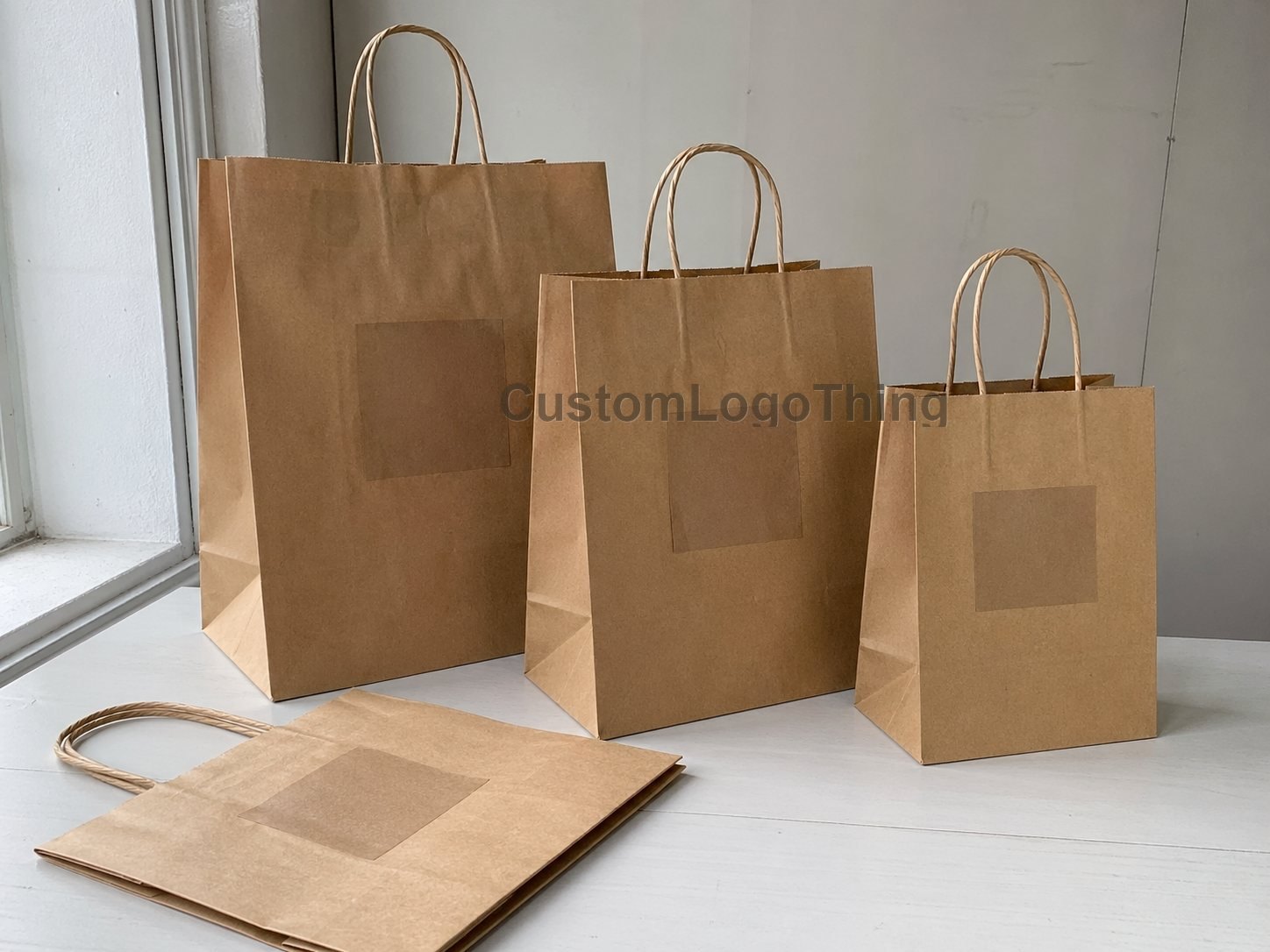
Chocolate brand Kraft Paper Bags lead time is not one block of time. It is a sequence of smaller steps, and each one can hold the order back if it is not settled. The process usually begins with inquiry and spec review, then moves into quoting, artwork setup, proof approval, material procurement, production, finishing, packing, and shipping. If one step waits, the whole order waits.
The quote stage stays quick when the buyer sends the bag size, quantity, print coverage, finish, and destination right away. With that information in hand, the supplier can check kraft paper stock, press capacity, and finishing-line availability. When the brief is incomplete, quoting turns into a chain of questions and revisions. That delay often matters more than the machine run itself, because nothing starts until the structure and artwork are locked.
Proofing is another place where time disappears fast. A dieline that looks fine on a screen can reveal awkward fit issues once it is matched to a real carton, insert, or chocolate assortment. If the brand needs a moisture barrier, a food-contact safe liner, or a custom handle, those details need review before production starts. Without that check, chocolate brand kraft paper bags lead time can slip while the factory waits on revised approval.
Standard kraft constructions tend to move with fewer surprises. A Printed Kraft Paper bag with a reinforced mouth, a basic cord handle, and one or two colors can usually stay on a predictable schedule when materials are already in stock. More involved builds - laminated liners, foil accents, window patches, special inks, or die-cut handles - add more work and more checkpoints. The more the bag behaves like premium gift packaging, the more carefully the calendar has to be watched.
Production planning in a packaging plant follows material availability, press capacity, finishing complexity, and the sequence that keeps waste under control. A run that uses common kraft paper often slips into the schedule faster than one that needs a specialty liner or a narrower recycled board grade. Repeat orders do move more quickly, but only when the artwork, die, and bag structure can be reused as-is. If a brand changes the size or the print area, chocolate brand kraft paper bags lead time can look like a repeat order on paper and a new order on the floor.
Plant time and true lead time are not the same thing. A factory may quote seven production days, then the order still lands later because the freight window is tight or customs adds friction. Buyers who want a real benchmark should ask for the full calendar, not just the machine slot. A useful way to think about it is in stages rather than one number:
- Proofing: 1-4 business days, depending on artwork readiness and revision count
- Material sourcing: 2-7 business days when a nonstandard kraft paper or liner is required
- Production and finishing: 5-12 business days for most custom paper bags
- Packing and shipping: 3-20 business days depending on route and mode
That breakdown helps because it shows where the time actually goes. It also makes one thing plain: chocolate brand kraft paper bags lead time is often more sensitive to approvals than to production speed. A factory can cut and fold bags quickly once the spec is settled. It cannot recover a week lost to unresolved artwork. And honestly, that is where a lot of avoidable pain starts.
When a verification benchmark matters, third-party standards are useful. If the packaging has to survive distribution abuse, the ISTA test standards deserve a look. If paper sourcing sits at the center of the brand story, the FSC certified sourcing framework gives clearer language for responsible fiber claims. Those references do not shorten chocolate brand kraft paper bags lead time by themselves, but they do help the order get specified correctly the first time.
Key Factors That Change Lead Time and Cost
Accurate planning starts with the levers that move both time and price. Quantity is the first one. Larger volumes often lower unit cost because setup and tooling are spread across more bags, but they also need more press time and more packing labor. Small runs can be quoted quickly, yet they are not always the fastest to produce if they interrupt the normal batching pattern.
Print coverage is another major variable. A one-color logo on natural kraft paper is usually easier than full-coverage print with several spot colors. Foil stamping, embossing, and debossing can add both setup time and labor time. Window film and laminated liners bring sourcing complexity. Special adhesives, heavy handles, or unusual gusset shapes can do the same. Each feature looks minor on a spec sheet, but together they can add several days to chocolate brand kraft paper bags lead time.
Material choice matters as much as decoration. Standard kraft stock is often easier to source than a specialty recycled materials blend or a paper grade with a precise caliper. If the brand wants post-consumer waste content, the supplier may need to check availability across multiple mills. If food-contact sensitivity is involved, the bag structure may need a food-safe liner or barrier layer. Many buyers underestimate the schedule here: the bag is not delayed because it is printed. It is delayed because the paper itself still had to be qualified.
Shipping can quietly become the longest part of the order. A domestic truck route may add only a few days after packing, while ocean freight can add weeks if the vessel window is missed. For international programs, freight booking should be treated as part of chocolate brand kraft paper bags lead time, not as a separate task. A bag that finishes on schedule but sits waiting for space on a carrier is still late in commercial terms.
MOQ shifts the economics too. A higher minimum order quantity usually lowers unit cost because the production line runs efficiently, but it can create storage pressure for a chocolate brand with limited warehouse space. A smaller MOQ may suit a seasonal flavor test, yet the per-bag price rises because fixed setup costs are spread across fewer units. In practice, buyers should ask whether they are optimizing for cash flow, warehouse room, or launch speed. Those three goals do not always point in the same direction.
| Order Type | Typical MOQ | Typical Lead Time | Indicative Unit Cost | Notes |
|---|---|---|---|---|
| Stock kraft bag with simple logo print | 1,000-3,000 units | 7-15 business days | $0.18-$0.32 each | Best for fast resets and limited artwork changes |
| Custom printed kraft paper bag | 3,000-10,000 units | 12-20 business days | $0.24-$0.48 each | More flexibility on size, print, and brand identity |
| Premium finish with foil, lining, or window patch | 5,000-20,000 units | 18-30 business days | $0.38-$0.85 each | More checks, more sourcing steps, and more finish time |
That table is a planning frame, not a promise. Final pricing depends on bag dimensions, board weight, coating, print method, and freight terms. Even so, the pattern stays steady: the more custom the bag, the more chocolate brand kraft paper bags lead time tends to stretch. The relationship is not perfect, but it is reliable enough to help a buyer set a launch date with less guesswork.
There is another cost point worth flagging. Faster schedules often carry a premium. If a supplier has to move a job ahead of other work, book urgent freight, or source a specialty kraft paper lot outside normal stock, the quote usually reflects that pressure. A rushed order is not just a calendar issue. It can turn into a budget issue very quickly.
Process and Timeline: From Quote to Delivery
Good planning starts with a complete brief. For chocolate brand kraft paper bags lead time, the most useful starting set is simple: bag size, quantity, artwork files, finish requirements, target ship date, and destination address. If the bag needs a liner, a window, a tear notch, or a specific handle style, those details should be included before the quote is issued. The more complete the brief, the more useful the timeline.
Once the brief goes out, ask for a calendar-based schedule rather than a loose production estimate. A real schedule should show proofing, material procurement, production, packing, freight booking, and customs if needed. That sounds basic, yet buyers still receive timing in fragments more often than they should. Without those milestones, chocolate brand kraft paper bags lead time turns into a guess instead of a managed plan.
- Send the full spec: size, quantity, print, paper grade, finish, and destination.
- Request a dated proof window: know when the dieline and artwork review will happen.
- Confirm the material path: standard kraft paper, FSC-certified stock, recycled materials, or a specialty liner.
- Approve with one revision buffer: most jobs benefit from at least one round of adjustments.
- Book freight early: the shipping slot should be held before the factory work is complete.
That sequence matters because a proof-stage delay can cost more than a short production delay. A packaging line can often recover a day or two if materials are ready. It cannot recover a week if artwork has to be redesigned after approval. Experienced buyers build in buffer time for one proof revision and one procurement delay because both are common enough to count as normal.
For chocolate packaging, the business risk usually ties back to launch timing. A new bar, gift box, or seasonal collection often has a fixed retail window. If the bags arrive after that window, the brand message loses force and the unboxing experience suffers. Nobody wants to launch a premium product with an ordinary supply chain scramble. Yet that is exactly what happens when chocolate brand kraft paper bags lead time is not mapped against the marketing calendar.
A simple rule helps: if the launch date is fixed, start the packaging order earlier than the marketing schedule feels necessary. A buyer may think there is plenty of time because the artwork file is nearly finished. In reality, the bag still has to be quoted, proofed, produced, packed, and shipped. Work backward from the retail date and give packaging the first protected slot, not the last leftover one.
Buyers who document the timeline tend to manage suppliers better. If the supplier says the run is ready for production on Tuesday, the buyer should know whether Tuesday means print start, finishing start, or ship-ready completion. Small wording differences can change the entire understanding of chocolate brand kraft paper bags lead time. Clear language beats optimistic language every time.
Cost, Pricing, and MOQ for Chocolate Kraft Bags
Pricing for chocolate brand kraft paper bags lead time is usually built from several pieces rather than one blanket number. The quote often includes kraft grade or board grade, print method, size, coating, finish, insert or liner requirements, packaging format, and freight. If any one of those items changes, the price can move more than a buyer expects. That is why comparing quotes line by line matters.
Unit cost usually falls as volume rises. The reason is simple: setup work gets spread across more bags. Plate creation, die setup, proofing, and first-run waste all sit on the front end of the order. Once that cost is absorbed, a larger run can be more efficient. The tradeoff is inventory. A chocolate brand that buys too many bags may save pennies per unit and tie up cash in storage for months. A smaller run may fit the budget better even if the per-bag cost is higher.
MOQ is not just a supplier preference. It often ties back to paper usage, print setup, and finishing-line waste control. A factory can produce a cleaner batch when the line is set for a stable quantity. Very small runs may still be possible, but they can look expensive because the fixed cost does not shrink much. If the brand is launching a new chocolate line, the best MOQ is not the lowest MOQ. It is the MOQ that matches sell-through forecasts and avoids dead stock.
Another place buyers get caught is quote comparison. Two offers may look similar until the details are checked: one uses heavier kraft paper, one includes a lining, one covers freight, and one does not. A quote that looks cheaper can become more expensive once shipping, waste allowance, and finish charges are added. For a true comparison, line up the following items:
- Bag dimensions and gusset depth
- Paper weight or board thickness
- Print coverage and number of colors
- Finish type, including matte, gloss, foil, or embossing
- Handle style and reinforcement
- Packaging format, carton count, and freight terms
Fast turnaround can cost more too. A supplier may need to move a job into a premium slot, source paper outside the normal replenishment cycle, or book a tighter freight option. That is not a penalty for the sake of it; it is the actual cost of compressing the schedule. If speed matters, expect the quote to reflect that. Chocolate brand kraft paper bags lead time and price are linked, and treating them as separate usually creates frustration.
For brands using kraft paper as part of a sustainability story, the material language has to be precise. Terms like FSC certified, recycled materials, and post-consumer waste should be backed by supplier documentation. If the packaging sits inside a broader move toward biodegradable packaging, buyers should verify what actually biodegrades, under which conditions, and whether any coatings or adhesives alter the claim. That level of detail protects both the brand and the retailer relationship.
There is also a brand-side question that gets skipped too often: how does the bag feel on shelf and during unboxing? A well-printed kraft bag can strengthen brand identity before the customer even opens the chocolate. A dull or awkwardly proportioned bag can make the product feel smaller than it really is. Packaging is never just a container, especially in confectionery. It is part of the perceived value.
Common Mistakes That Slow Orders Down
The most expensive mistake is simple: sending incomplete artwork or changing the design after proof approval. Once a proof is approved, the job usually moves into production planning. If the logo shifts, the copy changes, or the print area expands, the supplier may need a fresh setup step. That is how chocolate brand kraft paper bags lead time gets pushed back without warning.
Checking bag size before checking product fit is another common miss. A chocolate bar pack, a truffle assortment, and a seasonal gift set do not use the same internal space. If the bag is too small, the structure may need a dieline change. That can restart tooling or artwork work depending on the factory workflow. The mistake sounds basic, yet it still shows up because the buyer is focused on graphics while product dimensions are still being finalized.
Finish details create more delays than many buyers expect. Matte versus gloss sounds like a small visual choice, but it can change coating requirements. A food-contact safe liner may need a different supplier path than a simple paper insert. Foil, embossing, and window patches all need clear approval points. If the brief only says “premium finish,” the supplier has to ask follow-up questions, and those questions slow chocolate brand kraft paper bags lead time before a machine even starts.
Shipping misunderstandings are another repeat issue. Some buyers hear a production estimate and assume transit is already included. Usually it is not. A bag can finish on time and still miss the launch if freight booking is not secured early. That is especially true for international orders, where port congestion, customs handling, and carrier schedules can change the delivery date even when production stays on track.
Seasonal demand is a quieter risk. Chocolate programs often cluster around gifting, holidays, retail promotions, and event calendars. That means the same factories are handling more custom paper bag work at the same time. Even a simple order can wait longer in the queue during those periods. If the brand waits until the last quarter of the schedule to place the order, chocolate brand kraft paper bags lead time may expand simply because the production calendar is crowded.
A clean brief costs less than a rushed revision. In packaging, every unclear detail ends up as a calendar cost somewhere else.
One practical way to avoid these delays is to keep a reusable spec sheet. A brand that stores approved dimensions, paper weight, coating, handle style, artwork files, and supplier notes can reorder much faster than a brand that rebuilds the brief each time. If you want a reference point for how repeat packaging projects are commonly scoped and managed, the Case Studies page is a useful place to start.
Expert Tips and Next Steps for Faster Reorders
If a chocolate brand expects to reorder often, the smartest move is to build a packaging spec sheet that never gets lost. Include bag dimensions, paper grade, coating, artwork files, approved finishes, carton packing style, and any supplier-specific notes. That one document can shorten chocolate brand kraft paper bags lead time more than a rushed email chain ever will.
Ask for a calendar-based schedule every time. Not a vague estimate. A real calendar should show when the proof goes out, when approval is due, when materials are expected, when production starts, and when freight is booked. That lets the brand track the order without guessing. It also makes it easier to spot a delay early enough to do something about it.
Pre-approving a backup option helps too. If the preferred kraft paper grade is unavailable, what is the next acceptable stock? If the foil finish slips, can the brand move to a high-quality print-only version and still protect the launch? Those decisions do not weaken the order. They keep it moving. In a busy schedule, a backup option can save several days of chocolate brand kraft paper bags lead time.
Sample ordering is worth doing early, especially for new product lines. A sample bag confirms fit, structure, handle strength, print placement, and shelf presence before the main run begins. That lowers the chance of a late-stage correction. It also gives the team a better read on the unboxing experience, which matters more than many buyers admit. The bag may be kraft paper, but the impression is premium or plain depending on the details.
Here is the simplest planning rule I can offer: lock the dimensions first, lock the artwork second, and lock the shipping window third. That order is not glamorous, but it works. It keeps the project grounded in the three things that most often move chocolate brand kraft paper bags lead time - structure, approval, and freight.
When buyers treat the bag order like part of the launch plan instead of a late-stage purchase, the whole process calms down. The design team gets clearer deadlines. Procurement gets a cleaner comparison. Operations can plan warehousing. The final product arrives with the packaging intact, on time, and aligned with the brand identity. The practical takeaway is plain: decide the bag spec early, approve artwork once, and book freight before the run is finished if the launch date is fixed. That is the easiest way to keep chocolate brand kraft paper bags lead time under control.
How long is the lead time for chocolate brand kraft paper bags?
It depends on whether the bag is stock, printed, or fully custom, plus whether special finishes or liners are part of the spec. The fastest orders usually have final artwork, a confirmed size, and a clear quantity before production starts. Transit time should be added separately so the estimate reflects the real delivery date, not just factory time.
What slows chocolate brand kraft paper bags lead time the most?
Artwork changes after proof approval are a major delay because they can trigger new setup steps. Special finishes such as foil, embossing, or window patches often add scheduling and sourcing time. Incomplete specs can stall the quote stage before production even starts.
Do custom finishes change the turnaround for chocolate kraft bags?
Yes. Coatings, foil, embossing, and laminated liners usually add production steps and more quality checks. These options can also affect material sourcing, which changes the calendar before the bags are even run. If speed matters, ask which finishes are already in standard production flow.
How does MOQ affect the quote for chocolate brand kraft paper bags?
A higher MOQ usually lowers unit cost because setup and tooling are spread over more bags. A very small run can still be possible, but the quote may look higher because fixed production costs do not shrink as much. Compare MOQ with your launch forecast so you do not overbuy or underorder.
What should I send to get an accurate lead time estimate?
Send final bag size, quantity, artwork files, finish requirements, target ship date, and the destination address. Include whether the order needs food-safe lining, recycled kraft, or any structural changes. The more complete the brief, the more reliable the timeline and price will be.


