Pet Treat Poly Mailers cost less than many brand owners expect, but only if you look past the shiny headline price and add up the whole packaging bill. Unit price matters, sure, yet it rarely tells the full story by itself. MOQ, setup charges, print method, freight, storage, and the parts of the packing line the mailer replaces all shape the real number. In practice, pet treat poly mailers cost is not just a bag expense; it is the figure that decides whether you are also paying for a box, insert, dunnage, and extra labor you do not actually need. That comparison is the one worth making.
Why Pet Treat Poly Mailers Cost Less Than You Think
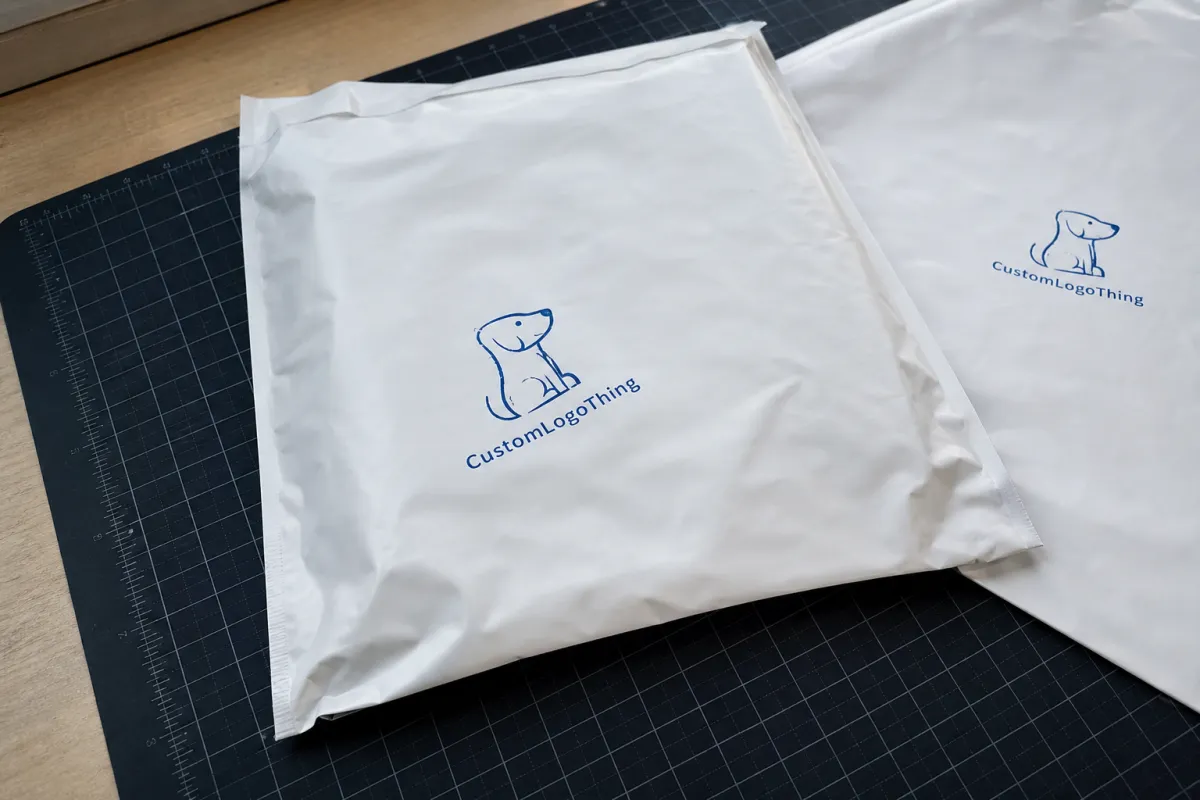
For many direct-to-consumer pet brands, pet treat poly mailers cost less than a box-based setup because one printed mailer can replace several packing materials at once. A single format can carry branding, shipping, and basic protection without asking the warehouse to assemble a carton, add an insert, and fill empty space with extra dunnage. That reduces touches, and touches are usually where the money leaks out of the operation.
In packaging reviews I have done over the years, the biggest surprise is almost always labor. Buyers focus on the film price, then realize the old carton build was eating time at every station. When the mailer folds flat, takes less shelf space, and packs in one motion, the savings show up in places that are easy to miss on a spec sheet. That is why pet treat poly mailers cost should be measured against the whole fulfillment stack rather than the printed film alone.
A mailer that stores flat uses less warehouse space than rigid packaging, which eases pressure on square footage. It also lowers inbound freight because you are not moving air, corrugated board, and loose packing materials around the country just to turn them back into a smaller shipping unit later. The unit price matters, but labor and shipping often matter more. A brand can save a few cents on the bag and lose dollars on the process if the format is awkward.
The most common mistake is overbuilding packaging for shelf appeal when most of the volume ships from a warehouse to a customer’s door. Oversized packaging looks polished in a deck, then starts costing real money once it adds paperboard, assembly time, and dimensional weight. For e-commerce and subscription orders, a leaner structure usually makes better financial sense. Done properly, it still feels premium. A clean print layout, the right film finish, and a tidy seal do more for the brand than a pile of unnecessary structure.
From a buyer’s perspective, pet treat poly mailers cost should be judged by total packaging cost per shipped order. That includes:
- Unit cost of the mailer itself
- Labor cost to pack each order
- Storage cost for finished goods and raw packaging
- Freight cost from supplier to your warehouse
- Damage cost if the package does not protect the treats properly
If the mailer can handle protection, branding, and shipping in one format, the math usually works in your favor. That is why pet treat poly mailers cost often comes in lower than buyers expect after they compare it to a printed carton and all the extras that follow it through the packing line.
Pet Treat Poly Mailers Cost: What You Actually Pay For
The quote is built from real inputs, not guesswork. Pet treat poly mailers cost comes from material usage, print method, bag size, finish, and the small production details that either make packing easier or push the factory to charge more. A supplier that quotes cleanly should be able to show those pieces in the number, even if they are not always broken out line by line.
The biggest drivers are usually the obvious ones: film thickness, overall dimensions, and print coverage. Larger mailers use more resin. Thicker film uses more material and more processing time. Full-bleed artwork needs more setup than a simple one-color design. Once you add metallic effects, matte lamination, spot gloss, or white underprint, pet treat poly mailers cost rises because the print sequence becomes more involved. A busy design can be beautiful, but it is not free.
Closure style matters as well. A standard peel-and-seal strip is common and usually economical. Tamper-evident adhesive adds value if the mailer is going directly to the consumer and the unboxing experience matters. Tear notches, reinforced seams, gussets, and extra barrier layers all affect the quote. None of those features are free. The real question is whether the feature pays for itself in day-to-day use. If it does not, it is just decorative spend in disguise.
There is also a difference between quote price and landed cost. Buyers get caught when they compare only the unit number and ignore tooling fees, setup charges, proofing, freight, and customs. One supplier may quote a lower piece price but load the order with higher tooling costs. Another may have a slightly higher piece price and lower logistics cost, with fewer surprises on the back end. That is why pet treat poly mailers cost needs to be reviewed as landed cost, not a headline figure.
Typical cost drivers that move the number
- Material gauge: lighter film can reduce price, but too thin becomes a false economy
- Size: larger bags need more resin and increase freight weight
- Print colors: more colors usually mean more setup work and a higher unit cost
- Finish: matte, gloss, soft-touch, and specialty coatings each affect pricing
- Barrier needs: odor control and moisture protection can require upgraded films
- Construction: gussets, zippers, and tamper seals raise cost and functionality together
The product inside the mailer changes the equation too. Crunchy biscuits behave differently from soft treats. Freeze-dried treats and oily snacks need better barrier performance to protect freshness and reduce odor transfer. If the product is delicate, pet treat poly mailers cost can rise because the film has to do more than sit there looking clean in a mockup. It has to help the product arrive intact and stay appealing by the time the customer opens it. That part is easy to underestimate until you see a few damaged bags come back from a shipping lane that was a little rougher than expected.
For buyers comparing structures, it helps to look at Custom Poly Mailers alongside other options in Custom Packaging Products. That comparison usually makes the real spend obvious. Sometimes the mailer is the smartest option by a wide margin. Sometimes a brand needs a heavier barrier structure. The point is to match the package to the product, not to the mood board.
Print method also shapes pricing. Digital print can make sense for shorter runs and frequent design changes. Flexographic print tends to work better at higher volumes and can bring pet treat poly mailers cost down over time. If your artwork stays stable and your reorder pattern is steady, flexo often becomes the more economical route. If your designs change often, digital may save you from paying for replates or extra setup cycles. Neither method wins every job. The right choice depends on volume, artwork stability, and how often you plan to reorder.
A cheap mailer is only cheap until it tears, prints off-register, or slows the packing line.
Specifications That Matter for Pet Treat Packaging
If you want accurate pet treat poly mailers cost quotes, the specs need to be set before pricing starts. Vague requests create vague answers, and vague answers make the numbers bounce around for no good reason. A supplier cannot quote seriously until the bag dimensions, film thickness, artwork coverage, and closure style are defined. That is not the factory being stubborn. It is how packaging production works.
Start with exact dimensions. A bag that is too tight bulges and looks awkward. A bag that is too large wastes material and raises freight. The fill ratio matters because it affects how the product presents once it is packed. For pet treat pouches, a clean fit usually looks better than a bag that appears stuffed to the corners. Buyers often underestimate how much the presentation changes when a flat mockup turns into a real packed unit.
Then decide on film thickness. Many Custom Poly Mailers for lightweight products sit in the 2.5 mil to 4 mil range, although some pet treat applications need more. If your treat has sharp edges, brittle pieces, or added weight, thicker film or reinforcement at the seals may be the better choice. Thicker is not automatically better, but too thin usually comes back as returns or complaints. That is a more expensive problem than a few cents of extra material.
Barrier requirements are another cost factor. Pet treats that carry moisture, odor, or oil need more protection than a dry snack in a simple retail bag. The mailer may need a better film blend, tighter sealing, or an inner lining strategy. That changes pet treat poly mailers cost because you are no longer buying a plain mailer. You are buying functional packaging that supports product quality during shipping and storage.
I have seen beautiful packaging concepts fall apart at this stage because nobody asked how the treats were actually behaving inside the bag. Oil migration, crumbs, and scent transfer all affect performance. Once you understand the product behavior, the spec becomes a lot easier to defend. And honestly, that kind of detail is what keeps the quote honest.
Specifications worth confirming before quoting
- Exact width and length after seals are included
- Film thickness in mils or microns
- Print area and whether the design is full bleed
- Seal type and whether tamper evidence is required
- Reseal needs for subscription or partial-use products
- Barrier target for moisture, aroma, and shelf stability
Compliance and labeling basics matter too. If the product is sold through retail channels, marketplaces, or subscription fulfillment, the mailer needs a clean surface for barcodes, lot codes, or regulatory language where applicable. If your line includes sustainability claims, keep those claims specific and supportable. The FSC chain-of-custody standards are a useful example of how third-party systems help buyers separate real documentation from attractive marketing copy. Not every pet treat project needs certified paper content, but the broader lesson holds: claims should be backed by traceable evidence.
Testing deserves attention too. Packaging buyers should ask whether the mailer has been evaluated for transit abuse, seal performance, or puncture resistance, especially if the treats travel long distances. The ISTA test protocols are widely used for shipping-package performance checks. If your product is expensive, fragile, or sensitive to rough handling, testing is not theater. It is cheaper than replacing damaged orders and apologizing to customers after the fact.
All of this affects pet treat poly mailers cost. Clear specs reduce guessing. Guessing inflates quotes. More important, good specs reduce rework later, which is where packaging budgets quietly disappear.
Pet Treat Poly Mailers Cost, Pricing, and MOQ Breakdown
Here is the simple version: pet treat poly mailers cost falls as volume rises, but not in a straight line. Low-volume orders carry a higher unit cost because the setup expense is spread across fewer bags. Once the order size moves up, the cost per piece usually drops faster than new buyers expect. That is where MOQ matters so much.
For a custom run, the MOQ is often tied to print method, bag size, and the level of customization. A simple construction with standard print can start in the low hundreds or low thousands of pieces. A more complex structure, especially one with extra barrier work or a more demanding print setup, may push MOQ higher. If one supplier says the minimum is 500 on one job and 5,000 on another, that does not mean the quoting is inconsistent. It means the production setup is different.
Setup charges and tooling fees belong in the conversation too. A first order may include plate charges, die charges, proofing costs, or sample fees. These are normal. They are the cost of getting the artwork onto a real production line with repeatable quality. What matters is whether the supplier explains them up front. Hidden fees are what turn a decent quote into a bad one. I would rather see a slightly higher but transparent quote than a low number that starts sprouting extras later.
| Order Volume | Typical Unit Cost | Common Setup Charges | Best Fit | Notes |
|---|---|---|---|---|
| 500-1,000 units | $0.18-$0.45 per piece | $75-$350 | Launches, testing, small reorder runs | Higher cost per piece because setup is spread across fewer bags |
| 2,000-5,000 units | $0.10-$0.24 per piece | $100-$500 | Stable online brands and subscription programs | Often the best balance of bulk pricing and inventory risk |
| 10,000+ units | $0.07-$0.16 per piece | Lower per-unit setup impact | High-volume programs and repeat SKUs | Best unit cost, but storage and cash flow matter more |
These ranges are planning ranges, not promises. Pet treat poly mailers cost can sit below or above them depending on size, film type, artwork coverage, and whether you need specialty features. A small one-color mailer with a standard seal will not price like a large full-coverage design with a matte finish and tamper-evident closure. Buyers who compare only one quote miss the slope of the curve. The useful question is not “what is the lowest number?” It is “what is the unit cost at the volume I will actually reorder?”
A smart quote request should ask for pricing at several volume points. I like to see 500, 1,000, 5,000, and 10,000 units whenever the project size justifies it. That shows where bulk pricing really starts to improve. It also reveals whether the supplier is pricing cleanly or padding the low end to look cheap. If the jump from 1,000 to 5,000 units is modest, you may want to order deeper and reduce your cost per piece. If the savings flatten out, the buyer can protect cash and keep storage pressure under control.
There is a trap here. Very low unit cost can look great until freight and inventory carrying cost get added back in. A huge order with the lowest pet treat poly mailers cost on paper may be a poor decision if the bags sit in storage for eighteen months. Small and mid-sized brands often do better with a run that matches the reorder cycle instead of chasing the cheapest piece price in the market. That kind of discipline keeps packaging budgets sane.
Ask whether the quote includes proofing samples and whether those samples are credited back on production. Some suppliers charge for sampling because the setup time is real. Fair enough. Just make sure you understand whether those charges roll into the final invoice. You want clean math, not a surprise stack of line items after approval.
How to compare quotes without getting fooled
- Compare the same dimensions and the same film thickness.
- Check whether print colors, finishes, and closures are identical.
- Ask if tooling fees, setup charges, and freight are included.
- Review landed cost, not just the bag price.
- Look at reorder pricing separately from first-run pricing.
That last point matters. The best first quote is not always the best long-term quote. If the supplier has a decent first-run number but a strong reorder structure, pet treat poly mailers cost may improve as your volume stabilizes. If you are building a lasting program, that matters more than shaving a few pennies off a one-time order.
Production Process and Timeline: From Proof to Delivery
The production path for custom mailers is fairly predictable if the buyer stays organized. It usually starts with spec confirmation, follows with artwork review, then moves into a digital proof, sample approval, production, inspection, and shipment. Each step helps keep pet treat poly mailers cost from creeping upward because of avoidable revisions. The more changes that arrive late, the more the budget suffers. Packaging production is unforgiving that way.
Most delays happen before the machine ever runs. Bad artwork is the usual culprit. Files that are not press-ready create rounds of back-and-forth. Fonts get replaced. Colors need correction. Bleeds are wrong. Someone wants to move the logo 4 mm after the proof has already been checked. Every one of those changes adds time and sometimes money. A clean file saves both.
Realistic timing depends on the order and the method. For a straightforward custom run, proofing may take a few business days, sampling may add another few days, and production may take 10-15 business days after approval. Complex jobs can take longer. If the order is large and ships by ocean freight, add transit time. Air freight moves faster but raises landed cost. Again, pet treat poly mailers cost should be judged with shipping included, not only factory pricing.
Seasonal demand matters too. Packaging schedules get crowded before major retail periods, subscription launches, and promotional pushes. If you wait too long to finalize specs, you may pay more for rush production or expedited freight. That is avoidable. The smartest move is to lock dimensions early, approve proofs quickly, and request samples before your reorder window gets tight.
I have watched perfectly good projects slip because no one built in a little breathing room. A week of cushion can save the launch, and that is not an exaggeration. Once the line is scheduled, the deadlines stop being theoretical.
Where the schedule usually stretches
- Artwork changes after proof review
- Unclear dimensions that force a second round of quoting
- Special finishes that require extra setup
- Shipping delays caused by freight method or customs checks
If you are launching a new SKU, build a small buffer into the schedule. That buffer is especially useful if more than one person needs to approve the final pack. Packaging gets delayed for silly reasons all the time, and a clean approval chain solves a surprising amount of it. A rushed approval chain, on the other hand, is kind of a magnet for avoidable errors.
For repeat orders, keep the approved spec sheet on file. That one habit reduces re-quoting and keeps pet treat poly mailers cost steadier over time. The fewer unknowns you introduce, the easier it is to reorder on schedule without paying for fresh mistakes.
Why Buy From Us for Pet Treat Poly Mailers
Buying packaging is not only about landing the lowest number. It is about getting the same result every time. Consistent color, clean seals, and print that lands the same way on each run matter more than a quote that looks cheap and then slips on quality. For pet treat brands, consistency protects the product and the brand at the same time. That is where pet treat poly mailers cost becomes a business decision rather than a procurement line item.
We focus on practical packaging choices. That means the spec gets built around how your treats ship, how they store, and how customers actually open the mailer. If the product carries a strong odor, the film choice needs to reflect that. If the treats are fragile, the seal and thickness need more attention. If the brand wants a cleaner retail presentation, finish and print coverage should be planned before the order is placed. No mystery. Just packaging that behaves the way it should.
Good communication saves money. That sounds obvious because it is. When specs are clear, the quote is cleaner, the proof is cleaner, and the production run is less likely to need correction. Every avoided mistake keeps pet treat poly mailers cost from bloating. I would rather talk through the tradeoffs early than see a buyer pay for a reprint later because nobody asked the right question at the start.
Inspection and production control matter too. A cheap supplier that lets color drift or seal quality slip can cost far more than the savings from the low bid. Returns, repacks, and customer complaints are not theoretical. They hit cash flow directly. If packaging fails in transit, the savings disappear. That is why a slightly higher price from a controlled run can be the better buy.
We also keep the process straightforward for buyers who need more than one packaging component. If your program also needs cartons, inserts, or complementary packaging, start with Custom Packaging Products and build from there. That keeps the packaging system aligned instead of assembled from five unrelated suppliers who do not coordinate with each other.
A good packaging partner does not just quote the job. They help you avoid buying the wrong spec in the first place.
That is the part most brands remember later. A clean quote is nice. A clean reorder is better. The goal is a supplier who can keep pet treat poly mailers cost predictable, the artwork stable, and the timeline under control. Fancy talk does not help. Delivery does.
Next Steps to Lock in Pet Treat Poly Mailers Cost
If you want a useful quote, send the basics first: bag size, product weight, finish preference, number of print colors, and your target order volume. That is enough to start a real conversation about pet treat poly mailers cost instead of guesswork. The more exact your inputs are, the more useful the quote becomes.
I would also request at least two options. One should be the practical choice for your current volume. The second should show what happens if you move up or down in construction, print coverage, or order size. That comparison makes the tradeoff visible. Sometimes the cheaper option is actually the better one. Sometimes spending a bit more lowers your cost per piece enough to make the whole program healthier.
Before production, approve a sample or proof. That matters a lot if the design has tight registration, heavy coverage, or any special finish. A sample lets you check size, seal behavior, and how the artwork reads in real light, not just on a screen. For new packaging, a sample is cheap insurance. Reprinting a bad run is not.
Think about reorder timing early. Packaging should not hit a panic point. If the line is moving and inventory is falling, you are already late. Build a reorder trigger based on your actual usage, not your hope. That one habit keeps pet treat poly mailers cost from rising because of rush freight and urgent production fees.
Here is the simplest path: send specs, ask for a landed quote, compare pricing by volume, and confirm the best run size before you commit. That sequence gives you a real view of pet treat poly mailers cost, not a flattering screenshot of a random unit price.
For buyers who want the right packaging without paying for extras they do not need, that is the whole job. Keep the spec tight, keep the quote honest, and keep the reorder plan ahead of demand. Do that, and pet treat poly mailers cost becomes manageable instead of annoying.
How much do pet treat poly mailers cost per unit?
Unit cost depends on size, print coverage, film thickness, and order volume. Small runs usually cost more per bag because setup is spread across fewer units. For that reason, ask for pricing at several volumes so you can see where pet treat poly mailers cost starts to drop. If a quote looks unusually low, check whether it assumes a thinner film or fewer print features than you expected.
What MOQ should I expect for pet treat poly mailers cost quotes?
MOQ usually changes with print method, customization level, and bag construction. Standard custom runs often start at a few hundred to a few thousand pieces, while more complex packaging can push the minimum higher. If you need special finishes or extra structure, expect pet treat poly mailers cost to reflect that. A supplier should be able to explain the reason instead of just dropping a number on the page.
Does print color change pet treat poly mailers cost a lot?
Yes. More colors usually mean more setup complexity and a higher quote. Full-bleed artwork, metallic effects, and specialty finishes also move the number up. If your goal is to trim spend, limiting colors is one of the fastest ways to bring pet treat poly mailers cost down. Even a modest reduction in artwork complexity can make a difference across a reorder cycle.
How long is the lead time for custom pet treat poly mailers?
Lead time depends on proof approval, production load, and shipping method. Simple orders move faster than complex, full-color jobs with custom features. In many cases, the schedule is faster when artwork is ready on day one, which keeps pet treat poly mailers cost from rising through rush handling. If the order needs ocean freight, build in transit time so the launch does not get squeezed.
Can I get a sample before I commit to a full order?
Yes, and you should. Samples are the safest way to check size, print quality, finish, and fill fit before mass production. For new packaging, sampling is usually cheaper than reprinting a bad run, and it protects pet treat poly mailers cost from avoidable mistakes. A good sample review is the easiest place to catch problems that would be expensive later.