Pet treat Shopping Bags Bulk Orders are not just a purchasing decision. They shape your margin, your shelf presence, and how often you have to scramble through another rushed reorder because the last bag was the wrong size, the wrong film, or the wrong finish. If you sell treats every week, the bag has to do real work: protect freshness, carry branding, and hold up through storage, shipping, and retail handling without turning into a headache.
Most brands do not lose money because they picked the fanciest pouch. They lose money because they kept buying the wrong one. Small run after small run, freight keeps showing up, setup fees keep showing up, and the product still looks inconsistent. That is exactly why pet treat shopping Bags Bulk Orders make sense for repeat sellers, retail programs, and seasonal promotions that need stable supply and a predictable spec.
Pet Treat Shopping Bags Bulk: Why Bigger Orders Pay Off
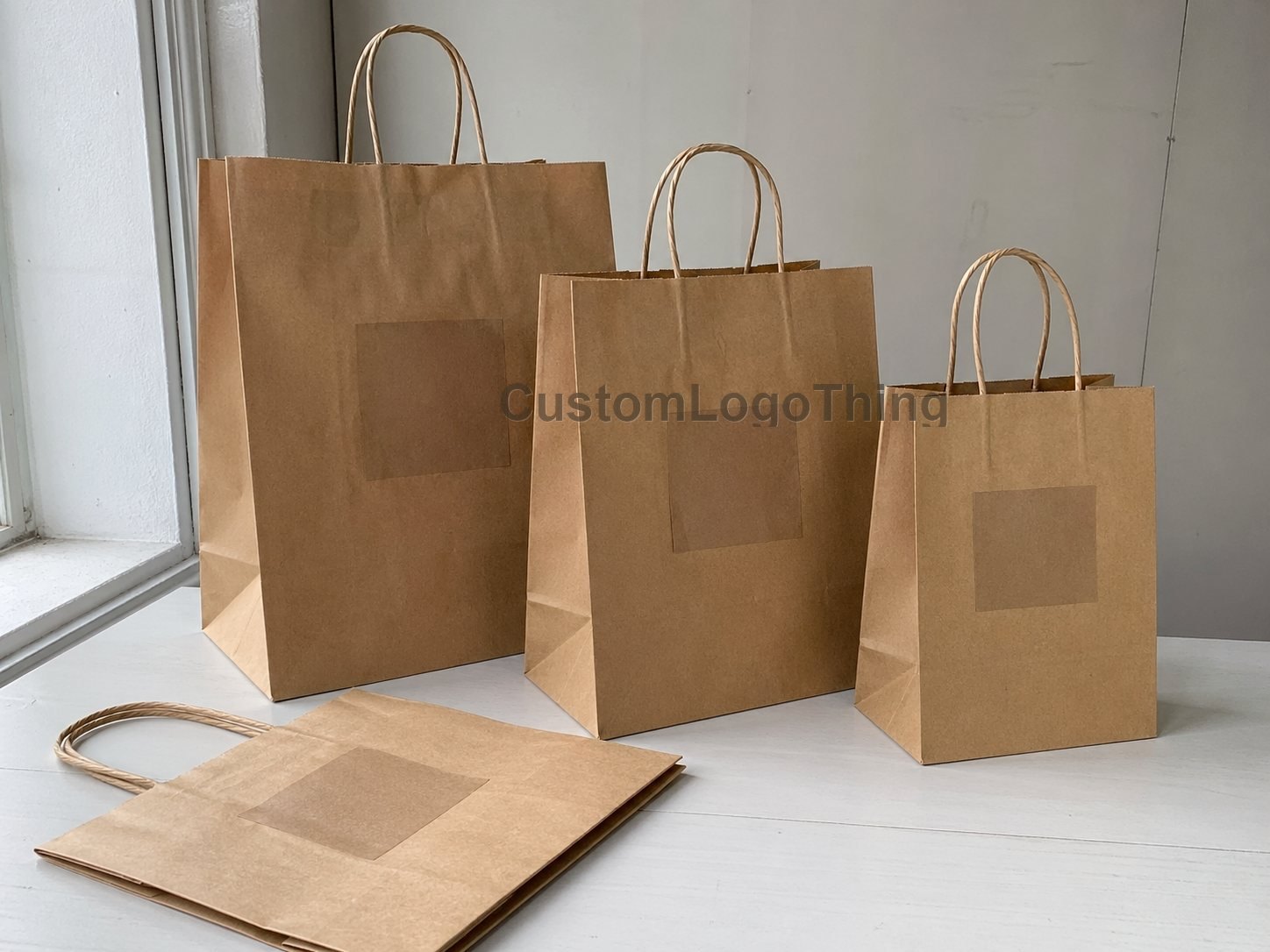
For a pet brand, pet treat shopping bags bulk buying usually starts with a simple math problem. A small reorder may feel safer, but it often costs more per unit once you add freight, plate or setup charges, art revisions, and the time lost managing each tiny run. If the SKU already sells, bulk gives you a cleaner cost structure and fewer interruptions. That is not hype. It is basic operations.
Bulk also helps when the package needs to stay the same across channels. Retailers want the same artwork, the same dimensions, and the same barcode placement on every shelf. E-commerce wants the same bag in every shipping carton so fulfillment does not turn into guesswork. If your brand runs pet treat shopping bags bulk consistently, your inventory team and your customers both stop paying for inconsistency.
The hidden cost is not always visible on the quote. One weak bag style can hurt shelf appeal, leak resistance, and customer trust in a hurry. A pouch that wrinkles badly, seals poorly, or opens too easily does not just look sloppy. It creates returns, complaints, and wasted product. I have seen brands chase a lower unit price and then spend more recovering from the mistake than they saved on the order. That part is never fun, and it is kinda avoidable.
The cheapest bag is usually the one you only buy once.
That is why pet treat shopping bags bulk orders work best when the product already has predictable demand. They are a good fit for treats with repeat purchase behavior, subscription programs, club stores, and brands that run the same packaging across multiple flavors. If you know the size is right, the artwork is final, and the fill weight is stable, the bulk run becomes a margin tool instead of a headache.
There is also a planning benefit. Once a brand commits to pet treat shopping bags bulk, it can schedule production around sales cycles instead of reacting to them. That means fewer air shipments, fewer emergency approvals, and fewer half-baked packaging changes two weeks before launch. Buyers who treat packaging as part of operations, not decoration, usually end up with cleaner numbers and fewer surprises.
Product Details for Pet Treat Shopping Bags Bulk Orders
Pet treat shopping bags bulk orders can cover several different structures, and the right one depends on how the treat is sold. Flat pouches are compact and efficient for smaller fill weights. Side-gusset bags give you a more traditional retail profile and stack well in cartons. Stand-up pouches are a common choice for shelf visibility, especially when the brand wants a stronger front panel and better display impact. Zipper bags add resealability, which matters when the customer is not finishing the treat in one sitting.
Hang-hole options are worth considering if the product will sit on peg hooks or clip strips. That is a small detail that many buyers forget until the retail buyer asks for it. In pet treat shopping bags bulk programs, small retail features like a euro slot, tear notch, or laser score can change how easy the bag is to shop and use. Those details are not decorative. They affect the buying experience and, in the real world, the speed at which the product moves.
Different treat types behave differently in the bag. Soft chews can compress and stick. Jerky can have oil migration. Biscuits can be brittle and create dust. Freeze-dried pieces are light and need good volume control so the bag does not look underfilled. Training treats often need smaller pack sizes and a reseal feature because the consumer opens and closes them often. If the structure does not match the product, the packaging will tell on you fast.
Branding features matter too. Matte finishes tend to read more premium and natural. Gloss accents can sharpen contrast and help color pop. Spot UV can highlight a logo or ingredient callout, but it should be used with restraint. Transparent windows work well for products with strong visual texture, although they can reduce the available print area and sometimes limit barrier performance. Pet treat shopping bags bulk buying is the time to decide what the shelf story should be, not after the production file is already locked.
For buyers who are comparing formats, the practical question is simple: what does the bag need to do in the first five seconds on shelf? If the answer is “show freshness,” a clear panel may help. If the answer is “stay premium,” a matte laminated pouch with clean typography may be the better move. If the answer is “move fast through retail and e-commerce,” then the structure has to be easy to fill, easy to seal, and easy to ship.
For broader packaging terminology and market context, resources from the packaging industry association can help buyers speak the same language as converters and print teams.
Materials, Sizes, and Print Specs for Pet Treat Shopping Bags Bulk
Material choice drives a lot of the outcome in pet treat shopping bags bulk orders. PET/PE laminates are common because they balance print quality, stiffness, and seal performance. BOPP structures are popular when a brighter print face and a crisp retail appearance matter. Kraft-look laminates give a more natural presentation, but buyers should not assume they are automatically more sustainable just because they look brown. Recyclable structures are getting more attention, though the exact options depend on product needs, local recycling systems, and barrier requirements.
If freshness is important, barrier matters more than aesthetic trends. Odor control, moisture resistance, and oxygen resistance all affect how the treat performs over time. Freeze-dried items and oily snacks often need better barrier layers than dry biscuits. A bag that looks good but lets aroma escape is not a smart buy. Pet treat shopping bags bulk programs should start with the product, not the artwork mockup.
Size should be based on net weight, fill density, and the amount of headspace needed for sealing and presentation. Do not pick a competitor's bag size just because it looks close enough. Two products with the same ounce weight can require very different pouch dimensions. A dense biscuit will pack differently from airy freeze-dried pieces, and a jerky strip bag often needs a different gusset profile than a training treat pouch. The right size is the one that fills cleanly without looking bloated or half empty.
Print specs are where buyers often lose time. Ask whether the artwork will be printed in CMYK or with spot colors. Confirm the number of print sides and whether white ink is needed on a clear or metallic film. Decide if the finish is matte, gloss, soft-touch, or a mix. Ask for dieline cleanup before proofing so the art team is not fighting a bad file while the schedule slips. In pet treat shopping bags bulk orders, a clear art handoff saves more money than most people realize.
Do not ignore the closure system. A zipper is useful for products that are not consumed in one sitting, but it adds cost and can change the production structure. Tin ties can work on paper-forward bags, though they are not ideal for every treat. Heat-seal closures remain the standard for product protection, but the seal area must be clean and the film must tolerate the sealing temperature on your line. If crumbs or oils interfere with sealing, the pouch can fail even when the artwork is perfect.
Food-contact expectations also matter. Ask for current declarations for the film, adhesive, and ink system if your market requires them. If you are using a paper-heavy construction and the supply chain calls for fiber sourcing documentation, FSC certification standards are worth checking early instead of after the order is already quoted.
For shipping and transit, ask whether the bags or finished cartons should be checked against ISTA transit testing protocols. That is especially useful if your bags are going direct to retailers or fulfillment centers that are rough on cartons. A pouch can print beautifully and still fail in the real world if the outer packaging is not considered.
Cost, Pricing, and MOQ for Pet Treat Shopping Bags Bulk
Pet treat shopping bags bulk pricing depends on several moving parts. Material thickness, bag size, print coverage, finish, quantity, and shipping method all affect the final number. A simple one-color pouch will usually land lower than a full-color bag with matte lamination, spot UV, and a zipper. Bigger quantities reduce the unit price, but only if the structure is already defined and the artwork is ready. Otherwise the savings disappear into revisions and delay.
MOQ matters because not every brand needs the same volume. A newer SKU may be smarter with a smaller run if demand is still unproven. A stable seller should usually push toward a larger order because the unit economics improve quickly once setup costs get spread across more pieces. That is the tradeoff. Smaller runs protect cash. Larger pet treat shopping bags bulk runs protect margin.
| Option | Typical Quantity | Common Unit Range | Best For | Main Tradeoff |
|---|---|---|---|---|
| Stock-style pouch with custom print | 5,000 to 10,000 | $0.18 to $0.32 | First tests, smaller launches, limited flavors | Lower commitment, fewer format choices |
| Low-MOQ custom pouch | 10,000 to 25,000 | $0.14 to $0.24 | Growing brands that need retail-ready branding | Good balance, but setup still matters |
| High-volume bulk run | 25,000 to 100,000+ | $0.09 to $0.18 | Repeat sellers, multi-store distribution, private label | Best unit cost, higher cash commitment |
Those numbers are not quotes. They are practical ranges so buyers know what to expect. A higher barrier film, a zipper, a special window, or heavy ink coverage will push the price up. Bigger bags also use more material, so a 12 oz pouch is not going to price like a 2 oz pouch. If a supplier gives you one line item without explaining size, film, print sides, and finish, the quote is not being compared fairly.
That is why quote requests should be identical across vendors. Same size. Same material. Same print sides. Same finish. Same zipper or closure. Same ship terms. Same quantity. If one quote assumes FOB origin and another includes delivery to your warehouse, the numbers are useless until you normalize them. Pet treat shopping bags bulk buyers save the most when they compare landed cost, not just the lowest line price.
There is also a difference between cheap and efficient. A bag that costs less but creates line trouble, seal failures, or a poor shelf presentation is not really cheaper. It is just delayed pain. The better buying question is whether the packaging supports the SKU at a cost that still leaves room for profit. That is where a supplier with real packaging guidance can make a difference.
Many brands use the Wholesale Programs page to organize repeat orders and plan upcoming SKUs together instead of treating every pouch as a one-off purchase. That makes it easier to lock in pricing across flavors and reorder from a known spec.
Practical buying tip: request pricing at three quantity breaks, not one. A small test quantity, a middle run, and a true bulk run will show where the unit cost starts falling sharply. Sometimes the savings are modest. Sometimes the next tier is where the economics finally make sense.
Process, Timeline, and Lead Time for Pet Treat Shopping Bags Bulk
The usual production path for pet treat shopping bags bulk orders is straightforward, but the schedule still gets derailed by small mistakes. It usually starts with an inquiry and quote, followed by artwork review, proof approval, production, quality inspection, and shipping. That sounds simple. It is simple. The problem is that one slow approval can push the whole timeline back.
Lead time depends on the bag structure. Stock-style Bags with Custom print often move faster because fewer setup variables are involved. Fully custom structures take longer because the film, dimensions, printing layout, and sealing details have to be aligned before production starts. As a rough planning range, many printed pouch projects run about 12 to 18 business days after proof approval, while more custom builds can stretch longer depending on quantity and finishing. Shipping time is separate, which is where a lot of buyers get caught.
The most common delay points are embarrassingly predictable. Late artwork. Missing dielines. Color notes that say “make it pop” instead of giving a Pantone reference. Slow proof approvals. A buyer who ignores those risks ends up paying for the rush later. Pet treat shopping bags bulk orders should be scheduled backwards from the actual launch date, not from the day the quote was first requested.
There are also production details that help avoid problems. Ask how the supplier checks registration, seal integrity, and print alignment. Ask whether a pre-production sample or virtual proof is included. If the packaging will ship to a retailer, ask for master carton counts, pallet pattern, and case pack details. If the bag has a zipper or tear notch, confirm those elements before the proof is signed. Once the production file is released, changes can become expensive quickly.
A clean proof approval beats a fast mistake. Every time.
Planning matters even more for promotions and retail resets. Seasonal product launches tend to compress timelines, and that is where pet treat shopping bags bulk projects can go sideways. If the bags are due before a national chain reset or a holiday display, build in extra time for art revision and freight. The people who say “we still have plenty of time” are usually the ones paying for overnight shipping later.
Transit testing and carton protection are worth discussing at this stage too. For higher-volume runs, ask whether the finished cases should be checked against relevant ISTA testing standards or related drop and compression protocols. If the outer carton fails, the pouch inside does not matter very much. Packaging is a system, not a single object.
One more practical point: keep reorder notes. Save the approved dieline, the final material spec, the exact quantity, the seal settings if available, and any feedback from the fulfillment team. That makes the next pet treat shopping bags bulk run faster and less error-prone. A good reorder file is worth more than most people admit.
Why Choose Us for Pet Treat Shopping Bags Bulk and Next Steps
Buyers usually want three things from a packaging supplier: consistent print quality, clear communication, and packaging advice that does not sound like a sales script. That is the real value in pet treat shopping bags bulk support. If the supplier helps you Choose the Right size, checks the art before print, and flags structural risks early, the order is easier to manage and the result usually looks better on shelf.
Strong support also protects margins. A supplier who understands materials, sealing, and artwork flow can keep you from ordering the wrong combination of film and finish. That matters because the wrong choice often looks fine in a PDF and causes problems in production. If you are buying pet treat shopping bags bulk for multiple SKUs, that kind of guidance pays for itself quickly. You do not need drama. You need fewer errors and a cleaner handoff from quote to press.
Here is the buying checklist I would use before sending a quote request:
- Bag style: flat pouch, side-gusset bag, stand-up pouch, or zipper format.
- Target fill weight: the actual net weight, not a guess.
- Artwork files: editable vector logo, copy, and brand colors.
- Finish preference: matte, gloss, soft-touch, or mixed effects.
- Quantity range: at least two or three break points for comparison.
- Closure needs: zipper, tear notch, heat seal, or hang-hole.
If the brand is still building demand, a smaller pilot run may be the right move. If the SKU is already selling, pet treat shopping bags bulk buying usually wins on cost and consistency. The decision should be based on actual reorder behavior, not optimism. Optimism does not pay freight bills.
For recurring buyers, the Wholesale Programs page is a good place to keep the buying process organized so the next packaging run does not start from zero. Repeat orders get easier when the spec is documented and the supplier already knows the format.
Before final approval, compare at least two options by landed cost. Include freight. Include handling. Include any setup or tooling charges. Then lock the bag size before final print review so the packaging fits the product, not the other way around. That sequence matters. It keeps pet treat shopping bags bulk orders tied to the SKU, the shelf plan, and the budget instead of a last-minute scramble.
If you want the short version, it is this: confirm the structure, approve the proof, schedule production, and save the reorder notes. Do that well and pet treat shopping bags bulk becomes a repeatable system instead of a recurring headache. That is the part most buyers actually want.
Send the spec sheet, the target quantity, and the artwork file set in one pass, then compare the quotes on the exact same basis. That is the cleanest way to keep pet treat shopping bags bulk tied to real numbers instead of guesses, and it leaves you with a package that fits the treat, the shelf, and the production line without extra drama.
How many pet treat shopping bags bulk should I order for a first run?
Start with the quantity that covers one full sell-through cycle plus a small buffer for damage, promos, and reorders. If the SKU is new, do not overbuy on day one just to chase a lower unit price. Ask for pricing at two or three quantities so you can see where the unit cost drops in a meaningful way. That is the only honest way to judge pet treat shopping bags bulk order size for a new product.
What affects pet treat shopping bags bulk pricing the most?
Material structure, bag size, print complexity, finish, and quantity usually drive price more than anything else. Higher barrier films and features like zippers or windows raise cost, but they can improve shelf life and conversion. Shipping terms and the final packaging format also affect landed cost. In practice, pet treat shopping bags bulk pricing changes most when you change the film or the print spec.
Can pet treat shopping bags bulk orders include a resealable zipper?
Yes, many treat bags can be made with a zipper for freshness and repeat use. A zipper adds cost and may affect minimum order requirements, so confirm it early. It is a smart choice for products customers do not finish in one sitting. For pet treat shopping bags bulk programs, zipper bags are common for premium treats, training snacks, and products with multiple servings.
What artwork files do I need for pet treat shopping bags bulk printing?
Send editable vector files when possible, plus any brand color references and logo assets. A proper dieline review matters because artwork has to match the bag structure and print areas. If you are missing some files, ask for art support before production starts. That is especially true for pet treat shopping bags bulk orders with multiple panels, windows, or special closure zones.
How long does pet treat shopping bags bulk production usually take?
Timeline depends on bag style, artwork approval speed, and whether the structure is stock-based or fully custom. Proof approval is the most common delay, not the press itself. Build extra time if the order must arrive before a product launch or retail reset. For pet treat shopping bags bulk projects, a realistic schedule is always better than a hopeful one.

