Buyer Fit Snapshot
| Best fit | Plant Based Packaging Boxes Wholesale for Bulk Brands projects where brand print, material claims, artwork control, MOQ, and repeat-order consistency need to be specified before quoting. |
|---|---|
| Quote inputs | Share finished size, material target, print colors, finish, packing count, annual reorder estimate, ship-to region, and any compliance wording. |
| Proofing check | Approve dieline scale, logo placement, barcode or warning zones, color tolerance, closure strength, and carton packing before bulk production. |
| Main risk | Vague material claims, crowded artwork, missing packing details, or unclear freight terms can make a low unit price expensive after revisions. |
Fast answer: Plant Based Packaging Boxes Wholesale for Bulk Brands should be specified like a repeatable production item. The safest quote records material, print method, finish, artwork proof, packing count, and reorder notes in one written spec.
Production checks before approval
Compare the actual filled-product size with the drawing, then confirm tolerance on folds, seals, hang holes, label areas, and retail display edges. Reserve space for logos, QR codes, warning copy, and material claims before decorative graphics fill the panel.
Quote comparison points
Review material grade, print process, finish, sampling route, tooling charges, carton quantity, and freight assumptions side by side. A quote is only useful when the supplier can repeat the same color, closure quality, and packing count on the next order.
Plant based packaging boxes wholesale are not a virtue signal. They are a buying decision, and a fairly practical one at that. Brands need packaging that protects the product, looks credible on a shelf, survives a warehouse, and arrives without looking tired after transit. Material matters. So do caliper, score depth, adhesive choice, print setup, and closure design. Miss those details and even the cleanest sustainability story starts to wobble.
For Custom Logo Things, the strongest wholesale programs are the ones that turn packaging into a repeatable system instead of a one-off project. The box should look right, ship right, and reorder right. Plant based packaging boxes wholesale work especially well for retail cartons, subscription kits, food packaging, cosmetics, and e-commerce programs where the package has to do more than sit nicely in a mockup.
I keep seeing the same mistake. Buyers ask for the “greenest” box before they ask whether the box fits the product, the shipping method, and the finish they actually need. That order of operations is backwards. A box that checks the sustainability box but fails in transit is not economical, and it is not very sustainable either once replacements and returns enter the picture. I’ve had brands come in convinced they needed a compostable liner, only to find the bigger issue was a flimsy board grade. Plant based packaging boxes wholesale deserve a production-minded review, not a vague promise dressed up as branding.
One more thing: “plant based” does not automatically mean home compostable, recyclable everywhere, or right for direct food contact. Those claims have to be backed up by the material spec and the end-use conditions. If a supplier can’t explain that clearly, the invoice is probably prettier than the truth.
Why plant based packaging boxes wholesale make practical sense
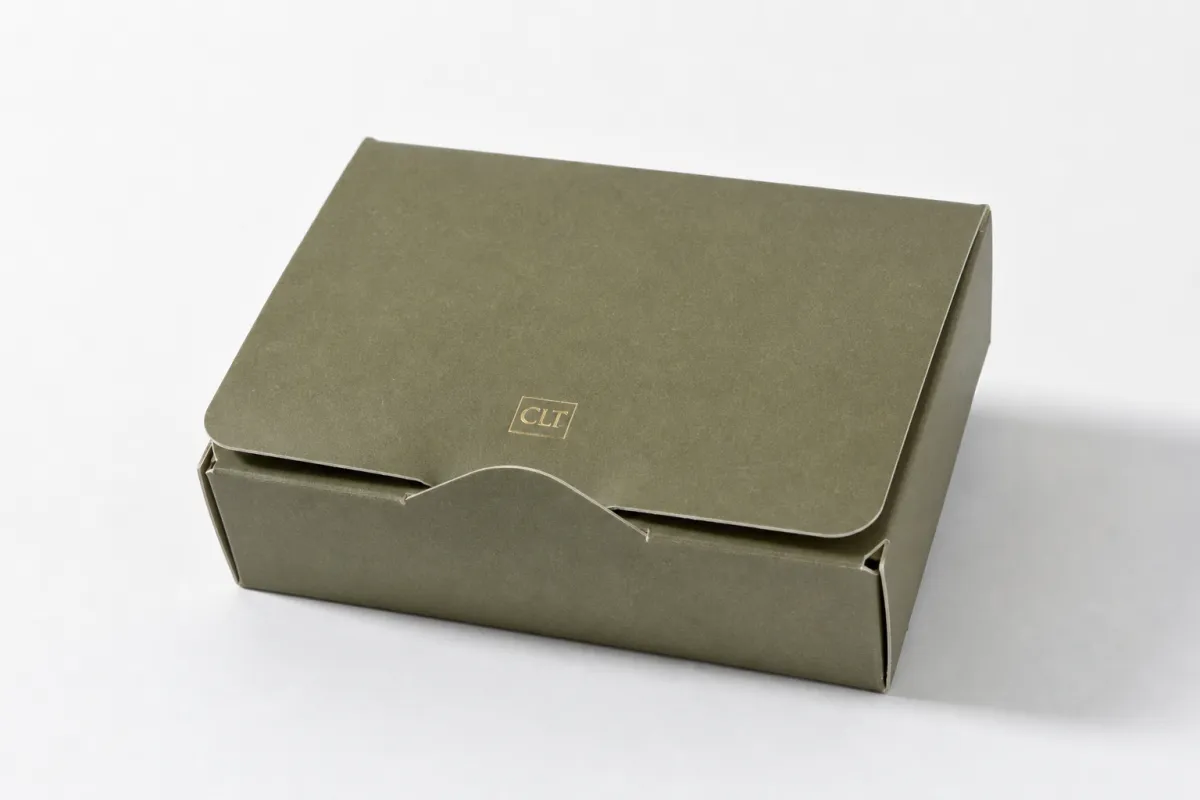
Many buyers do not expect the real failure point. It is rarely the plant-based material itself. It is the structure around it. A box can be made from a good fiber source and still crush if the board is too light, the insert is loose, or the score line was cut too aggressively. Plant based packaging boxes wholesale make sense when the supplier treats the package as a working structure, not a sustainability label slapped onto a weak design.
The wholesale model is where the economics start to make sense. Once the dieline is approved and the artwork is locked, repeat orders become more predictable, unit pricing settles, and the brand gets consistency batch after batch. That consistency matters in retail, but it matters just as much in fulfillment, where a stable spec reduces packing errors and warehouse confusion. Plant based packaging boxes wholesale are strongest when they are built for repeat production, not one lucky run.
Plant-based substrates cover more ground than many teams assume. Sugarcane bagasse, bamboo fiber, agri-fiber blends, and paperboard with plant-derived or water-based coatings each behave a little differently. That variety is useful. A cosmetics brand may want a smoother print face and tighter color control. A food brand may want visible fiber texture that signals the material story immediately. Either way, plant based packaging boxes wholesale can be tuned to the product and the channel.
The business case is stronger than the marketing language around it. Wholesale buying locks in repeatable specs, steadier print results, and better unit economics after the design is approved. That helps whether you are launching something new or replacing a patchwork of packaging that has grown messy over time. A tidy packaging system cuts down on back-and-forth between purchasing, design, and operations, which is one of the less glamorous advantages of plant based packaging boxes wholesale.
There is also a consumer-trust angle that gets ignored too often. People can feel the difference between a thoughtfully made fiber box and a glossy, overworked package that is trying a bit too hard. The natural texture, when used well, does half the talking for you. For some brands, that is enough. For others, an embossed logo or a restrained spot-color print gives the package a sharper edge without losing the material story.
“The best sustainable box protects the product first and still gives the brand a clean, believable story.”
That logic fits plant based packaging boxes wholesale when the package has to do three jobs at once: protect the product, present the brand well, and keep procurement predictable at scale. Brands comparing broader custom printed boxes can start with the range at Custom Packaging Products, and teams planning recurring replenishment can review Wholesale Programs to see how repeat ordering works around stable specs.
Material also shapes trust. A customer can see and feel the fiber, and that tactile quality often says more than a glossy finish ever could. For some categories, a natural matte surface is enough. For others, a restrained logo, an embossed mark, or a clean die-cut window creates a premium feel without drifting into wasteful construction. Plant based packaging boxes wholesale give brands room to choose how much finish the product truly needs.
Plant based packaging boxes wholesale product details and material options
Start with the box style. Structure drives the rest. Tuck-end cartons suit lightweight retail packaging, sleeve boxes work well when the reveal matters, mailer-style shippers serve e-commerce, rigid presentation boxes support premium goods, and custom inserts stabilize fragile items. The right format depends on whether the package is trying to sell on a shelf or survive a parcel network. That choice shapes every plant based packaging boxes wholesale order.
Material choice changes feel and function together. Molded fiber and bagasse create a natural, tactile look with strong eco cues, while plant-based paperboard gives a smoother print surface and more control for fine graphics. If the brand needs photography, tiny type, or a full-wrap color field, paperboard is usually the safer route. If the brand wants visible fiber texture and less ink coverage, molded options can be more persuasive. Either way, plant based packaging boxes wholesale should be spec’d for the product, not the mood board.
Finish options still matter, even on lower-impact packaging. Aqueous coatings, water-based inks, embossing, debossing, and minimal-laminate construction can all support a premium result without overcomplicating the build. If a project truly needs extra gloss or abrasion resistance, that can be done, but the decision should follow handling needs and shelf life, not a habit of adding shine because it looks expensive. The cleanest plant based packaging boxes wholesale programs are often the ones that keep finishes disciplined.
Barrier needs should be discussed early. Dry food, cosmetics, and moisture-sensitive items may need a coated interior, a liner, or a secondary pouch. The coating and the inner packaging should be chosen together; otherwise the box can look right while the product inside loses protection. That is a common oversight in packaging sourcing, and it is easy to avoid when the quote asks about the full pack-out instead of the outer carton alone. Many plant based packaging boxes wholesale orders improve after that one conversation.
Buyers should ask for sustainability details in writing. Recycled content, fiber source, certification status, and whether the package is recyclable, compostable, or industrially compostable under verified conditions all belong in the spec. Claims need to be specific. If the carton is FSC-certified, ask for chain-of-custody details. If it is compostable, ask which standard supports the claim. For broader recycling context, the EPA’s guidance at EPA recycling guidance is a sensible reference point, and fiber sourcing information is often tied to FSC certification. Those details matter in plant based packaging boxes wholesale because claims should stand up to scrutiny from buyers and end users alike.
| Box style | Best use | Typical material path | Wholesale cost tendency at scale | Practical note |
|---|---|---|---|---|
| Tuck-end carton | Retail goods, cosmetics, lightweight accessories | Plant-based paperboard with aqueous coating | Lower | Good for strong graphics and efficient pack-out |
| Sleeve box | Premium presentation and controlled reveal | Paperboard or fiber hybrid | Moderate | Works well for brand storytelling and inserts |
| Mailer-style shipper | E-commerce and subscription shipments | Heavier paperboard or corrugated plant-fiber board | Moderate to higher | Needs crush resistance and practical closure design |
| Rigid presentation box | Luxury goods, gifts, high-value sets | Rigid board with specialty wrap or fiber cover | Higher | Premium feel, but tolerances and labor are tighter |
| Molded fiber box with insert | Food-related items, fragile components, natural aesthetic programs | Bagasse or agri-fiber blend | Varies by mold and order size | Excellent tactile story, but print limits can be narrower |
From a packaging buyer’s point of view, there is no universal winner. A startup launching a dry goods line may choose a simple carton with a printed sleeve, while a cosmetic brand may prefer a rigid box because the unboxing moment is part of the perceived value. Plant based packaging boxes wholesale make that choice possible with commercial tradeoffs in view, not just visual taste.
For teams comparing branded packaging systems, the real question is not “Can this box be made?” It is “Can this box be made repeatedly, at the right cost, with the right print quality, and with the right performance in transit?” That is the standard that should guide plant based packaging boxes wholesale decisions.
Specifications to confirm before you order
The first specification to lock down is internal size. Length, width, and depth should be measured from the finished product, not guessed from a retail render. A small mismatch can affect fit, crush performance, and how the artwork lands on the dieline. If the product sits too loosely, it shifts in transit. If it is too tight, assembly slows down and the board can buckle. Those are the details that make plant based packaging boxes wholesale dependable or frustrating.
Next comes product weight and shipping method. A box meant only for shelf display does not need the same compression resistance as a carton moving through parcel networks. If the product will ride with other units on a pallet, stack load matters. If it will go out as a single ecommerce order, drop risk matters more. Smart packaging design starts with use case, then moves to board selection. That logic drives most successful plant based packaging boxes wholesale programs.
Ask for material specs in plain language and measurable terms. Board thickness, basis weight, burst strength, edge-crush values where relevant, and any insert or partition requirements should all be stated before production begins. If the package is fragile, ask how the insert locks the product in place. If the board is natural fiber, ask how variation in the fiber may affect print density or score behavior. The clearer the spec, the fewer surprises show up during plant based packaging boxes wholesale production.
Print requirements should be settled early too. Bleed, safe area, Pantone matching, overprint limits, and barcode placement all affect the result. If the artwork is being applied to a natural-fiber substrate, the color may read warmer or softer than it would on coated art paper. That is not a defect; it is the material speaking. Knowing that upfront prevents revisions and keeps the packaging design faithful to the brand. Good plant based packaging boxes wholesale work starts with honest print expectations.
If the package touches food or sensitive personal-care items, request compliance information and barrier guidance before final approval. Food-contact needs should be handled differently from secondary retail cartons. A supplier should be able to explain whether the material is suited to direct contact, whether a liner is needed, and whether the coating changes the disposal path. That level of detail separates casual sourcing from serious plant based packaging boxes wholesale planning.
If the fit feels even a little off during sampling, pause. It gets kinda expensive later if the first run is technically “close enough” but still slows packing or scuffs the product in transit. A half-millimeter here, a weak score there, and suddenly the warehouse team is fighting the box instead of using it.
- Dimensions: internal length, width, depth, plus any insert allowances
- Weight: unit weight and full pack-out weight
- Use case: shelf display, shipping, gift, subscription, or food service
- Print setup: color count, bleed, finish, and barcode placement
- Performance: moisture resistance, stack load, or drop resistance
For technical validation, some buyers ask for shipment testing that mirrors the actual journey. ISTA test profiles, along with ASTM methods where appropriate, help teams confirm that the package is not just pretty on proof day but strong enough for the warehouse and carrier environment. That mindset matters for plant based packaging boxes wholesale, because a greener material still has to survive real handling.
Plant based packaging boxes wholesale pricing, MOQ, and quote factors
Unit cost is driven by size, board type, print coverage, structural complexity, coatings, inserts, and order volume, not just by whether the box is described as sustainable. A simple tuck-end carton in a standard size can come in far below a custom rigid presentation box with multi-piece construction. That is why two plant based packaging boxes wholesale quotes can look similar at first glance and still deliver very different value.
Setup costs should be separated from per-unit pricing. Sampling, tooling, die creation, plate work, and structural revisions all sit upstream of the run itself. Buyers who ignore setup often think one quote is cheaper, only to find that the first approved production run carries extra charges they never budgeted for. Clear pricing is one of the most useful parts of plant based packaging boxes wholesale, because it protects both planning and margin.
Minimum order quantity usually reflects tooling, print method, and material sourcing. A simple stock-size carton may have a lower entry point than a fully custom rigid box because it needs less setup and fewer labor steps. If the project is flexible, standardizing the dimensions can make a major difference. The same is true for print coverage: fewer colors and less heavy ink usually keep plant based packaging boxes wholesale programs more efficient.
There are practical ways to reduce cost without weakening the package. Standardize dimensions where possible. Limit the number of ink colors. Simplify special finishes. Skip internal components if the primary packaging already protects the product. Those choices do not make the box dull; they make it disciplined. That is the kind of discipline that keeps plant based packaging boxes wholesale workable for bulk brands.
Ask for a quote that includes packaging, freight assumptions, proofing, and any tooling or sample charges so the landed cost is visible before approval. Freight can change the math quickly, especially if the boxes are large, heavy, or shipping across regions. A good supplier will help you see the whole picture instead of hiding behind a neat unit price. That transparency matters in plant based packaging boxes wholesale sourcing.
It also helps to understand what is driving the minimum order quantity. Sometimes it is a tooling issue. Sometimes it is the way the board is sourced. Sometimes it is just a factory trying to avoid small-run chaos, and fair enough. The reason matters, because it tells you whether the MOQ is flexible or fixed.
| Order profile | Typical MOQ | Indicative unit price range | Common setup drivers | What usually changes the price fastest |
|---|---|---|---|---|
| Simple tuck-end carton | 1,000 to 3,000 units | $0.18 to $0.42 | Die, print plates, proofing | Ink coverage and board grade |
| Mailer-style shipper | 1,500 to 5,000 units | $0.34 to $0.85 | Structural design, strength testing, print setup | Board caliper and insert complexity |
| Sleeve with insert | 2,000 to 5,000 units | $0.42 to $1.10 | Multiple components, insert fit, finishing | Number of parts and assembly time |
| Rigid presentation box | 500 to 2,000 units | $1.10 to $3.50 | Labor, wrap material, precise construction | Material wrap choice and closure style |
Those numbers are directional, not universal, because every plant based packaging boxes wholesale project depends on size, artwork, and the finish stack. Still, they give buyers a useful benchmark. If a quote lands far outside these ranges, the reason should be clear in the spec sheet rather than buried in vague wording.
Price should never be viewed in isolation. A cheaper carton that crushes in shipping or prints poorly is not actually cheaper once returns, rework, and customer complaints are counted. The better plant based packaging boxes wholesale purchase is the one that keeps the product safe, the brand credible, and the order flow predictable.
Production steps, process, timeline, and lead time
A clean production sequence keeps the job under control. Discovery and specifications come first, then dieline development, artwork review, sampling or prototype approval, production, quality control, packing, and shipment. Rush any one of those steps and the schedule can wobble. That is especially true with plant based packaging boxes wholesale, where material availability and proof approval both affect the clock.
Timeline depends on artwork readiness, structural revisions, sampling needs, and factory capacity. A buyer who already has final artwork and a locked dieline can move much faster than a team still deciding whether the insert should be foam, molded fiber, or folded board. Fast approval matters as much as the production slot itself. In many plant based packaging boxes wholesale programs, delay comes from decision-making, not machine time.
Lead time can stretch when the order needs new tooling, custom inserts, special coatings, or a certification review. Repeat orders with locked specs usually move faster because the setup work is already done. That is one reason experienced packaging buyers keep a master spec on file. Reordering becomes simpler, and the production team does not have to rebuild the job from scratch. That repeatability is one of the quiet strengths of plant based packaging boxes wholesale.
Quality checkpoints should be built into the run. Material inspection, print verification, die-cut accuracy, adhesive checks, and carton count confirmation before release all help catch problems before the boxes leave the facility. A visual proof on screen is useful, but it cannot tell you whether a score line folds cleanly or whether a natural fiber board is behaving consistently. Those checks matter in plant based packaging boxes wholesale because the customer sees the finished carton, not the paperwork behind it.
Shipping and customs planning should not be treated like an afterthought. The production schedule is only part of the total delivery window. If cartons are moving across regions, transit time, documentation, and port handling can influence the launch date just as much as print approval. Good procurement teams build in a few extra days and keep launch-critical packaging on a tighter approval schedule. That habit saves a lot of stress in plant based packaging boxes wholesale work.
I still remember one run where the prototype looked perfect on the desk, but the fold tension was off just enough to slow the pack line. The samples were fine, honestly. The problem only showed up when the carton was assembled hundreds of times a day. That is why physical testing matters; a pretty render is not gonna tell you how a box behaves after the twentieth fold.
- Confirm the spec sheet and dieline.
- Review artwork on the actual structure.
- Approve a sample or prototype if fit matters.
- Lock production and release the order.
- Check quality before shipment.
For shipping validation, ISTA-style testing can help confirm whether the carton survives compression, drop, and vibration in a way that reflects real handling. For brands with a strong retail presence, that evidence matters because package branding only works if the package arrives intact. Nobody wants a beautiful box that opens itself in a parcel hub. That is a practical lesson behind many successful plant based packaging boxes wholesale launches.
Why Custom Logo Things is a strong wholesale partner
Custom Logo Things is a strong fit for buyers who want a practical packaging partner, not just a pretty sample. That distinction matters. A sample can impress in the hand, but a good wholesale partner also helps Choose the Right structure, confirm the print limits, and sort through the tradeoffs between cost, finish, and lead time. That is the kind of support brands need when placing plant based packaging boxes wholesale orders at scale.
Clear communication is a big part of the value. The buyer should know what the material can do, what it cannot do, and which certifications or disposal pathways are realistic for the end user. Accuracy beats overpromising, especially when a sustainability claim could be challenged later by a retailer, distributor, or consumer. Strong packaging relationships are built on precision, and that is especially true in plant based packaging boxes wholesale.
Artwork support and dieline coordination matter too. Many teams have brand assets, but not every team has internal packaging design experience. A supplier that can help align file setup, panel placement, bleed, and safe zone reduces rework and keeps print results cleaner. That matters if you are building a family of SKUs and want the same package branding to carry across a line. Reusable structure and repeat-order consistency are real advantages in plant based packaging boxes wholesale work.
There is also value in a wholesale partner that can think across the full packaging system. Some customers need retail cartons, others need shipping mailers, and some need Custom Printed Boxes with inserts or sleeves. The more unified the packaging system, the easier it is to manage procurement, storage, and restocking. For brands comparing options, the combination of Custom Packaging Products and Wholesale Programs offers a practical way to scale without losing control of the spec. That is where plant based packaging boxes wholesale can become an operational advantage, not just a marketing line.
Reliability is the part that often gets overlooked. A one-off novelty box may create a temporary buzz, but wholesale packaging has to work through repeat runs, seasonal replenishment, and occasional artwork changes. Dependable specs, stable print performance, and a supplier that stays responsive after the first order are what make plant based packaging boxes wholesale worthwhile for bulk brands.
The best partners also tell you when not to overbuild. If the product is light and the box is only going to sit on a shelf, there is no need to engineer a tiny architectural marvel. That restraint saves money and reduces material use. It also keeps the project from drifting into expensive theater.
Next steps for plant based packaging boxes wholesale orders
Start with a short spec sheet. Product dimensions, unit weight, target quantity, printing needs, and performance requirements such as moisture resistance or stack strength should all be listed before the first quote is requested. A clean spec sheet saves back-and-forth, and it helps the supplier answer with a real production recommendation instead of a guess. That first step speeds up plant based packaging boxes wholesale planning more than most people expect.
Share artwork files early so the dieline, color layout, and print coverage can be checked before the quote becomes a production bottleneck. Even if the artwork is not final, a vector file and brand color reference can reveal whether the box will need special handling. A supplier can spot trouble early if they can see the design, and that is especially useful for plant based packaging boxes wholesale programs with tight launches.
Ask for a sample or prototype if the package has a tight fit, premium finish, or shipping risk. A physical check catches issues that a screen proof cannot. It also gives the team a chance to confirm tactile feel, closure tension, and color behavior on the actual board. For many teams, one sample prevents a costly production mistake. That is a smart move in plant based packaging boxes wholesale sourcing.
Compare quotes on total landed value, not only unit price. Include freight, sampling, tooling, and the time it takes to get the first approved production run. A quote that looks lower can become more expensive once shipping or setup is added. The best purchasing decision is the one that aligns cost, timing, and performance together. That is the real standard for plant based packaging boxes wholesale.
The fastest path is simple: send the dimensions, quantity, and artwork together, then confirm the specs that matter most before approving the final production sample. That gives the supplier enough information to quote accurately and keeps the order from stalling in review. If the goal is a clean launch, that combination of speed and discipline is hard to beat in plant based packaging boxes wholesale planning.
For teams building a broader packaging system, this is also the right time to review whether the same structure can support multiple SKUs, whether the print coverage can be standardized, and whether the disposal story is clear enough for customers. Good plant based packaging boxes wholesale planning is rarely about one box alone. It is usually about building a repeatable, brand-consistent platform that holds up across the line.
If you want the shortest possible takeaway, it is this: base the quote on internal dimensions, product weight, intended shipping method, and the exact sustainability claim you plan to make. Those four inputs keep plant based packaging boxes wholesale orders honest, and they make the rest of the process much easier to control.
What is the minimum order for plant based packaging boxes wholesale?
MOQ depends on the box style, print method, and whether tooling is already in place. Standard sizes usually start lower than fully custom structures because they need less setup. Ask for both the MOQ and the price break at higher volumes so you can plan the order mix efficiently for plant based packaging boxes wholesale.
Are plant based packaging boxes wholesale strong enough for shipping?
Yes, if the board, structure, and insert design are matched to the product weight and handling conditions. For heavier or fragile items, a reinforced mailer, rigid box, or corrugated outer carton may be the better choice. Drop testing and compression checks are the safest way to validate real shipping performance for plant based packaging boxes wholesale.
Can plant based packaging boxes wholesale be customized with logos and color?
Yes, most wholesale programs support custom printing, brand colors, and structural sizing. Natural fiber materials can print beautifully, but large solid areas and very fine detail should be reviewed against the chosen coating and substrate. Send a vector file and brand color references early so the artwork can be set up correctly for plant based packaging boxes wholesale.
How long does a plant based packaging boxes wholesale order usually take?
Lead time depends on sampling, artwork approval, tooling, and production volume. Repeat orders with locked specs usually move faster than new custom packaging programs. If you need a firm schedule, ask for the sample approval window and the production slot separately for your plant based packaging boxes wholesale order.
What should I send when requesting a quote for plant based packaging boxes wholesale?
Provide product dimensions, weight, target quantity, preferred box style, print details, and any finish or barrier requirements. Include artwork files or a simple brand reference so the supplier can judge print coverage and setup needs. If possible, add your shipping method and destination because freight can affect the final landed cost of plant based packaging boxes wholesale.
For bulk brands, the right packaging decision is usually the one that protects the product, presents the brand clearly, and stays predictable from one run to the next. That is why plant based packaging boxes wholesale keep gaining ground: they give buyers a practical route to better branded packaging without forcing the team to sacrifice fit, print quality, or procurement discipline. If the specs are clear, the material claims are documented, and the sample is approved against real handling conditions, plant based packaging boxes wholesale can become one of the most dependable parts of the product launch plan.


