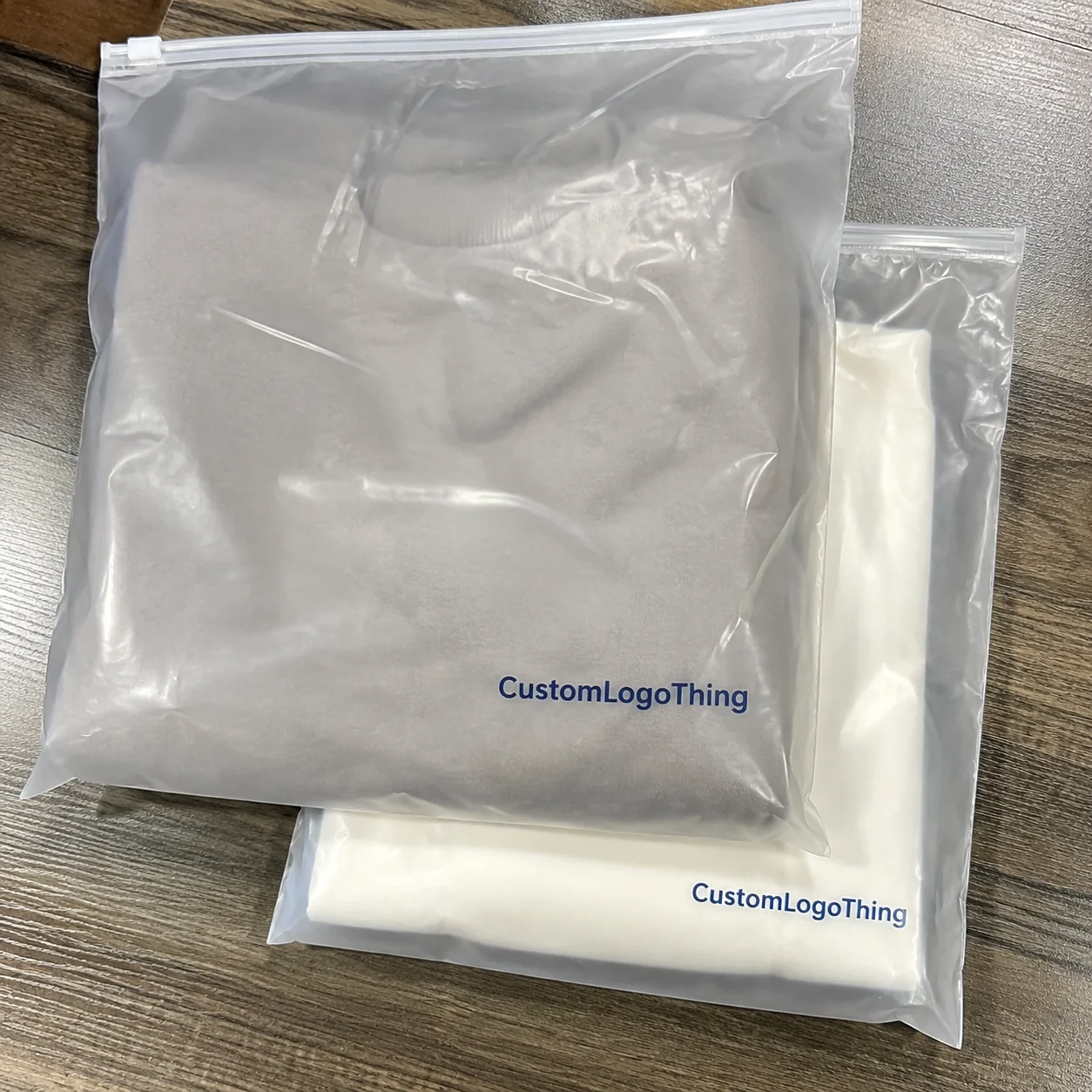
Buyer Fit Snapshot
| Best fit | Poly Mailers for Stationery Brands projects where brand print, material claims, artwork control, MOQ, and repeat-order consistency need to be specified before quoting. |
|---|---|
| Quote inputs | Share finished size, material target, print colors, finish, packing count, annual reorder estimate, ship-to region, and any compliance wording. |
| Proofing check | Approve dieline scale, logo placement, barcode or warning zones, color tolerance, closure strength, and carton packing before bulk production. |
| Main risk | Vague material claims, crowded artwork, missing packing details, or unclear freight terms can make a low unit price expensive after revisions. |
Fast answer: Poly Mailers for Stationery Brands: Film, Print, MOQ, and Carton Packing should be specified like a repeatable production item. The safest quote records material, print method, finish, artwork proof, packing count, and reorder notes in one written spec.
Production checks before approval
Compare the actual filled-product size with the drawing, then confirm tolerance on folds, seals, hang holes, label areas, and retail display edges. Reserve space for logos, QR codes, warning copy, and material claims before decorative graphics fill the panel.
Quote comparison points
Review material grade, print process, finish, sampling route, tooling charges, carton quantity, and freight assumptions side by side. A quote is only useful when the supplier can repeat the same color, closure quality, and packing count on the next order.
Poly mailers for stationery brands often look like a simple packaging choice until the numbers start to line up. A box feels familiar, yet it usually costs more to ship, takes more time to pack, and leaves too much empty space around flat goods. For postcards, sticker sets, notebooks, and other slim products, poly mailers for stationery brands can be the more practical starting point because they protect the order, keep the workflow moving, and leave room for a presentation that feels intentional rather than improvised.
The real value sits in the mix of shipping efficiency and customer experience. A mailer is not just a wrapper for the parcel. It sits between postage cost, product protection, and the way the brand feels in the customer’s hands. Packaging matters a lot more than many owners expect, and I have seen enough “cheap” mailers turn into expensive reprints and damage claims to know the math gets ugly fast. For a stationery brand, that balance matters because packaging is part of the product, not a separate concern. A crisp postcard stack, a flat zine, or a clean sticker bundle tells the customer that the order was handled with care before they even open the envelope. Poly mailers for stationery brands can do that job without forcing the brand into oversized cartons or layers of filler.
In practical terms, a poly mailer is a flexible shipping sleeve made from plastic film or a lower-impact material structure built for slim goods. It works best for flat or low-profile items such as postcards, greeting card packs, art prints, sticker sheets, notebooks, planners, zines, washi tape bundles, and insert packs. Used thoughtfully, poly mailers for stationery brands speed up fulfillment and make the order look cleaner on arrival. Used carelessly, they become the cheap option that saves a little money and creates much larger problems later. That part is kind of obvious once you have dealt with bent corners and crushed inserts a few times.
The strongest case for this format is not just lower shipping cost. It is the way protection, presentation, and postage efficiency come together in one piece. In the right setup, poly mailers for stationery brands reduce packing friction, lower the risk of dimensional weight surprises, and create a neater unboxing moment when the mailer is printed, color-matched, or paired with a simple insert. That combination is worth a serious spec review, not a dismissive “budget packaging” label.
Poly Mailers for Stationery Brands: Why Flat Orders Deserve Better Packaging
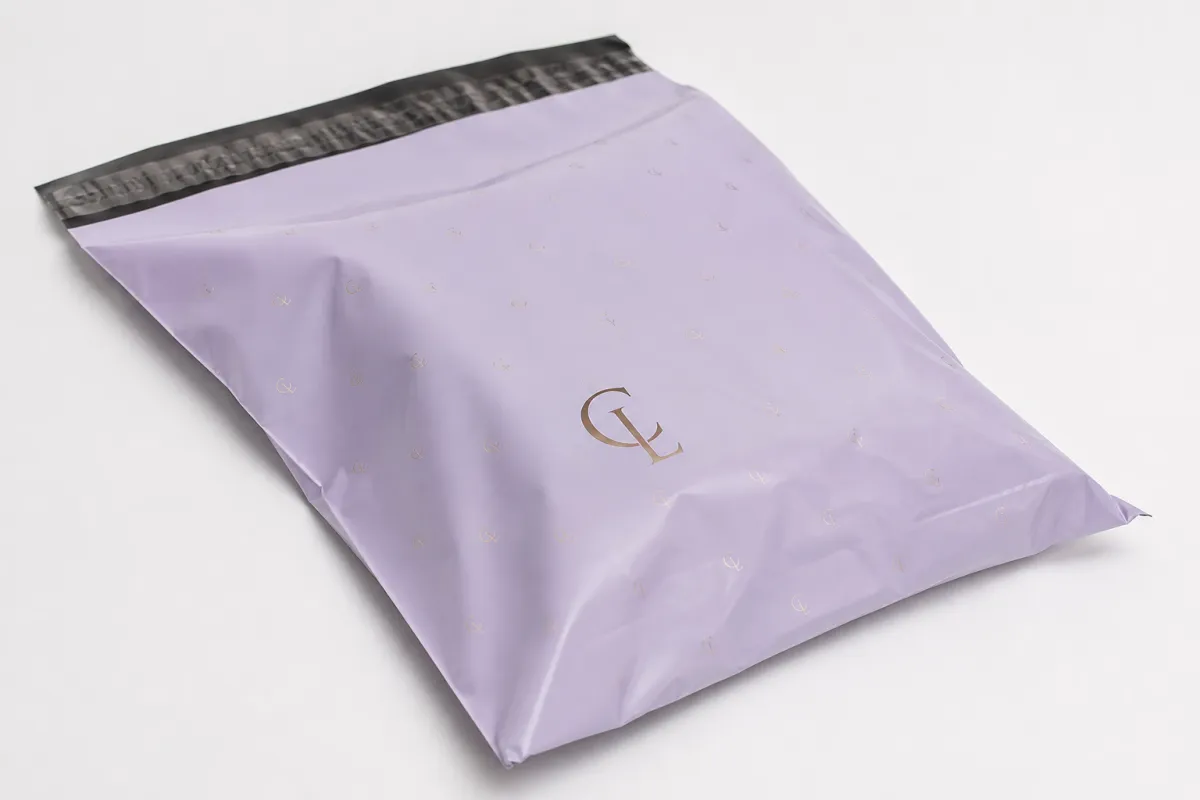
A quieter packaging truth shows up as soon as a brand starts shipping real orders: for many flat products, the box is the expensive choice, not the safer one. Poly mailers for stationery brands usually protect slim goods with less void fill, less material, and less wasted space than a carton built for heavier items. A set of greeting cards does not need a cube around it. A sticker sheet does not need air pockets. A notebook can travel neatly in a mailer if the pack structure has been planned with care.
That does not mean every stationery item belongs in a mailer. Fit follows geometry. Thin notepads, loose art prints, postcard packs, mini journals, and subscription inserts are natural candidates for poly mailers for stationery brands. The more the product behaves like a sheet, the more the format starts to make sense. Once the item has more height, more pressure points, or more fragile corners, the decision needs a closer look.
At the brand level, the gains are easy to see. Mailers take up less storage space than cartons, which matters in small studios where every shelf is already crowded with stock. They also speed up packing because the process stays simple: insert, seal, label. If the mailer is printed, the parcel arrives with a visual identity that feels deliberate. That small shift often separates a package that merely ships from one that feels finished.
Poly mailers for stationery brands fit small-team fulfillment especially well. A lean operation does not always have the time to assemble boxes, run tape across every seam, and add multiple layers of protection to each order. Mailers standardize the workflow and lower the chance of overpacking. They also help brands keep dimensional weight under control, which can matter just as much as the unit cost of the mailer itself.
“A flat order should feel intentional, not underprotected.”
That line captures the balance well. The best stationery packaging is not built to impress through bulk; it is built to fit the product and hold up during transit. If the item is slim, the mailer can carry the load as long as the internal structure is sound and the adhesive seal is reliable. If the item is fragile, a mailer may still work with chipboard, a rigid insert, or an inner sleeve. In every case, poly mailers for stationery brands deserve the same attention a brand gives paper stock, ink choice, or finish selection.
Presentation matters more than many owners expect. Stationery customers tend to notice details. They see a bag that wrinkles, a logo that sits crooked, or a package that looks chosen only because it was cheap. A well-sized mailer changes that read immediately. Printed mailers make the brand feel cohesive. Plain mailers can still look tidy when the sizing is right. Either way, poly mailers for stationery brands can quietly lift the perceived quality of the order.
How Poly Mailers for Stationery Brands Work in the Shipping Journey
The workflow is short, and that is one reason the format keeps winning. The product goes into the mailer, the packer presses out excess air, removes the adhesive liner, seals the flap, and applies the shipping label. That is the core sequence for poly mailers for stationery brands. No folding a carton into shape. No bottom flaps to tape. No roll of tape eating time at the packing table.
The protection logic is just as direct. The outer film resists light abrasion, scuffs, and moisture better than an uncoated paper wrap would. The low-profile shape limits movement inside the package, which matters because movement is what turns a tidy stack of inserts into bent corners or crushed edges. In that sense, poly mailers for stationery brands serve as both a shipping skin and a stabilizer.
The closure deserves real attention. A solid adhesive seal helps reduce tampering risk and keeps the package shut even after repeated handling. That matters for small brands because every extra strip of tape adds labor and makes the pack less consistent. A dependable seal supports repeatable packing, which is one reason Custom Mailers can outperform random stock bags even when the per-unit price is slightly higher.
There is a limit, and it should stay visible. Poly mailers for stationery brands are not a fix for every fragile product. Valuable pieces, bend-sensitive work, and corners that can crush in transit still need support, whether that is chipboard, a rigid backer, an inner sleeve, or a corrugated insert. The outer mailer completes the system; it does not replace the inner structure.
That distinction matters once parcels enter real transit conditions. Mailers perform best in low-crush, low-profile scenarios where the main concerns are surface wear, moisture, and handling friction. They are a weaker choice for products likely to be compressed between heavier parcels or folded by rough carrier handling. In long shipping lanes, the film offers weather resistance, but it will never behave like a carton wall.
For that reason, the best way to think about poly mailers for stationery brands is as a controlled-use format. They work best when the pack stays slim, the contents remain stable, and the brand wants to reduce postage weight without losing a polished finish. That makes them useful for direct-to-consumer orders, merch drops, subscription shipments, and small-batch launches.
If you want to compare packaging formats before you settle on one, the broader selection at Custom Packaging Products gives a clearer view of where mailers sit alongside other options. The Case Studies page also helps show how packaging decisions play out in actual use.
For brands that want a direct starting point, the Custom Poly Mailers page is the most useful place to review formats, print options, and sizing choices. That approach is usually easier than forcing one generic package to handle every stationery SKU.
Key Factors That Decide Fit, Finish, and Protection
Size comes first, and it carries more weight than many teams realize. Poly mailers for stationery brands should fit the packed item with a modest buffer, not a lot of extra room. Too much space lets contents slide and shift toward one end. Too little space can stress corners or make sealing awkward. For most flat stationery orders, the best fit is snug enough to limit movement without stretching the bag before it leaves the table.
Thickness is the next choice that changes the result. Lighter films can work for basic shipping, but thicker options add puncture resistance and a firmer hand feel. That matters when the order includes small hard pieces such as metal clips, enamel pins, or tape rolls beside paper goods. In those cases, poly mailers for stationery brands often perform better at 2.5 to 3 mil than at the very thinnest end of the market. Not every SKU needs that thickness, though the difference becomes obvious once complaints begin.
Finish changes how the customer reads the package. Matte film feels calmer and more restrained. Gloss brings a sharper visual pop. Soft-touch finishes deepen the feel of color blocks, though they usually push the cost upward. Opaque film matters for privacy, especially when the order includes journals, planners, or branded notes that should not be visible through the outer layer. Logo placement matters too; print too close to a seam and the artwork can distort, even if the design looked excellent on screen.
Security and weather resistance sit in the background until the parcel has a problem. A tamper-evident seal gives the customer confidence that the package has not been opened. Opaque film keeps the contents out of casual view. Moisture resistance matters on routes where parcels spend time in trucks, bins, and sorting systems. Those conditions are common enough that poly mailers for stationery brands should be evaluated under real shipping stress, not only on a clean desk.
Sustainability adds another layer to the decision. Recycled content, recyclable structures, and right-sized packaging all matter, but the most responsible package is still the one used correctly and consistently. Overspecifying a mailer because a brand is nervous about damage can create more waste than a well-fit, adequately sturdy option. The EPA’s recycling guidance at EPA recycling guidance is a useful reference for brands trying to match shipping choices with disposal realities.
The standards question also deserves a place in the conversation. If a supplier can speak clearly about transit testing, that usually signals stronger production discipline. For mailers and flat-pack goods, references to ISTA methods or ASTM drop testing, such as ASTM D5276, suggest that the package has been considered as a shipping system rather than a printed surface alone. You can review transit testing frameworks through ISTA transit test standards.
One practical rule helps on almost every order: define the pack structure before finalizing the mailer. Decide whether the order includes a chipboard backer, a sticker sleeve, a belly band, or an insert card before settling on the bag size. For poly mailers for stationery brands, protection rarely comes from one component. It comes from how the pieces fit together.
Cost, MOQ, and Unit Pricing for Poly Mailers
Price usually enters the conversation early, but it should not be the only measure. Poly mailers for stationery brands sit on a clear pricing ladder. Plain stock mailers are usually the least expensive. Custom-printed runs cost more because of setup, inks, and tooling. Thicker films, specialty finishes, and smaller quantities raise the unit price again. That is normal. The real question is whether the package lowers the cost per shipped order, not just the cost per mailer.
Hidden costs can erase the benefit of a cheap bag very quickly. If a mailer saves 20 to 30 seconds of packing time on each order, the labor savings add up across hundreds or thousands of shipments. If the fit is tighter, you may also reduce void fill, tape use, and product movement. If the design is cleaner, customer service may hear fewer complaints about bent corners or packaging that looks generic. On balance, the right poly mailers for stationery brands often outperform a cheaper alternative that creates problems later.
MOQ, or minimum order quantity, comes from production efficiency. Printing setup, material sourcing, and factory scheduling all shape the threshold. Smaller stationery brands often face a tradeoff here: they want flexibility, but flexibility usually raises the unit price. That is not a flaw in the market; it is how setup costs get spread across the run. For many brands, the useful middle ground is ordering enough volume to keep unit pricing reasonable without locking too much cash into packaging that will sit for months.
The quote drivers are predictable. Size, thickness, print coverage, number of printed sides, lead time, and whether proofing is included all affect the final number. Freight can also change the total in ways that surprise first-time buyers. A low per-piece quote can lose its appeal once shipping, sampling, and reprints are included. If the supplier offers printed poly mailers for stationery brands with a clear proofing cycle and a useful spec sheet, that is often worth more than a slightly lower headline price.
| Option | Typical Unit Range | MOQ Behavior | Best Fit | Main Tradeoff |
|---|---|---|---|---|
| Plain stock mailer | $0.08-$0.18 | Low | Basic shipping for flat, low-risk orders | Least brand impact |
| Semi-custom printed mailer | $0.14-$0.28 | Moderate | Growing stationery brands that want logo presence | Higher setup than stock |
| Fully custom printed mailer | $0.22-$0.45 | Higher | Established brands with steady order volume | Best pricing usually needs volume |
| Thicker or specialty finish mailer | $0.28-$0.60+ | Moderate to high | Premium presentation or heavier inserts | Material and finish raise cost |
These ranges are not universal, but they still give a useful frame for poly mailers for stationery brands. A 5,000-piece run with moderate print coverage lands in a very different place than a 500-piece test order. The same applies to high-opacity film, stronger seal performance, and double-sided print. If exact numbers matter, ask for quotes based on the finished packed order rather than the raw mailer dimension alone.
Budgeting should include the full shipped order, not just the outer package. Add postage, inserts, damage allowance, and labor. That simple exercise often changes the decision quickly. A mailer that costs four cents more can still win if it lowers postage class or trims packing time. That is why poly mailers for stationery brands work best as an operating expense decision, not as a stand-alone packaging purchase.
If you want a closer look at what a branded run might involve, the Custom Poly Mailers page is a useful place to compare production choices. If you want the mailer to fit into a larger unboxing system, start with Custom Packaging Products so the bag does not become an isolated decision.
Process and Timeline: Step-by-Step Ordering and Turnaround
The cleanest projects begin with a brief that leaves little room for guesswork. Before requesting quotes on poly mailers for stationery brands, list the product sizes, average pack counts, shipping method, and whether the mailer needs branding on one side or both. Add the actual contents too: postcards only, notebook plus insert, sticker bundle plus chipboard, or a mixed stationery kit. A specific brief usually gets a much better quote than a vague one.
Define the job first. Write down the finished dimensions of the packed order, not only the size of the product itself. A postcard stack inside a sleeve is not the same as a postcard stack with a backer board and a thank-you card. Small changes in thickness can influence the seal, fit, and overall handling. For poly mailers for stationery brands, the packed state is the one that matters.
Check samples or spec sheets next. Feel the material. Test the seal. Hold it to the light and check opacity. Fold it if needed to understand how it behaves. Printed samples matter too, because a logo can look sharp in a PDF and soft or off-color on film. A sample is usually cheaper than one bad production run, especially for brands ordering mailers for the first time.
Approving artwork takes care. Bleed, safe zones, and seam placement all need a close look. If the design includes a barcode, QR code, or compliance note, make sure it reads at real viewing distance. A design for poly mailers for stationery brands should be judged as a package graphic, not as a web banner or social asset.
Production and quality control follow. Turnaround depends on complexity, print coverage, and factory capacity. A simple run can move faster than a highly colored design with tight registration requirements. A realistic expectation for many custom mailer orders is about 10 to 15 business days after proof approval, plus freight. More complex jobs can take longer, and that is normal.
Test the first lot before reordering. Count the cartons. Check print registration. Pull a few random samples and test the seal. Pack a handful of live orders and send them through the normal carrier network. That is where the spec gets proven. Poly mailers for stationery brands should always be evaluated after a small pilot before the brand commits to repeat ordering at scale.
There is a good reason to work in stages. Stationery brands usually carry multiple SKUs, and the right mailer for one line may not suit another. A flat art print may ship beautifully in a slim bag. A planner with a thicker spine may need a different width or a stronger film. Pilot testing protects the brand from assuming one format can cover every product in the catalog.
For teams that want to standardize quickly, a short reorder file is worth keeping. Save the final dimensions, film thickness, seal style, artwork file, and approved sample photo in one place. That makes repeat buying faster and lowers the chance of spec drift. A good mailer only stays useful if the next order matches the first one.
Common Mistakes Stationery Brands Make With Poly Mailers
The first mistake is choosing a mailer that is too large. Extra room seems harmless on paper, but in transit it gives the contents space to shift. That is how corners bend, stacks slide, and a clean unboxing becomes messy. Poly mailers for stationery brands work best when the product sits close to the structure of the package, not when it floats inside it.
The second mistake is buying the cheapest film without testing it first. A low price can hide weak seals, poor opacity, or a film that tears too easily when a parcel hits a rough conveyor. The brand usually does not notice until complaints begin. By then, the savings are gone. With poly mailers for stationery brands, the cost of failure often dwarfs the unit-cost difference.
The third mistake is ignoring print placement. If a logo sits too close to the edge, fold, or seam, the finished piece can look stretched or clipped. That small issue matters because stationery buyers notice detail. Good artwork still needs a production-safe layout. When the design feels rushed, the package reads as rushed, even if the print quality itself is fine.
The fourth mistake is skipping a live shipping test. A mailer can look right on a table and still fail after conveyor pressure, vibration, weather exposure, or repeated handling. Packaging teams use transit logic for a reason. If there is uncertainty, compare the result against standards or test methods such as ISTA procedures or ASTM drop methods. Poly mailers for stationery brands deserve that same testing mindset.
The fifth mistake is forgetting the unboxing sequence. Stationery customers tend to care about feel, order, and visual calm. A plain mailer with no internal structure can feel more like office supply shipping than a branded purchase. That does not mean every package needs decoration. It does mean the order should open in a tidy, controlled way. If the product spills out in a loose stack, the packaging did not carry the brand story very well.
Multi-product catalogs create another common problem. A brand may order one mailer size for cards, prints, and notebooks, then discover that one SKU is always loose and another is always tight. That is not random bad luck; it is a system issue. A better answer is often a small family of poly mailers for stationery brands, each matched to a product band, instead of one catch-all size that fits nothing properly.
Used well, poly mailers for stationery brands help a brand look organized. Used carelessly, they expose every shortcut. That is why the spec process matters so much.
Expert Tips and Next Steps for a Better Mailer Spec
Start with a small test matrix. Compare two sizes, two thickness levels, and one printed option against one plain option. That is enough to reveal a lot without turning the project into a long lab exercise. For poly mailers for stationery brands, simple testing usually tells you more than a large speculative purchase.
Match the mailer to the full product mix, not only the hero SKU. A brand that ships cards, prints, notebooks, and gift sets may need a packaging system rather than one universal bag. That could mean one mailer for slim paper goods and another for thicker bundles. If the system is built around the SKU mix, poly mailers for stationery brands become easier to reorder and easier to train around.
Document the winning spec sheet. Keep the final dimensions, film thickness, seal type, print file version, and reorder quantity in one place. Add a sample image if possible. That helps future team members avoid accidental changes. It also protects the brand if a supplier adjusts a default or if a different person places the next order.
Track three numbers after launch: damage rate, postage per order, and pack time. Those figures show whether the packaging is helping or quietly costing more. If damage stays flat while postage drops, the choice is working. If pack time rises because the mailer is awkward, the spec may need to be adjusted. Poly mailers for stationery brands should improve operations, not just look good in a sample photo.
Consistency matters too. Customers remember packaging that repeats with purpose. If the same mailer appears in every order, the brand feels more established. That is one reason printed or color-matched poly mailers for stationery brands can matter even when the product price is modest. Repetition builds recognition.
Before placing a larger order, review the rest of the packaging stack as well. Inserts, backers, labels, and sealing steps all shape the final result. The mailer is one part of the system. Strong packaging programs are built so each part supports the others instead of asking the outer bag to solve everything on its own.
If you need a next step, pick one product line and test a controlled run. Do not redesign the whole catalog at once. A narrow pilot gives you data, and data beats guesses. That is especially true for poly mailers for stationery brands, where small changes in fit and finish can alter the customer experience more than a brand owner expects.
Once the test data is clear, lock the spec, brief fulfillment, and reorder to the same standard. That is how poly mailers for stationery brands stop being a packaging guess and become a reliable part of the operating model.
What size poly mailers work best for stationery brands?
Choose a mailer that leaves a small buffer around the packed item, not a lot of empty space. Flat goods like card sets and sticker sheets often need less room than notebooks or boxed bundles, while thicker kits may need a wider width or a stronger film. If the corners need support, test the packed item with a backer board before you commit to a final size for poly mailers for stationery brands.
Are poly mailers for stationery brands good for art prints and postcards?
Yes, especially when the print is flat and protected with a rigid insert or sleeve. They are a strong fit for lightweight paper goods because they reduce weight and pack faster than boxes. If the product bends easily, add support first, then choose the mailer size and thickness that keeps the stack stable during transit. That is the safest way to use poly mailers for stationery brands for print-based products.
How do I keep stationery from bending inside a poly mailer?
Use chipboard, a stiff mailer insert, or a flat corrugated backer inside the outer mailer. Choose the correct mailer size so the product does not slide around during transit. For higher-risk items, consider a stronger film or a second inner sleeve. In practice, poly mailers for stationery brands protect best when the inner structure does the anti-bend work.
What affects the cost and MOQ for custom poly mailers?
Size, thickness, print coverage, and color count all affect the quote. Lower MOQ usually means a higher unit price because setup costs are spread across fewer pieces. Shipping, proofing, and specialty finishes can add to the total even when the per-piece quote looks attractive. That is why poly mailers for stationery brands should always be priced as a full landed package.
How do poly mailers improve the customer experience for stationery orders?
They create a cleaner, more intentional presentation than generic shipping materials, and they can help orders arrive faster to pack and easier to store for the brand. Branded mailers also reinforce recognition when repeat customers see the same packaging again. Used well, poly mailers for stationery brands make the order feel organized from the moment it lands.
For stationery businesses, the packaging decision is rarely only about postage. It touches labor, damage rates, storage, and brand perception at the same time. That is why poly mailers for stationery brands deserve a proper spec, a real test run, and a clear reorder file. Get those pieces right, and the package stops being an afterthought. It becomes part of the product story, which is exactly where it belongs.