Buyer Fit Snapshot
| Best fit | Poly Mailers for Subscription Brands projects where brand print, material claims, artwork control, MOQ, and repeat-order consistency need to be specified before quoting. |
|---|---|
| Quote inputs | Share finished size, material target, print colors, finish, packing count, annual reorder estimate, ship-to region, and any compliance wording. |
| Proofing check | Approve dieline scale, logo placement, barcode or warning zones, color tolerance, closure strength, and carton packing before bulk production. |
| Main risk | Vague material claims, crowded artwork, missing packing details, or unclear freight terms can make a low unit price expensive after revisions. |
Fast answer: Poly Mailers for Subscription Brands: Film, Print, MOQ, and Carton Packing should be specified like a repeatable production item. The safest quote records material, print method, finish, artwork proof, packing count, and reorder notes in one written spec.
Production checks before approval
Compare the actual filled-product size with the drawing, then confirm tolerance on folds, seals, hang holes, label areas, and retail display edges. Reserve space for logos, QR codes, warning copy, and material claims before decorative graphics fill the panel.
Quote comparison points
Review material grade, print process, finish, sampling route, tooling charges, carton quantity, and freight assumptions side by side. A quote is only useful when the supplier can repeat the same color, closure quality, and packing count on the next order.
Poly Mailers for Subscription Brands: A Practical Guide
A subscription brand does not always need a box. For many recurring shipments, Poly Mailers for Subscription brands cut dimensional weight, speed up fulfillment, and shape the first impression in one move.
The details matter more than the headline. The right mailer can protect apparel, beauty kits, books, and lightweight accessories while still feeling deliberate and premium; the wrong one can wrinkle the product, split at the seam, or make a carefully built membership program feel generic.
Poly Mailers for Subscription Brands: Why They Matter
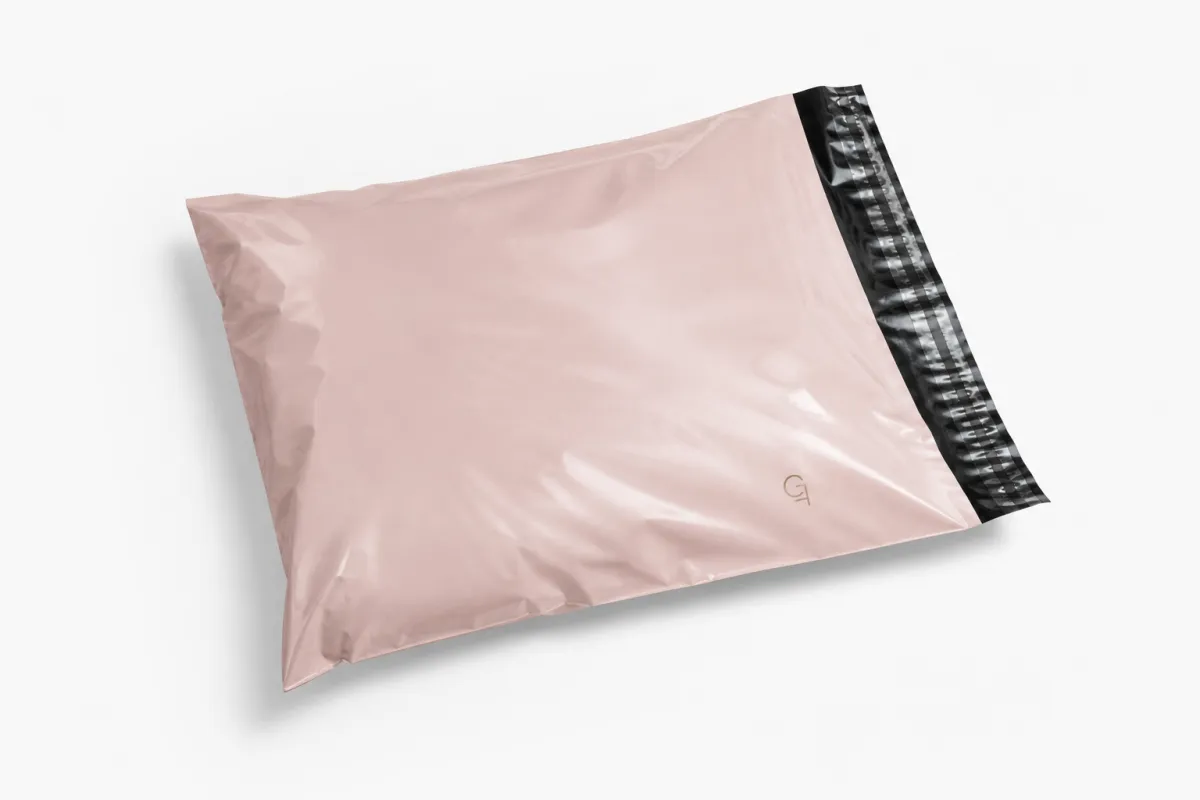
A subscription box does not always need a box. For many recurring shipments, poly mailers for subscription brands reduce material use, lower shipping weight, and simplify packing without making the customer experience feel stripped down.
A poly mailer is a flexible shipping envelope made from film, usually polyethylene, with a self-seal closure and enough structure to protect lightweight products through normal parcel handling. For poly mailers for subscription brands, that matters because the product mix is often predictable. Apparel, socks, sample-size wellness items, beauty tools, paper goods, books, and accessories all sit in the range where flexibility can outperform rigidity.
Compared with corrugated boxes, mailers usually take up less storage space, pack faster, and reduce the amount of air shipped to the customer. That lower fill volume can improve carrier economics, especially for brands that are fighting dimensional weight charges on every outbound parcel. A two-ounce reduction may not sound dramatic on paper, yet across thousands of monthly orders it can shape the freight bill in a real way.
The brand side deserves more attention than it often gets. Poly mailers for subscription brands do not have to look cheap. A clean print layout, a well-chosen color, and a mailer that fits tightly can feel considered and modern. In some categories, that slim profile reads as more current than a large carton packed with extra void space.
The key word is intentional. Poly mailers for subscription brands work best when the product, the print, and the packing process are designed together. Treat the mailer as a random substitute for a box and it will disappoint. Treat it as part of the subscription system and it can protect margin while keeping the delivery experience sharp.
Practical rule: if the product is light, non-fragile, and repeatably sized, test a mailer before paying for a carton that may be doing more work than necessary.
It helps to think about poly mailers for subscription brands as the lighter package format, not as cheap packaging. That small shift moves the conversation from lowest cost to right-fit cost. For a brand shipping the same kind of kit every month, that is often where the smartest savings hide.
I have seen teams spend weeks polishing a rigid box because it felt safer, only to discover that their actual product set was light enough for a mailer all along. Once they tested the fit, the picture changed pretty quickly. The warehouse moved faster, shipping costs dropped, and the package still felt on-brand. That is the kind of decision that is easy to miss if you never put the real item in the real mailer.
How Poly Mailers for Subscription Brands Work
At a basic level, a mailer has three jobs: hold the product, protect it from ordinary shipping abuse, and keep the process fast. Poly mailers for subscription brands usually include an outer film layer, an adhesive closure strip, and an opaque or printed surface that hides the contents while carrying branding.
During fulfillment, the packer places the item inside, removes the seal liner, closes the flap, and presses the seam. The process sounds almost too simple, but that simplicity is part of the value. Fewer folds and fewer inserts can mean faster line speed, fewer packing errors, and less warehouse clutter. If your team is shipping hundreds of monthly renewals, those seconds matter.
The film itself can vary. Standard mailers are often used for soft goods and lightweight goods; padded mailers add cushioning for items that need a little more protection; custom-printed versions give the brand control over color, logo placement, and message. Poly mailers for subscription brands may be plain stock, but custom print usually does more for repeat customers because the package becomes recognizable before it is even opened.
Think about the shipment journey. The mailer has to survive compression in a tote, friction against adjacent parcels, stacking in a sortation network, and occasional damp conditions at the doorstep. That means performance is not just about thickness on a spec sheet. Seam integrity, seal consistency, and puncture resistance matter just as much. If the product shifts inside the mailer, the package may still arrive, but it can look rough enough to weaken perception.
That is why poly mailers for subscription brands should be tested in real conditions, not just approved from a digital proof. A mailer can look great on a screen and still fail when the item is slightly taller than expected or the inner wrap adds just enough bulk to stress the seam.
Branding on the mailer surface can do real work. A logo near the return flap, a short welcome line, a QR code to renewal information, or even a simple repeat-order cue can make the package feel part of the subscription loop rather than a disposable wrapper. From the buyer’s point of view, the mailer becomes part of the product memory.
For teams that want to see how that plays out across different categories, the packaging examples in our Case Studies page are useful because they show how recurring shipments often require a different approach from one-off ecommerce orders. If you are comparing format options, our Custom Poly Mailers page is a good starting point for specs and construction choices.
Logistics teams like this format for a reason. Fewer materials usually mean less storage, fewer packing steps, and a lower chance that the outer package becomes the costliest part of the shipment. That does not mean every product belongs in poly mailers for subscription brands. It means the format deserves a fair test before a brand commits to heavier packaging by default.
For brands shipping apparel or curated accessories on a recurring schedule, the mailer often becomes part of the ritual. Same size, same seal, same brand marks, month after month. Repetition can be a weakness if the design is dull, but it can also create familiarity that customers notice in a good way.
In practice, that familiarity is a quiet advantage. Customers learn what to expect, the warehouse learns how to pack it, and the packaging stops creating friction. Nobody is gonna write a love letter to the closure strip, but if the bag arrives flat, clean, and consistent, the whole program feels better organized.
Key Factors to Choose Before You Order
Size is the first decision, and it has more consequences than most buyers expect. Oversized mailers waste film and may encourage product movement inside the package. Undersized mailers can stretch at the seam, wrinkle the contents, or fail to close cleanly. For poly mailers for subscription brands, the target is usually the smallest mailer that closes without force and still leaves enough room for the product plus any tissue, insert card, or protective wrap.
Thickness comes next. Mailer film is often discussed in mils, and while the numbers vary by supplier, many brands look at ranges around 2.5 to 3 mil for general use, with heavier constructions for sharper edges or more demanding handling. Stronger does not always mean better. If the product is soft and light, excess thickness may add cost without meaningful protection.
Material choice matters just as much. Virgin polyethylene offers reliable performance. Recycled-content films can support a lower-material story, though consistency and clarity may vary by source. Compostable alternatives exist in the market, but they are not automatically the best answer for every subscription model. Strength, shelf life, print quality, and end-of-life claims all need to be checked carefully. If you are making environmental claims, keep them specific and avoid vague language that customers cannot verify.
For brands that want to compare the broad options side by side, the table below is a useful starting point. Pricing moves with print coverage, order quantity, and freight, but the pattern stays fairly consistent.
| Mailer Type | Typical Unit Cost at 5,000 Units | Best Fit | Main Tradeoff |
|---|---|---|---|
| Stock poly mailer | $0.12-$0.22 | Simple, lightweight shipments with limited branding needs | Lowest branding impact and less differentiation |
| Custom-printed poly mailer | $0.18-$0.38 | Recurring shipments where brand recognition matters | Higher setup and print cost |
| Padded mailer | $0.28-$0.60 | Items needing extra abrasion or impact protection | More material, more cost, more storage space |
Branding decisions should follow the product, not the mood board. Some subscription brands do better with a crisp monochrome look and a strong logo. Others need bright graphics because the audience expects a playful reveal. Finish matters too. Gloss can pop under light; matte can feel more subdued and premium. Poly mailers for subscription brands work best when the visual system matches what the customer already expects from the membership.
Opacity deserves a spot in the decision too. If the product silhouette can be seen through the film, customers may feel the package looks less polished. In apparel, beauty, and wellness categories, opaque film often improves the perceived value even when the actual protection stays the same.
From a packaging buyer’s point of view, poly mailers for subscription brands should also be judged on compliance and claim discipline. If a mailer is recycled-content, ask for documentation. If it is recyclable, ask where and under what conditions. If a supplier says “eco-friendly,” push for specifics. The EPA guidance on plastics and recycling is a useful reminder that local acceptance varies and broad claims can mislead customers.
If you need a standard for performance testing, the ISTA framework is worth reviewing because it helps brands think beyond appearance and into drop, vibration, and transit stress. Not every mailer needs full laboratory validation, but a little structure beats guessing. In practice, that is where a lot of packaging problems are prevented.
One final point: fit and branding should be reviewed together. A mailer that is technically strong but visually off-brand can still weaken the customer experience. A beautifully printed mailer that barely closes can do the same. Good poly mailers for subscription brands balance both.
Process and Timeline: From Sample to Shipment
Custom packaging rarely fails because the final idea is bad. It usually fails because the process was rushed. For poly mailers for subscription brands, the path from brief to shipment typically includes artwork prep, proof review, sample production, bulk manufacturing, and freight delivery. Skipping any of those steps can create expensive surprises later.
The first step is the brief. The supplier needs product dimensions, approximate weight, seal requirements, print area, expected monthly volume, and whether the mailer will hold inserts or inner wrapping. A 10 x 13 inch mailer might work beautifully for a folded knit top, but not if a postcard, tissue wrap, and barcode insert all need to fit too.
Then comes the proof. This is where color, logo placement, and structural details get locked in. If the brand wants registration across multiple colors or a full-bleed pattern, proofing can take longer. Simple one-color print jobs move more quickly. Multi-color graphics, metallic ink, and special finishes can add rounds of revision, especially if the brand has a strict visual identity system.
Sample approval matters more than many teams admit. A mailer that looks good flat may behave differently once filled. The closure may sit crooked. The print may look darker on film than on screen. The mailer may be slightly too shallow once the product and insert are inside. That is why poly mailers for subscription brands should be tested with the actual packed product before the bulk order is released.
Typical timelines vary by supplier, but a practical planning window is often 12-15 business days from proof approval to production completion, with extra time for freight depending on the shipping method and destination. If artwork revisions are involved, add more buffer. If the launch date is fixed, build backwards from the first fulfillment day rather than forward from the purchase order date.
Three delay points show up again and again. First, artwork revisions drag when too many people weigh in late. Second, color matching slows the process when the brand expects screen-level precision on film. Third, size changes happen after packing tests reveal a fit issue. None of those problems is unusual. They are just expensive if discovered after the order is in production.
A simple launch calendar helps. One column for sample approval, one for final art sign-off, one for manufacturing, one for inbound freight, and one for warehouse readiness. Poly mailers for subscription brands are easiest to launch when the operations team and the marketing team are working from the same timeline.
It also helps to think about stock planning differently from a one-time ecommerce run. Subscription programs often create predictable volume, which means the brand can order for multiple cycles at once if storage allows. That can lower unit cost, but it also raises the stakes on the first approval. If you lock in the wrong size or the wrong print, you may be living with it for a while.
For brands building out a broader packaging system, the product catalog on Custom Packaging Products is a practical place to compare mailers with other formats before you commit. I would still start with real samples. Photos do not tell you how a seam feels or whether a sealed flap pops under tension.
My honest view: poly mailers for subscription brands should be scheduled like inventory, not treated like an afterthought. If packaging arrives too late, launch dates slip. If it arrives too early and sits without a plan, cash gets tied up in the wrong place. The process is simple, but only when the timeline is disciplined.
Cost and Pricing: What Changes the Unit Cost
Price is where most teams start, but it should not be where they stop. The unit cost of poly mailers for subscription brands depends on size, film thickness, print coverage, quantity, and freight. A small one-color mailer ordered in volume will almost always price better than a large full-color mailer ordered in a short run.
Minimum order quantity is a major lever. A higher MOQ usually brings the unit cost down because setup and production are spread across more pieces. The catch is storage and cash flow. If a brand orders 25,000 mailers to save a few cents each but only ships 3,000 a month, that inventory will sit for a long time. The math needs to fit the operating model.
For subscription businesses, cadence changes the economics. Predictable monthly shipments can support better forecasting and stronger negotiations than a volatile ecommerce program. If the brand knows it will ship 8,000 units each cycle, it can often justify a more efficient packaging run. That is one reason poly mailers for subscription brands often make sense at scale: the volume is recurring, so packaging procurement can be recurring too.
The simplest way to think about cost is to separate visible cost from hidden cost. Visible cost is the invoice price for the mailer. Hidden cost includes damage, rework, packing time, complaints, and returns. A mailer that costs two cents less but tears on the carrier line is not actually cheaper. The finance team may notice that faster than the packaging team does.
Here is a comparison that usually helps a buyer sort the tradeoffs.
| Factor | Lower-Cost Choice | Higher-Cost Choice | What Usually Changes |
|---|---|---|---|
| Size | Smaller mailer | Larger mailer | Material use, storage, and shipping weight |
| Film thickness | Standard gauge | Heavier gauge | Puncture resistance and feel |
| Print coverage | One-color logo | Full-bleed, multi-color graphics | Setup time and press complexity |
| Quantity | Short run | Higher volume run | Unit price and storage pressure |
Some brands begin with stock mailers to prove the concept, then move to custom print after the packaging system stabilizes. That is often a sensible path. It lowers the initial commitment and gives the team real shipment data before custom artwork is locked in. If the subscription audience cares deeply about presentation, then the branded version usually earns its keep quickly. If the audience is price sensitive and not visually driven, stock may be enough.
Another cost trap is over-specifying the package. A thick film, specialty finish, and large print area may look impressive in a sample, but not every category needs that level of detail. For poly mailers for subscription brands, the goal is not maximal decoration. The goal is the least expensive package that still protects the product and supports the brand promise.
Freight matters too. Mailers are light, but large volumes still take cube and can affect inbound shipping costs. Brands that source from overseas should account for lead time and transit variability. Brands that source domestically may pay more per unit but reduce risk and receive replenishment faster. Neither path is always right. It depends on order size, cash flow, and how tightly the subscription calendar is run.
When people ask me how to budget for poly mailers for subscription brands, I give them a three-part answer: budget for the unit price, budget for the working inventory, and budget for the trial samples. Skipping the sample stage is usually the most expensive mistake because the fix often arrives only after the first bad shipment.
Common Mistakes Subscription Brands Make
The first mistake is choosing a mailer that is too thin for the contents. That can lead to tears, punctures, open seams, and a customer service wave that costs more than the packaging saved. Poly mailers for subscription brands need to be matched to the actual product, not the hoped-for product.
The second mistake is pretending every subscription item behaves the same way. A soft T-shirt bundle and a rigid beauty kit do not belong in the same package format just because they ship on the same day. Weight, sharp edges, and seasonality all matter. Winter shipments may need stronger film because layers and inserts are thicker. Summer promotions may need a different mailer because product bundles shrink.
The third mistake is overbranding. I like a strong visual system, but not at the expense of readability. If the shipping label gets lost in dark art, if legal copy becomes unreadable, or if the front panel is so busy that it looks like an ad instead of packaging, the mailer stops doing its job. Poly mailers for subscription brands should feel branded, not crowded.
The fourth mistake is forgetting fulfillment speed. A mailer that looks beautiful but requires careful alignment can slow a packing line. That hidden labor cost is easy to miss during creative review and easy to measure after launch. The best mailer is often the one that can be sealed quickly, consistently, and without training every seasonal temp twice.
The fifth mistake is skipping live testing. You need actual product, actual inserts, actual seals, and actual carrier handling. A good test set usually includes a short drop test, an abrasion check, and a walk-through of how the mailer behaves when packed at speed. Some brands also compare shipping outcomes by lane, since carrier handling can vary. For a methodical framework, the ISTA standards site at ISTA is worth referencing again because it keeps the conversation grounded in performance rather than opinion.
Here is the uncomfortable truth: many packaging problems are not design problems. They are process problems. A team approves a mailer from a flat sample, changes the product size late, and then wonders why the seam fails. Or the team chooses a gorgeous mailer and never checks whether the warehouse can pack it at the required speed. Poly mailers for subscription brands reveal process mistakes quickly.
There is one more mistake I see often: treating the mailer as disposable with no second thought. In some categories, that is a missed opportunity. The mailer can carry a renewal reminder, a QR code to a reorder page, or a short note that reinforces membership value. In other words, the outer package can help retention, not just transit.
If you want examples of how brands balance presentation and operations, our Case Studies page shows how packaging decisions often affect not just shipping cost but also customer perception and repeat purchase behavior. That connection is easy to overlook until the numbers start to move.
Expert Tips and Next Steps for a Better Rollout
Start small and learn fast. A pilot run with one or two mailer sizes tells you more than a dozen theoretical debates. For poly mailers for subscription brands, I would rather see a test with real fulfillment data than a perfect mockup that never leaves the sample table.
Ask suppliers for samples, spec sheets, and print proofs, then compare them side by side. Do not just ask which mailer is cheapest. Ask how much the film weighs, how the seal performs, what print method is being used, whether recycled content is available, and what the freight assumptions are. These details are where meaningful comparisons live.
Measure the rollout with a simple scorecard. A good scorecard usually tracks cost per shipment, pack time, damage rate, customer feedback, and any sustainability claims attached to the package. If a mailer is saving four cents but adding twenty seconds to pack-out, the scorecard will reveal it. That kind of visibility makes procurement decisions easier.
Use the mailer as a brand touchpoint, but keep the message focused. A short welcome note works. So does a reorder cue or a seasonal color refresh. What usually does not work is trying to print every brand story onto the package. The best poly mailers for subscription brands create recognition without visual noise.
One practical move is to define three package tiers: a standard mailer for the lightest items, a stronger mailer for higher-risk shipments, and a premium or padded option for products that need extra protection. That framework helps the team avoid one-size-fits-all thinking while keeping procurement manageable.
For launch timing, set a decision deadline early. Inventory should not be the final debate. By the time the first shipment date is near, you want the mailer approved, the artwork locked, the samples packed, and the warehouse team trained on the closure method. Poly mailers for subscription brands perform best when the rollout is planned backwards from the customer’s doorstep.
If you are still mapping the rest of the packaging system, our Custom Packaging Products page can help you compare mailers with other formats and decide what belongs in the subscription kit versus what belongs in the shipping layer. That distinction alone can save unnecessary spend.
My final advice is simple: do not buy packaging by habit. Audit the current mailer, record the product dimensions, request at least two samples, test them with real packs, and set a firm decision date. That is the most practical path I know for poly mailers for subscription brands because it keeps the conversation tied to shipping reality instead of packaging theory.
If the numbers work, the brand look works, and the warehouse can pack it quickly, poly mailers for subscription brands can do a lot more than hold a product. They can lower shipping cost, reduce handling friction, and make a recurring delivery feel intentional month after month. That combination is hard to beat.
FAQ
Are poly mailers for subscription brands strong enough for recurring shipments?
Yes, if the product is lightweight, non-fragile, and matched to the right film thickness and seal strength. For heavier or fragile items, padded versions or a different package format may be better than a standard mailer. The real test is whether poly mailers for subscription brands survive the full route, not just the packing bench.
How do I choose the right size poly mailer for a subscription box item?
Measure the packed product, not just the bare product, and account for inserts, tissue, or protective wrap. Choose the smallest mailer that closes cleanly without stretching the seam or crushing the contents. That approach usually gives poly mailers for subscription brands the best mix of fit and efficiency.
What affects the price of poly mailers for subscription brands the most?
The biggest drivers are size, thickness, print complexity, and order quantity. Higher volume usually lowers unit cost, but custom artwork and special finishes can raise the price. Freight can matter too, especially if the mailers are coming from farther away or being ordered in large cartons.
How long does it take to produce custom poly mailers?
Timelines vary by supplier, but artwork approval, sampling, and bulk production can add several weeks. The safest approach is to build in buffer time for proof changes, freight delays, and final packaging tests. If the launch date is fixed, begin the mailer process early and keep the product team aligned with fulfillment.
Can poly mailers support a premium unboxing experience for subscription brands?
Yes, if the design is deliberate: strong branding, clean printing, and a fit that feels intentional rather than generic. Premium does not have to mean rigid. It often means the package feels easy to open, visually sharp, and aligned with the brand. For many programs, poly mailers for subscription brands are the more elegant option because they remove unnecessary bulk and let the product take center stage.


