Buyer Fit Snapshot
| Best fit | Poly Mailers for Subscription Kits projects where brand print, material claims, artwork control, MOQ, and repeat-order consistency need to be specified before quoting. |
|---|---|
| Quote inputs | Share finished size, material target, print colors, finish, packing count, annual reorder estimate, ship-to region, and any compliance wording. |
| Proofing check | Approve dieline scale, logo placement, barcode or warning zones, color tolerance, closure strength, and carton packing before bulk production. |
| Main risk | Vague material claims, crowded artwork, missing packing details, or unclear freight terms can make a low unit price expensive after revisions. |
Fast answer: Poly Mailers for Subscription Kits: Film, Print, MOQ, and Carton Packing should be specified like a repeatable production item. The safest quote records material, print method, finish, artwork proof, packing count, and reorder notes in one written spec.
Production checks before approval
Compare the actual filled-product size with the drawing, then confirm tolerance on folds, seals, hang holes, label areas, and retail display edges. Reserve space for logos, QR codes, warning copy, and material claims before decorative graphics fill the panel.
Quote comparison points
Review material grade, print process, finish, sampling route, tooling charges, carton quantity, and freight assumptions side by side. A quote is only useful when the supplier can repeat the same color, closure quality, and packing count on the next order.
Poly Mailers for Subscription Kits: A Practical Guide
Poly mailers for subscription kits solve a very specific packaging problem: a kit can be light, tidy, and still ship a lot of air if the format is wrong. That extra air is not just wasted space; it can raise dimensional weight charges, slow down pack-out, and make a monthly subscription feel more generic than it should.
From a packaging buyer's point of view, poly mailers for subscription kits are attractive because they keep the shipment compact, protect soft goods well, and create a cleaner first touch at the door than a bulky carton that is mostly empty. They are especially useful for apparel, beauty samples, pet accessories, wellness items, and other assortments that do not need a rigid box to survive the trip.
The trick is matching the mailer to the kit, not the other way around. A good choice lowers material use, speeds packing, and keeps the brand presentation neat; a poor choice makes the fulfillment line awkward and the customer experience feel cheap. Poly mailers for subscription kits are simple in form, but the details around size, film gauge, printing, closure, and testing matter a lot.
What Poly Mailers for Subscription Kits Actually Solve
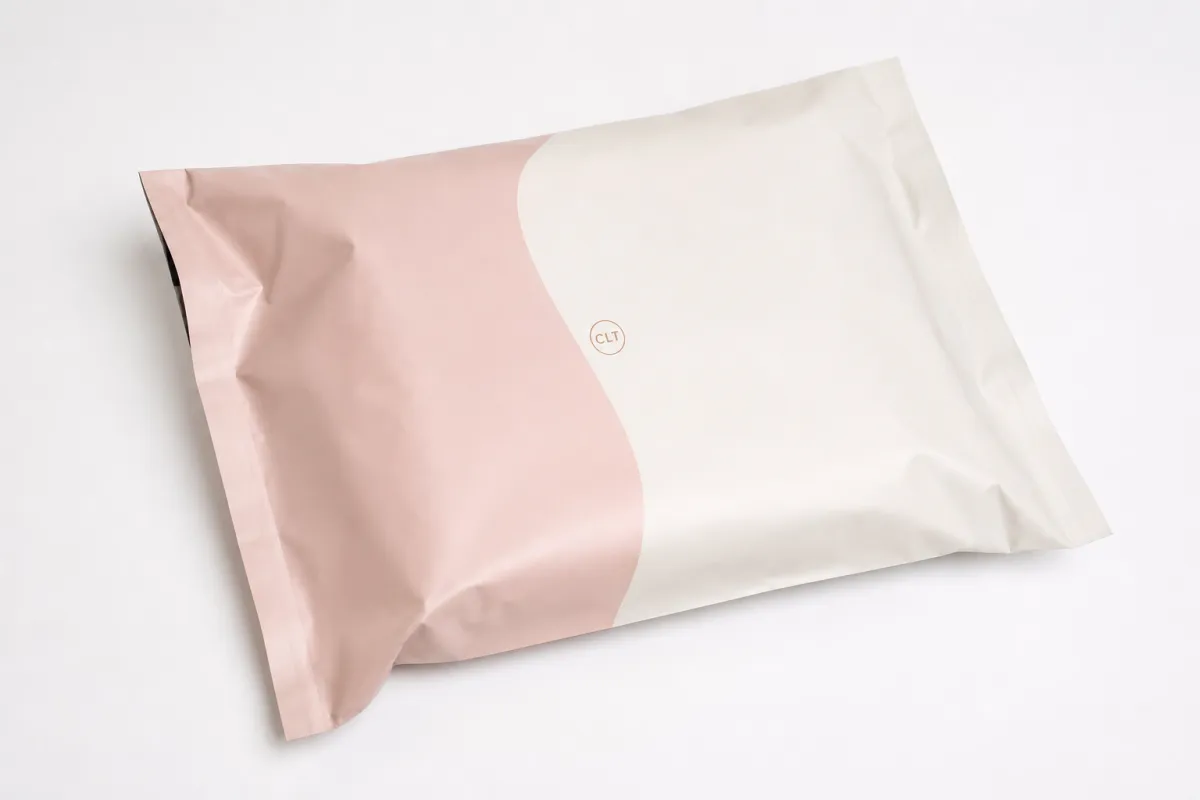
Poly mailers for subscription kits are really about fixing the gap between what a shipment needs and what a box tends to waste. If the kit is made up of soft goods, folded items, sample packets, or lightweight accessories, a rigid carton often creates dead space that has to be filled, protected, and paid for. A flexible pouch or mailer removes much of that waste before it starts.
The practical advantage shows up in three places. First, there is less empty volume, which helps control dimensional weight. Second, the pack-out is usually faster because the person on the line is working with one envelope-style component instead of a box, inserts, and void fill. Third, the package stores more efficiently, which matters a lot if the subscription program sends thousands of identical kits each month and needs clean pallet utilization.
Poly mailers for subscription kits are not a one-size-fits-all answer, though. They work well for apparel, socks, beauty sachets, small pet products, accessory bundles, books with soft inserts, and other lightweight assortments. They are not the right call for glass, heavy liquid products, rigid components that can punch through film, or anything that needs true crush protection. That boundary matters, because the wrong format can save pennies and cost dollars in damage.
A lot of teams fall into the habit of thinking every monthly kit should look like a scaled-down box program. That instinct makes sense until the contents are flat, flexible, or already protected by a strong inner sleeve, garment bag, or sample pack. In those cases, poly mailers for subscription kits usually do the job with fewer steps, fewer materials, and a cleaner handoff from packing bench to carrier network.
In the real world, the best mailer is not the toughest one on the shelf; it is the one that fits the packed kit, survives the parcel network, and keeps packers moving without wasted motion.
If your team is still comparing structures, it helps to think of poly mailers for subscription kits as a shipping format first and a branding canvas second. That order matters because the package has to move through automated sortation, conveyor handling, and residential delivery before it ever opens for the customer. If you need a broader mix of packaging options, start with our Custom Packaging Products lineup and then narrow down to Custom Poly Mailers once the kit dimensions are settled.
How Poly Mailers for Subscription Kits Work on the Packing Line
The packing flow is usually straightforward, but small details change speed more than people expect. A typical line will stage the kit components, place them into the mailer, squeeze out unnecessary air, close the adhesive strip or seal edge, apply the shipping label, and then move the finished parcel into the outbound stream. Poly mailers for subscription kits keep that sequence compact, which is a big reason they perform well in repetitive monthly programs.
Closure style has a real effect on labor. A peel-and-seal adhesive strip is common because it is easy to train and easy to inspect. Tamper-evident seals add confidence for brands shipping premium or sensitive contents. Zip-style closures can work for some reusable programs, though they are less common in straight-through fulfillment. Heat-sealed formats are used in higher-volume operations where the mailer is part of a more controlled production environment. Each choice affects cycle time, seal consistency, and how the package looks after handling.
Printed graphics and opacity matter more than many teams expect. A bold printed mailer gives the customer a clear brand moment before the package is even opened, while a translucent or thin film can reveal silhouettes or contents that were meant to stay private. For some subscription kits, that matters a lot; think beauty items, personal care, or apparel where customers want the package to feel polished and discreet. Poly mailers for subscription kits can absolutely carry brand color well, but the film and print coverage need to support that look.
Manual pack-out versus assisted pack-out is another real-world factor. If the mailer is sized well and the film has enough structure, the packer can insert the kit cleanly without fighting the opening or wrestling excess slack. That reduces fumbles, keeps the seal edge clean, and helps the operation hold a consistent pace. Small changes, like a wider mouth or slightly stiffer film, can improve throughput more than a buyer might expect from a quote sheet alone.
Quality control is simple but important. Check the seal line, corners, label placement, and barcode readability before the orders leave the floor. A seam that is not fully engaged can open in transit, and a badly placed label can slow down automated sorting. Poly mailers for subscription kits should look intentional even after they move through a rough parcel network, so the final check has to include both appearance and performance.
For teams that care about shipping performance testing, it is worth looking at transport standards and general packaging guidance from sources such as ISTA and the broader packaging resources at packaging.org. Those references do not replace your own pack-out trial, but they do help frame what a package needs to survive once it enters the carrier system.
Key Factors That Affect Fit, Protection, and Brand Look
Size comes first. The right approach is to measure the fully packed kit, not the parts in isolation. A folded garment, a set of sample sachets, or a small accessory bundle can grow quickly once inserts, promo cards, tissue, or a return slip are added. Poly mailers for subscription kits should leave enough room for a neat seal, but not so much room that the package shifts, balloons, or looks oversized at the door.
Film choice is the next major decision. Standard poly is often enough for soft goods and light kits, but heavier-gauge film gives more puncture resistance and a sturdier hand feel. Co-extruded structures can improve toughness and help the mailer resist tears at the corners and seal edge. Recycled-content options are increasingly common, but the buyer should ask whether the recycled blend still delivers the print quality, opacity, and seal performance the program needs. Poly mailers for subscription kits are judged with the eyes and the hands, not only with the spec sheet.
Protection needs should be matched to the contents, not to the marketing ambition. A flat mailer is fine for many subscription kits, but not every kit belongs in one. If the contents have sharp corners, stiff edges, or any chance of shifting during transit, a second layer, a protective insert, or a different structure may be smarter. I have seen plenty of programs where a small change in product mix, such as adding a rigid sample jar or a seasonal gift item, changed the packaging answer completely.
Branding details do a lot of heavy lifting here. The mailer is often the first physical touchpoint a subscriber gets each month, so print placement, logo size, color consistency, and finish all shape the experience. Full-coverage printing can feel premium if the artwork is well designed, while a cleaner two-color layout may better suit a brand that wants a calmer look. Poly mailers for subscription kits should feel like they belong to the brand family, not like a generic shipping supply with a logo slapped on top.
Sustainability deserves a practical conversation. Right-sizing is the easiest win because less excess material usually means less waste and lower freight exposure. Downgauging, when the product allows it, can reduce resin use without hurting performance. Recycled-content film may be a good fit, especially for brands that want to show progress without overpromising. Disposal messaging has to stay honest, though, because flexible plastic recycling rules vary by location. The EPA is a useful reference point for waste-reduction thinking, while FSC matters more for any paper inserts, cards, or collateral that travel inside the kit rather than for the poly film itself.
A well-made mailer should also stay flat once the contents are inside. Flatness affects everything from print appearance to label adhesion to how easily the shipment stacks in storage before it goes out the door. Poly mailers for subscription kits work best when the finished parcel has been planned as a finished parcel, not as a loose collection of items wrapped at the last second.
Production Process and Turnaround for Poly Mailers
Production starts with a clear spec, and the cleaner that brief is, the fewer rounds of correction you will need later. A proper request should include finished dimensions, film gauge, color count, print area, closure style, target quantity, and whether the order is a stock item, a custom print, or a fully bespoke run. Poly mailers for subscription kits become much easier to source once the buyer can describe the packed kit instead of just saying “something around this size.”
Stock mailers usually move faster because the material already exists and the print step may be limited or absent. Custom-printed mailers take longer because artwork must be reviewed, proofs need approval, color expectations need to be aligned, and the production slot has to be scheduled. If the program wants a unique size, special finish, or multiple SKUs, the timeline usually expands again because each added variable creates more setup and more checking.
Artwork revisions are a common source of delay. A layout that looks good on screen may need adjustments once it is placed on a real mailer with seams, gussets, and a closing edge. Print coverage can change how the film behaves, especially if the design uses dark solids or heavy ink density. Poly mailers for subscription kits should be proofed as actual packages, not just as artwork PDFs, because the physical result is what the customer sees.
Lead time depends on more than the print schedule. Quantity matters because larger runs often mean better unit economics but longer production windows. Freight distance matters because the shipment still has to reach the fulfillment center or brand warehouse. Finishing choices matter because a matte look, a high-opacity film, or a stronger seal can add steps. Even a simple change, like adding a tear notch or increasing thickness, can move the order into a different production slot.
Build a buffer into the launch calendar. That buffer should cover sample review, approval, production, freight, receiving, and one round of pack-out testing. If the first shipment date is fixed by the subscription cycle, the packaging should not be running right against that deadline. Poly mailers for subscription kits are easiest to manage when they arrive before the monthly rush, not during it.
For buyers who like to line up the options before moving forward, it can help to compare structures side by side:
| Option | Best For | Typical MOQ | Typical Unit Cost | Notes |
|---|---|---|---|---|
| Stock poly mailer | Simple, unbranded shipping | 100-500 units | $0.08-$0.18 | Fastest path, but limited brand impact |
| Custom printed poly mailer | Regular subscription programs | 3,000-10,000 units | $0.14-$0.32 | Better presentation and stronger brand recall |
| Heavy-gauge poly mailer | Heavier kits or rougher handling | 3,000-10,000 units | $0.16-$0.38 | More puncture resistance, slightly higher material cost |
| Recycled-content printed mailer | Brands with sustainability targets | 5,000-10,000 units | $0.18-$0.40 | Verify print quality, seal strength, and opacity before launch |
That table is a starting point, not a promise. Freight, artwork complexity, and market conditions can move the final number either direction. Still, it is a useful way to think about poly mailers for subscription kits because it separates what the package is doing from what the vendor is quoting.
Poly Mailers for Subscription Kits Pricing, MOQ, and Unit Cost
Price is not just the number printed on a quote. The real cost includes the film, the print, the closure, the freight, the storage space it occupies, the labor it saves or consumes, and the waste it creates if the size is wrong. Poly mailers for subscription kits can look inexpensive in unit terms and still become costly if they arrive in the wrong quantity or force the operation to hand-sort around packaging problems.
The main price drivers are easy to recognize once you have shipped a few programs. Size affects resin usage. Film thickness affects both material cost and performance. Print coverage affects setup and ink use. Closure type changes tooling and converting steps. Recycled-content requirements can nudge pricing up depending on the supplier and the blend. Freight matters too, especially for large programs where pallets travel a long distance to the fulfillment site.
MOQ changes the economics in a very real way. Bigger minimums often lower unit pricing, but they also tie up more cash in inventory and make artwork less flexible if the brand changes packaging mid-cycle. Smaller orders are useful for pilot runs, but they usually cost more per piece and may not give enough volume to test the package under real monthly pressure. Poly mailers for subscription kits should be priced against the whole launch plan, not against one invoice line.
Printed and unprinted mailers are not the same business decision. An unprinted mailer may be cheaper in the short term, but a printed mailer can reduce the need for extra inserts, create a stronger unboxing moment, and help the brand feel more memorable. A buyer should not assume that branding is an add-on cost with no return. In subscription programs, the shipping envelope is part of the recurring experience, and that experience has value.
Here are a few practical ways to keep cost under control without sacrificing performance:
- Right-size the mailer to the packed kit instead of the empty product pieces.
- Use the lightest film gauge that still passes your pack-out and transit tests.
- Limit print coverage if a simple layout delivers the brand feel you want.
- Start with one or two proven sizes before adding more SKUs.
- Order to a realistic consumption plan so storage and obsolescence stay in check.
One of the best habits is to compare unit cost and landed cost separately. A low per-piece quote can lose its advantage once pallet freight, receiving, warehousing, and spoilage are added. Poly mailers for subscription kits are often judged only by the quote, but the more honest number is the one that reflects the full path from supplier to subscriber.
If the packaging team is also comparing other components for the kit, the right starting point is often to build the whole ship set together, not one item at a time. That is where the packaging mix from our Custom Packaging Products page can help frame the broader budget, and then the selected Custom Poly Mailers option can be tuned to the final pack-out.
Common Mistakes When Choosing Mailers for Subscription Kits
Oversizing is the mistake I see most often. A mailer that is too large can make a small kit drift around, which hurts presentation and can create a higher shipping charge than necessary. It also tends to look less polished on arrival. Poly mailers for subscription kits should feel intentional, and oversized packaging sends the opposite signal.
Undersizing creates the other kind of trouble. If the film is too tight, the corners take stress, the seal becomes harder to close properly, and the mailer can split during handling. A lot of failures are not dramatic punctures; they are small tears that begin near the edge or at a sharp product corner. That is why pack-out testing matters more than a catalog size guess.
Another common problem is skipping live testing with the actual monthly contents. A sample kit may fit well, but the real subscription kit often changes from month to month. Add a seasonal insert, a coupon card, a small gift, or a different pouch format, and the dimensions shift. Poly mailers for subscription kits should always be tested against the heaviest and most awkward version of the pack-out, not the easiest one.
Convenience features are easy to ignore until customers start opening packages. Tear strips, easy-open notches, and return handling details can improve the experience and reduce support requests. If the mailer is meant to be reused for returns, that has to be built into the design from the start. A strong-looking bag is not enough if the customer cannot open it without cutting through the contents or mangling the edge.
Barcode placement and seal strength are worth checking early, because they can derail a full rollout more quietly than a torn bag. A label that overlaps the seam or a seal that does not pass a simple peel test can cause delays across an entire shipment. Poly mailers for subscription kits should go through sample approval with the same care you would use for a box or a rigid carton, because the shipping network will punish careless setup just as fast.
Here is the short version of what to avoid:
- Buying a size based on the flat product instead of the packed kit.
- Using film that is too light for the product corners or handling conditions.
- Skipping live pack-outs when the monthly contents change.
- Ignoring openability, return needs, and label placement.
- Launching without a simple quality check on seals and barcodes.
Expert Tips and Next Steps for a Smoother Launch
Start with a spec sheet that a supplier can actually work from. Include finished dimensions, film gauge, print colors, artwork placement, closure style, and target quantity. If you can add a photo or sample of the packed kit, even better. Poly mailers for subscription kits become much easier to quote accurately when the receiving team can see what the finished package must contain.
Test the lightest and heaviest subscription versions side by side. A mailer that handles the base kit may behave differently once a premium insert, a seasonal item, or a promotional sample is added. The right test is a live pack-out with real people, real contents, and the same packing motion you expect in production. Small differences in hand feel, stiffness, and seal alignment show up quickly in a real line trial.
Set a reorder point based on actual usage and turnaround, not optimism. If the monthly shipment consumes inventory predictably, reorder before the stock falls below the number of units needed to cover the next lead time window. That one habit prevents a lot of last-minute scrambling. Poly mailers for subscription kits are easier to keep in rotation when they are treated as planned replenishment, not emergency supply.
Define success before launch. Track pack speed, seal failures, dimensional weight impact, damage rate, customer feedback, and total cost per shipped kit. A packaging format can look good and still underperform if it slows labor or causes rework. On the other hand, a slightly simpler mailer can often save time and money while improving the customer's first impression.
If the goal is to scale this cleanly, the path is usually simple: approve the sample, confirm production timing, place a pilot order, observe the first shipment cycle, and then convert the winning format into regular replenishment. That approach is measured, practical, and far less risky than ordering a large run before the pack-out has been proved. Poly mailers for subscription kits reward that kind of discipline because the format is simple, but the details are not.
My honest view is that the strongest programs treat packaging as part of the subscription product, not as a warehouse afterthought. When poly mailers for subscription kits are sized well, printed cleanly, and tested against the real contents, they can make monthly shipping lighter, faster, and easier to control without losing brand presence.
Frequently Asked Questions
What size poly mailers work best for subscription kits?
Measure the fully packed kit, including inserts and promo pieces, because the flat product size is usually smaller than the final shipment size. Choose a mailer that leaves just enough room for the contents to lie flat Without Crushing Them or creating a loose, bulky package. Test the thickest monthly version first, since seasonal add-ons often change the final dimensions more than expected.
Are poly mailers for subscription kits strong enough for everyday shipping?
Yes, when the contents are soft goods, the seal is applied correctly, and the film thickness matches the handling risk. Add a heavier gauge or a protective insert when corners, edges, or minor puncture risks are part of the pack-out. If the kit includes fragile or breakable items, switch to a different structure or add internal protection before relying on the mailer alone.
How long does custom printing usually take for subscription mailers?
Stock mailers can move quickly, while custom-printed runs usually need artwork approval, proofing, and production scheduling. Lead time grows when the order includes multiple sizes, special inks, or repeated revisions to the print layout. Build extra time into the launch calendar so sample approval and first production do not overlap with a shipping deadline.
What affects the price of poly mailers for subscription kits the most?
Size, film gauge, print coverage, and minimum order quantity are usually the biggest cost drivers. Freight and storage can change the true landed cost, especially when the order is large or the fulfillment site is far away. Simpler artwork, right-sized dimensions, and a tested standard structure can lower cost without sacrificing performance.
Can poly mailers for subscription kits be more sustainable?
They can, if you choose right-sized mailers, use recycled-content film where appropriate, and avoid unnecessary material thickness. Sustainability improves when the package reduces shipping waste, minimizes void space, and lowers the risk of damage or re-shipments. Always check local recycling guidance, because acceptance rules for flexible plastic packaging vary by location.
The practical next step is simple: pack out the heaviest monthly version, measure the finished footprint, and approve the smallest poly mailer that survives a live transit test without seal failures, torn corners, or label issues. Once that piece is right, the rest of the subscription kit launch gets a lot easier to keep on schedule.


