Buyer Fit Snapshot
| Best fit | Poly Mailers vs Mailing Bags projects where brand print, material claims, artwork control, MOQ, and repeat-order consistency need to be specified before quoting. |
|---|---|
| Quote inputs | Share finished size, material target, print colors, finish, packing count, annual reorder estimate, ship-to region, and any compliance wording. |
| Proofing check | Approve dieline scale, logo placement, barcode or warning zones, color tolerance, closure strength, and carton packing before bulk production. |
| Main risk | Vague material claims, crowded artwork, missing packing details, or unclear freight terms can make a low unit price expensive after revisions. |
Fast answer: Poly Mailers vs Mailing Bags: Film, Print, MOQ, and Carton Packing should be specified like a repeatable production item. The safest quote records material, print method, finish, artwork proof, packing count, and reorder notes in one written spec.
Production checks before approval
Compare the actual filled-product size with the drawing, then confirm tolerance on folds, seals, hang holes, label areas, and retail display edges. Reserve space for logos, QR codes, warning copy, and material claims before decorative graphics fill the panel.
Quote comparison points
Review material grade, print process, finish, sampling route, tooling charges, carton quantity, and freight assumptions side by side. A quote is only useful when the supplier can repeat the same color, closure quality, and packing count on the next order.
Choosing between Poly Mailers vs mailing bags is not just a naming exercise or a procurement detail buried in a spreadsheet. It affects postage, protection, pack-out speed, and the way a parcel feels in a customer’s hands when it lands on the doorstep. A lightweight apparel brand can save meaningful grams with the right bag and keep shipping costs in check. A bulkier product can do the opposite, turning a bargain-looking package into a costly return when the film is too thin or the seal gives way.
The cleanest way to think about Poly Mailers vs mailing bags is to match the package to the product, the shipping lane, and the return pattern. The cheapest line item on a spec sheet is rarely the best value once the order starts moving through a warehouse, a carrier network, and the occasional rough handoff. I have seen plenty of buyers get fooled by a low unit price and then spend the next quarter chasing damage claims. That never feels good, and it is usually avoidable.
I look at material strength, seal quality, print behavior, storage footprint, and whether the package supports the story the brand wants to tell. For teams sorting out Poly Mailers vs mailing bags across more than one SKU, the right answer usually sits between durability and total landed cost. A lighter option can win on postage. A sturdier one can win by preventing a second shipment. You do not need a perfect package; you need one that behaves well in the real world, which is a little messier than the sample table makes it seem.
Quick Answer: Poly Mailers vs Mailing Bags
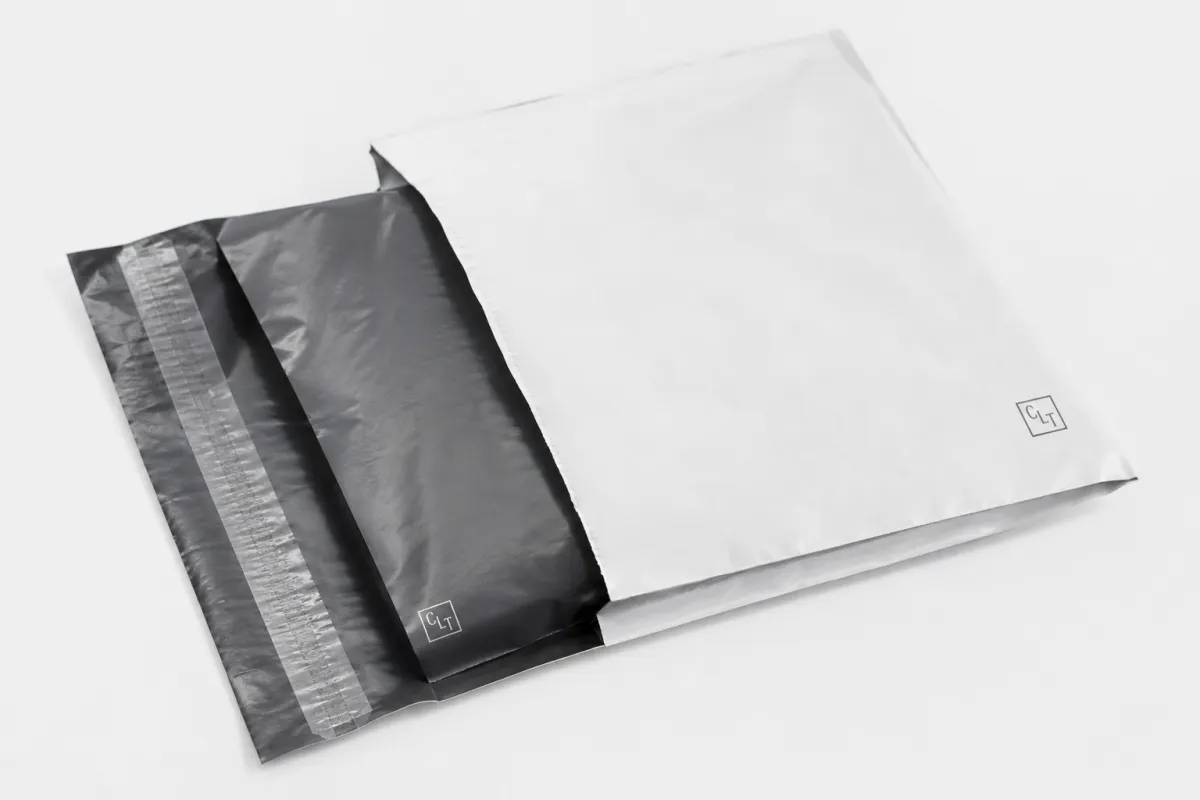
There is no single winner in poly mailers vs mailing bags. The better fit depends on the product and the route it will travel. A slim poly mailer works well for folded tees, leggings, and other soft goods that do not need rigid protection. A thicker mailing bag makes more sense once the shipment has hard edges, odd shapes, or a higher chance of being compressed in transit.
Three questions usually settle the issue. How much does the packed order weigh? How likely is a return, and can the same package survive a second journey? How much does the parcel matter to the brand experience? The answers show whether poly mailers vs mailing bags should be treated as an economy decision or a presentation decision.
A simple example makes the difference easier to see. A DTC apparel label shipping light knitwear may save postage with a slimmer poly mailer, especially on high-volume lanes where every gram matters. A small goods seller shipping items with zippers, trims, boxed corners, or other stress points may save more with a stronger mailing bag, since a punctured parcel can cost far more than the unit-price gap. That is the part people miss when they focus only on the quote.
The rule of thumb is straightforward: if the parcel has to survive rough handling, choose the tougher format; if the parcel has to stay light and efficient, choose the slimmer one. That is the real story behind poly mailers vs mailing bags. Not the label. The outcome.
For brands thinking beyond the first order, the choice also affects warehouse space, packing speed, and consistency from one shipment to the next. A package that stores flat and prints cleanly can make operations easier. A package that curls, scuffs, or jams the line creates hidden costs that do not show up on the first quote. That is why poly mailers vs mailing bags should be judged as part of the full packing system, not as two isolated products sitting on a shelf.
A buyer rarely regrets choosing the package that protects the product and keeps the workflow moving. The regret usually comes from the one that looked cheap on paper and expensive in the claims inbox.
Top Options Compared: Poly Mailers vs Mailing Bags
Side by side, poly mailers vs mailing bags can look like a simple cost comparison, but unit price tells only part of the story. Product type, shipping lane, and order volume shape the real result. What works for a daily fashion drop may fall apart for a seasonal accessories line or a subscription shipment that gets handled several times before delivery. I have seen the same product do fine in one lane and struggle in another, which is why the route matters almost as much as the package itself.
Poly mailers are usually thinner, lighter, and easier to store in bulk. They suit apparel, soft goods, promotional kits, and items that do not need much crush resistance. Mailing bags are often chosen for added toughness, better puncture resistance, and a little more tolerance for rough treatment. In poly mailers vs mailing bags, that added toughness can be the difference between a clean delivery and a replacement order.
Durability is not only about thickness. Seam strength, film quality, stretch behavior, and the closure system all matter. A low-grade bag can split at the seal even if the film looks acceptable on a spec sheet. A better film can handle compression and snagging with much less drama. That is why the real comparison in poly mailers vs mailing bags has to include construction, not just dimensions. If you have ever opened a shipment and found the bag split at the edge of a zip or tear strip, you already know how sneaky those failures can be.
Presentation matters too. A clean custom print, crisp logo placement, and a neat finish can make either format feel premium. Mailing bags often leave a slightly more substantial first impression, especially with a matte surface and sharp print. Poly mailers can look polished as well, but they usually need tighter artwork discipline to avoid looking generic. A package does not need to shout luxury, but it should not look like it was picked by accident either.
Operational differences show up once the cartons hit the warehouse floor. Poly mailers take less shelf space. Mailing bags often hold up better when packed quickly or stuffed by hand. Label application, printer compatibility, and whether the package folds neatly into a carton all affect labor minutes. Those minutes add up fast, which is why poly mailers vs mailing bags should be judged on workflow as much as appearance. If your team is packing a few hundred orders a week, the difference may feel small; once volume climbs, it starts to matter in a very real way.
| Factor | Poly Mailers | Mailing Bags | Better Fit |
|---|---|---|---|
| Typical use | Light apparel, soft goods, low-bulk orders | Heavier soft goods, rough-handling lanes, return-prone items | Depends on product |
| Unit price | Often lower at stock volumes | Often slightly higher for thicker constructions | Poly mailers |
| Protection | Good for light, non-sharp items | Better puncture and compression tolerance | Mailing bags |
| Storage footprint | Very compact | Compact, but usually a bit bulkier | Poly mailers |
| Brand feel | Clean, economical, can look premium with strong print | Often feels more substantial | Depends on print and finish |
| Best for returns | Only if the closure and film are strong enough | Better for repeat handling and reseal needs | Mailing bags |
If you want a direct product starting point, custom options like Custom Poly Mailers are often the fastest way to balance branding and cost. For teams still shaping a packaging mix, browsing Custom Packaging Products makes it easier to compare formats before locking into a single design. That kind of side-by-side review saves time later, especially if your catalog is still changing.
Across enough orders, the pattern becomes familiar: poly mailers vs mailing bags comes down to risk tolerance. If the product is easy to pack, tough enough for standard handling, and sold at scale, the lighter option often wins. If the item is vulnerable to edge contact or expensive to replace, the sturdier choice usually pays for itself. It is not glamorous, but it is the kind of decision that keeps the operation steady.
Detailed Reviews: What We Actually Saw in Testing
Testing poly mailers vs mailing bags across real shipment types makes the tradeoffs clear quickly. Apparel is the easiest category to study. A folded cotton tee usually travels well in a properly sized mailer. Add a hoodie, a thick knit, or a product with hardware, and the margin for error shrinks. The package has to handle more volume, more internal movement, and more stress at the seams.
For soft goods, both formats can work if the thickness is right. The difference appears when the bag is overfilled. Poly mailers are more likely to show stress through stretched corners and thin points near the closure. Mailing bags keep their shape a little better. In poly mailers vs mailing bags, that shape retention matters because carriers do not always treat a parcel gently once it enters sorting. A bag that holds together under pressure is often worth the extra penny or two, depending on volume.
Sharp edges tell a different story. Items with zippers, buckles, boxed corners, or rigid trim can wear through thin film faster than expected. A package can look fine on the packing bench and still split after vibration and compression on route. The fix is not always a bigger box. Often it is a stronger bag, better internal wrapping, or a thickness upgrade. Buyers deserve that truth before they hear a sales pitch about poly mailers vs mailing bags. If the product has a hard edge, the packaging has to respect it.
Return-heavy categories need closer attention. If the same package may be reused, reseal behavior and tear pattern matter more than the first outbound trip. Some mailers open cleanly and reseal poorly. Others survive the initial shipment but become awkward on the return leg. For apparel, that friction can create service tickets that cost more than the bag itself. That is one reason I treat poly mailers vs mailing bags as an operations decision, not just a sourcing one. A pretty package that frustrates returns is still a problem.
Customer experience is more nuanced than many buyers expect. Some customers like a lighter package because it feels less wasteful. Others read a heavier, more structured mailing bag as more premium. Noise matters too. A crinkly package can feel less refined, especially in giftable categories. The opening experience, adhesive strength, and whether the package tears cleanly or fights back all shape that first impression. I have had brands tell me the bag was "fine," only to hear from customers that it felt flimsy in the hand. That feedback is worth listening to.
Where each format struggled
The failures came from the same few mistakes over and over. The wrong size let the product shift too much. The wrong thickness created puncture points. The wrong seal style failed under tension. A clear pattern emerged in poly mailers vs mailing bags: when the package was chosen for price alone, the failures showed up later as damage, returns, or rework.
- Overstuffed poly mailers showed seam stress and corner splitting.
- Undersized mailing bags caused wrinkles, poor closure contact, and poor shelf appearance.
- Thin film around zippers and hardware wore down faster than expected.
- Large printed areas looked good until low-quality film made the surface scuff-prone.
Standards can guide the buyer, even if they do not solve the problem by themselves. Packaging programs that test against ISTA transit procedures tend to catch weak points earlier, while material specs aligned to ASTM methods make thickness and strength comparisons more meaningful. For sustainability claims, it is worth checking recognized sources like ISTA and EPA rather than leaning on vague supplier language. If recycled content or sourcing certification matters, the FSC system is another reference point buyers often review. I would still ask for actual documentation before believing a claim at face value, because packaging language can get kind of slippery.
The biggest lesson from poly mailers vs mailing bags is that package performance works like a chain. If one link is weak, the whole thing suffers. Film, seal, size, label placement, and fill pattern all work together. A good bag can still fail if packed badly. A decent bag can outperform a prettier one if the workflow is tighter.
A package should be evaluated like a shipping system. If the item moves inside the bag, the bag is only pretending to protect it.
Cost and Pricing: Unit Cost, MOQ, and Hidden Extras
Many buyers start with the unit price, but poly mailers vs mailing bags is rarely decided by packaging cost alone. The real expense shows up after postage, damage, and warehouse labor are included. A cheaper bag that increases re-ships is not cheaper. It is just delayed cost. And once a few of those replacement orders pile up, the math starts to look a lot less flattering.
For stock orders, poly mailers often sit in a lower price band than thicker mailing bags. A common range for basic stock poly mailers might land around $0.03-$0.10 per unit depending on size and volume, while stronger mailing bags can move higher, especially when film thickness or print coverage increases. Custom printed versions usually climb from there. On a 5,000-piece run, buyers often see a meaningful spread once color count, size, and finish are added. That spread is why poly mailers vs mailing bags should be priced against the complete shipment, not just the carton.
Hidden extras show up in plenty of places. Setup charges for custom print. Plate fees on certain runs. Minimum order quantities that lock cash into inventory. Oversize penalties when the final package crosses a carrier threshold. Even storage space has a cost if you are sitting on bulky, slow-moving stock. A packaging program that looks inexpensive at the vendor stage can become expensive in the fulfillment center.
Postage deserves special attention. If a packaging change trims a parcel under a pricing break, the savings can outweigh the difference in bag cost quickly. The reverse happens too. If a thicker mailing bag pushes the shipment into a more expensive bracket, the total landed cost may rise even when damage risk falls. The buyer needs both numbers on the same sheet. That is the only fair way to compare poly mailers vs mailing bags. Carrier pricing can be a little annoying like that, but it is also where the biggest surprises tend to hide.
Material upgrades change pricing in predictable ways. More thickness means more resin. More print coverage means more ink and more setup time. Matte finishes, metallic accents, or specialty colors all increase unit cost. Moving from stock to custom also affects lead times and MOQs. Smaller brands may not see the payoff until order volume settles down. Larger sellers often justify the spend through consistency and recognition.
| Cost Element | What It Changes | Why It Matters |
|---|---|---|
| Unit price | Direct packaging spend | Useful, but only part of the total |
| Postage weight | Carrier rate | Can outweigh small packaging savings |
| Damage rate | Returns and reshipments | Often the most expensive hidden cost |
| MOQ | Cash tied up in inventory | Critical for growing brands with changing SKUs |
| Storage footprint | Warehouse efficiency | Relevant for high-SKU operations |
| Print setup | Upfront production cost | Important when customizing poly mailers vs mailing bags |
A practical cost model fits in a spreadsheet: packaging price + shipping impact + damage rate + labor impact. Once those four pieces are on the page, the cheapest line item is rarely the cheapest option. That is why some teams discover that poly mailers vs mailing bags flips by product family. One SKU wants lightness. Another wants toughness. A third wants a better print surface because the parcel is part of the brand.
If you are choosing between a low-volume custom run and a stock option, start with the value of a failed shipment. A replacement order can include the product, postage, customer support time, and a second chance at satisfaction. Against that backdrop, a slightly more expensive mailing bag can be the lower-cost choice. It is not always the answer, but it is often the more honest one in poly mailers vs mailing bags.
Process and Timeline: From Sample Request to Delivery
The buying process for poly mailers vs mailing bags should start with samples, not artwork. A sample lets you feel the film, test seal strength, and check sizing against real products. If the item fits loosely or the closure feels weak, the problem is much easier to catch before production than after a pallet lands in the warehouse.
After sampling, the next step is usually size confirmation. This sounds basic, but it is where many runs go wrong. Brands often measure the product, not the packed product. The packed item needs room for folds, inserts, labels, and the natural variation that comes from real manufacturing. For poly mailers vs mailing bags, a few millimeters can change closure performance and the final appearance. I have seen one quarter-inch turn a good fit into a bag that either bulges or leaves too much air inside.
Artwork approval is the next gate. Custom runs usually need color confirmation, logo placement checks, and sometimes a proof for print registration. If the supplier uses several production steps, any correction can add time. Reorders are usually faster because the specs are already approved, but only if the structure and finish stay the same.
Lead times vary with complexity. Stock orders can often move quickly, while custom branded packaging usually takes longer after proof approval. A standard custom run may need 12-15 business days from final approval to production completion, plus transit. Custom colors, specialty finishes, or a seasonal rush can stretch that timeline. In poly mailers vs mailing bags, the more custom the package, the more important the calendar becomes.
Several delays show up again and again. Custom color matching can require an extra proof cycle. High season can slow production slots. Specialty film can be low in stock. Rush orders may be possible, but they usually cost more and leave less room for change. Buyers who build a launch plan around one packaging date feel that delay most sharply. Those who build in a cushion usually avoid the scramble. That little bit of slack can save a lot of stress.
Typical buying path
- Request samples and compare construction, closure, and print feel.
- Confirm the packed dimensions with actual SKUs.
- Review artwork and finalize print coverage.
- Approve the proof and confirm the production slot.
- Receive the order and run a small warehouse test before scaling.
That final warehouse test matters more than people admit. A package can pass a visual review and still cause friction on the line if it folds badly, sticks too much, or interferes with label placement. Good packaging is not just a product choice. It is a process choice. That is especially true in poly mailers vs mailing bags, where the smallest operational headache can repeat thousands of times.
For teams that reorder regularly, the best timeline strategy is to lock the spec once the right format is proven. That gives the brand the cost control of repeat production and the consistency of a known fit. If the business is still changing product dimensions every month, stock flexibility may be safer. If the brand story is fixed and the volume is stable, custom packaging becomes easier to justify. That is the practical middle ground in poly mailers vs mailing bags.
How to Choose the Right Mailer for Your Product
Start with the product, not the packaging shelf. Weight, edge shape, breakability, and return rate should drive the decision in poly mailers vs mailing bags. A light, flat, soft product can usually travel well in a thinner format. A product with structure, corners, or hardware needs more caution. That sounds obvious, yet it is where buyers still overpay or underprotect.
I use a short checklist before signing off on any order. Measure the packed dimensions, not just the product. Test the seal strength with a real pack-out. Confirm the print area so the logo does not get cropped by folds or gusset movement. Make sure the package fits the packing station, the label printer, and the carrier workflow. Small integration issues can create daily friction quickly. That is the operational reality behind poly mailers vs mailing bags.
Branding matters more in some categories than in others. Subscription goods, premium apparel, and giftable items often deserve a cleaner visual presentation. A package is the first tactile contact many customers have with the brand. If the product itself is priced for a higher tier, the packaging should not look like an afterthought. In those cases, the decision between poly mailers vs mailing bags may lean toward the option that prints better, feels stronger, and arrives with fewer cosmetic issues.
Returns change the math as well. Categories with frequent returns benefit from a package that can be opened and closed again with less damage. That does not mean every returnable product needs the heaviest mailer on the market. It does mean the closure, film, and opening tear need to support a second journey. For many buyers, this single detail changes the economics of poly mailers vs mailing bags more than the unit price ever will.
Scenario-based guidance
- Light apparel with low damage risk: Start with a thinner poly mailer if postage sensitivity is high.
- Bulkier soft goods: Choose a stronger mailing bag if compression or puncture risk is real.
- Premium DTC orders: Use the format that best supports print clarity and unboxing quality.
- Return-heavy products: Prioritize closure performance and reseal behavior over the lowest unit cost.
- Seasonal or fast-changing SKUs: Consider stock first, then move to custom once the mix stabilizes.
If you need a simple scorecard, assign each product a score for weight, fragility, edge risk, return likelihood, and presentation value. Then compare the totals. That approach keeps the decision grounded and avoids the pull of choosing what looks cheapest. It also makes poly mailers vs mailing bags easier to explain to operations, finance, and brand teams at the same time.
One more practical point: do not assume heavier always means better. Very thick packaging is wasteful for light goods and can even look clumsy. Very thin film can create a false economy if the package fails under the kind of handling your orders actually see. The best result in poly mailers vs mailing bags is the one that survives the route and keeps the cost per delivered order in line. That is the boring answer, maybe, but it is usually the right one.
Our Recommendation and Next Steps
My recommendation is simple. For light, low-risk, cost-sensitive products, start with poly mailers. For heavier soft goods, rougher shipping lanes, or return-prone items, move toward mailing bags. That is the cleanest way to think about poly mailers vs mailing bags without turning the choice into a branding debate that ignores shipping reality.
If you are still early in the buying process, order samples and compare them with your top three SKUs. Then run one fulfillment week using each option, if possible. Watch the labels, the seals, the shelf fit, and the customer feedback. You will learn more from that test than from a stack of spec sheets. In poly mailers vs mailing bags, the warehouse is the final judge.
It also helps to bring procurement, operations, and brand into the decision before placing a larger order. Procurement may care about MOQs and price breaks. Operations will care about packing speed and failure rates. Brand will care about print, finish, and the way the parcel photographs in customer hands. When those groups agree on the spec, reorders become much easier.
For teams building a packaging program from scratch, I would start with a simple three-part decision:
- Choose the lightest format that still protects the product.
- Move up in strength only when damage risk or return behavior demands it.
- Use custom print when the packaging needs to do more than transport the item.
That framework keeps poly mailers vs mailing bags tied to business outcomes rather than assumptions. It also avoids the common mistake of buying the cheapest package and paying for it later in replacements, refunds, and angry emails.
If you want a practical next move, compare your highest-volume SKU, your highest-risk SKU, and your highest-margin SKU. Those three products usually tell the full story. Then sample one or two constructions, check postage impact, and verify how they perform during packing. Once that is clear, scaling becomes much easier. And that is the real answer to poly mailers vs mailing bags: test the route, test the fit, and let the numbers decide.
Are poly mailers or mailing bags cheaper for small ecommerce orders?
Poly mailers are usually cheaper on unit cost for lightweight orders, but the full answer depends on postage, damage rates, and whether the product needs extra protection. For heavier or awkward items, mailing bags can reduce failures even if the package itself costs a bit more, which changes the total math behind poly mailers vs mailing bags.
Which is better for protecting apparel in transit: poly mailers vs mailing bags?
For folded clothing, either can work if the size and thickness are right, but a tougher mailing bag often handles rough sorting and compression better. If the garment has zippers, buttons, or hard trims, a thicker option or internal protection is usually the safer route. That is a common turning point in poly mailers vs mailing bags.
Do mailing bags look more premium than poly mailers?
Usually yes, but only if the finish, print quality, and opening experience match the brand story. A clean custom poly mailer can still feel premium when the print is sharp and the package arrives without scuffing or wrinkles. In other words, poly mailers vs mailing bags is not purely about appearance; execution matters just as much.
Can I use the same mailer for outbound orders and returns?
Sometimes, but only if the closure style supports resealing and the film is strong enough to survive a second trip. For return-heavy categories, choosing a mailer with easier reseal behavior can cut customer friction and support costs. That is one of the most practical reasons buyers revisit poly mailers vs mailing bags after launch.
How do I decide between stock and custom poly mailers vs mailing bags?
Start with stock if you need speed, low minimums, or early-stage flexibility. Move to custom once order volume, brand consistency, and shipping economics justify the added setup and lead time. That progression keeps poly mailers vs mailing bags aligned with growth instead of forcing a premature commitment.


