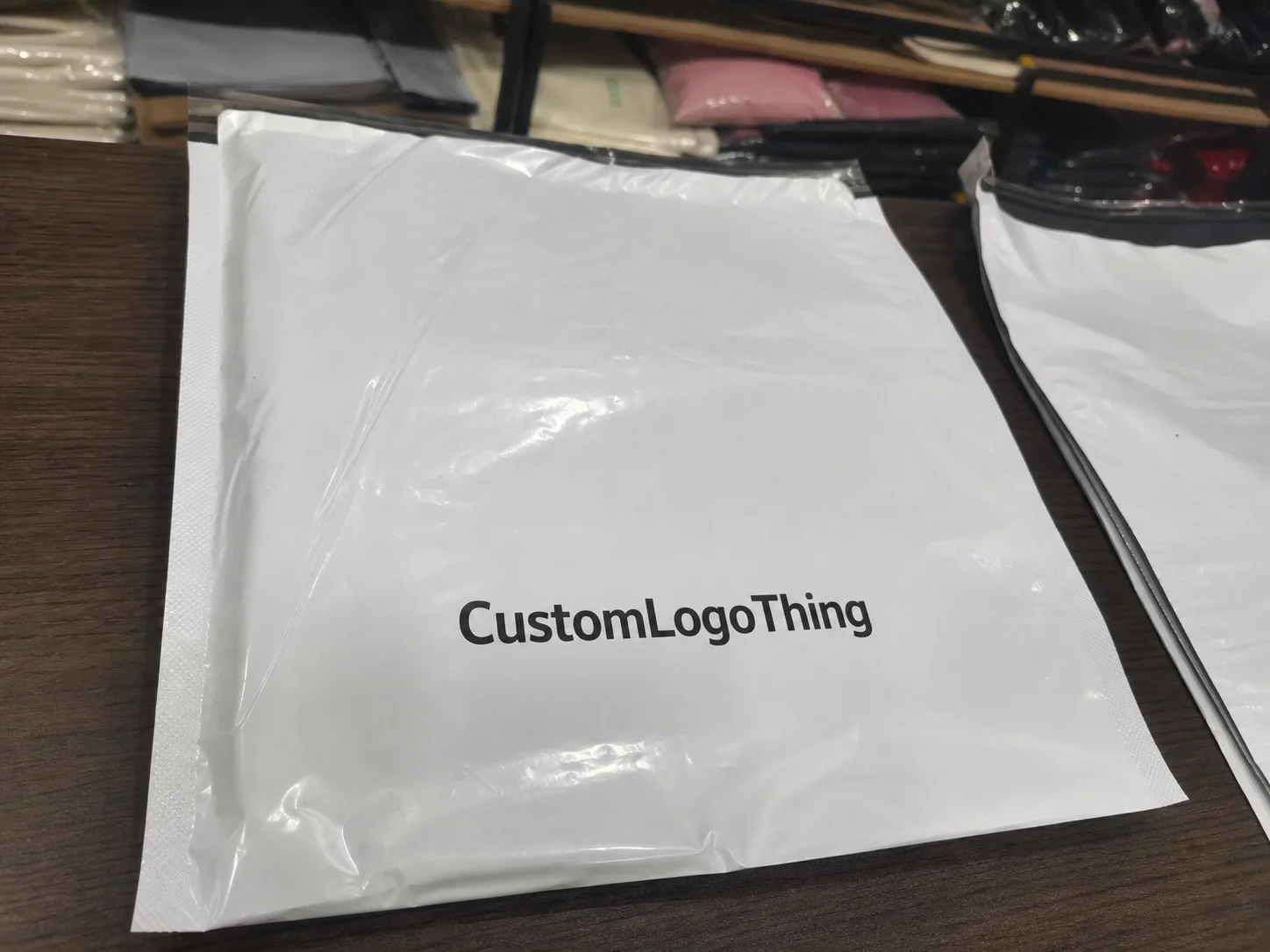
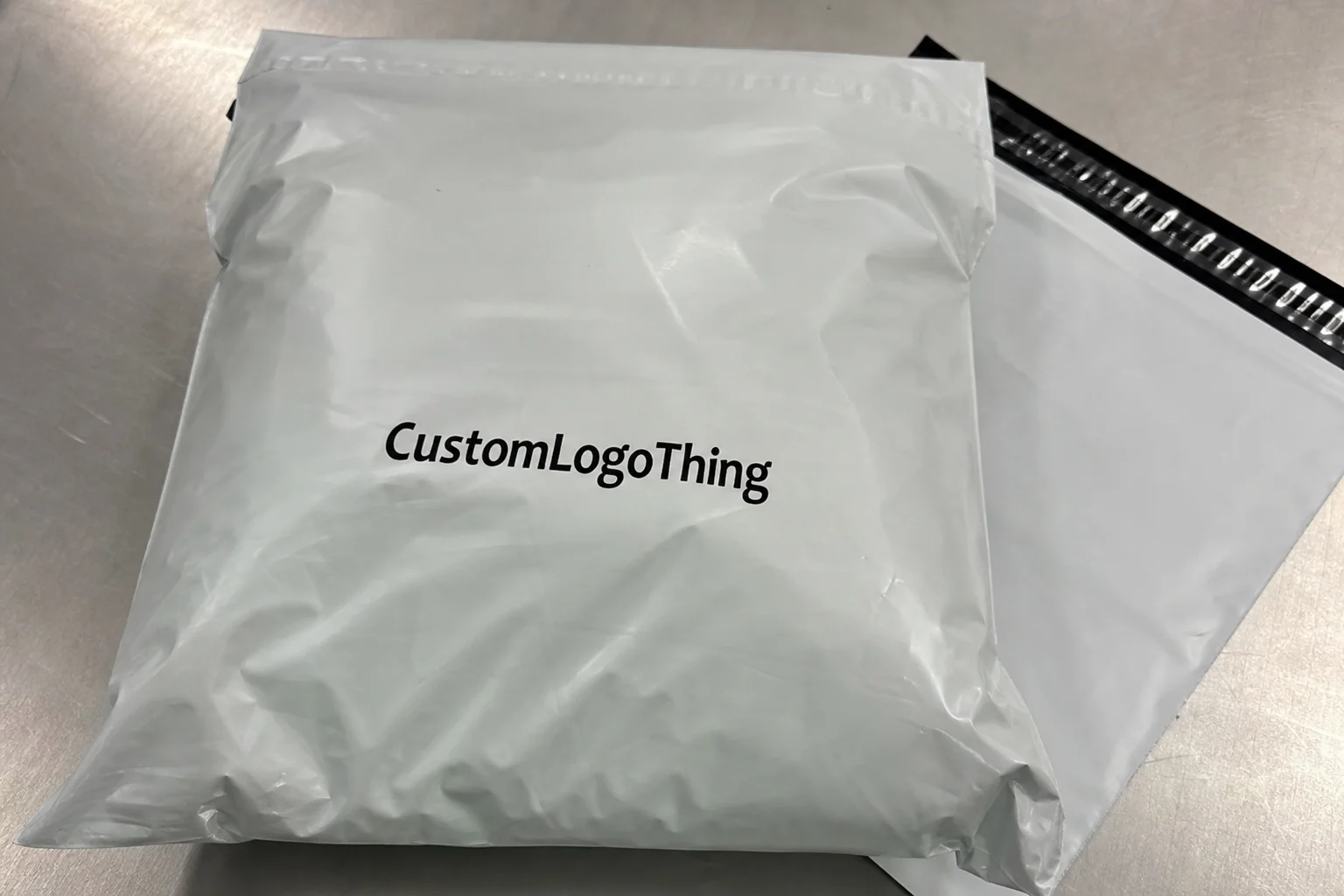
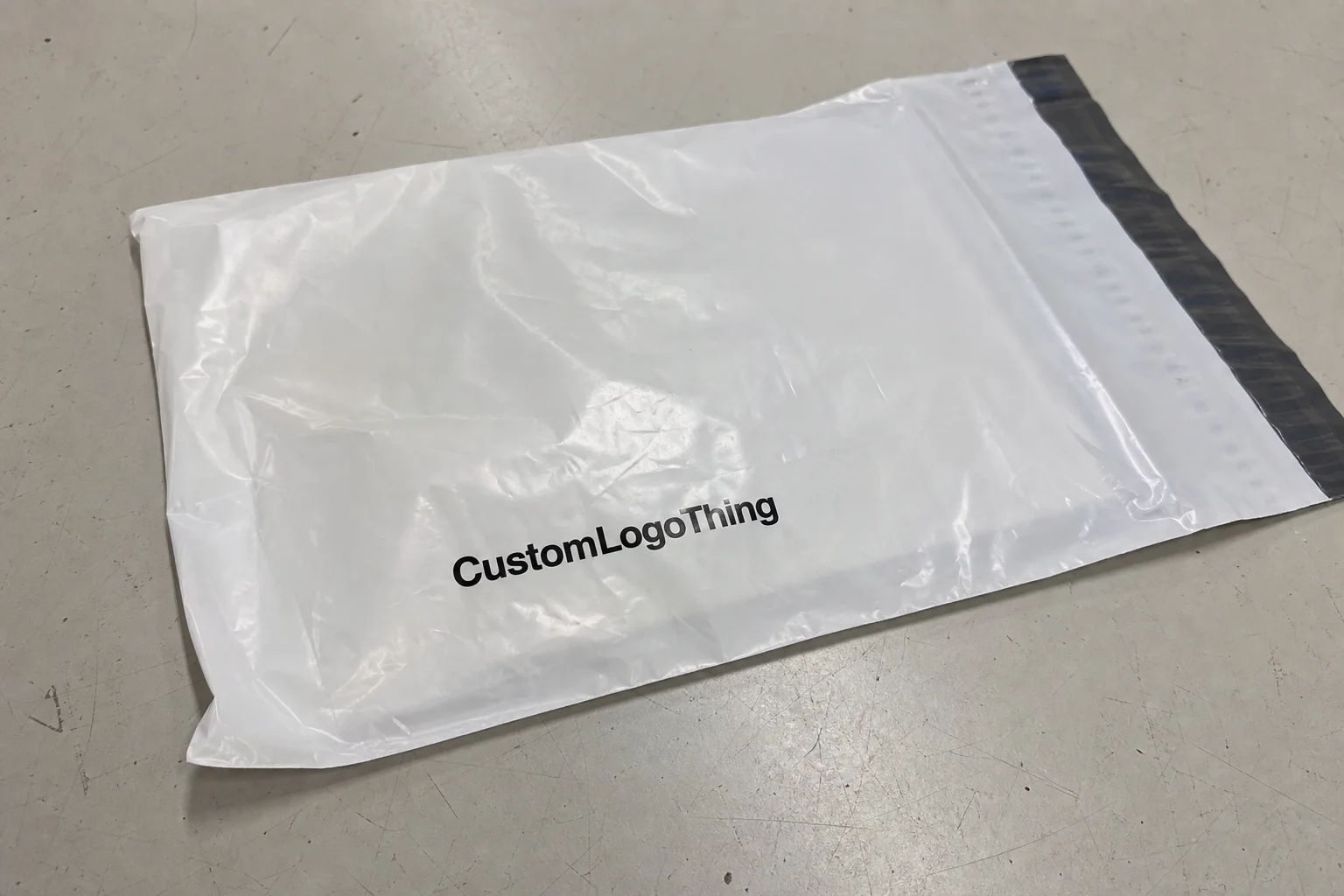
Buyer Fit Snapshot
| Best fit | poly mailers vs padded mailers which one fits for packaging buyers comparing material specs, print proof, MOQ, unit cost, freight, and repeat-order risk where brand print, material, artwork control, and repeat-order consistency matter. |
|---|---|
| Quote inputs | Share finished size, material target, print colors, finish, packing count, annual reorder estimate, and delivery region. |
| Proofing check | Approve dieline scale, logo placement, barcode or warning zones, color tolerance, and any recyclable or compostable wording before bulk production. |
| Main risk | Vague material claims, crowded artwork, or missing packing details can create delays even when the unit price looks attractive. |
Fast answer: Poly Mailers vs Padded Mailers Which One Fits: Film, Closure, Print, and Fulfillment should be specified like a repeatable production item. The safest quote includes material, print method, finish, artwork proof, carton packing, and reorder notes in one written spec.
What to confirm before approving the packaging proof
Check the product dimensions against the actual filled item, not only the sales mockup. Ask for tolerance on folds, seals, hang holes, label areas, and retail display edges. If the package carries a logo, QR code, warning copy, or legal claim, reserve that space before decorative graphics fill the panel.
How to compare quotes without losing quality
Compare board or film grade, print process, finish, sampling route, tooling charges, carton quantity, and freight assumptions side by side. A lower quote is only useful if the supplier can repeat the same color, closure quality, and packing count on the next order.
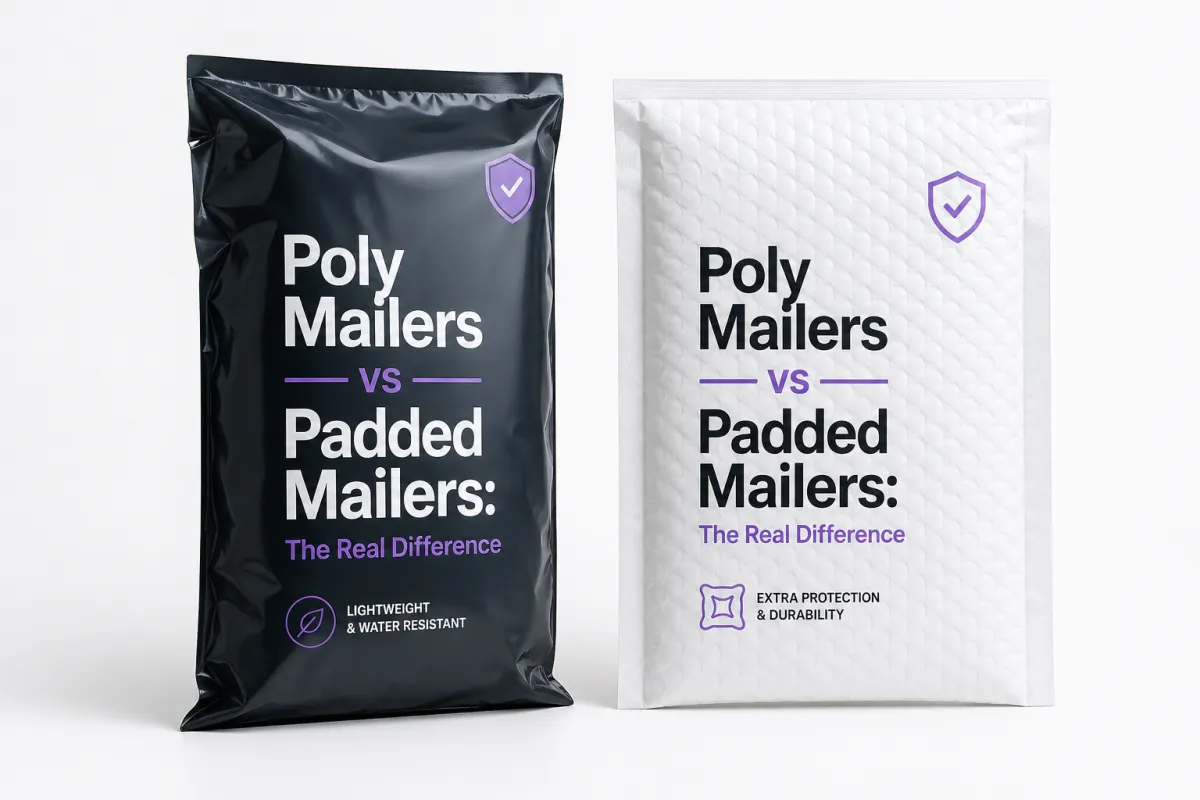
Poly Mailers vs Padded Mailers: The Real Difference
Poly Mailers vs padded mailers is one of those packaging decisions that looks tiny until the replacement orders, support tickets, and refund requests start stacking up like unpaid invoices. I once worked with a Los Angeles apparel brand that trimmed $0.06 off each mailer on a 10,000-unit run, only to lose more than $4,200 replacing damaged shipments after 7% of parcels came back with crushed corners. The savings were real. So was the mess. Packaging has a habit of turning optimistic assumptions into hard numbers, which is exactly why poly mailers vs padded mailers deserves a proper cost check instead of a shrug.
Here is the short version. Poly mailers are Lightweight Shipping Bags, usually made from LDPE or a co-extruded film, and they are built to keep soft goods dry, flat, and economical to ship. Padded mailers add cushioning, usually bubble padding or a paper-based insert, so the package can absorb more abuse in transit. In Poly Mailers vs padded mailers, the first favors speed, lower postage, and simple packing. The second buys more protection and a better shot at protecting items that scratch, bend, or dent. That is the real split, no sugarcoating needed.
I have seen both formats work well, and I have seen both fail for reasons that should have been obvious in hindsight, which is somehow always more annoying. On a factory visit near Shenzhen in Guangdong Province, a buyer insisted on a 2 mil poly bag for ceramic accessories because the outer carton looked "sturdy enough." The carton arrived intact, but 11% of the printed sleeves inside showed dents. Those sleeves were 350gsm C1S artboard with a laminated finish, so the damage was not subtle. Another time, a skincare brand in Brooklyn asked if padded mailers would make them look more premium. Not by themselves. Their serum bottles were sliding around inside the package, so the padding was just making a loose fit more expensive. Packaging tends to be brutally honest like that.
The real question in poly mailers vs padded mailers is not which one is better in a vacuum. It is which one protects the product at the lowest landed cost while still presenting the brand the way you want. Three things matter most: product protection, shipping cost, and brand presentation. If you ship T-shirts, the answer usually shows up fast. If you ship jewelry, cosmetics, small electronics, or anything with a scratch-prone finish, the answer gets less comfortable and more expensive. That discomfort is usually the clue, not the problem.
There is a twist that catches buyers off guard. For some products, padded mailers are unnecessary. For others, a plain poly mailer is a shortcut to damage claims and refunds. That is why I keep telling clients to stop debating packaging in the abstract. Pull the SKU list, review the route, and look at the return rate for the last 90 days. Then compare poly mailers vs padded mailers against the actual job the package has to do. If the package is not solving a real problem, it is just another line item pretending to be strategy. And honestly, that happens a lot.
I am treating this like a buying decision, not a theory exercise. Cost, print quality, protection, timeline, and the tradeoffs that show up after the first bad shipment all deserve attention. I have sat through enough factory-floor arguments and supplier quotes to know how quickly "the bag is only a bag" turns into a reprint. If you want to scan broader options too, our Custom Packaging Products page is a good place to start.
Poly Mailers vs Padded Mailers: What They Cost
Money is where poly mailers vs padded mailers gets real. On paper, the difference can look tiny. In practice, the numbers stack up across unit cost, postage, damage rate, and labor. A standard custom poly mailer in a 6" x 9" or 10" x 13" format can land around $0.15 to $0.32 per unit at 5,000 pieces, depending on film thickness, print coverage, adhesive style, and whether you want a matte finish or a simple one-color logo. I have seen a 10" x 13" 2.5 mil mailer quote at $0.17 per unit from Dongguan, while a similar size from Ningbo came back at $0.21 with a thicker adhesive strip and cleaner slitting. Custom padded mailers usually start higher, often around $0.28 to $0.68 per unit at similar volumes, because the material structure is more complex and the build takes more steps.
That spread changes quickly with quantity. At 1,000 pieces, the gap feels painful. At 20,000 pieces, pricing can come down sharply, especially if you are repeating the same size, same ink count, and same closure spec. I negotiated a run for a pet brand where the price dropped from $0.41 to $0.23 per unit simply because we matched the print method, removed a second adhesive strip, and increased the order from 3,000 to 12,000 pieces. Same supplier in Shenzhen. Same factory floor. Different math. That is how packaging really works, and yes, it can feel absurdly unfair until you see the quote sheet.
Unit cost is only half the story in poly mailers vs padded mailers. Shipping cost matters too. Poly mailers are lighter, so they usually keep postage tighter, especially on carrier pricing tiers that react to ounces or grams. Padded mailers weigh more, and in some service levels they can push a parcel into a higher rate band. They can also create machinability issues if the package gets too thick or irregular, which matters more than most buyers expect. On a single parcel, the difference may only be a few cents. On 50,000 orders, a few cents becomes a number people notice very quickly. Nobody enjoys discovering that after Q4 has already eaten the budget.
Hidden costs are the part buyers miss. A damaged order can mean a replacement shipment, a second label, a support ticket, a refund request, and sometimes a social media post with your logo in the background. I have seen one damaged batch create more labor than the entire packaging order. That is why poly mailers vs padded mailers should always be judged on landed cost, not sticker price. The cheapest unit is not always the cheapest outcome. Sometimes the low quote is just a very charming trap.
| Option | Typical Unit Cost at 5,000 Pieces | Weight | Protection Level | Best Fit |
|---|---|---|---|---|
| Standard Poly Mailer | $0.15 to $0.32 | Light | Low to moderate | Apparel, flat goods, soft accessories |
| Eco Poly Mailer | $0.18 to $0.38 | Light | Low to moderate | Brands with recycled-content goals |
| Bubble Padded Mailer | $0.28 to $0.68 | Moderate | Moderate to high | Cosmetics, accessories, small electronics |
| Kraft Padded Mailer | $0.32 to $0.74 | Moderate | Moderate to high | Premium retail, paper goods, gifting |
Supplier quotes can vary wildly, which is exactly why buyers get burned. One factory in Dongguan quoted a client $0.19 for a "custom padded mailer," but the sample was a thin bubble envelope with weak adhesive and almost no crush resistance. Another supplier in Ho Chi Minh City came back at $0.31 for a tighter build with better seal strength and a cleaner print face. Both were "custom padded mailers." Only one was actually usable. Compare the same size, the same print method, the same GSM, and the same seal spec, or the price comparison is basically decorative. I have seen people congratulate themselves on saving money and then spend it twice fixing the fallout. Not exactly a win.
If you need a practical shortcut, use this frame: for low-risk products, poly mailers vs padded mailers often comes down to whether the shipping savings offset the slightly higher damage risk. For fragile products, the extra cents usually buy insurance against much bigger losses. The cost to fix mistakes is usually higher than the cost of doing it right the first time. Packaging loves to teach that lesson the hard way, and it never seems to do it gently.
Top Options Compared: Poly Mailers vs Padded Mailers
Not all mailers are built the same, and that matters more than most buyers think in poly mailers vs padded mailers. A standard poly mailer is usually the leanest option: cheap, light, and easy to print. An Eco-Friendly Poly Mailer can use recycled-content film or a more responsible resin blend, which helps with brand positioning but sometimes trades off a bit of feel or seal consistency. On the padded side, bubble padded mailers are the classic workhorse, while kraft padded mailers bring a more natural presentation and often feel a little more retail-ready.
I rank them by use case, not romance. Apparel and soft goods usually belong in poly mailers. Cosmetics, jewelry, hardware kits, and small electronics often need padded mailers. If the product has any chance of scratching, chipping, bending, or denting, you are in padded territory or beyond. If it is flexible, sealed, and low risk, poly usually wins on cost and speed. That is not a glamorous answer, but glamorous answers are how warehouses end up with broken things.
The brand feel is different too. Poly mailers vs padded mailers is partly a visual decision. Poly mailers look lean, efficient, and modern when printed well. They say, "We know what we are doing, and we are not wasting material." Padded mailers feel more protective. They say, "We took a little extra care." Neither is automatically premium. Premium is the combination of fit, print clarity, and consistency. A wrinkled mailer with a crooked logo looks cheap no matter how much padding it has. I have seen beautiful packaging ruined by a bad alignment line, which is insulting to everyone involved.
Print behavior matters more than people expect. Flat film on poly mailers can take bold color, large logos, and sharp linework very cleanly. I have seen custom poly mailers hold a deep black logo, a white return-address block, and a simple one-color warning message with excellent contrast. Padded mailers can print well too, but the surface texture, seams, and padding structure sometimes make the artwork less crisp. That is not a flaw. It is just material reality. I have watched buyers fall in love with a mockup and then complain when the padded version did not look like the flat artwork file. Of course it did not. The substrate was different. The sample was not lying; the expectations were.
There are also times when neither option is the smartest choice. If you ship fragile glass, framed art, or boxed luxury goods, rigid mailers or corrugated shippers may be better. I would rather tell a client to spend $0.18 more on the right structure than watch them save pennies and eat damage claims all quarter. If your line includes a mix of SKUs, you may need both formats instead of forcing one packaging system onto everything. That is usually the mature answer, even if purchasing teams hate hearing it because it ruins the dream of one tidy procurement spreadsheet.
For buyers building a new lineup, I often suggest comparing the options in three buckets:
- Protection: how well the package resists crush, moisture, and abrasion
- Presentation: how the mailer looks at delivery and during unboxing
- Economics: unit cost, postage impact, and replacement risk
When you line those up, poly mailers vs padded mailers stops being a guessing game. It becomes a fit question. And fit is where smart packaging decisions live.
Detailed Reviews: Protection, Branding, and Unboxing
Protection is where poly mailers vs padded mailers really separates. Poly mailers do a good job against dirt, light moisture, and general handling. A quality 2.5 mil or 3 mil poly bag can survive a lot more abuse than people expect. I have seen them come through warehouse conveyor systems in Dallas, postal sacks in Chicago, and rainy last-mile delivery in Seattle with the contents still fine. But they do not cushion. If the product needs a buffer between itself and the outside world, poly mailers are not going to invent one for you. I wish they did. It would make procurement meetings much shorter.
Padded mailers absorb shock better, which is exactly why they exist. Bubble padding or paper padding helps protect against corner crush, minor drops, and abrasion. That makes them a smarter choice for items with painted surfaces, glass components, plated finishes, or Retail Packaging That must arrive looking untouched. In poly mailers vs padded mailers, protection and presentation pull in different directions, and you can usually see the tradeoff in the sample. In the language of standards, many buyers reference test methods linked to ISTA packaging protocols, and they should. If you are serious about shipping performance, review the test framework at ISTA. It is not glamorous reading, but neither is paying for damaged inventory.
Branding is the other half. Poly mailers vs padded mailers can create very different first impressions. Poly often gives you a stronger canvas for color, logo placement, and repeat messaging. I like it for brands that want clean, direct, and modern. When I visited a print line running custom poly mailers for a DTC apparel brand in Jiaxing, the owner cared more about logo alignment than the material cost. Fair enough. The bag landed on camera in every social post, and one misaligned logo would have looked like a production mistake, not a packaging choice. We tightened the artwork by 2 mm and the whole run felt more expensive without actually costing more. That tiny adjustment probably saved them a few angry emails too, which is a nice side effect.
Padded mailers bring a different kind of presence. They feel more substantial in the hand. That can help with premium positioning, especially for gifts or higher-value products. Still, not every padded mailer feels upscale. Some of them feel bulky, squeaky, or overbuilt. If the customer has to wrestle the package open like it is a stubborn freezer bag, the unboxing experience takes a hit. You want control, not drama. Nobody wants to start their order by fighting with an envelope like it owes them money.
"We thought the mailer was just shipping material. Then returns from scuffed product boxes jumped 18% in one month, and the refund cost hit $9,600 by the end of the quarter. That little envelope had a bigger budget impact than our ad campaign."
I hear versions of that line all the time. Brands underestimate how much the shipping package shapes the customer’s perception. Opening ease, adhesive strength, storage space, and surface finish all show up in the experience. A flat poly mailer is easy to stack and store, which saves shelf space in the packing area; a 1,000-unit carton of flat mailers can sit on one pallet in a compact warehouse aisle. A padded mailer takes up more room and can slow down packing if the team is handling several sizes. On the flip side, the padded version can feel more reassuring for expensive items because customers can tell there is actual structure inside the bag. That feeling is not imaginary. It affects complaints, reviews, and repeat purchase behavior more than most brands admit.
For social media and unboxing videos, the visual story matters. Poly mailers vs padded mailers is not just about durability; it is about what appears on camera. A crisp printed poly bag can look sharp and intentional. A kraft padded mailer can look earthy and thoughtful. A bubble mailer with a sloppy print and crooked seam looks like you bought it out of a convenience store clearance bin. That is not a branding strategy. That is a bad day with a label printer, and the internet will absolutely notice.
For buyers who care about material responsibility, check the actual claims before repeating them in marketing. Recycled-content films, FSC-certified paper components, and recyclable substrates all depend on what is truly in the build and what the local recycling stream can accept. The EPA recycling guidance is a solid reference point when you are sorting those claims out. Marketing language is cheap. Material truth costs more, which is exactly why it should be checked instead of guessed.
My honest take after years of samples, factory floors, and more than a few awkward packaging meetings: poly mailers vs padded mailers is really about matching the package to the damage risk. If the damage risk is low, go lean. If the damage risk is real, padding earns its keep quickly. That is the boring answer, and boring answers are often the expensive ones people ignore.
Process and Timeline: From Artwork to Delivery
The process is simple on a whiteboard and slightly messy in real life. For custom poly mailers and custom padded mailers, the workflow usually goes quote, material selection, artwork setup, proofing, production, inspection, packing, and shipping. The part that eats time is not usually production. It is the back-and-forth before production starts. A client changes the logo size three times, switches from matte to gloss, then asks whether the adhesive strip can move 8 mm. Suddenly a "quick order" is a small project with opinions, and everyone acts surprised by that outcome.
Realistic turnaround depends on quantity, print complexity, and whether the factory has the base film or paper stock in hand. For many custom runs, 12 to 15 business days from proof approval is a sensible expectation. Some repeat orders can move faster if the size and print setup are already locked. If you are working through a peak season or a full-color design, give yourself more room. I have seen a three-day delay on artwork approval snowball into a missed launch week because the freight booking window tightened and the port schedule turned ugly. Packaging delays love to hide inside "one more revision." That phrase has wrecked more schedules than any machine ever did.
Here is what buyers should prepare early in the process if they want poly mailers vs padded mailers to move smoothly:
- Final logo files in vector format, ideally AI, EPS, or a clean PDF
- Exact size specs for the product and the folded or boxed pack
- Print colors, Pantone references, and any white ink requirements
- Adhesive preference, including single seal or dual strip if needed
- Target order quantity and reorder forecast
- Shipping destination and delivery window
Sampling saves money even when it feels like a delay. A sample can reveal seal strength issues, print smearing, weak corners, or sizing mistakes before you are stuck with 8,000 units. One cosmetics client in Austin insisted they did not need a sample because the size was standard. Their lip gloss cartons fit too tightly, and the flap burst during packing. That was an annoying afternoon and an expensive lesson. A sample would have cost less than a single pallet of bad inventory, which is the sort of sentence nobody wants to hear after the fact.
This is also where standards help. If a supplier says the mailer was "drop tested," ask what method they used. Was it a recognized internal check, an ISTA-based protocol, or just somebody dropping a sample from waist height and calling it research? There is a difference. A lot of it, actually. Buyers who know the difference usually get better packaging. The rest get stories for their postmortem meeting, and those meetings are never as fun as people pretend they will be.
For seasonal launches, subscription boxes, and restocks, timeline planning matters because the packaging order touches everything downstream. If the mailers arrive late, your fulfillment team may resort to temporary packaging, and temporary packaging has a habit of becoming permanent in the worst possible way. Poly mailers vs padded mailers may feel like a product choice, but it is also an operations choice. Miss the schedule, and you do not just have a packaging problem. You have a sales problem.
How Do You Choose Between Poly Mailers vs Padded Mailers?
If you want the cleanest decision path, start with product fragility. Soft clothing, socks, scarves, and similar low-risk items usually belong in poly mailers. Flat inserts, paper goods, and light textile accessories do too. Once the item can scratch, chip, bend, dent, or crack, padded mailers start making more sense. That is the easiest way to think about poly mailers vs padded mailers without turning it into a procurement seminar nobody asked for.
Then look at shipping distance and handling. Local deliveries with controlled carrier routes are gentler than cross-country parcels bouncing through multiple hubs. The rougher the route, the more padding starts to matter. If your shipping lane includes long transit times, rough sorting centers, or peak-season bottlenecks, a padded option can pay for itself by reducing damage claims. I had a client shipping stainless steel grooming tools to the East Coast from California. The product was not delicate in the glassware sense, but the brushed finish marked up easily. Switching from poly to padded mailers cut cosmetic complaints by more than half within two months. That was one of those rare moments when a packaging change made customer support noticeably calmer, which felt almost suspicious.
Brand positioning matters too. Minimal, efficient brands often prefer poly mailers because the package matches the product story. Premium, giftable, or higher-value products may justify padded packaging because the customer expects a more protective feel. That said, I have seen premium brands use poly mailers beautifully. The trick was excellent print, perfect sizing, and a tidy inner pack. Fancy packaging without discipline still looks messy. It just costs more, which is a wildly annoying trait.
Here is a simple checklist I use when clients ask about Poly Mailers vs Padded Mailers:
- Product weight: heavier items need stronger handling
- Surface sensitivity: glossy, painted, plated, or soft-finish items scratch more easily
- Return rate: if returns are already high, packaging matters more
- Unboxing goal: lean and functional versus protective and elevated
- Budget per shipment: include postage, labor, and replacements, not just the mailer
- SKU variety: mixed catalogs often need more than one format
There is also a point where you stop forcing one answer across every SKU. A clothing brand might use poly mailers for T-shirts, padded mailers for jewelry add-ons, and corrugated shippers for boxed gift sets. That is not inconsistency. That is common sense. The cleanest packaging system is the one that fits the product, not the one that makes the spreadsheet look tidy. Spreadsheets are nice, but they do not have to open the damaged returns.
If you are unsure, I always recommend testing against actual customer behavior. People do not just buy product. They buy the feeling that the item arrived in one piece and the brand knew what it was doing. Poly mailers vs padded mailers is really a test of that promise, and customers are much less forgiving than supplier samples.
Our Recommendation: What to Order First
If you want the short answer, here it is: choose poly mailers for apparel, soft accessories, and low-risk shipments; choose padded mailers for fragile, scratch-prone, or higher-value items. That is the cleanest rule I can give you without pretending every store is the same. Poly mailers vs padded mailers is not a contest with one winner. It is a fit decision, and fit wins.
My practical advice is to place a test order before you buy in bulk. Order 2 or 3 sample sizes, run one shipping lane, and push the packages through a real stress test. Do not just toss them on a desk and call it validation. Drop them from waist height onto a hard surface. Shake them. Stack them. Leave them in a hot delivery van for a few hours if that reflects your actual route. Then inspect the product, the seal, the print, and the customer reaction. That data is more honest than a sales pitch, and it will save you from a lot of very avoidable regret. You're gonna learn more from one rough transit test than from ten glossy spec sheets.
Compare four numbers, not one:
- Damage rate after transit
- Postage per shipment
- Customer feedback on presentation and opening experience
- Labor time per packed order
I worked with a beauty brand in Los Angeles that loved the look of padded mailers but kept finding minor denting in their retail boxes. We tested custom poly mailers, bubble padded mailers, and a light corrugated insert. The padded mailer reduced damage a little, but the corrugated insert inside a poly bag reduced damage more and kept postage tighter by 4 to 7 cents per order. That is the sort of answer you only get after testing, not guessing. Sometimes the best solution is not the obvious one, which is inconvenient but very useful.
When you compare quotes, make the specs identical. Same size. Same closure. Same print count. Same finish. Same quantity. If one supplier is quoting a 2 mil film and another is quoting 3.5 mil with better adhesive, you are not comparing the same product. You are comparing wishful thinking with reality. I have sat in enough supplier meetings to know how that game gets played, and it is always more annoying than it should be.
If you are ready to move, ask for identical quotes, request samples, run a drop test, and calculate landed cost before you place the full order. For a tighter custom setup, our Custom Poly Mailers page is useful if you already know you want a branded film bag and need to lock in size, print, and volume.
My honest recommendation after years of packaging work: start with the product, not the mailer. Once you do that, poly mailers vs padded mailers becomes a lot less confusing. Usually the right choice is obvious. The hard part is admitting the obvious choice may not be the cheapest line item on the page.
Are poly mailers or padded mailers better for clothing?
Poly mailers are usually the better fit for T-shirts, hoodies, leggings, and other soft goods because they are lighter and cheaper to ship. Use padded mailers only if the apparel includes fragile add-ons, premium presentation needs, or a risk of scuffing from hardware like zippers or metal clasps.
Do padded mailers cost more to ship than poly mailers?
Usually yes, because padded mailers weigh more and can add to postage depending on the carrier and service level. A 6" x 9" bubble mailer can push a parcel into a higher band if the contents already sit close to the weight limit, so the real comparison should include damage prevention and replacement cost.
Which option is better for custom branding?
Poly mailers often give you a cleaner, louder branding surface for logos, colors, and repeat messaging. Padded mailers can look premium too, but the material choice matters more and some versions print less crisply than flat poly film, especially on seam-heavy layouts.
How do I know if my product needs padding?
If the product can scratch, chip, bend, dent, or crack in transit, it needs padding or a stronger shipper. If it is soft, flexible, and low-risk, a poly mailer is usually enough. A brushed metal accessory, for example, needs different protection than a folded cotton tee.
What should I test before ordering in bulk?
Test the size fit, adhesive seal, print quality, and transit durability on real shipments, not just in the office. Compare landed cost and customer feedback after a small run so you can see whether poly mailers vs padded mailers actually perform better for your store and your shipping lanes.
After you test both formats side by side, poly mailers vs padded mailers stops being a debate and starts being a decision. That is the whole point. Pick the package that protects the product, keeps shipping sane, and makes your brand look like it knows what it is doing. Everything else is just expensive noise, and you really do not need more of that.