A cuffed beanie looks simple until someone asks for a quote. Then the real variables show up: yarn choice, cuff height, decoration method, label work, packing format, and the setup the factory has to absorb before the first finished piece exists. What good is a low MOQ if the final hat misses the brief? That is why a Premium Cuffed Beanies moq guide is less about chasing the lowest number and more about understanding what actually sits behind it.
Buyers usually feel that tension first on small programs. A retail test, winter staff issue, event merchandise drop, or brand launch often needs a controlled first run rather than a warehouse full of hats nobody has seen in person. The hard part is knowing where the minimum order stops being efficient and starts becoming expensive for no good reason. A lower MOQ can protect cash, yet it often raises unit cost. A larger run improves price, but it asks for confidence in artwork, fit, and timing that many first orders simply do not have.
The most useful approach is practical. Treat the beanie as a finished product, not just a knit blank with a logo on it. Once the cuff, label, and packaging are included, the order behaves more like a small apparel program than a simple accessory purchase.
How premium cuffed beanies MOQ works in practice
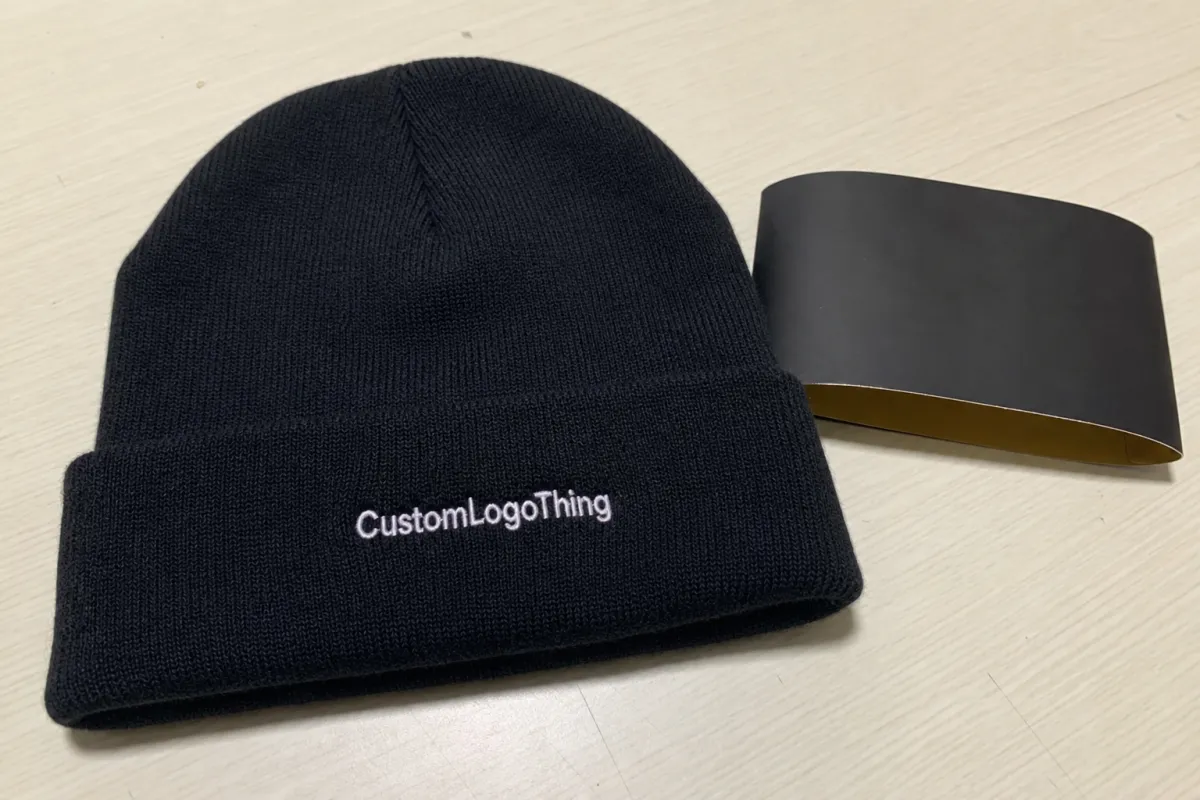
A premium cuffed beanie usually has a cleaner knit, better handfeel, and more controlled finishing than a basic promotional hat. That can mean a tighter rib structure, a fuller cuff, softer yarn, or a more deliberate retail presentation. The MOQ is rarely set by knit time alone. Instead, it is usually driven by the total setup burden: yarn staging, color approval, logo placement, sampling, inside labels, trimming, steaming, folding, and packing.
That is why two orders with similar quantities can produce very different prices. A 150-piece run with two logo placements, multiple colors, and individual polybags may cost more than a 300-piece run with one straightforward embroidery hit and bulk packing. The factory still has to prepare the machine, confirm the color, review the proof, and finish the hats. The smaller order simply spreads those fixed tasks across fewer units.
There is also a threshold effect that buyers sometimes miss. Below a certain quantity, the first batch can be priced as a sample-assisted production run instead of a normal bulk order. That is common when artwork is new, when a custom patch is involved, or when the factory needs to reserve production space for a short run. In plain terms, the work does not shrink just because the quantity does.
For launch planning, the right question is not “What is the smallest MOQ available?” It is “What MOQ gives me a usable product at a defensible price without forcing excess stock into the system?” That answer changes depending on the program. A seasonal retail test can justify a smaller, more expensive run. A proven uniform item usually should not.
Before requesting pricing, send quantity, target delivery date, artwork, and decoration method together. If cuff height, fit, or packaging is unclear, the quote will usually be vague too. That extra precision is not busywork; it is the difference between a real estimate and a placeholder.
For buyers who need a quick refresher on common order terms, the FAQ covers the basics without overcomplicating the process.
Choosing yarn, cuff structure, and decoration methods
Material choice sets the tone immediately. Acrylic remains common because it is cost-effective, warm enough for regular cold-weather use, and easy to source in consistent colors. Recycled polyester can support a more sustainability-forward position and often feels slightly different in the hand. Wool blends usually read more premium and hold warmth well, but they push cost higher and can require a more careful finishing process.
Yarn content matters, but yarn behavior matters just as much. A beanie that stretches too loosely can lose shape after wear. One knit too tightly can feel dense and less comfortable, even if the spec sheet looks excellent. Buyers often focus on composition and forget the result has to survive wear, folding, shipping, and retail handling.
The cuff is a structural choice as much as a branding surface. A single-fold cuff gives a lighter look and keeps the hat compact. A double-fold cuff creates more room for decoration and often feels more substantial. Cuff height changes the whole presentation. Too shallow, and the logo feels cramped. Wide enough, and the branding sits properly without fighting the knit.
Decoration should suit the knit, not force the knit to suit the decoration. Ribbed beanies do not reward fine-line artwork the way flat woven fabric can. Small text, thin outlines, and crowded logos often disappear into the texture. Clean embroidery, woven labels, stitched patches, and low-profile badges usually perform better. The simpler the knit surface, the cleaner the mark can be.
For simple logos, embroidery is usually the safest choice. It is durable, familiar, and easy for most buyers to evaluate. Woven labels and patches work better when the artwork needs sharper edges, more detail, or a more retail-ready appearance. If the logo has tiny copy, simplify it before production rather than asking the factory to thread a needle through a bad idea.
On rib knit cuffs, a clear, slightly larger logo almost always reads better than a crowded one. The best decoration is the one people can recognize at arm's length.
There are also practical finishing choices that affect how premium the piece feels. Matte thread can look calmer than shiny thread. A woven side tab may elevate the piece more than a large front mark. Inside labeling can add polish without cluttering the outside. Those details matter because beanies are often judged quickly, from a distance, while hanging on a rack or piled on a table.
For packaging and material standards, the FSC explains certified paper and board sourcing, and ISTA describes transit test methods that are useful if the order ships in retail-ready cartons with inserts or hangtags.
Spec sheet checklist: sizes, gauge, labels, and packaging
A good quote starts with a usable spec sheet. It does not need to read like a manufacturing manual, but it has to tell the supplier enough to price the real job. The main items are finished dimensions, cuff depth, yarn type, color references, fit preference, logo placement, label type, and packaging format.
Finished dimensions tell the supplier the actual size after knitting and finishing. Cuff depth tells them how much branding space exists. Fit preference matters too. A snug beanie for outdoor workwear is not the same as a taller, slightly slouchy retail style. Those differences affect patterning, tension, and how the finished hat sits on a head.
Gauge and stitch density deserve plain language. A tighter gauge usually gives the beanie a firmer structure and a cleaner appearance. A looser gauge can feel softer and more relaxed, but it may also change drape and logo behavior. Two samples can look similar in a photo and feel very different in hand because of finishing tension and knit density. That is one reason photos alone are poor substitutes for a physical approval sample.
Label decisions change both cost and presentation. Woven brand tags, care labels, inside neck labels, and hangtags all add labor. Some buyers want only a small outside label and a simple care insert. Others need fully branded inside labeling because the hats are going into retail, gifting, or a corporate uniform program. Why leave that decision vague when the channel is already known? There is no universal right answer. There is only the right answer for the distribution channel.
Packaging follows the same logic. Bulk packing is cheapest. Individual polybags, insert cards, barcode stickers, and carton labeling all add handling time, but they can reduce labor later in the warehouse or store. If a buyer is comparing quotes, packaging should always be checked line by line. Sometimes the least expensive-looking quote is cheap only because it excludes the handling that later becomes expensive.
Pricing, MOQ, and unit cost drivers
Price is shaped by more than just quantity. Decoration complexity matters. So do yarn type, cuff size, finishing steps, packaging, and whether the run needs custom artwork approval. A clean one-color embroidery order can move quickly. A multi-color jacquard style with labels, folding standards, and retail packout asks for far more labor.
Setup costs are the quiet part of the quote. They are easy to miss because they do not always appear as a separate line item. Yet the factory still has to prepare the machine, align colors, confirm artwork, and produce a sample or strike-off. The smaller the run, the more those steps weigh on the final unit price.
Should every order chase the lowest possible per-piece cost? Not really. A buyer who needs speed, low stock exposure, or a more premium presentation may be better served by a slightly higher unit price and a cleaner overall program. The cheapest quote is only the best quote when it matches the real goal.
Volume discounts can help, but they are not automatic savings. When a supplier lowers the price on a larger run, the gain usually comes from better machine efficiency, less setup repetition, and simpler packing across a bigger batch. If the larger order adds too much complexity, the discount may shrink faster than expected.
For repeat programs, ask for pricing at several quantities. That gives you a clearer view of where the curve bends. Sometimes 100 to 150 pieces is the expensive zone. Sometimes 300 unlocks a much better rate. The useful number is the one that matches your demand, not the one that merely looks neat on paper.
Another factor is lead time pressure. Rush production can force the factory to rearrange its schedule, and that often changes the economics. If the beanies are tied to a launch date, build that into the quote request early. The closer the delivery window, the less room there is for price efficiency.
Production steps and lead times from proof to delivery
Most premium beanie programs follow a familiar sequence. First comes the quote. Then artwork review, proofing, sampling if needed, bulk production, finishing, packing, and shipment. Each stage can move quickly on its own, but the handoff between stages is where delays usually appear.
The proof matters because it locks the visual plan. Once the artwork is approved, the factory can knit or decorate with less ambiguity. If the design changes after proof approval, the schedule can stretch immediately. That is especially true when the order uses custom patches, specialty labels, or a new logo placement.
Sampling is not a formality. It exists to catch problems before they multiply. A good sample confirms fit, color, logo scale, and general handfeel. It also gives the buyer a real object to compare against the spec sheet, which is far more useful than trying to imagine the final product from a digital mockup alone.
Bulk production is usually the longest visible stage, but finishing often determines whether the order feels polished or rushed. Loose threads, uneven folds, sloppy labeling, or poor carton organization can erase the benefit of good knitting. The best suppliers treat finishing as part of the product, not as an afterthought.
Delivery planning should include customs, transit time, and any warehouse appointments. A production schedule that ends on paper is not the same as a product that is ready to sell. If the beanies must arrive for a campaign, give the supplier a window, not just a single date.
Clear communication shortens lead times more effectively than pressure does. When the supplier knows quantity, artwork, packaging, and delivery target up front, fewer loops are needed later. That saves time, and in production, time is often the most expensive variable of all.
How to compare suppliers for repeat cuffed beanie runs
Not every low quote represents the same work. One supplier may include sampling, custom labeling, and carton setup. Another may quote only the knit hat and leave every finishing step for later. Comparing those offers without checking the details can create a false winner.
Ask each supplier the same questions. What is included? What is optional? What artwork format do they need? How many revisions are allowed? What is the real lead time after proof approval? Those answers reveal more than a headline price ever will.
Past performance matters too. A supplier that handles repeat runs well is usually dependable on color consistency, label placement, and packing discipline. That reliability is worth money, especially when the beanies are intended for retail or brand use rather than a one-off giveaway.
Communication style is a signal. Slow replies, vague answers, and missing details often predict downstream problems. By contrast, a supplier that asks smart questions early usually understands how to protect both schedule and quality. That kind of behavior is a strong sign that the order will stay manageable once production begins.
For repeat cuffed beanie runs, consistency should outrank novelty. A factory that can reproduce the same look across seasons is often more valuable than one that promises a dramatic one-time price cut. The real payoff comes from fewer surprises.
Next steps for a fast, accurate quote
Start with the basics: quantity, target ship date, yarn preference, cuff style, decoration method, and packaging needs. If you already have a logo file, send it. If you have a reference sample, even better. The cleaner the starting point, the cleaner the price.
Then decide what matters most. Is it speed, lowest inventory risk, retail presentation, or long-term repeatability? That priority will shape the MOQ you should accept and the cost you should expect. Without that answer, the quote will feel arbitrary.
Be direct about constraints. If the order must hit a launch date, say so. If the budget is fixed, say that too. Suppliers can work within limits, but only if they know where the edges are.
Finally, compare the quote against the actual use case, not against a generic idea of cheap. A well-built premium cuffed beanie often justifies a slightly higher minimum because it delivers better wear, better presentation, and fewer complaints later.
If you want to move quickly, ask for a quote package that shows unit pricing at multiple quantities, sample timing, decoration options, and packaging choices in one view. That makes the tradeoffs obvious.
FAQ
What is a typical MOQ for premium cuffed beanies? It depends on decoration, labels, and packaging, but small branded programs often start lower than full retail runs. The more custom the build, the more likely the MOQ rises.
Why does the same beanie get different prices at different quantities? Because fixed setup work gets spread across the order. A larger run usually absorbs those costs more efficiently, while a smaller run carries a heavier share per piece.
Can I order a sample before bulk production? Yes, and for new artwork it is usually the smartest move. A sample reduces the risk of color, fit, or decoration problems showing up after the full run is already in motion.
What should I include in a quote request? Quantity, delivery date, artwork, decoration method, yarn preference, cuff depth, fit target, label needs, and packaging details. That information helps the supplier price the actual job instead of guessing.
Which decoration method is best for cuffed beanies? It depends on the logo and the look you want. Embroidery is durable and straightforward. Woven labels and patches are better when you want sharper detail or a more elevated retail finish.
How do I keep costs under control? Keep the spec clear, avoid unnecessary complexity, and choose the MOQ that matches your real demand. The cheapest path is usually the one that removes avoidable setup and finishing work, not the one that cuts corners.

