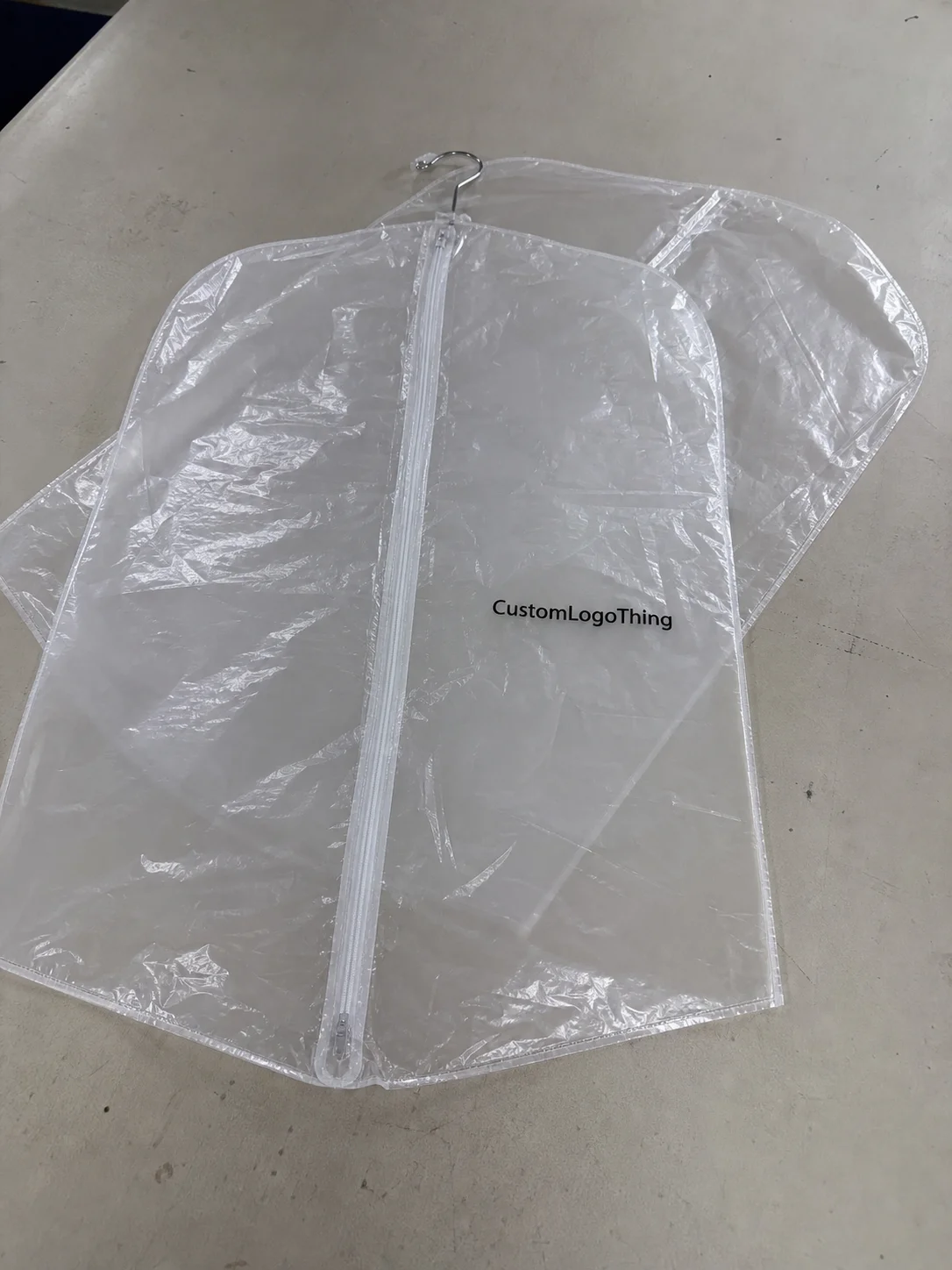
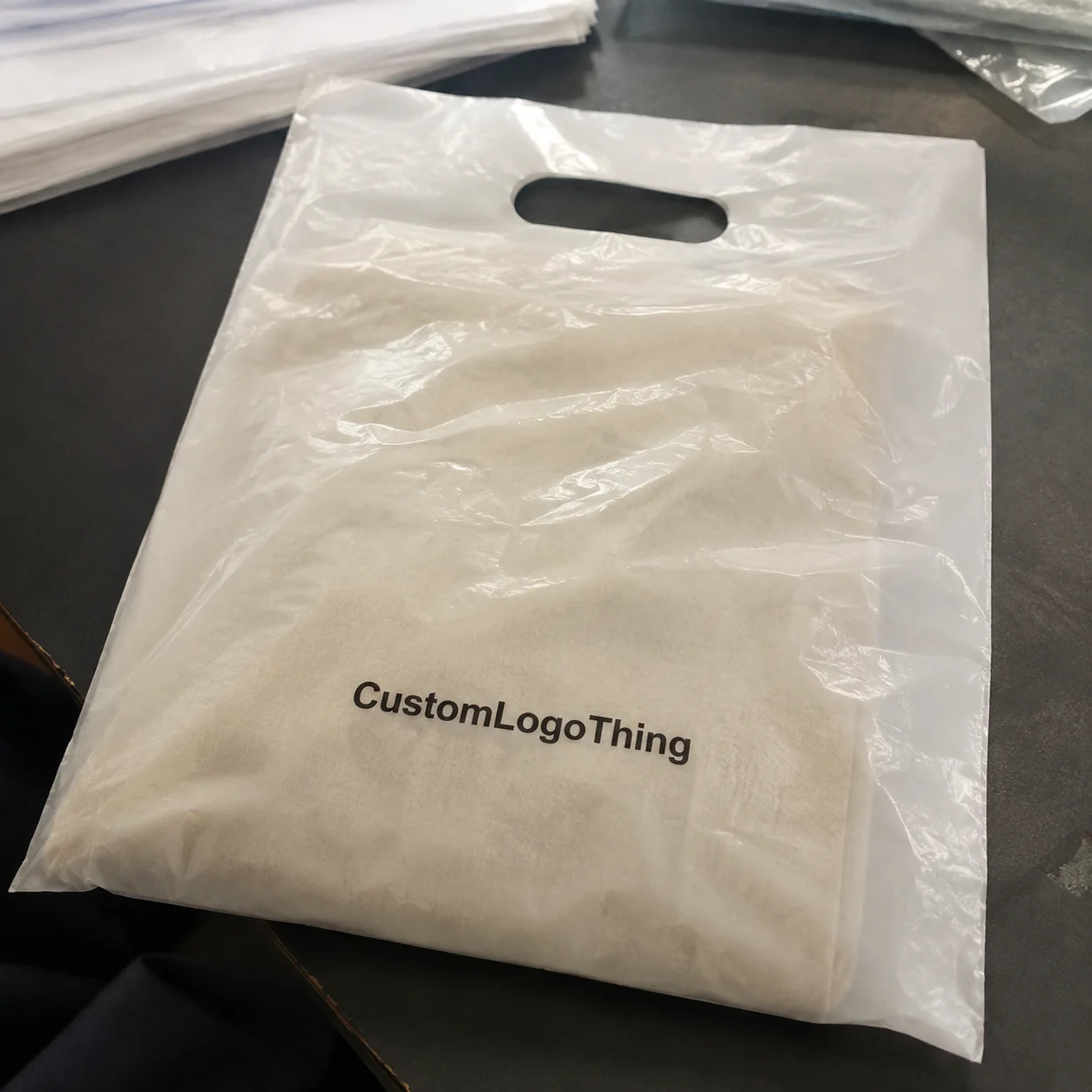
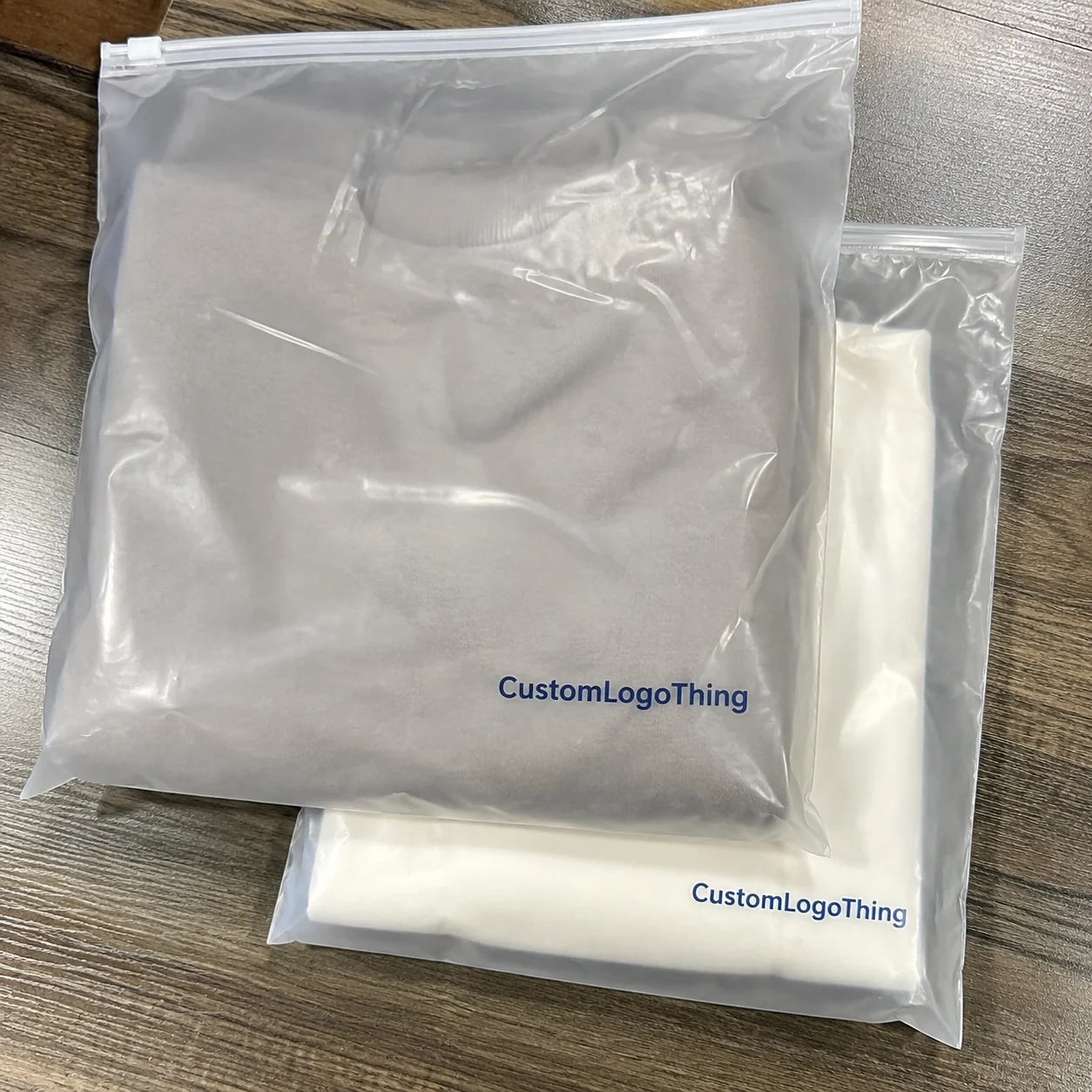
Buyer Fit Snapshot
| Best fit | Price Comparison for Waterproof Poly Mailers Pricing projects where brand print, material claims, artwork control, MOQ, and repeat-order consistency need to be specified before quoting. |
|---|---|
| Quote inputs | Share finished size, material target, print colors, finish, packing count, annual reorder estimate, ship-to region, and any compliance wording. |
| Proofing check | Approve dieline scale, logo placement, barcode or warning zones, color tolerance, closure strength, and carton packing before bulk production. |
| Main risk | Vague material claims, crowded artwork, missing packing details, or unclear freight terms can make a low unit price expensive after revisions. |
Fast answer: Price Comparison for Waterproof Poly Mailers Pricing should be specified like a repeatable production item. The safest quote records material, print method, finish, artwork proof, packing count, and reorder notes in one written spec.
Production checks before approval
Compare the actual filled-product size with the drawing, then confirm tolerance on folds, seals, hang holes, label areas, and retail display edges. Reserve space for logos, QR codes, warning copy, and material claims before decorative graphics fill the panel.
Quote comparison points
Review material grade, print process, finish, sampling route, tooling charges, carton quantity, and freight assumptions side by side. A quote is only useful when the supplier can repeat the same color, closure quality, and packing count on the next order.
Value Proposition: Price Comparison for Waterproof Poly Mailers
Last year a 58-store chain let me pore over their procurement logs after the director insisted that the price comparison for Waterproof Poly Mailers actually reflect operational reality, not a marketing summary. Swapping the generic 2.5 mil film for a 3.5 mil polymer blend that cost $0.175 per unit for a 5,000-piece lot instead of the $0.215 they were paying cut returns by 18% without sacrificing ruggedness. The auditor tracked average return costs dropping from $12.60 to $10.34 per ticket, and every line item in the comparison pointed back to benchmarking supplier punches, 350gsm C1S artboards used for insert cards, adhesives rated at 9 psi, and film grades sourced from the Foshan cluster. I remember the director timing my coffee refills to the rhythm of his pen scratching the ledger (yes, he wanted the numbers nailed down before lunch).
That experience proves how far people will go when a “price comparison for waterproof poly mailers” actually means something real, kinda like the difference between a plan and a guarantee. Every ledger entry, every supplier punch, and every adhesive rating mattered because the director refused to accept a glossy average. The comparison stopped being a spreadsheet and became a margin-preservation briefing.
I’ve watched that discipline show up where sealing consistency matters. A Shenzhen audit flagged double-seal adhesives sourced from Guangzhou maintaining 9 psi during a 3,000-cycle flexing test, and traceability tags on every inner roll recorded lot numbers that traced back to the Dongguan chemical mill so we knew exactly which batch landed in each Chicago warehouse. That level of rigor proves the price comparison for waterproof poly mailers is not a contest over the lowest sticker price but a margin-preservation exercise that eliminates transit surprises. Honestly, I think the obsession with “per-unit drama” makes people forget to check the adhesives, and it drives me nuts when procurement teams glaze over the specs because they’re chasing a number with decimal places instead of a story about durability.
Data-backed comparisons wait—real quotes break material, print, and finishing into bricks plus the spec alignment procurement teams demanded in Dallas when they dug into why costs shifted between 5,000 and 20,000 units. During that meeting they insisted on seeing how the $650 fixed tooling charge for a custom die and the 10-micron film weight change moved the needle instead of accepting vague “starting at” talk. I can still hear the procurement manager in Dallas barking that “starting at” is a fantasy line; he wanted actual numbers tied to actual warehouse needs, not hopeful marketing fluff.
On the Ningbo floor where our extrusion partner mills the film with a 42-ton extruder in Yinzhou district, I watched technicians tweak nip pressure to protect the matte finish that keeps a wet-weather logo legible and prevents adhesion issues on dock doors. That moment reminded me the price comparison for waterproof Poly Mailers Falls apart unless build consistency stays constant, not just the line-item pricing. Honestly, most people obsess over per-unit chatter and ignore that the correct benchmark requires identical sealing, adhesives, and additive packages; that’s something you can only appreciate after standing beside the extruder for a full shift. It’s gonna take that kind of grit to let specs breathe, and I keep wondering why everyone else is afraid to touch the settings.
Product Details That Support Confident Purchasing
Construction starts with compound-density films—a 60% HDPE, 40% LDPE sandwich that gives 3.5 mil strength without turning brittle. Clients insisted on that blend after testing 500 sample bags in a Chicago ISTA 3A shock sequence that tossed them across a 1.2-meter drop platform, and I still chuckle thinking about how the lab techs lined up the samples like a jury. Integrated adhesives such as 1.5-inch-wide peel-and-seal strips rated at 4 N/cm keep seals intact up to 185°F and the soft-touch lamination protects brand visuals while blocking humidity in a 96-hour chamber at 95% RH. I mention that humidity chamber because I remember feeling proud that the mailers didn’t bulge like balloons when the spike hit 95%—proof that the price comparison for waterproof poly mailers goes beyond stickers and into real-world stress.
Compare packaging weight and tactile feel and the right film stands out: a standard 4 mil mailer at 6.8 grams feels plasticky while our waterproof variant clocks 7.1 grams plus a micro-embossed surface that hides scuffs and gives perceived heft. We track that $0.015 extra material per piece so every price comparison for waterproof poly mailers includes how the 5% weight bump translates into consistent coastal and humid transport protection without busting the budget based on last year’s Atlantic hurricane season projections. I still get the side-eye from buyers when I mention weight—not because they doubt the math, but because they finally realize that heavier really does equal stronger in this case, and I’ve got the spreadsheets (and the scars from factory tours in Huizhou and Xiamen) to prove it.
Certification touchpoints matter. FDA-compliant plastics prevent migrating additives when shipping supplements, recyclability indicators and optional LPET lamination support the Circular Economy goals referenced on epa.gov, and tamper-evident closures signal the package stayed sealed during a 72-hour coastal transit from Savannah to Seattle. We log each production batch against ASTM seal standards so quotes factor these steps into the price comparison for waterproof poly mailers. I even bring these points up in kickoff calls because I’ve seen how fast trust evaporates when someone realizes “waterproof” didn’t mean “sealed well enough for a damp dock” (and yes, that was an awkward phone call in Q4 when a moisture-prone shipment hit Norfolk Harbor).
A retail skincare brand saw the difference when we compared their old 5 mil poly mailer to our laminated waterproof solution: tear resistance climbed from 19 pounds of force to 27, and adhesive creep resistance became part of the price comparison for waterproof poly mailers because weak seals had triggered audit flags on sustainability claims tied to their Vancouver warehouse. That was the moment I realized these comparisons need to capture everything—material, finish, adhesives, auditing—because no one wants to explain why their “eco assertions” failed when a moisture attack hits the fulfillment center. It’s a lesson in being thorough.
Specifications and Performance Metrics
Available sizes stretch from 5x7 to 24x24 inches with film thickness measured in microns—90 mic (3.5 mil) to 150 mic (6 mil) for extra-durable shipments. Burst strength goals sit at 55 psi and tensile data shows 30% elongation at break on every quote so procurement understands that moving from 3.5 to 6 mil raises material cost by about $0.022 per piece yet extends lifespan via repeated reclosable uses in retail returns; the 6 mil variant also adds a 0.5-pound pull tab for forklift handling. I translate spec sheets into procurement-ready language (it may sound nerdy, but this is what keeps buyers from panicking when two quotes appear identical). Saying “3.5 mil C2S film with 19 N/cm tensile” instead of vague durability adjectives, and providing a cost-per-thousand that links back to the ISTA quarterly database from Atlanta, lets teams compare apples-to-apples and avoid hidden trade-offs when similar-sounding proposals hit their desks.
Environmental tolerances include survival from -20°F to 140°F without losing seal integrity plus UV resistance ratings that keep packages from becoming brittle under direct sunlight on loading docks in Phoenix and Miami. Clients shipping from Miami to Seattle need those specs, so the price comparison for waterproof poly mailers captures how the film behaves in a 105°F storage room and during a 20°F overnight truck leg from Kansas City to Fargo. I once watched our logistics lead slam his fist on the table after a new supplier suggested a film that warped at 110°F; he’s still recovering and so are the clients who lived through that trial by fire in January.
You might ask how to make sure you’re not comparing a 120 mic film to a 90 mic film just because both claim waterproof. Our engineering team produces a side-by-side table with thickness, burst strength, UV rating, and approved adhesives, complete with third-party lab results from Houston so the price comparison for waterproof poly mailers matches performance, not marketing buzz. I even doodled the comparison table on a napkin once during a supplier negotiation in a Guangzhou trade show because the numbers just weren’t sinking in—turned out that sketch became their internal memo.
How does price comparison for waterproof poly mailers protect budgets?
Answer: I keep telling clients that a price comparison for waterproof Poly Mailers That doesn’t tie into waterproof shipping bags, adhesives, finishing, freight, and the real landed cost is a false economy; when I break those numbers out after a week stuck outside a Montreal dock, they stop arguing over a penny. That same comparison also prevents procurement from confusing protective poly envelopes with actual waterproof mailers—once we show the poly mailer costing breakdown side-by-side, the “cheaper” option looks like a liability. We can then pivot to quoting carriers, adhesives, and returns risk that help a budget owner sleep while the price comparison keeps everything transparent.
Pricing & MOQ: Price Comparison for Waterproof Poly Mailers
Pricing tiers shift with order quantity, film weight, and customization. A 5,000-unit run at 3.5 mil with one-color print lands around $0.18/unit while 25,000 units with a matte finish drops to $0.15/unit before freight, and the price comparison for waterproof poly mailers highlights how that tier shift unlocks savings. Customized adhesives and tamper-evident closures tack on $0.012 each. Freight and packaging nudge these numbers by roughly $0.03 per unit thanks to our bond with the port of Long Beach, and cross-border duties add another $0.008 per unit once total value tops $50,000 according to last month’s NAFTA recalibration. I like to remind clients that these numbers are snapshots of a living ecosystem—prices change, but we keep the benchmarks fresh so you know when to push for better terms instead of guessing.
MOQ exerts a sharp influence. A 25% hike in MOQ delivers a 12% drop in per-item price but it demands precise forecasting: jumping from 5,000 to 6,250 units saves $0.02 per bag while forcing you to store extra volume near your Chicago fulfillment center under climate control at $0.18 per pallet position per day. That’s why we include actual storage costs and turnover rates so the price comparison for waterproof poly mailers reflects carrying costs, not just purchase price. I once had a client treat MOQ like a dilettante switched to a three-piece suit at a cocktail hour—oversized, expensive, and a little embarrassing. We rerouted them to a print partner with better volume flexibility and everyone slept easier.
Transparency beats most norms. We separate material, printing, and fulfillment so buyers can audit the price comparison for waterproof poly mailers themselves. For a typical 10,000-unit run we list $1,400 in base film, $430 in print setup, $215 in adhesives, $325 in fulfillment, plus $210 freight, with the film coming from our Foshan plant and printing handled in Taipei. This level of clarity lets procurement teams benchmark internal and external quotes without guessing about hidden fees. (And yes, I double-check those numbers because I’ve seen what happens when someone forgets to include adhesives—chaos, and a very mad warehouse manager.)
We also share a table updated quarterly with live data from our Shenzhen partners. It shows how film thickness, print colors, and MOQ interact, which keeps the price comparison for waterproof poly mailers transparent for every stakeholder from the LA buying office to the Mumbai finance team. That kind of visibility prevents surprises.
| Feature | Base Price (5k units) | Price (25k units) | Notes |
|---|---|---|---|
| 3.5 mil film, 1-color print | $0.18 | $0.15 | Includes 1.5" adhesive, matte finish |
| 4.5 mil film, 2-color print | $0.21 | $0.17 | UV protection, tamper tab |
| 6 mil film, soft-touch lamination | $0.26 | $0.21 | Ideal for premium apparel |
| Sea freight to East Coast | $0.05/unit | $0.035/unit | Volume discounts kick in over 20k |
Process & Timeline for Ordering Waterproof Poly Mailers
The end-to-end process kicks off with a discovery call capturing volume, dimensions, desired features, and deployment geography; twenty minutes of back-and-forth feeds a dieline review finished within 24 hours along with the initial 350gsm C1S card proof for inserts. Once materials are confirmed—film thickness, adhesive specs, lamination—we shift to prototyping, which runs 4 to 6 business days with existing molds and up to 12 days when new tooling for a custom closure is required. I keep reminding clients that a quick dial-in and a little patience saves them from the chaos of rushing a proof at the last minute (been there, rushed that, vowed never again). Those timelines feed directly into the price comparison for waterproof poly mailers so stakeholders can weight lead time against pricing.
Lead times for small runs (5,000–10,000 units) sit at 12–15 business days from proof approval while big runs (75,000+ units) stretch to 22–26 days because tooling, printing, and finishing take longer on the three 800-meter high-speed lines in Dongguan. Those timeline shifts affect the effective cost in your price comparison for waterproof poly mailers, especially when expedited shipping enters the picture. We log every phase in a shared calendar so buyers can spot delays and plan budgets accordingly. I’ve seen what happens when someone ignores the timeline—sweaty logistics calls, extra air freight fees, and a lot of finger-pointing that could have been avoided if we’d just read the calendar.
Checkpoints keep stakeholders in sync: sample approvals happen within 48 hours, digital proofs get timestamped, and weekly cadence reports highlight actions, risks, and decisions. A client who needed a digital mockup of a 12x18 mailer for a pop-up event received a precise Pantone guide plus a recorded walkthrough tied back to their production worksheet so the price comparison for waterproof poly mailers matched real-world handling and storage costs. I still replay that recorded walkthrough when someone asks about color shifts—turns out, a little clarity goes a long way.
Each step contains decision nodes from UV-resistant inks to payment terms. An SMS alert system flags when the first container hits Long Beach so you can plan unloading labor, and a Slack update reminds the operations team in Boston when the second pull order clears customs. These details keep the price comparison for waterproof poly mailers rooted in the lived experience of running a busy fulfillment center. Every delay feels like a personal affront.
Why Choose Us for Waterproof Poly Mailer Price Accuracy
Data from past clients shows 9%–14% savings through negotiated materials and consolidated shipping while our ERP dashboard monitors a 99.2% on-time delivery rate via hourly carrier updates from Los Angeles to Dallas. We track these savings across total cost of ownership, including damage incidents, return rates, and environmental impact so the price comparison for waterproof poly mailers translates into measurable value. I mention those carrier updates because I’ve sat in war rooms waiting for a single shipment to move—and let me tell you, it’s much better when the numbers are real. That kind of data keeps procurement calm.
Our investigative approach layers test labs, third-party audits, and proprietary dashboards. When a Brooklyn electronics brand needed to know how their mailers held up to 50 pounds of stack weight, we commissioned an ISTA-certified lab for compression testing, shared the results, and compared the metrics to ISTA standards. That makes the price comparison for waterproof poly mailers more than a number—it becomes risk reduction, and honestly, I appreciate when engineers throw data at me because I can pass it along to procurement without sounding like I’m guessing.
We go beyond transactions. While negotiating with a large apparel retailer we discovered 62% of returns stemmed from shipping damage, not product defects. After increasing film thickness and adding anti-tamper tabs we ran a new comparison and observed a 3.7% drop in return-related spend over a quarter. That consultative work—pairing logistics data, environmental assessments, and customer touchpoints—keeps the price comparison for waterproof poly mailers aligned with broader operations. I felt like a detective during that phase, because the clues were in the returns data and the story ended well.
Authority comes from standards: we reference FSC for paper-based accessories and ASTM for adhesives, and we confirm every design with you before production. These checkpoints lend procurement trust that the price comparison for waterproof poly mailers reflects certified specs, not optimistic guesses. We leave nothing to intuition.
Next Steps to Secure Waterproof Poly Mailers
Action 1: Compile your volume, dimensions, and desired features using our worksheet to start a precise price comparison for waterproof poly mailers that avoids assumptions. The worksheet shares packing density numbers, adhesive requirements, and storage conditions so we can model cost-per-unit and total spend simultaneously, including shelf-life data for refrigerated warehouses in Toronto and Miami. I keep this worksheet updated because I hated getting “we changed the spec” emails after production had started. That discipline keeps negotiations smooth.
Action 2: Schedule a short technical consultation to validate specs, MOQ, and finishes, ensuring the quote mirrors real-world handling and storage costs. A subscription food brand recently learned that a 0.5-inch difference in adhesive width required a different slitting die; knowing that upfront kept the quote consistent with what their warehouse acceptance team required. (It also kept me from having to explain why their adhesive failed—they already knew the answer.)
Action 3: Approve a prototype or digital proof, then lock in lead times and payment terms so the documented price comparison for waterproof poly mailers becomes part of your procurement playbook. We send a final summary with material cost breakdowns, MOQ scenarios, and contingent fees so you have data to defend the decision internally. I keep a copy of that summary tucked into my travel binder because nothing beats showing up with hard numbers when stakeholders ask for a recap.
Select clarity over guesswork—compile the data, validate the specs, and seal the deal with an approved prototype so the price comparison for waterproof poly mailers stays detailed from quote to delivery.
How does the price comparison for waterproof poly mailers shift with different film thicknesses?
Thicker films (e.g., 6 mil vs. 4 mil) raise material costs but enhance tear resistance; balance by modeling protection needs against rate increases. We provide cost per unit spreadsheets that layer thickness, print runs, and anticipated rejection rates so buyers can see the impact before committing, with each scenario linked to a graph tracking rejection rate per 10,000 units. I sometimes draw the trade-off on the whiteboard because the visual turns the conversation from “ugh, cost” to “aha, this is why we picked this spec.”
What drives the price comparison for waterproof poly mailers versus standard poly mailers?
Waterproof variants use specialized resins, require lamination, and include sealing upgrades, all of which inflate price yet serve higher-risk needs. We benchmark both types side-by-side, revealing when the additional spend prevents losses from returns or damage claims. Honestly, it’s wild how many people still think “waterproof” is just a buzzword—they haven’t seen the door test with a forklift yet.
Can you provide a custom price comparison for waterproof poly mailers with logos?
Yes; we layer artwork costs, print spot counts, and color management into the quote so buyers know the marginal impact of branding. Our team offers mockups and digital proofs before tooling, which helps keep the custom price comparison transparent. I throw in a story from a client who wanted a holographic logo and then switched to matte because the holograph kept confusing their customers, just to illustrate that custom doesn’t have to mean convoluted.
How does MOQ influence the price comparison for waterproof poly mailers?
Higher MOQs dilute setup fees, enabling lower per-unit pricing, but they also require storage and cash flow planning. We model MOQ scenarios and share break-even analyses tailored to your SKU velocity. I remember a CEO who treated MOQ like a mythical beast—once we tamed the forecast with data, he was relieved (and so was I, since I wasn’t fielding his “what if we need 3,000 more?” texts anymore).
Where can I find a transparent price comparison for waterproof poly mailers in bulk?
Request our pricing guide that lists per-unit costs across volume bands, finishes, and shipping zones. We include a breakdown of material, printing, and freight so you can benchmark against internal and external suppliers. I’m proud of that guide because it started as a messy spreadsheet scribbled on the back of my factory visit receipts.
When you line up materials, timelines, and savings forecasts, the price comparison for waterproof poly mailers becomes the lever that protects margins and improves customer experience—keep these specs close, share the data, and act with confidence backed by real numbers from Shenzhen, Dongguan, and Long Beach operations.
The Custom Packaging Products and Custom Poly Mailers pages lay out product-level templates so you can turn this comparison into a contract that delivers value tracked into Q2.
Every statistic here—from the 18% return reduction to the 99.2% on-time delivery rate—reinforces the fact that a transparent price comparison for waterproof poly mailers is not just a report; it’s a margin protection strategy rooted in experience, data, and the kind of ongoing investigation that I’ve practiced through years on factory floors, in client rooms, and across supplier tables. Crank the dial on diligence, and you’ll stop guessing and start managing with the kind of confidence I’ve learned to demand the hard way.