Buy Garment Poly Bags for Boutique Retailers: Carton Plan
Garment Poly Bags for boutique retailers shipping carton plan is the kind of sourcing decision that looks simple until the order reaches the dock. The bag price is only one piece of the job. Carton density, fold consistency, print placement, and how the product lands in the receiving room often matter just as much, sometimes more. A program that is cheap per unit can still be expensive if it wastes freight space or creates rework at inbound.
Boutique retailers feel those problems faster than large chains. Smaller SKU runs, tighter presentation standards, and less tolerance for mixed counts mean the packaging has to be right the first time. A garment sleeve that protects well but packs poorly can slow the whole process. A slightly different carton plan can change the freight class, the labor time, and the shelf-ready appearance all at once.
Why Carton Math Matters Before You Price the Bag
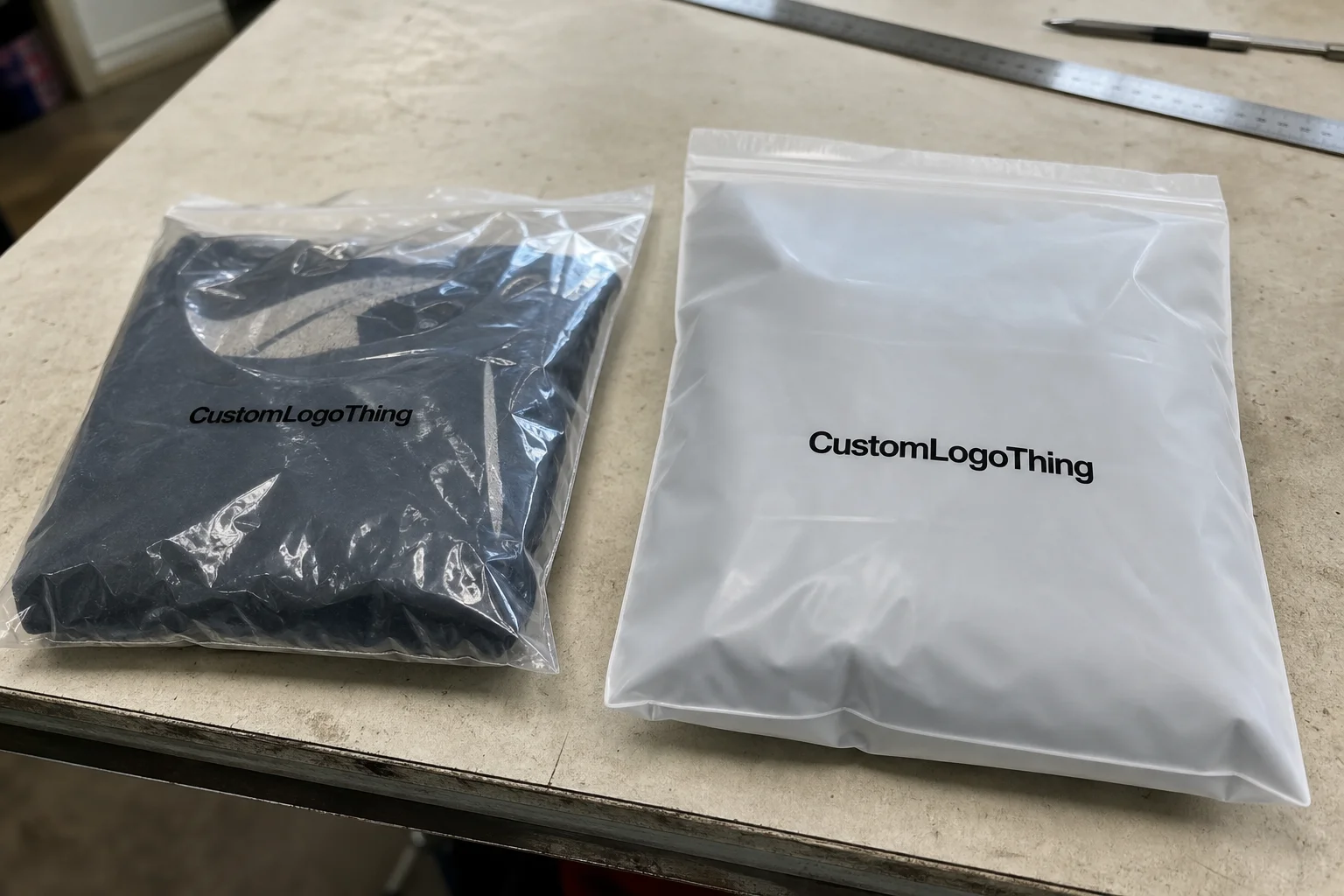
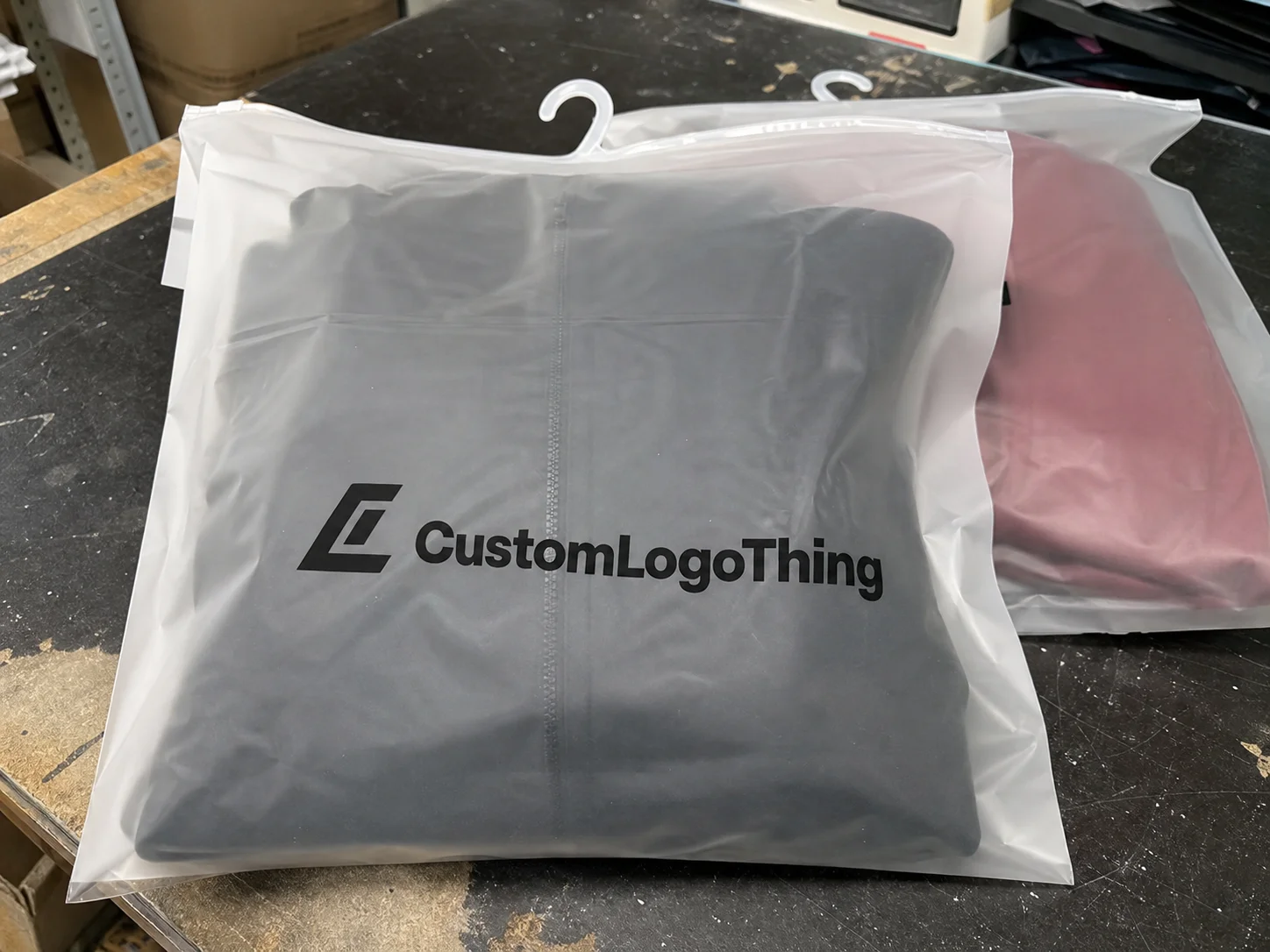
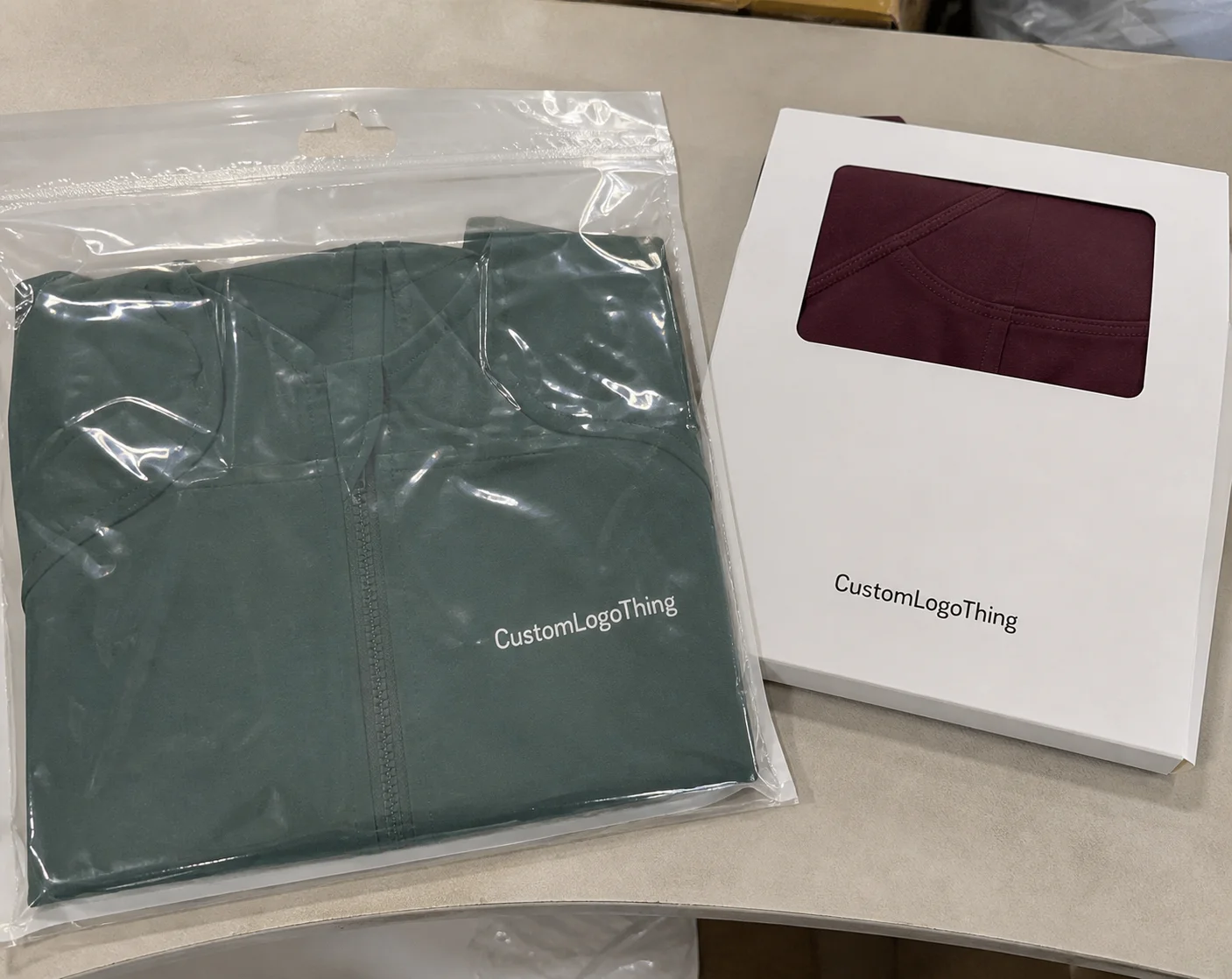
Garment poly bags are clear or semi-clear sleeves used to protect folded apparel from dust, scuffing, and handling damage while keeping the product visible. For boutique retail, that visibility is part of the presentation. The buyer is not only asking whether the bag protects the garment. They are asking whether it keeps the item clean, easy to identify, and quick to receive.
The first mistake many teams make is pricing the bag before they understand the carton. That reverses the real sequence. The folded garment footprint determines the bag size, the bag size determines how the bundle stacks, and the stack determines the master carton count. If one of those steps is guessed instead of measured, the quote may still look attractive, but the packing room is where the error shows up.
Carton math is especially important for ecommerce shipping. A carton that is a little too loose can let sleeves shift and wrinkle. A carton that is too tight can crush corners, stress the seal, or slow down the line. Either outcome costs money. The right plan balances protection with density so the shipment moves efficiently without sacrificing product appearance.
That is why garment poly bags for boutique retailers shipping carton plan should be treated as one packaging system, not separate purchase decisions. The bag, the fold, and the case need to work together. If the system is built well, the retailer gets cleaner receiving, better presentation, and fewer complaints about damaged or poorly packed merchandise.
How Folded Apparel Becomes a Packed Case
The cleanest way to build the carton plan is to move in order: folded size, bag size, bag closure, then carton count. That sequence prevents the common error of selecting a sleeve by garment category alone. A blouse, knit sweater, and structured skirt may share a product line, but they do not behave the same once folded.
Fabric weight changes the equation. Soft knits compress differently than denim or woven fabric with trim. Add hang tags, tissue, cardboard inserts, or embellishment, and the footprint changes again. Measuring the finished folded unit is more reliable than measuring the garment flat. The bag needs to fit the packed form, not the raw pattern piece.
Closure style also changes usable space. Adhesive flap bags need room for flap overlap. Open-top sleeves with a fold-over top require a bit more headroom if the carton is going to close cleanly. Hang-hole bags or perforated styles can help handling, but they also alter the stack behavior. Two bags with the same nominal width can pack differently because the film stiffness and closure area are not identical.
Pack pattern is the hidden variable. Flat stacks are usually the most stable. Nested stacks can save space, but only if the product does not shift. Alternating orientation sometimes improves fill, though it only works when the team repeats the pattern consistently. In a busy warehouse, consistency is worth more than cleverness.
The best test is physical, not theoretical. Build a sample carton with the actual product and count what fits with the chosen seal method. Ten hand-packed cartons usually reveal more than a long spec sheet. If the sample carton tells a different story than the spreadsheet, trust the sample carton.
Specs That Change Protection, Presentation, and Shelf Life
Film gauge is the spec most buyers ask about first. That makes sense. Thinner film reduces unit cost, while thicker film improves puncture resistance and crease protection. The right choice depends on the garment and the route. A lightweight tee may work in a thinner sleeve. A sweater, denim item, or garment with hardware usually benefits from more film body.
Clarity matters as well. High-clarity bags show the product cleanly and can improve the way a boutique shipment looks when it is received. Frosted or soft-finish film hides fold marks better, which some brands prefer for a softer visual effect. The tradeoff is straightforward: more visibility or more concealment. There is no universal answer, only the one that fits the brand and the garment.
Functional details can save time at the dock. Adhesive flaps speed up packing. Resealable closures help when a store team opens items for verification or re-bagging. Hang holes, venting, and perforations all change the handling experience, but each one also changes the way the stack behaves in transit packaging. A stack that slides or curls wastes time.
Material claims and compliance should be part of the initial spec, not an afterthought. If a retailer needs recycled content, resin identification, warning text, or barcode placement, those requirements need to be visible before production starts. Outer cartons may also need to match a broader fiber sourcing policy. If that applies, certified fiberboard and clear labeling should be checked early.
Third-party testing is useful when the product will move through multiple touchpoints. ASTM D1709 dart impact testing is a practical way to compare puncture resistance, and ISTA-style transit testing can reveal weak seals, corner crush, and abrasion issues before the order ships. For reusable or recycled-material packaging, reference points from packaging industry organizations, FSC, and ISTA are useful when defining the outer pack and test plan.
Cost, Pricing, and MOQ: What Moves the Quote
Unit price matters, but it is not the full story. In apparel packaging, freight, carton density, and receiving labor often move the landed cost more than a small difference in the bag itself. A low-priced sleeve that creates extra air inside the carton can become the expensive option once the shipment is scaled.
MOQ is the other lever. Boutique retailers often want lower minimums because they test seasonal colorways, capsule collections, and smaller runs. That flexibility has value, but it can also create inventory sprawl if every style needs a different size or print. A tighter range of bag specs usually reduces complexity and simplifies reordering.
| Option | Typical Unit Price | Typical MOQ | Carton Impact | Best Fit |
|---|---|---|---|---|
| Stock clear poly bag, no print | $0.04-$0.08 | 5,000-10,000 | High carton density, simple pack | Basics, repeat fills, lower-touch programs |
| Custom size, one-color print | $0.09-$0.16 | 5,000-15,000 | Moderate density, better branding | Boutique assortments, seasonal drops |
| Heavy-gauge or resealable bag | $0.14-$0.24 | 3,000-10,000 | Lower density, stronger protection | Denim, knits, hardware trims |
| Custom pack with barcode panel and special labeling | $0.16-$0.28 | 5,000+ | More handling, faster identification | Multi-SKU programs, strict receiving rules |
The main quote drivers are custom dimensions, print coverage, resin grade, thickness, and any special pack instructions. If carton labels, barcode placement, or pallet pattern are part of the job, they should be defined before pricing begins. Otherwise the quote can look complete and still miss important handling requirements.
For buyers comparing packaging formats, it helps to think in terms of use case rather than just price. Custom Poly Mailers are often a better fit for flat soft goods moving Direct To Consumer, while Custom Shipping Boxes make more sense for layered presentation or mixed accessory sets. The broader Custom Packaging Products catalog is useful when a program needs more than one format.
A practical way to evaluate cost is to look at three breakpoints: a low-volume test, a mid-volume reorder, and a stable repeat order. That shows where the price curve starts to flatten. A bag that looks slightly expensive at 5,000 units can become cheaper at higher volume if it improves carton count or reduces damage claims.
Step-by-Step Sizing and Pack Pattern Setup
Step 1: Measure the folded garment footprint. Include seams, tags, inserts, trims, and any extra bulk from thicker fabric blends. A style that folds neatly in one fabric can behave very differently in another. If the line has seasonal variation, measure the winter and summer versions separately.
Step 2: Choose the bag with allowance, not slack. The sleeve should allow clean insertion and a neat closure, but it should not leave enough room for the garment to slide around. Too much empty space invites wrinkles and shifting. Too little space distorts the fold and can stress the seal or flap.
Step 3: Build a sample carton and test the pattern. Spreadsheet math is useful, but it rarely captures flap overlap, corner compression, or the way film stiffness affects the stack. The actual product will tell you whether the carton count works. That is the point where the shipping carton plan becomes real instead of theoretical.
Step 4: Finalize labels and tracking. Size codes, lot numbers, and barcode placement should make it easy for the receiving team to verify contents without opening every unit. That saves time and lowers the chance of mis-shipments, especially when multiple styles are moving at once.
A good working habit is to keep one spec sheet per top-selling SKU. Put the folded size, bag size, film gauge, seal type, carton count, and reorder trigger in one place. If merchandising, operations, and purchasing work from the same sheet, the program becomes much easier to manage. That matters even more for recurring ecommerce shipping runs where the same styles come back every season.
Process, Timeline, and Lead Time from Proof to Shipment
The approval path should be clear before production starts. A clean sequence usually runs from spec sheet to artwork proof, then sample, then pre-production sample if the print or material is new, and finally bulk production. Skipping a step can save a few days on paper and cost a lot more once the order is already in queue.
Lead time depends on more than machine speed. Custom print adds setup time. Resin availability affects scheduling. Color matching can trigger revisions. Stock bags are faster, but a custom build may still be the better choice if it improves freight efficiency or packing speed. The right timeline is the one that supports the launch date, not the one that sounds shortest in a quote.
Most delays come from a handful of issues: missing dielines, late artwork changes, carton dimensions that do not fit carrier limits, or a late change to pack count. If the ship date is fixed, lock three items early: the approved carton pattern, a backup size in case a style runs late, and the person who can sign off without waiting for a long internal chain.
For planning purposes, a straightforward custom order often takes about 12 to 15 business days after approval, while a more complex printed program can take longer if revisions are needed. That range is not universal, but it is realistic enough to build a buffer around. If the launch date is tied to a retail calendar or seasonal drop, the buffer matters.
Coordinating the bag schedule with the rest of the packaging program also helps. Inserts, carton labels, and outer shipper changes should move together where possible. If those pieces are handled separately, receiving teams end up dealing with mismatched components. A connected plan keeps the dock cleaner and the order flow more predictable.
Mistakes That Inflate Freight or Trigger Rework
The first mistake is sizing by category instead of by folded dimensions. A line sheet might say “women’s blouse,” but that tells you very little about the actual footprint once the item is folded and bagged. Two styles in the same category can need different sleeves, different carton counts, and different handling notes.
The second mistake is ignoring void space. If the load shifts, the garment can wrinkle and the carton can move into a worse dimensional weight bracket. That is expensive in parcel-driven ecommerce shipping, where even a small amount of extra air can affect freight costs. A small packing gap can become a repeated billing problem.
The third mistake is letting the label or print panel fight the workflow. If the receiving team has to relabel cartons by hand, the program loses speed and consistency. That is not just an operations issue. It is a landed-cost issue, because labor belongs in the cost model.
The fourth mistake is skipping a transit test. A split seal, cloudy film, or weak corner often appears only after the order is already moving. A drop and vibration check can catch those issues before shipment. Standards from organizations such as ISTA are a useful reference when a program needs a more formal test approach.
The most expensive errors are usually small and repetitive. A fold that is slightly off. A carton that is two inches too wide. A label that covers the wrong side. None of those problems looks dramatic on its own, but repeated across hundreds or thousands of units, they slow the floor and make the cheapest spec look costly.
Expert Checks Before You Place the Order
Before placing the order, build one sample carton for each top-selling SKU and measure how long it takes to receive, verify, and shelve. That labor number is often missing from the first estimate. If one bag spec saves two cents but adds thirty seconds per carton at inbound, the savings are smaller than they first appear.
Keep one source of truth for the program. One spec sheet. One pack pattern. One reorder trigger. That sounds basic because it is. It also prevents confusion across merchandising, operations, and procurement. For garment poly bags for boutique retailers shipping carton plan, clear paperwork is part of the packaging value, not an extra.
Compare at least two pack patterns before approving the order. The lowest unit price is not always the lowest landed cost once freight and labor are included. A slightly tighter fold, a better flap length, or a different carton count can change the math more than a discount ever will. That is where packaging decisions become operational decisions.
If the assortment changes often, standardize as much as possible. A small set of bag sizes can cover multiple styles if the fold pattern is disciplined. That reduces MOQ pressure, simplifies reordering, and gives the warehouse fewer variations to manage. It is easier to run one stable system than to keep adjusting for every style turn.
For boutique retailers, the best result is not just a lower quote. It is a repeatable packaging system that protects the garment, fits the carton, and keeps the receiving line moving. When the bag spec supports all three, the program holds up better over time and the product reaches the shelf in cleaner condition.
How do I choose the right carton count for garment poly bags in boutique retail?
Start with the folded garment size, not the hanger size or raw fabric dimensions, then test how many units fit with a clean closure and no seam crush. Leave enough room for carton closure and label visibility so the receiving team is not forcing the box shut or reopening it to verify counts.
What bag thickness works best for boutique apparel shipping cartons?
Lightweight basics often work in thinner film, while heavier knits, denim, and longer freight runs usually need a thicker gauge for puncture resistance. If the garment has sharp trims, hardware, or multiple folds, choose a stronger film rather than trying to save a small amount on the bag itself.
How can I lower unit cost without hurting presentation?
Standardize a small number of bag sizes across multiple SKUs, since fewer specs usually improve pricing and reduce ordering complexity. Limit print coverage and compare landed cost instead of bag price alone, because freight and labor can erase a small per-unit discount.
What should I lock before requesting a quote for garment poly bags?
Lock the folded garment dimensions, target carton count, seal type, and any print or barcode requirements before asking for pricing. Also define the destination and target delivery date so the supplier can factor lead time and freight into the quote correctly.
How long does a custom carton plan usually take to produce?
Timeline depends on proof approval, sample review, and the production queue, so custom print and special sizing usually add more time than stock bags. Build a buffer into the schedule if the order must align with a launch date, because artwork changes and carton adjustments are the most common delays.