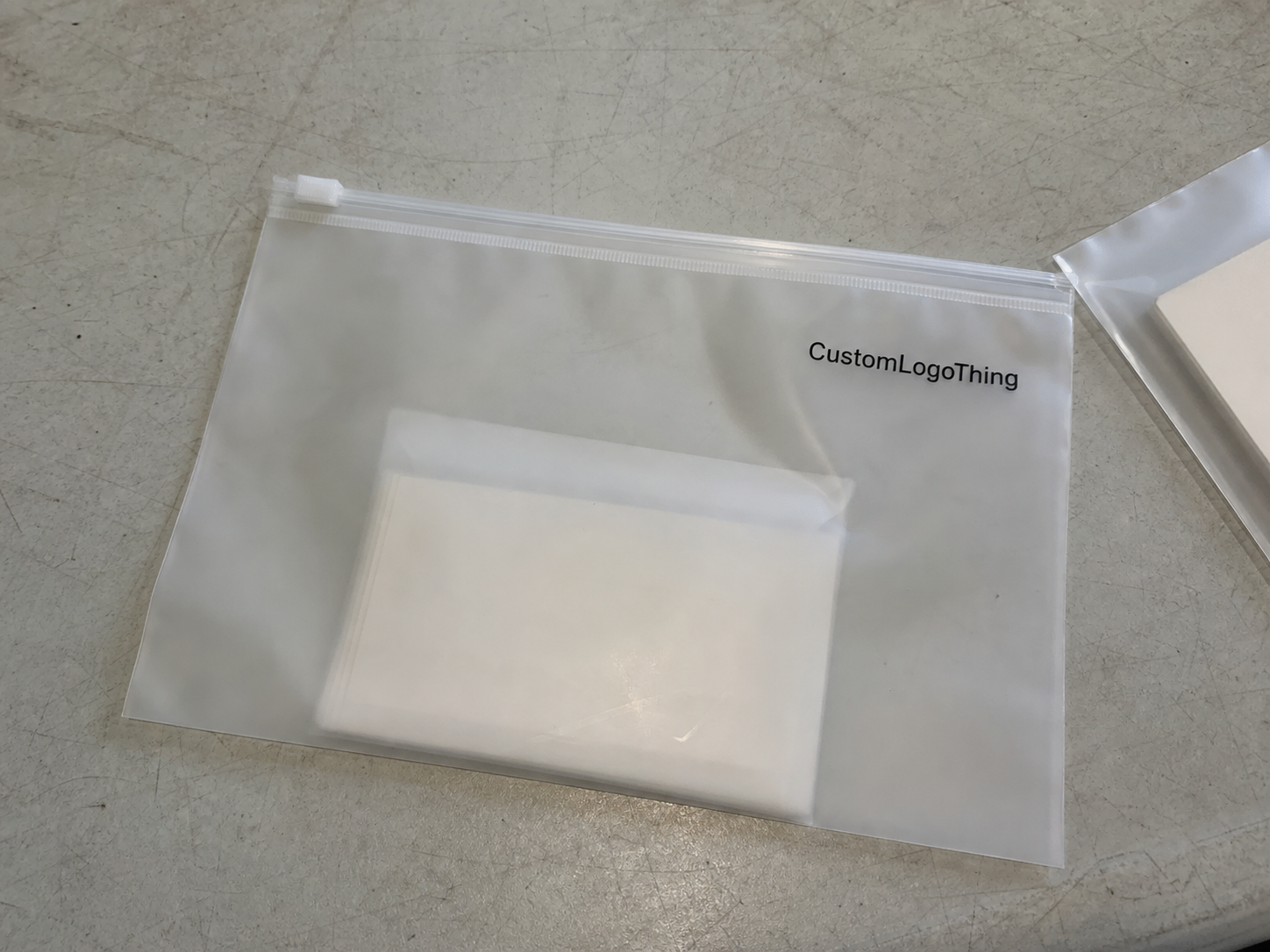
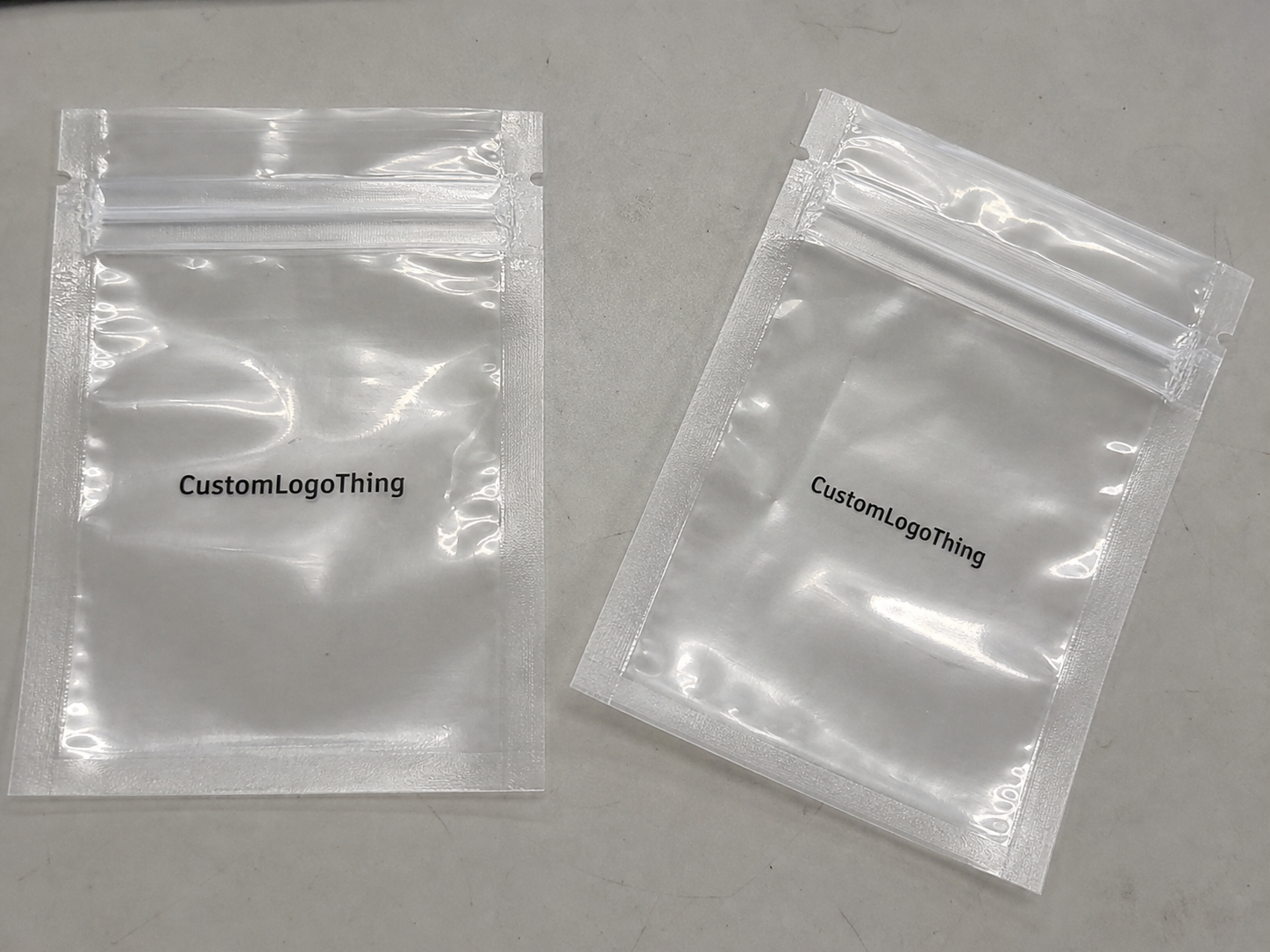
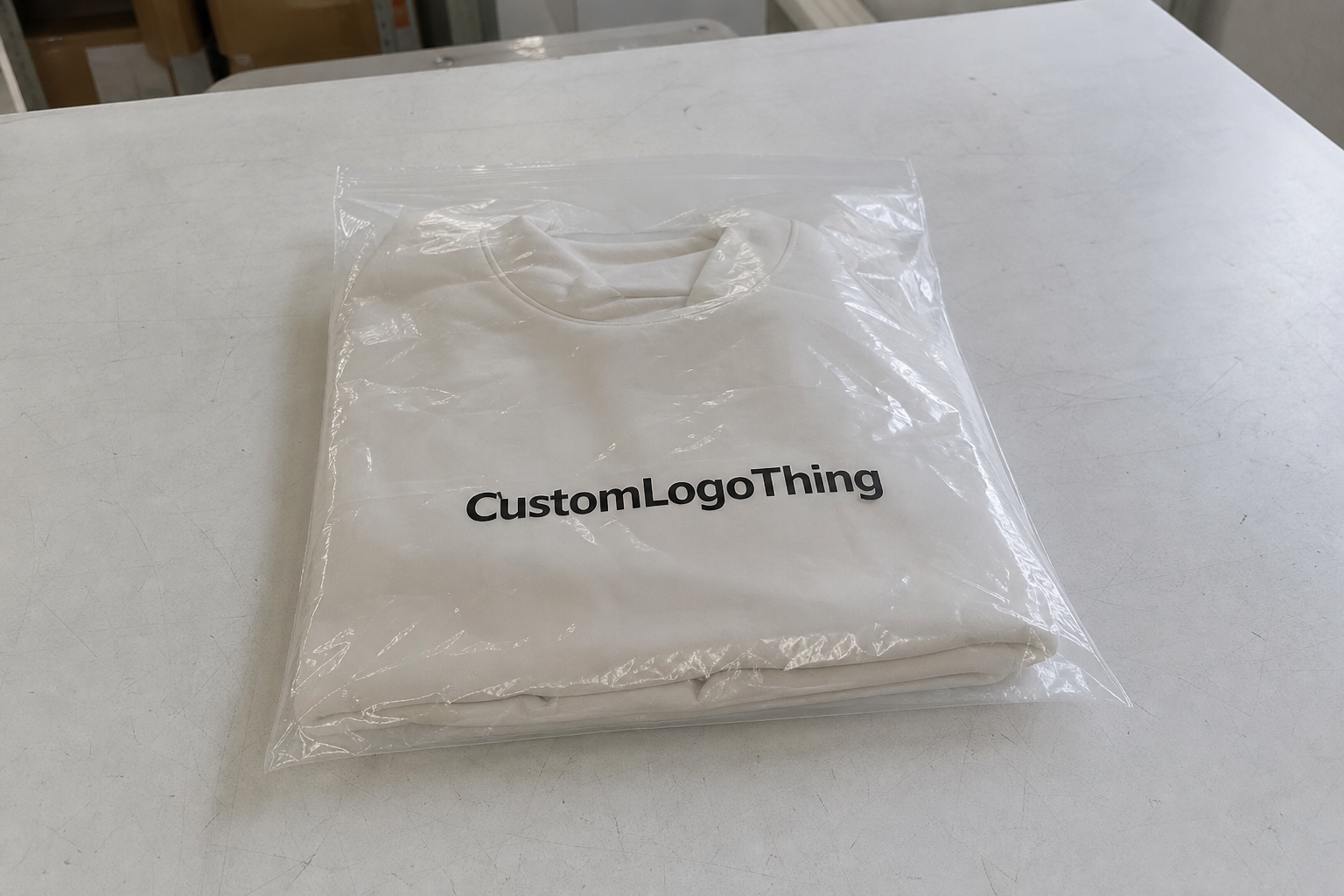
Frosted zipper Poly Bags for Event teams material comparison usually starts with a practical question: which bag makes the kit look organized, opens fast at the table, and survives the trip from packing station to check-in desk? A frosted zipper bag solves a real presentation problem without adding much weight or complexity. The matte surface softens the view of the contents, so badge sets, wristbands, cards, cables, and small merch pieces look arranged rather than crowded.
That matters because event packaging is not judged in a warehouse. It is judged in a rush, under bright lights, by people who need to identify and hand over a kit quickly. If the bag slows the pack line, reflects too much, or makes the contents look messy, it works against the job it was meant to do.
For most teams, the bag is part of a larger system. Printed inserts, belly bands, rigid cards, and outer carriers all influence the final result. A good frosted zipper bag does not try to do everything. It creates a clean, controlled base that keeps the rest of the kit from looking improvised.
Why frosted zipper bags make event kits look finished fast
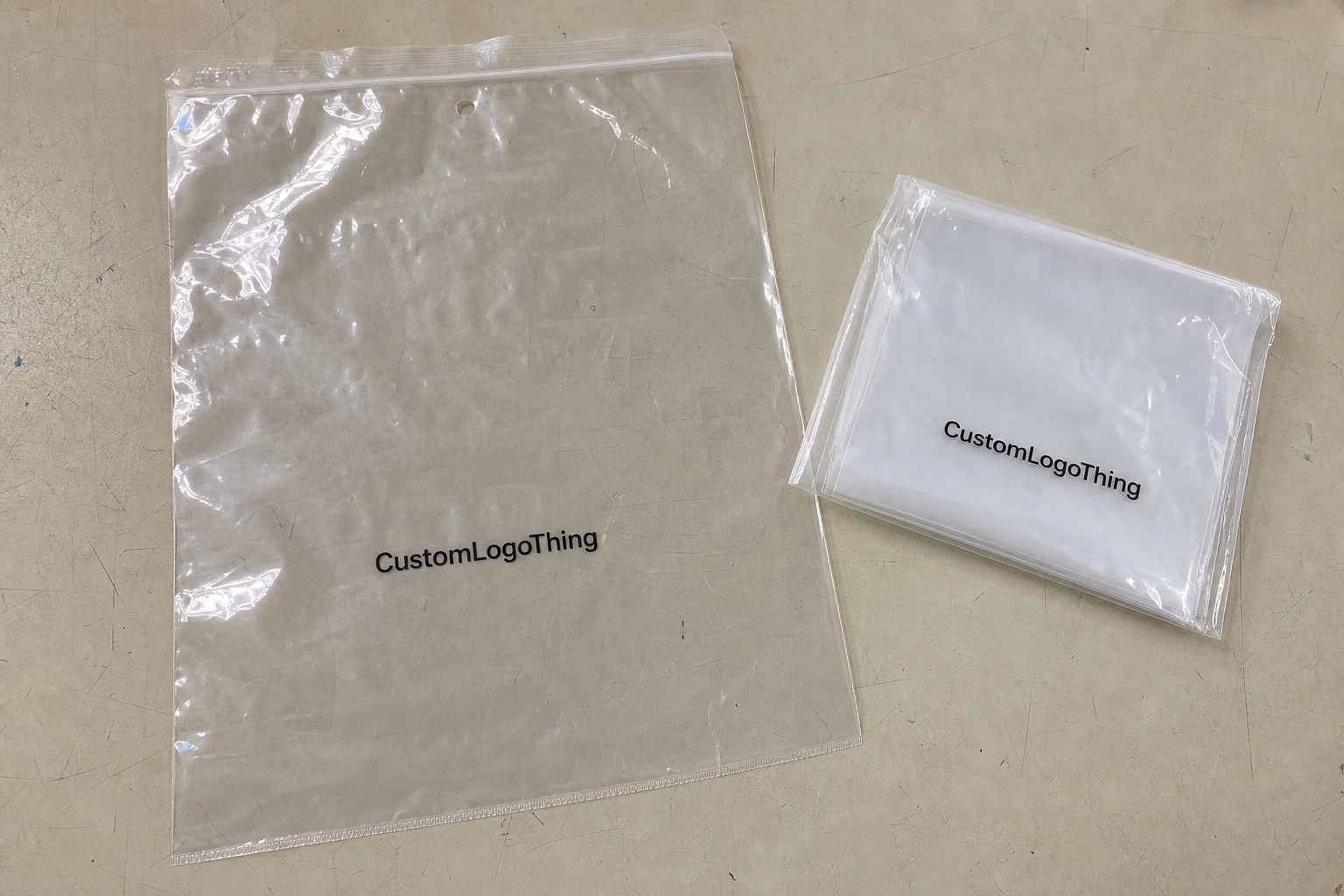
A finished-looking event kit depends on small visual signals. The bag should frame the contents, hold its shape, and keep loose pieces from shifting around. That is why frosted film is so useful. Clear film shows every seam, edge, and gap. Frosted film hides some of that visual noise while still leaving enough visibility to identify what is inside.
The finish also photographs better than many buyers expect. Under registration lighting, clear bags can glare. Frosted bags usually diffuse that glare and make logos and inserts easier to read from a few feet away. For teams setting up a conference desk, sponsor table, or internal launch area, that difference can save time because staff do not need to keep straightening the display.
The practical upside is simple: the bag looks more intentional with less effort. That is valuable when a team is packing hundreds or thousands of sets and does not have time to rework presentation one kit at a time.
The bag also affects labor. A decent zipper action, a wide enough opening, and a body that does not collapse while filling can shave seconds off each unit. That does not sound dramatic until the numbers stack up. Saving even a few seconds on a large run can reduce overtime, prevent bottlenecks, and keep the packing crew moving at the same pace.
In many event programs, Frosted Zipper Bags are paired with other packaging elements to create a cleaner workflow. Some teams use them as the outer layer for small kits, while others place them inside larger Custom Packaging Products configurations that include printed sleeves or cardboard inserts. The goal is not to add packaging for its own sake. It is to make the handoff fast, tidy, and repeatable.
If the proof already feels cramped, the finished kit will usually feel worse once the contents are added.
How the film, zipper, and size change real-world handling
The film controls how the bag feels in the hand, how it folds, and how well it resists stress at the seams. LDPE is the softer option in many event applications. It bends easily, loads well, and works nicely for flat items like folded programs, tickets, cards, or lanyards. LLDPE is usually tougher and has better stretch resistance, which matters when the contents include harder edges, heavier pieces, or bundles that push against the closure.
That difference shows up during packing more than in a spec sheet. A softer bag can be easier to fill, but it may feel less structured. A tougher bag can hold shape better, yet still need the right gauge and seal quality to avoid looking stiff or overbuilt. Blended films sit between those two extremes and are often chosen when buyers want a balanced mix of cost, appearance, and handling.
The zipper matters just as much. Standard press-to-close zippers are common because they are economical and easy to use, but the feel is not identical across suppliers. Some close with a light pinch. Others need firmer pressure, which may not sound important until a line of temporary staff is trying to assemble kits quickly. Slider closures cost more, but they can improve consistency for reusable kits or higher-end event packets.
Size is where many orders go off track. A flat bag works for badge cards, folded handouts, and simple packet builds. Once the kit includes a lanyard, a small giveaway, or anything with thickness, a wider format or gusseted shape may be the better choice. If the bag is too tight, the zipper is stressed and the contents press through the front panel. If it is too large, the kit shifts and loses the neat presentation buyers wanted in the first place.
For event teams, handling is part of the material comparison. A bag that opens cleanly, stays open long enough to load, and seals without fighting the operator may be worth more than a slightly cheaper option that slows assembly. That is especially true for conferences, roadshows, and staff onboarding kits where packaging is touched repeatedly by different people.
Environmental goals also show up in material decisions, but they need to be handled carefully. Some teams want to reduce excess packaging, pair the bag with recycled paper inserts, or use FSC certified materials where paper is involved. That is a better approach than making broad claims that do not match the actual build. A frosted zipper bag can fit into a lower-waste program, but it should not be described as something it is not.
Frosted zipper poly bags for event teams material comparison
In a frosted zipper Poly Bags for Event Teams material comparison, the first decision is usually the film build. LDPE tends to be the more flexible option and is often selected for lighter kits or flat content. LLDPE is more resistant to puncture and stretching, which makes it a stronger fit for mixed-content event sets. Blended films can offer a middle path when the buyer wants a balance between softness, durability, and cost.
The frost itself is not always produced the same way. Some bags get their appearance from the film structure, while others rely on surface treatment. That distinction affects how the bag looks under lighting, how the artwork appears through the film, and how easy it is to read the contents at a glance. A logo that looks crisp in one build can appear flatter or darker in another, so proofing against the actual bag material is worth the time.
Thickness should match the contents, not a rough guess. Thin gauges can work for one-time registration packets or lightweight promo packs. Heavier gauges are better for reusable staff kits, repeated open-close use, or items with sharper corners. If the bag has to survive more than one event, the zipper and scuff resistance become more important than buyers sometimes expect.
The table below is a practical starting point. Actual pricing shifts with size, artwork, quantity, and shipping, but the ranges are useful for early budgeting.
| Material / Build | Typical Use | Feel and Handling | Estimated Unit Cost at 5,000 | Best Fit |
|---|---|---|---|---|
| LDPE frosted, 6-8 mil | Light registration packets, cards, flat inserts | Soft, flexible, easy to load | $0.18-$0.26 | Short events, lower weight kits |
| LLDPE frosted, 8-10 mil | Mixed-content kits, lanyards, small merch | Tougher, more stretch resistance | $0.22-$0.31 | General-purpose event packaging |
| Blended frosted film, 10-12 mil | Reusable staff kits, premium handoff packs | More structured, better scuff resistance | $0.28-$0.40 | Longer use, higher presentation value |
| Frosted bag with slider closure | VIP kits, repeated open-close use | Fast access, strong perceived quality | $0.35-$0.45 | Premium event environments |
The most expensive option is not automatically the right one. A one-day badge packet may do better with a lighter zipper bag because it keeps costs down and moves quickly through the pack line. A multi-day conference kit, on the other hand, may justify a heavier build because it looks better after handling and is less likely to be replaced if it is reused for several touchpoints.
For buyers who need a broader material reference, third-party standards can help frame the decision. ISTA guidance is useful when shipping and transit are part of the concern, while FSC certification matters when paper inserts or outer carriers are part of the package. You can review those standards at ISTA and FSC. If source reduction is part of the packaging brief, the EPA has useful background on packaging and waste reduction at EPA.
What affects cost, pricing, MOQ, and quote structure
Price is driven by more than the bag size. Film thickness, zipper style, custom dimensions, print coverage, artwork complexity, and total quantity all change the quote. A simple one-color logo on a standard format is a very different job from a full-coverage print with a specialty closure and a tight event deadline.
MOQ matters because event teams rarely buy packaging in a vacuum. Smaller conferences, field launches, and internal programs may need lower minimums, but that convenience often raises the unit cost. Larger runs can reduce the per-bag price, though they only make sense if the team will actually use the inventory or keep it in active rotation.
Quote comparison is where many purchases go wrong. Two numbers that look close may not include the same freight, proofing, setup, overage, or packaging details. A quote that appears cheaper can turn out to be more expensive once the hidden pieces are added back in. The cleanest comparison is always the one built on the same spec.
There is also a labor cost that does not always show up on the quote. A bag that packs easily, closes reliably, and reduces rework can save enough time to matter. That is especially true when temporary staff are assembling kits at scale and the packaging needs to be obvious, repeatable, and forgiving. If a bag keeps fighting the operator, it is costing more than the invoice shows.
The strongest quote requests are very specific. Ask each supplier to price the same dimensions, same mil thickness, same zipper type, same print area, and same quantity. If one quote uses 8 mil and another uses 10 mil, or if one includes a slider and the other does not, the numbers are not really comparable. Precision at the quoting stage prevents expensive assumptions later.
Process, timeline, and production steps from spec sheet to dock
A clean spec sheet does most of the work before production starts. It should list the finished bag dimensions, film gauge, zipper style, print area, artwork format, quantity, and the exact contents the bag needs to hold. A kit built around a badge, a folded program, a lanyard, and a merch item needs a different size than one built around a single insert.
Proofing deserves more attention than many buyers give it. A digital proof can confirm the layout, but it cannot show the way frosted film affects contrast or how the zipper feels when the bag is full. If possible, test a sample with actual contents. That is the fastest way to spot whether the seal sits too close to the artwork, whether the bag feels oversized, or whether the closure struggles under load.
Production usually moves through material sourcing, converting, printing, inspection, and packing. Each step adds time if the order is custom. Revisions to artwork, changes to size, or unusual print coverage can extend the schedule. For a standard run, a common lead time is often 12-15 business days after proof approval, but that still depends on the build and the production queue. Rush work, specialty closures, and heavier print coverage can stretch it further.
That timing is why packaging should be locked early in the event timeline. Waiting until the kit contents are final is reasonable. Waiting until the week before pack-out is not. If the bag is delayed, the whole assembly line stalls. If it arrives early and matches the spec, the pack team can work steadily and avoid unnecessary sorting or rework.
For programs that use multiple packaging formats, it can help to compare event bags with Custom Poly Mailers if some pieces are being shipped rather than handed out on site. A conference or launch often needs more than one packaging type, and the sooner that system is planned, the fewer surprises appear later.
Common mistakes when event teams order frosted zipper bags
The most common mistake is sizing from a photo or from one part of the kit instead of the whole bundle. A bag that fits a badge card can fail once a lanyard, insert, and sample item are added. Measure the full contents, then allow room for the seal area and a little movement. A bag packed too tightly looks stressed and often closes badly.
The next mistake is ignoring how the bag opens and closes in real use. A stiff zipper or narrow mouth can slow down a packing line enough to matter. That may not seem serious for a small order, but it becomes a real labor issue on large runs. The bag should support the pace of the event, not interrupt it.
Another frequent issue is choosing the wrong level of opacity. Some teams want enough visibility to verify contents quickly. Others want a softer, more premium look. If the film is too transparent, every edge and overlap shows through. If it is too opaque, staff cannot immediately identify the kit. The right balance depends on the workflow, not on appearance alone.
Transit and storage conditions deserve more attention than they usually get. Heat, stacking pressure, and rough handling can affect both seals and surface appearance. If the order will sit in a warehouse for a while or travel through multiple handoffs, ask how the film and zipper hold up under those conditions before approving the final build.
A useful test is straightforward: if the bag still looks decent after packing, stacking, shipping, and reopening, it passed the real use case.
Do not rely on material labels to answer the sustainability question by themselves. Recycled content, post-consumer waste claims, FSC certified paper components, and biodegradable packaging language all need to match the actual components in the kit. A frosted zipper bag can be part of a lower-waste system, but it should be described accurately and in context.
Expert tips for choosing the right bag and placing the order
Start with a one-page decision sheet. List the contents, target quantity, event date, budget ceiling, presentation standard, and any reuse expectation. That keeps the conversation focused and makes it easier to compare options without getting lost in minor wording differences.
Request a physical sample whenever possible. Artwork proofs are useful, but they do not tell you how the zipper feels, how the film catches light, or how quickly the kit can be packed. Put the actual inserts inside the sample and test it the way staff will use it. That step catches most sizing mistakes before they become expensive.
Compare at least three quotes using the same specification. Rank them by landed cost, production confidence, and material fit. A lower price does not help if the zipper fails, the bag arrives late, or the print loses contrast on the frosted surface. The higher price only makes sense if it buys a measurable improvement in speed, presentation, or durability.
If the event has different kit types, match each one to its job instead of forcing one format to do everything. A lightweight registration packet and a reusable speaker kit do not need the same bag. That is where frosted zipper poly bags for event teams material comparison becomes useful in practice: choose the film, zipper, and size around the workflow, then leave enough margin for proof changes and shipping.
The same idea applies across the packaging stack. A well-planned event may use Frosted Zipper Bags for handoff kits, corrugated cardboard for protection or inserts, and kraft paper for printed collateral or wraps, all while keeping the visual language consistent. The goal is not more packaging. It is better packaging choices at each step.
For larger programs that need more than one packaging format, our Custom Packaging Products line can serve as a useful reference for coordinating sizes, print methods, and finishing options. That is often what keeps the kit from feeling pieced together at the last minute.
The simplest rule still holds: choose the lightest structure that protects the contents, presents cleanly, and survives the handling the event will actually put it through. That is the practical center of this material comparison, and it is where cost, speed, and presentation usually come into alignment.
Which thickness works best for frosted zipper poly bags in event kits?
Use thinner gauges for light, one-time kits that mainly hold paper goods or flat inserts. Choose heavier gauges for reusable kits, bulkier merch, or anything that will be opened and closed many times. Test the actual contents, because the right thickness depends as much on fill weight and zipper strain as on the bag itself.
Are frosted zipper poly bags better than clear bags for registration packets?
Frosted bags usually look more polished because they hide clutter, seams, and minor wrinkles better than clear film. Clear bags are better when the contents need to be fully visible for sorting or compliance checks. For most premium event packets, frosted bags strike a better balance between visibility, presentation, and organization.
How do I compare quotes for custom frosted zipper poly bags?
Make sure every quote uses the same size, mil thickness, zipper style, print colors, and quantity. Ask whether the price includes freight, proofing, setup, and any overage allowance. Compare the full landed cost, not just the per-bag number, because hidden charges can change the real total quickly.
What lead time should event teams plan for custom frosted zipper bags?
Plan for artwork review, proof approval, production, and shipping rather than assuming the bag itself is the only timeline factor. Leave room for revisions if the logo placement or sizing needs adjustment after the first proof. If the event date is fixed, build in extra buffer so the kit build is not waiting on the packaging.
Can frosted zipper poly bags be reused after the event?
Yes, if the film thickness and zipper quality are strong enough for repeated opening and closing. Heavier gauges and smoother zipper profiles usually hold up better for reuse than very light disposable bags. Check scuff resistance and zipper consistency before committing to reuse as part of the event plan.