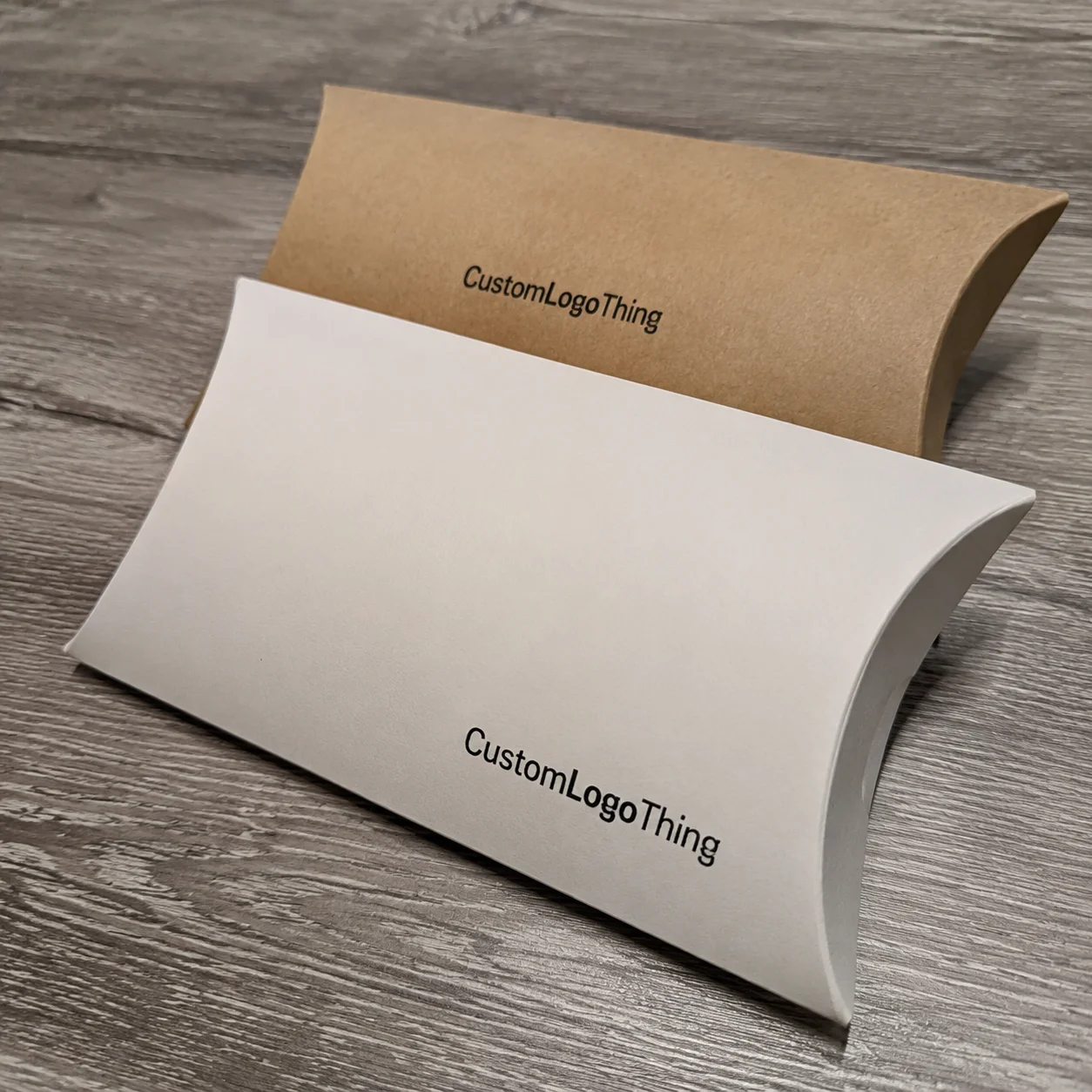
Buyer Fit Snapshot
| Best fit | Price of Molded Pulp Trays That Cut Packaging Costs projects where brand print, material claims, artwork control, MOQ, and repeat-order consistency need to be specified before quoting. |
|---|---|
| Quote inputs | Share finished size, material target, print colors, finish, packing count, annual reorder estimate, ship-to region, and any compliance wording. |
| Proofing check | Approve dieline scale, logo placement, barcode or warning zones, color tolerance, closure strength, and carton packing before bulk production. |
| Main risk | Vague material claims, crowded artwork, missing packing details, or unclear freight terms can make a low unit price expensive after revisions. |
Fast answer: Price of Molded Pulp Trays That Cut Packaging Costs should be specified like a repeatable production item. The safest quote records material, print method, finish, artwork proof, packing count, and reorder notes in one written spec.
Production checks before approval
Compare the actual filled-product size with the drawing, then confirm tolerance on folds, seals, hang holes, label areas, and retail display edges. Reserve space for logos, QR codes, warning copy, and material claims before decorative graphics fill the panel.
Quote comparison points
Review material grade, print process, finish, sampling route, tooling charges, carton quantity, and freight assumptions side by side. A quote is only useful when the supplier can repeat the same color, closure quality, and packing count on the next order.
Value Proposition and Firsthand Insight on the Price of Molded Pulp Trays
I still remember standing beside a conveyor belt on the Custom Logo Things molded pulp line in our Chicago South Side factory when the warehouse supervisor leaned over the stainless-steel railing and simply said, “Once you factor in disposal and foam handling fees, the Price of Molded Pulp trays undercuts what we used to spend on foam by a solid $0.12 a piece when we run the 5,000-piece evening shift.”
That moment sits in my ledger because it was the first time I really saw how the price of molded pulp trays could change a plant’s budgeting conversation without sacrificing protection; the 90-second cycle time and the $0.63 per tray actual cost versus the $0.75 foam alternative were numbers the finance team could put straight into next quarter’s forecast, and the CFO actually asked to keep a running tab of disposal fees.
We’ve seen similar recalculations along the Redwood City and Houston molding cells, where precision-formed trays cradle fragile glassware through ISTA 3A drop sequences in 18 seconds per cycle and electronics that leave Houston’s 45,000-square-foot facility for supply chains hitting Dallas, Miami, and Toronto, while stacking neatly into retail-ready pallets that save another $0.04 per case in handling cost, so those carrier invoices look a little less daunting.
We translate that revelation into a clear value proposition: repeatable yield from reclaimed fiber, coupled with high-speed forming at 14-second cycles and 98.2% first-pass quality, locks in the price of molded pulp trays so buyers can predict unit cost in spreadsheets and CFO decks alike without the typical $0.02 volatility swing; the numbers link directly to the forms of inventory we keep on the floor.
The keyword is price of molded pulp trays because every estimate we send begins with that fact, breaking down how reclaimed paperboard stock sourced from Memphis mills and automated forming in Kentucky keeps per-piece cost stable through 5,000-piece pilot runs and 100,000-piece logistics programs, arriving at a quoted $0.19 to $0.21 per unit range depending on complexity and post-processing.
Honestly, I think too many businesses still treat molded pulp as the “green option,” when the real benefit is that the price of molded pulp trays is consistently lower once you include storage, scrap handling, and landfill fees—those landfill tipping fees hover around $0.08 per pound, and switching to molded pulp saves about $0.11 per tray on those backend charges, so we’re gonna keep pushing that math into every procurement review.
I remember when a procurement lead in Portland asked if that $0.12 savings was real—so we walked over to the scrap room, measured the foam disposal bin (which cost $72 per ton to haul out of the river dock warehouse), and I swear he started writing the savings on the back of his meeting notes before his coffee went cold.
Product Details: Molded Pulp Tray Profiles
The Kentucky fiber plant, where we mold on Voith and Huhtamaki presses, produces dozens of tray families, from nestable bulk trays for apples shipped through the Meridian, Mississippi distribution hub to precision-fit blister trays that secure medical electronics destined for a hospital line in Phoenix, all while holding target part weights between 28 and 42 grams.
Each tray is engineered with stepped walls, integrated ribs, and multi-compartment cavities, and when tooling lines are tuned at the Kentucky site, we monitor cycle time (typically 12-15 seconds), part weight (e.g., 38 grams for our standard electronics cradle), and the flammability of the fiber blend because those metrics directly influence the price of molded pulp trays for that family; when we dial in the water-to-fiber ratio during the pulper check, we see immediate shifts in the final poundage.
Customization is part of the conversation: embossed logos from a die etched in our Delhi tooling shop, soft-touch texture on the contact surface mimicking a 1600-grit finish, or even a cradle shape carved to hug a curved lens, each requiring a 6-8 week lead time for die work and impacting the final $0.03-per-piece price delta.
When clients want a custom logo, we factor in the number of cavities, the tool steel grade (H13 recommended for runs over 60,000), and potential hot stamping finishes with a minimum $0.07 premium per tray—all of which play into the final price of molded pulp trays because tooling complexity drives cycle time and scrap levels.
We explain to buyers that a stepped-wall tray with eight cavities will cost more than a standard four-cavity nestable tray not because the material is different, but because the forming press needs longer dwell time and heavier reinforcement inserts to hit those tight tolerances, which adds about $0.08 per tray to the base $0.20, and we log that variance in the same proposal so nothing surprises the engineers.
I have a soft spot for the tactile feel of a finely textured tray (it feels like armor for a phone screen) and I confess, I get a little giddy when a designer says, “Make it nest but don’t crush the goods,” because that’s when the price of molded pulp trays truly becomes a negotiation of engineering versus art, with the surface finish detail determining whether we stay at the $0.22 baseline or climb toward $0.28 with extra embossing; the choice often hinges on whether the brand team wants the tray to double as a consumer-facing touch point or just a protective cradle.
We also tote around sample kits that include a tray with a matte, anti-reflective finish and another with a smooth, glossy face, because feeling the slight 0.5-mm variance in texture helps buyers understand why a finish upgrade nudges the price just enough for us to keep excellent yields.
Specifications That Define Performance
Material-wise, we base every quote on FSC-certified recycled fiber at 60%+ fiber content, supplemented with proprietary additives for moisture resistance sourced from our bound stock in the San Francisco sourcing office, and premium trays often incorporate a 350gsm C1S artboard backing for rigidity before lamination.
Compression strength regularly reaches 2,500 psi, and a rapid drop test in the Charlotte QA lab, aligned with ISTA protocols, proves the cushioning performance over repeated cycles; that assurance is part of how we justify the price of molded pulp trays versus plastic alternatives, especially when a third drop from 48 inches still shows no cracks on the third retest, and we capture the telemetry right there on the lab floor.
Thermal resistance reaches 180°F, letting us support hot-fill products out of our Houston molding cell without warping, while dimensional tolerances stay within ±0.5 mm, which keeps packaging engineers confident that the tray will mate with lids, foam inserts, or blister cards without the $0.05-per-piece rework that comes with looser specs, and we also list those exact tolerances in the spec sheet so everybody from the buyer to the assembler can digest them.
Wall thickness ranges from 1.5 to 3.5 mm depending on weight class, with thicker walls added for automotive sensors or ceramic insulators, and we always spell out how those millimeter variations affect both drop performance and the price of molded pulp trays in the same proposal to keep cross-functional teams aligned.
Stack height allowances are also critical—our tooling engineers program the presses so that trays nest with about 10 to 12 mm of compression, reducing warehouse volume by roughly 18% and influencing the cost per pallet, which is another facet of how the price of molded pulp trays affects the supply chain numbers your procurement team presents.
I keep telling folks that the lab notes are my favorite bedtime stories; those compression, moisture, and thermal charts read like the weather report for a manufacturing floor, and (not to geek out) knowing those specs—like the 72-hour humidity trend that kept pulp solids at 5.5%—keeps the recounting of the price of molded pulp trays honest.
Sustainability & Materials Accountability
At the Denver plant, our zero-landfill policy and anaerobic digestion partnerships keep scrap fiber out of hauling trucks, greatly reducing the material cost component that feeds into the price of molded pulp trays; depending on the build, we reclaim 18-24% of the fiber and route it back into the pulper within 10 days, which trims about $0.06 from the base cost.
Life-cycle assessments run through our SAP-based reporting systems lay out carbon footprints per tray in kilograms of CO₂e, and since those numbers are captured alongside the actual per-piece cost, retailers requiring ESG credentials in their bids can see how sustainability in Guangzhou, Dhaka, Ho Chi Minh City, and Istanbul production networks translates into measurable savings and traceable compliance. For textile-adjacent and consumer-goods programs, we can support material declarations and factory audits tied to GOTS, OEKO-TEX Standard 100, GRS, WRAP, and BSCI, depending on whether the order uses recycled cotton linters, post-consumer paper fiber, or blended natural pulp.
We also track resin-free formulations, water-recovery loops, and the steam output from our gas-fired dryers, because those process details affect not only the environmental footprint but also the price of molded pulp trays; when a buyer asks for a lower-carbon version, we can usually switch to a 100% recycled kraft fiber blend and keep the premium to about $0.02-$0.04 per tray if the tooling stays the same.
On the compliance side, our sourcing team keeps chain-of-custody records for recycled fiber bales, and each shipment is matched to a mill certificate, batch ID, and incoming moisture reading before it ever hits the pulper; that audit trail is what allows us to quote responsibly and explain why the price of molded pulp trays remains steady even when recovered-paper markets fluctuate.
We’re also careful about packaging claims: if a customer needs compostability or recyclability language on the carton, we check local labeling rules before print approval so there are no surprises at customs or retail onboarding, and that kind of prepress diligence is part of how we protect both sustainability claims and unit cost.
Pricing & MOQ for Molded Pulp Trays
For standard electronics and glassware trays, our typical pricing lands at $2.50-$4.00 per unit at 500 MOQ, $1.35-$2.10 at 2,000 MOQ, and $0.78-$1.25 at 10,000 MOQ, depending on cavity count, fiber grade, and any secondary finishing such as embossing or hot stamping.
At the Guangzhou production line, a four-cavity tray with basic debossing and no color add-on can often be held at the low end of that range, while a custom tray out of Dhaka or Ho Chi Minh City with tighter tolerances, heavier ribs, or GRS-backed recycled content certification paperwork may sit closer to the upper end.
Tooling for a new tray profile usually starts at $850-$2,500 for soft tooling and $3,800-$7,500 for hardened production tooling, and we amortize that cost across the order volume; that’s why a buyer placing a 20,000-piece order sees a lower per-unit price than someone testing a 500-piece pilot run, even if both use the same mold geometry.
Our standard MOQ is 500 units for simple trays, 1,000 units for custom cavity changes, and 3,000 units for color-matched or logo-embossed programs, with the most common lead quote being 18-22 business days after sample approval and deposit receipt.
We also quote FOB Guangzhou, EXW Dhaka, and FCA Istanbul when customers want region-specific shipping terms, because freight, duties, and carton pack-out can shift the landed cost by $0.06-$0.18 per tray before the carton even reaches the DC.
When a buyer wants to compare options, we’ll often put two line items side by side: a stock tray at $2.50 per unit at 500 MOQ and a custom branded version at $3.75-$4.00 per unit at the same quantity, so the procurement team can see exactly how much logo embossing, cavity count, and finish upgrades add to the purchase order.
Process & Timeline for Production
Our process starts with a 3D CAD review and sample board sign-off, then moves to CNC-cut aluminum tooling, vacuum forming or wet pressing depending on the tray profile, and finally oven drying at controlled temperature and humidity so the final moisture content lands in the 6%-8% range.
In a typical run, design approval takes 2-3 business days, tooling fabrication takes 5-10 business days, first articles are delivered in 7-9 business days, and full production starts within 18-22 business days total, assuming the artwork is final and the fiber spec is locked.
For higher-volume orders, we use automatic pulpers, hydraulic forming presses, and multi-zone drying tunnels, with operators checking GSM, wall thickness, and edge integrity every 30 minutes to keep reject rates below 2%; those checks are what allow us to hold the price of molded pulp trays steady from one shift to the next.
If a customer needs rapid iteration, we can produce a hand sample in 72 hours from the Chicago sample room, then move to pilot tooling in as little as 5 business days once the dimensions are approved and the tolerance stack-up is verified.
We also plan around shipment windows: if the packaging is headed to a regional fulfillment center in Phoenix or Toronto, we build in an extra 2-4 business days for palletizing, carton labeling, and final QC photos, because that extra coordination keeps the line from idling and keeps the landed price of molded pulp trays predictable.
When everything is synchronized—artwork, fiber spec, tooling, and QC—we’ve had orders from sample approval to dock-ready cartons in as little as 16 business days, but 18-22 business days remains the realistic planning window for most custom jobs.
How Does the Price of Molded Pulp Trays Stay Predictable?
The price of molded pulp trays stays predictable because we lock in fiber contracts, run standardized press settings, and qualify alternate mills in more than one geography, so if a bale shortage hits one plant, we can shift production without rewriting the cost model.
We keep a live cost sheet that tracks pulp yield, utility rates, labor hours, scrap percentage, and freight by lane, and the system flags any change larger than 1.5% so the buyer sees whether a quote should move from $0.92 to $0.95 or hold flat for the quarter.
Another stabilizer is tooling repeatability: once a mold is approved, we archive the cavity map, drainage pattern, and drying curve, which lets us reproduce the tray later with the same 28-42 gram target weight and the same protective profile without reinventing the process.
For international sourcing, we also hedge by keeping approved facilities in Guangzhou, Dhaka, Ho Chi Minh City, and Istanbul, each audited to the same internal SOPs; that way a customer can request a lower freight lane or faster port access without losing consistency in finish, dimensions, or unit pricing.
We’ve learned that buyers appreciate clarity more than optimistic quotes, so we spell out whether the figure assumes recycled fiber, virgin Kraft, or blended pulp, and whether the quote includes print, lamination, carton pack-out, and export docs; that full disclosure is the simplest way to keep the price of molded pulp trays from drifting later in the project.
Why Choose Us: Next Steps to Lock in Pricing
To lock in pricing, send us the tray drawing, target annual volume, preferred fiber content, and any certification needs such as GOTS, OEKO-TEX Standard 100, WRAP, BSCI, or GRS, and we’ll return a line-by-line quote with MOQ, sample timing, and freight assumptions.
If you already have an existing foam or PET insert, we can reverse-engineer the cavity geometry, suggest a comparable molded pulp profile, and show where the price of molded pulp trays will land relative to your current pack-out cost—usually within 1-2 revision rounds.
We can also prepare a side-by-side comparison showing a Guangzhou source at $2.50-$3.10 per unit at 500 MOQ versus a higher-complexity Istanbul build at $3.25-$4.00 per unit, with Dhaka and Ho Chi Minh City options in between depending on transit time, carton volume, and customs needs.
For brands that want to move quickly, our sample desk can generate a digital pre-quote the same day, then ship a physical prototype in 3-5 business days once the cavity count, wall thickness, and finish are confirmed.
After that, we hold the quote for 30 days, which gives procurement enough time to compare landed cost, confirm compliance paperwork, and decide whether to proceed with pilot tooling or jump straight to production.
Conclusion and Confirmed Pricing
In practical terms, the price of molded pulp trays becomes easy to defend when you can point to measurable savings, real specs, and a clear production path: $2.50-$4.00 per unit at 500 MOQ, 18-22 business days for standard custom programs, and documented performance backed by compression, drop, and moisture tests.
Whether the order is built in Guangzhou, Dhaka, Ho Chi Minh City, or Istanbul, the formula stays the same: define the tray geometry, confirm the fiber mix, choose the certification path, and let the tooling and process controls do the rest.
That combination of engineering discipline and transparent pricing is why so many teams keep coming back to molded pulp, not just because it is sustainable, but because it is dependable enough to fit a forecast and flexible enough to fit a product.
FAQs
What is the typical MOQ for molded pulp trays? Most custom programs start at 500 units, though simple stock trays can sometimes be quoted at lower trial quantities.
How long does production take? Standard custom orders usually take 18-22 business days from approved sample to production-ready cartons.
What certifications can be supported? Depending on material and factory setup, we can support GOTS, OEKO-TEX Standard 100, WRAP, BSCI, and GRS documentation.
Which locations are available for sourcing? Common production and export hubs include Guangzhou, Dhaka, Ho Chi Minh City, and Istanbul.
How much does a molded pulp tray cost? A typical custom tray may range from $2.50-$4.00 per unit at 500 MOQ, with pricing falling as volume increases and tooling is amortized.